A Closer Look At Willy Wonka And The Chocolate Factory Through 14 Facts
Remember the first time you watched Willy Wonka and the Chocolate Factory and felt like you’d just stepped into a world made entirely of dreams and candy?
That 1971 musical masterpiece has been enchanting audiences for over five decades, but behind every golden ticket and chocolate waterfall lies a treasure trove of fascinating secrets.
From Gene Wilder’s genius entrance to real-life surprises captured on camera, these facts will make you see this beloved classic in a whole new light.
1. Gene Wilder’s Calculated Entrance
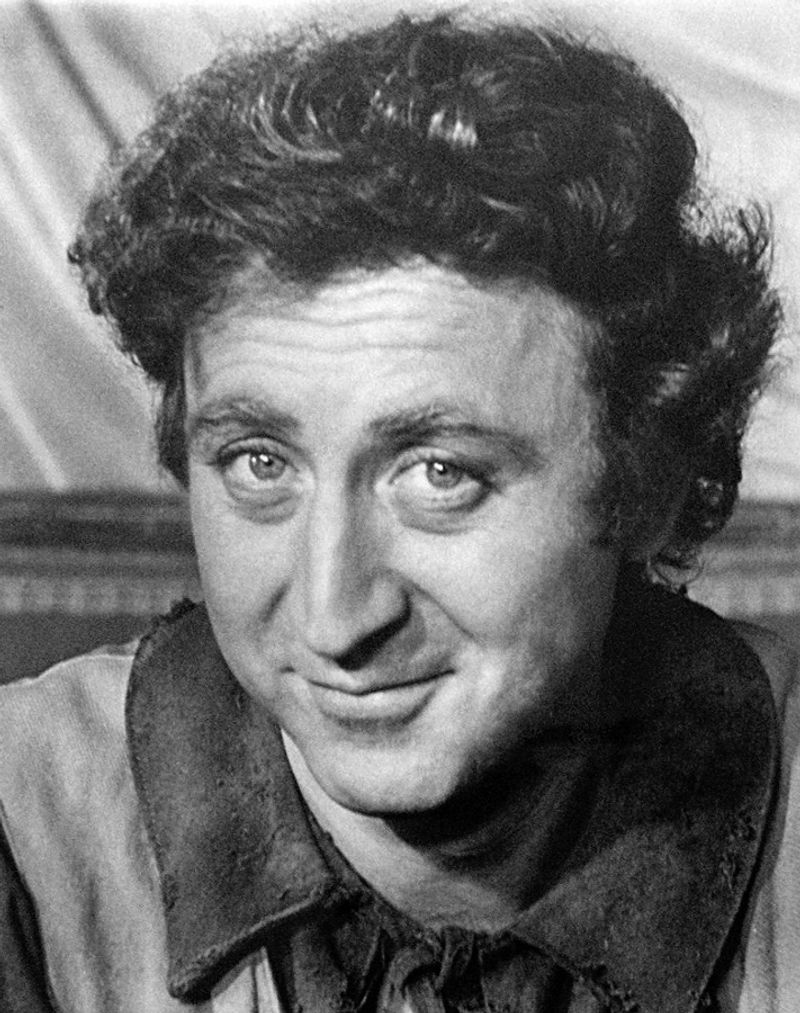
Before agreeing to play Wonka, Gene Wilder had one non-negotiable demand that would define his entire performance.
He insisted on limping out with a cane, then suddenly doing a surprise somersault to keep audiences guessing about his true nature. Brilliant, right?
That iconic moment wasn’t just clever character work. It set the tone for everything that followed, making viewers wonder whether Wonka was friend or foe.
Talk about knowing how to make an entrance that matters!
2. Real Surprise At The Gates
Here’s something wild: most people on set had no idea Wilder was going to pull that acrobatic stunt.
When he tumbled forward at the factory entrance, those amazed expressions from the crowd weren’t acting at all. Pure, unfiltered shock captured on film!
Directors love authentic reactions, and this one delivered big time.
Everyone thought they were filming a simple walk-and-wave scene. Instead, they got movie magic that still makes audiences smile decades later.
3. International Oompa-Loompa Casting
Casting the Oompa-Loompas wasn’t a simple local hire situation.
Production scouts searched across multiple countries to find performers who could sing, dance, and bring Roald Dahl’s mysterious factory workers to life. Global talent hunt, 1970s style!
This international approach added authentic diversity to the film’s magical workforce.
Each performer brought unique energy and skills, making those musical numbers pop with personality and coordinated chaos that felt wonderfully unpredictable.
4. Sammy Davis Jr. And The Candy Man
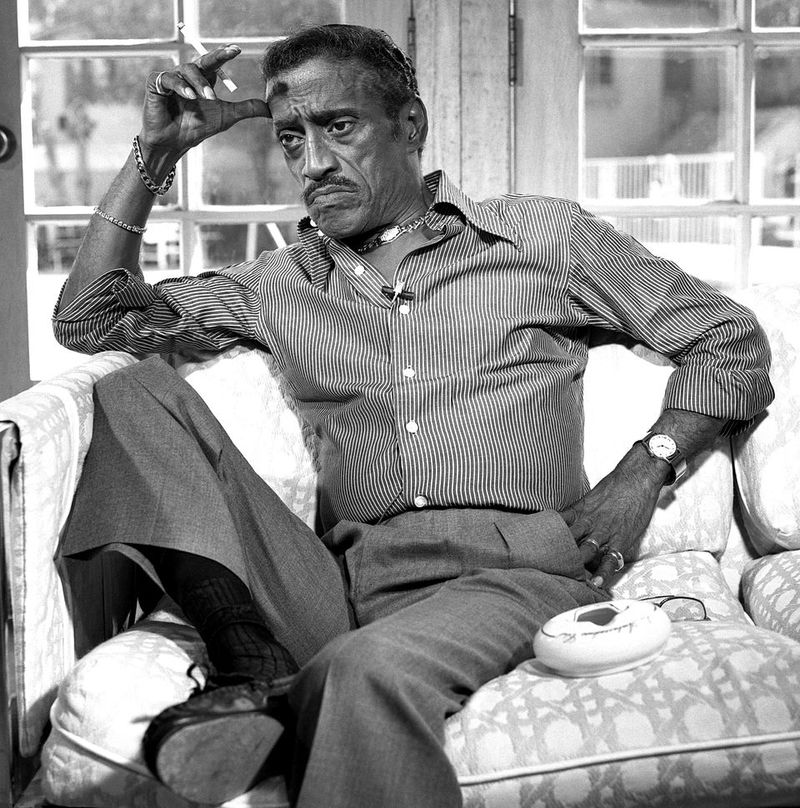
Sammy Davis Jr. desperately wanted to play the candy shop owner in the opening scene.
However, Mel Stuart turned him down, worried that such a mega-celebrity would shatter the film’s carefully crafted reality. Tough call, but probably smart!
Plot twist: Davis still recorded “The Candy Man” and turned it into a massive chart-topping hit anyway.
5. Munich’s Movie Magic

Most people assume this quintessentially quirky movie was filmed in England or America. Surprise!
The production actually set up shop in and around Munich, Germany, with massive factory sets constructed at Bavaria Studios. Geography can fool you sometimes.
Filming overseas gave the movie that delightfully disorienting “nowhere and everywhere” quality.
It doesn’t feel quite American or quite European, which perfectly matches the timeless, placeless vibe of Dahl’s imagination.
6. Cereal Box Promotional Magic
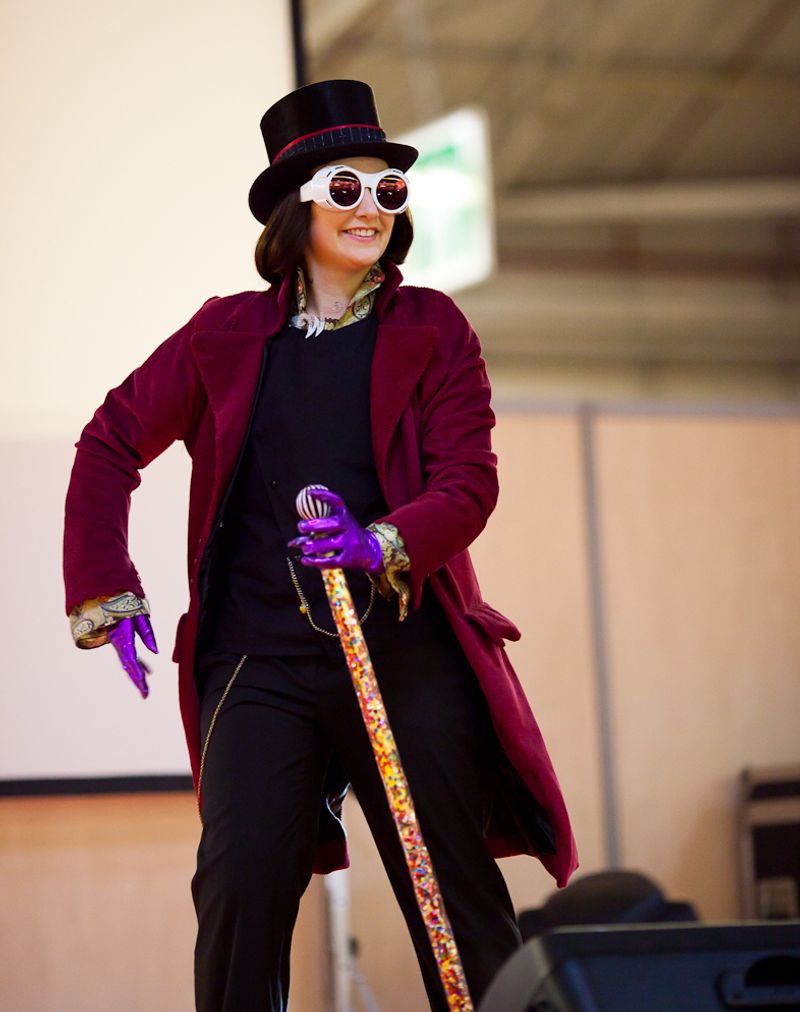
Back when marketing meant more than just hashtags, the studio ran an amazing promotion through cereal boxes.
Kids could collect box seals and mail them away for an actual “Willy Wonka candy factory kit.” Peak pre-internet promotional genius right there!
Imagine the excitement of waiting weeks for your kit to arrive in the mail. That kind of patient anticipation is almost extinct now, replaced by instant downloads and same-day delivery.
7. Thanksgiving TV Premiere

The film’s first television airing happened on Thanksgiving night in 1974, broadcast by NBC to millions of families.
That strategic holiday placement helped transform the movie from box-office disappointment into beloved cultural institution. Timing really is everything!
Families gathered around their TVs, and suddenly Wonka became a tradition.
Repeat airings during holidays cemented its status as comfort viewing that parents wanted to share with their kids year after year.
8. Pure Imagination’s Emotional Power
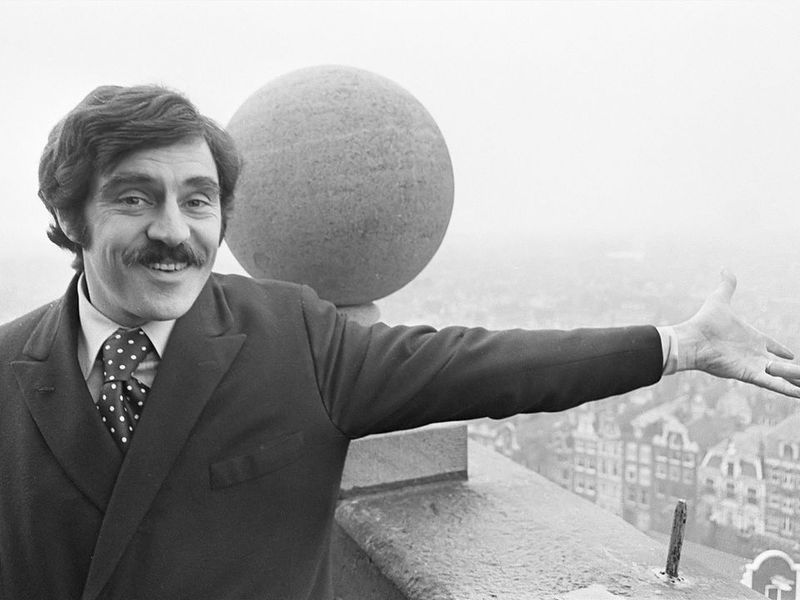
Songwriting legends Leslie Bricusse and Anthony Newley penned “Pure Imagination,” which became the film’s beating heart.
That gentle, dreamy melody captures everything the movie represents: wonder, possibility, and the magic hiding inside ordinary moments. Goosebumps guaranteed!
Decades later, that song still shows up everywhere from commercials to covers by modern artists.
9. The Infamous Blow-Up Scene
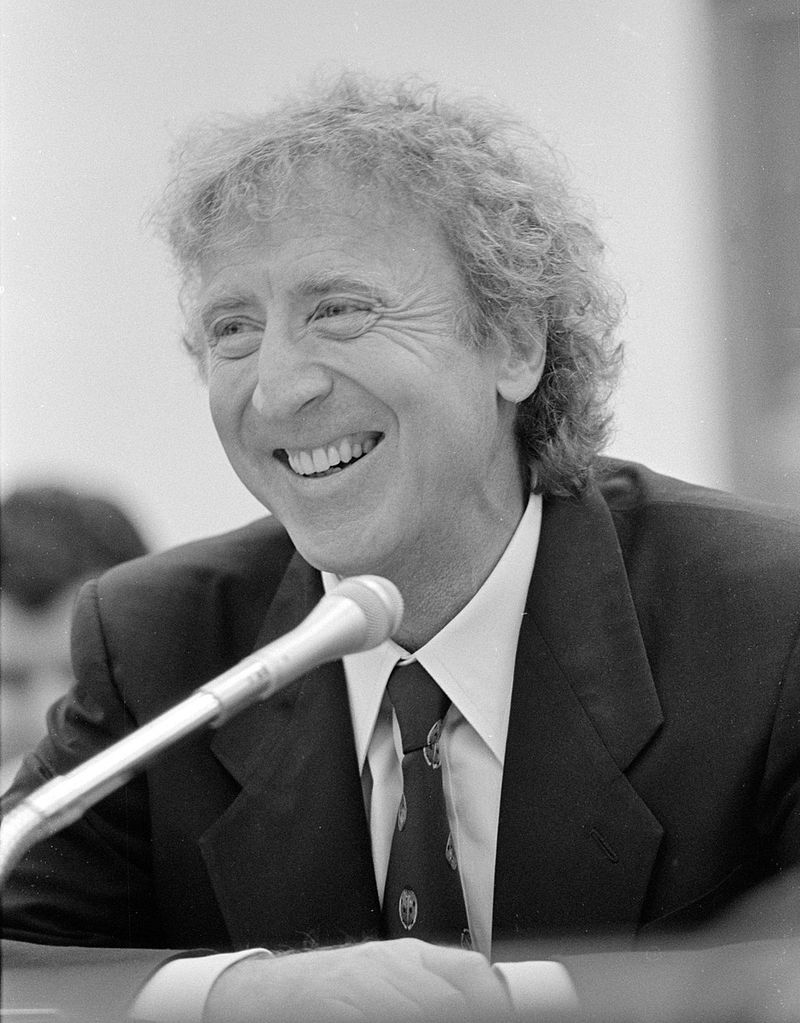
When Wonka explodes with “You get nothing!” at Charlie, that raw intensity wasn’t accidental.
Gene Wilder deliberately varied his performance across different takes, keeping the child actors genuinely uncertain about how angry he’d get. Method acting meets controlled chaos!
Those authentic reactions of fear and confusion made the scene unforgettable.
Sometimes great performances come from keeping everyone slightly uncomfortable and unsure what’s coming next.
10. The Chocolate River Controversy

Movie magic often tastes worse than it looks.
The famous Chocolate River remains legendary in trivia circles, with at least one Oompa-Loompa performer later admitting it was absolutely not delicious in real life. Yikes!
What looked like creamy, dreamy chocolate on screen was probably some gross mixture designed for cameras, not taste buds.
Hollywood specializes in making inedible things look irresistibly appetizing.
11. Box Office Disappointment Turned Classic
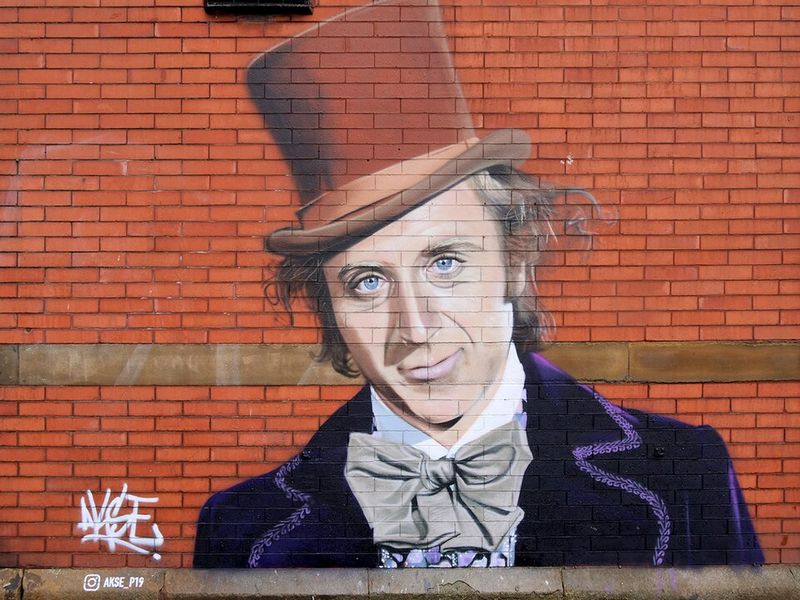
Hard to believe now, but Wonka bombed at the box office initially.
Critics weren’t impressed, audiences stayed away, and Paramount considered it a financial failure.
Television reruns and home video completely reversed the film’s fortunes.
What flopped in theaters became a generational touchstone that made way more money through repeated viewings than its original theatrical run ever could.
12. Roald Dahl’s Screenplay Disappointment
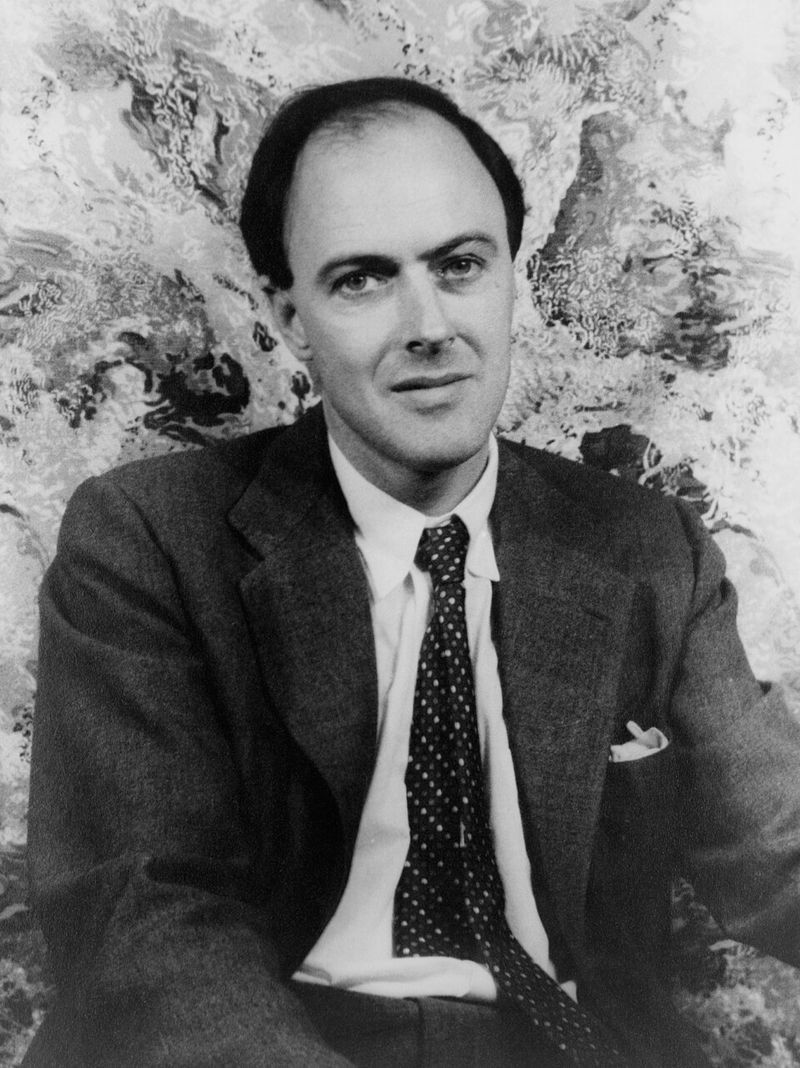
Author Roald Dahl wrote the screenplay himself but ended up deeply disappointed with the final film.
He felt it strayed too far from his original vision and focused too much on Wonka instead of Charlie. Creative differences at their finest!
Dahl reportedly disliked the musical numbers and Gene Wilder’s interpretation. Ironically, those exact elements became the reasons audiences fell in love with the adaptation.
13. Peter Ostrum’s One-Film Career

Peter Ostrum, who played Charlie, never acted in another film after Wonka.
He decided Hollywood wasn’t for him and eventually became a veterinarian instead. From golden tickets to animal care – quite the career pivot!
Ostrum still gets recognized decades later, but he’s perfectly content with his choice. Not everyone who touches movie magic wants to stay in the spotlight forever.
14. Veruca Salt’s Squirrel Scene Change

Book readers know Veruca’s downfall involved trained squirrels judging nuts, but the film swapped that for a golden egg scene.
Training squirrels proved too difficult and expensive for the production budget. Practical filmmaking sometimes requires creative compromise!
Interestingly, the 2005 Tim Burton remake brought back the squirrels using CGI technology.