20 Lost American Brands Frequently Mentioned In Nostalgia Discussions
There was a time when a store sign felt like a promise, when certain names meant reliability, excitement, or a small moment of joy built into everyday life. You didn’t check reviews or scroll for options, you just went there, because it had always been there.
Then one day the doors closed, the logos disappeared, and no one really noticed until the absence started to ache. These brands weren’t just businesses, they were routines, memories, and quiet markers of who we were at the time.
Looking back at them now feels a little like flipping through an old photo album and realizing how much has changed.
Note: This article reflects nostalgia-driven cultural memories of American brands that changed, merged, rebranded, or closed over time, and details can vary by location, ownership era, and corporate restructuring records. Brand histories and closure timelines are presented for general informational and entertainment purposes and are not definitive business, legal, or financial documentation.
The content is provided for general informational and entertainment purposes.
Pan Am
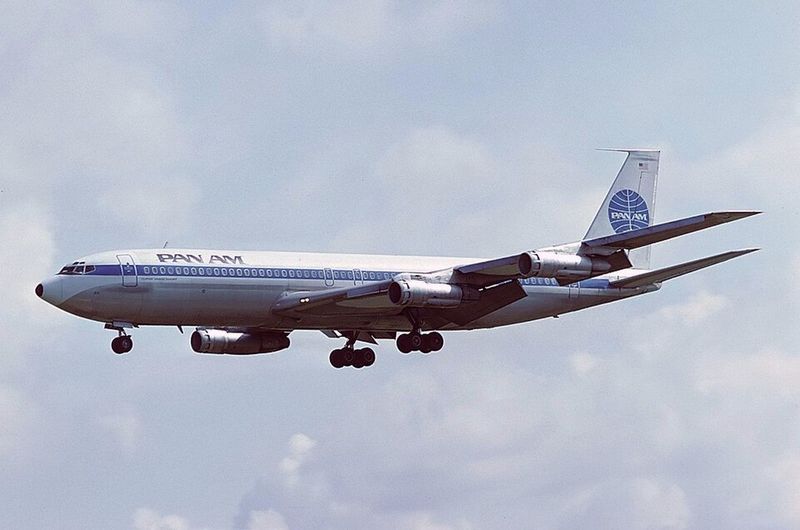
Golden age air travel once made boarding a plane feel closer to entering a luxury hotel than a cramped cabin. Flying became an event under Pan American World Airways, complete with white glove service, attentive crews, and meals served on real china.
Blue globe logo quickly turned into shorthand for adventure, confidence, and international sophistication.
Closure in 1991 marked the end of an entire era of travel glamour rather than just an airline. Today’s economy class realities make those Pan Am stories sound almost mythical, like fairy tales from a more elegant sky.
Trans World Airlines (TWA)
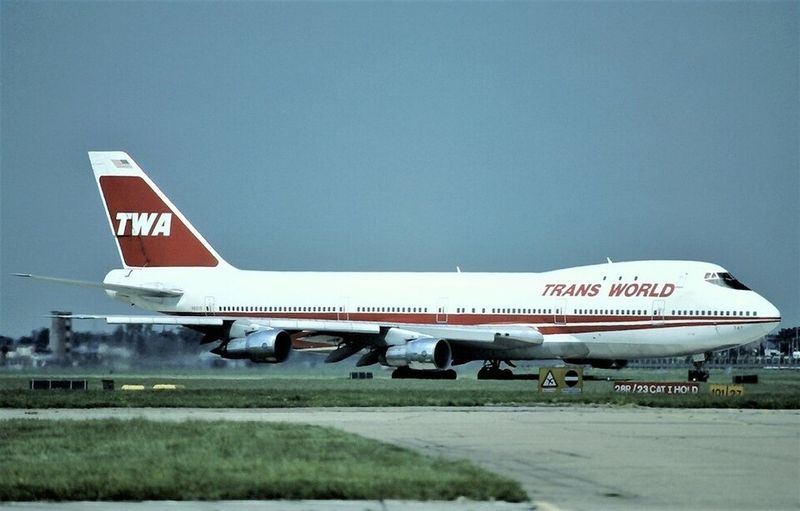
TWA flights once carried movie stars and presidents across the country in style. The airline’s iconic terminal at JFK Airport still stands as a monument to mid-century modern design.
Founded by aviation legends, TWA made transcontinental travel feel special rather than stressful.
After decades of financial turbulence, the carrier merged with American Airlines in 2001. Those red letters on the plane’s tail now live only in old photographs and airport history exhibits.
Eastern Air Lines
Winged logo once stood as a promise of smooth flights tracing the East Coast corridor.
Punctual shuttle runs between New York, Boston, and Washington let business travelers set watches by departures, effectively defining reliable hourly service for commuters.
Labor disputes paired with rising fuel costs ultimately brought operations to a halt in 1991. Frequent flyers left with stacks of unused miles suddenly had to hunt for new loyalty programs elsewhere.
Braniff International
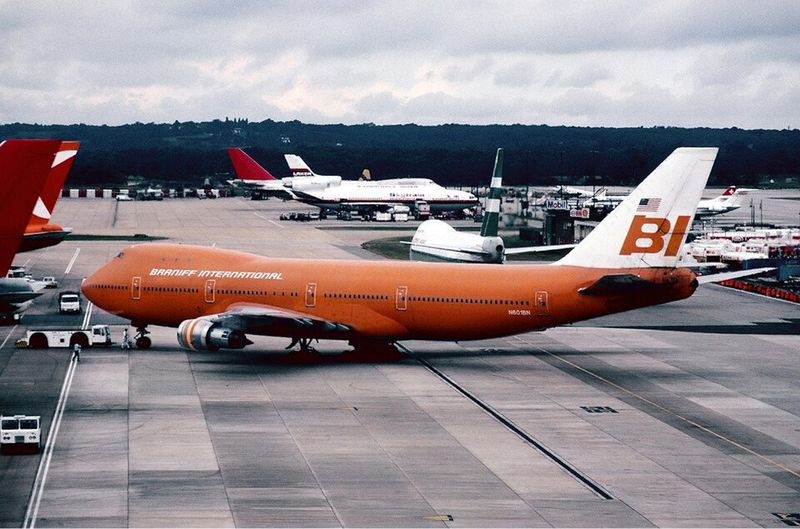
Braniff turned airplanes into flying works of art with bold colors nobody had seen before.
Designer Emilio Pucci created flight attendant uniforms that belonged in fashion magazines, not just airplane aisles. The airline’s “End of the Plain Plane” campaign made competitors look boring by comparison.
Financial overreach during deregulation forced Braniff to cease operations in 1982. Flying hasn’t been quite as colorful since those vibrant jets disappeared from the skies.
Woolworth

Lunch counters at Woolworth’s offered far more than grilled cheese sandwiches. Community life unfolded there, with neighbors catching up over coffee and pie while aisles displayed everything from sewing notions to goldfish, all priced for quick sales.
After 118 years, final American locations closed in 1997 as competition from big box discounters proved overwhelming.
Today, thrift stores and dollar chains fill spaces where Woolworth’s once anchored everyday shopping rituals.
Montgomery Ward
Before Amazon, Montgomery Ward brought catalog shopping to rural America.
Farmers and small-town families ordered everything from shoes to entire houses through those thick catalogs. The company pioneered mail-order retail long before the internet made it commonplace.
After 128 years in business, Montgomery Ward filed for bankruptcy in 2001. Those catalogs that once filled mailboxes now fill antique shops and vintage collections.
Mervyn’s
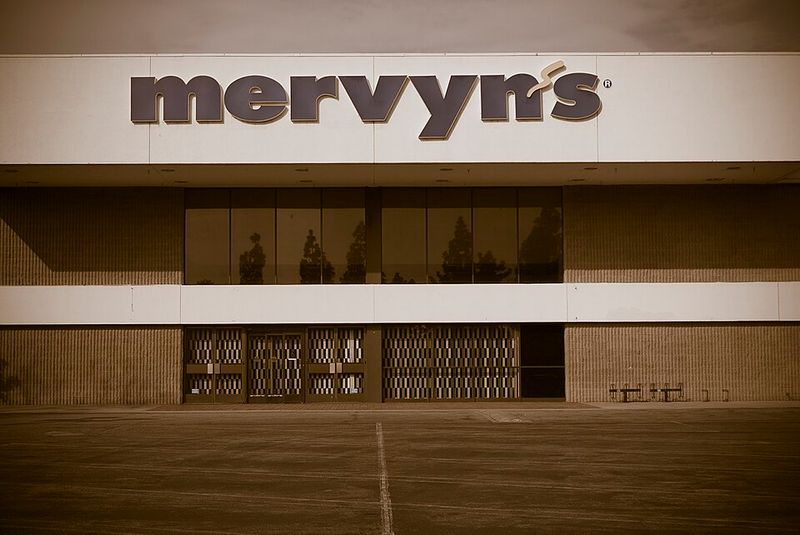
Sweet spot positioning once placed Mervyn’s squarely between discount bargains and department store polish. Across California, families loaded carts with back to school clothes and home goods at prices that felt fair, while an “Open, Open, Open” jingle lodged itself in memory for decades.
Mounting debt eventually forced every store to close in 2008.
Throughout West Coast strip malls, empty retail shells still mirror the exact shape and footprint of former Mervyn’s locations.
Zayre
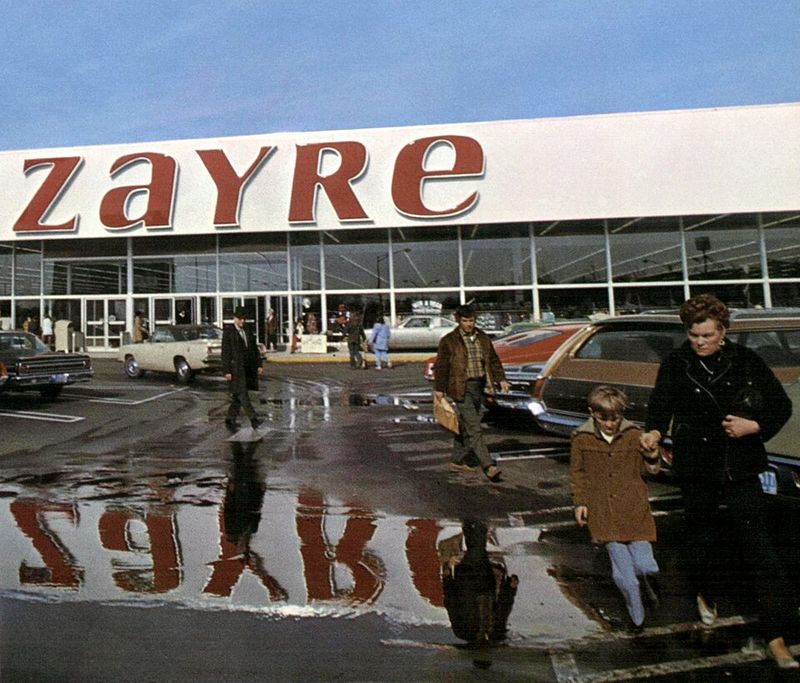
Discount shopping reached neighborhoods early as Zayre built a loyal following long before Walmart dominated the landscape. Budget conscious families knew exactly where affordable clothing and household basics could be found when paychecks felt tight.
No frills interiors never mattered, because consistent value delivered relief when money needed to stretch.
Financial struggles led Zayre’s parent company to sell the Zayre store chain to Ames in 1988, then reorganize and adopt The TJX Companies name in 1989. By 1990, the Zayre name had largely vanished from storefronts.
Ames Department Stores
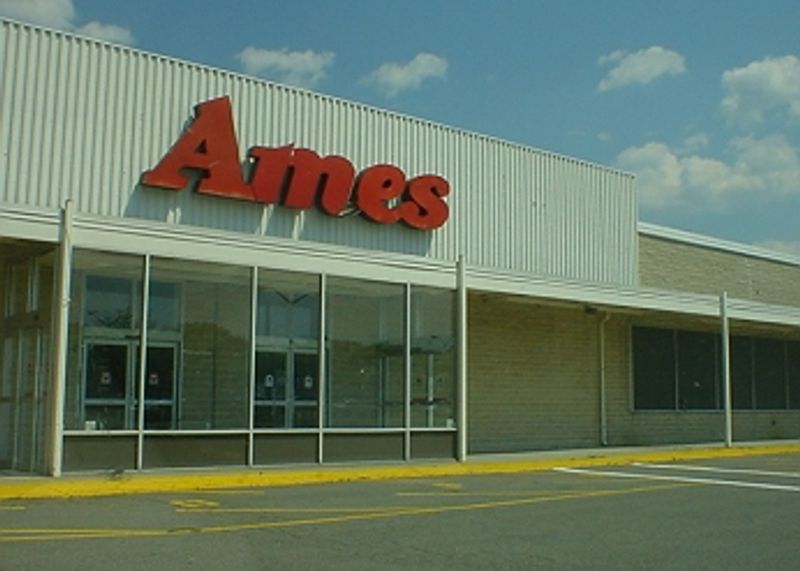
Ames anchored small-town shopping plazas across the Northeast and Midwest.
The chain filled the gap between five-and-dimes and full department stores perfectly. Shoppers grabbed everything from garden hoses to birthday gifts under one roof.
Overexpansion and competition from bigger chains forced Ames into bankruptcy in 2002. Those plaza anchor spots now house different retailers or sit vacant, gathering weeds in the parking lot cracks.
Caldor
Helpful smiles once defined Caldor’s presence across New England, anchoring decades of everyday shopping with a familiar promise. Friendlier atmosphere set the stores apart from massive discount chains moving into town, helped by employees who actually knew aisles and enjoyed guiding customers.
Financial missteps eventually led to bankruptcy in 1999, bringing all 145 locations to a close.
Former shoppers still recall exact store layouts with ease, even as entirely different businesses now occupy those same buildings.
Service Merchandise
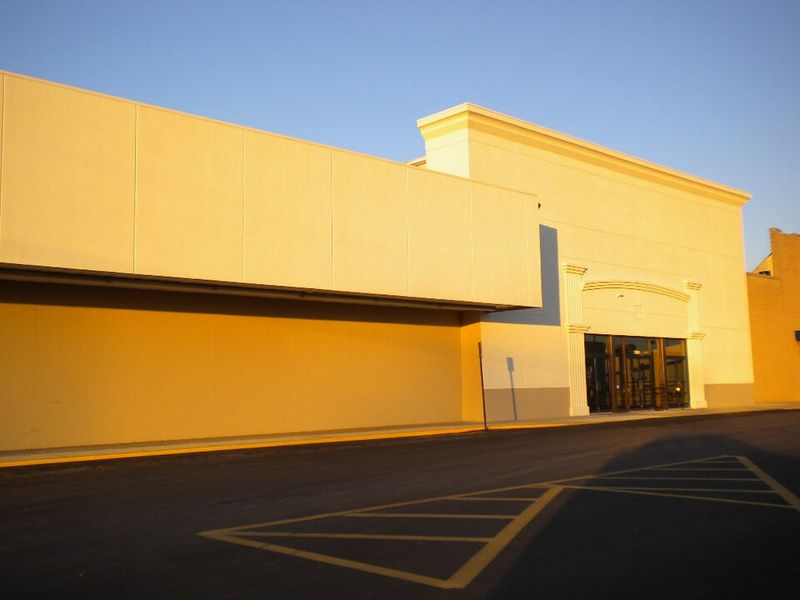
Catalog showroom shopping once felt futuristic as Service Merchandise pioneered a model built around anticipation and choice. Display browsing led to scribbled item numbers, followed by waiting at a pickup counter while warehouse staff retrieved purchases.
Magic filled the moment for kids as products rolled out on a conveyor belt and finally appeared within reach.
After bankruptcy, Service Merchandise closed remaining stores in the early 2000s as big-box competition and changing shopping habits took over.
Sam Goody
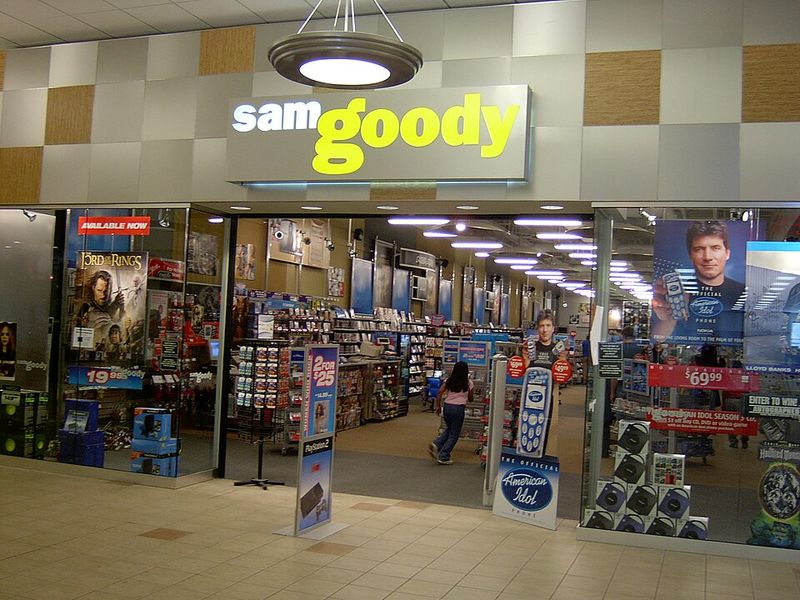
Music shopping became an experience rather than a quick transaction under Sam Goody’s bright lights.
Hours disappeared for teenagers flipping through CD bins and wearing out listening station headphones in search of something new. Yellow shopping bags turned into quiet status symbols for anyone serious about music.
In 2006, Sam Goody’s bankruptcy accelerated widespread closures, and the brand faded from most malls as digital buying changed how people found music.
Borders
Borders created bookstore destinations where people lingered over coffee and magazines for hours.
The cafe sections became unofficial offices for students and freelancers before coworking spaces existed. Staff recommendations actually introduced readers to authors they’d never heard of.
Strategic missteps in online selling and slow adaptation to digital reading helped push Borders toward bankruptcy in 2011. Empty storefronts still have that distinctive Borders shape in strip malls across America.
Tower Records
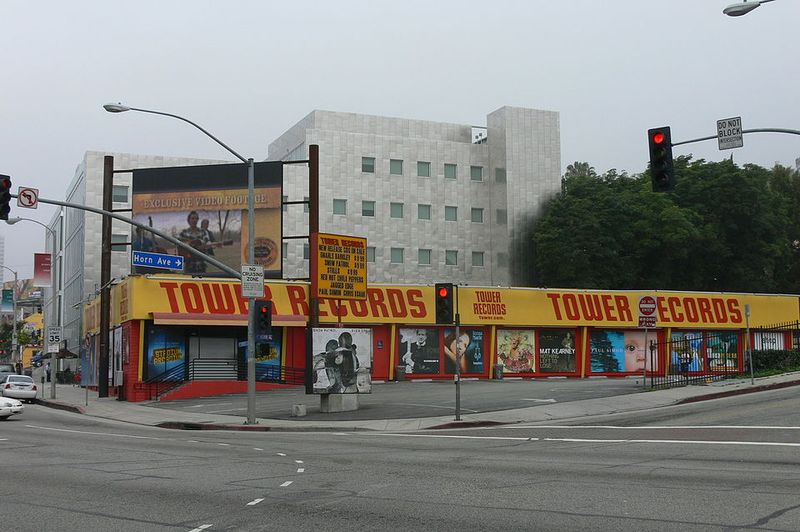
Serious music collectors treated Tower Records on Sunset Boulevard like a pilgrimage destination rather than a store. Late night hours matched fan habits, while import bins stocked albums unavailable anywhere else in the country.
Digital music eventually erased the need for physical retail, leading to closure in 2006.
Loss still stings for anyone who remembers aisles organized by obscure subgenres that only Tower bothered to carry.
Circuit City
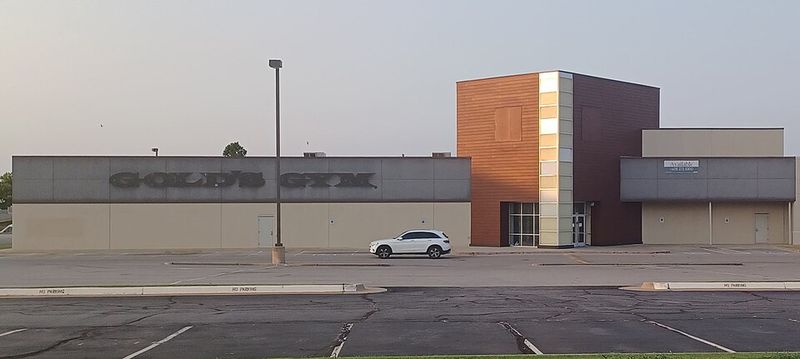
Buying electronics felt less intimidating thanks to knowledgeable sales staff who actually enjoyed explaining the gear. Departments followed a logical flow, standing in contrast to warehouse style chaos found at competing retailers.
Commission based salespeople took time to explain differences between products rather than simply pointing at price tags.
Online shopping combined with poor management decisions led to liquidation in 2009, leaving those big red buildings to become fitness centers and discount grocers instead of gadget hubs.
Blockbuster
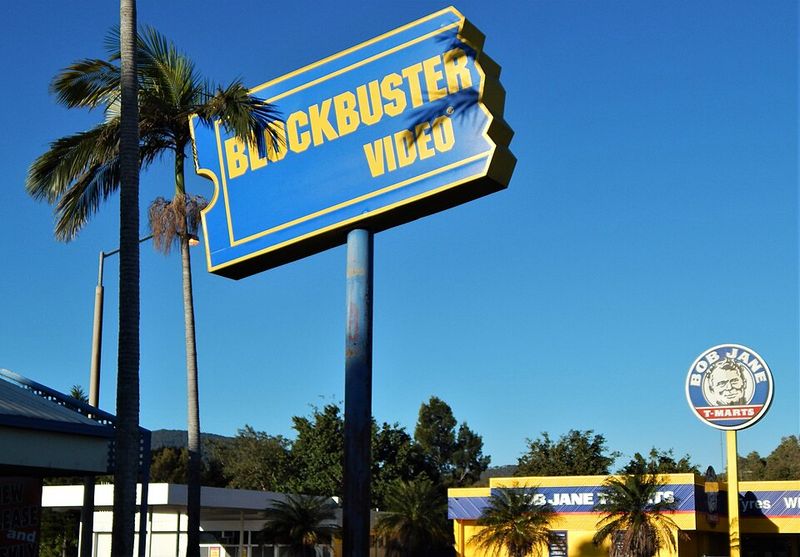
Friday nights meant cruising Blockbuster aisles, debating which movies to rent before new releases sold out.
Late fees funded the entire business model and annoyed every customer equally. The smell of popcorn and plastic VHS cases defined weekend entertainment for millions.
Rising competition from Netflix and streaming reshaped video rentals, and Blockbuster filed for bankruptcy in 2010 as the model collapsed.
Pontiac

Cool uncle energy filled Pontiac showrooms with hood scoops, racing stripes, and an unapologetic sense of speed. Movie star status followed for the Firebird Trans Am, turning performance and style into the main attraction over everyday practicality.
Bankruptcy restructuring inside General Motors ended the brand in 2010.
Debate still lingers among gearheads who argue that losing Pontiac drained excitement from GM’s lineup for good.
Saturn
Different expectations shaped a car buying experience built around respect rather than pressure.
No haggle pricing landed as a small revolution at a time when other dealerships thrived on games and negotiation fatigue. Emotional loyalty grew as owners bonded with a brand that treated customers like people instead of transactions.
Discontinuation in 2010 followed the financial crisis, and a ringed planet logo faded away with one of the industry’s most customer friendly experiments.
Oldsmobile
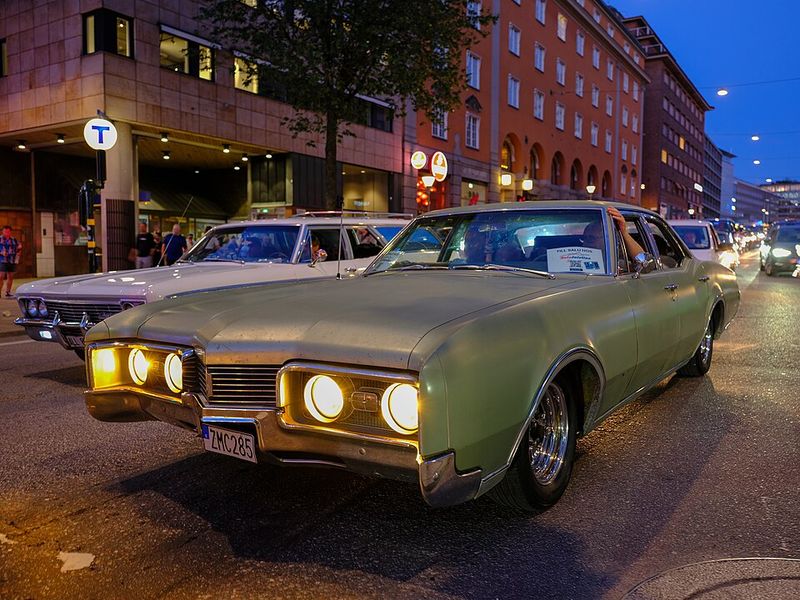
Oldsmobile represented reliability and middle-class success for over a century.
The “Rocket” engine technology put the brand ahead of competitors in the postwar boom. Dealerships sold transportation your parents could afford and your grandparents trusted.
Declining sales led GM to discontinue America’s oldest surviving automaker in 2004. The rocket logo that once meant innovation now decorates vintage car shows and nostalgia collections.
Compaq
Business computing once revolved around Compaq, back when owning a PC actually carried weight.
Boxy towers and bulky monitors filled offices long before laptops became practical enough to carry, with reliability valued far above flashy design.
Acquisition by HP in 2002 eventually led to the Compaq name being phased out by 2013. Three letter logos on aging computer cases now signal machines headed for recycling centers instead of office desks.