9 Times Marvel Rewrote A Character And The Fandom Said No
Marvel has been shaking up comic book universes for decades, but not every creative decision lands well with fans.
When beloved characters get major rewrites, sometimes the audience pushes back hard, demanding the heroes they know and love stay true to form.
Disclaimer: This article reflects subjective editorial perspectives on Marvel character changes and fan reactions and should not be interpreted as definitive fact or universal consensus.
1. The Hulk – Professor Hulk
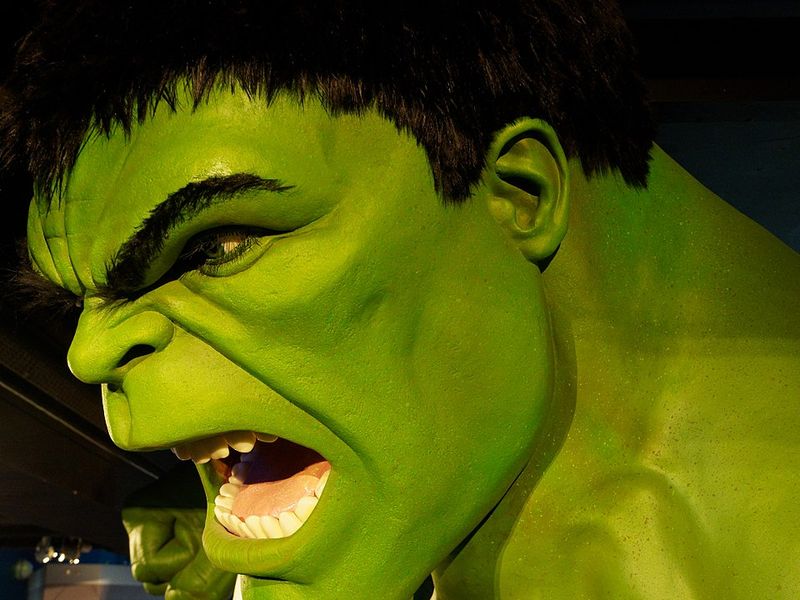
Fans felt robbed when Bruce Banner merged with his green alter ego to create Professor Hulk.
The entire appeal of the character rested on that internal war between brilliant scientist and unstoppable rage monster.
Suddenly, Hulk became a calm, selfie-taking guy who cracked jokes instead of skulls.
That core tension vanished overnight.
Many viewers missed the raw power and emotional depth that made Hulk unpredictable and genuinely dangerous.
2. Thor – Comedy-first pivot
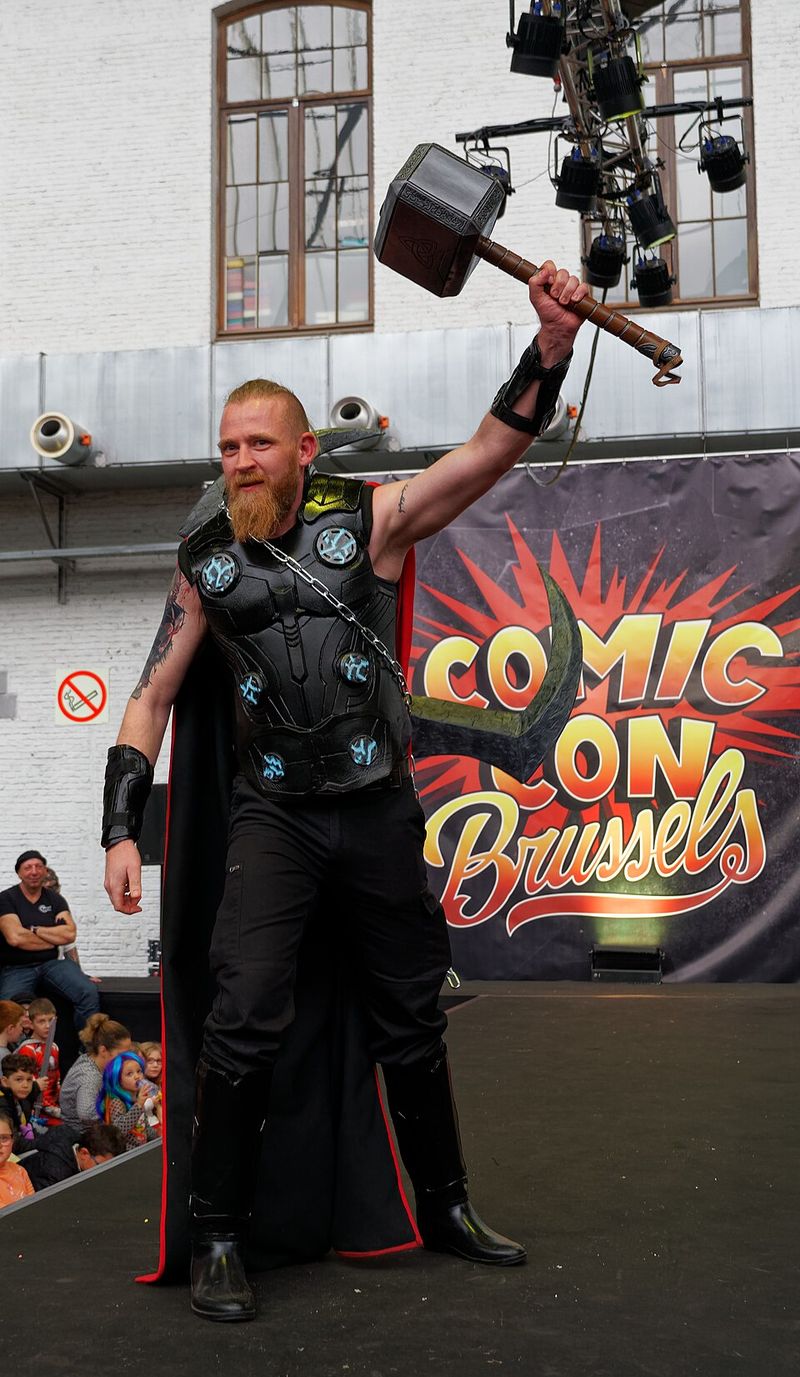
Once upon a time, Thor carried the weight of Asgard on his shoulders with tragic nobility.
Then Marvel decided to lean hard into comedy, turning the God of Thunder into a punchline factory.
Sure, the laughs came easy, but longtime fans felt the shift stripped away his gravitas.
His mythic warrior essence got buried under gags and one-liners.
Where was the brooding prince who wrestled with destiny and loss?
3. Nick Fury – Softened MCU version
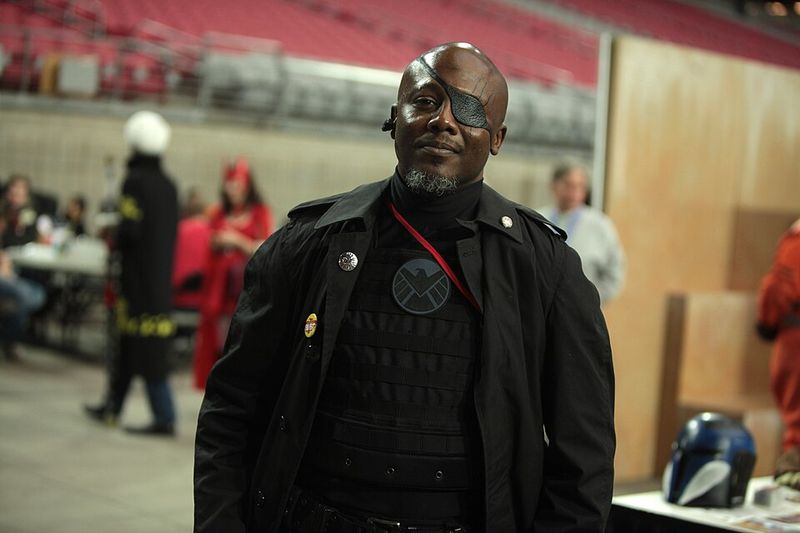
In the comics, Nick Fury operated like a chess master who played dirty and never blinked.
His MCU counterpart, however, became surprisingly reactive and less commanding over time.
Fans noticed the ruthless strategist they loved transformed into someone who seemed to follow events rather than orchestrate them.
That edge, that calculating menace, got dulled down.
4. Scarlet Witch – Accelerated villain framing

Wanda Maximoff carried layers of trauma, power, and complexity that made her fascinating.
Then Marvel pushed her into full antagonist mode so quickly it felt jarring.
Fans argued the turn ignored years of character development and flattened her into a one-note villain.
Her grief deserved more nuanced storytelling, not a sudden heel turn.
The abruptness made it hard to believe, and harder to accept.
5. Star-Lord – Reduced competence
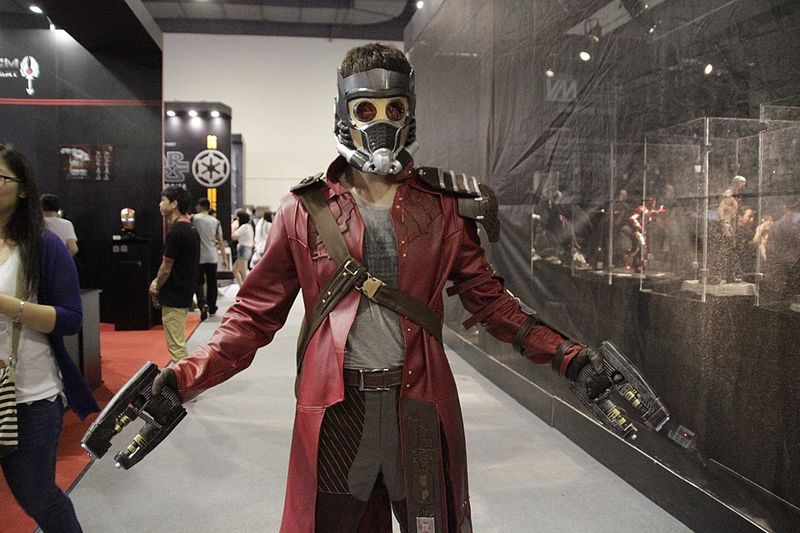
Peter Quill started as a capable leader who could think on his feet and rally his team.
Over time, writers leaned into his goofball side until competence became a distant memory.
He grew increasingly impulsive, careless, and frustratingly reckless.
Fans watched a hero devolve into comic relief who made terrible decisions for cheap laughs.
His leadership qualities got sacrificed for pratfalls and bad judgment calls.
6. Taskmaster – Identity and personality overhaul
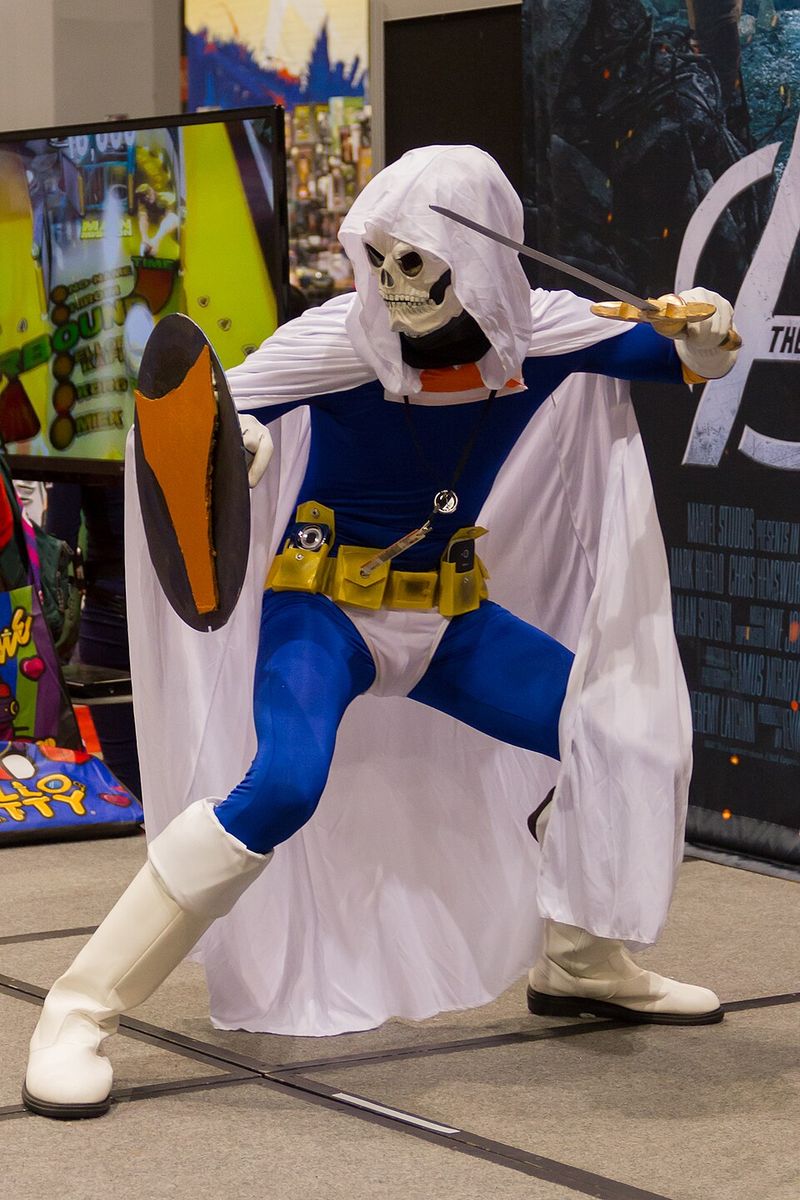
In the comics, Taskmaster strutted around with swagger, independence, and a mercenary attitude fans adored.
The MCU version stripped all that away, changing identity, motivation, and personality completely.
Suddenly, the wisecracking villain became a silent, controlled weapon without autonomy.
Fans erupted in backlash, feeling robbed of a character they had waited years to see adapted properly.
7. She-Hulk – Heavy meta focus
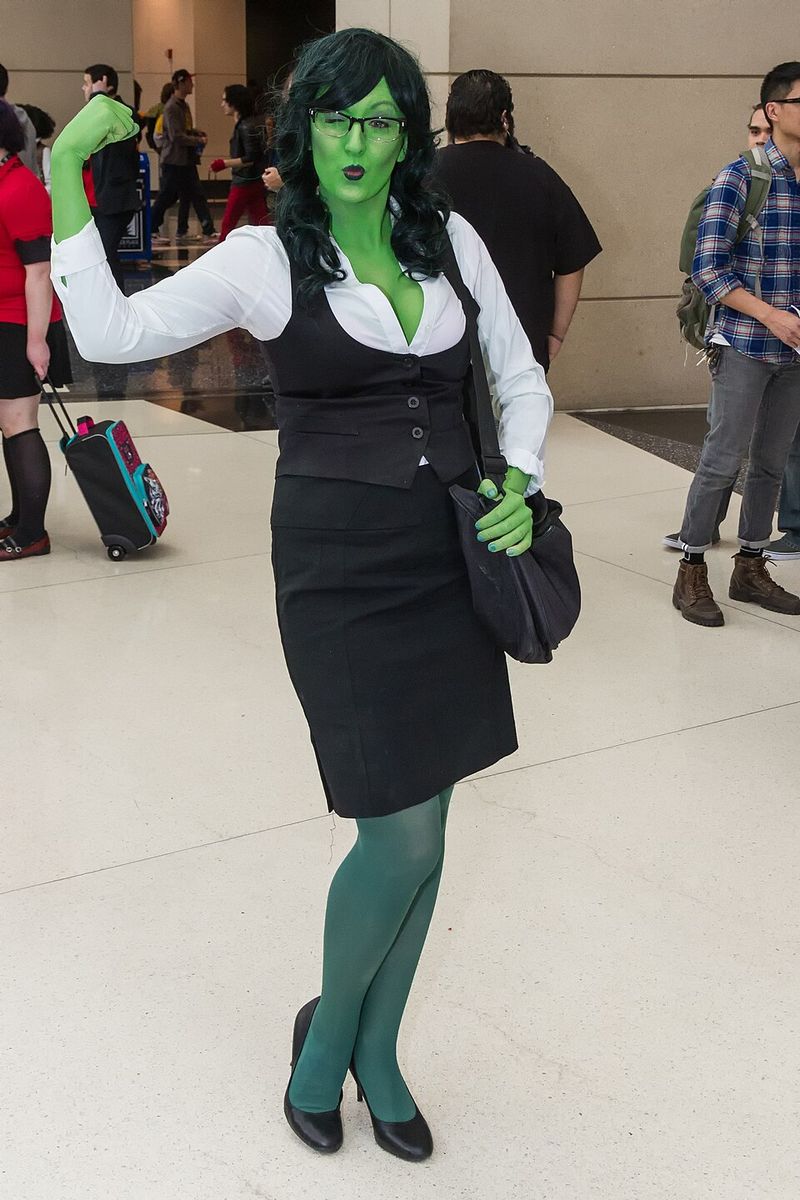
Fans tuned in expecting courtroom drama mixed with superhero action and Jennifer Walters flexing her legal and literal muscles.
Instead, the show leaned heavily into meta-commentary and fourth-wall breaks that polarized audiences.
Many felt alienated by the tonal shift, craving more traditional storytelling.
The strength-first narrative they anticipated got overshadowed by endless self-referential humor.
8. Loki – Power and cunning reset

The God of Mischief built his reputation on clever schemes and dangerous unpredictability.
Yet Marvel kept resetting his power levels and intelligence to fit whatever the plot demanded.
One moment he was a mastermind, the next he seemed less threatening than a minor henchman.
Fans grew tired of watching Loki get repositioned as weaker or less cunning just to serve broader storylines.
9. Hawkeye – Criminal alter-ego compression
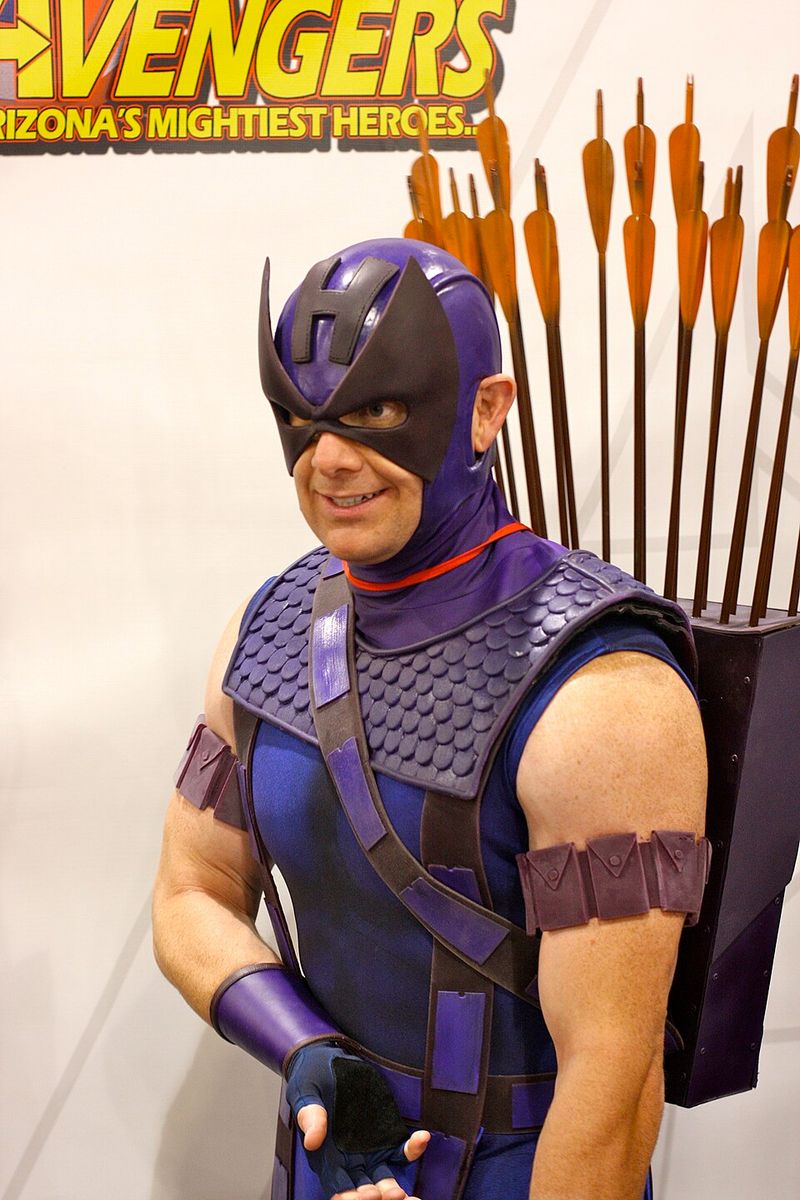
Clint Barton’s comic arcs featured rich, complex storylines exploring his darker alter ego and moral struggles.
When adapted, those layers got condensed and simplified in ways that felt rushed and shallow.
Fans believed the nuance that made his criminal persona interesting got stripped away for convenience.
The compression left important character beats on the cutting room floor.