15 Medieval Meals Making A Modern Comeback
Medieval kitchens crafted bold flavors that still surprise modern palates.
Hearty stews, rustic loaves, sweet confections, and vibrant herbs shaped unforgettable feasts across centuries.
Chefs revive ancient traditions with inventive flair, giving old recipes renewed life on contemporary menus.
Prepare for a culinary journey linking past eras with present-day tables through captivating tastes.
Disclaimer:
Details about medieval dishes are based on publicly available research and traditional accounts.
Recipes, interpretations, and cultural practices can vary by region and source.
Readers interested in historical cooking should consult multiple references for the most accurate and comprehensive understanding.
1. Pottage
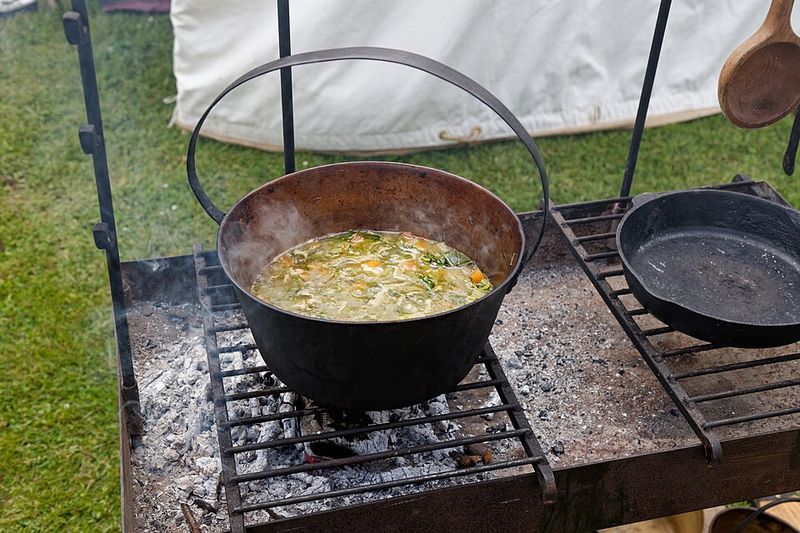
Picture a bubbling cauldron over an open fire, filled with whatever vegetables the garden offered that day.
Pottage was the ultimate comfort food for medieval folks, combining seasonal veggies, grains, and sometimes lucky meat scraps into one glorious pot.
Think of it as the original slow-cooker meal, simmering for hours until everything melted together into pure deliciousness.
Modern chefs love it because it’s sustainable, zero-waste, and bursting with earthy flavors that make instant ramen look like cardboard.
Plus, you can customize it endlessly!
2. Brouet Médiéval
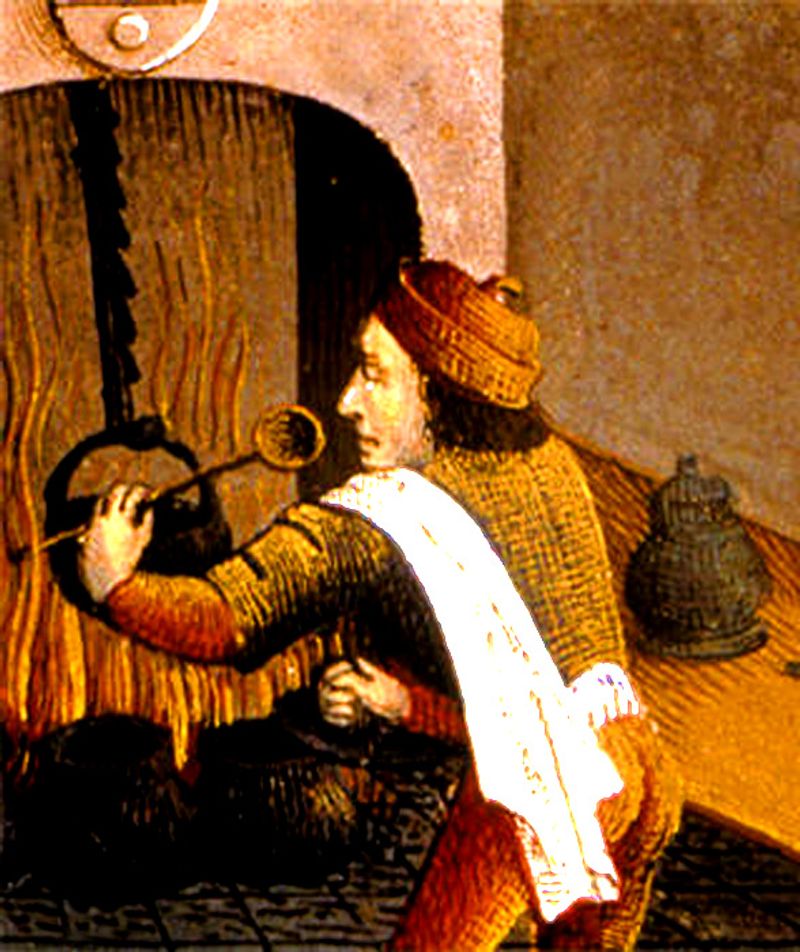
French nobility knew how to eat well, and this spiced broth proves it beyond any doubt.
Brouet combined tender meat chunks with exotic spices like ginger and cinnamon, creating a flavor explosion that would make modern foodies weep with joy.
Back then, spices were worth their weight in gold, so this dish screamed status and sophistication.
Today’s revival focuses on sustainable meats and locally-sourced aromatics, proving good taste never goes out of style.
Just saying, your grandma’s chicken soup has serious competition now!
3. Dillegrout
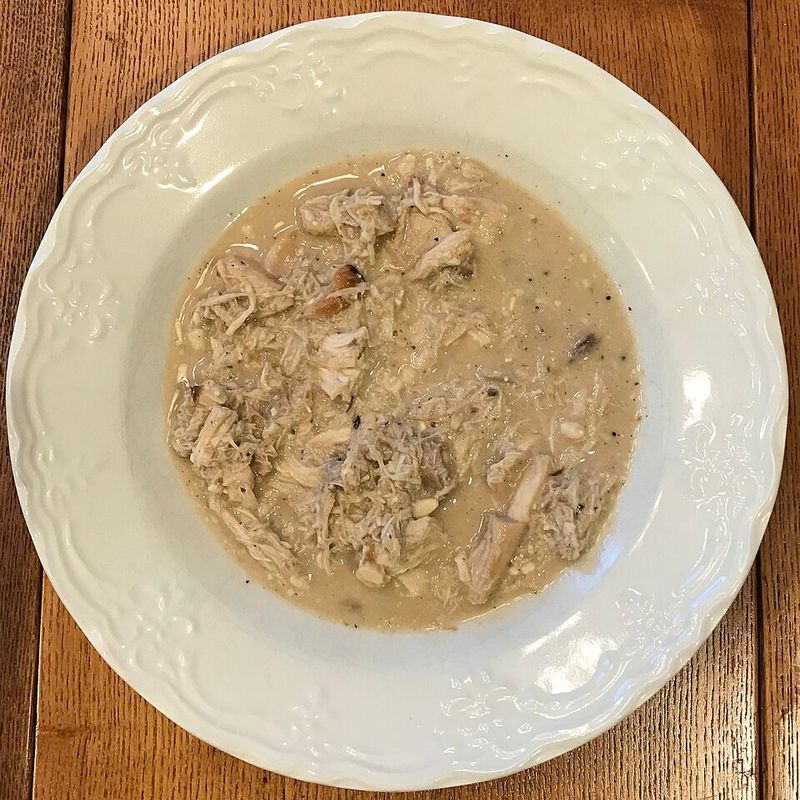
Reserved for coronations and mega-important celebrations, this almond-and-meat masterpiece was basically the red carpet of medieval meals.
Imagine grinding almonds by hand, then mixing them with spiced meat into a thick, luxurious stew that costs more than a small castle.
Kings and queens literally ate this to mark their power, making it the ultimate flex food of the Middle Ages.
Modern recreations swap manual labor for blenders, but the rich, nutty taste remains fit for royalty.
Coronation chicken, sets a high bar for modern reinterpretations.
4. Medieval Hummus With Walnuts
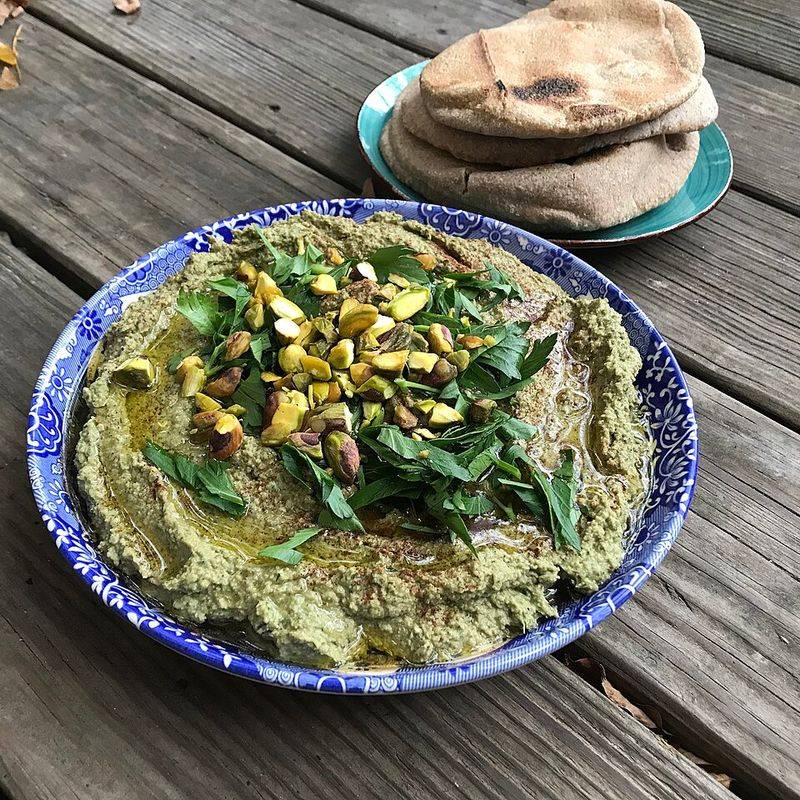
Long before hummus became a grocery store staple, medieval cooks in the Middle East were perfecting this chickpea spread with serious swagger.
They added walnuts and warming spices like cumin and coriander, creating a dip that’s both protein-packed and ridiculously tasty.
Historical cookbooks from centuries ago describe recipes shockingly similar to what we eat today at trendy cafes.
The walnut twist adds crunch and richness that regular hummus can only dream about achieving.
Dip some flatbread and thank the medieval foodies who started this trend!
5. Sumaghiyyeh
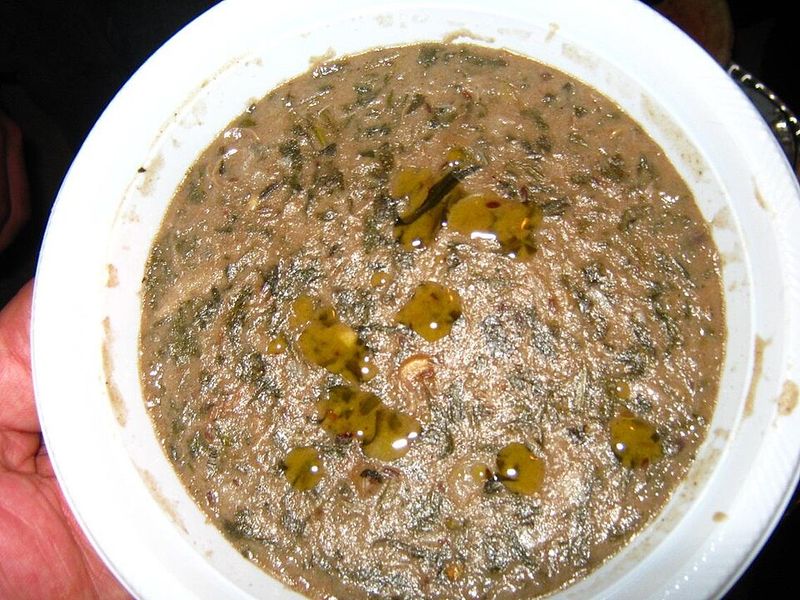
Palestinian families have been cooking this tangy sumac stew for special occasions since medieval times, and honestly, it deserves way more hype.
Sumac gives it a lemony punch that wakes up your taste buds like a splash of cold water on a sleepy morning.
Combined with tender meat and chickpeas, it’s hearty enough to fuel a feast but sophisticated enough to impress dinner guests.
Modern chefs are rediscovering how this ancient spice transforms ordinary ingredients into something magical and memorable.
Holiday tables everywhere are better for it!
6. Medieval Kamaboko Feast
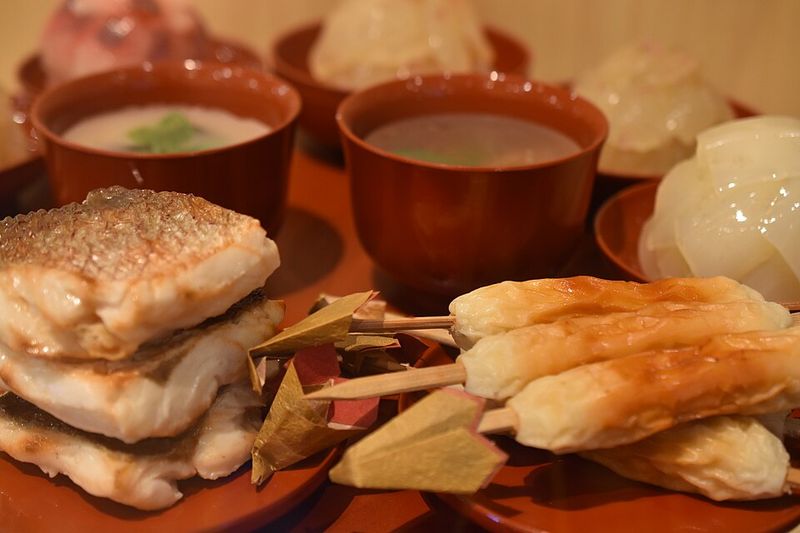
Japanese medieval cuisine was all about balance, presentation, and respecting the ingredients, which sounds pretty Zen if you ask me.
Kamaboko fish cakes, paired with grilled sea bream and delicate soup, created a feast that satisfied both stomach and soul.
Crafting these required serious skill, shaping fish paste into beautiful forms that looked almost too pretty to eat.
Today’s food scene celebrates this artistry, with restaurants showcasing traditional techniques that have survived centuries unchanged.
It’s like edible time travel, but way more delicious than any history textbook!
7. Sop-pa Xopat Amb Vi I Sucre
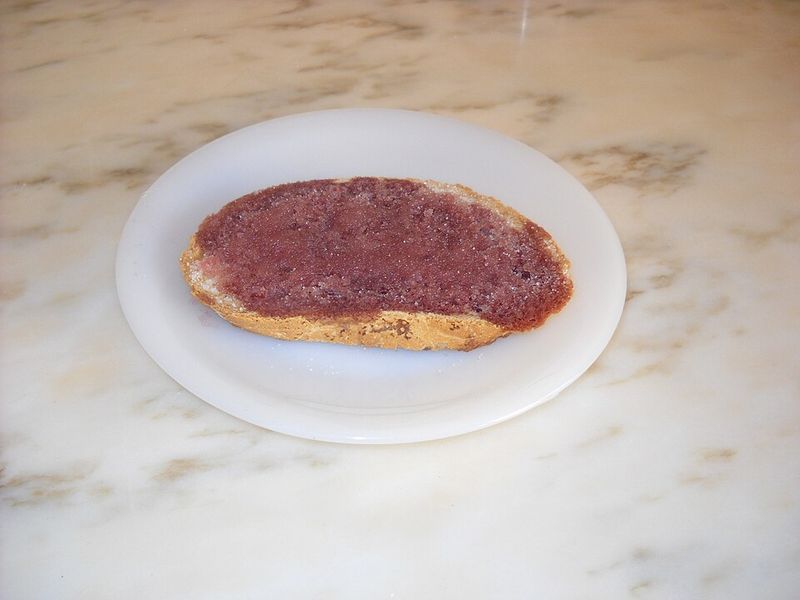
Catalan peasants created this sweet bread dish when leftover bread was too precious to waste, proving necessity really is invention’s cool older sibling.
Soaking stale bread in sweetened wine transformed it into a dessert that made hard times taste a whole lot better.
The wine added fruity notes while sugar provided sweetness, creating comfort food that hugged you from the inside out.
Modern versions often use grape juice for family-friendly gatherings, keeping the tradition alive without the tipsy side effects.
Waste not, want not never tasted so good!
8. Trencher Bread Plates
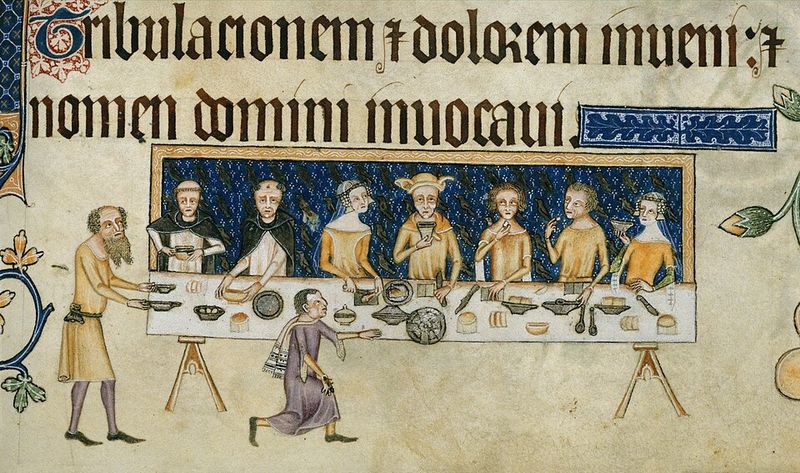
Before disposable plates destroyed the planet, medieval diners ate off thick bread slabs called trenchers, then munched the plate for dessert.
Talk about zero-waste dining – these edible dishes soaked up all the delicious juices from the meal, becoming flavor bombs by dinner’s end.
Poor folks ate their trenchers, while rich people donated theirs to the hungry, making it charity and cutlery rolled into one.
Today’s bread bowls at soup restaurants are basically trenchers 2.0, proving old ideas can totally rock modern menus.
Edible dishware for the win!
9. Blancmange
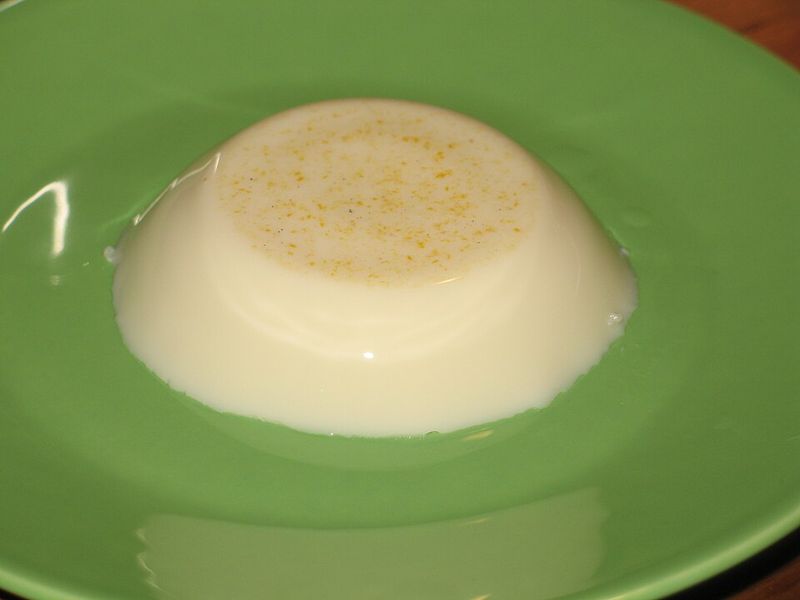
Originally a savory chicken-and-almond dish, blancmange pulled a total makeover and became the sweet, wobbly dessert we recognize today.
Medieval cooks combined rice, almond milk, and shredded chicken into a pale, elegant dish served at fancy feasts.
Somewhere along the timeline, sugar crashed the party and kicked the chicken out, transforming it into a creamy dessert.
Modern versions often use coconut milk and tofu, making it vegan-friendly while honoring its ancient roots.
10. Caseus Vetus
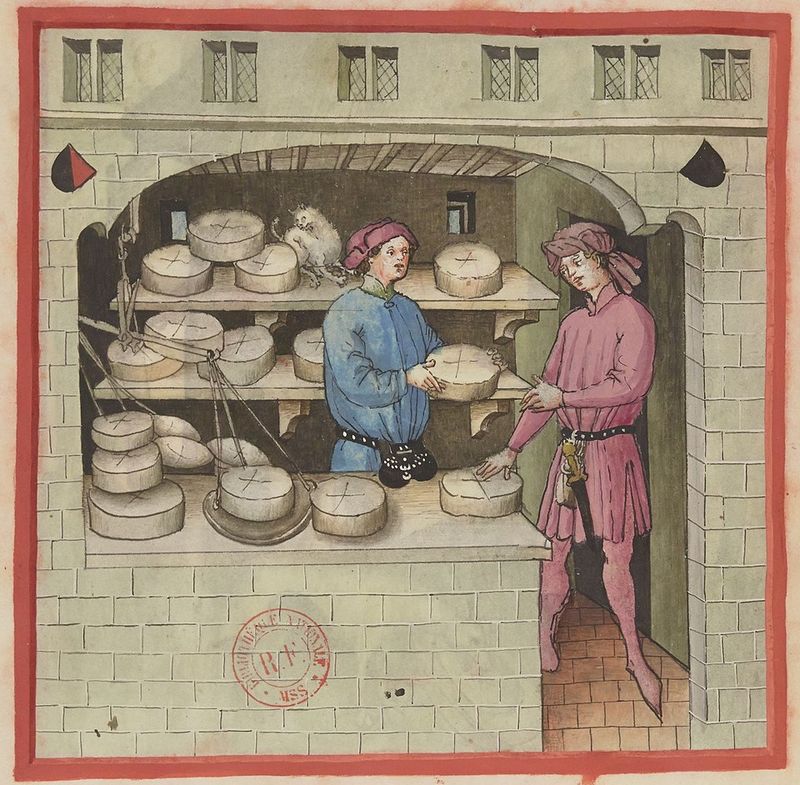
Aged cheese was medieval gold, preserved through months when fresh milk was scarce and refrigerators were pure science fiction.
Caseus vetus, or old cheese, developed complex flavors as it matured, becoming sharper and more intense with time.
Historical manuscripts show cheese-making techniques remarkably similar to artisan methods used today by fancy cheese shops.
Cheese boards everywhere owe a huge debt to these medieval dairy wizards!
11. Beaver Tail

Medieval clergy once ruled that beaver tails counted as fish simply because the animals lived in water, a decision that feels equal parts clever loophole and complete absurdity.
Such classification allowed people to enjoy beaver on fasting days when other meats were forbidden, neatly satisfying church rules and empty stomachs at the same time.
A tail made mostly of fat and collagen delivered a rich, gelatinous texture that many diners genuinely enjoyed.
Modern culinary explorers have started revisiting this unusual ingredient, showing that medieval ingenuity – or desperation – left a lasting mark on food history.
12. Boar’s Head Feast
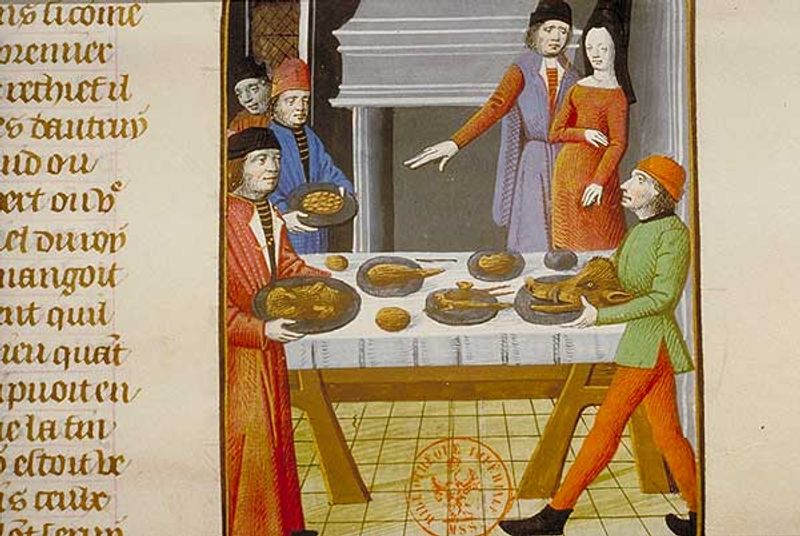
Nothing screamed celebration louder than a whole roasted boar’s head carried into the banquet hall like a culinary superhero making an entrance.
This showstopper required hours of preparation, roasting, and decorating, often with apples in the mouth and herb crowns on the head.
It symbolized strength, abundance, and the host’s ability to throw an absolutely legendary party that guests would remember forever.
Modern medieval-themed restaurants recreate this dramatic presentation, making diners feel like they’ve time-traveled to a castle feast.
Instagram would have exploded back then, just saying!
13. Peasants Breaking Bread

Shared bread was more than food – it was community, trust, and survival all rolled into one crusty loaf that everyone tore pieces from.
Peasant families baked large rounds weekly, then broke them together at meals, creating bonds stronger than any medieval glue.
The act of breaking bread with someone meant welcoming them into your circle, offering friendship along with sustenance.
Modern farm-to-table movements echo this communal spirit, emphasizing shared meals and connection over fancy individual plating.
Sometimes the simplest traditions carry the deepest meaning, you know?
14. Ox And Sauerkraut Plate
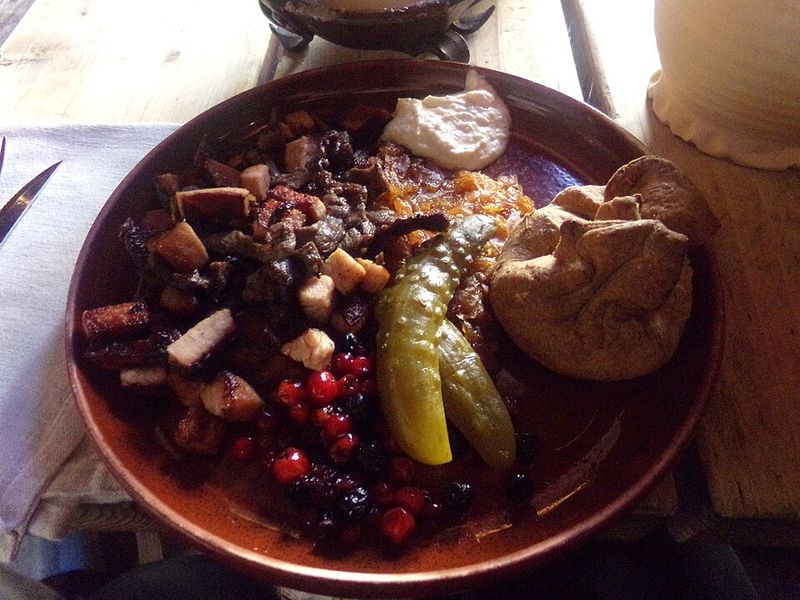
Preserved cabbage met slow-roasted ox in a flavor combination that fueled medieval workers through brutal winters and endless labor.
Sauerkraut’s tangy punch cut through the rich, fatty meat, creating balance that modern nutritionists would totally approve of.
Fermenting vegetables was crucial for survival when fresh produce disappeared under snow for months at a time.
Restaurants like Olde Hansa in Estonia recreate these authentic pairings, letting diners taste history one delicious bite at a time.
Comfort food that’s also a history lesson? Sign us up immediately!
15. Dariole Pastries
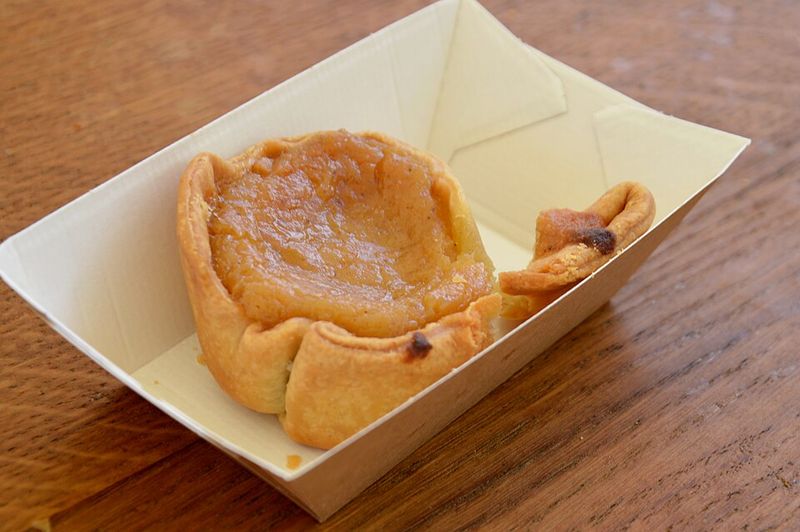
These tiny custard tarts packed maximum flavor into minimum space, making them the medieval equivalent of gourmet cupcakes at a modern bakery.
Bakers filled delicate pastry shells with sweetened egg custard, sometimes adding saffron or rosewater for extra fancy vibes.
Nobles loved them because they looked elegant, tasted heavenly, and could be eaten politely without making a mess at formal gatherings.
Today’s revival celebrates traditional baking methods, with artisan bakeries hand-crafting these petite treats using centuries-old recipes.
Small but mighty, just like the best things in life!