12 Metal Albums That Tarnished Great Bands’ Legacies
Even the most legendary metal bands have misfired, dropping albums that left longtime fans stunned for all the wrong reasons.
Trend-chasing experiments and abrupt sound shifts sometimes stripped away the very qualities that made these groups iconic in the first place.
These twelve records remain cautionary tales, proving greatness doesn’t guarantee a flawless discography.
Important: This piece discusses fan and critical reactions to well-known metal albums, and opinions can differ widely by era, region, and personal taste. Selections reflect subjective editorial judgment.
The content is provided for general informational and entertainment purposes and is not legal, financial, or professional advice.
12. St. Anger By Metallica
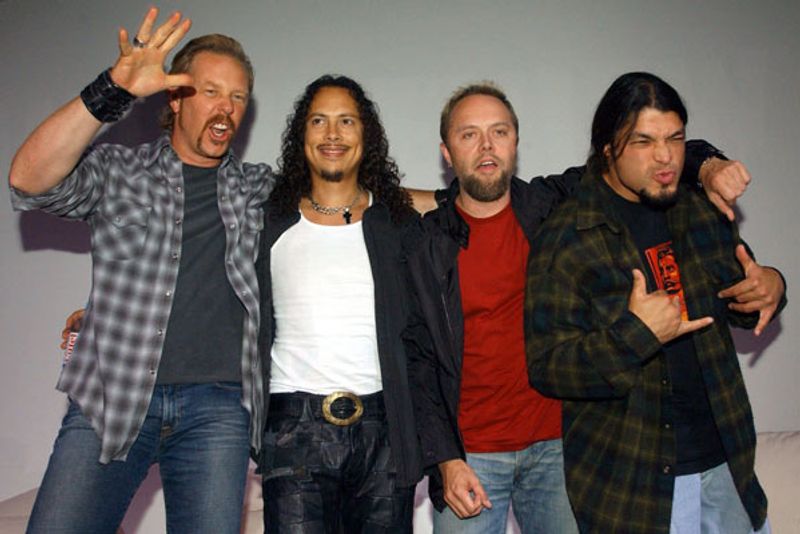
Raw production choices turned heads for all the wrong reasons when this album dropped in 2003.
Fans expected guitar solos and polished thrash energy but got stripped-down aggression and a notorious snare drum sound that became a long-running talking point among listeners. The band aimed for honesty and rawness, yet many longtime listeners felt alienated by the drastic shift.
Critics debated whether this was brave experimentation or a misstep that damaged decades of goodwill. The singles did reach mainstream rock radio, even as overall reactions stayed split.
11. Virtual XI By Iron Maiden
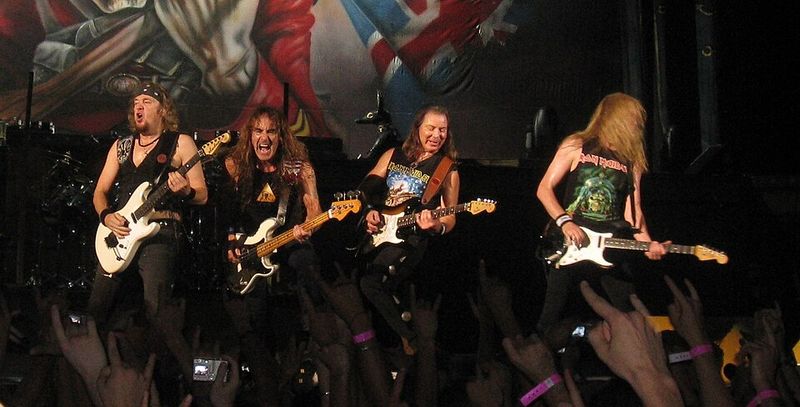
Blaze Bayley stepped into massive shoes when Bruce Dickinson departed, and this 1998 effort struggled to capture the magic. Production felt flat, and several tracks meandered without the soaring energy fans craved.
Sales figures told a sobering story as the album underperformed compared to the band’s golden era classics.
Even die-hard supporters admitted the songwriting lacked punch, and the record became a footnote rather than a highlight. Tour attendance dipped, and whispers grew louder about whether the lineup change had been a mistake.
10. Turbo By Judas Priest
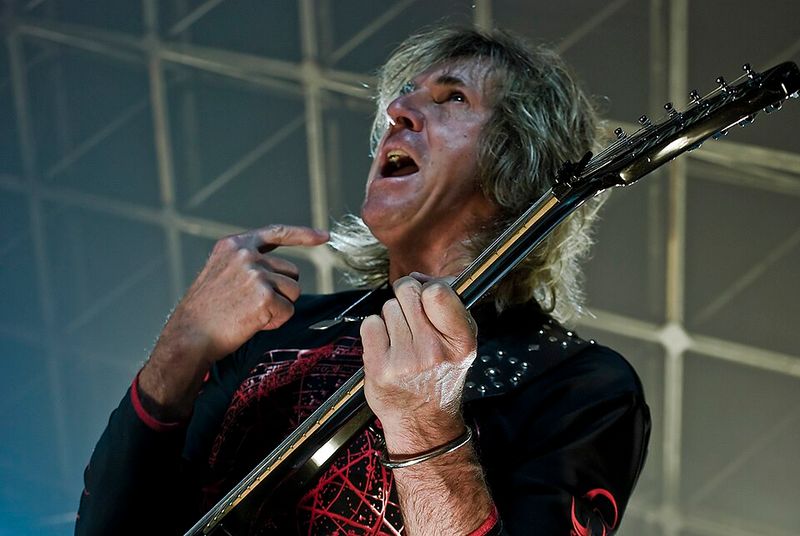
Glossy production and synthesizers arrived in 1986, confusing purists who expected leather-clad metal fury. Mainstream rock radio became the goal as the band incorporated pop hooks and polished arrangements that felt miles away from their traditional sound.
Catchy anthems resulted from some tracks, yet others felt like compromises that diluted the group’s core identity.
Magazine reviews split down the middle, with some praising the boldness while others mourned the loss of edge.
Concert setlists soon dropped most of these songs, signaling that even the band recognized the experiment had limits.
9. Risk By Megadeth
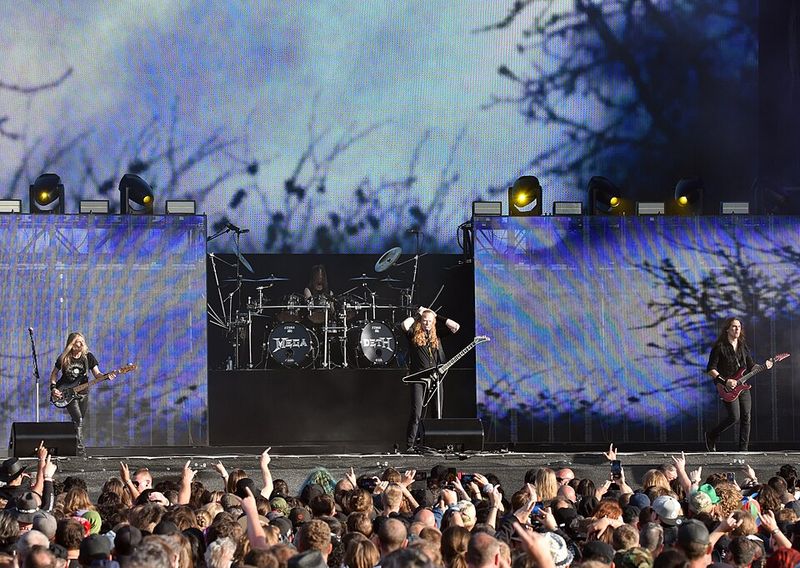
Dave Mustaine aimed for radio dominance in 1999, but the stylistic pivot landed unevenly with the core audience. Slick production and pop-friendly songwriting replaced the intricate thrash riffs that built the band’s reputation.
Longtime fans felt betrayed, viewing the shift as selling out rather than evolving.
Chart performance disappointed despite the commercial aspirations, and the album quickly faded from rotation. Band members later admitted regrets about the direction, and subsequent releases returned to heavier territory to win back disillusioned supporters.
8. Forbidden By Black Sabbath
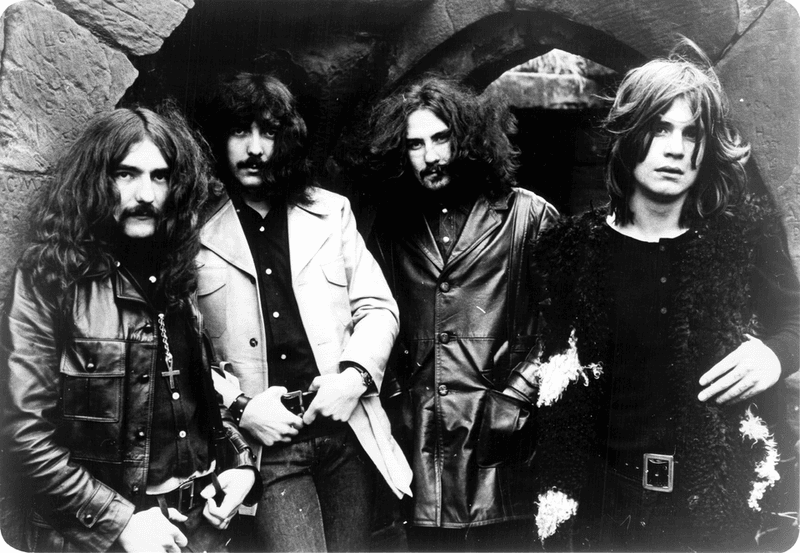
A collaboration moment surfaced on the opening track, with Ice-T delivering a spoken-word part, and Ernie C producing the album.
The band sounded lost, struggling to find relevance in a changing musical landscape while abandoning the doom-laden heaviness that defined them. Guest appearances felt forced, and the production lacked the warmth that made earlier albums timeless.
Sales tanked, and critics panned the effort as a desperate grasp at trends. Fans largely ignored the album, and it remains one of the least celebrated entries in a legendary catalog.
7. Generation Swine By Mötley Crüe
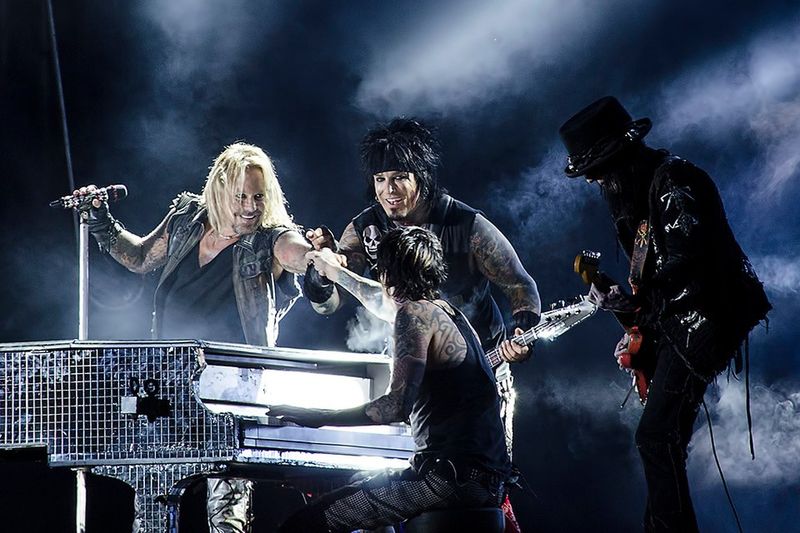
Lineup chaos and creative confusion plagued this 1997 effort from start to finish. Vince Neil rejoined mid-production, leading to a disjointed sound that bounced between grunge influences and glam rock nostalgia without committing to either.
Songs felt half-baked, and the album lacked the cohesive swagger that made earlier records irresistible.
Tour promotions stumbled as internal tensions spilled into public view, and the comeback narrative never fully settled, and discussion around the album stayed divided. Retrospective interviews reveal band members remain uncomfortable discussing this turbulent chapter in their history.
6. Diabolus In Musica By Slayer
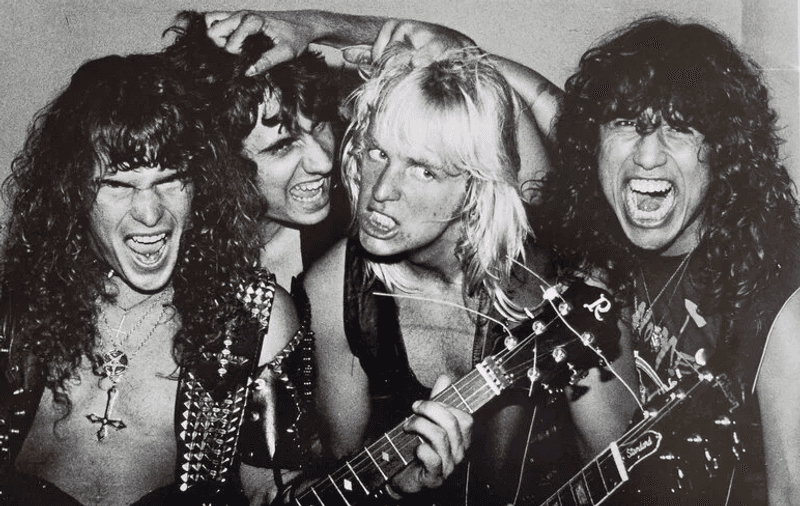
Ferocious thrash formulas from Slayer integrated groove metal influences in 1998, sparking fierce debates among devotees.
Slower tempos and downtuned guitars defined the band’s experimentation, creating a cleaner, more accessible sound that felt neutered to purists. Intensity remained on some tracks, but others wandered into territory that seemed borrowed from trendier acts.
Confusion greeted the band from festival crowds, and the album divided the fanbase like few others before.
Later releases dialed back the experimentation, suggesting the band recognized they had strayed too far from their brutal roots.
5. Against By Sepultura
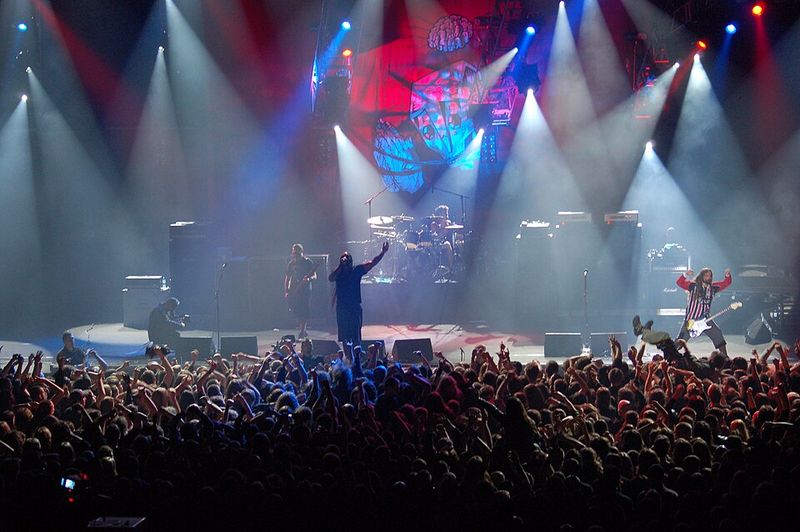
Max Cavalera’s departure left a gaping hole that this 1998 album struggled to fill. New vocalist Derrick Green faced impossible expectations, and the songwriting felt tentative rather than explosive.
Production emphasized aggression but couldn’t mask the creative uncertainty lurking beneath the surface.
Fans mourned the loss of the Cavalera brothers’ chemistry, and sales reflected widespread disappointment. The band persevered through the backlash, but this record remains a painful reminder of how lineup changes can derail momentum and alienate loyal supporters.
4. Stomp 442 By Anthrax

Triumphs from earlier years lost their momentum when this 1995 release landed with a thud.
Infectious energy was lost as the band chased a heavier, groove-oriented sound that replaced their classic, unforgettable style. Solid vocals were delivered by John Bush, yet the songs lacked memorable hooks and the playful personality that once set Anthrax apart.
The album did not become a major singles-driven moment for the band.
Workmanlike effort rather than inspired songwriting was noted by critics, and the record became a cautionary tale about losing identity while chasing shifting trends.
3. Hear In The Now Frontier By Queensrÿche
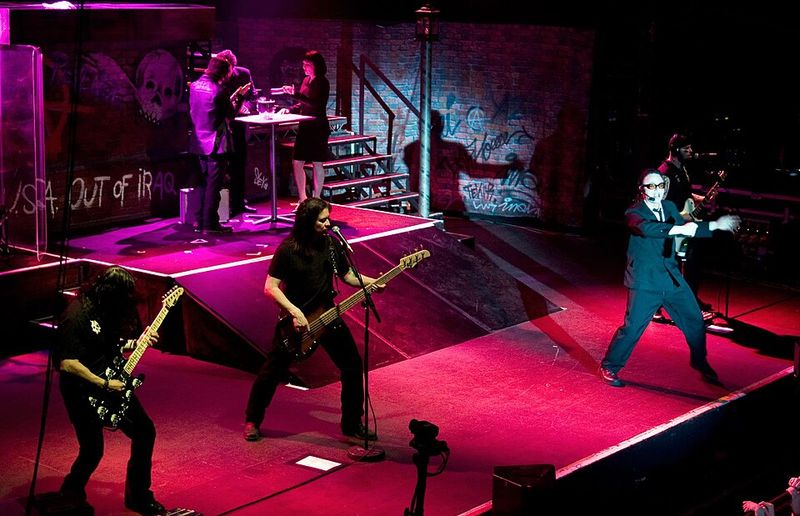
Progressive metal pioneers shocked followers by embracing grunge and alternative rock influences in 1997. The concept album ambitions and intricate arrangements that built their reputation vanished, replaced by straightforward rockers that felt generic.
Longtime supporters felt abandoned as the band chased a younger audience that never materialized.
Sales disappointed despite the stylistic pivot, and the album accelerated a decline that took years to reverse. Band members later acknowledged the misstep, admitting they lost sight of what made their earlier work resonate so powerfully.
2. Cold Lake By Celtic Frost
Glam metal makeovers and hair spray arrived in 1988, stunning fans who expected avant-garde extreme metal darkness.
The band ditched corpse paint for colorful outfits and traded crushing riffs for radio-friendly hard rock that felt utterly inauthentic. Critics savaged the transformation, and the underground metal community viewed the shift as betrayal rather than evolution.
Released by Noise Records, the album’s image-and-sound pivot became one of the band’s most debated chapters. This remains the textbook example of a misguided reinvention that nearly destroyed a pioneering act’s credibility forever.
1. Illud Divinum Insanus By Morbid Angel
Industrial and electronic elements invaded death metal territory in 2011, creating one of the genre’s most polarizing releases. Bizarre experimentation that felt more like a side project than a proper Morbid Angel album replaced the brutal, technical extremity fans expected.
Traditional ferocity was delivered on some tracks, yet others veered into unrecognizable territory that sparked outrage.
The record drew a strong backlash from parts of the fanbase, alongside mixed critical reception.
Divisive results of their boldest experiment were later acknowledged by the band, despite their initial defense of the choices.