10 Mike Nichols Films That Capture His Sharpest Work
Comedy rarely comes with teeth, yet his work kept biting in the best way. One scene invites laughter, then the next scene quietly exposes what everyone tried to ignore.
Private meltdowns and public power plays show up without the usual Hollywood polish, leaving stories that feel startlingly familiar even now.
Ten standout films show how that sharp touch still lands today.
Important: This article reflects widely documented film credits, release years, and commonly reported production context available at the time of writing. Rankings and descriptions are inherently editorial and can reflect interpretation, critical consensus, and personal viewing experience, which may vary by audience and change over time.
1. The Graduate (1967)

Simon and Garfunkel’s melodies drifted softly through a college dorm window. Benjamin Braddock navigated a swimming pool in full scuba gear, carefully avoiding everyone around him.
Suburban ennui transformed into a cultural earthquake under Mike Nichols, launching Dustin Hoffman into stardom almost overnight.
The final bus scene chills viewers by capturing the exact moment when triumph turns into doubt. Every graduate who ever felt lost recognized themselves in Benjamin’s blank, searching stare.
2. Who’s Afraid Of Virginia Woolf? (1966)
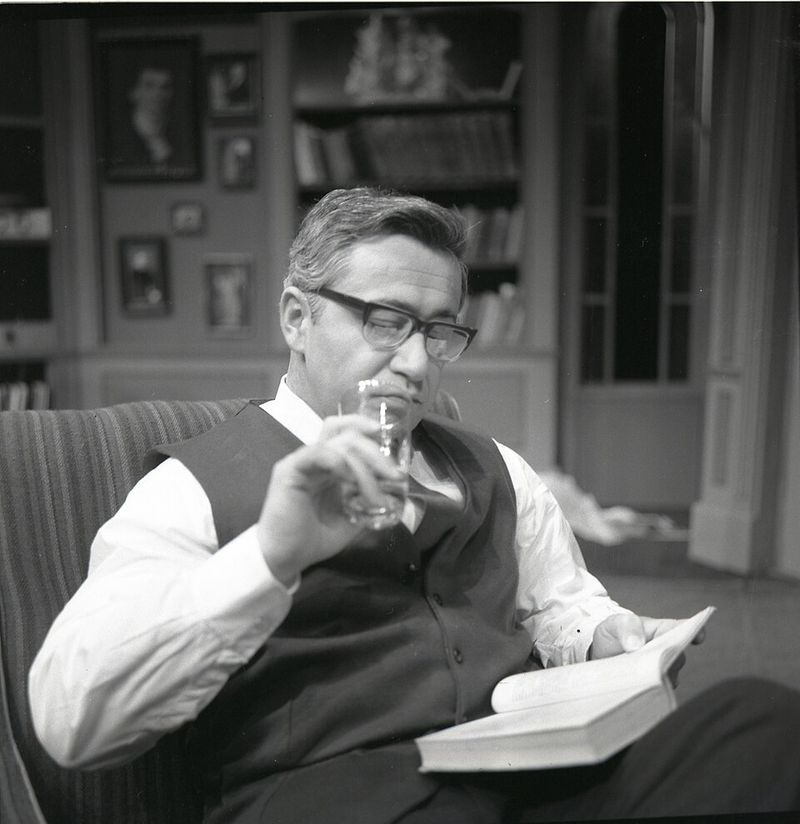
Elizabeth Taylor and Richard Burton tear into each other like two people cornered in a living room. Ice clinks in the room as the insults fly faster than you can keep up.
Nichols made his directorial debut with this unsparing look at marriage, and it felt like watching your parents fight through a keyhole.
Every cutting remark lands with surgical precision. No film before this showed how love and cruelty could share the same bed, the same house, the same exhausted hearts.
3. Working Girl (1988)

Tess McGill glides across the Staten Island Ferry, her hair big and her dreams even bigger. Climbing the corporate ladder, she borrows her boss’s office, her ideas, and nearly her life to get ahead.
Ambition and desperation come alive under Mike Nichols, wrapped in shoulder pads and a power suit, with a love story that lands seamlessly.
The film captures 1980s hunger, a time when corner offices and car phones defined success. Tess shows that it’s possible to play the game without losing yourself completely.
4. Silkwood (1983)

Clocking in at the plutonium plant felt like any other Tuesday. Small, dangerous details stood out where others failed to notice.
Tension built with every suspicious glance and small, telling marks, brought vividly to life by Meryl Streep.
The rising radiation counters exposed just how human the whistleblower was, as Mike Nichols refused to turn her into a saint. Even with the ending known, the story maintained the edge of a gripping thriller.
5. The Birdcage (1996)

Armand and Albert run a drag club in South Beach where the feathers fly and the sequins never stop sparkling. Then their son announces he’s marrying a senator’s daughter, and suddenly everyone has to pretend to be someone they’re not.
Nichols found the perfect balance between slapstick comedy and genuine heart.
Robin Williams and Nathan Lane created a family so warm you forget they’re hiding in the closet. The dinner scene alone is worth the price of admission.
6. Closer (2004)

Deception flows effortlessly through London, with four people lying so stylishly it’s almost admirable.
Connections shift constantly as Dan meets Alice, Larry meets Anna, and partners swap like participants in a cruel game of musical chairs.
Romance fades under Nichols’ direction, revealing desire as messy, selfish, and far from idealized. Every line of dialogue cuts sharply, delivering consequences that match each character’s choices.
Love emerges as a transaction, leaving no one unscathed or truly satisfied.
7. Primary Colors (1998)

Charisma masks danger as Jack Stanton runs for president, his smile capable of selling anything while secrets threaten to destroy everything.
Campaign staffers watch idealism drain away with every unfolding scandal, guided by a Southern governor brought vividly to life by John Travolta.
The messy world of politics becomes darkly funny and painfully real under Nichols’ direction. Questions of sacrifice arise naturally, forcing viewers to confront how far someone might go to win.
Moments accumulate until the consequences are total, showing exactly when ambition demands everything.
8. Postcards From The Edge (1990)

Suzanne Vale wakes up in the hospital after a serious health crisis and immediately starts cracking jokes. Her mother is a bigger star, a bigger personality, and a bigger problem than any bad habit.
Meryl Streep and Shirley MacLaine play out Carrie Fisher’s semi-autobiographical story with humor sharp enough to hide the pain underneath.
Nichols understood that Hollywood families eat their young while smiling for the cameras. Recovery looks like learning to stand up while your mother still hogs the spotlight.
9. Carnal Knowledge (1971)
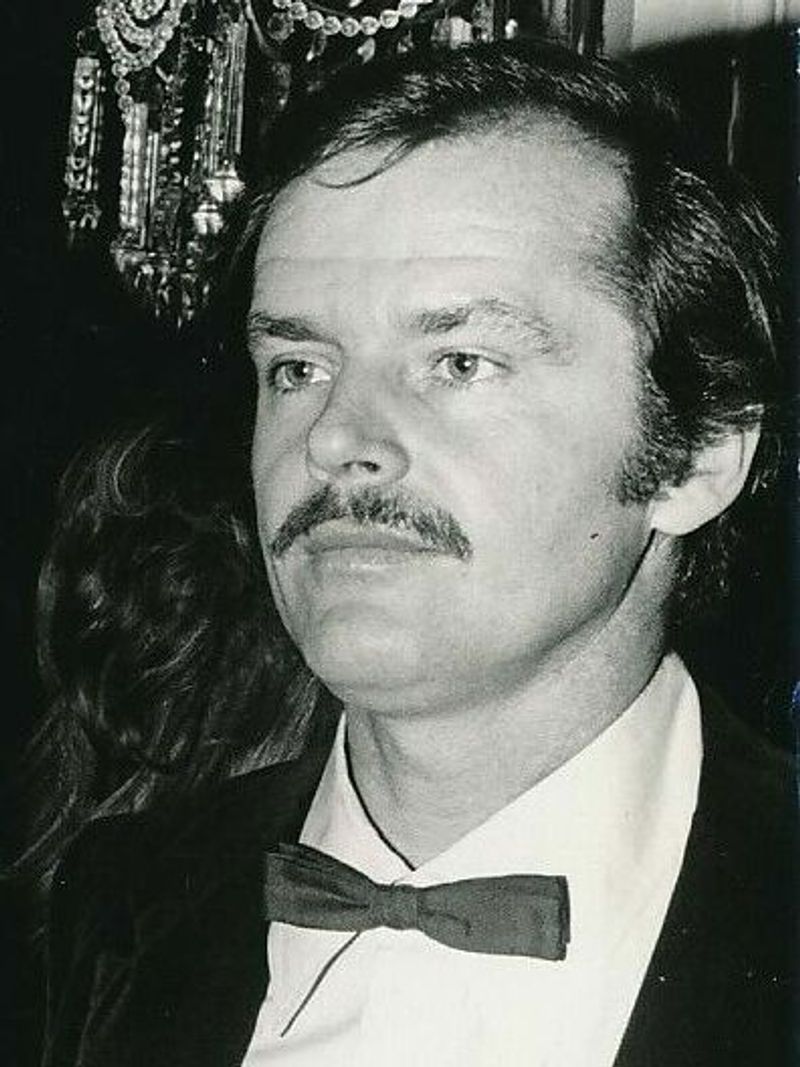
College life begins with Jonathan and Sandy meeting as roommates, setting the stage for twenty years of competition, comparison, and missed opportunities in love. Scoring every interaction in and out of bed, Jonathan comes alive through Jack Nicholson’s portrayal, capturing the frustration of wanting connection while keeping score.
Male insecurity unfolds across decades under Nichols’ direction, curdling into bitterness and rage.
Romantic illusions fall away, leaving raw desire exposed in its most honest and unsettling form. Every scene holds attention, impossible to look away from as need, ego, and longing collide.
10. Catch-22 (1970)

Captain Yossarian wants to live through World War II, which seems reasonable until you meet the people in charge.
The military logic loops back on itself like a snake eating its tail, and sanity becomes the craziest thing you could ask for. Nichols adapted Joseph Heller’s impossible novel into something equally chaotic and brilliant.
The film jumps through time and space like a fever dream because war makes about as much sense as one. Nobody wins, everyone’s insane, and the bureaucracy just keeps humming along.