15 Modern Novels Poised To Become Future Classics
Some books just stick with you, like that song you can’t stop humming or a dream you keep replaying.
The novels on this list are doing exactly that for readers around the world.
Written in the last few decades, these stories tackle big ideas like identity, survival, love, and justice in ways that feel urgent and unforgettable.
If you’re looking for your next great read or just want to know which books your grandkids might study in school someday, you’re in the right place because these 15 books might just become classics.
Disclaimer: This article is intended for general informational and entertainment purposes only. Assessments of which modern novels may become future classics reflect editorial opinion, and individual readers may disagree on which books will have lasting literary influence.
1. Atonement by Ian McEwan (2001)

What if one lie could shatter three lives forever? That’s the haunting question at the heart of this British masterpiece.
Thirteen-year-old Briony Tallis misidentifies a crime and sets off a chain reaction of guilt, war, and longing that spans decades.
McEwan writes with surgical precision, making every sentence feel like it matters. The novel jumps from pre-war England to the battlefields of World War II, never losing its emotional grip.
It also brilliantly questions whether storytelling itself can offer forgiveness.
2. Never Let Me Go by Kazuo Ishiguro (2005)

Quietly devastating is an understatement. Ishiguro builds a world that feels almost normal, almost cozy, until you realize what’s really going on and your jaw hits the floor.
Kathy, Ruth, and Tommy grow up at a peaceful English school called Hailsham, but their futures are not their own.
Without giving too much away, this is a story about what it means to be human when society decides you’re not. It’s philosophical and deeply unsettling all at once.
Ishiguro won the Nobel Prize in Literature in 2017, and this novel is a huge reason why.
3. The Road by Cormac McCarthy (2006)
No punctuation. No character names. No hope on the horizon. And yet somehow, The Road is one of the most deeply human stories ever written.
A father and his young son walk through a destroyed America, carrying what McCarthy calls “the fire” of goodness inside them.
McCarthy strips language down to its bones, and the result is both brutal and beautiful. Every page feels earned.
Every moment of warmth hits like sunlight breaking through storm clouds.
Winner of the Pulitzer Prize, this book proves that great writing doesn’t need fancy tricks.
4. The Underground Railroad by Colson Whitehead (2016)
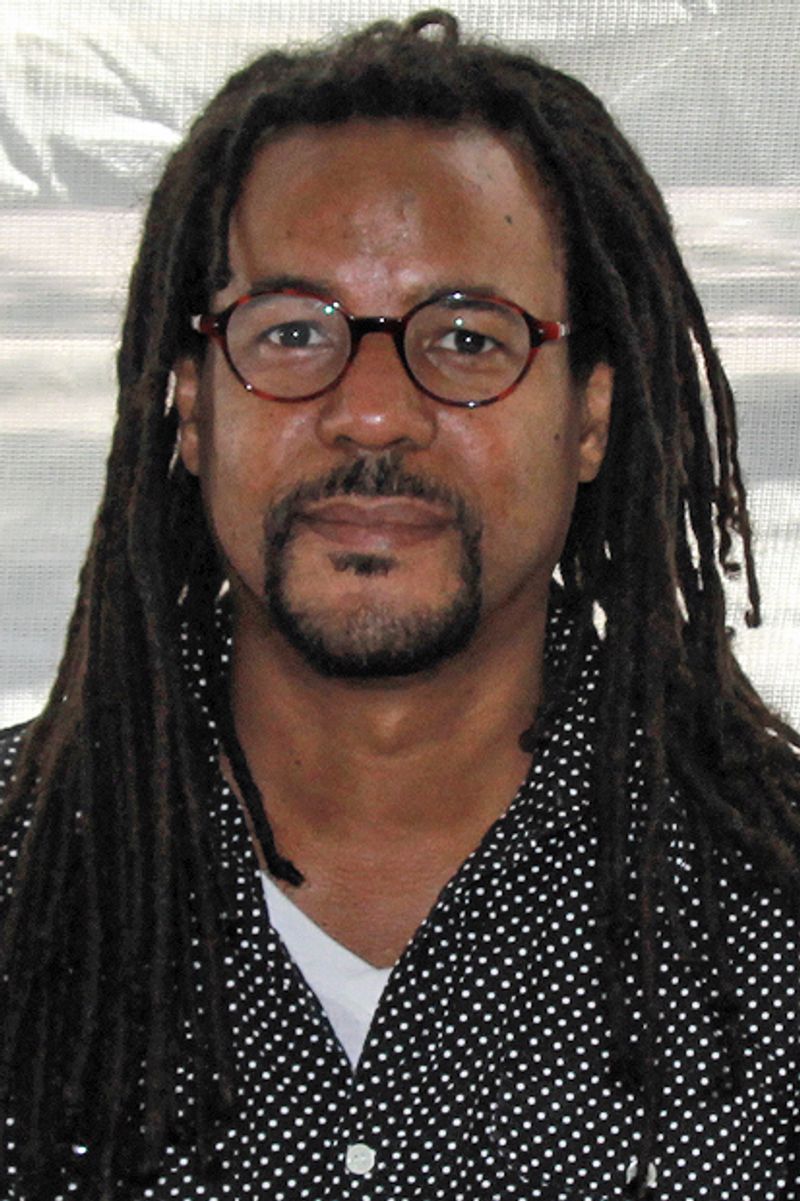
What if the Underground Railroad was a real train, running through secret tunnels beneath the American South?
Cora, a young woman, escapes a Georgia plantation and rides through a nightmare version of American history, each state she visits representing a different form of oppression.
It’s part historical fiction, part fable, part horror story.
The novel won both the Pulitzer Prize and the National Book Award. That’s a literary double gold medal, and every single word of praise is deserved.
5. Lincoln in the Bardo by George Saunders (2017)

Ghosts, grief, and Abraham Lincoln walk into a cemetery. That’s not the setup for a joke. It’s one of the most original novels of the 21st century.
Saunders tells the story of President Lincoln visiting his deceased son Willie’s tomb on a single night in 1862.
The format is wild: hundreds of voices, historical documents, invented testimonies, and ghost narrators all collide at once.
It sounds chaotic, but it works magnificently. The emotional core, a father’s grief, grounds every experimental move.
6. The Overstory by Richard Powers (2018)
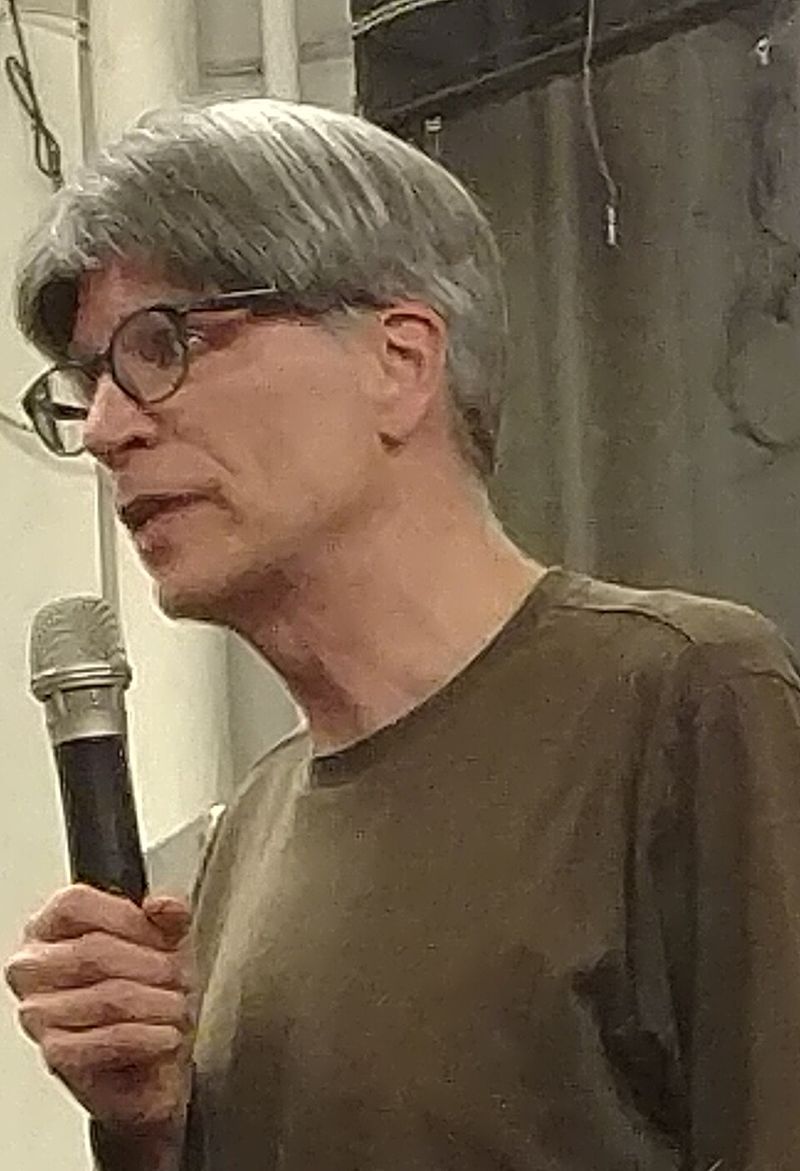
Trees are the main characters here, and honestly, they might be the most compelling ones.
Richard Powers weaves together nine Americans whose lives become entangled with trees and the fight to protect them. It’s an environmental epic that reads like a thriller.
Powers spent years researching forest science, and it shows. Facts about how trees communicate through underground fungal networks will genuinely blow your mind.
Did you know trees share nutrients with their neighbors? Nature is basically running its own internet.
7. Demon Copperhead by Barbara Kingsolver (2022)
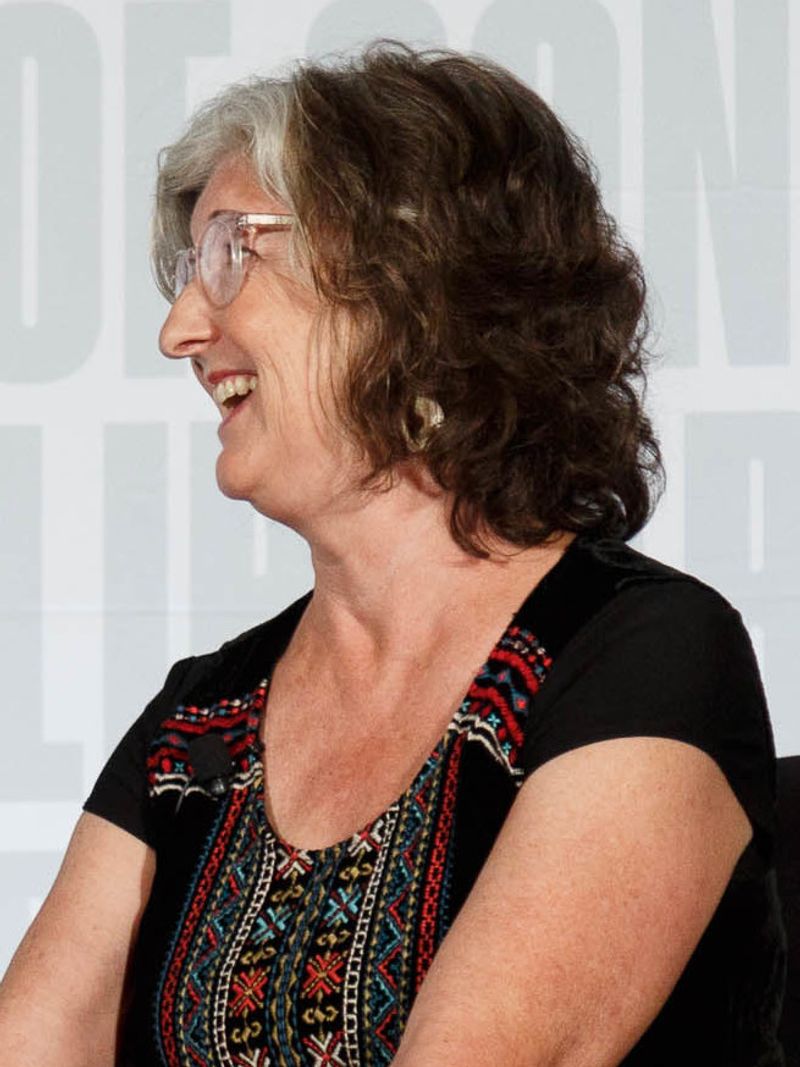
Charles Dickens meets the opioid crisis in Appalachian Virginia, and the result is absolutely electric.
Kingsolver reimagines David Copperfield as Damon Fields, a red-haired boy born into poverty who navigates foster care and survival in modern rural America.
The voice is everything here. Demon narrates with sharp wit and a fury that feels completely earned.
Winner of the Pulitzer Prize in 2023, this novel arrived at exactly the right cultural moment. Dickens himself would probably tip his top hat in approval.
8. The Goldfinch by Donna Tartt (2013)

A boy survives a terrorist bombing at a museum and walks out clutching a tiny, priceless painting of a goldfinch.
That stolen painting becomes the thread connecting his entire life, through grief, crime, friendship, and the search for beauty in a broken world.
Tartt writes with a lush, almost 19th-century richness that pulls you so deep into Theo Decker’s world you forget to breathe.
Winner of the Pulitzer Prize, The Goldfinch divides critics and unites readers.
9. Cloud Atlas by David Mitchell (2004)
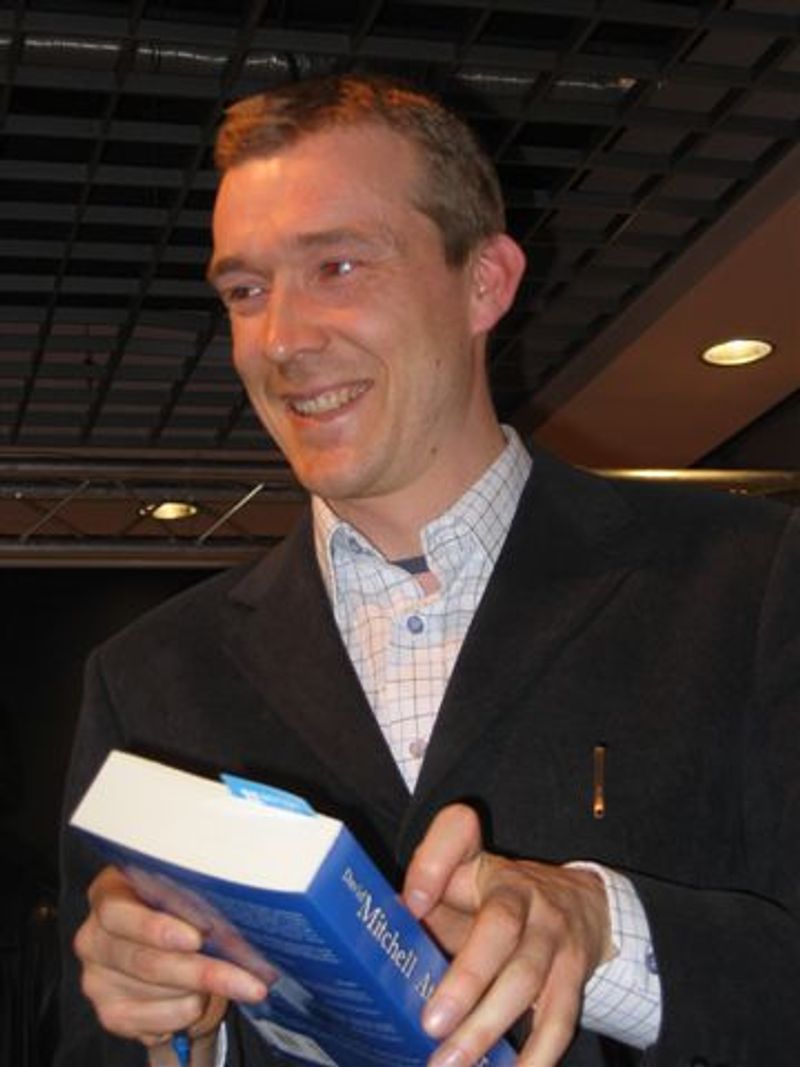
Six stories. Six time periods. Six completely different genres, all nested inside each other like a literary Russian doll.
Mitchell jumps from a 19th-century sea voyage to a dystopian future and back again, and somehow it all connects through reincarnated souls and recurring music.
Cloud Atlas is the kind of book that makes you feel smarter just for finishing it. Each section has its own voice and vocabulary, including a future dialect that takes some getting used to. Worth it, absolutely.
10. The Vegetarian by Han Kang (2007; English Translation 2015)

After a disturbing dream, a South Korean woman named Yeong-hye simply stops eating meat.
What follows is not a story about diet choices. It’s a shattering exploration of bodily autonomy, family violence, and what happens when a quiet person refuses to comply with society’s demands.
Han Kang writes in short, brutal strokes. The novel is divided into three parts, each narrated by someone close to Yeong-hye, never by Yeong-hye herself. That choice is haunting and deliberate.
Han Kang won the Nobel Prize in Literature in 2024, becoming the first South Korean author to do so.
11. Shuggie Bain by Douglas Stuart (2020)

Growing up in 1980s Glasgow during the Thatcher era was tough for most families. For Shuggie Bain, it was something else entirely.
Stuart’s debut novel follows a sensitive, lonely boy and his fierce, complicated love for his alcoholic mother Agnes, who is both his whole world and his greatest heartbreak.
Stuart based the story on his own childhood, and that autobiographical rawness bleeds through every page. It’s painful, yes, but also full of unexpected tenderness and even dark humor.
12. The Sellout by Paul Beatty (2015)

How do you write a comedy about racism in America that makes you laugh and then immediately feel terrible for laughing? Paul Beatty figured it out.
The narrator of this wild novel attempts to reinstate segregation in his tiny California hometown, just to see what happens.
Beatty’s satire is razor-sharp and absolutely fearless. He skewers everything: politics, identity, history, and the absurdity of American race relations, all with a comedic fury that has no real equal in contemporary fiction.
13. On Beauty by Zadie Smith (2005)
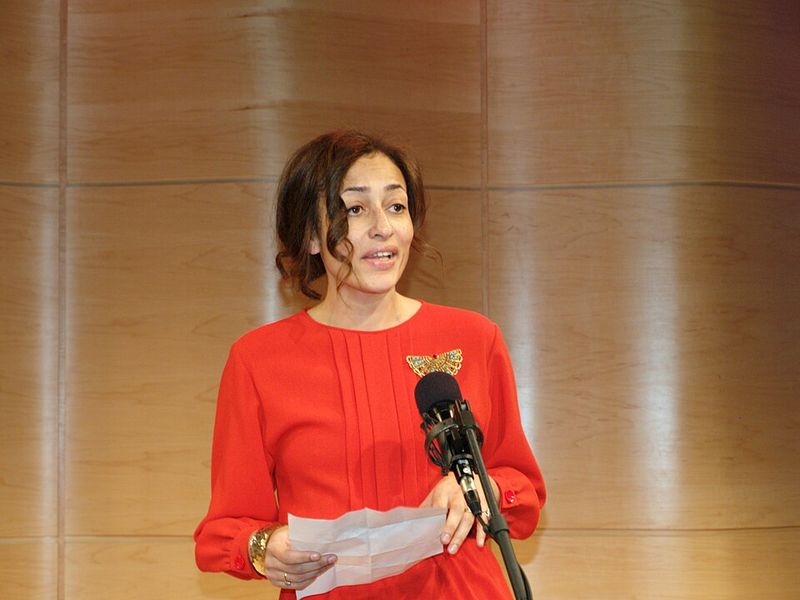
Two rival professors, one liberal and one conservative, have families that keep colliding in deeply human ways.
Zadie Smith sets this comedy of manners in a fictional New England university and fills it with arguments about art, race, class, and what beauty actually means.
Inspired by E.M. Forster’s Howards End, On Beauty manages to feel both classic and completely modern.
Smith writes dialogue that sounds exactly like real people talking, which is harder than it looks.
14. Girl, Woman, Other by Bernardine Evaristo (2019)
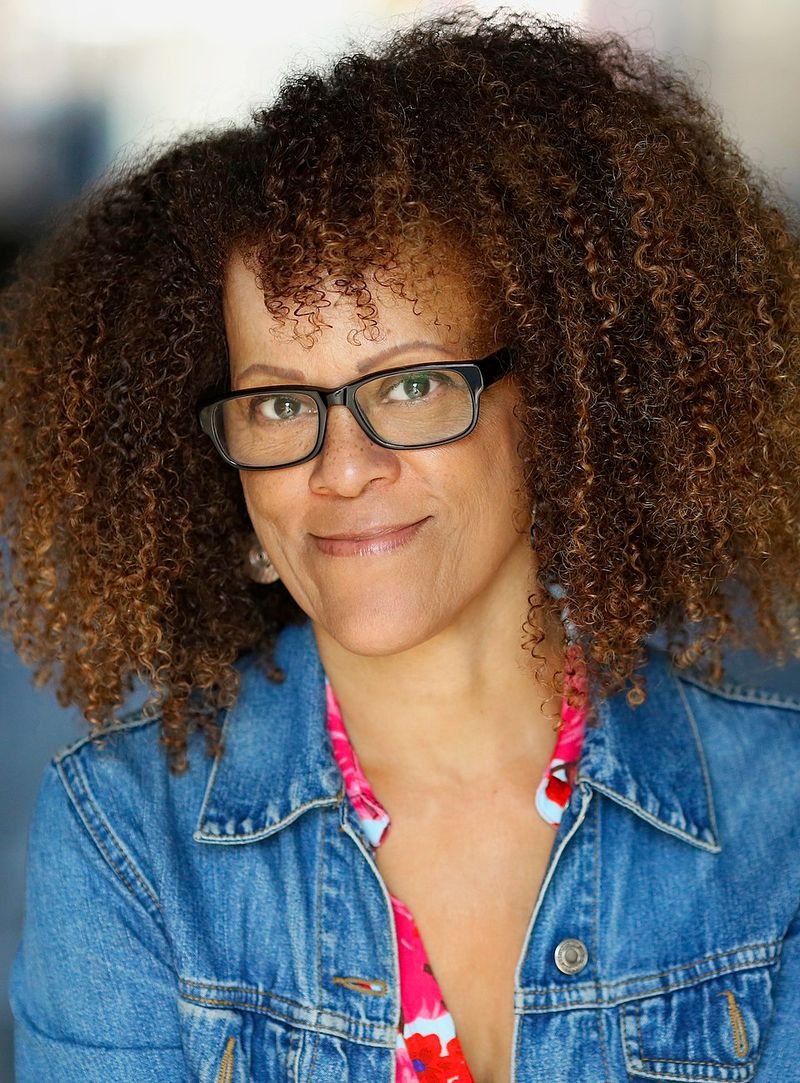
Twelve characters. Most of them Black British women. All of their stories braided together across time in a novel that reads like music.
Evaristo builds a chorus of voices that spans generations, identities, and experiences, from a radical theater director in London to a farmer in rural England.
The prose style is distinctive: no full stops at the end of lines, a flowing form that blurs poetry and fiction. It sounds unusual, but within a few pages it feels completely natural, almost like breathing.
Evaristo jointly won the Booker Prize in 2019, the first Black woman to do so.
15. A Little Life by Hanya Yanagihara (2015)
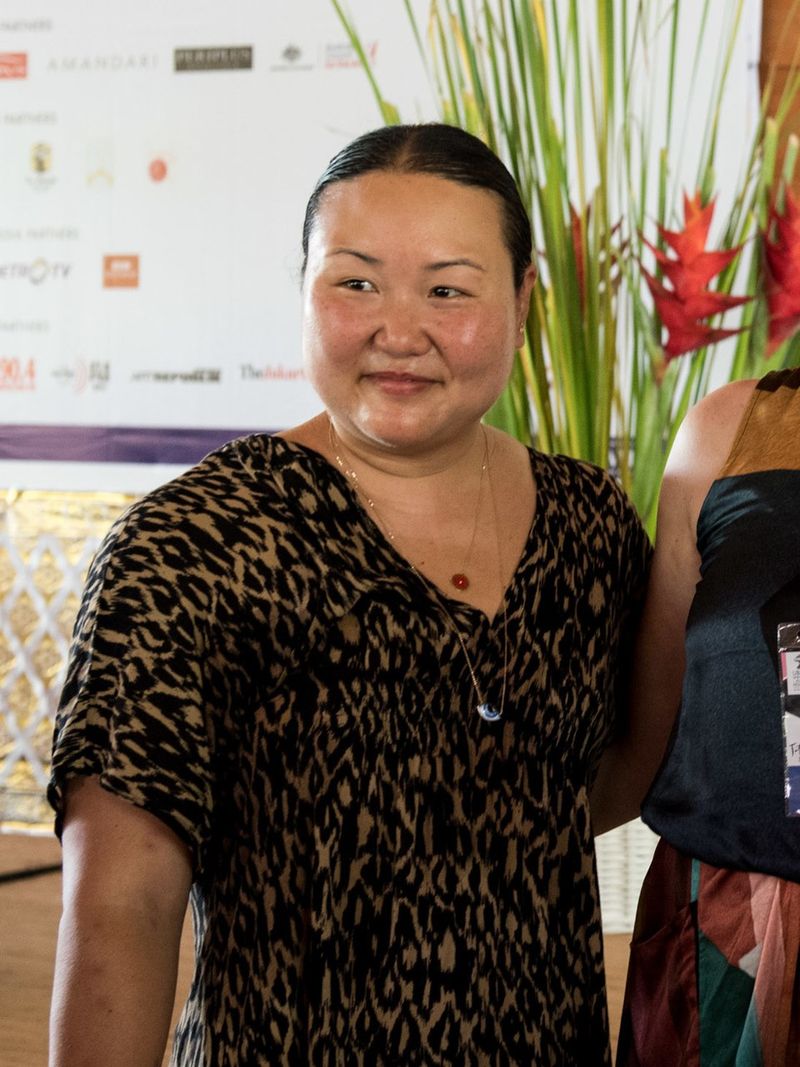
Fair warning: this book will break you in ways you didn’t know were possible.
Four college friends build their lives in New York City, but the novel slowly centers on Jude St. Francis, a man carrying a past so painful it defies easy description.
Readers feel everything Jude feels, which is both the novel’s greatest achievement and its most demanding quality. At over 700 pages, it asks a lot, and gives back even more.
Shortlisted for the Man Booker Prize and the National Book Award, A Little Life sparked fierce debate about trauma in fiction.