10 Movie Tropes That Feel Fictional But Have Real-World Parallels
Reality has been feeding Hollywood spoilers for years.
Plenty of movie ideas turn out to be real life with better lighting, louder music, and far more attractive people.
Crime profilers, self-driving cars, and other screen-only concepts did not come out of nowhere. Real life got there first, then movies slapped on slow motion and called it original.
1. The Brilliant Criminal Profiler
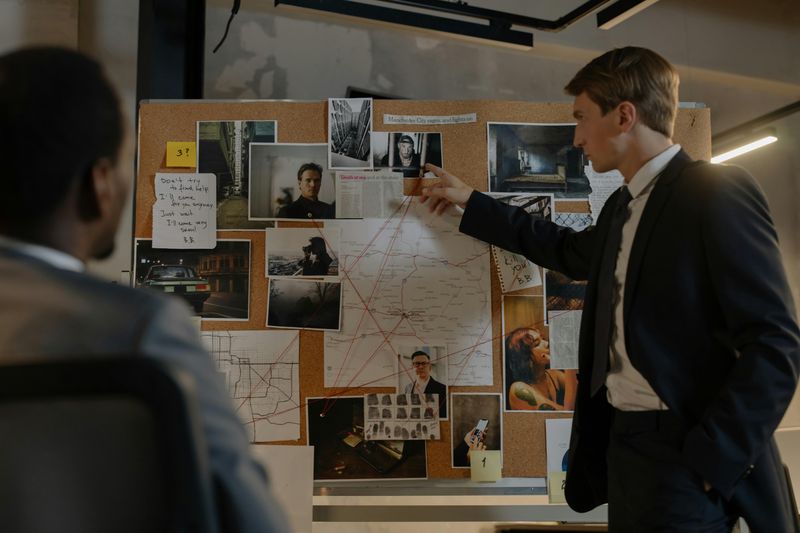
At a crime scene in the movies, one gifted investigator usually walks in and seems to understand everything before anyone else has finished taking notes.
Real FBI Behavioral Analysis Units work from a similar idea, helping on serious crime, cybercrime, and national security cases by studying motives, patterns, and behavior.
Instead of flashy intuition, the real process depends on careful analysis and methodical work. Dramatic speeches may be missing, but the results can still be very real.
2. The Witness Who Vanishes And Starts Over
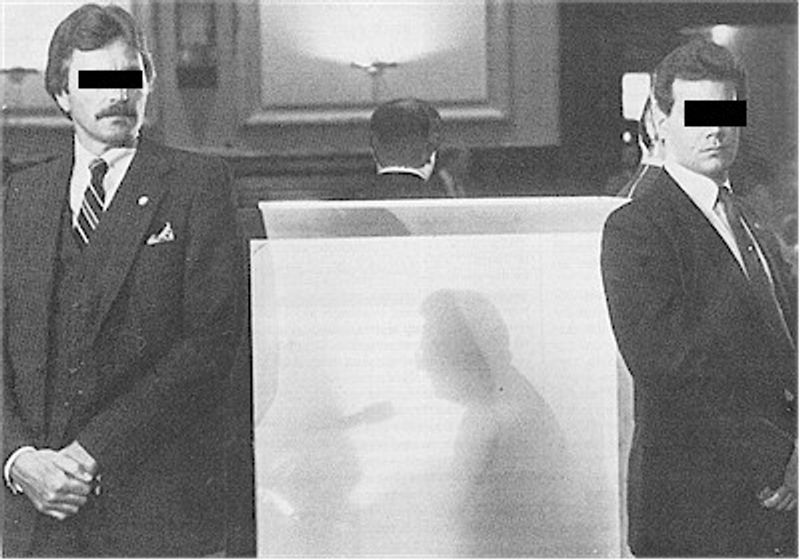
Fresh documents, another city, and a completely different identity sound like something built for a tense thriller. Outside the movies, the U.S.
Marshals Service Witness Security Program has been doing exactly that since 1971.
Protected witnesses and their families receive new names, paperwork, and relocation help as part of the process.
Its record is impressive enough to sound fictional on its own, with more than 19,000 people protected and no compliant participant lost.
3. The Last-Minute Asteroid Mission
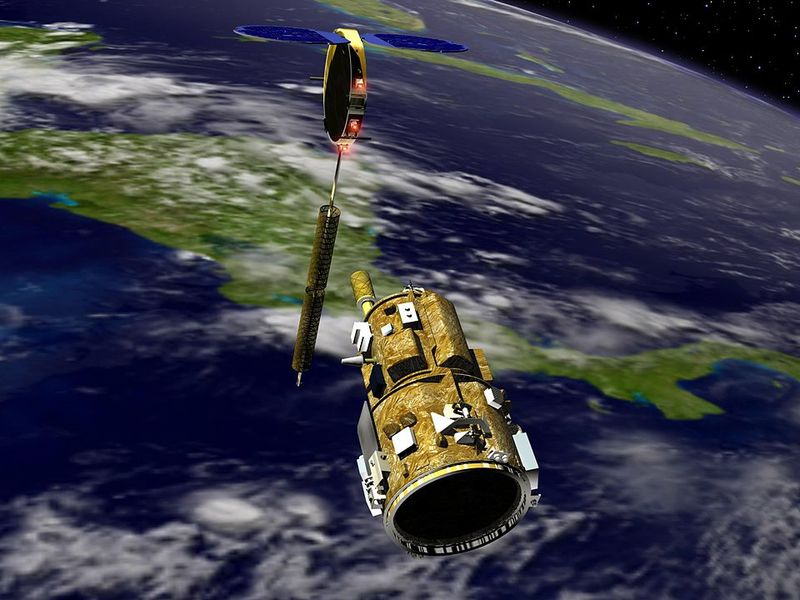
Few blockbuster setups feel more dramatic than scientists racing to stop an asteroid before disaster strikes.
NASA brought part of that premise into reality through the DART mission, which launched in 2021 and struck Dimorphos in 2022 to alter its orbit.
No action hero was needed, only engineering, precision, and a clear planetary defense goal. Big-screen panic makes the concept louder, but the basic idea has already proved it can work.
4. The Fake Face That Passes As Real
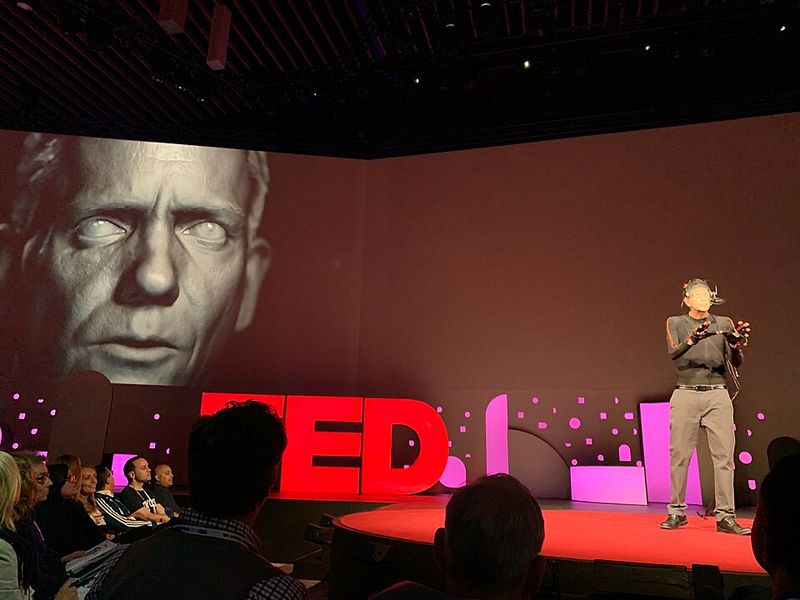
Digital disguises used to belong almost entirely to spy movies and high-concept thrillers.
Today, deepfake technology has made that sort of deception much more plausible, with Europol warning about uses in fraud, forged documents, and manipulated evidence. Off-the-shelf tools can now create convincing fake voices and videos without much difficulty.
Courtrooms, boardrooms, and inboxes have all become places where this once-fictional idea now shows up for real.
5. The Computer That Spots One Face In A Crowd

Surveillance scenes in movies often rely on software that can isolate one person in a packed crowd within seconds.
Across airports, stadiums, and police systems, facial recognition technology now performs a version of that task by comparing one face against huge databases.
Speed is what makes the real systems so powerful, especially in biometric and investigative workflows. Privacy concerns remain serious, but the old science-fiction screen wall is no longer just a screenwriter’s idea.
6. The Strength-Boosting Suit
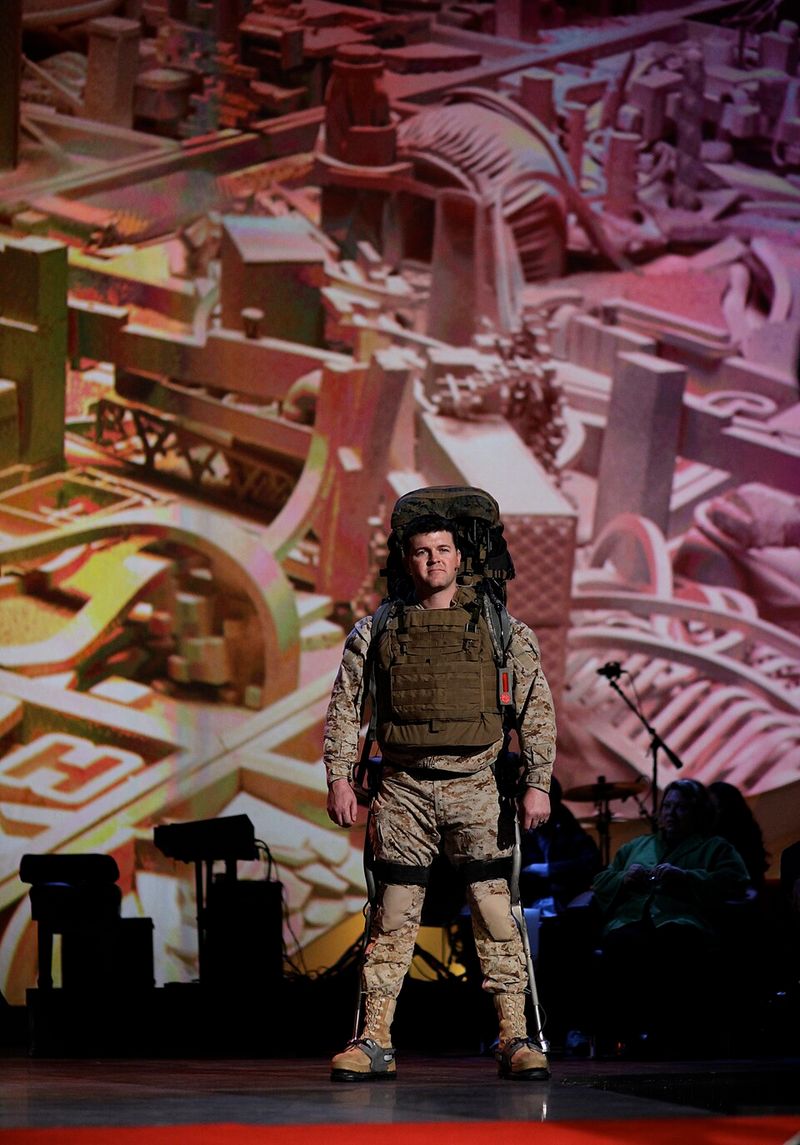
Powered armor tends to look like pure comic-book fantasy when it appears in movies. Military research has moved closer to that vision through projects like DARPA’s Warrior Web and other Army-backed exoskeleton work meant to reduce fatigue and support heavy loads.
Systems such as the Human Universal Load Carrier were built to help soldiers move with less physical strain.
Superhero films may give the concept more shine, but the practical version is already under development.
7. The Pilot Who Flies From A Screen
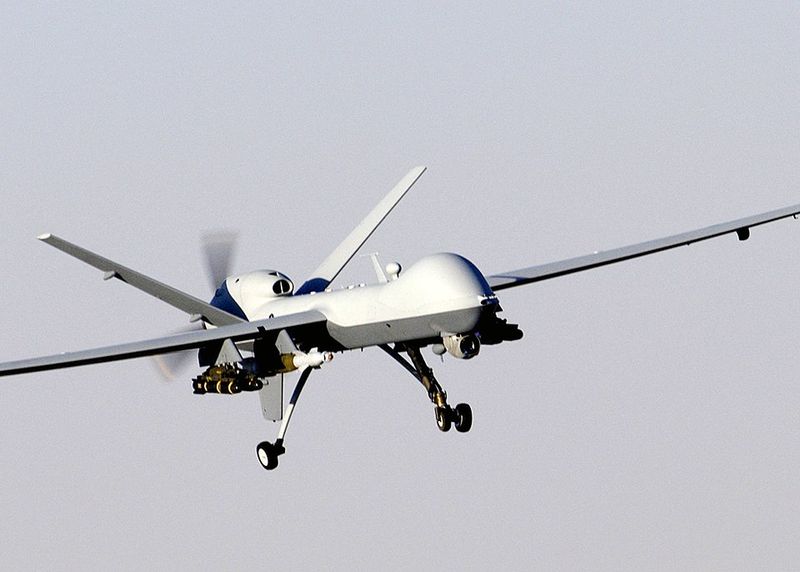
Some films imagine combat missions carried out by someone sitting far away behind a wall of monitors. That setup now mirrors real operations involving aircraft like the MQ-9 Reaper, which can be guided remotely through high-risk airspace from ground control stations.
Surveillance and strike missions can happen without the pilot ever physically boarding the aircraft.
Distance changes the workspace, but it does not make the decisions or consequences any less real.
8. The Con Artist Who Steals Identities With Words

Fast-talking movie scammers usually win people over face to face with confidence, timing, and a believable story.
Modern phishing works from the same playbook, using fake emails, websites, and messages to convince people to hand over money or account details.
CISA defines it as a form of social engineering, which is exactly what makes it so effective. Only the setting has changed, because the manipulation itself remains deeply familiar.
9. The Robot Sent In First
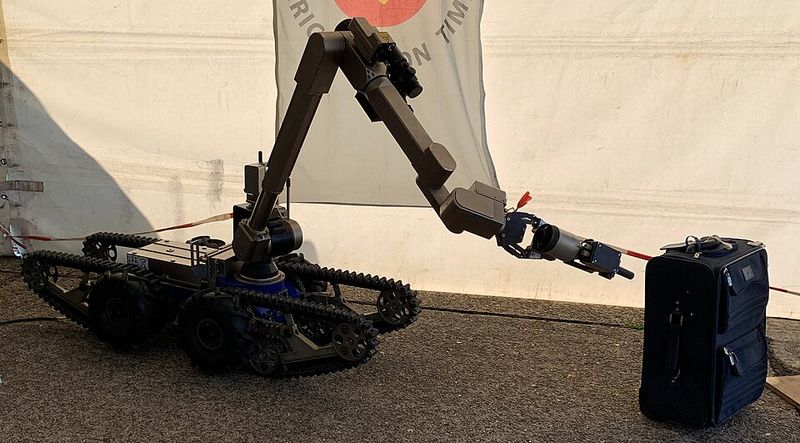
Action movies often send a machine toward danger first when the risk to human life is too high.
Real explosive ordnance disposal teams have relied on robots for years to inspect suspicious devices, move them, and assist with neutralization. Cameras, wire-cutting tools, water disruptors, and live video feeds make those machines invaluable in the field.
Film versions add sparks and noise, while the real ones do their best work by reducing risk.
10. The Car That Drives Itself
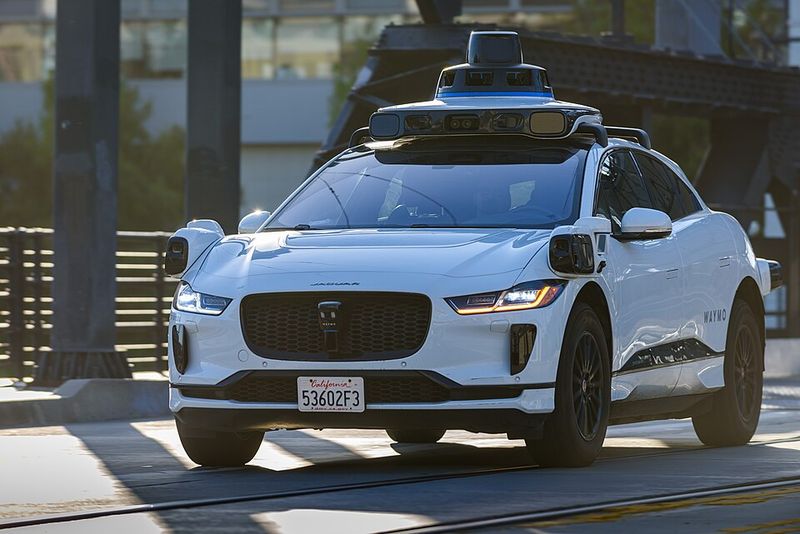
Waymo’s fully autonomous ride-hailing service operates in multiple U.S. cities right now, ferrying passengers with zero human driver behind the wheel.
Riders sit back, watch the steering wheel turn on its own, and arrive at their destination without a single awkward small-talk moment. The self-driving car was a futuristic movie prop for decades.
Now it sends a push notification when it is two minutes away. The future arrived quietly and on schedule.
Important: This article highlights real-world technologies, law-enforcement methods, and scientific programs that resemble familiar movie tropes.
References to current systems and agencies were reviewed against reputable official and reporting sources available at the time of writing, and descriptive wording was adjusted where needed for clarity, tone, and suitability.