4 Movies Gene Siskel Considered Truly Unforgettable
Gene Siskel wasn’t just any movie critic. Sitting alongside Roger Ebert, he made film reviews feel like hanging out with your smartest friends.
Between 1970 and 1997, Siskel picked top ten films each year for the Chicago Tribune, creating a treasure map of cinema gold. His selections highlighted what made movies magical: powerful stories, unforgettable characters, and moments that linger long after the credits roll.
1. The Godfather
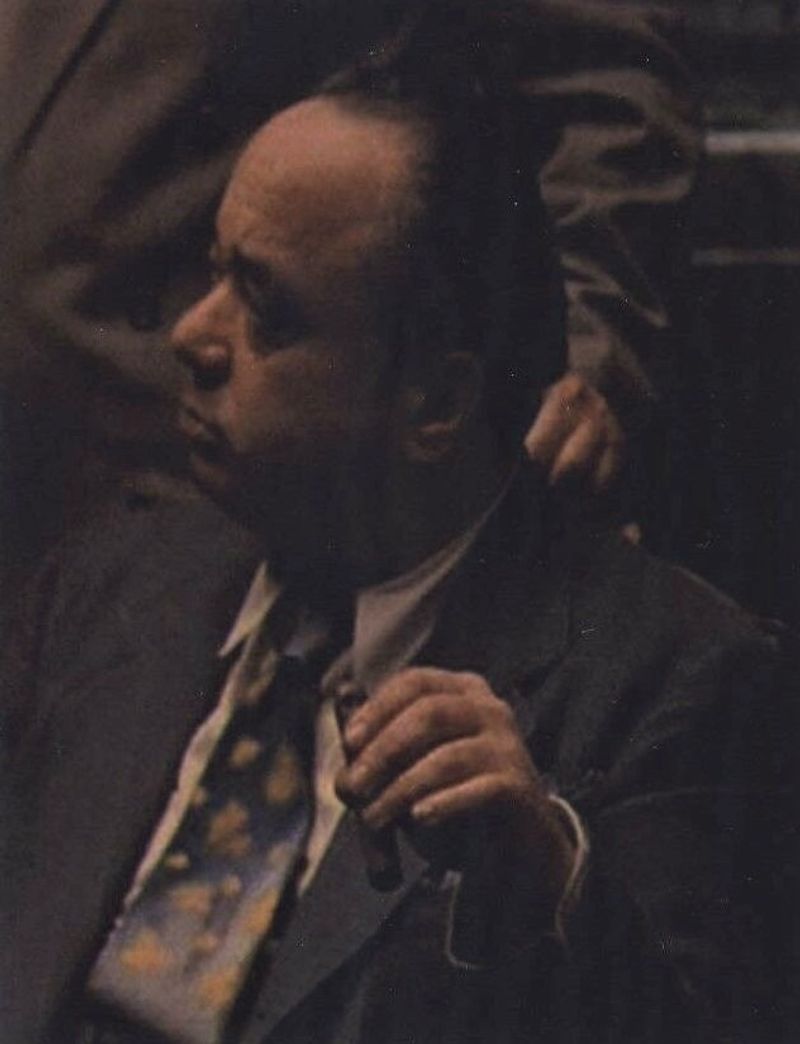
Francis Ford Coppola transformed Mario Puzo’s novel into pure cinematic magic. The Corleone family saga became the blueprint for every crime drama that followed.
Marlon Brando’s raspy-voiced Don Vito remains one of film’s greatest characters, mixing tenderness with terrifying power. However, it’s not just about mobsters and violence.
The movie examines family loyalty, the American Dream’s dark side, and how power corrupts even good intentions. Siskel understood this wasn’t just entertainment but American mythology captured on film.
2. Last Tango in Paris

Bernardo Bertolucci created controversy and conversation with this raw exploration of grief and connection. Marlon Brando plays a grieving American who begins an anonymous affair in a Parisian apartment.
The film shocked audiences with its unflinching honesty about human vulnerability and desire. Though provocative, it’s ultimately about two lonely people seeking escape from their pain.
Siskel saw past the scandal to recognize a fearless examination of how we cope with loss and search for meaning in unexpected places.
3. The Exorcist
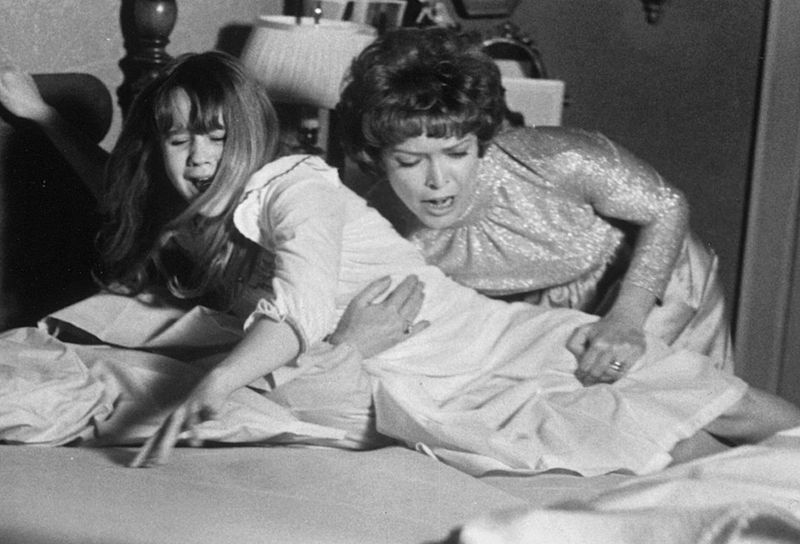
William Friedkin terrified a generation with this story of demonic possession. A young girl transforms into something nightmarish, and her desperate mother seeks help from two priests.
Though famous for its shocking scenes, the film’s real power lies in its exploration of faith versus doubt. The special effects remain disturbing decades later, achieved through practical techniques that feel viscerally real.
Siskel understood this wasn’t just horror but a serious meditation on good, evil, and belief in an increasingly skeptical world.
4. Amarcord
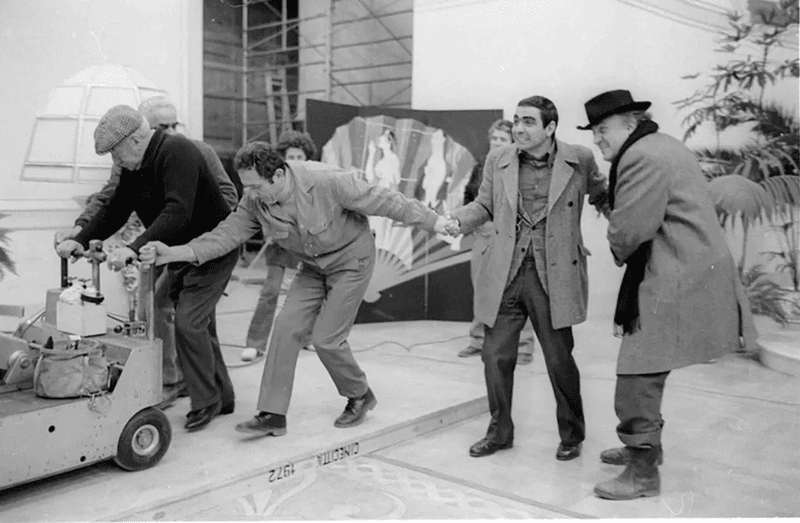
Federico Fellini transformed memories of his Italian hometown into surreal, colorful magic. The title means “I remember” in dialect, and the film feels like flipping through a dreamlike photo album.
Eccentric characters parade through absurd and touching situations in 1930s Italy under Fascism. From a peacock spreading its tail in falling snow to townspeople rowing out to see an ocean liner, every scene bursts with imagination.
Fellini blends comedy, nostalgia, and social commentary into something uniquely beautiful. Siskel appreciated this masterful blend of personal memory and universal truth.