18 Movies That Triggered Legal Battles Behind The Scenes
Movie sets can look glamorous on screen, yet plenty of the real drama happens after the cameras stop rolling.
Rights get disputed. Credits get challenged. Contracts get interpreted in wildly different ways once money starts flowing. A project can take years to make, then end up spending just as long in a courtroom or negotiation room.
Sometimes it is a creative issue, like authorship or originality. Other times it is pure business, like accounting, distribution, or ownership.
Either way, the stakes can get enormous fast, because reputations, careers, and entire franchises can hang in the balance.
These eighteen movies pulled audiences in with their stories, then sparked behind-the-scenes conflicts that became stories of their own.
Disclaimer: The content is provided for general informational and entertainment purposes and is not legal, financial, or professional advice. Details about lawsuits, rulings, and settlements are summarized from publicly reported sources and may omit procedural context; readers should consult primary court records and reputable outlets for complete case histories and current status.
1. Nosferatu (1922)
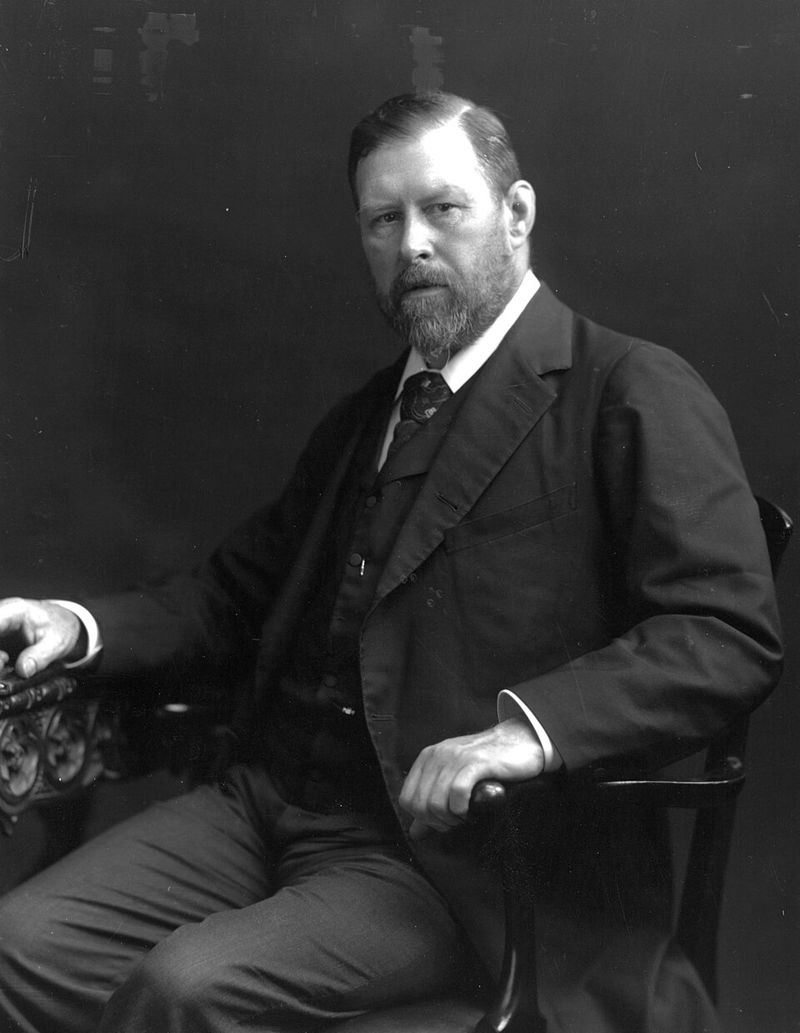
Picture this: filmmakers create an “original” vampire movie, except it’s basically Dracula with a name swap.
Bram Stoker’s widow wasn’t fooled for a second. She took the studio to court faster than Count Orlok could vanish at sunrise.
The judge sided with her, ordering every single print destroyed. Talk about a knockout punch!
However, some copies survived in secret, turning the film into an accidental underground legend.
Today, Nosferatu is considered a masterpiece of silent horror, proving that even court-ordered destruction couldn’t destroy this classic.
2. A Fistful of Dollars (1964)
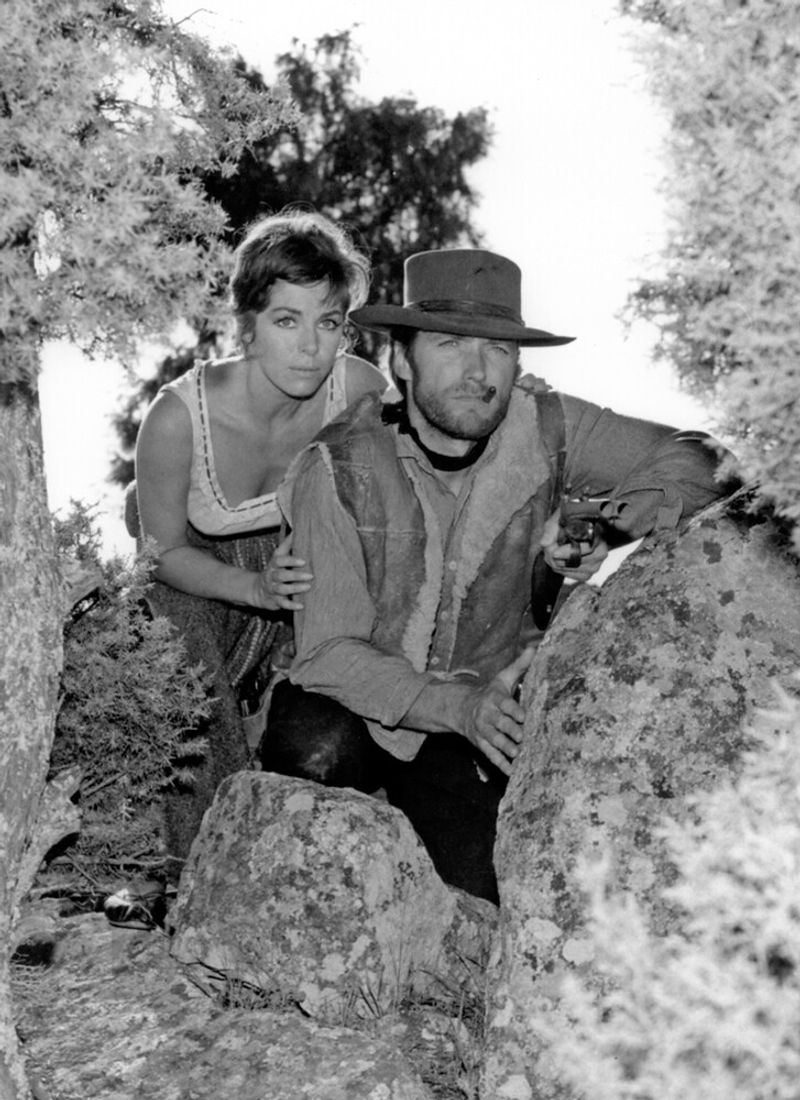
Sergio Leone thought he’d crafted a brilliant Western, but Akira Kurosawa recognized his own samurai masterpiece Yojimbo wearing a cowboy hat.
The legendary Japanese director and Toho Studios weren’t amused by this Wild West makeover of their work.
Legal showdown commenced! Rather than duke it out in court forever, both sides reached a settlement.
Leone handed over distribution rights in several countries plus a chunk of the film’s profits.
Despite the controversy, Clint Eastwood became a superstar, and spaghetti Westerns galloped into cinema history.
3. Coming to America (1988)
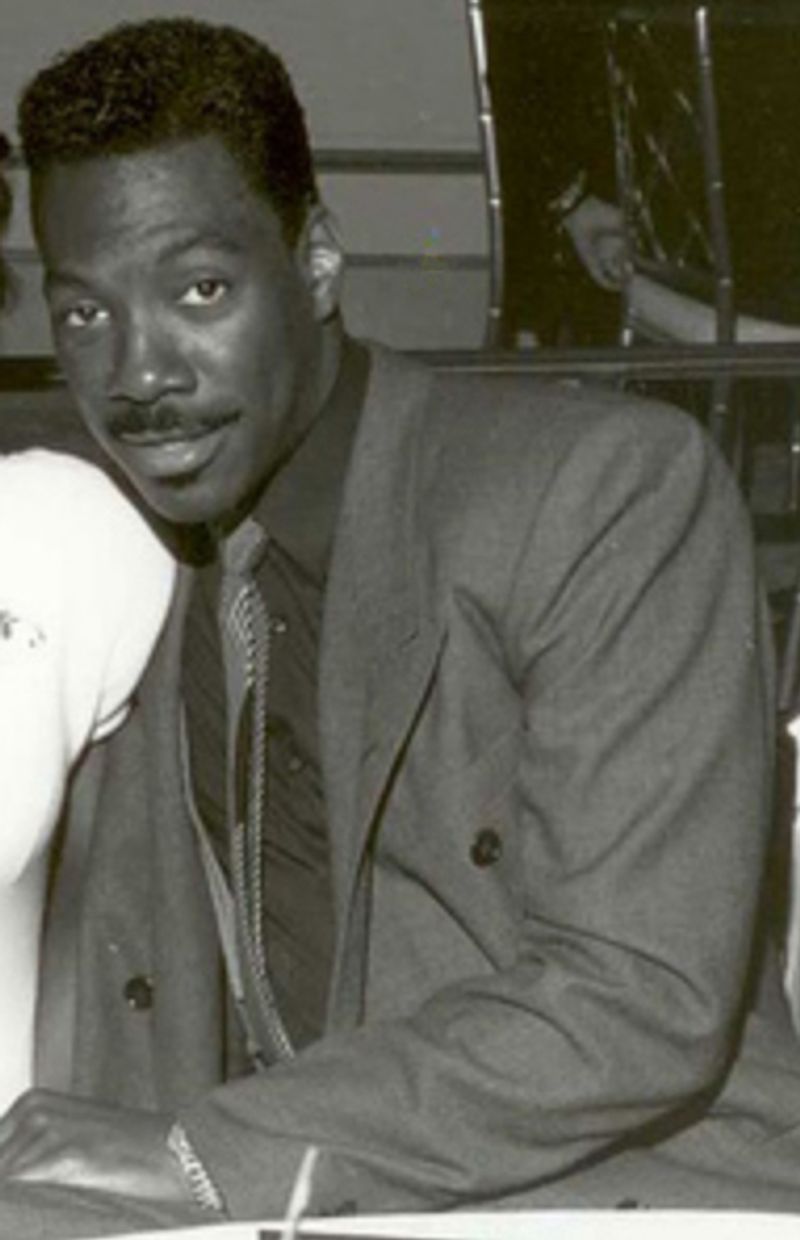
This royal comedy became a poster child for Hollywood’s shadiest accounting tricks, even with Eddie Murphy at the center.
Columnist Art Buchwald claimed the studio stole his story idea, then watched his “share” of a a major hit that brought in hundreds of millions worldwide magically vanish through creative bookkeeping.
The court agreed Paramount ripped off Buchwald’s treatment. But here’s the twist: the studio claimed the mega-hit somehow lost money on paper, meaning zero net profits to share!
This case exposed Hollywood accounting as basically legal fiction, changing how profit deals get written forever.
4. The Terminator (1984)
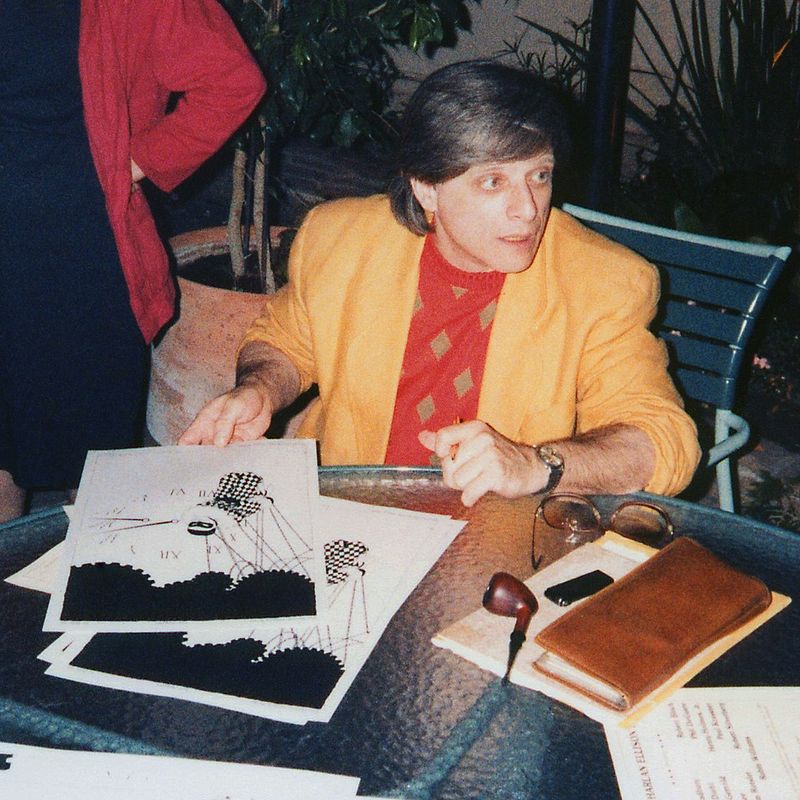
James Cameron’s robot thriller had one tiny problem: it bore suspicious similarities to two Harlan Ellison scripts from The Outer Limits.
The science fiction legend noticed the resemblance and wasn’t staying quiet about it.
Rather than fight, the studio settled quickly. If you watch later releases, you’ll spot an acknowledgment crediting Ellison’s earlier work right in the opening titles.
Cameron has downplayed the connection over the years, but that credit remains, a permanent reminder that even cyborg assassins can’t escape their creative ancestors.
5. Back to the Future Part II (1989)
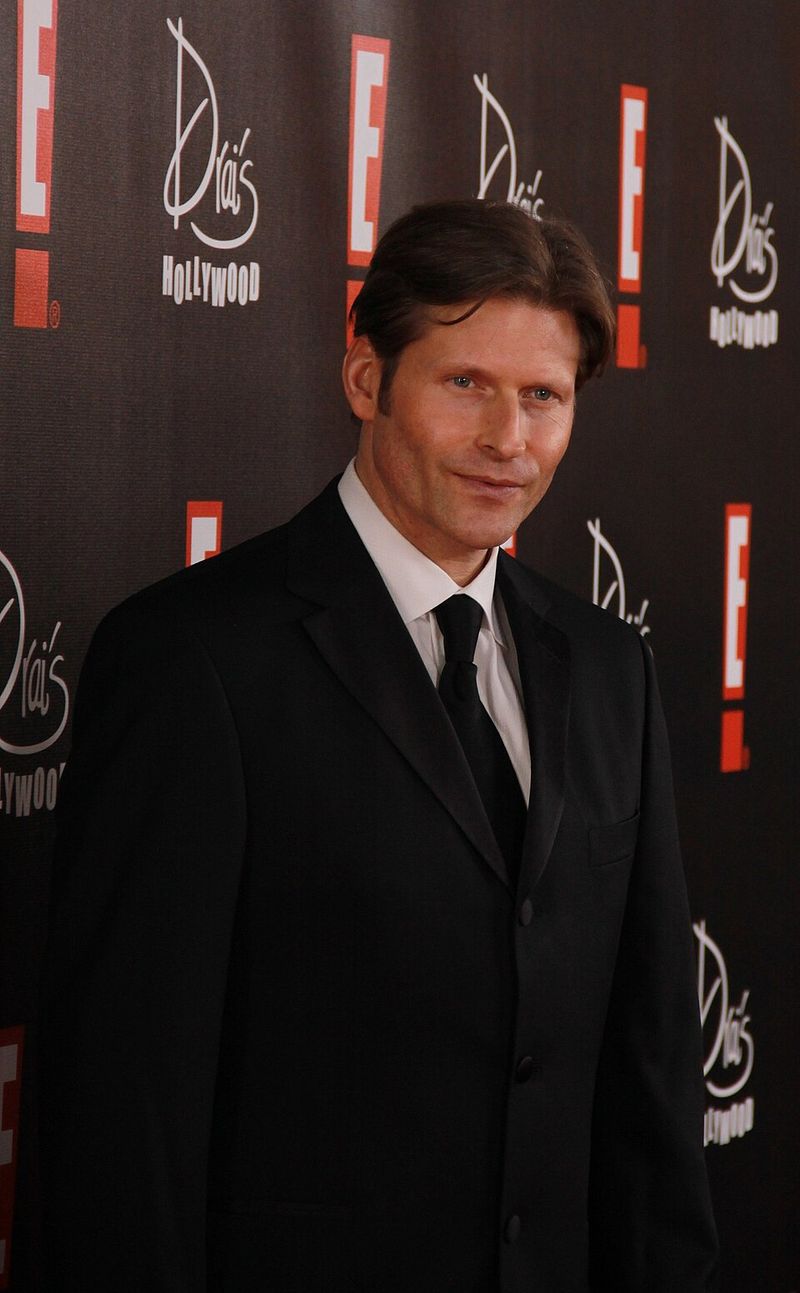
When Crispin Glover refused to return as George McFly, the filmmakers got sneaky.
They used footage from the original, added prosthetics, and cast another actor to play his character. Glover was not impressed with this Hollywood magic trick.
His lawsuit changed everything! It became a cautionary example around reusing an actor’s likeness and performance elements without consent.
Studios now think twice before recycling actors’ likenesses, making this case a landmark for performers’ rights in the digital age.
6. The Blair Witch Project (1999)
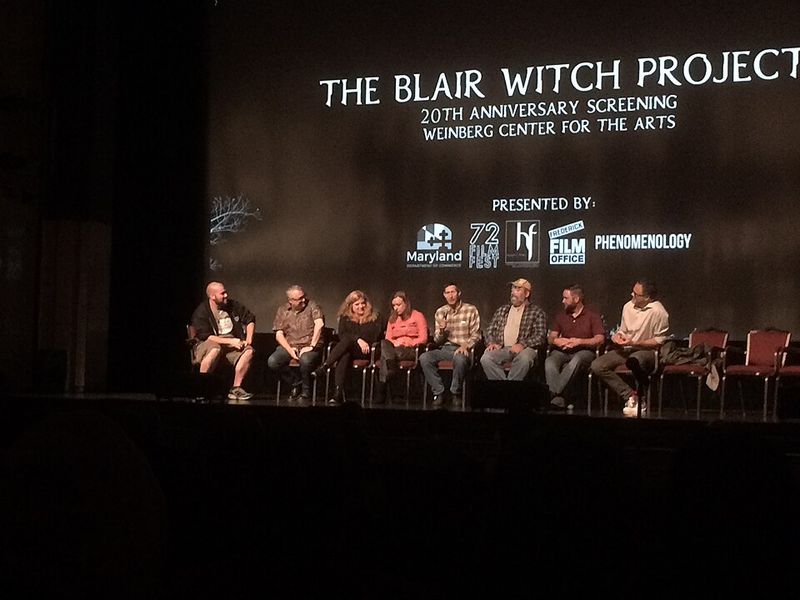
Three unknown actors helped create the scariest low-budget phenomenon ever, earning the studio nearly $250 million.
Their paychecks? Laughably tiny, even after the film became a cultural earthquake that had audiences believing the footage was real.
The three leads sued Artisan Entertainment in 2000 over compensation and later reached a reported $300,000 settlement.
7. The Hurt Locker (2008)
Sergeant Jeffrey Sarver claimed the Oscar-winning thriller was basically his life story with the serial numbers filed off.
He sued for invasion of privacy and unauthorized use of his experiences as an Army bomb tech in Iraq.
The legal battle exploded into public view, raising thorny questions: Can filmmakers dramatize real soldiers’ dangerous work without permission? Where’s the line between inspiration and exploitation?
Though Sarver ultimately lost his case, the controversy sparked important conversations about depicting real military personnel in Hollywood war films.
8. The Hangover Part II (2011)
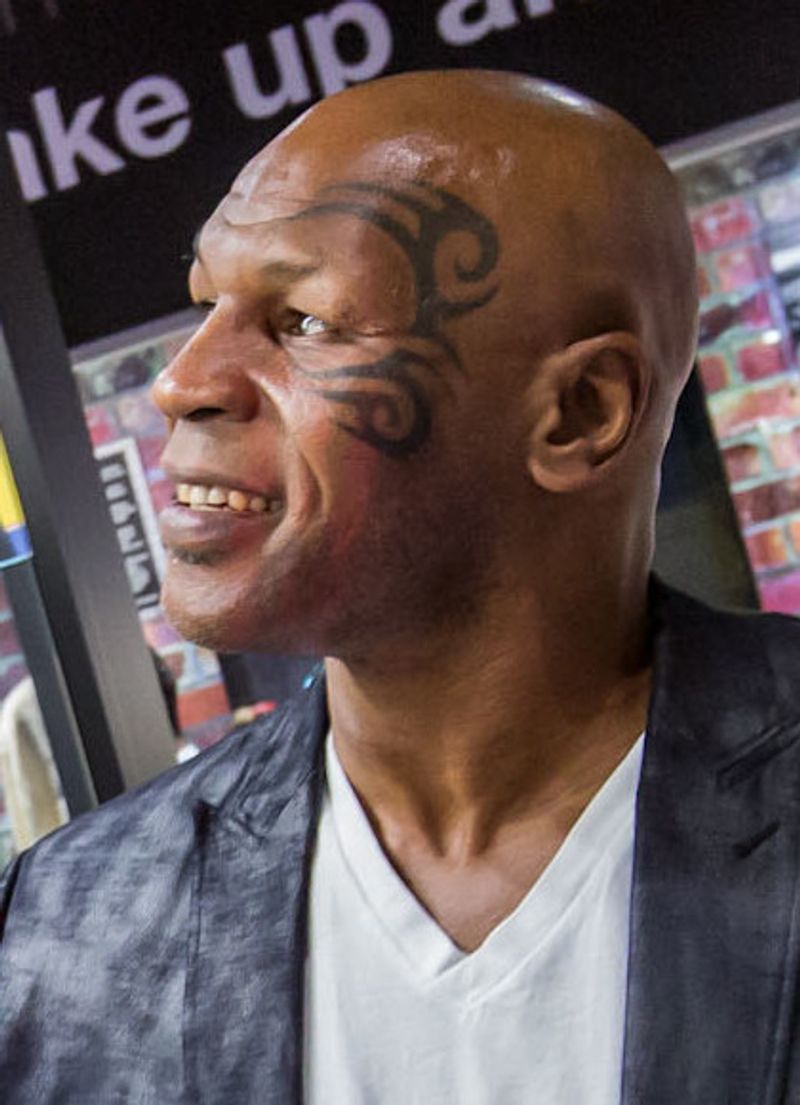
Tattoo artist S. Victor Whitmill created Mike Tyson’s iconic face ink, and argued it was protected by copyright.
When the sequel slapped a nearly identical design on Ed Helms’ character, Whitmill filed suit and headed straight to court.
The lawsuit asked: Can you copyright body art? If someone owns the design, can actors reproduce it on film without permission?
Warner Bros. settled before trial, likely tweaking the tattoo digitally for home releases.
9. Borat (2006)
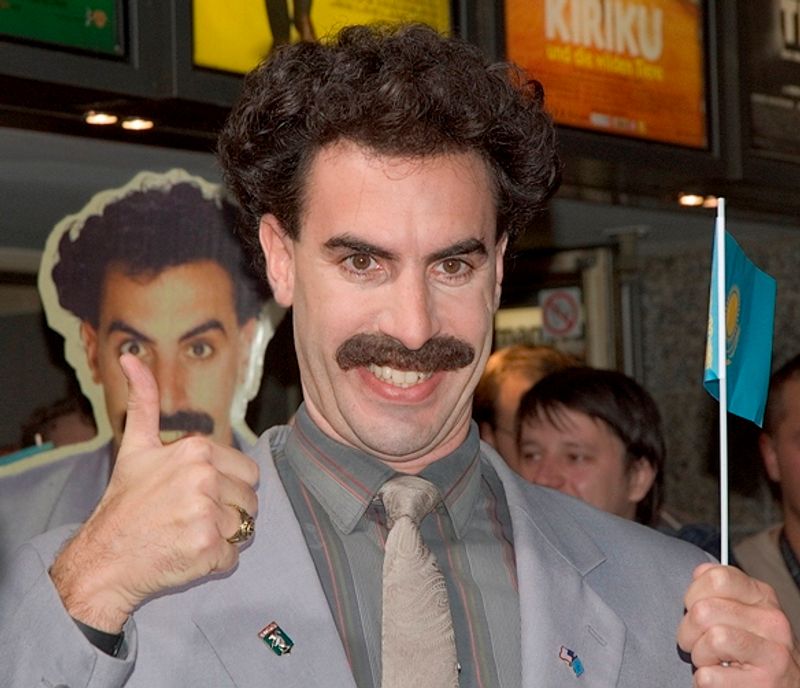
Furious participants and a swarm of lawyers followed in the wake of a prank-driven masterpiece.
People filmed for the “documentary” sued when they discovered they’d been tricked into a comedy that made them look foolish on the global stage.
Romanian villagers portrayed as backward Kazakhs were especially outraged.
Frat boys, etiquette coaches, and rodeo attendees all filed claims, arguing they’d been deceived about the film’s true nature.
Several suits were filed, and release forms became a key issue in how claims were argued and defended.
10. The Social Network (2010)
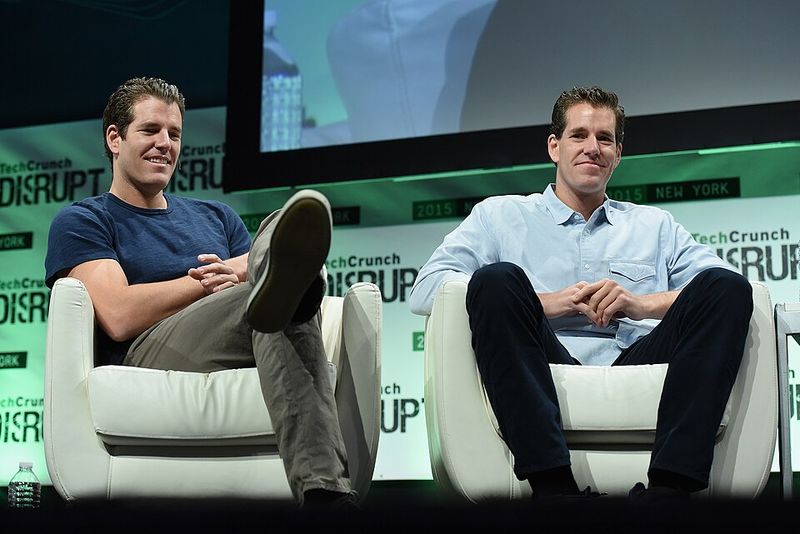
The movie dramatized Facebook’s explosive birth and the lawsuits that followed, but those real-life legal battles were messier than any screenplay.
The Winklevoss twins and Eduardo Saverin both fought Mark Zuckerberg in court over founding credit and equity.
A major settlement with the Winklevoss twins was widely reported around $65 million, and Saverin’s dispute also ended in settlement.
The twins later tried reopening their case, claiming they’d been misled about Facebook’s valuation during negotiations.
Courts eventually shut down the do-overs, but the film immortalized Silicon Valley backstabbing as high-stakes drama worth hundreds of millions.
11. The Wolf of Wall Street (2013)
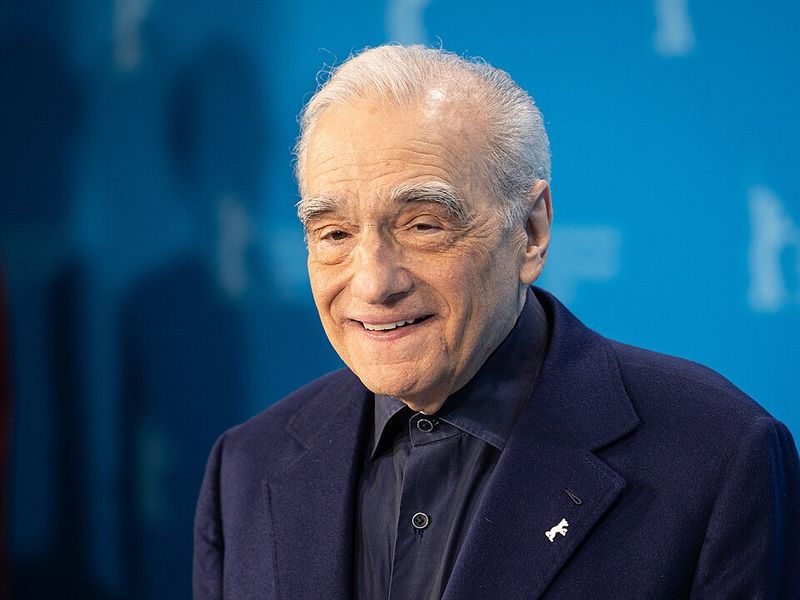
Lawsuits circled this wild ride through financial fraud, much like FBI attention circled Jordan Belfort.
Former associates sued for defamation, claiming the film portrayed them unfairly. Meanwhile, producers battled each other over credits and compensation.
The financing itself became controversial when connections to a Malaysian corruption scandal emerged. Money used to fund the movie allegedly came from stolen government funds!
The film’s production was linked to legal scrutiny and reporting tied to the 1MDB scandal, including claims about financing through Red Granite.
12. The Lord of the Rings and The Hobbit Films
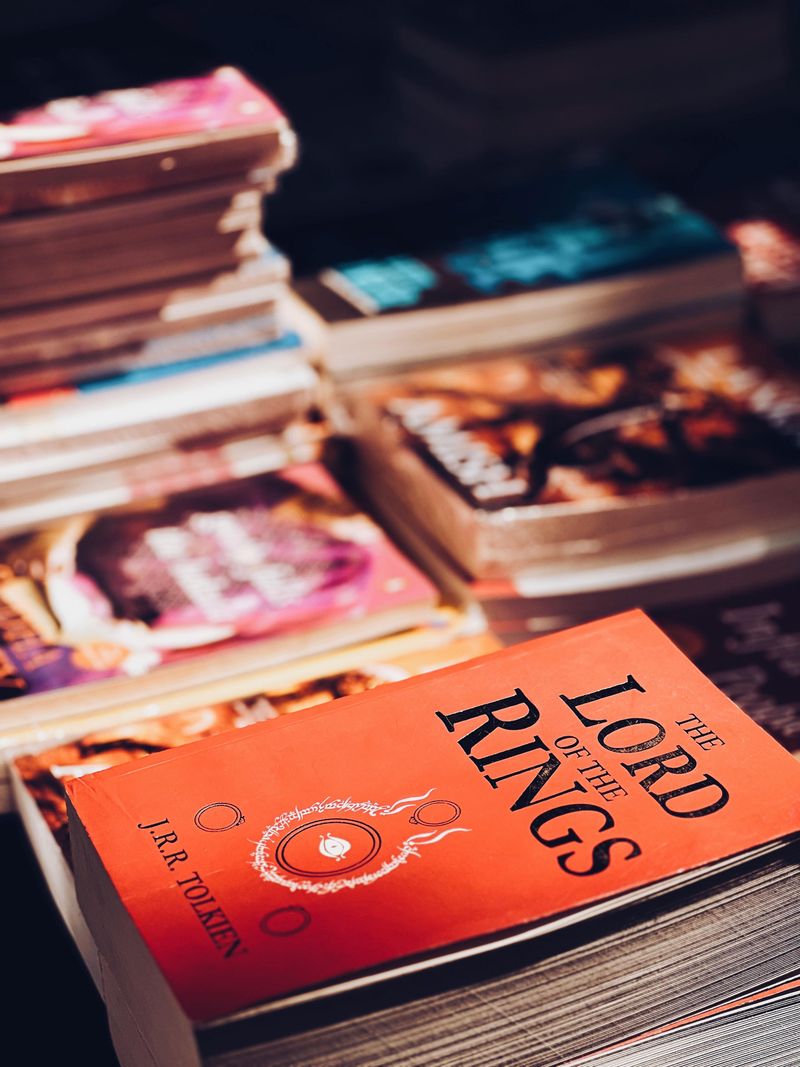
Peter Jackson’s Middle Earth saga conquered box offices worldwide, earning billions.
However, the Tolkien Estate wasn’t cheering – they were lawyering up over merchandising rights and how the films strayed from the professor’s vision.
Warner Bros. faced claims they’d exceeded their licensing agreement, particularly regarding certain licensed games and merchandise. The studio countersued, and the legal Mordor seemed endless.
Eventually, both sides settled for a reported $80 million, allowing everyone to finally enjoy second breakfast without subpoenas.
13. The Da Vinci Code (2006)
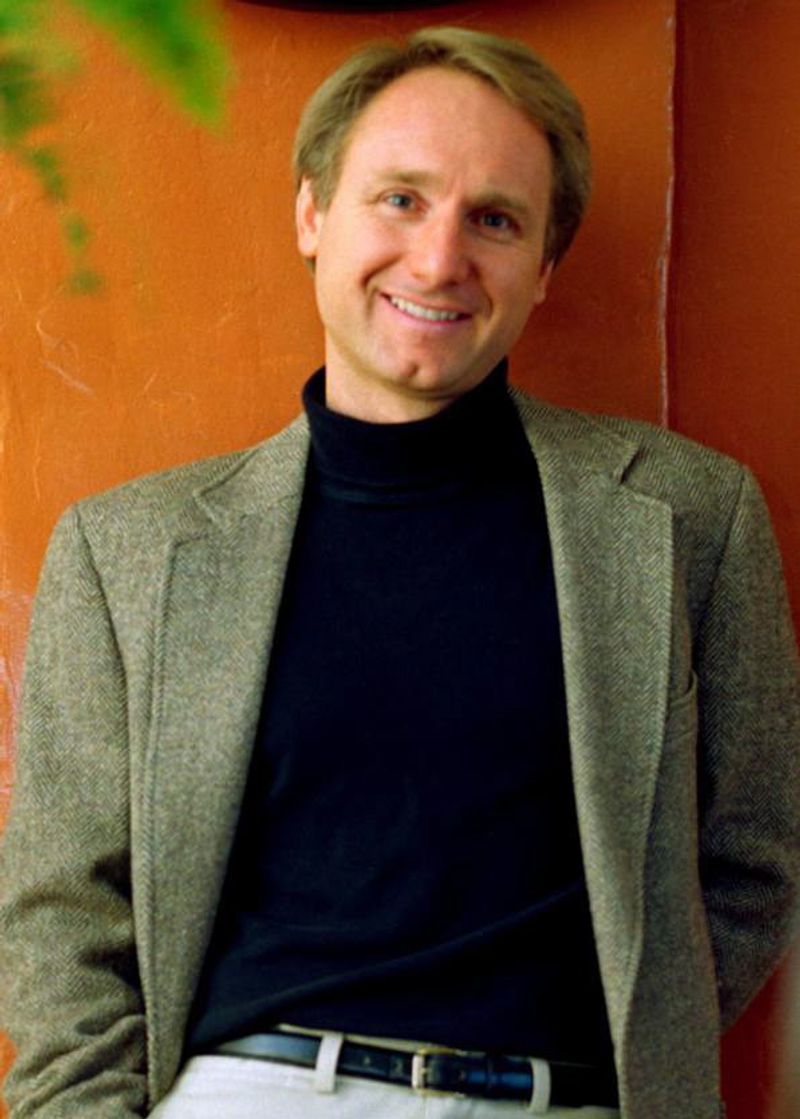
Before Ron Howard could film a single scene, Dan Brown’s novel faced a massive plagiarism lawsuit in British courts.
Authors of The Holy Blood and the Holy Grail claimed Brown swiped their historical theories about Jesus and Mary Magdalene.
The case went to trial and appeal, with judges dissecting whether historical research can be “stolen” or if it’s fair game for fiction writers. Spoiler alert: the courts sided with Brown.
The publicity actually boosted both book sales, proving that sometimes a good controversy is better marketing than any billboard campaign could buy.
14. The Shape of Water (2017)
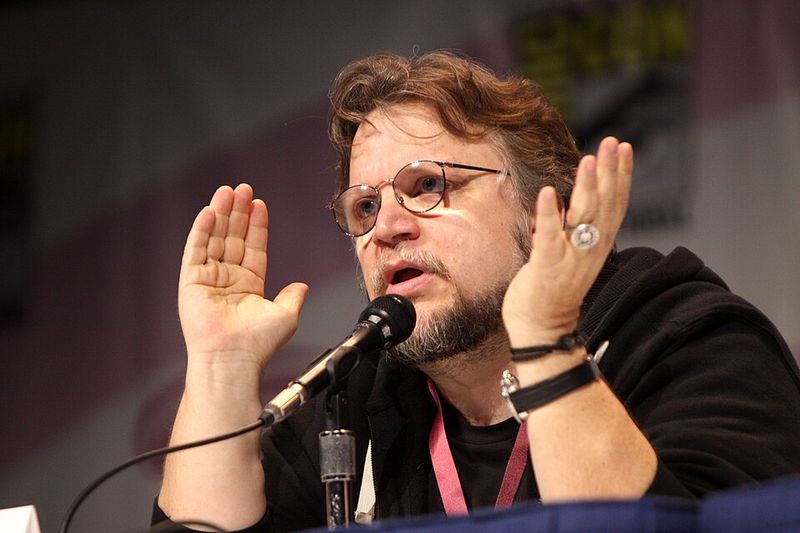
Awards season embraced the fish-man romance with open arms, yet controversy surfaced when Paul Zindel’s estate argued the story echoed striking elements of his 1969 play Let Me Hear You Whisper.
The lawsuit alleged copyright infringement over the creature-befriending-janitor premise.
Del Toro insisted his film drew from classic monster movies, not the play. Before the case could proceed far, it was dismissed in 2018.
The controversy briefly overshadowed Oscar buzz but ultimately didn’t stop the film from winning Best Picture and cementing its place in genre history.
15. Avatar (2009)
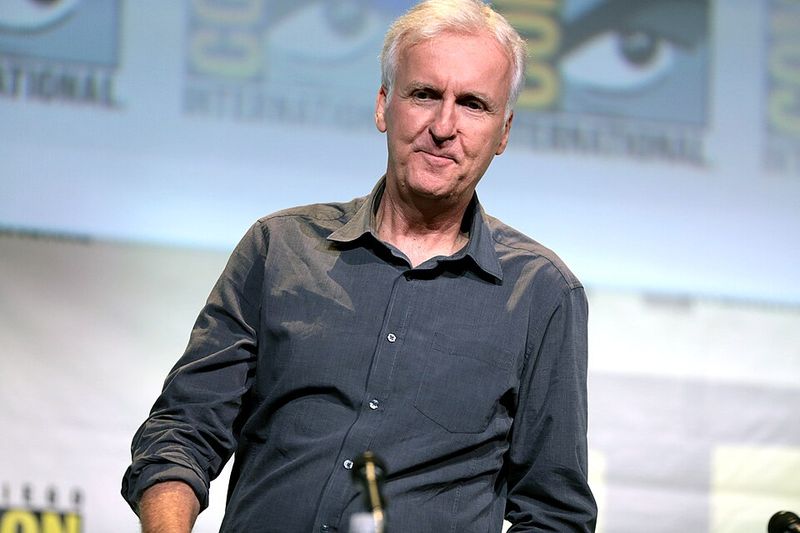
A record-smashing visual spectacle climbed to the top of the box office and, almost inevitably, attracted lawsuits right along with the fame.
Multiple plaintiffs emerged claiming they’d written the story first, from a screenwriter to a guy who’d pitched a similar eco-warrior tale.
One after another, courts tossed these cases out. Judges found the similarities too generic – noble aliens, evil corporations, and environmental themes aren’t exactly rare in science fiction.
16. This Is Spinal Tap (1984)
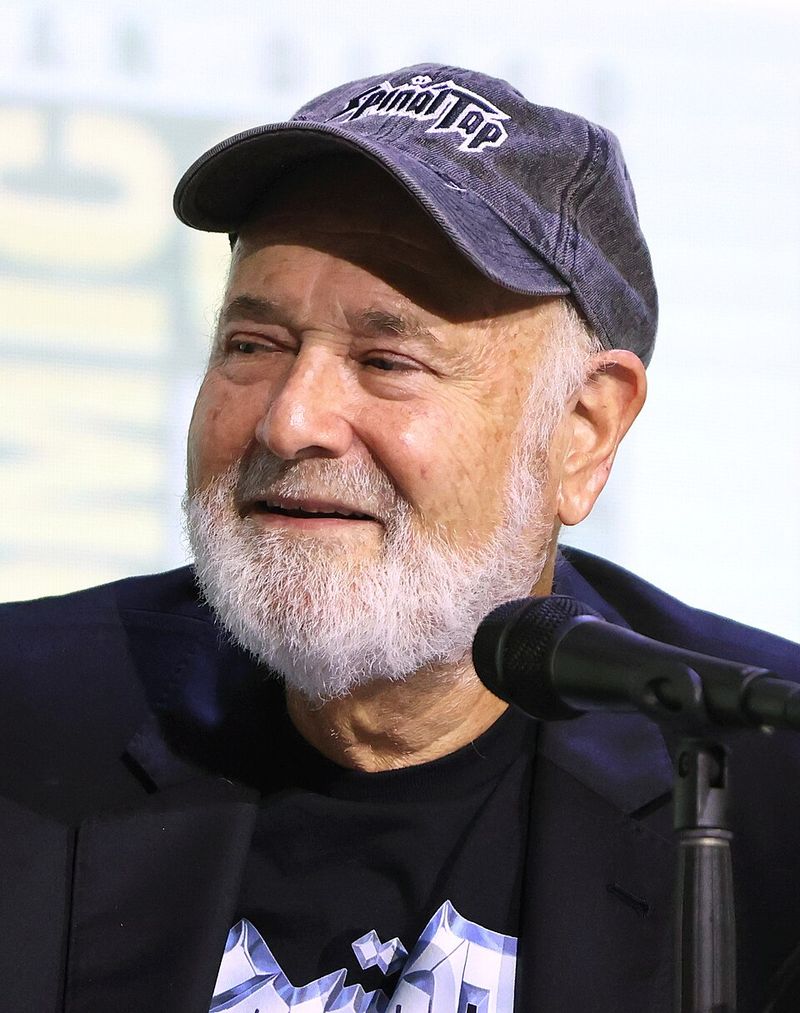
The legendary rock mockumentary earned millions through decades of cult fandom, but creators Rob Reiner, Christopher Guest, Michael McKean, and Harry Shearer claimed they’d been paid basically nothing.
Their lawsuit against Vivendi and StudioCanal alleged fraud and accounting trickery.
The band members turned real-life legal warriors, seeking $400 million in damages. They argued the studio hid revenues and cheated them out of merchandising and music royalties.
After years of litigation, the parties settled confidentially, finally turning the volume down on this decades-long dispute over rock and roll profits.
17. Rocky (1976)
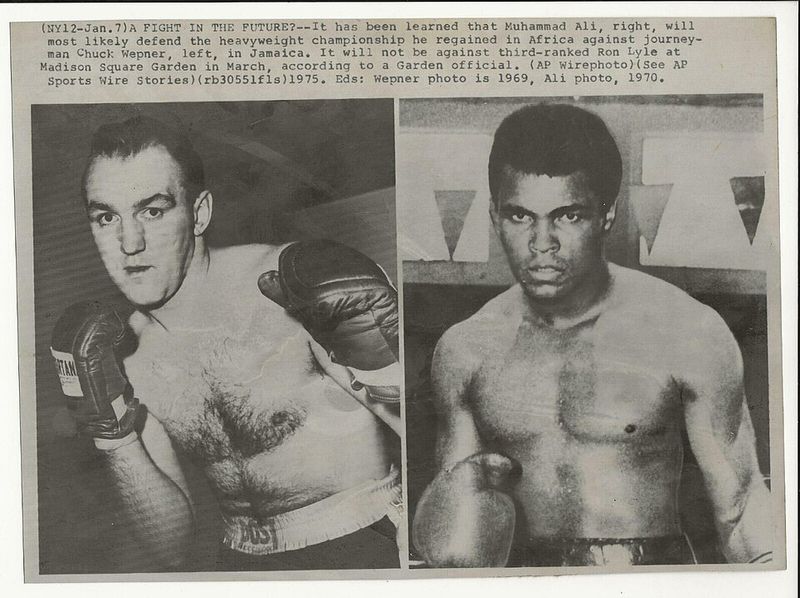
Boxer Chuck Wepner watched Sylvester Stallone’s underdog tale and recognized his own life story.
The “Bayonne Bleeder” had gone 15 rounds with Muhammad Ali, just like Rocky fought Apollo Creed, yet he’d received exactly zero dollars or credit.
Wepner sued, claiming Stallone used his biography without permission or compensation. The real-life fighter wanted his piece of the franchise pie that his own career had inspired.
They eventually settled out of court, with Wepner reportedly receiving payment and finally getting acknowledged as inspiration for cinema’s most famous underdog.
18. American Sniper (2014)
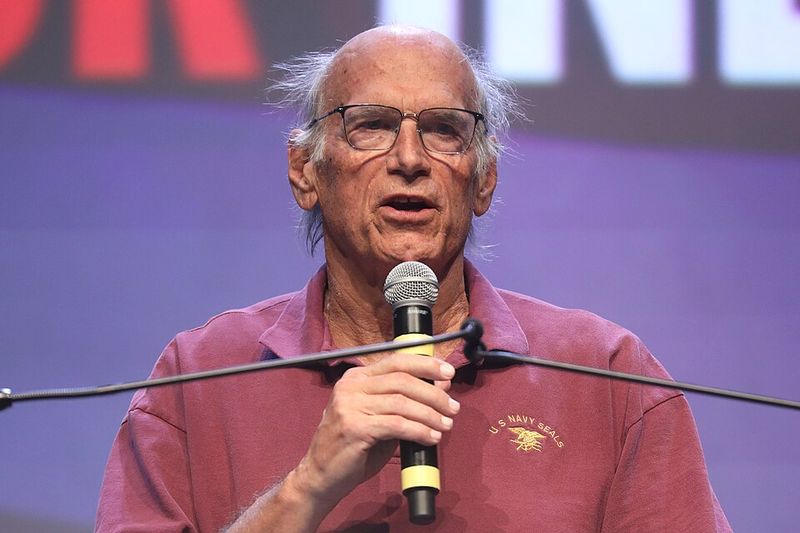
Before Chris Kyle’s autobiography became a blockbuster, Jesse Ventura sued him for defamation over a bar fight story in the book.
The former governor claimed the punch-out never happened and damaged his reputation among military communities.
A jury awarded Ventura damages for defamation (reported as $500,000), but the appeals court threw out the $1.8 million total award and ordered further proceedings.
The ugly legal battle divided public opinion and became inseparable from the film’s narrative.