
16 Movies Released In 1941 That Became Classics
Nineteen forty-one turned out to be one of those years when Hollywood clearly woke up and chose greatness.
While the wider world was under enormous strain, movie theaters continued offering audiences drama, humor, suspense, and spectacle.
More than eighty years later, those same films still manage to charm, thrill, and occasionally remind modern Hollywood how it is done.
Disclaimer: This article is a subjective editorial look at notable films released in 1941 that later earned lasting critical, cultural, or historical recognition.
1. Citizen Kane

Orson Welles made one of the most influential films in American cinema with this one.
At just 25, he directed, co-wrote, and starred in a film whose deep-focus photography, overlapping dialogue, and flashback structure helped redefine what mainstream movies could look and sound like. Its early reception was complicated by controversy and distribution problems, but its reputation only grew over time.
The “Rosebud” mystery became cinema’s most famous puzzle. Every film student still studies those deep-focus shots and overlapping dialogue today.
Watching it feels like peeking through a keyhole into a tycoon’s crumbling empire.
2. The Maltese Falcon
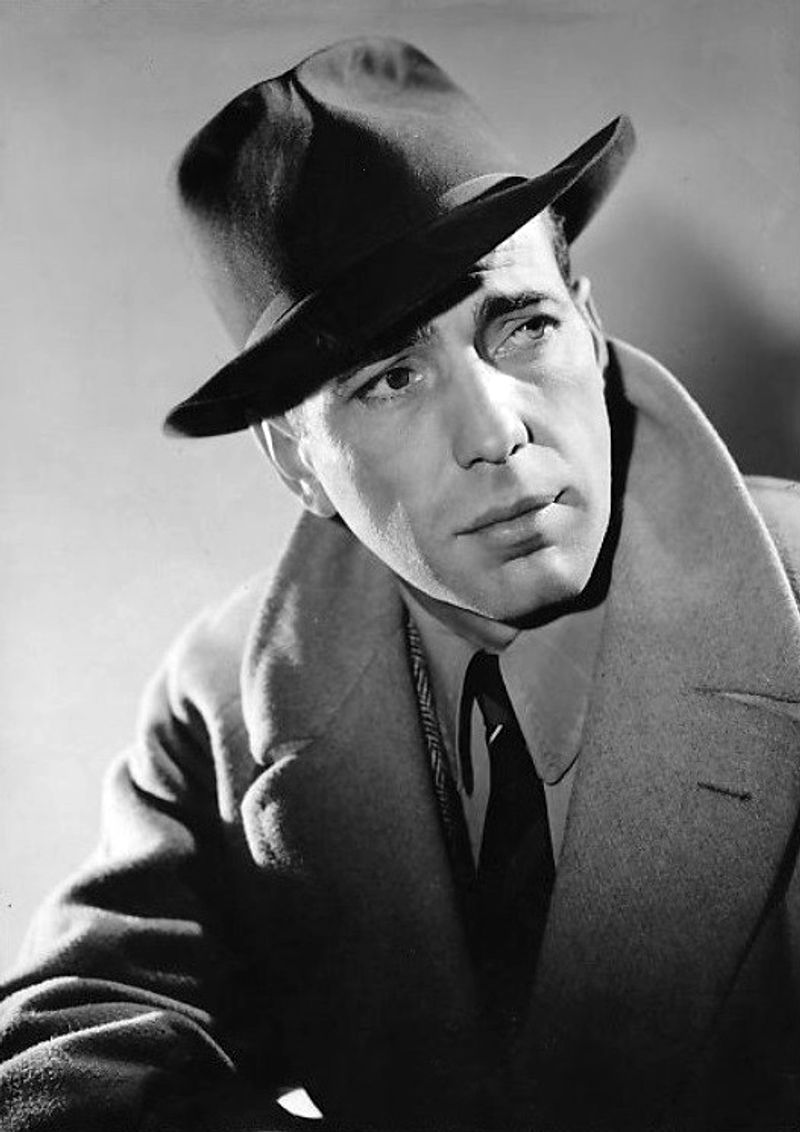
Hard-boiled detective cinema found its stride when Humphrey Bogart stepped into the role of a sharp private eye.
Director John Huston transformed Dashiell Hammett’s tangled novel into pure noir gold. Chasing that mysterious statue drives the entire plot as the film’s ultimate MacGuffin.
Venetian-blind shadows stretch across dim rooms while double-crosses stack up faster than empty coffee cups on a detective’s desk.
Sam Spade trusts no one, and audiences quickly learn to follow the same rule.
3. Sullivan’s Travels

Preston Sturges asked a wild question: can comedy save the world? His Hollywood director character sets out to make a “serious” film about suffering.
The road teaches him otherwise.
Its church sequence becomes one of the film’s most moving arguments for the dignity of comedy. Sturges wrapped deep truths in slapstick and witty banter, proving entertainment has its own dignity.
4. The Lady Eve

Sudden chaos on a cruise ship sends Henry Fonda sprawling across the deck. One awkward stumble launches one of the great screwball comedies of the studio era.
Barbara Stanwyck plays a quick-witted con artist while Henry Fonda appears as a millionaire obsessed with snakes, and the chemistry between them could power a small city.
Dialogue written by Preston Sturges moves so fast it practically tap-dances off the screen. Nearly every romantic comedy since borrowed something from this playbook.
5. How Green Was My Valley

Memory and melancholy shape John Ford’s portrait of a Welsh coal-mining community in How Green Was My Valley. Strikes, mining accidents, and the slow fading of a way of life test the bonds of the Morgan family.
Young Huw observes his beloved valley change from bright green hills into a harsher gray landscape.
Awards history remembers the film winning Best Picture over Citizen Kane, a result that film fans and critics still discuss decades later. Ford’s gentle storytelling and the soaring choir moments linger in the mind long after the final scene.
6. Suspicion
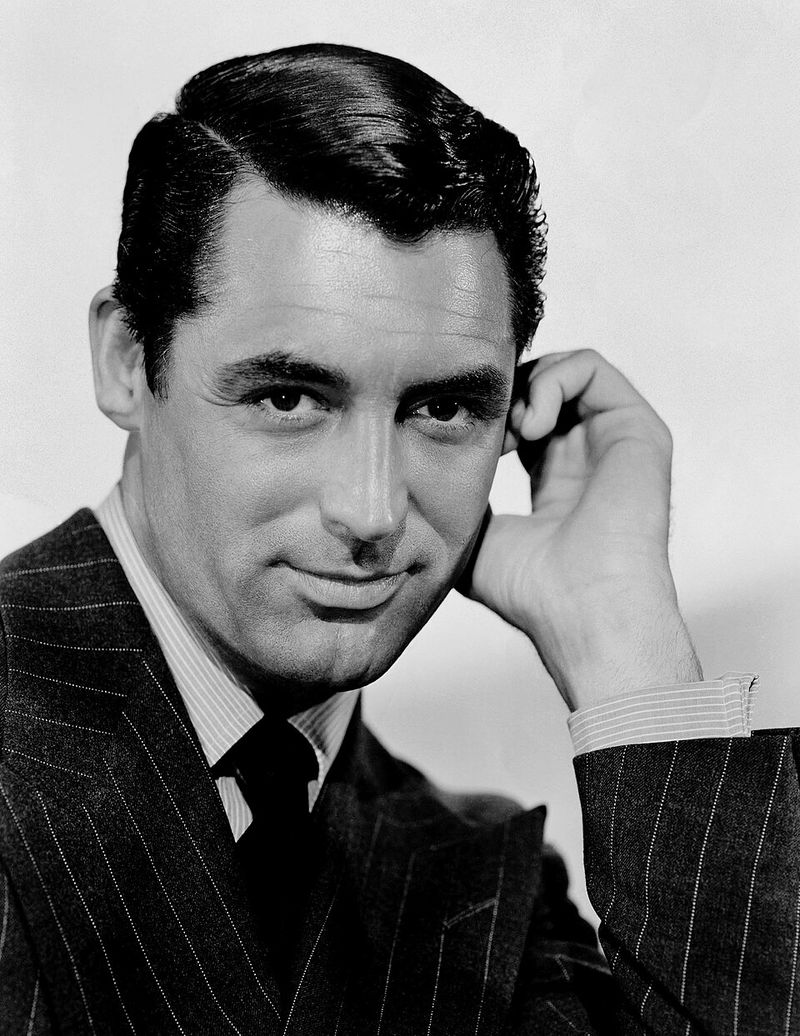
Alfred Hitchcock turned marriage into a source of deep unease. Joan Fontaine plays a newlywed who begins to suspect that her charming husband may be planning to harm her.
The ambiguity surrounding Cary Grant’s persona is enhanced by his attractiveness.
Every creaking stair and shadowy hallway drips with dread. That glowing glass of milk on the staircase became one of cinema’s most iconic images, proof that Hitchcock could turn everyday objects into sources of suspense.
7. Dumbo
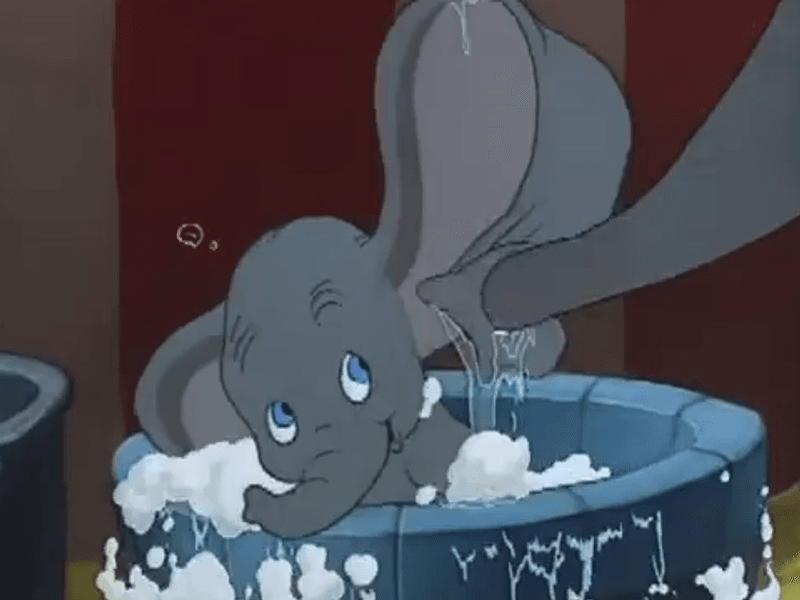
Oversized ears and wide-eyed innocence made Dumbo the unlikely star of Dumbo.
Production constraints helped Walt Disney Productions tell the story with unusual simplicity and emotional directness. Lean storytelling ended up giving the film a sincerity that many larger spectacles never achieve.
Surreal “Pink Elephants on Parade” imagery still lingers in pop culture memory decades later.
Triumphant flight above the circus crowd turns difference into strength, leaving few viewers with dry eyes by the final scene.
8. The Little Foxes
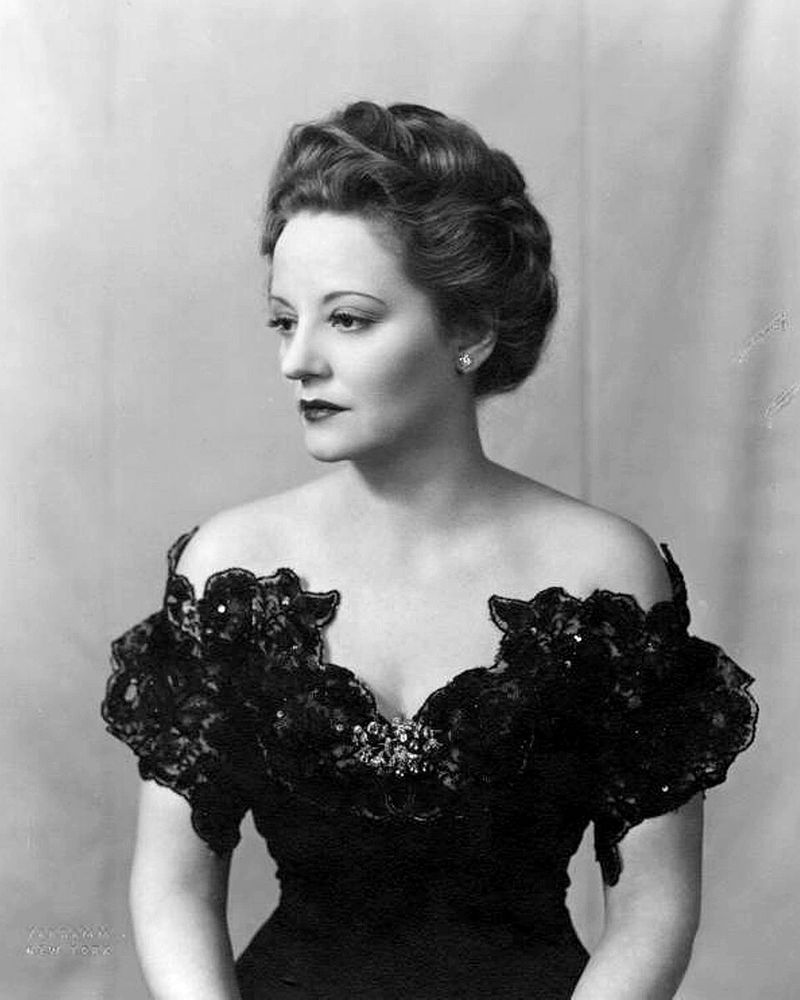
Calculated ambition defines the central figure in this ruthless family drama.
Bette Davis brings Regina Giddens to life as a woman who schemes, manipulates, and damages nearly every relationship around her in pursuit of money and power.
Deep-focus photography from director William Wyler exposes every poisonous family interaction, letting each cutting glance land with full force. One unforgettable staircase scene shows Regina refusing to intervene as her husband collapses, leaving a scene that lingers as a stark reminder of how greed corrodes everything around it.
9. Here Comes Mr. Jordan
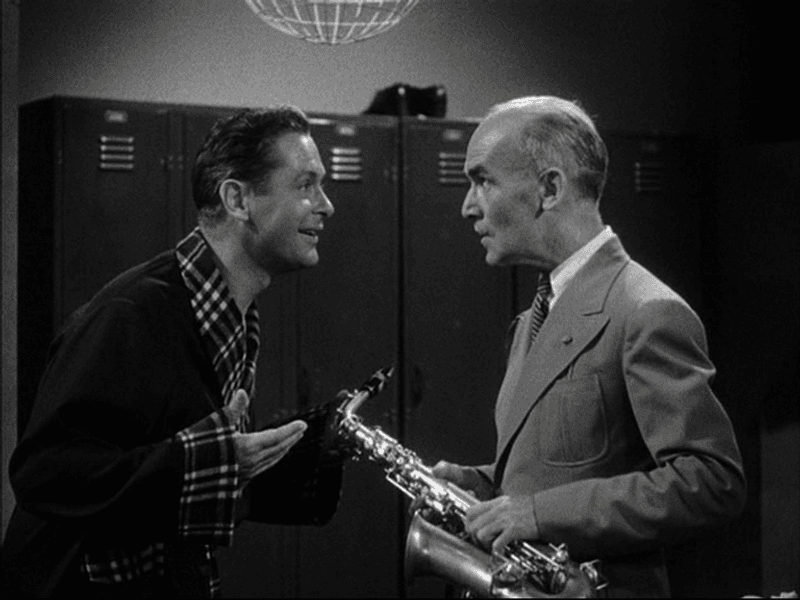
Fate goes sideways in Here Comes Mr. Jordan when a prizefighter is removed from earthly life before his appointed time.
After the mistake becomes clear, a heavenly official grants him another chance by placing his soul into a different body. Robert Montgomery anchors the story with warmth, while Claude Rains adds elegance as the composed celestial guide managing the error.
Gentle fantasy tone keeps the premise charming instead of absurd.
Later comedies like Heaven Can Wait and Down to Earth clearly follow the imaginative blueprint laid out here.
10. Ball Of Fire
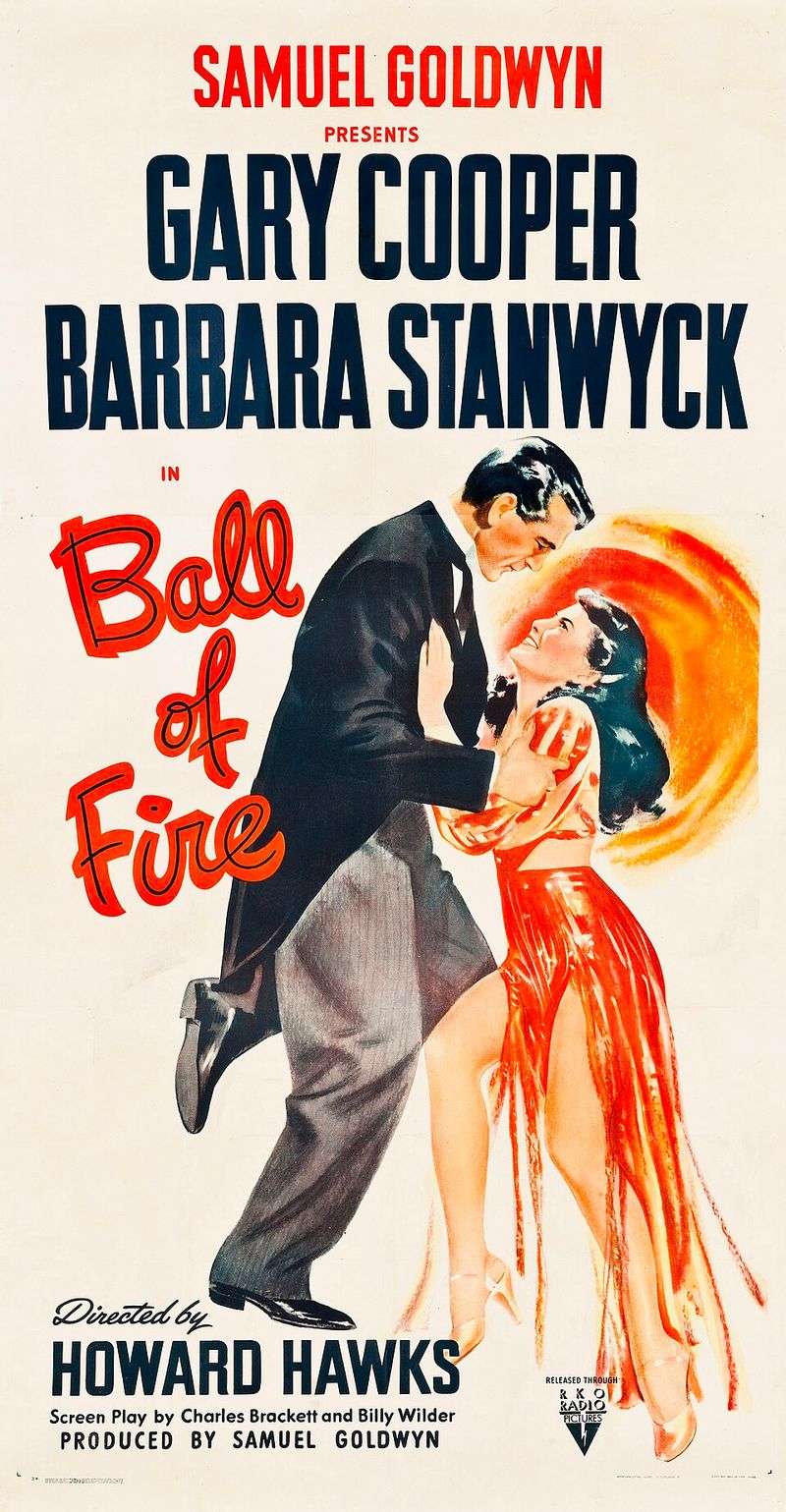
Street-smart slang lessons collide with academic seriousness when a nightclub singer crosses paths with a sheltered professor.
Mob trouble pushes Sugarpuss O’Shea into hiding while a bookish encyclopedia writer suddenly discovers that real life refuses to follow tidy definitions.
That unlikely pairing creates pure comedy magic. Director Howard Hawks drives the story with jazzy rhythm, turning the premise into a sharp Snow White-inspired romp.
Expressions like “yum-yum” become unforgettable once Sugarpuss delivers them, and the professor slowly learns that living beats studying every time.
11. Meet John Doe
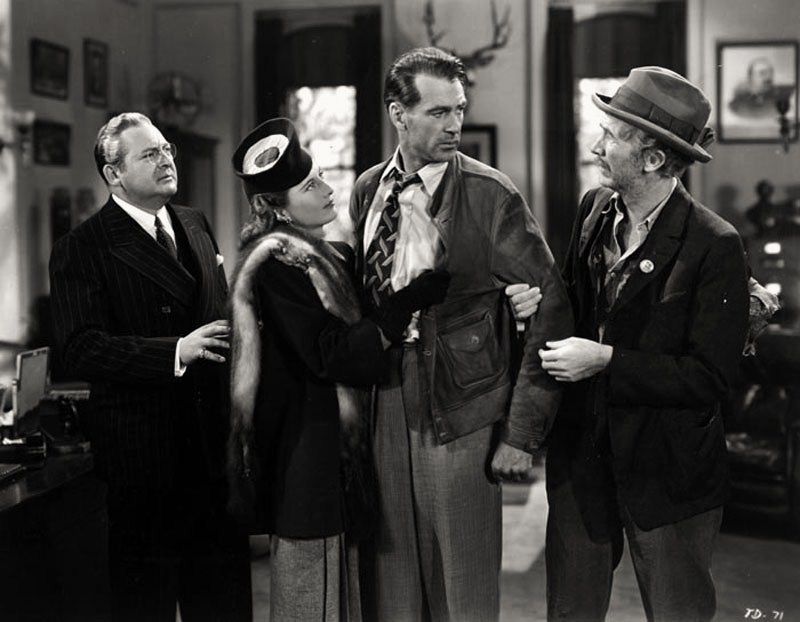
Concern about American democracy pushed Frank Capra to craft a cautionary fable in Meet John Doe. A newspaper publicity stunt creates an imaginary everyman hero who suddenly becomes far too real.
Reluctant symbol at the center of the storm comes alive through the quiet presence of Gary Cooper.
Meanwhile, ambitious reporter responsible for inventing him takes shape through the sharp performance of Barbara Stanwyck. Questions about media influence, mob mentality, and manufactured heroes drive the story forward.
Modern media culture makes the film’s warning feel remarkably current.
12. Sergeant York
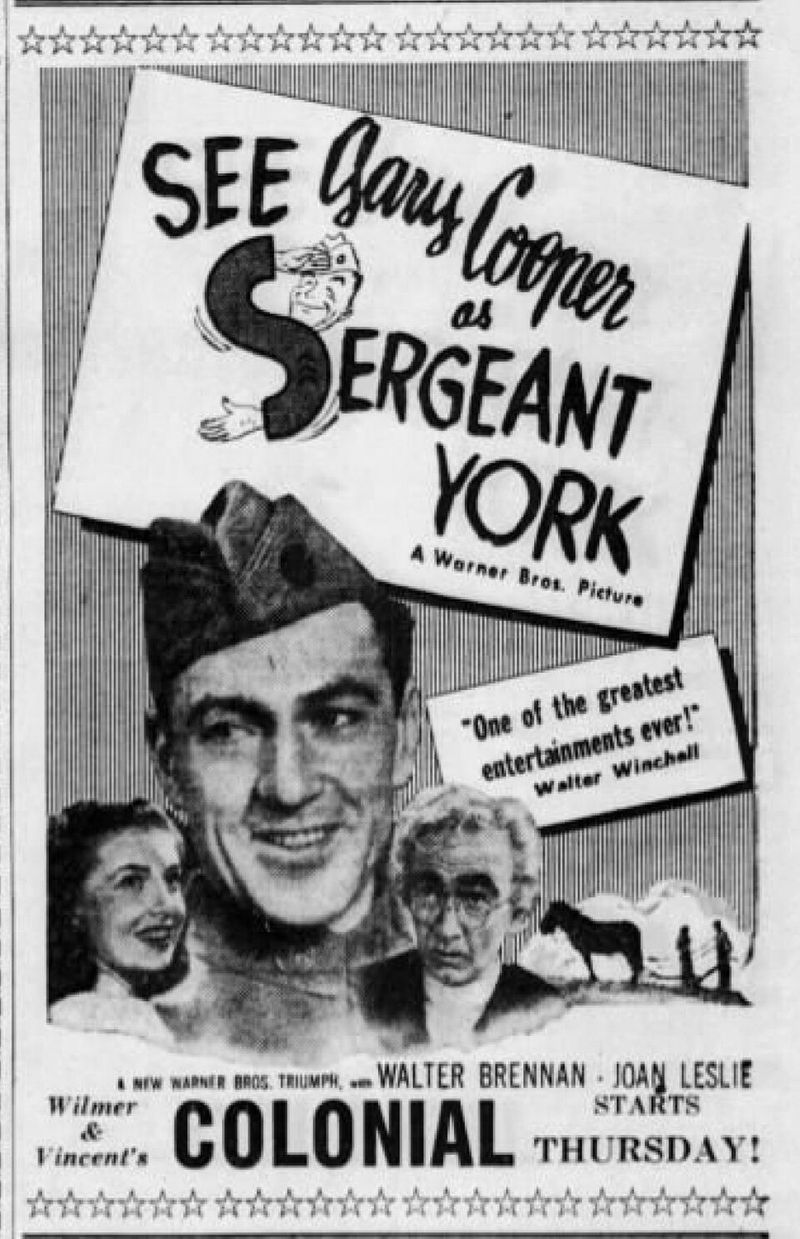
Gary Cooper played Alvin York, a real-life conscientious objector turned war hero and one of the most decorated American soldiers of World War I.
Alvin York struggled between his faith and his duty, wrestling with conscience in the Tennessee mountains. Howard Hawks balanced the spiritual crisis with large-scale action and a strong sense of moral conflict.
The film arrived as America debated entering another world war, making York’s journey from peaceful farmer to reluctant hero resonate even deeper with 1941 audiences facing their own impossible choices.
13. High Sierra
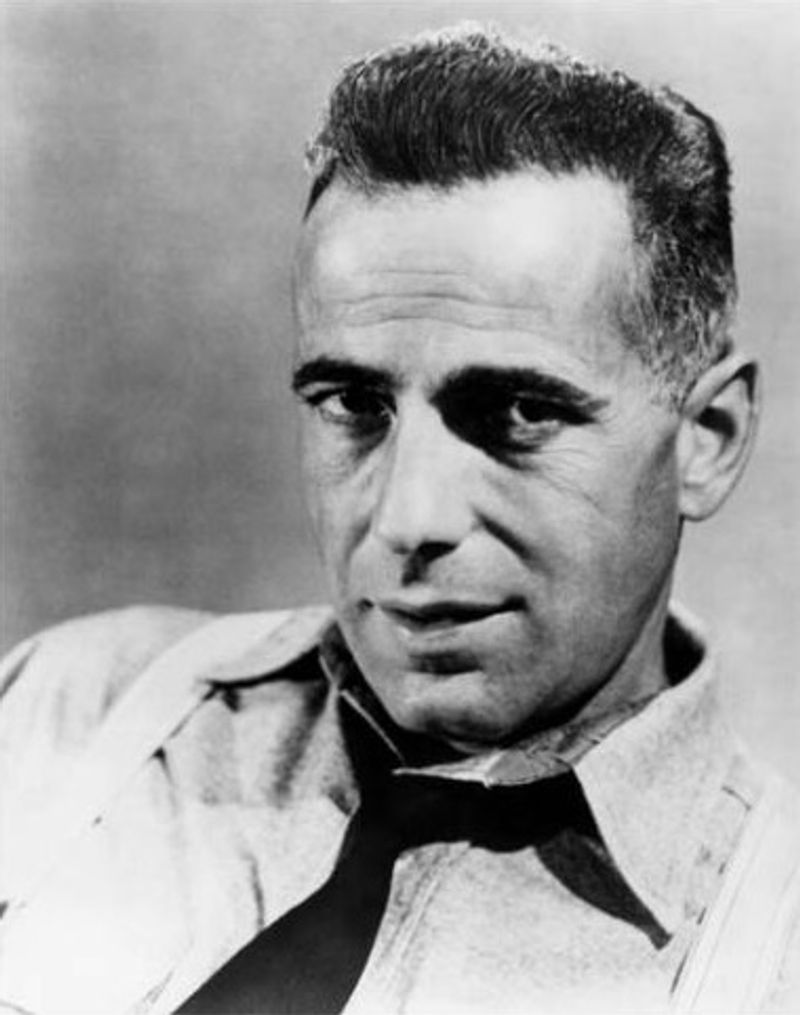
One last score pulls an aging gangster toward the Sierra Nevada, where refuge feels possible and time feels short.
Aware that his criminal life is running out of road, Roy Earle moves with tense calculation, and Humphrey Bogart lets that weariness sit in every scene. Genuine sympathy runs through the noir, giving the story a softer view of a man heading toward collapse.
During the mountain chase, time seems to drain away in real time.
Regret settles across Bogart’s face so clearly that every missed chance feels visible.
14. The Wolf Man
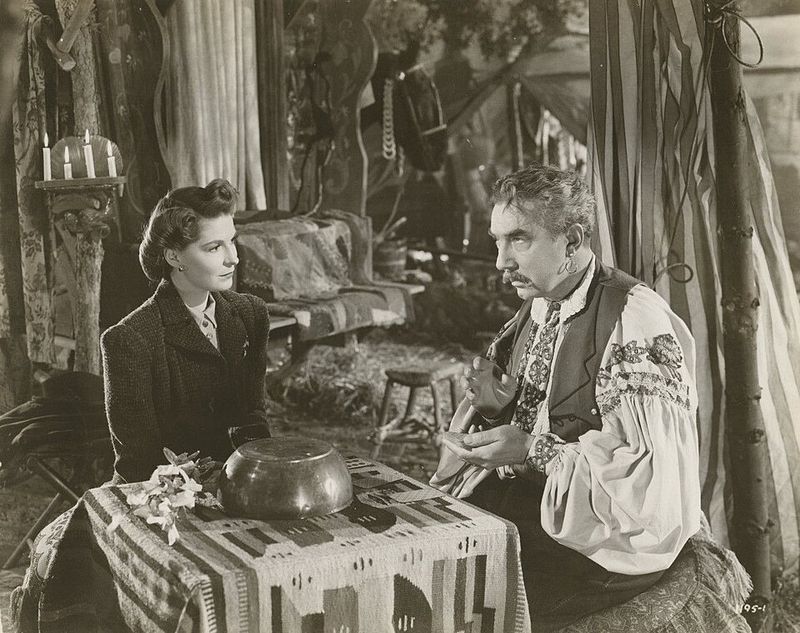
Moonlit horror reached new heights when Lon Chaney Jr. brought a cursed creature to life in The Wolf Man.
Larry Talbot returns to his ancestral home in Wales, only to suffer a bite that binds him to a frightening transformation.
Fog drifts through shadowy forests while ominous warnings from a fortune teller go ignored.
Painstaking makeup work combined with clever time-lapse photography created a transformation sequence that still holds up decades later. Real sadness emerges from the idea that the creature and the man remain bound together.
15. The Strawberry Blonde
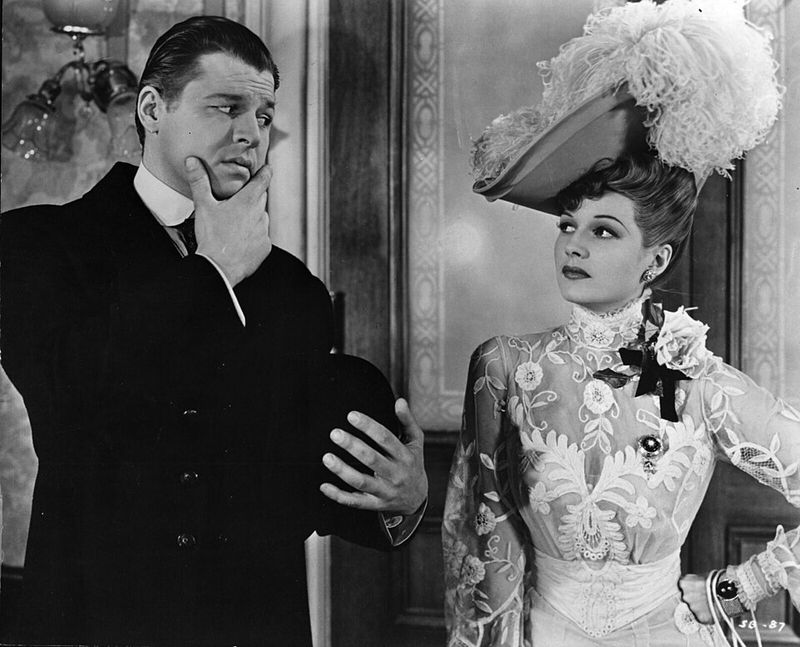
James Cagney fell for the wrong girl and spent decades realizing it. Rita Hayworth’s strawberry blonde dazzles at first, but Olivia de Havilland’s steady warmth wins in the end.
Raoul Walsh set this charmer in the 1890s, all barbershop quartets and handlebar mustaches.
By valuing lasting warmth over glitzy allure, the film finds its true appeal, proving that real love often sneaks up while you’re chasing sparkle.
16. Penny Serenade

Marriage memories unfold through music in Penny Serenade.
Old phonograph records guide a husband and wife through memories of joy, loss, and the life they tried to build around an adopted daughter.
Emotional center of the story rests on the performances of Cary Grant and Irene Dunne. Gentle direction from George Stevens keeps the sentiment sincere instead of overly sweet.
Unexpected vulnerability from Grant earned his first nomination at the Academy Awards, especially during the powerful courtroom scene where a desperate father pleads to keep his child.


.jpeg)

_01_Crisco_edit.jpg)


.jpg)
.jpg)


_still_1.jpg)

