15 Movies That Shook Up Gen X Kids
Saturday night movie time used to come with a surprise: sometimes the “kids’ movie” was quietly plotting emotional damage.
Growing up in the 1960s, 70s, and 80s meant watching films that looked harmless at first, then suddenly delivered unsettling imagery, dark twists, or scenes that lived rent-free in your brain for decades.
Movies ahead are the ones that turned family movie night into a lifelong memory and occasionally a very confused conversation with your parents.
1. The Wizard Of Oz (1939)
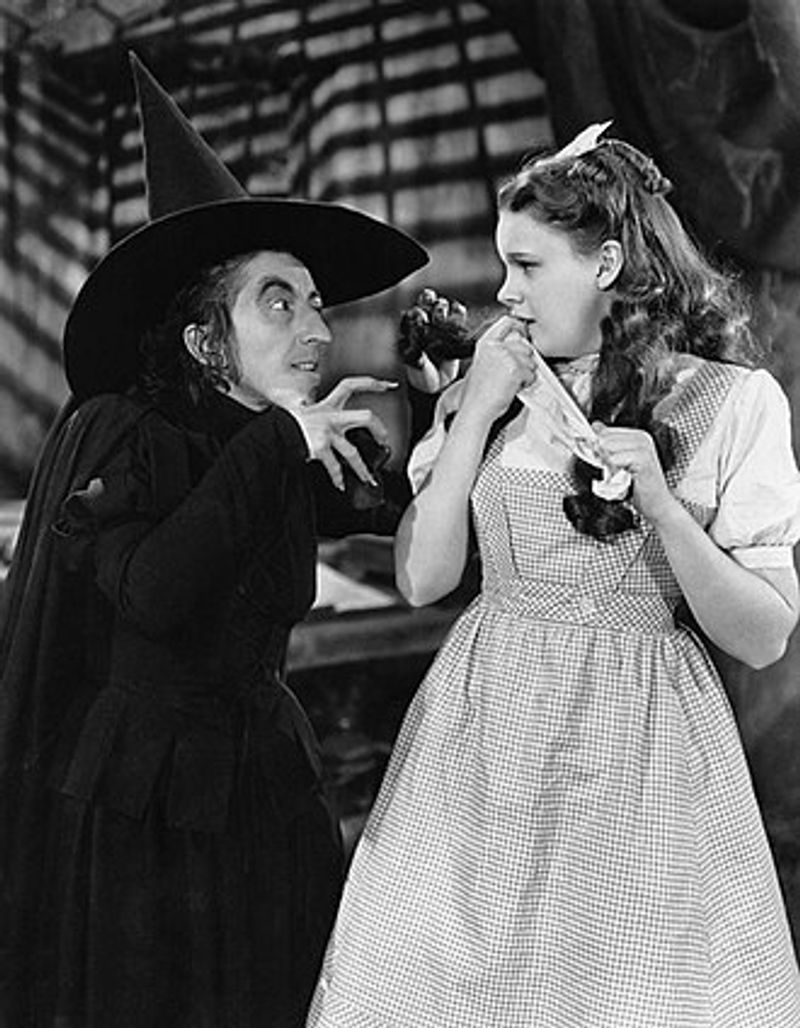
Saturday afternoon TV made this one feel safe, until the Wicked Witch showed up.
The flying monkeys gave many younger viewers one of the film’s most unsettling images. The surreal, swirling atmosphere of Oz felt less like a dream and more like a fever.
Kids who thought they were watching a fun musical left with a brand-new fear of green-faced women.
2. Pinocchio (1940)
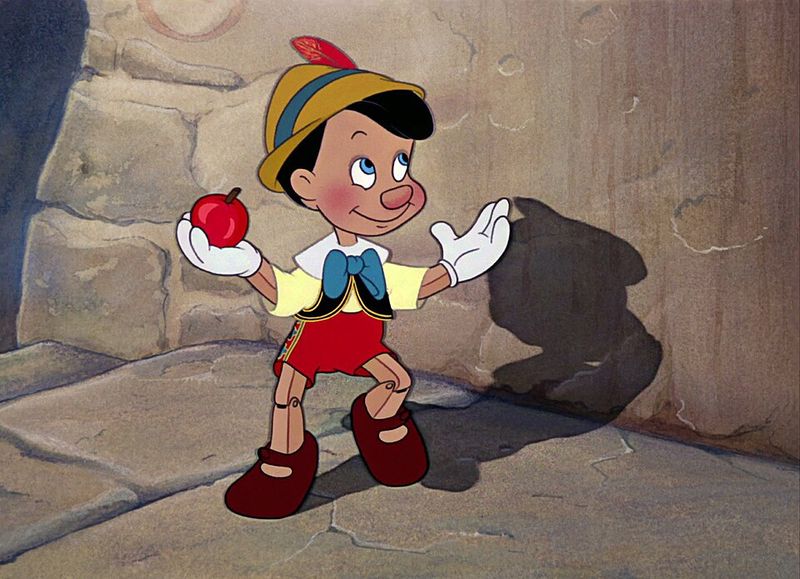
Pleasure Island hides one of the most quietly unsettling sequences ever slipped into a children’s film.
Groups of boys laugh, smash rules, and celebrate mischief until the transformation begins and they slowly turn into donkeys while crying out for their mothers.
Those transformation scenes land somewhere between a cautionary fable and a genuinely unsettling turn. Underneath all the charm, Pinocchio reveals something far more unsettling waiting below the surface.
3. Fantasia (1940)
An unexpectedly dark turn arrives during the “Night on Bald Mountain” sequence in Fantasia. Gigantic winged demon Chernabog rises above the mountain like a giant shadowy figure pulled from a darker fantasy.
Animation from Walt Disney Productions gives the figure a presence so menacing that even adult audiences felt uneasy.
Dark spirits swirl through the sky as the sequence turns a classical showcase into something far more haunting. Generations of young viewers discovered that orchestral music could come with genuine chills.
4. Dumbo (1941)
Separation between a baby elephant and his mother while she sways behind circus bars creates a moment that feels deeply heartbreaking.
Mockery from the other elephants cuts sharply, and the sudden arrival of the Pink Elephants on Parade sequence feels like a surreal fever dream dropped into a children’s story. Emotional weight runs through Dumbo in ways few animated films attempt.
Many young viewers discovered just how heavy that moment could feel.
5. Bambi (1942)
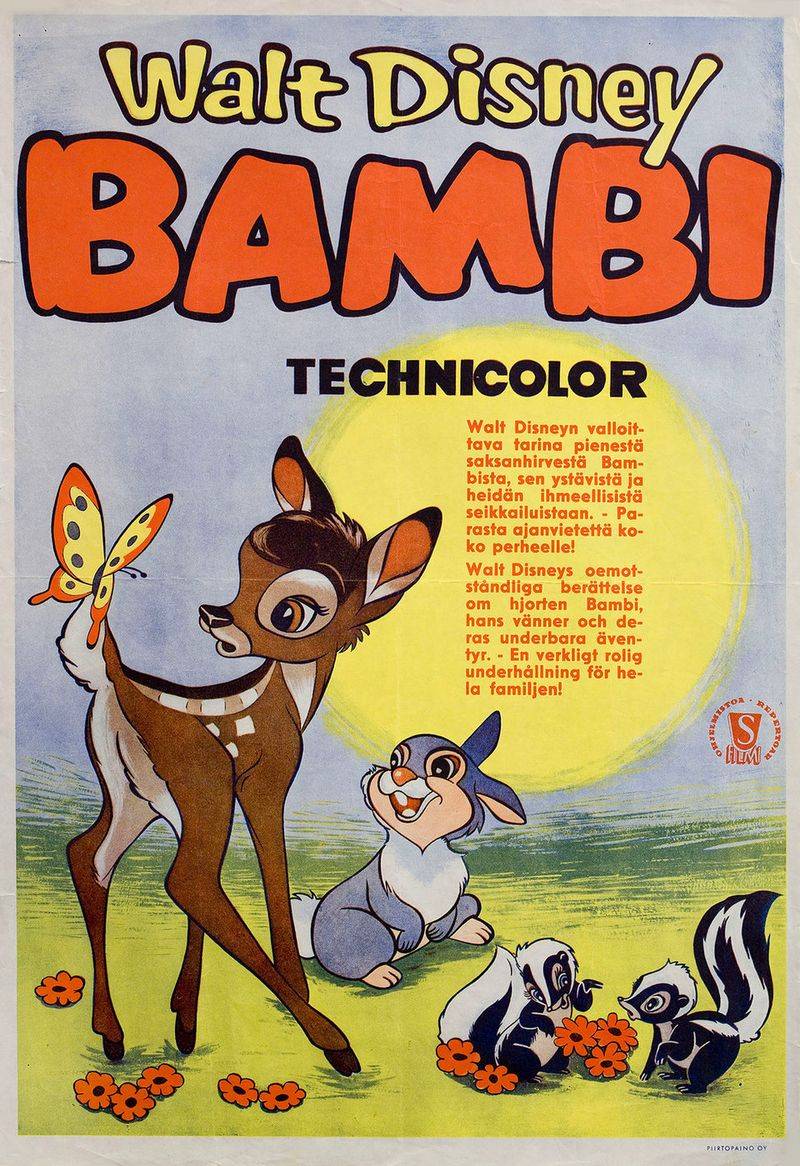
No other animated film has delivered a single off-screen moment that stayed with so many viewers so efficiently.
The forest fire, the gunshot, and then Bambi alone calling out in the snow created a kind of emotional shock that parents probably did not anticipate when they bought the tickets.
Bambi remains the clearest proof that a children’s film can carry genuine sadness without softening a single edge.
6. Willy Wonka & The Chocolate Factory (1971)
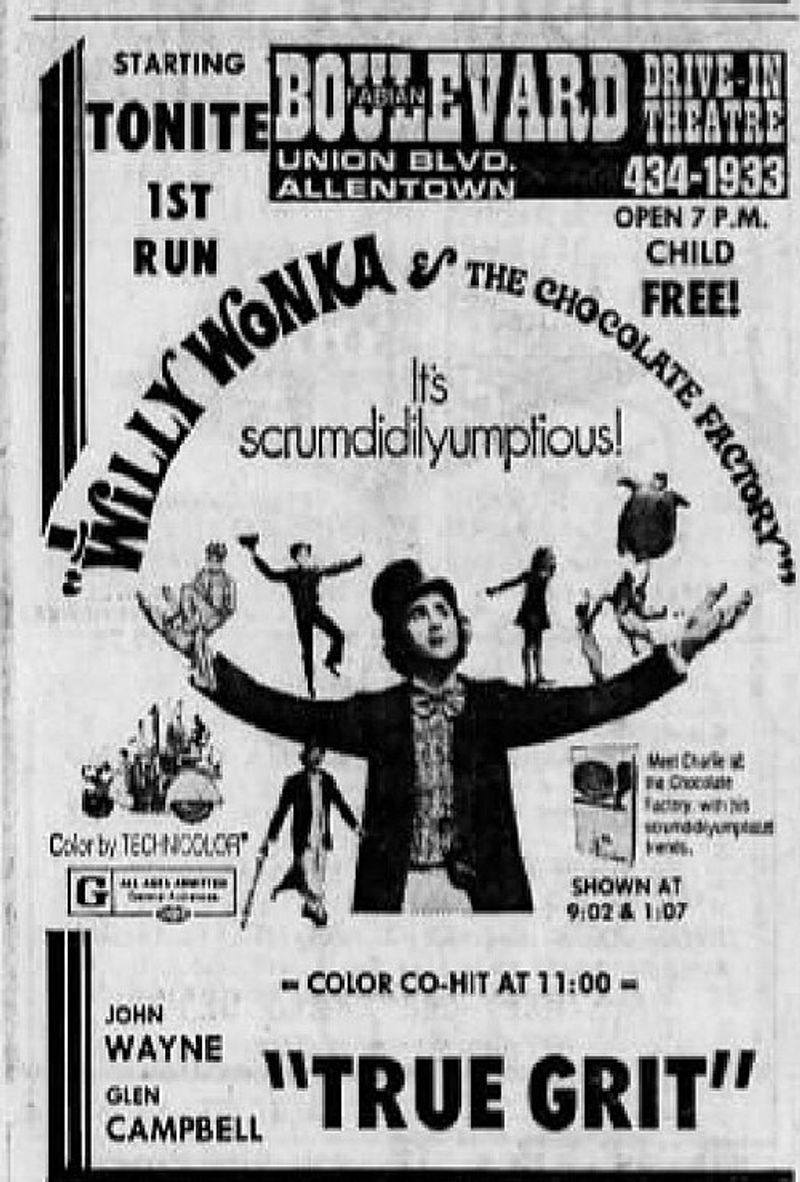
Pleasant boat ride takes a sudden turn in Willy Wonka & the Chocolate Factory. Song that begins playfully shifts into something far darker once the tunnel sequence begins.
Unsettling atmosphere grows as the performance from Gene Wilder becomes colder and more rhythmic.
Disturbing imagery flashes across the walls while the children on board look genuinely frightened.
Sharp tonal shift transforms cheerful whimsy into uneasy tension within seconds. Few moments in family cinema demonstrate how quickly delight can twist into something strange.
7. The Exorcist (1973)

Cable television and home video meant some Gen X viewers encountered this one much earlier than expected.
The Exorcist was designed to disturb adults, so watching it at age nine on a Friday night while parents were asleep became an unforgettable viewing experience. The head-spinning scene became one of the movie’s most widely remembered images.
Some films you grow into. This one just grabbed kids before they were ready.
8. Jaws (1975)
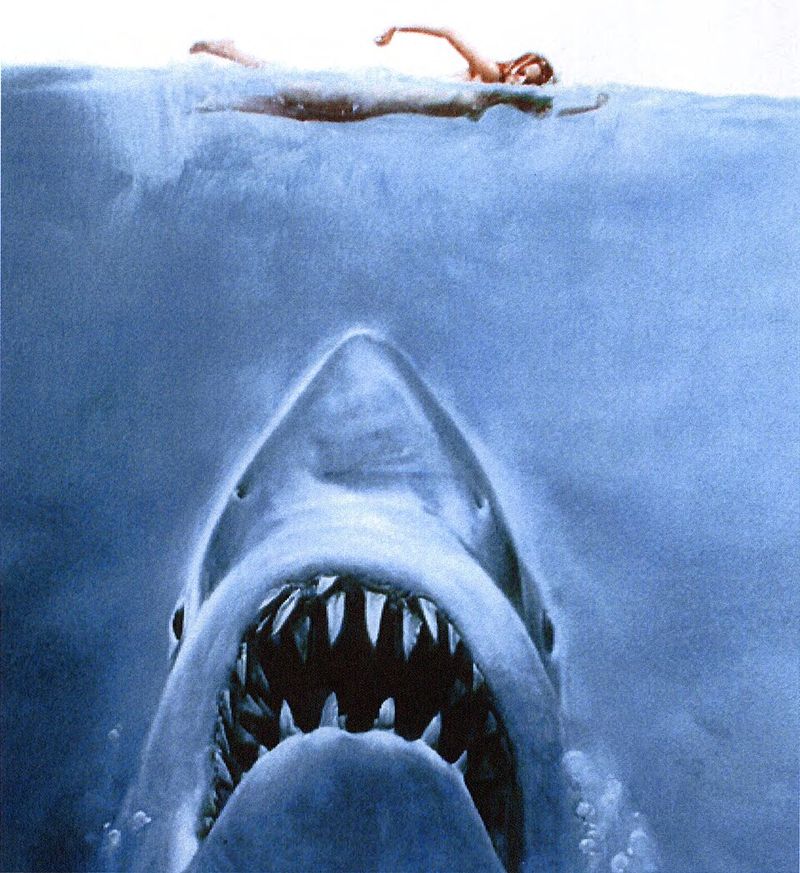
Summer swimming took on a new edge of suspicion once Jaws reached theaters.
Steven Spielberg kept the shark mostly hidden, allowing imagination to fill every dark patch of water in lakes, oceans, and even quiet backyard pools.
That choice turned the danger into something that felt universal and impossible to escape. Whole generation learned to swim while keeping one cautious eye on the deep end.
9. Raiders Of The Lost Ark (1981)
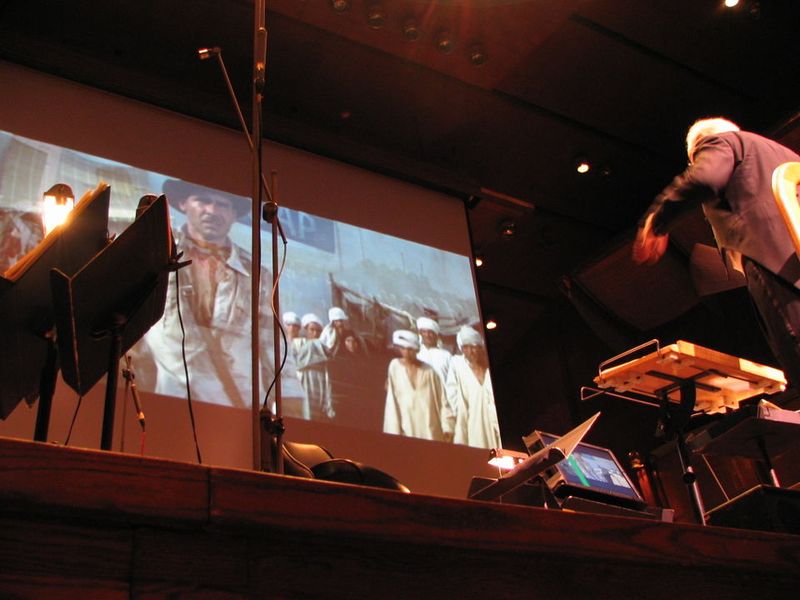
Adventure thrills dominate much of Raiders of the Lost Ark before the final act turns shockingly intense. Heroic archaeologist portrayed by Harrison Ford spends most of the story chasing relics and escaping danger.
Unexpected horror arrives when supernatural forces unleash graphic supernatural effects, and a pit crawling with snakes.
PG rating from the Motion Picture Association left many parents unaware of how disturbing the climax would become. Crowds expecting a classic treasure-hunt adventure suddenly found themselves staring at one of the wildest endings in blockbuster history.
10. E.T. The Extra-Terrestrial (1982)
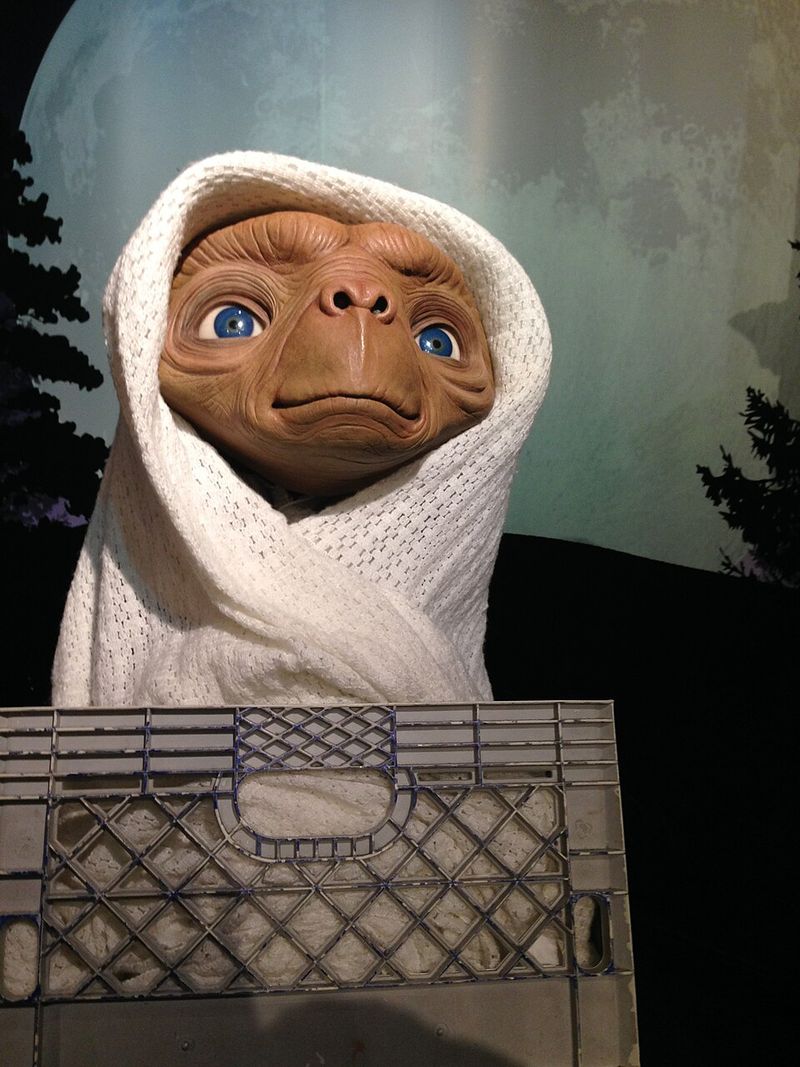
Most of E.T. felt warm and full of wonder, which made the medical-tent sequence hit so much harder.
Watching E.T. appear weak and motionless while scientists in hazmat suits took over Elliot’s house was a genuine gut-punch for kids who had spent the whole film rooting for this wrinkly little alien to get home safely.
The shed reveal early in the film rattled plenty of young viewers before the story even found its footing.
11. Poltergeist (1982)

Clown dolls stare from the corner, a tree lunges through a bedroom window, and a television murmurs to a child late at night.
Every childhood fear gathers inside Poltergeist, building a relentless unsettling atmosphere within the familiar setting of an ordinary suburban home.
Ordinary suburbia becomes the film’s real weapon, turning comfort into something deeply unsettling. Plenty of kids started sleeping with their backs firmly against the wall after watching it.
12. The Dark Crystal (1982)
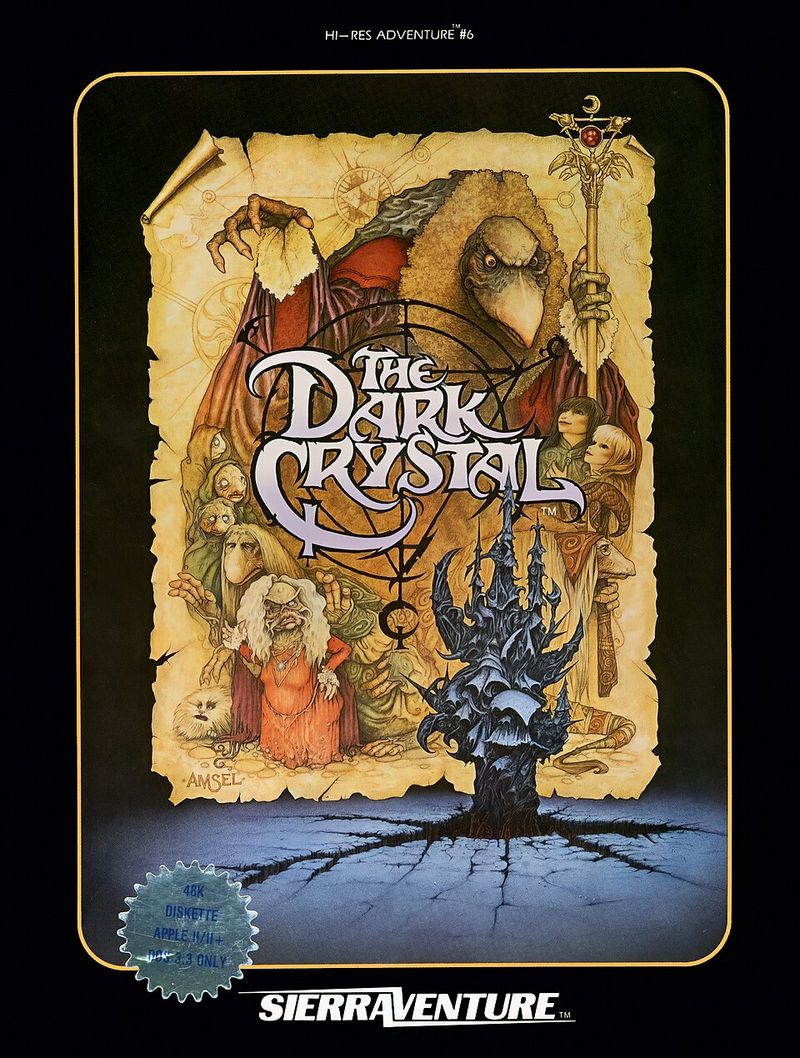
Friendly puppet expectations collapse the moment The Dark Crystal introduces its villains.
Grotesque rulers known as the Skeksis dominate the story with skeletal faces and a hunger for power.
Life-draining rituals aimed at small, gentle creatures pushed the tone far beyond anything audiences associated with Sesame Street. Ancient, unsettling world design gives the film a mood that feels genuinely uneasy.
Felt and foam craftsmanship proves that puppets can still deliver lasting unease.
13. Gremlins (1984)
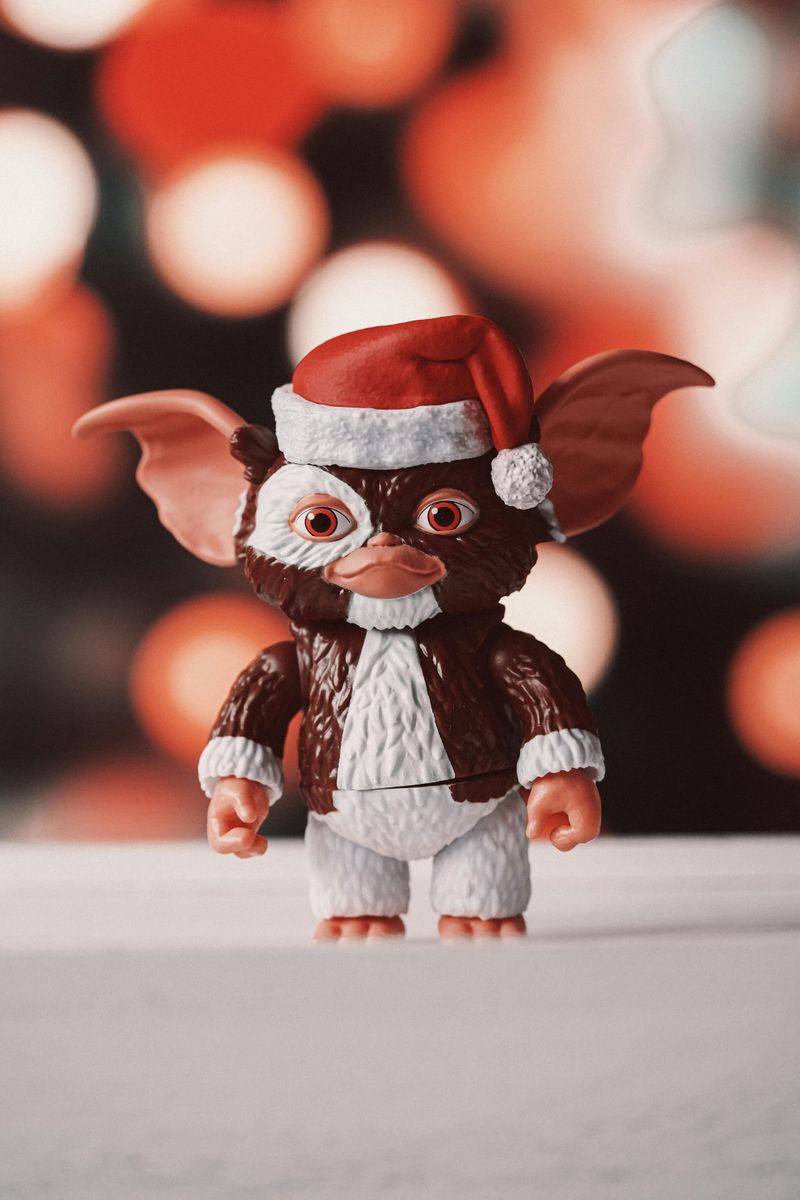
Adorable beginning quickly unravels in Gremlins. Tiny creature known as Gizmo starts the story as pure charm before the rules surrounding him get broken.
The Christmas setting quickly gives way to comic mayhem once the mischievous gremlins take over the town.
Kitchen showdown alone pushed the film far beyond what many parents expected from a PG holiday release. Sharp shift from cozy holiday fun to gleeful mayhem gave audiences a thrill they never quite forgot.
14. The Black Cauldron (1985)
Unexpected darkness marked this Disney adventure, and young audiences felt it right away.
Among Disney villains, the Horned King stands out as one of the most unsettling, a skeletal figure with glowing eyes who summons a spectral army from a churning cauldron. Heavier tone sets the film apart from much of the studio’s output from that era.
The Black Cauldron swings boldly into fantasy darkness and commits fully to the mood.
15. Labyrinth (1986)

Dreamlike whimsy mingles with unease throughout Labyrinth. Magnetic performance from David Bowie turns Jareth the Goblin King into a figure who feels charming one moment and quietly threatening the next.
Shifting maze corridors, talking door-knockers, and the infamous Bog of Eternal Stench pile on layers of playful strangeness.
Fantasy world created under the direction of Jim Henson balances humor, mystery, and a hint of menace. Young audiences often left the film fascinated and slightly unsettled by the adventure.
Important: This article reflects editorial commentary on films that left a strong impression on many Gen X viewers, particularly through darker imagery, emotional intensity, or unexpected tonal shifts.
Descriptions of audience reaction are interpretive and based on widely discussed aspects of the films rather than universal experience.