15 Movies That Were Significantly Changed By Studio Decisions
Movies may say “a film by” on the poster, but the final cut does not always belong to the director.
Behind the scenes, creative battles with studios have quietly reshaped endings, characters, and entire storylines.
Across film history, big decisions were sometimes made far from the set. Those clashes left audiences with films that might have looked very different under a single vision.
Note: This article reflects publicly reported information about multiple versions, edits, and restorations of well-known films, and some details can vary by source, release, or region. The content is provided for general informational and entertainment purposes and is not legal, financial, or professional advice.
15. Greed (1924)
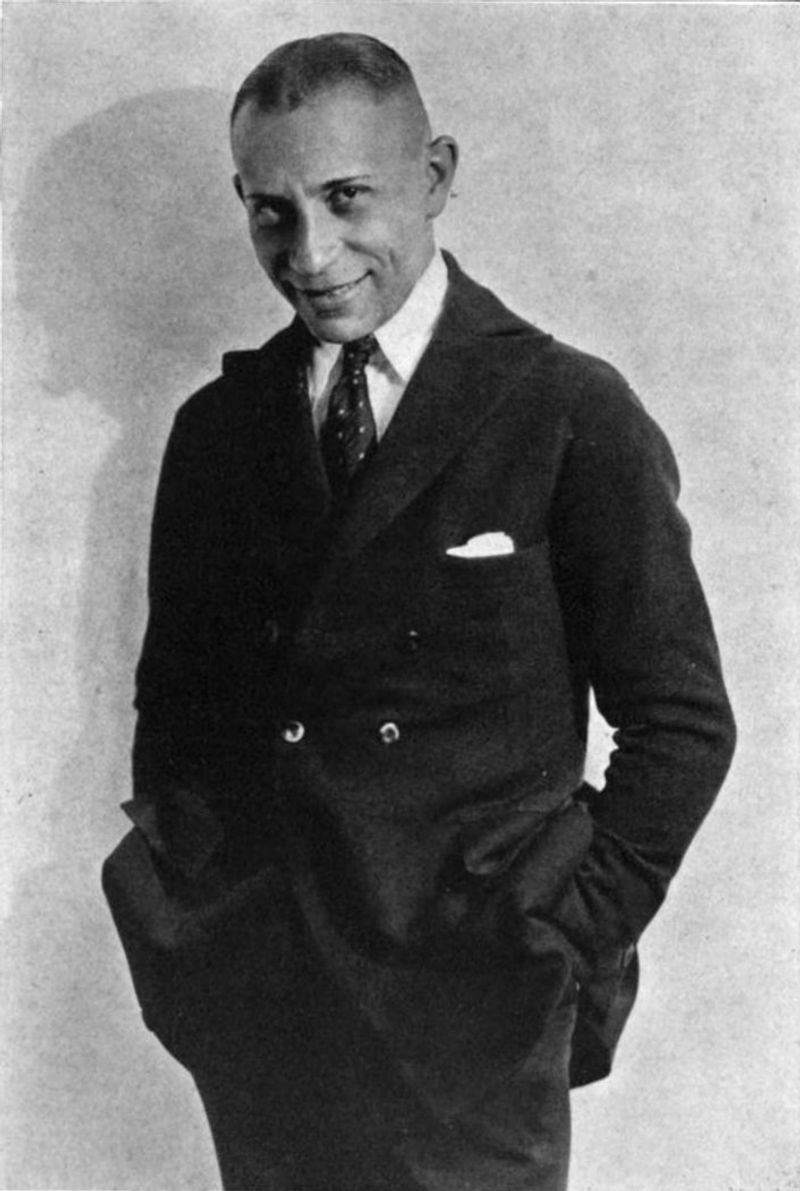
Erich von Stroheim wanted to create the ultimate cinematic epic with his adaptation of Frank Norris’s novel.
MGM disagreed. Stroheim’s rough cut was reportedly timed at roughly seven to nine hours, but the released version ran about 140 minutes.
Stroheim’s original vision included intricate character development and sprawling narrative threads that audiences would never see.
What remains is still considered a landmark of silent cinema, but film historians continue to mourn the lost footage that could have been one of cinema’s greatest achievements.
14. The Phantom Of The Opera (1925)
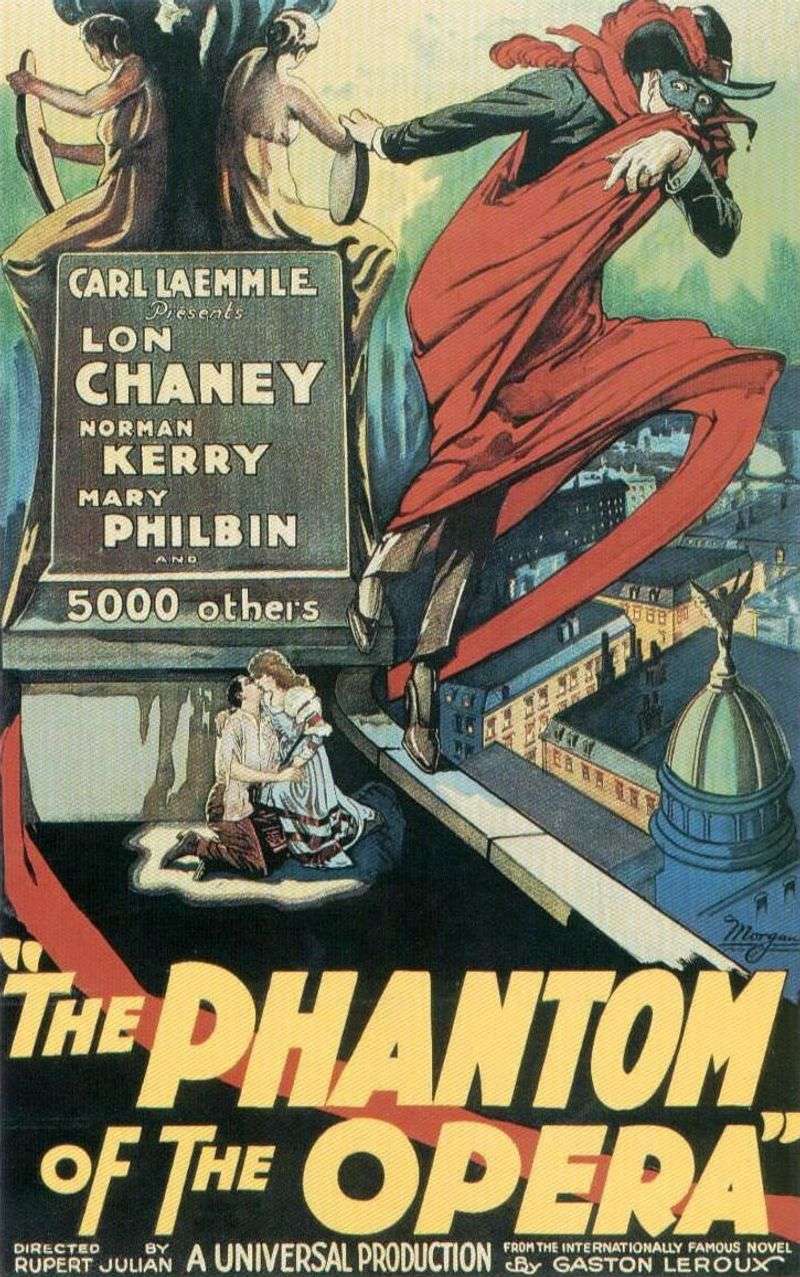
Universal Pictures couldn’t decide on a final version of this gothic masterpiece. Multiple cuts were released to different markets, each featuring alternate scenes and different tonal approaches.
Some versions emphasized romance while others leaned into pure horror.
Test audiences influenced changes between releases, and later sound re-releases added even more alterations. The film exists in various forms today, making it difficult to know what the original theatrical experience truly was.
Lon Chaney’s iconic performance remains the constant across all versions.
13. Metropolis (1927)
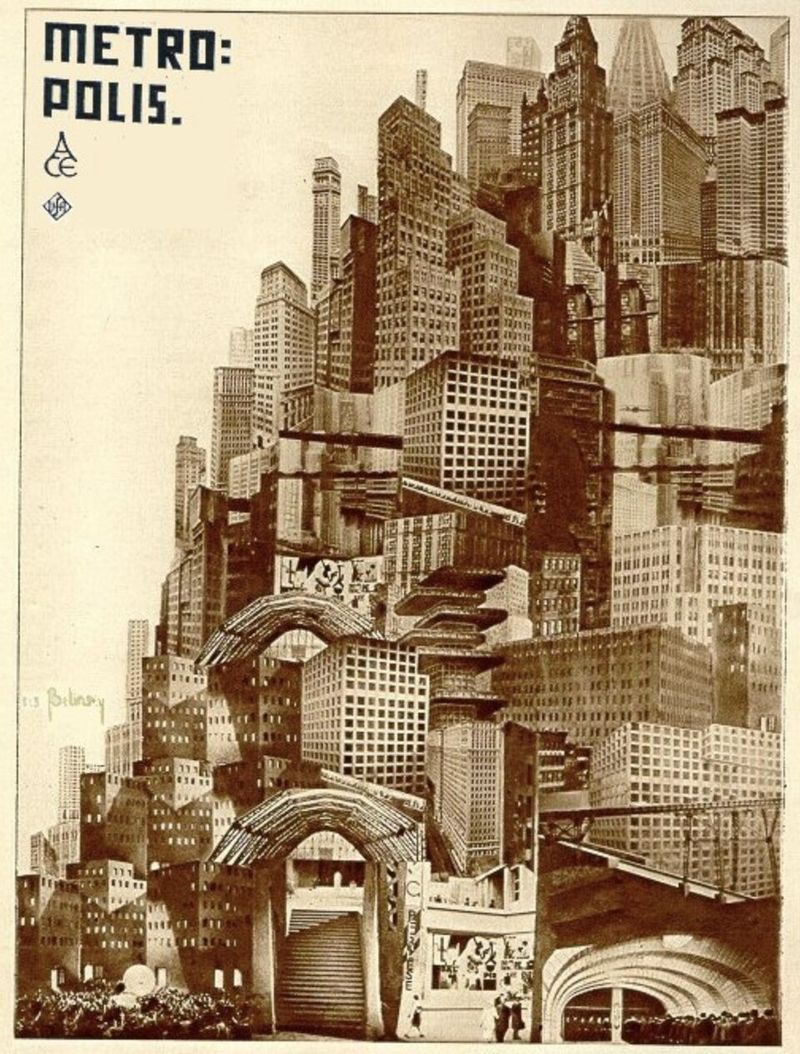
Right after its Berlin premiere, Fritz Lang’s science fiction masterpiece was drastically cut down.
Around the world, distributors created their own edits, removing subplots and character moments they considered too complex or lengthy.
For decades, audiences saw only shortened versions, with nearly a quarter of the original runtime missing. Thankfully, restoration efforts in recent years have recovered much of that lost footage.
Today, a nearly complete version reveals just how ambitious Lang’s original vision truly was.
12. The Road Back (1937)
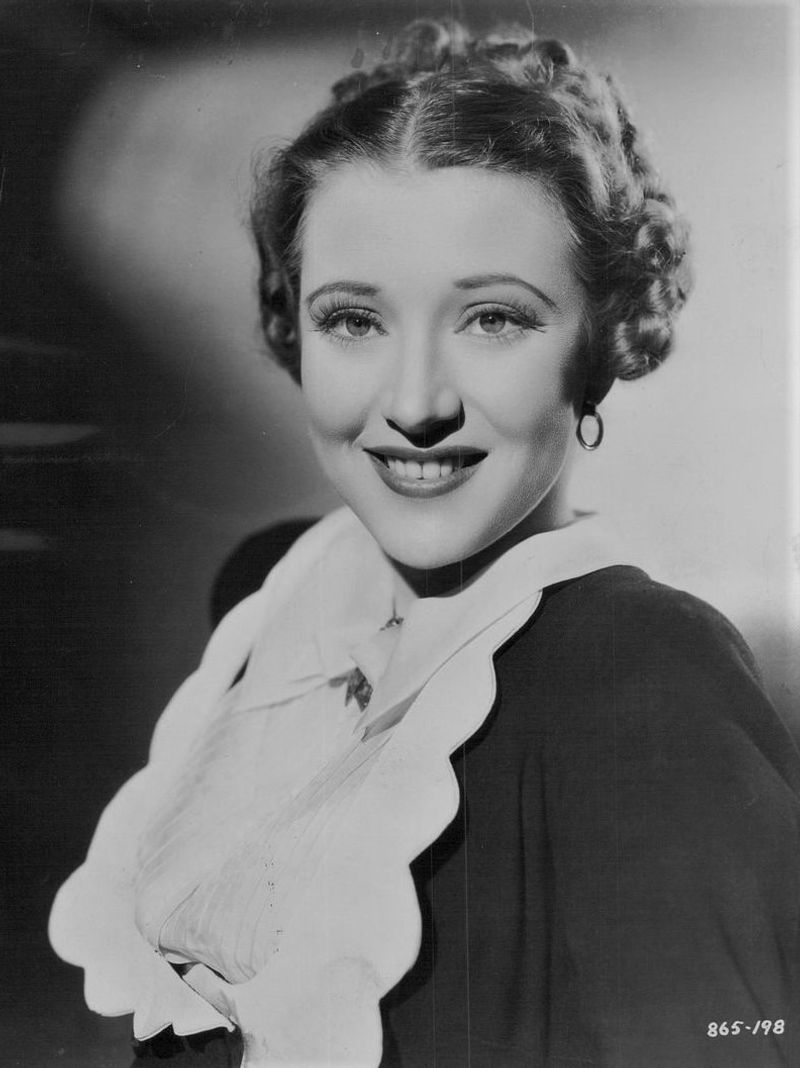
Political pressure from Nazi Germany forced Universal to rethink this anti-war sequel to All Quiet on the Western Front.
The studio re-cut the film extensively, softening its message and removing scenes that might offend international markets. Director James Whale found his work fundamentally altered without his approval.
Key dramatic moments were reshot to change the tone entirely.
What started as a powerful statement about war’s aftermath became a much safer, less controversial product that pleased no one completely.
11. The Magnificent Ambersons (1942)
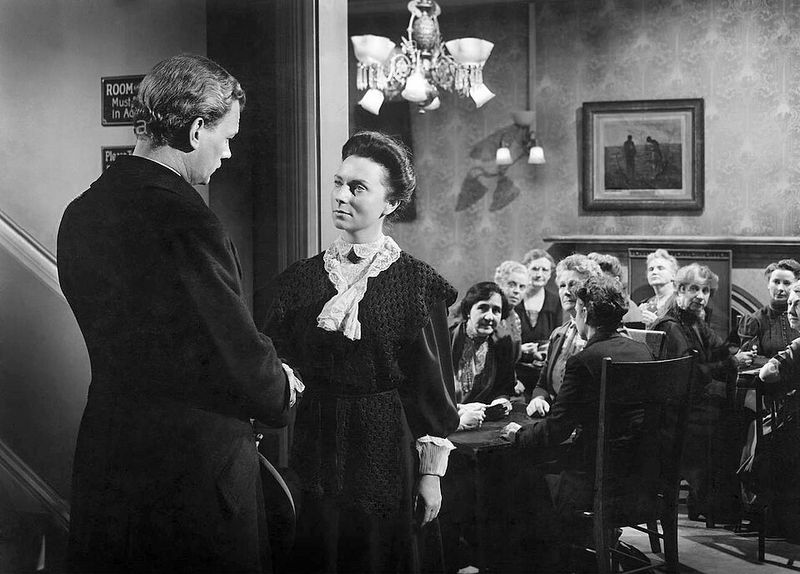
While Orson Welles was working in Brazil, RKO took scissors to his follow up to Citizen Kane. Studio executives removed over forty minutes and added a hastily shot happy ending.
Welles’s darker, more ambiguous conclusion gave way to studio mandated optimism.
Much of the original footage was reportedly destroyed, making true restoration impossible.
Even so, critics and film scholars still call it one of cinema’s greatest losses, since the surviving version reveals remarkable artistry despite the interference.
10. The Red Badge Of Courage (1951)
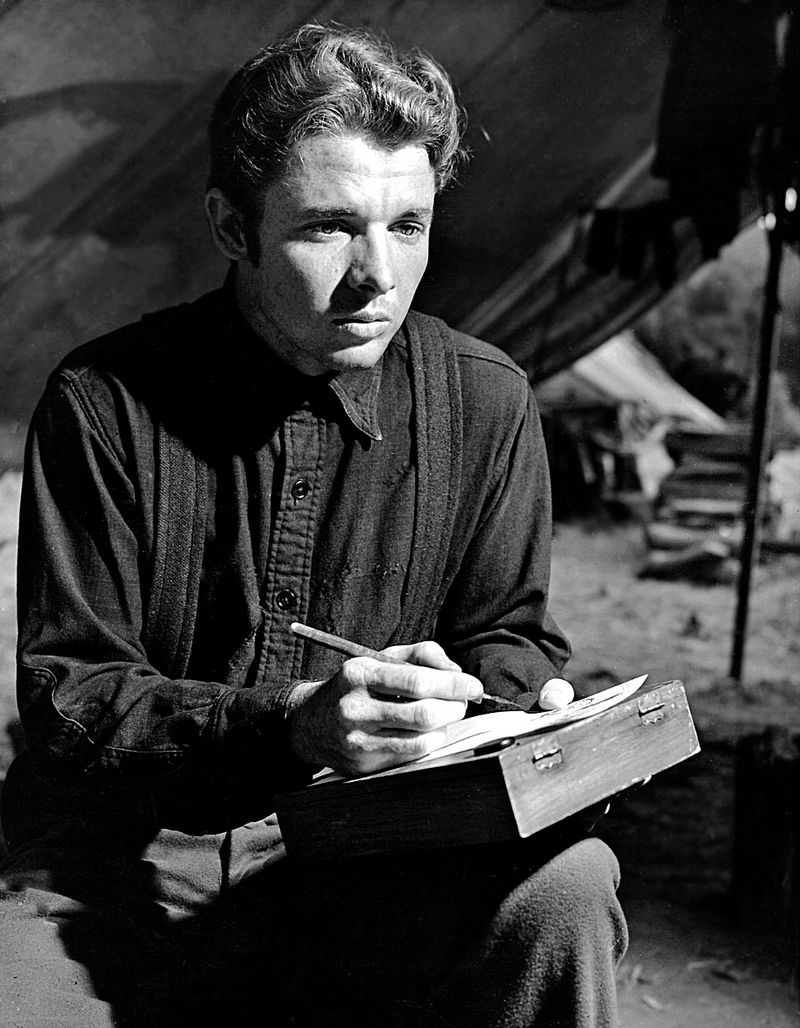
Director John Huston delivered a longer first cut, with a 120 minute version now considered lost, before MGM released a 69 minute edit. Studio editors slashed the running time to just 69 minutes, stripping away much of the character development and thematic depth.
Huston’s nuanced exploration of fear and courage in battle turned into a far simpler narrative.
Audie Murphy’s performance survived the cuts, yet the film’s philosophical underpinnings were largely lost.
Disappointed critics and audiences agreed the shortened version proved that sometimes less definitely is not more.
9. Touch Of Evil (1958)
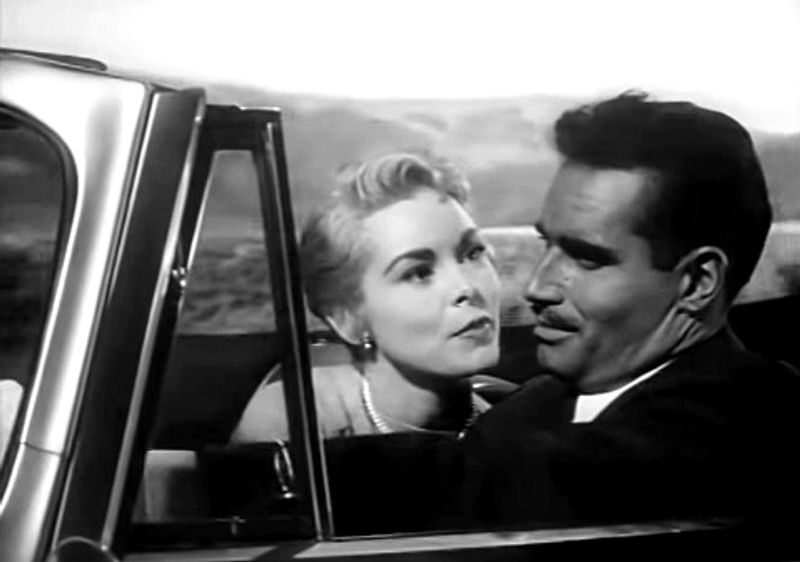
Orson Welles faced studio interference yet again when Universal re-edited his noir thriller without consultation.
The studio added scenes, rearranged sequences, and even imposed music over moments Welles had designed to play without a score.
Welles wrote a famous 58-page memo detailing his objections and suggested changes. In 1998, a reconstructed version was edited in line with Welles’ memo, showing audiences what might have been.
The film’s opening tracking shot remains legendary regardless of which version you watch.
8. Heaven’s Gate (1980)
Michael Cimino’s western epic became infamous for its troubled production and repeated rounds of cutting.
After a one-week run, United Artists pulled the film, and it later returned in 1981 in a 149 minute version. Panic over its length and soaring costs pushed the studio toward drastic editorial changes that reshaped pacing and character arcs.
Later restoration work has given audiences access to longer versions that sit closer to Cimino’s original vision. Over time, the film’s reputation has steadily improved as more complete editions reached viewers.
7. Blade Runner (1982)
Studio executives worried that audiences wouldn’t understand Ridley Scott’s dystopian vision.
They insisted on adding Harrison Ford’s voice-over narration to explain plot points and clarify character motivations. A tacked-on happy ending replaced Scott’s ambiguous conclusion.
Ford later said he opposed the added narration, but he also said he did not try to sabotage it.
Multiple versions now exist, with the Director’s Cut and Final Cut removing the studio additions and restoring Scott’s darker, more mysterious original intent.
6. Once Upon A Time In America (1984)
Sergio Leone crafted a nearly four hour epic that unfolded through intricate jumps in time. American distributors later cut it to just over two hours and rearranged events into strict chronological order.
Carefully built narrative layers gave way to a simpler, linear tale that left critics and audiences confused.
Much of the emotional impact created by the original structure disappeared in the process. Thankfully, longer international versions eventually emerged, letting viewers experience Leone’s final masterpiece closer to his intended vision.
5. Brazil (1985)
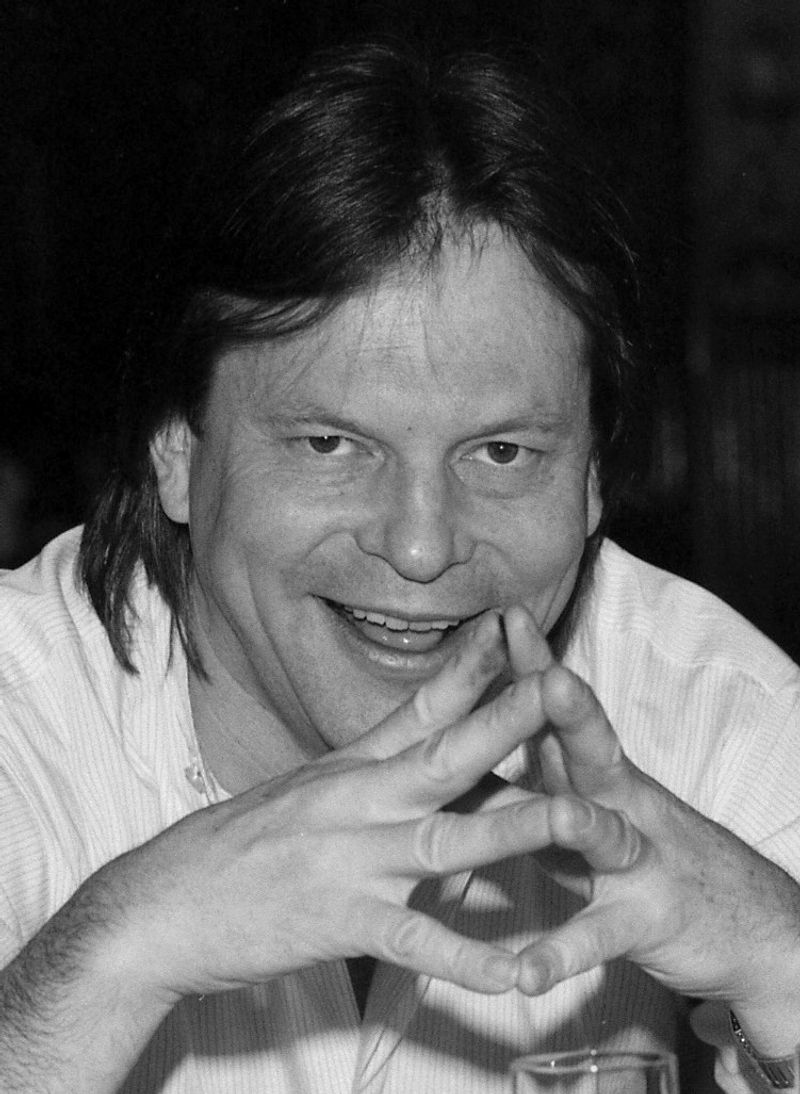
A darkly comic dystopia from Terry Gilliam ignited one of Hollywood’s most famous fights over creative control. Universal pushed for a shorter and more upbeat version that ended on a conventional happy note.
Refusing to back down, Gilliam even took out full page ads to pressure the studio.
Tensions escalated so much that the battle later inspired books and documentaries.
In the end, his preferred cut became the definitive version, while the studio’s alternate “Love Conquers All” edit now survives mainly as a curiosity for film students.
4. Alien 3 (1992)

Studio interference and endless script rewrites turned a feature debut into a filmmaking nightmare.
Throughout production, Fox executives kept demanding changes that repeatedly reshaped the story and tone.
Creative control slipped away during post production, and the version released to theaters left both fans and critics disappointed. In 2003, an extended Assembly Cut was released on home video without Fincher’s involvement that revealed a more cohesive vision, even if it still fell short of the director’s true intent.
Since then, Fincher has distanced himself from the project, describing the ordeal as so difficult it nearly pushed him to quit filmmaking altogether.
3. Event Horizon (1997)
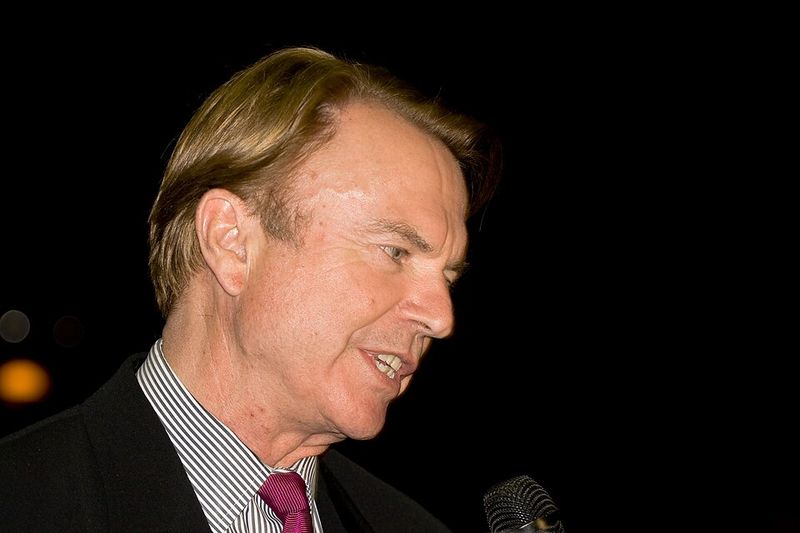
Heavy studio trimming reshaped a sci fi horror film before it reached theaters. At Paramount, executives removed disturbing sequences that pushed the limits of an R rating, toning down the most intense moments.
Director Paul W. S. Anderson has said much of the deleted material was not archived in that era, making a full restoration unlikely.
What survives on screen still hints at a far more graphic and terrifying original vision.
For years, fans have hoped for a director’s cut, yet the vanished material may be gone forever, leaving only secondhand accounts of what was filmed.
2. Gangs Of New York (2002)
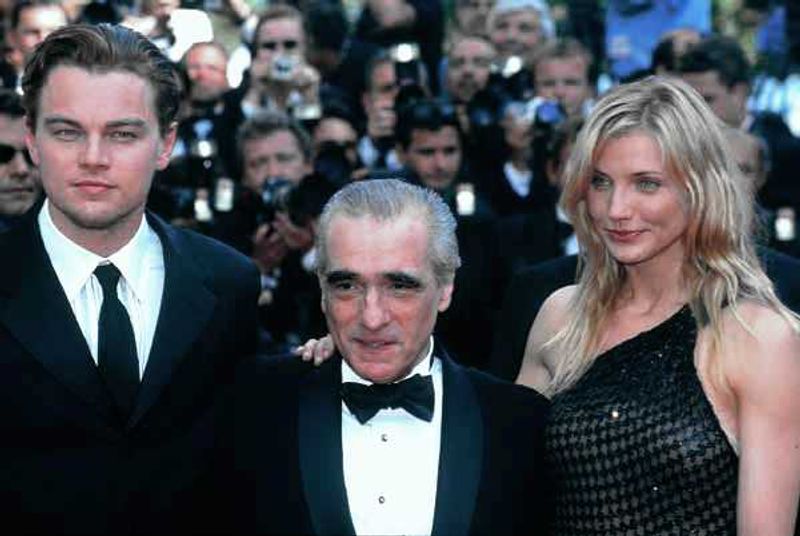
Passion for the project ran headfirst into heavy studio pressure over length and pacing.
At Miramax, executives pushed for trims that removed character moments and pieces of historical context.
The theatrical release ultimately ran 167 minutes, even as reports claimed a longer workprint was reported in 2001, described as about 20 minutes longer than the theatrical version. Frustration over lacking final cut has surfaced in interviews, even while he has defended the released version as his own.
Questions linger among fans about what extra footage still sits in vaults and whether a longer cut might one day appear.
1. Suicide Squad (2016)
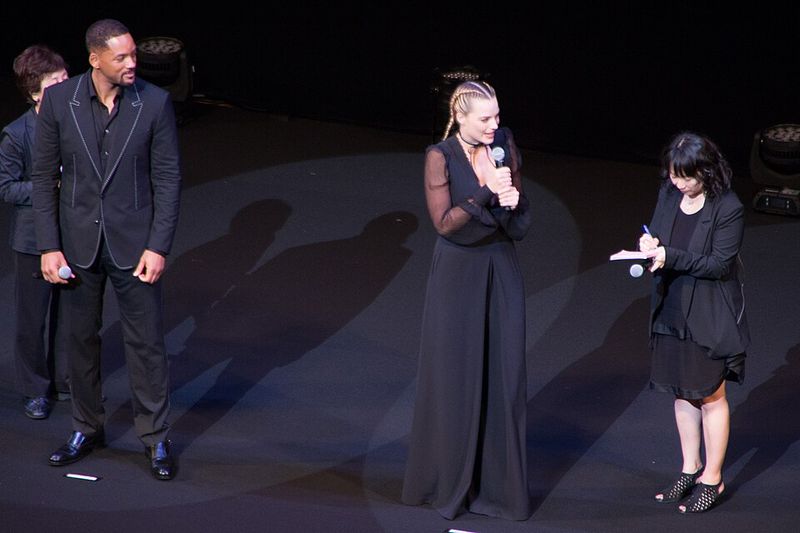
Reports said Warner Bros. worked on an alternate cut with assistance from Trailer Park, the company behind the teaser trailer.
Director David Ayer’s original cut was reportedly darker and more character-focused.
The studio version added more humor, pop songs, and a lighter tone that clashed with the remaining serious elements. The result felt disjointed, with tonal inconsistencies throughout.
Years later, Ayer revealed details about his original vision, and fans have campaigned for an “Ayer Cut” similar to the Snyder Cut of Justice League.