15 Movies Whose First Five Minutes Take Time To Click
Well now, some movies take their sweet time getting started.
Those first few minutes can feel a little slow, a little puzzling, almost like the story hasn’t quite decided where it’s going yet.
But patience can be a wonderful thing, because once these films find their rhythm, they turn into the kind of adventures people remember for years.
1. The Wizard Of Oz (1939)
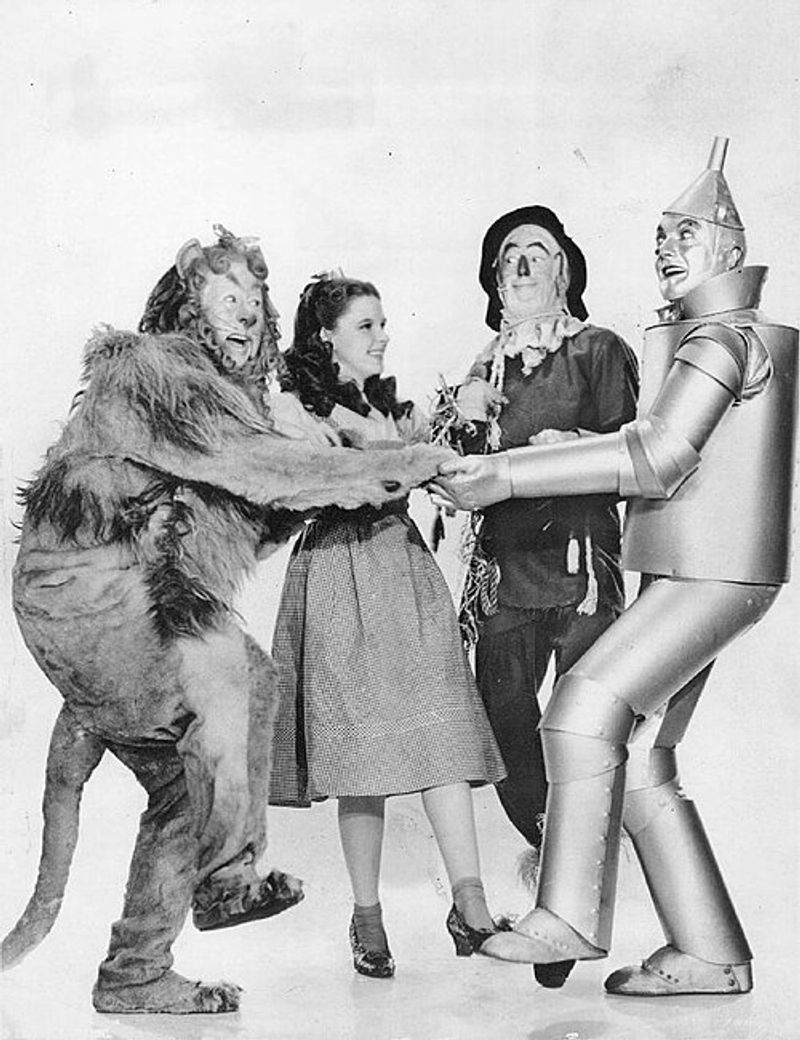
Black-and-white Kansas stretches across the screen like a long pause before anything magical has a chance to arrive.
Dorothy’s dusty farm chores and a slow family argument hardly feel like the opening of a timeless classic, with muted colors and sleepy pacing making the drama seem completely ordinary. Everything flips the instant the tornado barrels into the story.
That quiet sepia beginning makes the later arrival in Oz feel even more vivid.
2. Citizen Kane (1941)
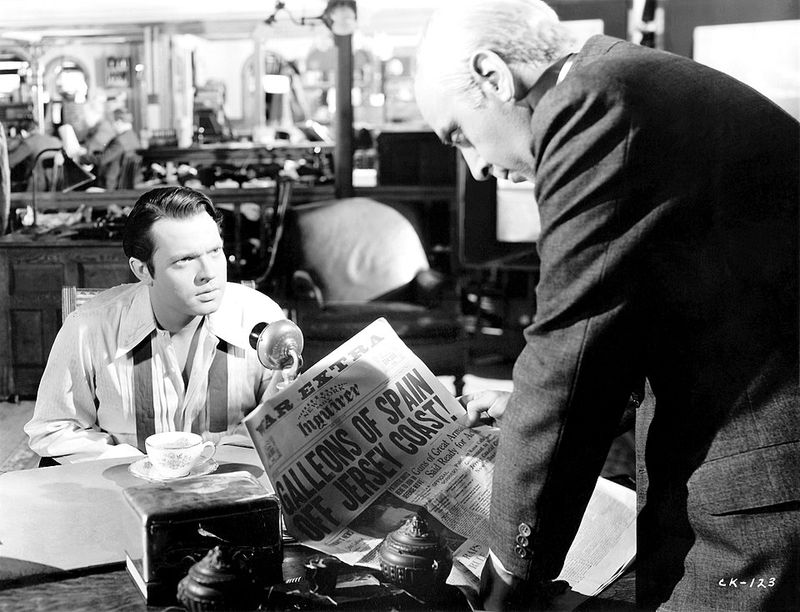
One falling snow globe, a gloomy house, and a fading voice set a quiet, uneasy tone.
Thrilling on paper, yet slow and strangely cold when audiences first encountered it in 1941.
Early viewers felt puzzled rather than gripped as the film opened with those quiet, murky images. Genius inside Citizen Kane revealed itself slowly, like a puzzle box you had to earn, and those opening moments were quietly laying a trap most people walked straight into.
3. Casablanca (1942)
The opening globe, narration, and wartime context can feel more like scene-setting than emotional drama.
Heavy exposition and plain visuals dominate those first minutes, making the opening feel like a newsreel that wandered into the wrong theater.
Everything shifts once Rick’s Café and its central relationships come into focus.
4. Rebecca (1940)
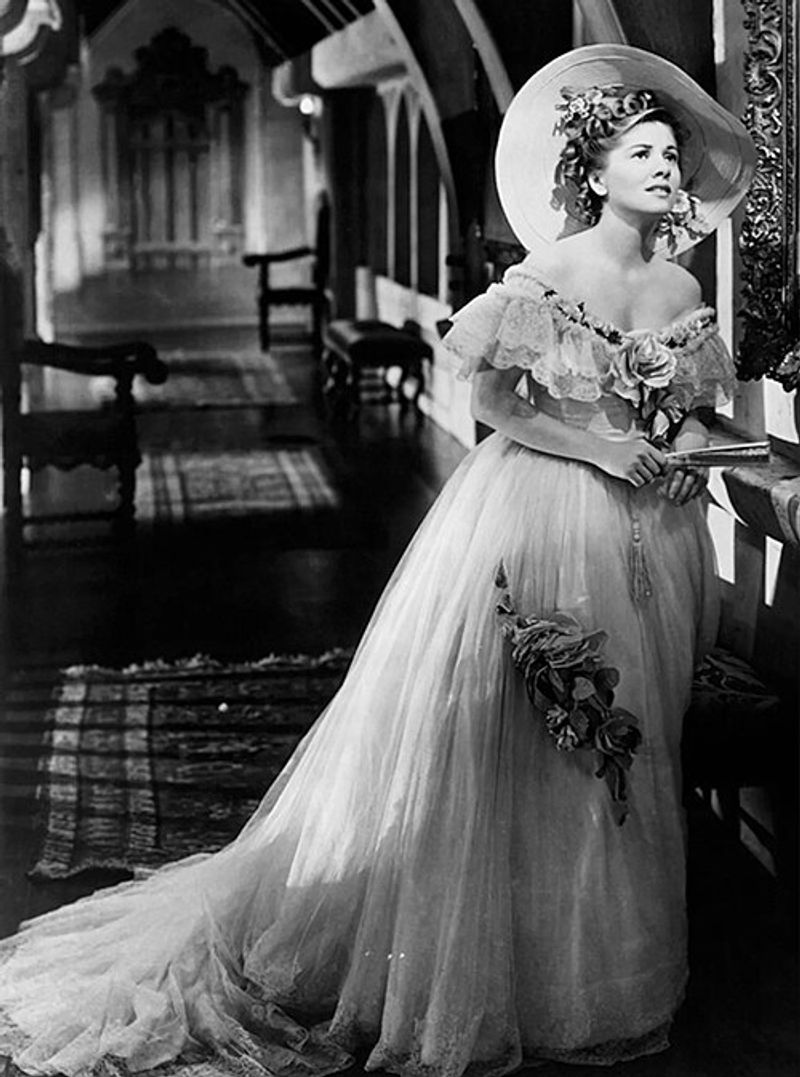
Fog, a crumbling gate, and a dreamy voiceover about going back to Manderley again. Poetic?
Yes. Gripping? Not quite. Beginning with mood and voiceover, Rebecca lays the groundwork for its suspenseful story.
That slow, moody drift was actually Hitchcock setting a psychological trap. The dread crept in so quietly you barely noticed it arriving.
5. Double Indemnity (1944)
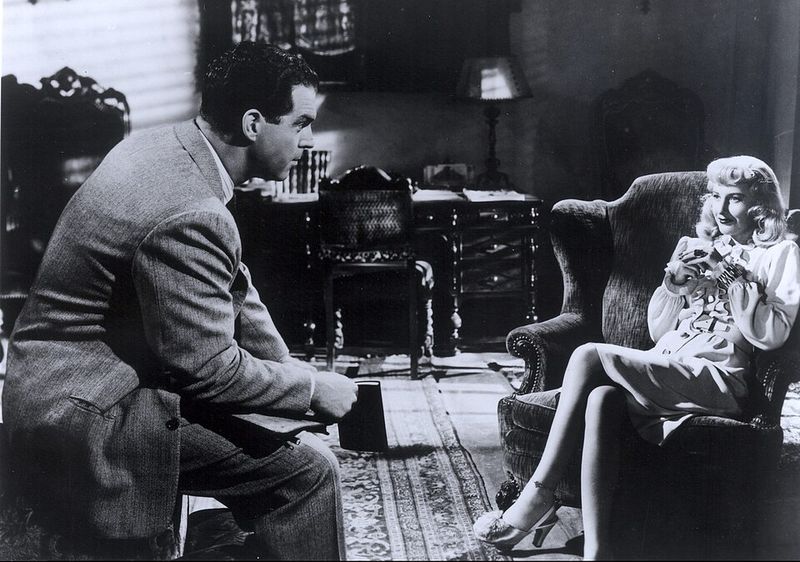
Not exactly the most dramatic way to start a film noir, but a wounded guy stumbles into an office and begins confessing into a dictaphone. Early moments can feel procedural before the film’s tension sharpens.
Nothing in those opening frames screams danger or desire.
Watch the film to the end and rewind, and the confession suddenly lands differently, the mundane beginning revealing itself as only the tip of a carefully built structure.
6. Roman Holiday (1953)
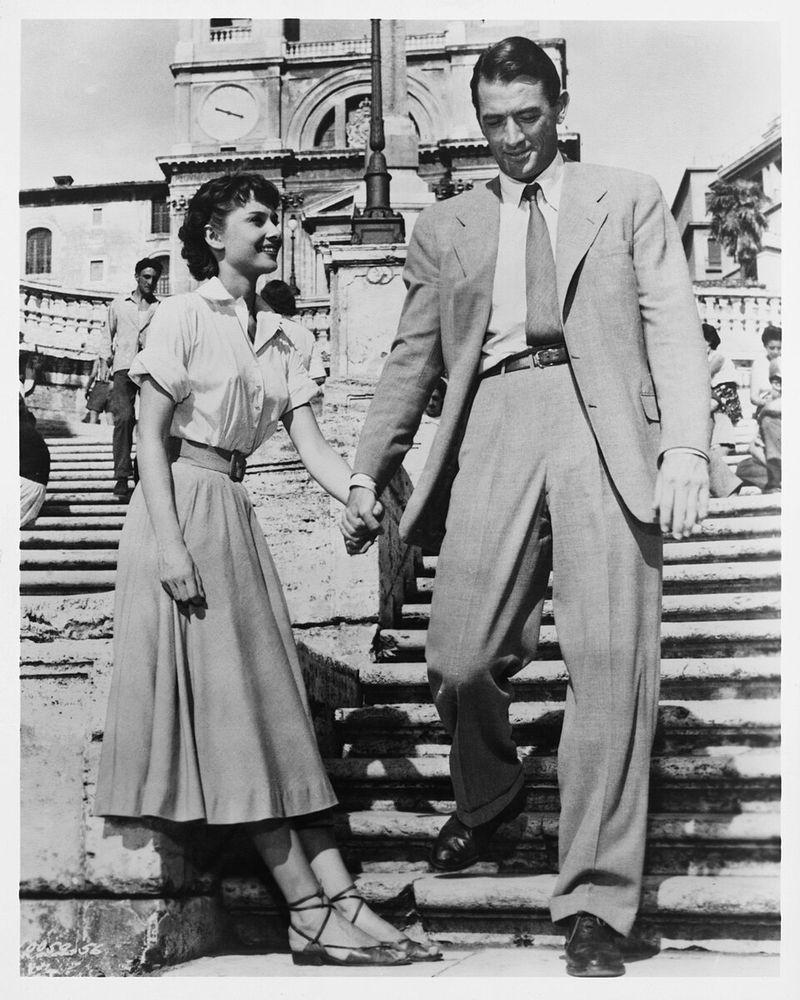
Stuffy diplomats, formal protocol, and a bored princess standing in a receiving line. Not exactly a recipe for swooning.
Roman Holiday opened with all the warmth of a state dinner seating chart. The pageantry was pretty but cold, and Audrey Hepburn’s spark hadn’t been given room to breathe yet.
The moment she slipped out into Rome, the film became something entirely alive. That stiff opening made the freedom feel earned and electric.
7. Rear Window (1954)
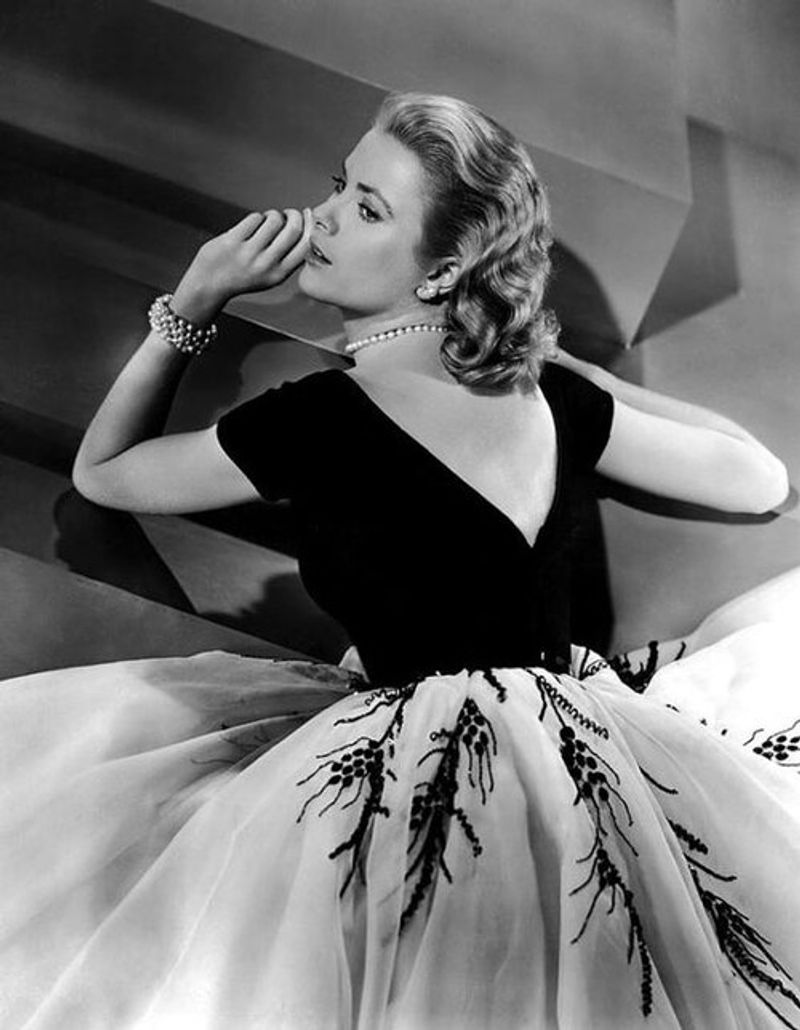
Wheelchair-bound photographer staring out a window begins Rear Window with nothing more than a slow camera pan across his apartment.
Sticky summer heat, open windows, and quiet neighbor-watching fill those early minutes, creating the feeling of sitting through someone else’s lazy Saturday morning. Alfred Hitchcock quietly builds a cinematic fishbowl instead of launching fireworks.
By the time suspicion of violence enters the story, the audience is already trapped inside that courtyard.
8. Sunset Boulevard (1950)
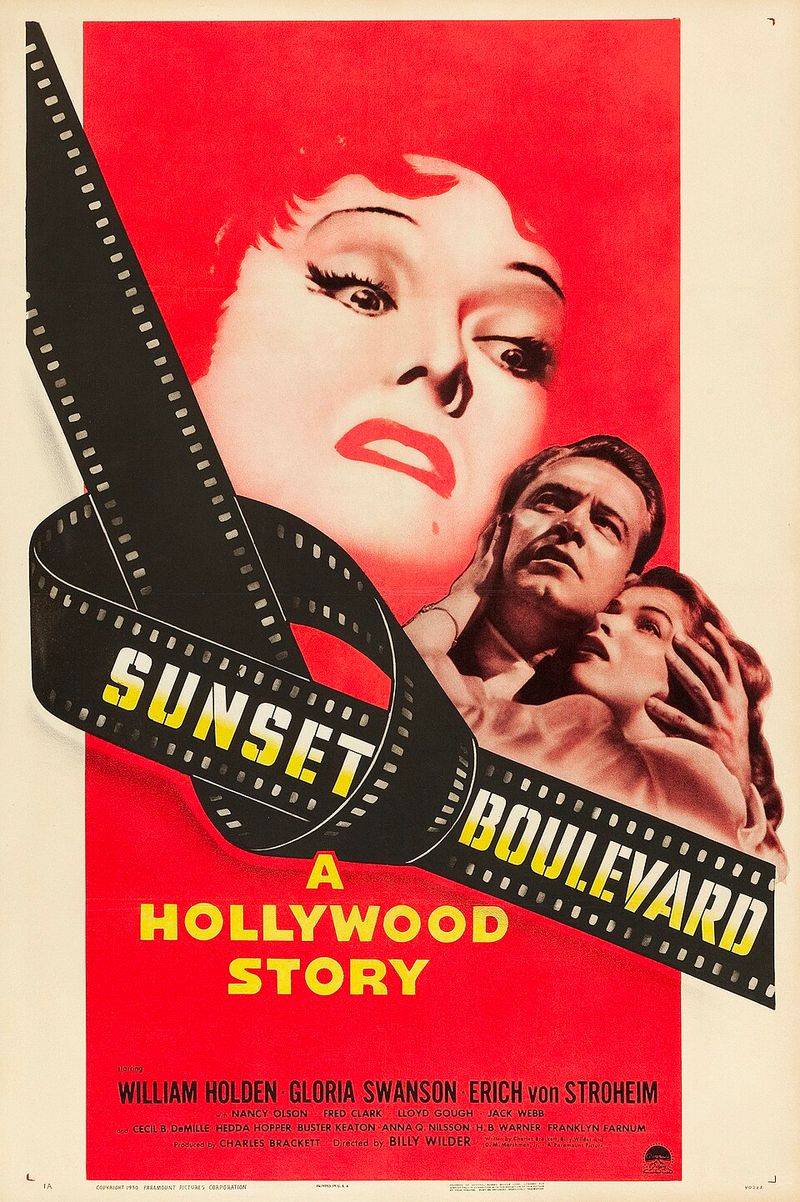
As a body drifts in a pool, the narrator quietly reveals that he is, in fact, the deceased.
Weird, absolutely, yet the opening of Sunset Boulevard moves slowly enough that the shock wears off before much else happens. Novelty of a corpse narrator struggles to carry those early quiet minutes.
Everything changes once Norma Desmond appears, because the film finally catches fire with an entrance that proves worth every second of the wait.
9. Some Like It Hot (1959)
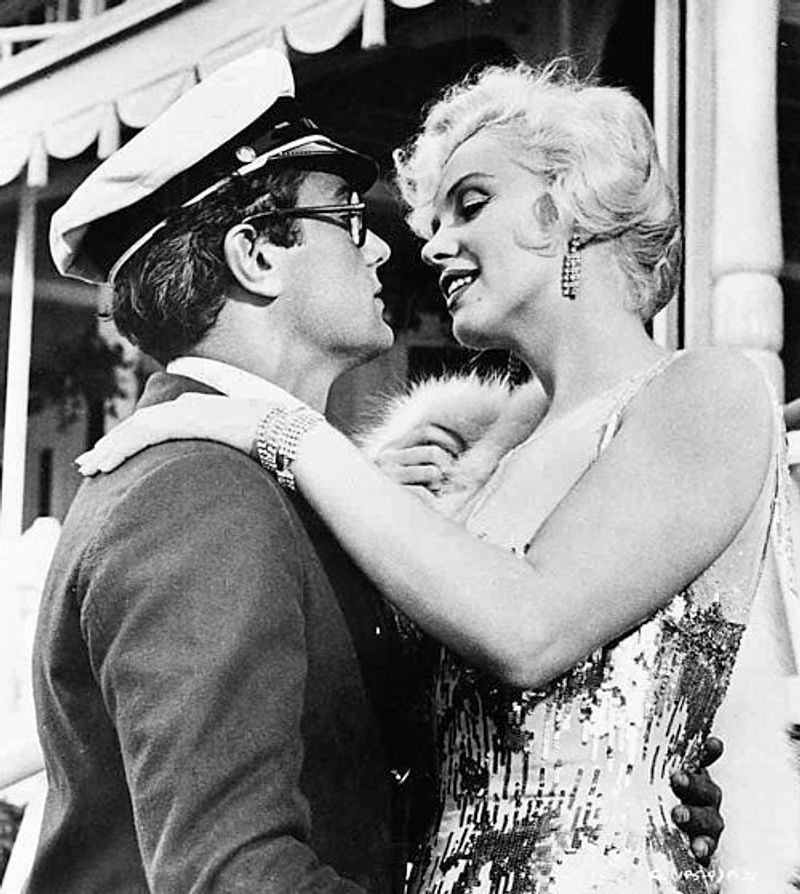
Opening in Prohibition-era Chicago, Some Like It Hot introduces viewers to the city’s bustling nightlife before the comedy fully unfolds.
The jokes hadn’t warmed up yet, and the setup played more like a history lesson than a comedy. The rhythm was off, like a band still tuning up.
Then Tony Curtis and Jack Lemmon put on those dresses, and the whole movie clicked into glorious, ridiculous gear.
10. Lawrence Of Arabia (1962)
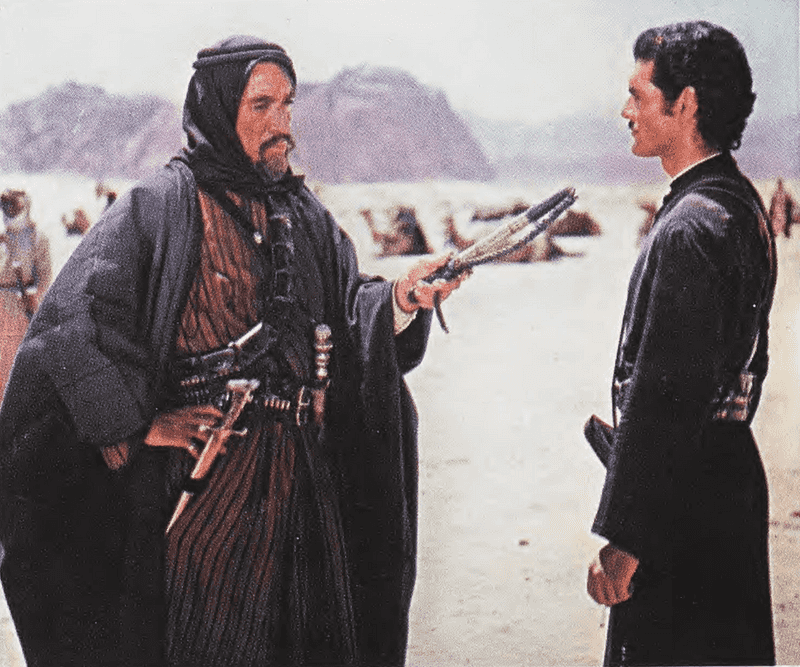
Motorcycle being polished on a quiet country road is not the image most people expect at the start of an epic desert adventure.
Opening minutes of Lawrence of Arabia unfold slowly and almost silently, creating a strangely small beginning for a film that later becomes enormous. Sudden motorcycle crash arrives more abruptly than thrillingly.
Calm introduction soon gives way to sweeping desert landscapes that explode onto the screen with unforgettable scale.
11. Spartacus (1960)
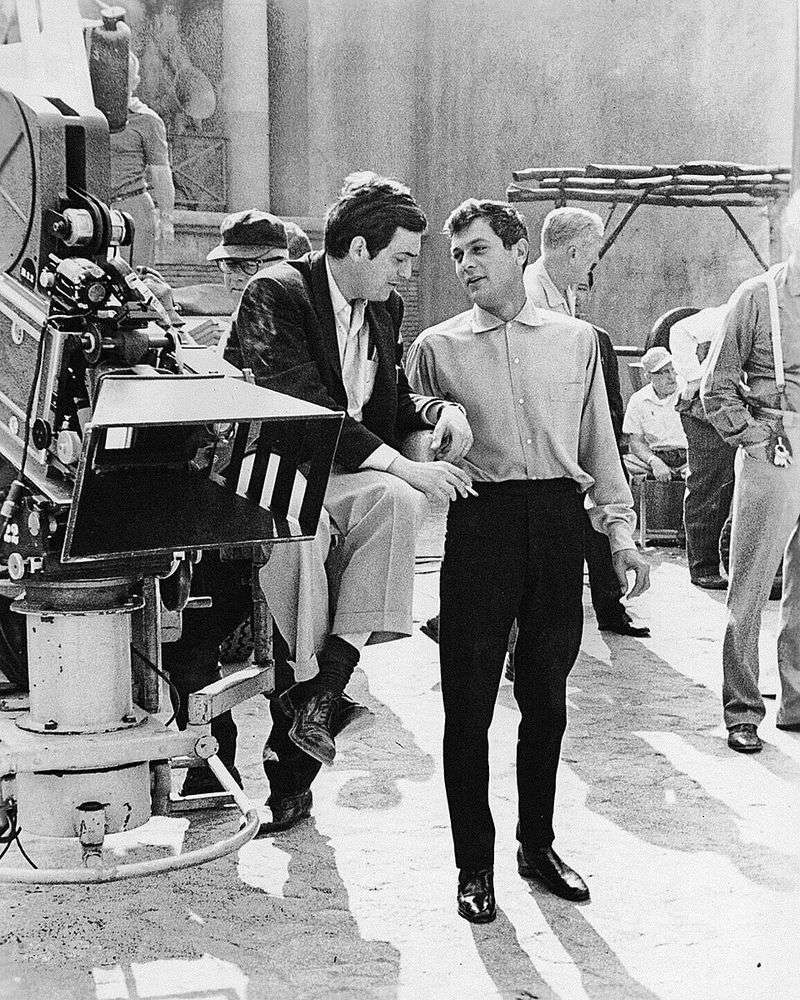
Early scenes in Spartacus lean on quarries and explanation, creating a weighty tone before the conflict develops. Opening of Spartacus feels more like a museum documentary than a blockbuster.
Narration stays dry, visuals turn grey, and energy barely registers despite promises of a coming revolution.
Everything shifts once Spartacus’s defiance becomes more visible, because suddenly the quarry dust tastes like something worth fighting through.
12. Paths Of Glory (1957)
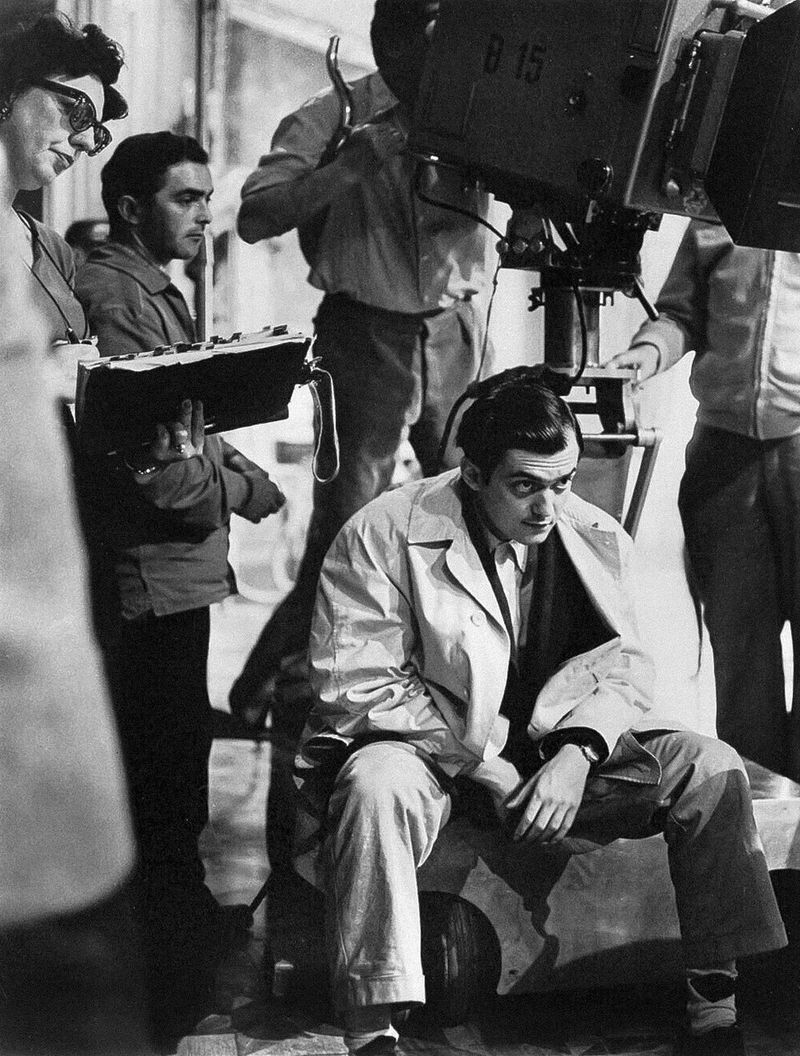
Generals discussing strategy in a gilded chateau while soldiers die in the mud outside. The contrast was the whole point, but the opening still dragged.
Paths of Glory began with a slow, almost theatrical exchange of pleasantries between officers. The elegance felt wrong on purpose, but “wrong on purpose” is still a slow burn to sit through.
Kubrick’s precision revealed itself once the trenches arrived. The contrast hits harder because the opening restraint makes the later trench material feel even harsher.
13. Vertigo (1958)
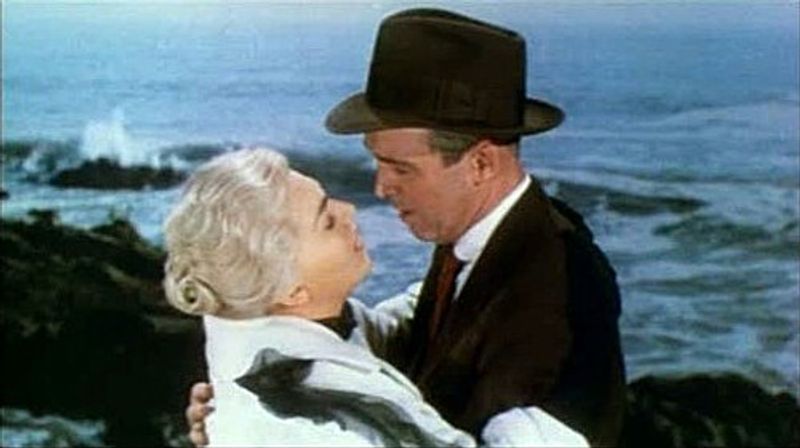
Rooftop chase and a falling police officer give Vertigo a jolt of energy before the story slows dramatically.
Soon afterward Jimmy Stewart appears at a dinner party looking slightly uncomfortable while conversation drifts politely around the table.
Dialogue in those scenes can feel like overhearing strangers chatting in a quiet café rather than watching a thriller unfold. Later spiral of obsession transforms that calm setup into something far more unsettling.
14. North By Northwest (1959)
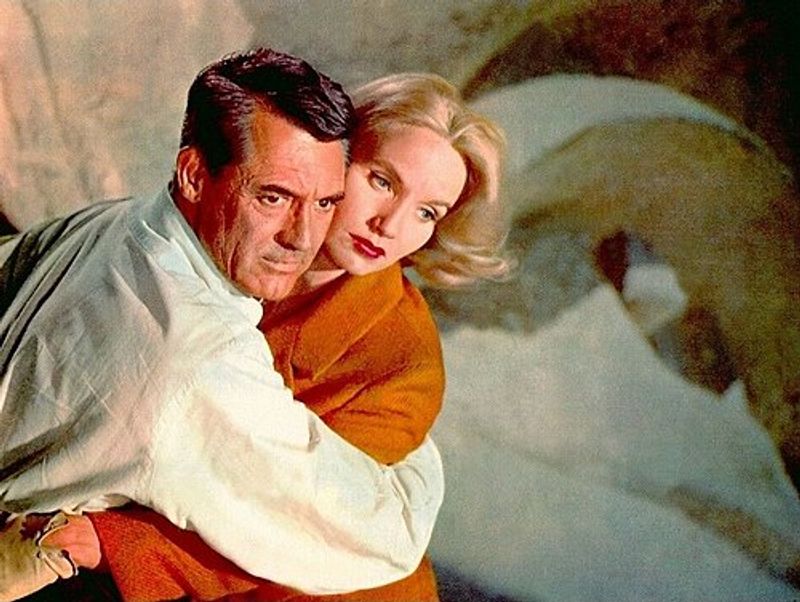
Green lines sketch geometric shapes across a skyscraper facade while jazzy credits glide along.
Stylish, yes, but not exactly thrilling.
Early scenes in North by Northwest show Cary Grant rushing through an ordinary day, not yet facing any real danger. Everything changes once the mistaken identity begins to unravel, and those quiet opening minutes reveal themselves as the safety bar clicking into place before the rollercoaster starts.
15. Psycho (1960)
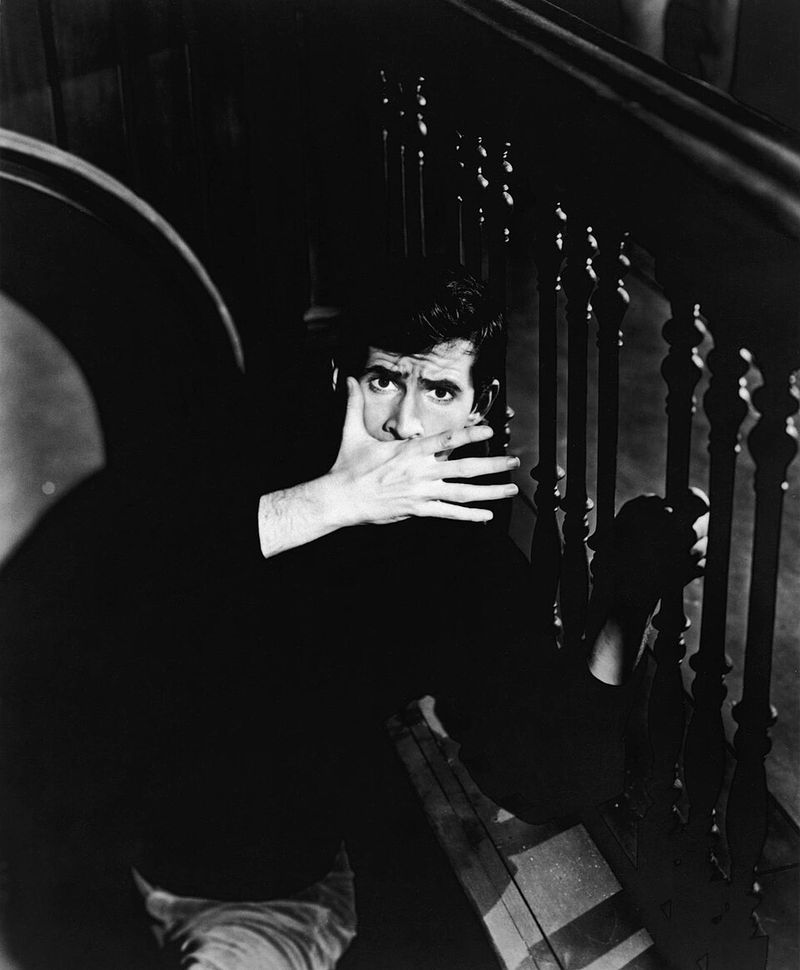
A lunch-hour affair in a cheap hotel room, a stack of stolen cash, and a woman with a bad plan. Compelling on paper, but oddly slow on screen.
Psycho’s opening act felt more like a soap opera than a horror film. Marion Crane’s money trouble was relatable but not riveting, and the tension took its time arriving.
Once the story reaches the Bates Motel, the film changes shape completely.
Note: This feature reflects editorial opinion about how certain classic films introduce their stories and is intended for general informational and entertainment purposes.