10 Museums To Visit During Black History Month
Black History Month offers more than remembrance; it creates space to honor generations whose brilliance, resilience, and leadership shaped the nation in lasting ways.
Across the country, museums preserve these legacies through powerful exhibits filled with personal stories, rare artifacts, photographs, and voices that refuse to be forgotten.
Time spent in these spaces deepens understanding of the past while strengthening a shared commitment to equity and inclusion in the years ahead.
1. National Museum Of African American History And Culture (Smithsonian)
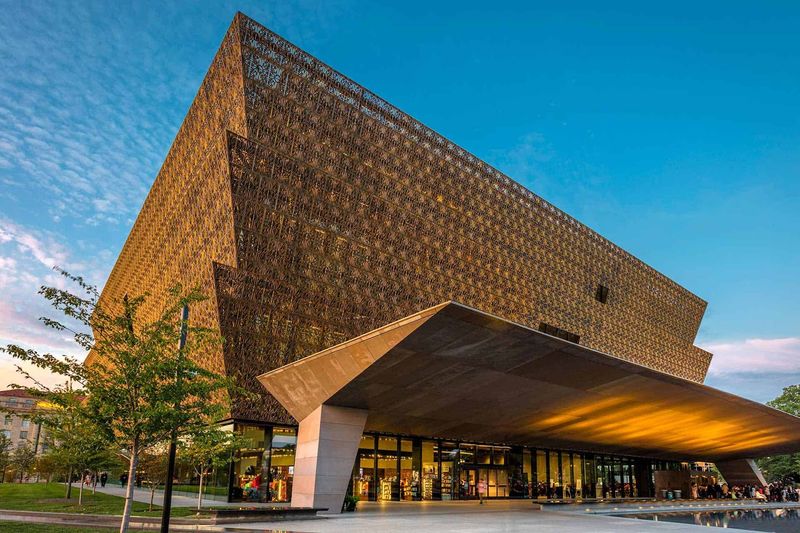
Four centuries of history unfold beneath a single bronze-toned roof. Inside the Smithsonian’s National Museum of African American History and Culture, more than 45,000 objects include items such as Harriet Tubman’s personal hymnal and a segregation-era railway car.
Galleries echo with stories of struggle and triumph that textbooks only begin to explore.
More than one visit becomes necessary to take it all in, especially when February turns the space into a living classroom. Address: 1400 Constitution Ave NW, Washington, DC 20560.
2. National Civil Rights Museum (At The Lorraine Motel)
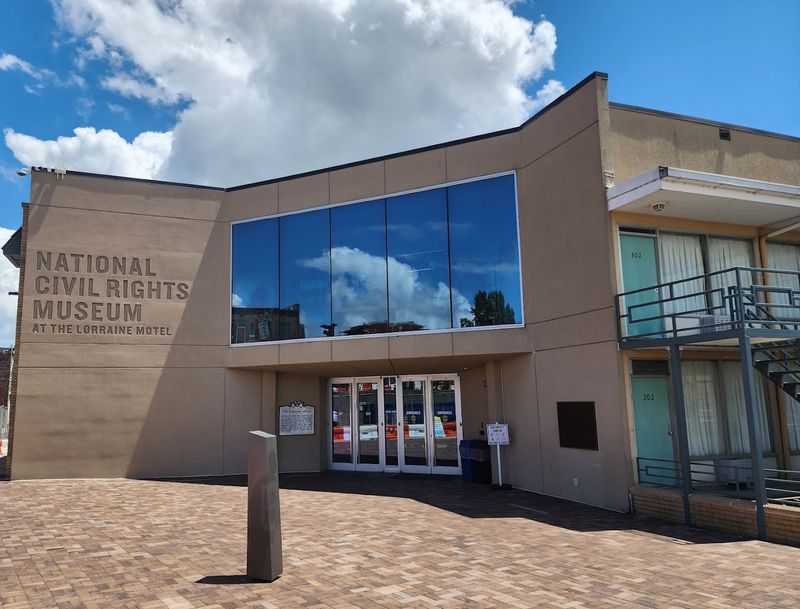
The balcony where Dr. King stood overlooks Mulberry Street. Walking through these rooms feels like stepping into a photograph that changed America forever.
Exhibits trace the movement from slavery through present-day struggles.
Interactive displays let visitors sit at lunch counters and board freedom buses. History shifts from something on a page to something you experience up close.
Located at 450 Mulberry St, Memphis, TN 38103.
3. Birmingham Civil Rights Institute
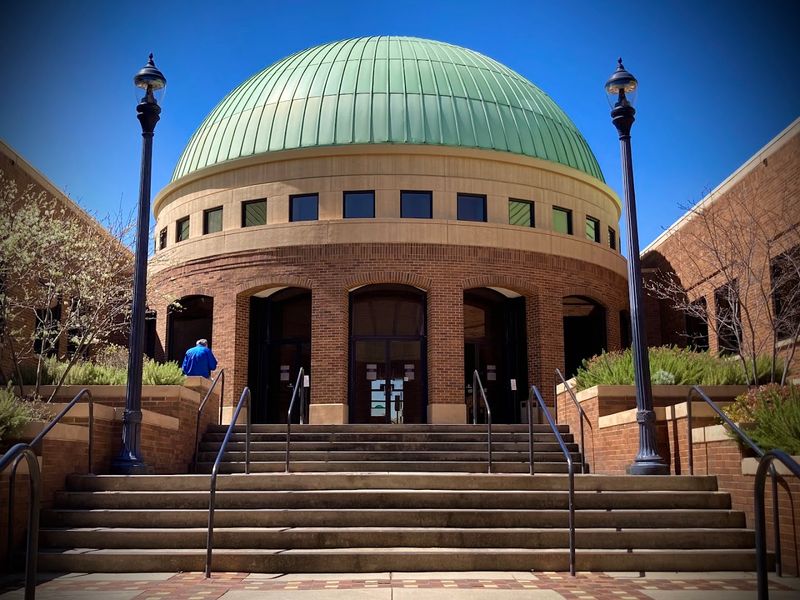
Birmingham earned the grim nickname ‘B*mbingham’ during the Civil Rights era. At the Birmingham Civil Rights Institute, hard truths about segregation’s harsh realities are presented with clarity and care.
Inside the galleries, exhibits address the 16th Street Baptist Church att*ck and its impact and honor the courage of young marchers who faced overwhelming danger.
Few visitors leave unchanged, as the experience forces confrontation with injustices many would rather forget. Located at 520 16th St N, Birmingham, AL 35203, the institute remains essential to visit during February and throughout the year.
4. Charles H. Wright Museum Of African American History (“The Wright”)
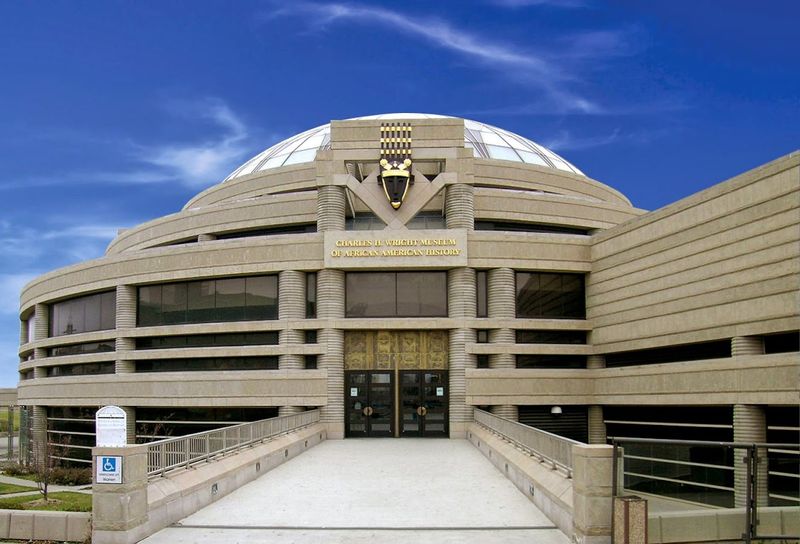
Detroit’s automotive legacy gets a cultural companion in this powerhouse museum.
The Wright houses the largest permanent exhibit on African American culture anywhere.
From ancient African kingdoms to Motown’s golden age, the galleries pulse with music, art, and innovation. Your feet might start tapping to the rhythm of history as you wander through decades of creativity and resilience at 315 East Warren Avenue, Detroit, MI 48201.
5. DuSable Black History Museum And Education Center
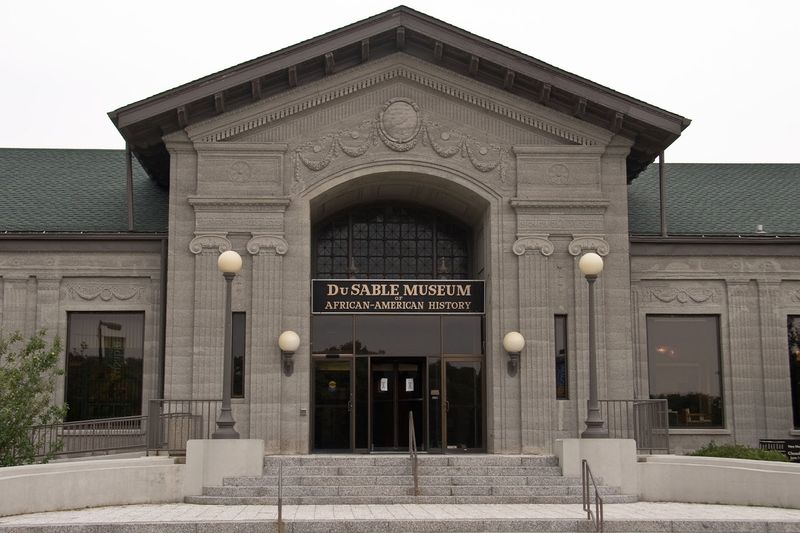
Jean Baptiste Point du Sable, widely recognized as Chicago’s first permanent non-Native settler, lends his name to a South Side institution that predates most Black history museums by decades. Founded in 1961, the DuSable Black History Museum and Education Center became a national blueprint for cultural preservation.
Rotating exhibits highlight local heroes alongside nationally recognized figures.
Black history unfolds here as a living part of every American city’s story, especially at 740 East 56th Place, Chicago, IL 60637.
6. African American Museum In Philadelphia (AAMP)
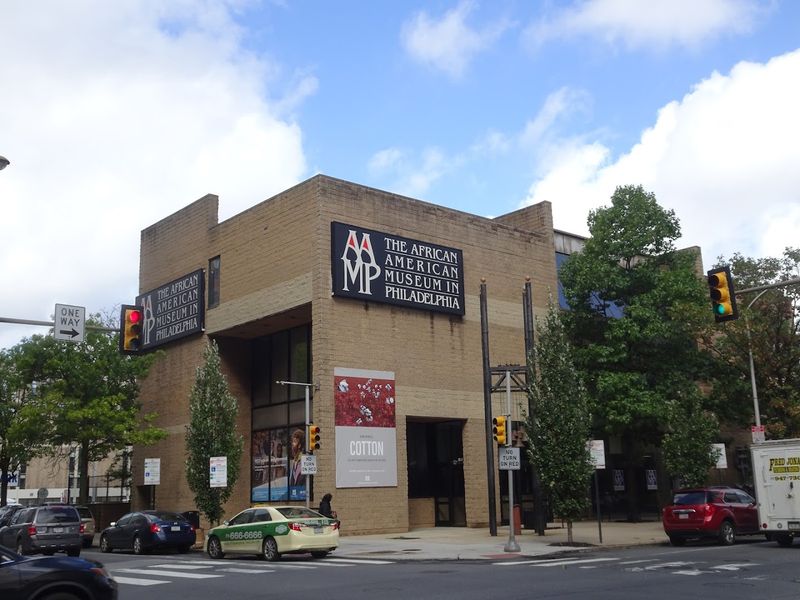
Philadelphia’s revolutionary spirit reaches far beyond Independence Hall. Inside AAMP, Pennsylvania’s deep ties to the Underground Railroad and abolitionist movements come into sharp focus.
Three floors of galleries highlight faith, sports, and the arts through an African American lens.
During February, special programming transforms the museum into a lively gathering space where history and celebration come together at 701 Arch Street, Philadelphia, PA 19106.
7. California African American Museum (CAAM)
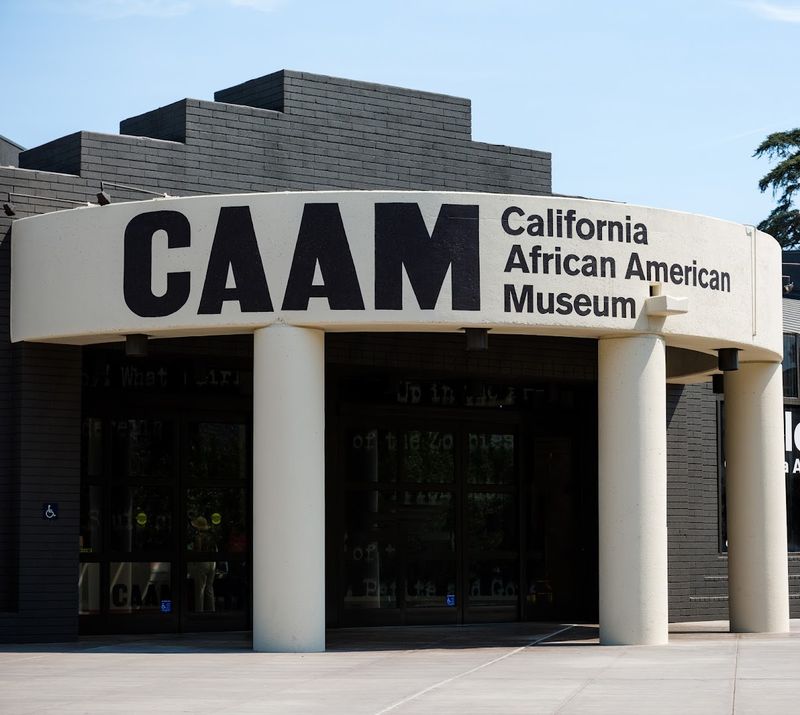
Sunshine and social justice mix in Exposition Park’s cultural corridor. CAAM focuses on African American experiences in the Western United States, a perspective often overshadowed by East Coast narratives.
Art installations celebrate West Coast creativity.
Free admission makes it accessible for families seeking meaningful February outings without budget stress, right at 600 State Drive, Exposition Park, Los Angeles, CA 90037.
8. Reginald F. Lewis Museum Of Maryland African American History & Culture
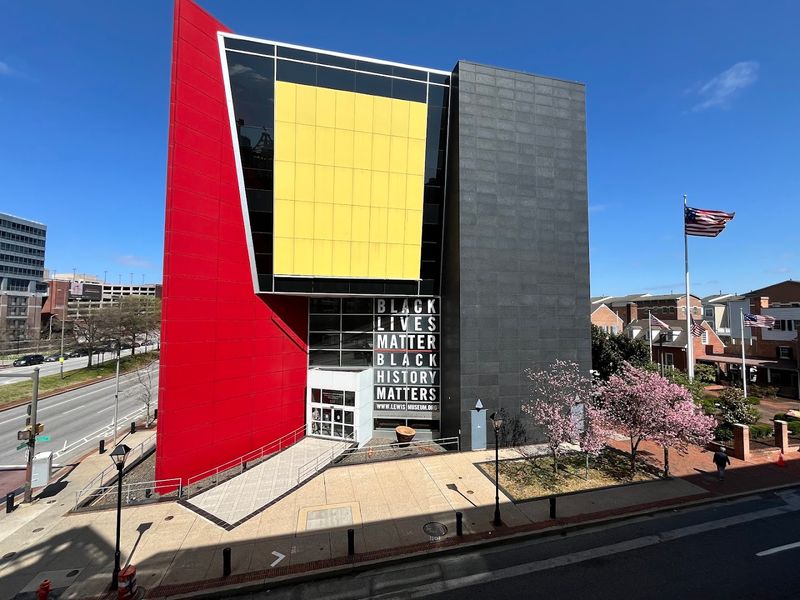
With more than just well-known tourist attractions, Baltimore’s Inner Harbor sparkles.
Named in honor of business leader Reginald F. Lewis, the museum celebrates entrepreneurship through a story rooted in determination and achievement.
Maryland’s complex history of slavery and freedom unfolds through immersive multimedia exhibits.
Past struggles connect to present opportunities here, reminding visitors that history continues to be written at 830 East Pratt Street, Baltimore, MD 21202.
9. International African American Museum (IAAM)
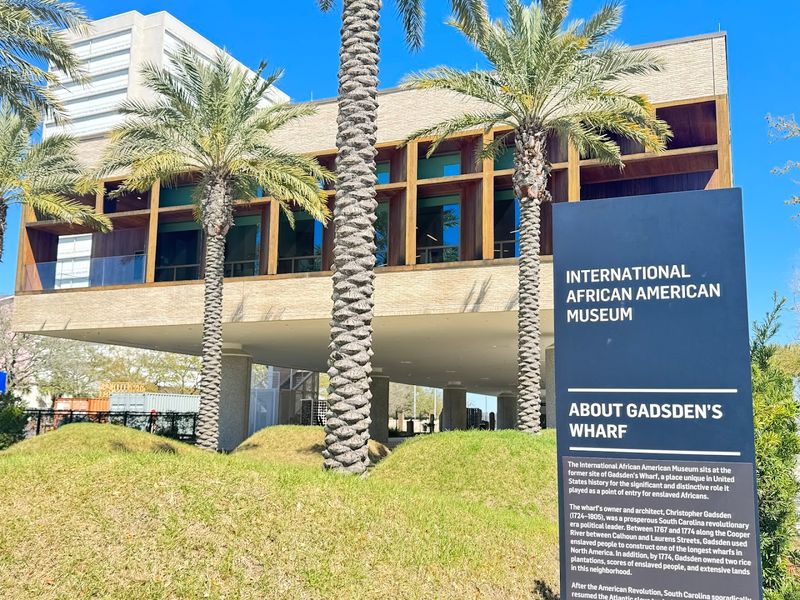
Charleston’s newest cultural landmark opened in 2023 on sacred ground.
Built above Gadsden’s Wharf, where tens of thousands of Africans were brought ashore during the transatlantic slave trade, the museum honors their memory with dignity. Interactive genealogy centers help visitors trace their own family histories.
February visitors witness history being reclaimed and retold at 14 Wharfside Street, Charleston, SC 29401.
10. National Afro-American Museum & Cultural Center (Ohio History Connection)
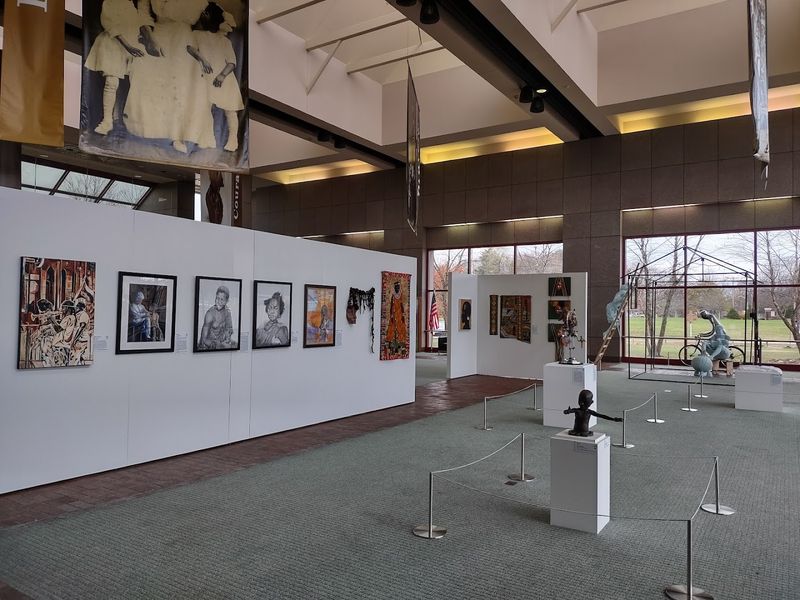
Wilberforce University’s town hosts this federal museum in rural Ohio.
Don’t let the quiet setting fool you; the collections rival major city institutions. Quilts, photographs, and documents preserve stories that might otherwise vanish.
The peaceful campus setting offers reflection space that bustling urban museums can’t match, located at 1350 Brush Row Road, Wilberforce, OH 45384.
Disclaimer: Museum exhibits, collections, and programs can change seasonally, and address details, hours, and admission policies may be updated by each institution.
Historical summaries in this article are intended to provide context in a respectful, general way, and they cannot capture every perspective represented in each museum’s full interpretation of the past.
Readers planning a visit should confirm current hours, ticketing, and event schedules through each museum’s official site. The content is provided for general informational and entertainment purposes and is not legal, financial, or professional advice.