13 Music Legends Who Knew Exactly When To Retire
Knowing when to bow out is an art form all its own.
Some musicians chase the spotlight until their voices crack and their magic fades, but a rare few have the wisdom to step away while they’re still on top.
These legends left us wanting more instead of wishing they’d stopped sooner, and their legacies shine brighter because of it.
Disclaimer: This article explores notable artists whose careers concluded by choice or circumstance at defining moments in music history.
Descriptions reflect widely recognized timelines and cultural impact rather than exhaustive biographies.
1. Led Zeppelin
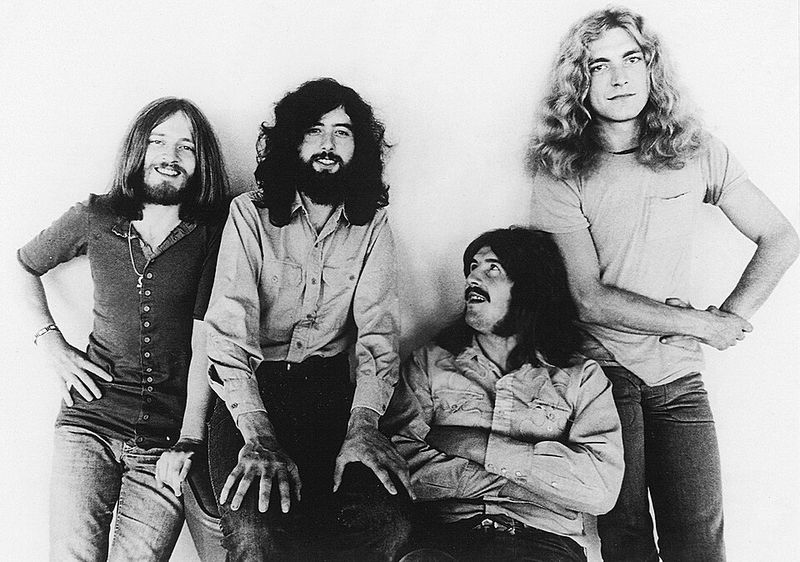
Circumstances shaped the ending, yet the response showed unmistakable respect and restraint.
After drummer John Bonham died in 1980, the remaining members were confronted with a decision no band ever wants to face.
Rather than finding a replacement and continuing, they made the deliberate choice to end the group altogether.
By stopping there, they safeguarded a legacy of groundbreaking hard rock from ever slipping into something lesser.
2. Talking Heads

Art rock pioneers know when the creative well runs dry.
By 1991, internal tensions and diverging artistic visions made continuing pointless.
David Byrne and company had already crafted masterpieces like ‘Remain in Light’ and ‘Stop Making Sense.’
Rather than releasing mediocre albums just to stay relevant, they walked away.
Their influence on alternative rock and electronic music remains massive.
Sometimes the smartest move is admitting you’ve said everything you needed to say.
3. The Beatles
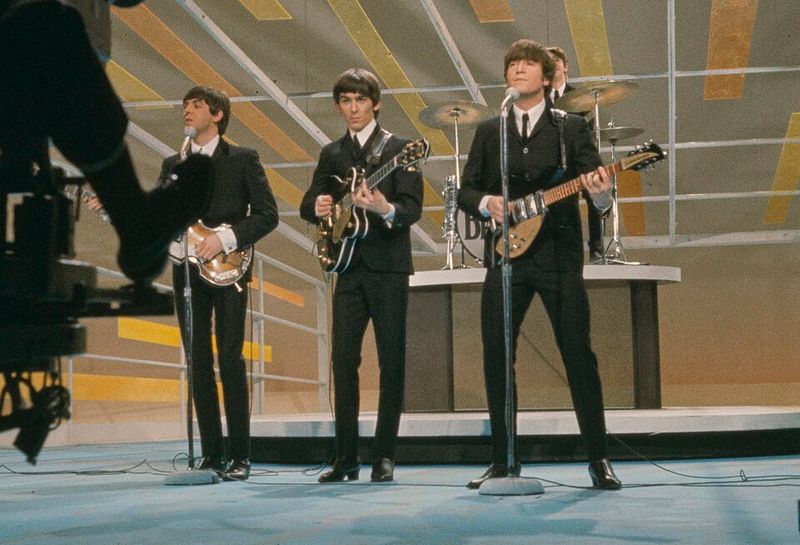
Ending a band at the height of fame requires courage that few groups ever manage to summon.
After ruling the 1960s with groundbreaking albums and cultural influence that permanently reshaped music, they chose to stop in 1970.
Instead of stretching things thin and letting onstage chemistry unravel, they protected what made the work special.
Decades later, fans still argue about what might have come next, and that lingering mystery feels exactly right.
4. R.E.M.
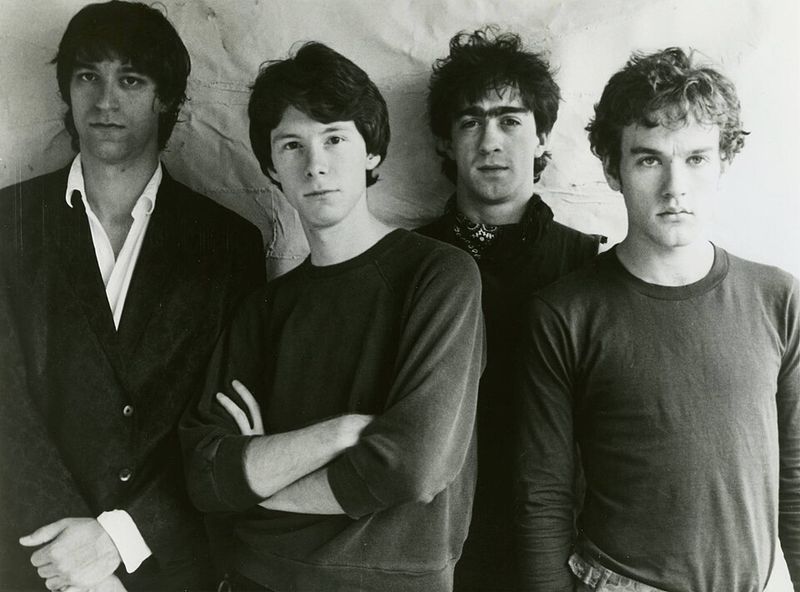
Thirty years together counts as an impressive lifespan for almost any band.
Formed in 1980 and rising to the status of alternative rock royalty, R.E.M. officially announced their breakup in 2011.
According to the band, the decision came from a shared understanding that they had reached a natural stopping point.
Without scandal or resentment, they chose honesty over drama and acknowledged that the journey had run its course.
5. Daft Punk
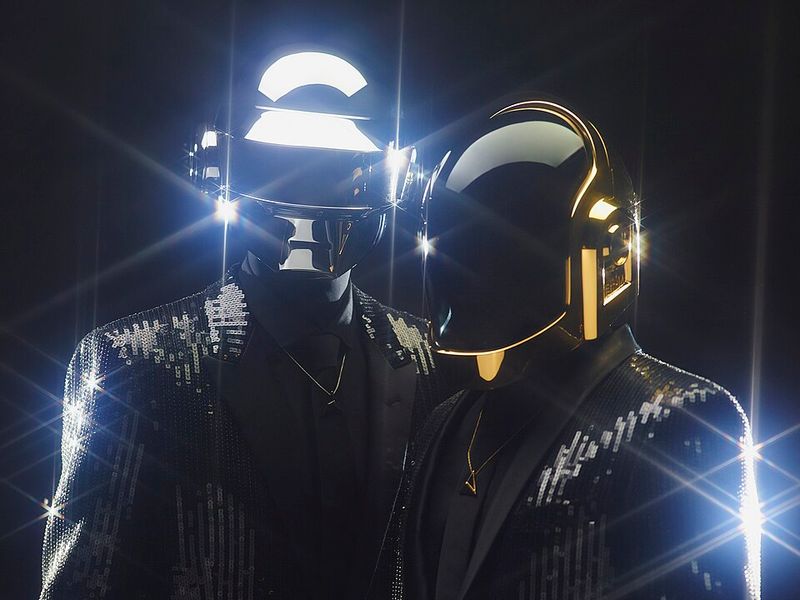
Going out with a cinematic bang beats fading into obscurity.
In 2021, the French electronic duo released an eight-minute video titled ‘Epilogue’ announcing their split after 28 years.
No explanation, no farewell tour, just a dramatic explosion in the desert.
Their influence on electronic music, pop, and dance culture is immeasurable.
By maintaining mystery until the very end, they stayed true to their enigmatic brand.
That’s how robots retire.
6. The White Stripes

Keeping things simple was always their advantage, and they understood not to complicate the final chapter.
With nothing more than guitar, drums, and fierce energy, Jack and Meg White reignited garage rock for a new generation in the 2000s.
When the breakup arrived in 2011, the message stayed brief, grateful, and focused on moving forward into separate creative paths.
There were no public feuds, dramatic statements, or confession-style interviews chasing attention.
Even endings, it turns out, benefit from a minimalist touch.
7. The Smiths
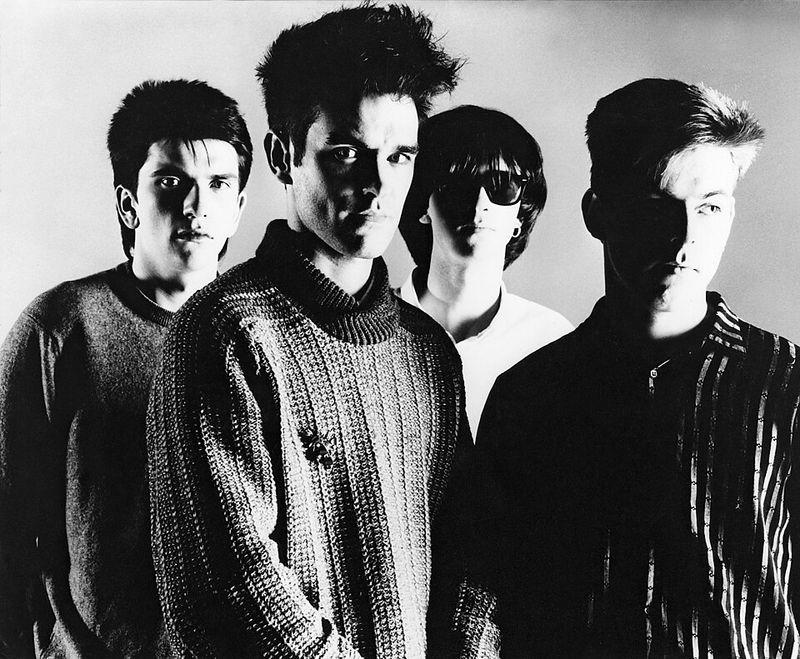
Morrissey and Johnny Marr created magic together, but magic doesn’t last forever.
From 1982 to 1987, they crafted some of the most influential indie rock ever recorded.
Creative differences and personal tensions eventually made collaboration impossible.
Rather than limping along and tarnishing their brilliant catalog, they split.
Decades later, fans still beg for a reunion that will never happen.
That unrequited longing only amplifies their legendary status.
8. Joy Division

At times, the conclusion is shaped by forces no one can control.
After vocalist Ian Curtis died in 1980, the remaining members were left confronting an impossible crossroads.
His haunting voice and stark lyrical presence were so central that separating them from the band felt unthinkable.
Instead of moving forward unchanged, they chose a new identity as New Order and pursued a completely different musical direction.
Even so, Joy Division’s brief yet potent body of work continues to stand as a defining pillar of post-punk history.
9. The Clash
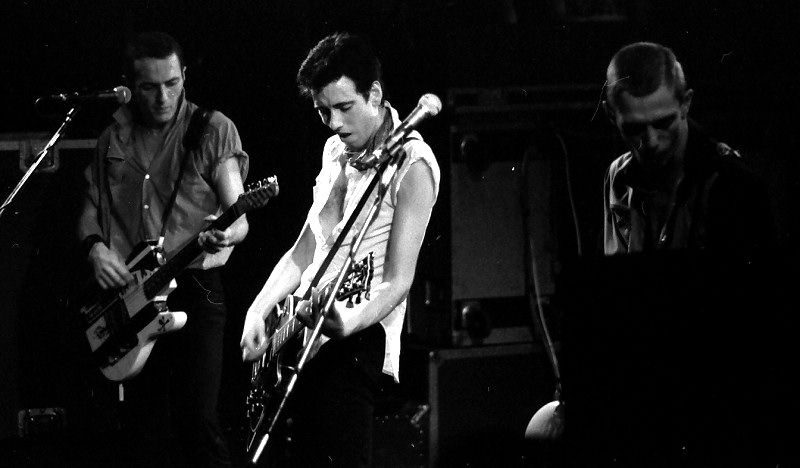
Punk rock thrives on intensity and speed, and their career embodied that spirit without compromise.
Throughout the years between 1976 and 1986, they poured political anger and urgency into music that pushed boundaries and challenged authority.
Over time, internal disputes and constant lineup shifts slowly eroded the spark that once set them apart.
Reaching 1986, pressing forward would have meant abandoning the very rebellious ideals they had built everything on.
Sometimes it is better to disappear in flames than to evolve into the thing you originally fought against.
10. Cream
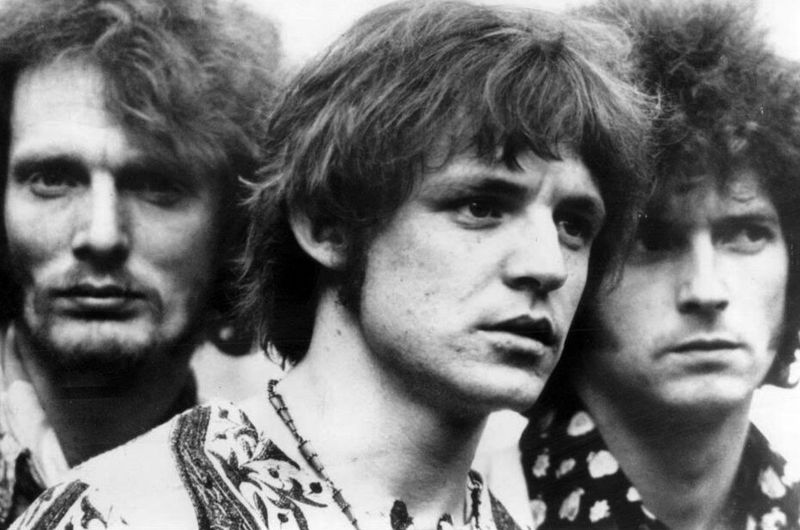
Supergroups rarely last, and Cream proved why in just two years.
Eric Clapton, Jack Bruce, and Ginger Baker created explosive blues rock between 1966 and 1968.
Massive egos and constant fighting made the band unbearable despite commercial success.
They wisely disbanded before hatred destroyed their musical achievements.
Their brief existence produced classics like ‘Sunshine of Your Love’ and ‘White Room.’
Short and explosive beats long and resentful every single time.
11. The Velvet Underground
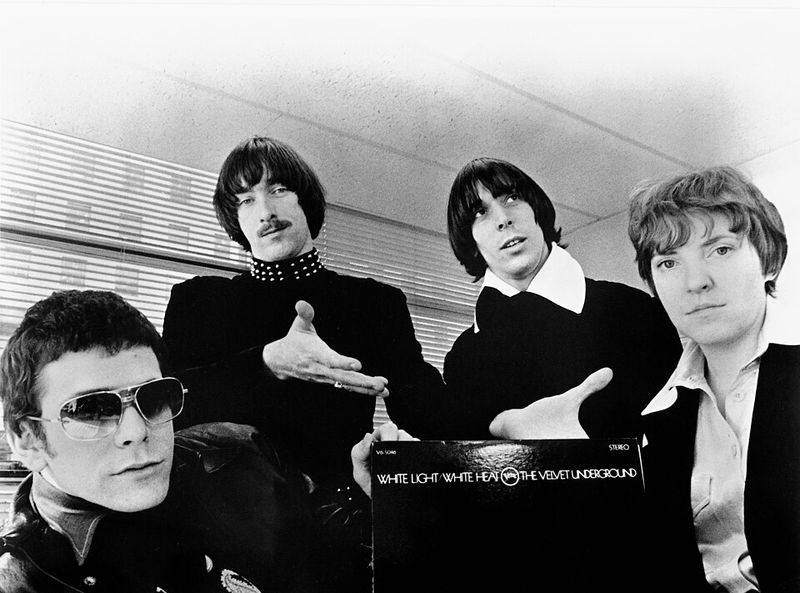
Artistic success does not always line up with sales numbers, and their story stands as proof of that truth.
Across the years spanning 1965 to 1973, they crafted bold, experimental rock that sold poorly at the time yet became a blueprint countless artists later copied.
Once Lou Reed left in 1970, the creative engine that defined the band effectively shut down.
Although the group lingered on briefly in name, the spark that once drove it forward was clearly gone.
After the curtain closed, their influence only intensified, shaping the rise of punk, alternative, and indie rock movements.
12. Nirvana

Kurt Cobain’s passing in 1994 brought one of rock’s most important chapters to a close.
In just seven years, the band reshaped alternative music and mainstream culture alike.
Dave Grohl and Krist Novoselic chose not to continue under the Nirvana name.
That decision preserved the band’s integrity and cultural impact.
Their limited catalog remains more influential than many artists’ lifelong careers.
13. Sex Pistols
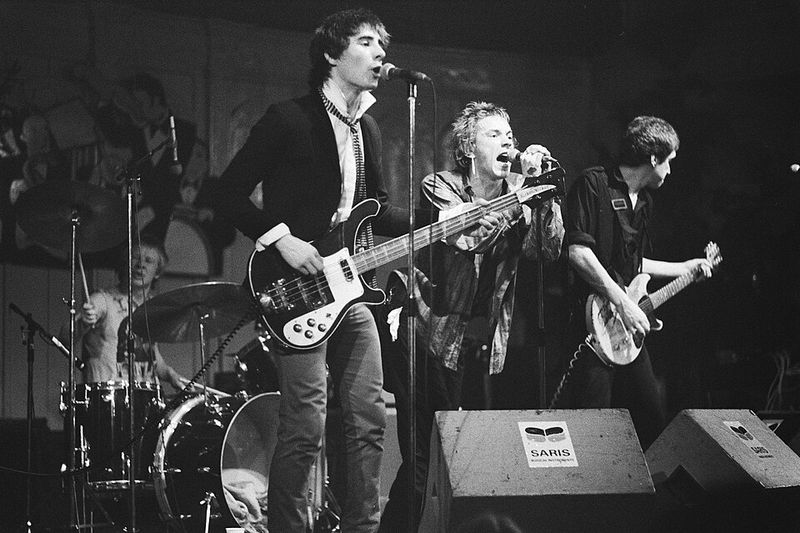
Punk rock’s most infamous band burned brightly for barely two chaotic years.
Between 1975 and 1978, they shocked Britain, shattered expectations, and permanently rewired the sound of popular music.
The final show in San Francisco closed with Johnny Rotten delivering the now-legendary line, “Ever get the feeling you’ve been cheated?”
That single question captured punk’s raw nihilism more perfectly than any manifesto ever could.
Later reunion tours surfaced, yet the intensity and purity of the original run stayed untouched.