Famous On-Screen Characters That Never Revealed A Name
Some characters walk into a story, take over the whole thing, and still leave one basic question hanging in the air. No full name.
A name is usually the easiest detail to hand over, yet a few on-screen figures manage to feel complete without one, which honestly feels a little like narrative sorcery.
And every now and then, not knowing exactly who someone is makes them even more interesting than a tidy backstory ever could.
1. The Man with No Name — Dollars Trilogy
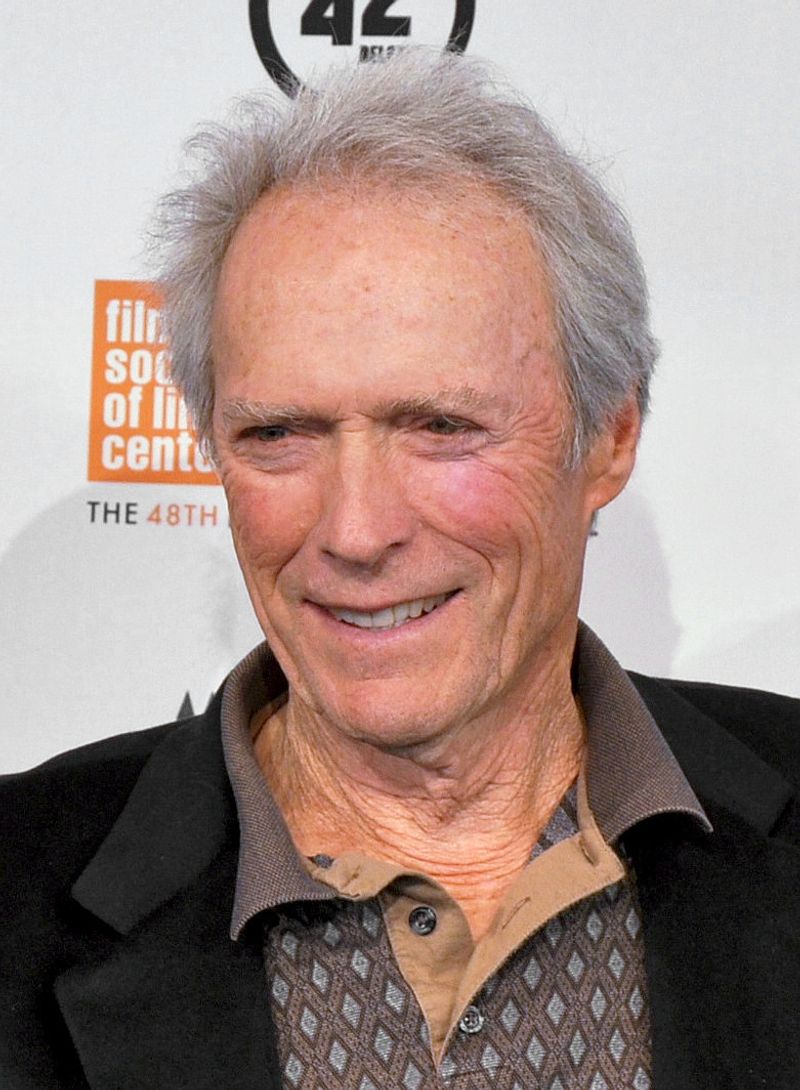
Picture the coolest cowboy who ever squinted into the sun. Clint Eastwood’s iconic gunslinger in Sergio Leone’s Dollars Trilogy never officially introduced himself, and honestly, he didn’t need to.
Called “Joe” once in A Fistful of Dollars, his real name stayed locked away like treasure. That deliberate silence made audiences lean forward, not backward.
How does a character with no name become the most recognizable face in Western cinema? By letting every action speak louder than any introduction could.
2. The Driver — Drive (2011)
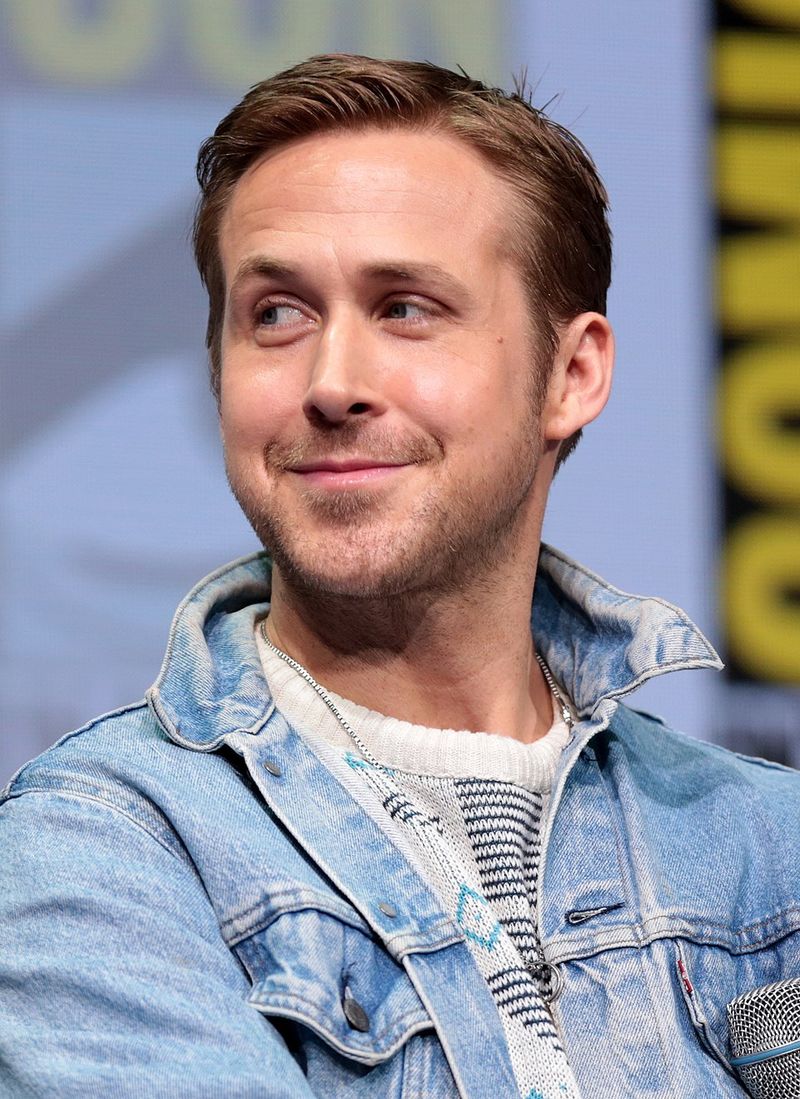
Silence can be a superpower. Ryan Gosling’s character in Drive (2011) speaks maybe 116 words in the entire film, yet commands every single scene he occupies.
Known only as “Driver,” he’s a Hollywood stunt driver by day and a getaway driver by night. His namelessness isn’t an accident – it’s armor.
Without a backstory neatly labeled by a name, audiences project their own feelings onto him. That white scorpion jacket became instantly iconic, almost like a superhero costume.
3. The Narrator — Fight Club (1999)
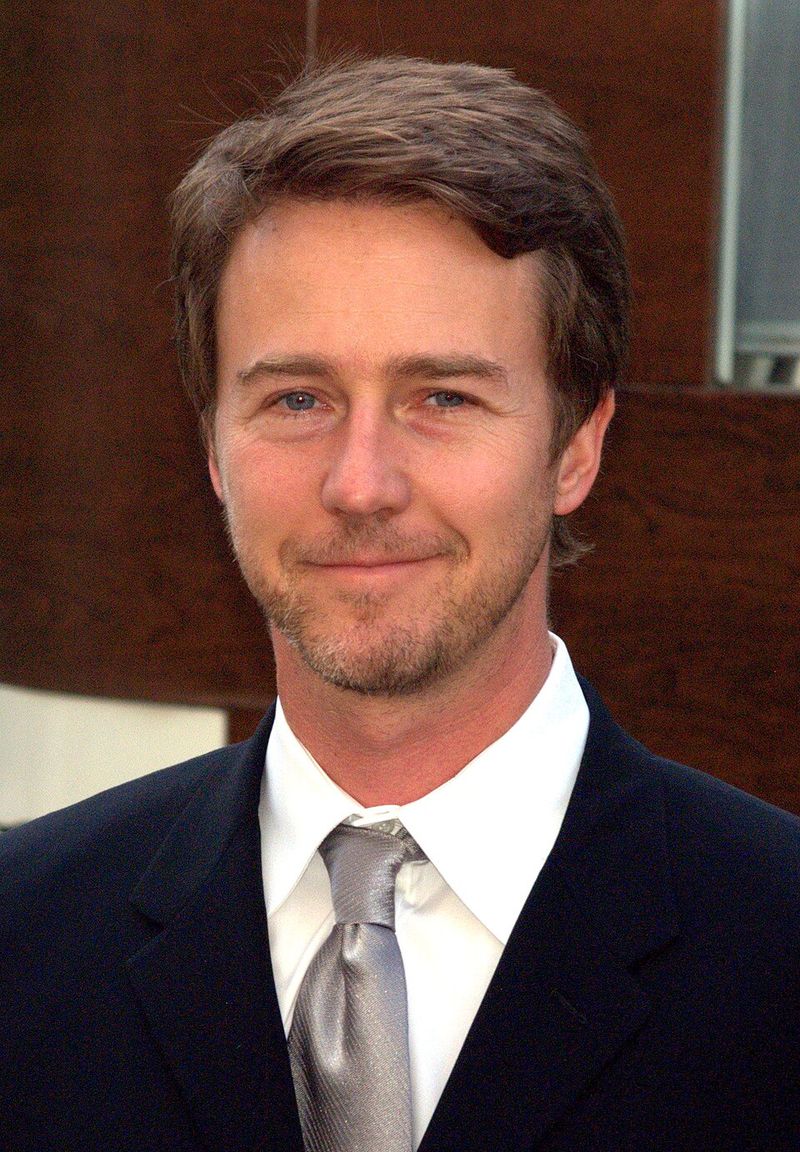
Edward Norton’s character in Fight Club (1999) is officially credited as simply “The Narrator,” and that choice speaks volumes.
His missing name mirrors his missing identity – a man so lost inside corporate routine that he barely exists as a real person at all.
His voiceover pulls you straight into his fractured world from the very first minute. No name means no anchor, and that’s exactly the point.
Fun fact: director David Fincher reportedly considered naming him but decided the anonymity was too perfect to break.
4. The Driver — Duel (1971)
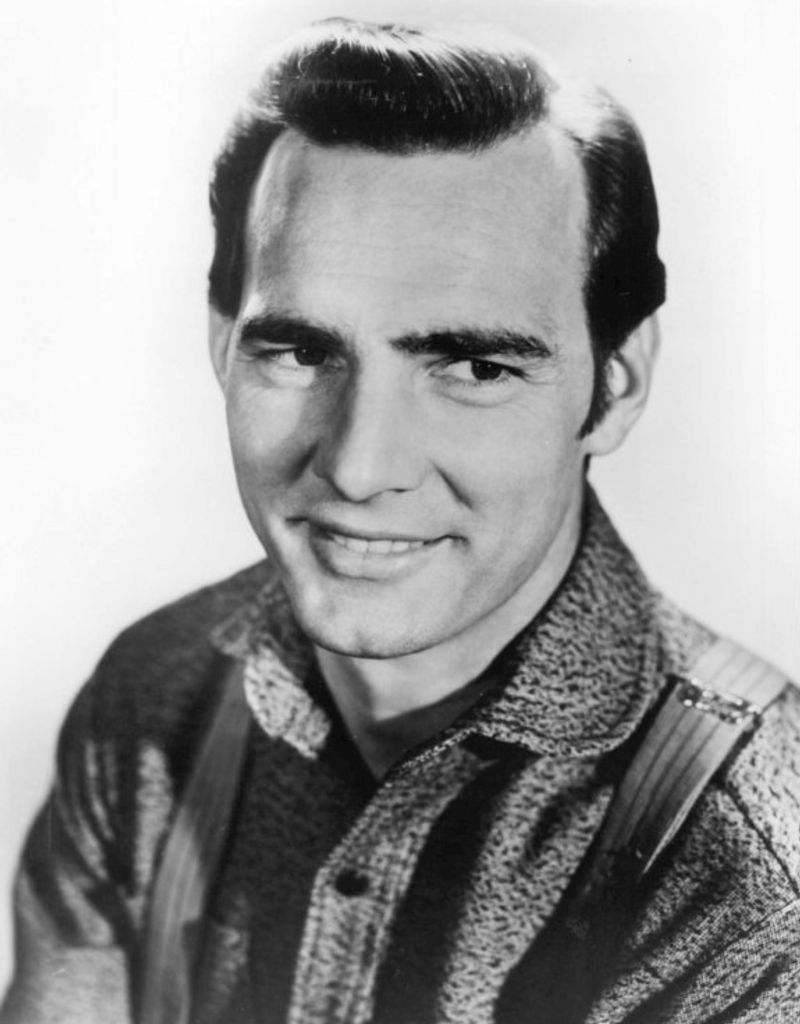
Steven Spielberg’s very first feature film, Duel (1971), is basically a masterclass in tension built from almost nothing.
Dennis Weaver plays an ordinary businessman whose road trip turns into a terrifying cat-and-mouse chase with a faceless truck.
His character? Simply called “David Mann” in the script, though the truck driver is never named or clearly seen at all, making the villain even more terrifying.
However, the real nameless terror here is the truck itself – a mechanical creature with no face, no motive, no explanation.
5. The Tramp — Charlie Chaplin’s Classic Persona
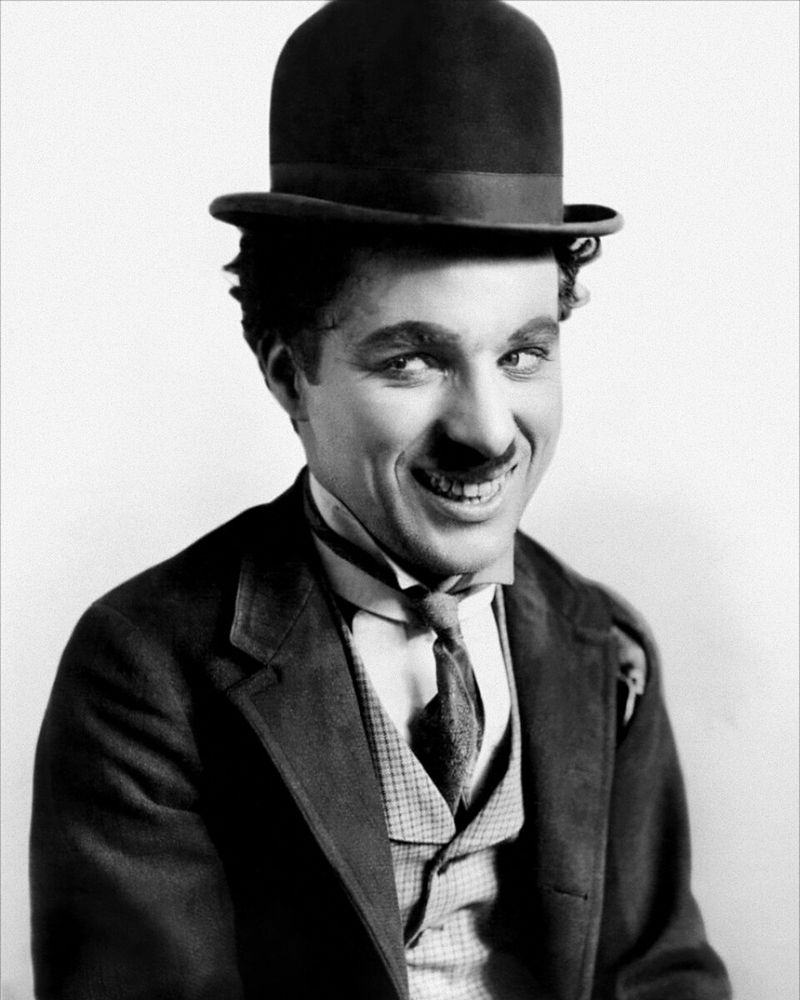
Long before superhero franchises ruled cinemas, one man in a bowler hat and oversized shoes captured the entire world’s heart.
Charlie Chaplin’s beloved Tramp character appeared across dozens of films from the 1910s through the 1930s, yet never once had a confirmed name in any of them.
That was entirely intentional. The Tramp represented every struggling, hopeful, slightly clumsy person on the planet – giving him a name would have made him too specific, too small.
Without one, he belonged to everyone.
6. The Woman — Rebecca (1940)
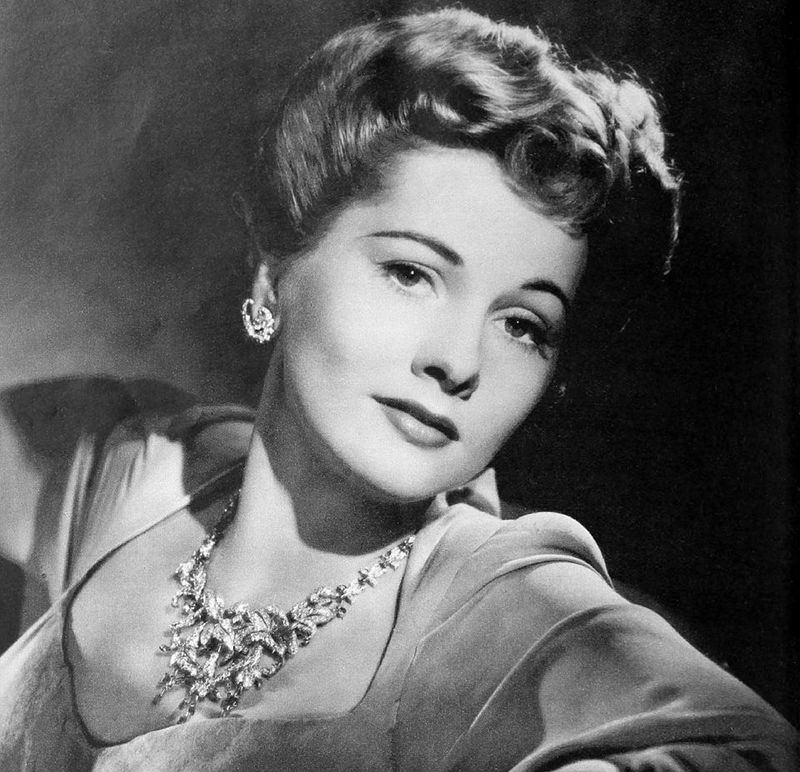
Alfred Hitchcock’s Rebecca (1940) pulled off something genuinely remarkable – building an entire film around a protagonist who is never given a name.
Joan Fontaine’s character is always referred to as “the second Mrs. de Winter,” overshadowed completely by the memory of the first wife, Rebecca.
That namelessness wasn’t a writing oversight; it was a deliberate artistic choice from Daphne du Maurier’s original novel.
Without a name, the character feels perpetually small and haunted. It perfectly captures her emotional state throughout the story.
7. The Doctor’s Wife — Blindness (2008)
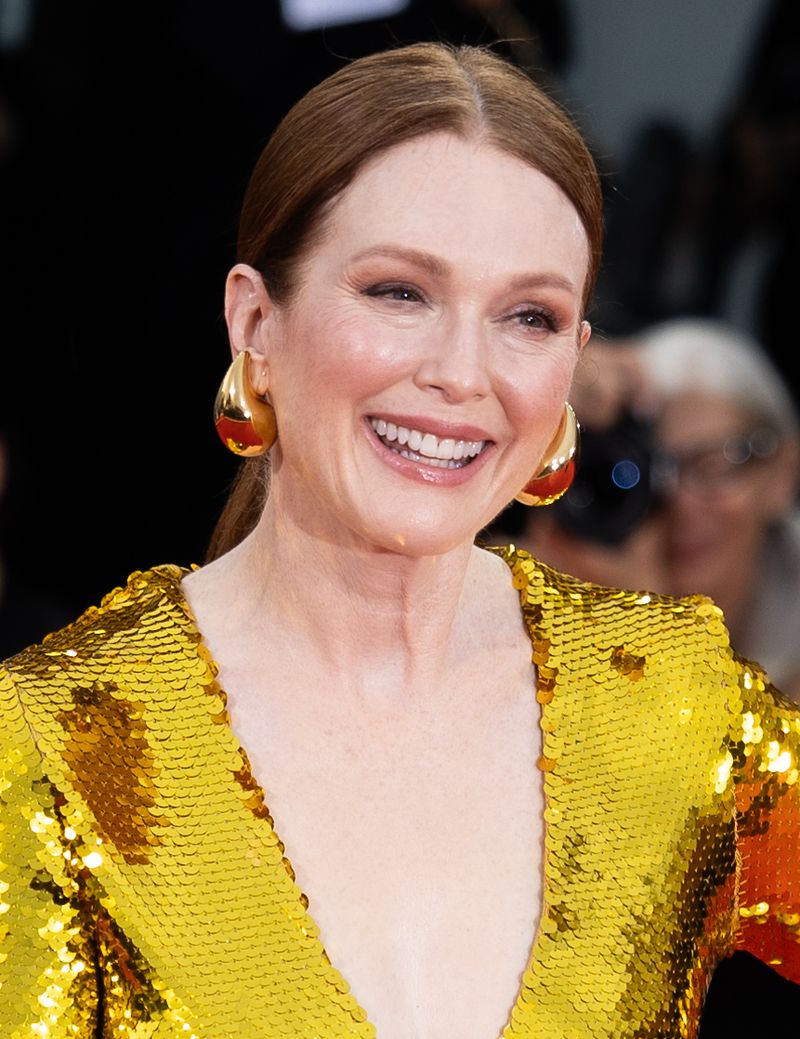
In Fernando Meirelles’ haunting film Blindness (2008), Julianne Moore plays the only sighted person in a world suddenly struck by mass blindness.
Her character is never given a name, referred to only as “the Doctor’s Wife.” Yet she becomes the story’s moral backbone, its compass in total chaos.
Her identity is defined entirely by her relationship and her actions, not by any label. That choice forces audiences to focus on what she does rather than who she is on paper.
Moore delivers a raw, fearless performance that earned widespread critical admiration.
8. The Doctor — Blindness (2008)
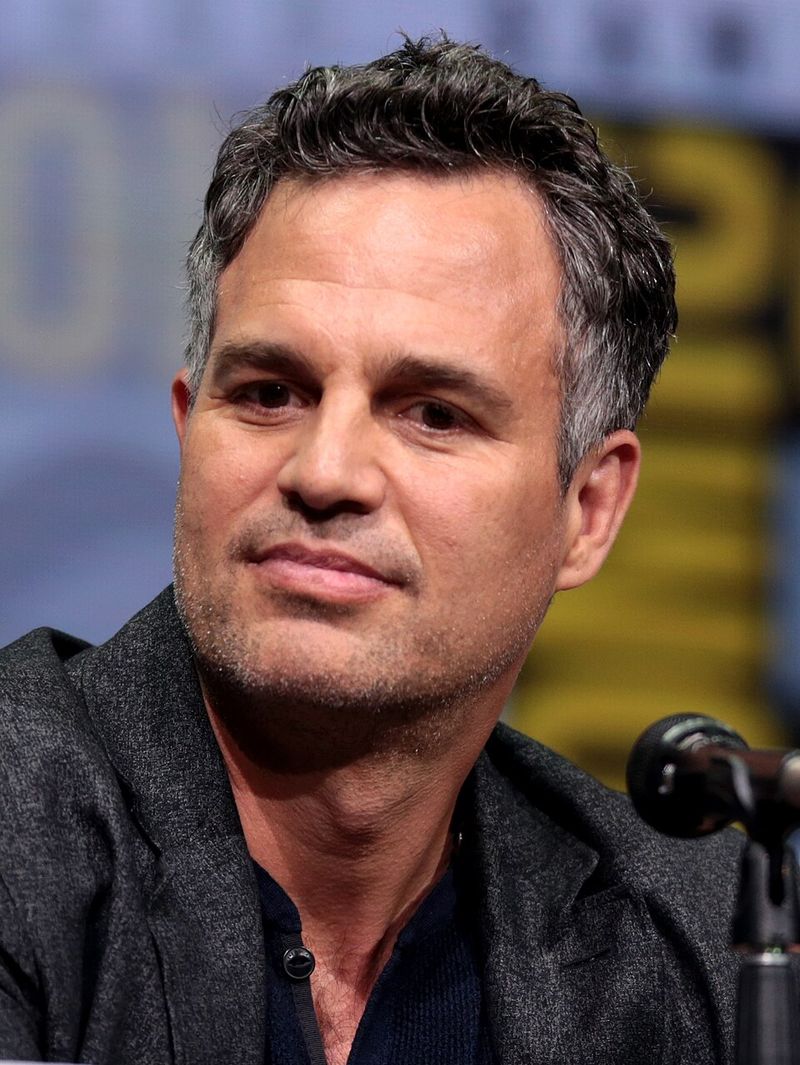
Mark Ruffalo’s character in Blindness (2008) is simply called “the Doctor” – an ophthalmologist who is among the first to be struck by the mysterious epidemic of white blindness.
Ironically, the eye doctor loses his sight before almost anyone else, which feels like a cruel cosmic joke. Without a name, he becomes a symbol of helplessness rather than expertise.
His professional identity collapses right along with his vision. Ruffalo portrays the character’s disorientation with quiet heartbreak, making every stumble feel painfully real.
9. The First Blind Man — Blindness (2008)

Every epidemic has a patient zero, and in Blindness (2008), that role belongs to “the First Blind Man.”
Played by Yusuke Iseya, he’s the first person in the film to be struck by the mysterious white blindness while stopped at a traffic light. Scary stuff.
His namelessness makes perfect sense – he’s not really a character so much as a starting point, a crack in the world through which everything terrible begins to pour.
Though his screen time is limited, his role is enormous. Without him, there’s no story, no epidemic and no survival drama.
10. The Girl — The Birds (1963)
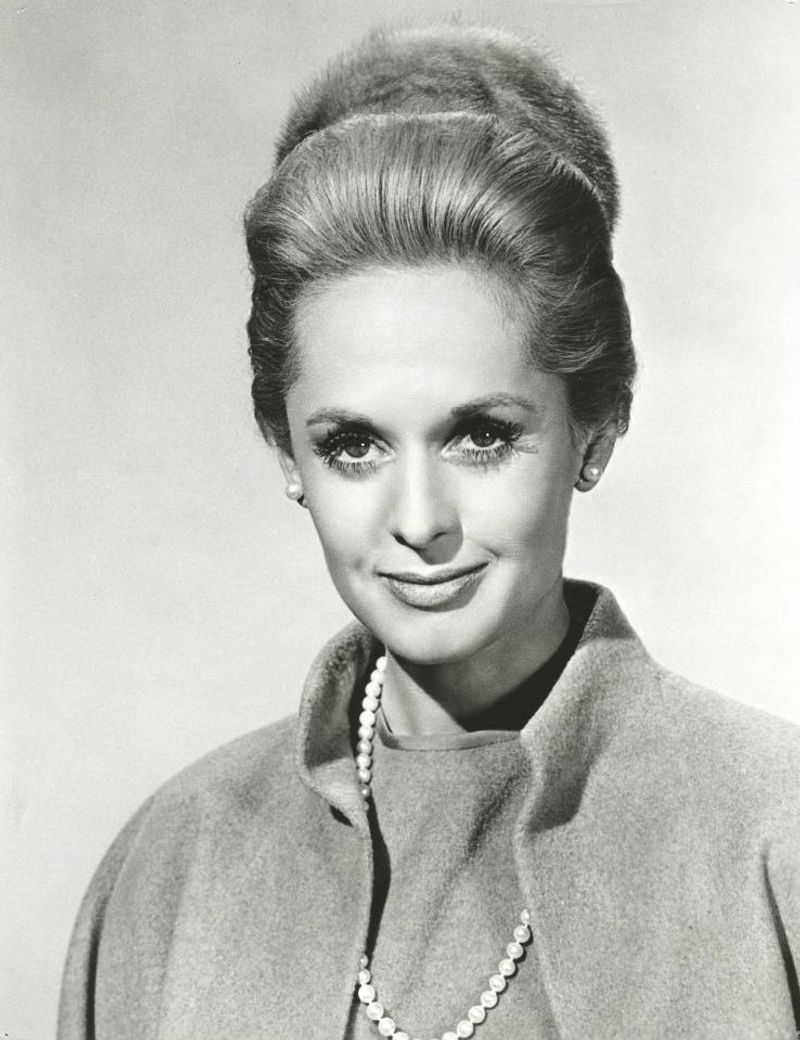
Hitchcock strikes again!
In The Birds (1963), Tippi Hedren plays a socialite known simply as “Melanie Daniels” in the credits, though within the film’s world she’s mostly referred to as “the girl” by other characters, reducing her to an object rather than a person.
Hitchcock deliberately kept her defined by others’ perceptions, making her vulnerability feel even more acute when the birds begin their relentless attacks.
Hedren’s performance remains genuinely chilling decades later. If you’ve ever watched seagulls a little too carefully after seeing this film, you’re absolutely not alone.
11. The Man — The Road (2009)
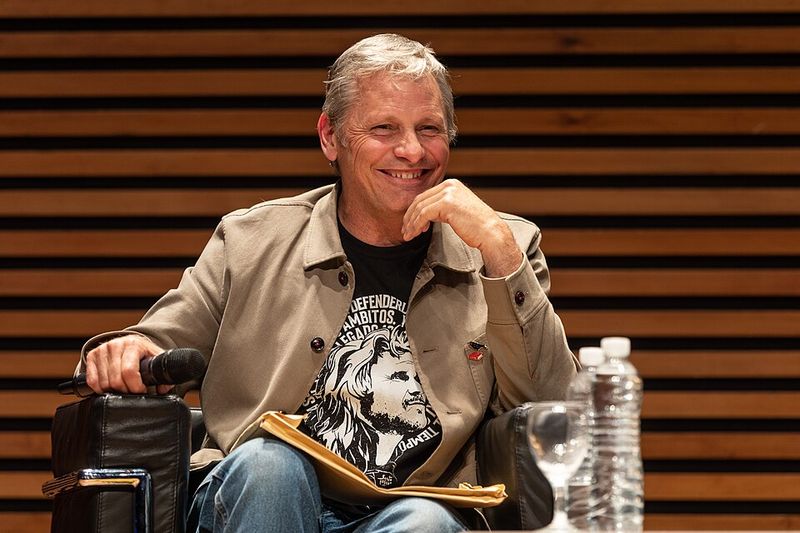
Viggo Mortensen’s character in The Road (2009), adapted from Cormac McCarthy’s Pulitzer Prize-winning novel, is known only as “the Man.”
In a world reduced to ash and survival instincts, names feel like luxuries nobody can afford anymore.
His entire existence revolves around one mission: keeping his son alive. That singular focus strips everything else away, including identity.
Without a name, he becomes every parent, every protector, every person who has ever fought desperately for someone they love.
12. The Boy — The Road (2009)
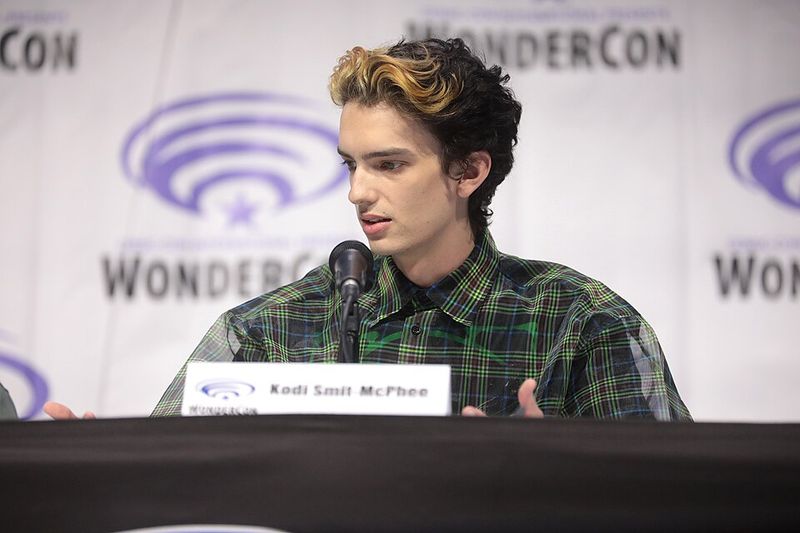
Kodi Smit-McPhee played “the Boy” in The Road (2009) with extraordinary emotional depth for someone so young.
Like his father, he has no name – just a role, a relationship, an unbreakable bond holding the story together through every brutal moment.
Where his father carries the weight of the old world, the Boy represents whatever flicker of hope remains. His innocence and moral questioning become the film’s conscience.
13. Driver — The Driver (1978)
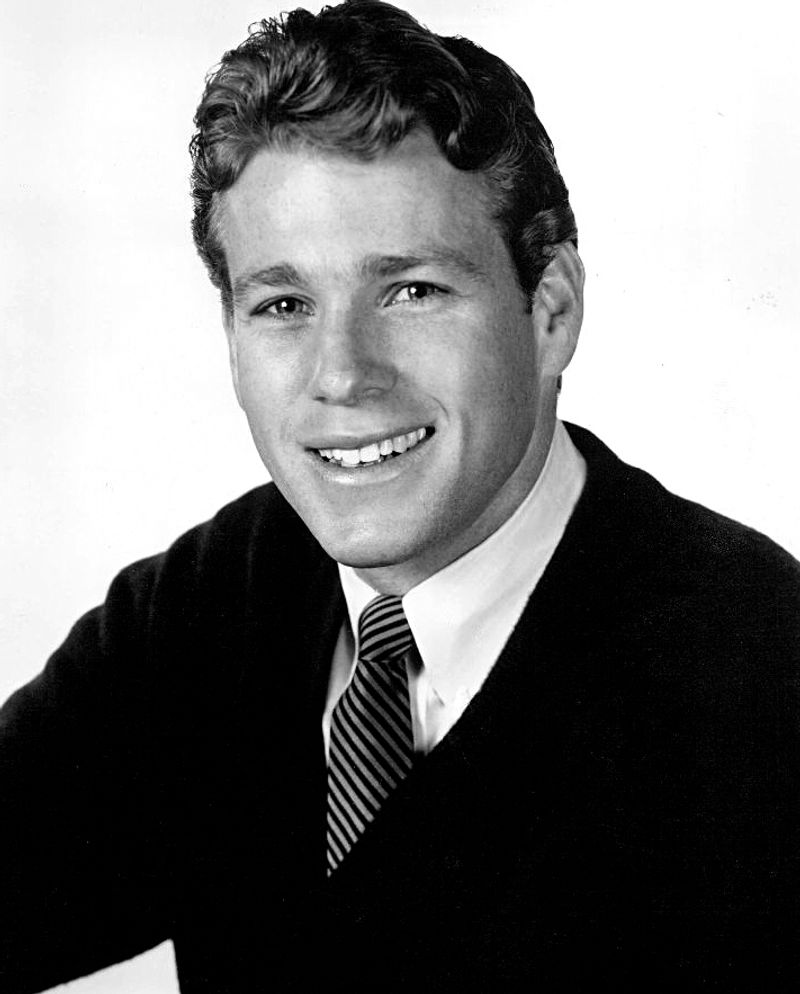
Long before Ryan Gosling made the “silent getaway driver” archetype famous, Ryan O’Neal played the original in Walter Hill’s The Driver (1978).
His character is listed in the credits simply as “Driver” – no history, no first name, no backstory offered or required.
Hill intentionally stripped the character down to pure function, almost like a chess piece rather than a conventional protagonist.
What results is strangely hypnotic. The less we know about Driver, the more fascinating he becomes.