7 Old-West Dishes That Would Make Modern Foodies Blink Twice
Picture a dusty cowboy trail where dinner options were limited and creativity was king.
The Wild West wasn’t exactly known for fancy restaurants or takeout menus.
Cowboys, pioneers, and settlers made do with whatever they could hunt, gather, or preserve, which led to some truly surprising dishes that would make modern eaters do a double take.
One minute we’re obsessed with spicy snacks, the next we’re pretending celery juice is the answer to everything.
Back then, survival shaped every recipe, and flavor was often a happy accident rather than the goal. What we see as unusual today was simply everyday fuel for life on the frontier.
As tastes evolve and trends shift, it’s fascinating to look back at the rugged meals that once kept the Wild West running.
Disclaimer: These foods are based on historical accounts from frontier life, and ingredients or preparation methods varied widely across regions and communities.
Not all dishes were eaten universally, and some may not align with modern health, ethical, or safety standards.
This content is intended for educational and historical insight rather than culinary recommendation.
7. Son-Of-A-G*n Stew
Cowboys never wasted a single scrap when processing cattle out on the range.
Every part of the animal found its way into the cooking pot, including organs that most folks today wouldn’t touch with a ten-foot pole.
Son-of-a-G*n Stew was born from this practical approach to frontier cooking.
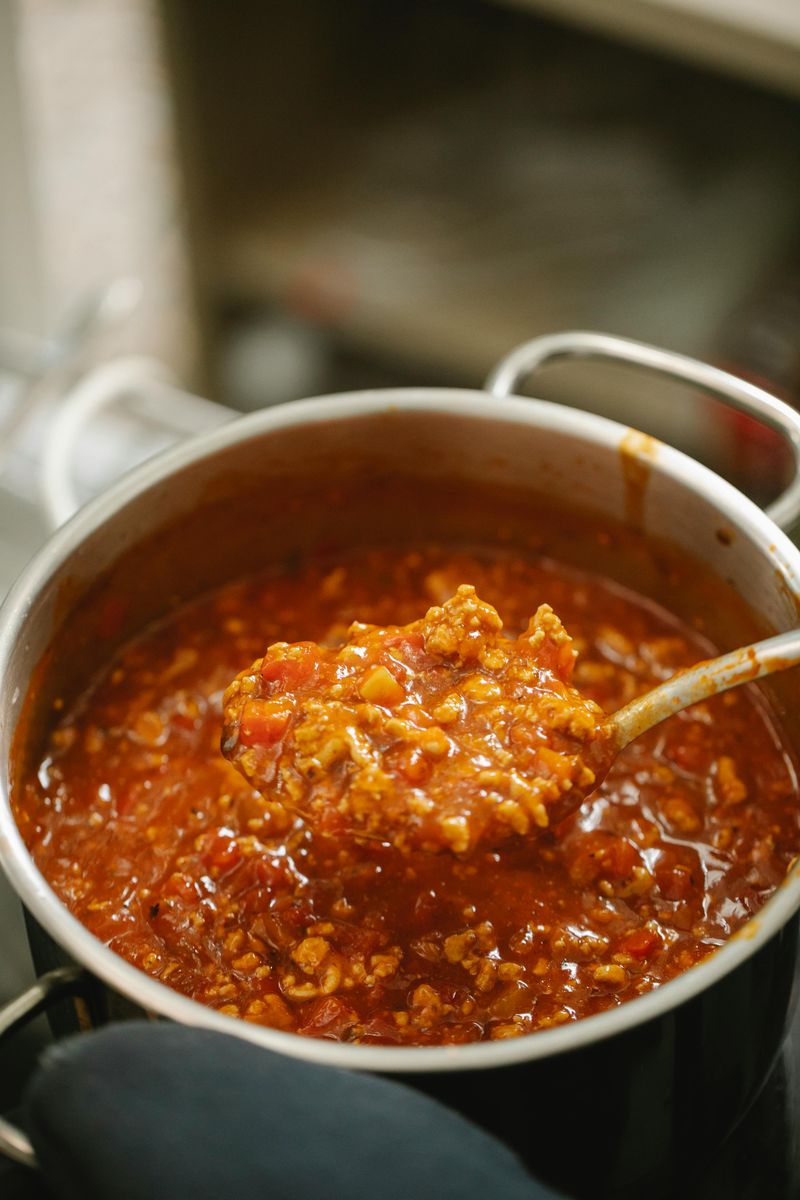
Beef heart, liver, marrow gut, and even brains got tossed into a bubbling pot with whatever vegetables were handy.
The result was a thick, protein-packed meal that kept working cowboys fueled through long days on horseback.
Ranch cooks simmered this mixture for hours until everything melted together into something surprisingly tasty.
Modern grocery stores offer nice, neat packages of muscle meat, so the idea of eating organ stew sounds wild.
Back then, though, throwing away perfectly good nutrition wasn’t an option.
This stew represented survival smarts and respect for the animals that fed hungry frontier families.
Fun fact: The stew’s colorful name was actually a polite version of a much spicier phrase cowboys used around the campfire!
Resource fulness never tasted so hearty.
6. Rocky Mountain Oysters
Here’s a dish that proves pioneers had a sense of humor alongside their survival skills.
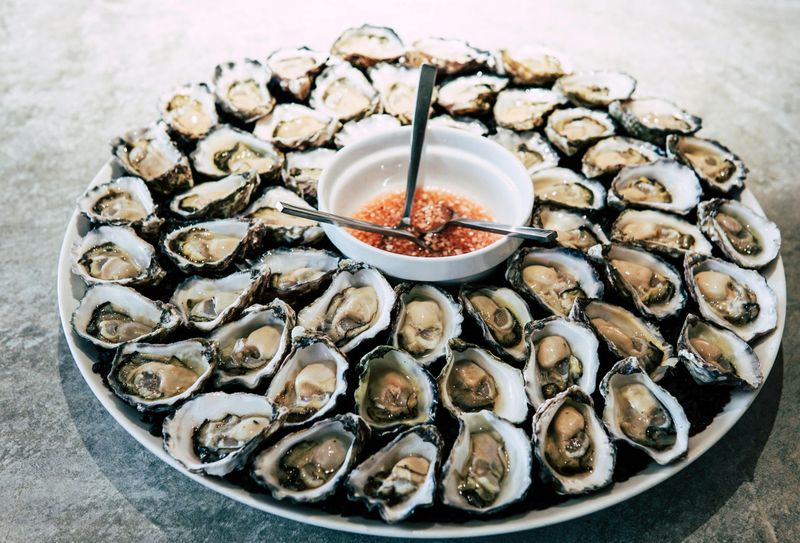
Rocky Mountain Oysters aren’t seafood at all, despite what the fancy name suggests.
They’re actually bull testicles, breaded and fried up crispy like chicken nuggets.
Ranchers in the western states discovered that these parts could be turned into something surprisingly edible when prepared right.
The meat gets sliced thin, coated in seasoned flour or breadcrumbs, then fried until golden brown.
People who try them often say the texture is tender and the flavor is mild, somewhere between chicken and veal.
This delicacy still shows up at certain restaurants and festivals across Montana, Colorado, and other western states today.
It takes some serious courage for first-timers to take that initial bite, though!
The clever nickname probably helped squeamish eaters feel braver about trying something so unusual.
Cowboys appreciated the protein boost and the fact that nothing from their livestock went to waste.
Modern diners might need a blindfold and a dare from their friends before sampling this particular frontier treat.
Talk about taking farm-to-table eating seriously!
5. Fried Rattlesnake
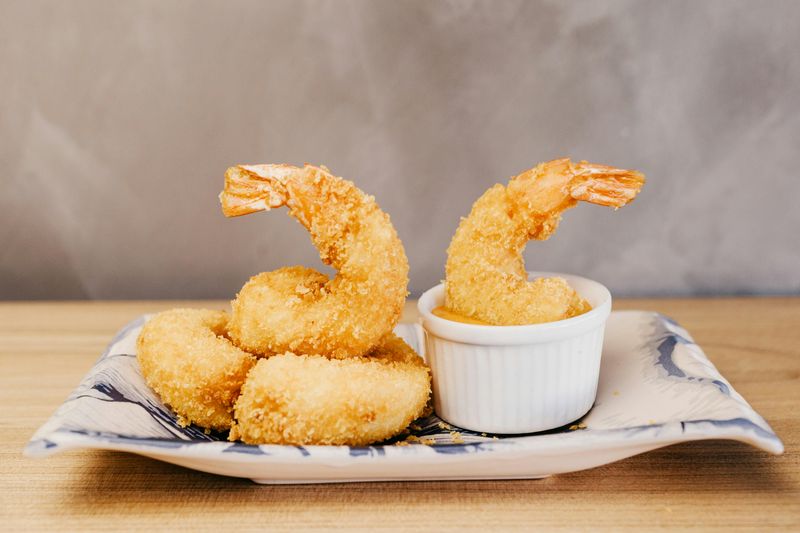
When you’re trekking through the Arizona desert and a rattlesnake crosses your path, why not turn danger into dinner?
That’s exactly what frontier folks figured out pretty quickly.
Rattlesnake meat became a protein source that was both available and, well, already right there.
The preparation involves skinning the snake, cutting the meat into manageable pieces, then coating everything in seasoned batter.
After a good fry in hot oil, the result is crunchy on the outside and surprisingly tender inside.
Folks often compare the taste to chicken, though it has its own unique flavor that’s slightly gamey and interesting.
Arizona restaurants still serve this dish as a local specialty, celebrating the state’s rugged heritage.
Trying fried rattlesnake feels like eating a piece of Wild West history, complete with bragging rights.
The meat is actually lean and high in protein, making it a healthier option than many modern fried foods.
Imagine telling your friends back home that you ate the very creature that makes hikers nervous!
Pioneers didn’t have the luxury of being picky eaters, so they got creative with whatever nature provided.
This dish proves that adventure and appetite went hand in hand on the frontier.
4. Hardtack
Forget soft, fluffy bread that goes stale after a few days.
Hardtack was basically the opposite of everything delicious about baked goods.
Miners, soldiers, and pioneers relied on these rock-hard biscuits because they lasted forever without spoiling.
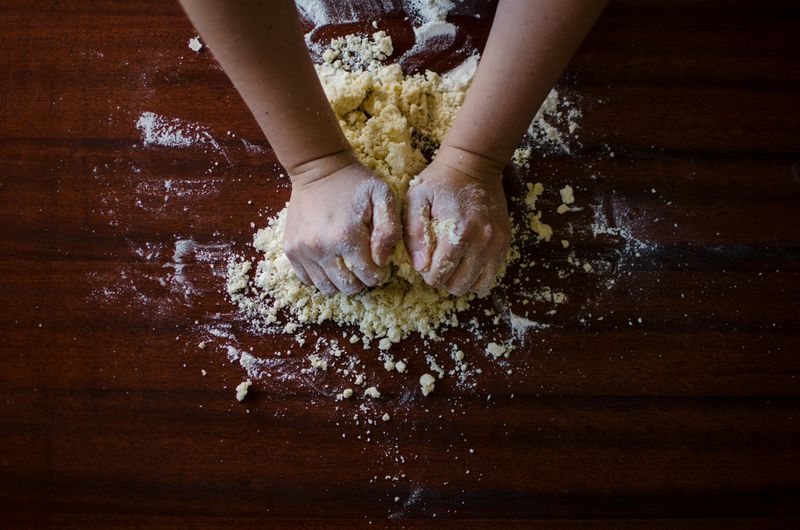
The recipe couldn’t be simpler: flour, water, and salt mixed together, then baked until completely dry.
What came out of the oven was so tough that people nicknamed it “tooth dullers” and “sheet iron crackers.”
You couldn’t just bite into hardtack unless you wanted to risk breaking a tooth!
Travelers had to soak these biscuits in coffee, water, or stew to soften them enough to chew.
Sometimes the hardtack got so old that weevils and other bugs moved right in, adding unwanted protein to the mix.
People would tap their hardtack against the table to knock out any critters before eating.
Modern grocery stores overflow with fresh bread options, so the idea of gnawing on hardened flour bricks seems almost comical.
Back then, though, this simple food meant survival on long journeys where fresh supplies were impossible to find.
Hardtack wasn’t tasty, but it kept bellies from rumbling when nothing else was available.
3. Frybread

Out of hardship and resilience came something unexpectedly delicious.
Frybread holds deep cultural significance for Native American communities, born during difficult times when traditional ingredients became scarce.
The government provided flour, sugar, salt, and lard to Native families, and creative cooks transformed these basic supplies into something special.
The dough gets mixed, stretched flat, then dropped into hot oil where it puffs up like magic.
What emerges is crispy on the outside, pillowy soft on the inside, and absolutely irresistible when served warm.
People enjoy frybread topped with honey, powdered sugar, or even savory ingredients like seasoned meat and beans.
This food represents both struggle and strength, reminding everyone that communities can create beauty even in tough circumstances.
Frybread has become a symbol of cultural identity and survival, celebrated at gatherings and festivals across the country.
Modern diners might not expect such a simple recipe to pack so much meaning and flavor.
Each bite carries stories of adaptation and the determination to preserve traditions despite challenges.
Frybread isn’t just food; it’s living history that continues to bring people together around shared tables and memories.
That’s pretty powerful for something made from just four ingredients!
2. Pemmican
Long before energy bars lined grocery store shelves, pemmican was the original portable power food.
Native peoples perfected this recipe centuries ago, and pioneers quickly caught on to its genius.
Pemmican packed serious nutrition into a compact form that could survive months without refrigeration.
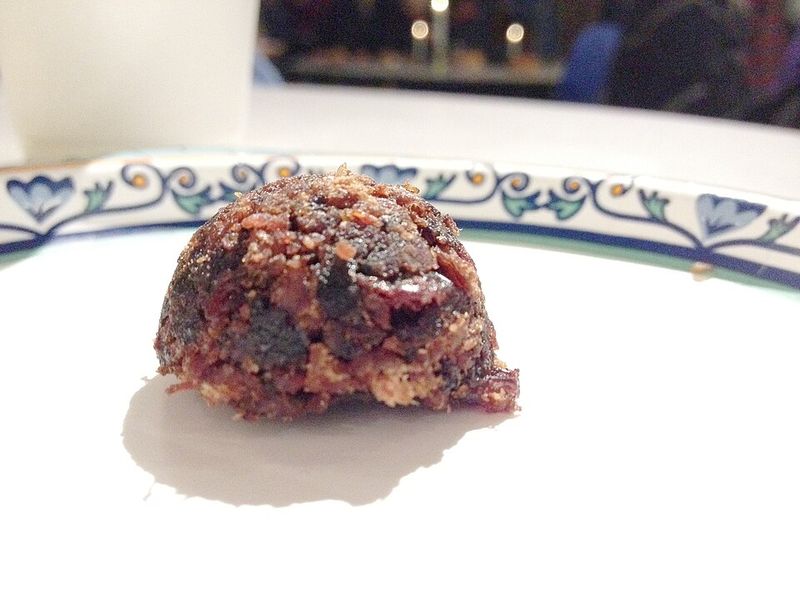
The process started with drying lean meat until it was completely moisture-free, then pounding it into a powder.
Melted fat got mixed in to bind everything together, and sometimes dried berries added a touch of sweetness and extra vitamins.
The mixture was formed into cakes or stuffed into leather pouches for easy carrying.
Trappers, explorers, and anyone facing long journeys through harsh territory relied on pemmican to stay alive.
A small amount delivered concentrated calories and protein that kept people moving when fresh food was impossible to find.
It tasted pretty bland by modern standards, but survival trumped flavor every single time.
Today’s hikers might pack trail mix and protein bars, but pemmican was the original trail food that actually worked.
Some outdoor enthusiasts still make traditional pemmican for camping trips, connecting with frontier survival skills.
Modern taste buds expect more excitement, though, making this historic superfood a hard sell at the dinner table!
1. Vinegar Pie
Dessert on the frontier required some serious creativity when fresh fruit was scarce or downright impossible to find.
Vinegar pie sounds like a prank recipe, but pioneers discovered that vinegar could actually create a surprisingly tasty treat.
This custard pie became a frontier favorite when lemons and other citrus fruits were too expensive or unavailable.
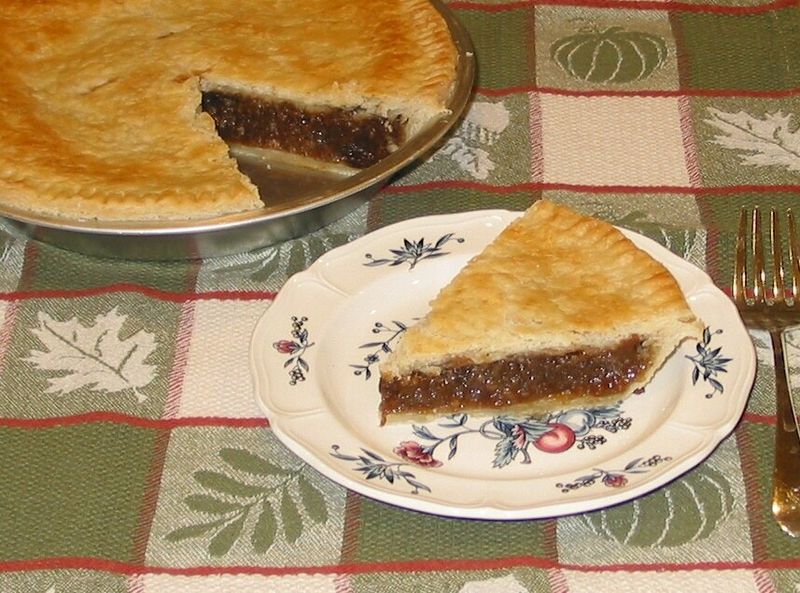
The filling combines vinegar, sugar, eggs, and butter, which somehow transform into a tangy-sweet custard when baked.
The acidity from the vinegar mimics the bright flavor of lemon, creating a dessert that satisfies sweet cravings without fancy ingredients.
Pioneer bakers poured this mixture into pie crusts and hoped for the best.
Modern eaters might wrinkle their noses at the thought of vinegar in dessert, but the finished product doesn’t taste harsh or pickle-like.
Instead, it offers a pleasant balance between sweet and tart that actually works pretty well.
This pie proves that frontier cooks were masters of substitution and making do with what their pantries held.
When life gives you no lemons but plenty of vinegar, you bake a pie and call it delicious!
This dessert represents the resourcefulness that defined Wild West cooking, turning limitations into surprisingly good solutions.
Who knew vinegar could be the secret ingredient to frontier happiness?