3 Oscar Winners Who Said No To Their Academy Awards
Most people dream of holding that little gold statue and thanking half of Hollywood while the orchestra gently tries to play them off.
Yet a few winners at the Academy Awards surprised everyone by doing the unthinkable and saying “thanks, but no thanks.”
Turns out in Hollywood, declining the trophy can make just as much noise as winning it.
Dudley Nichols
At the 1936 ceremony, Dudley Nichols refused the Oscar for The Informer during Screen Writers Guild labor tensions.
Support for the Screen Writers Guild led Dudley Nichols to boycott the Oscars during tense labor negotiations with the studios. An empty chair delivered the message that workers’ rights mattered more than a golden statue.
He later accepted the statuette, after the labor dispute era had shifted. Principles can soften over time, once the fight that sparked them is no longer burning.
Hollywood still remembers that moment as the first Oscar rebellion.
George C. Scott
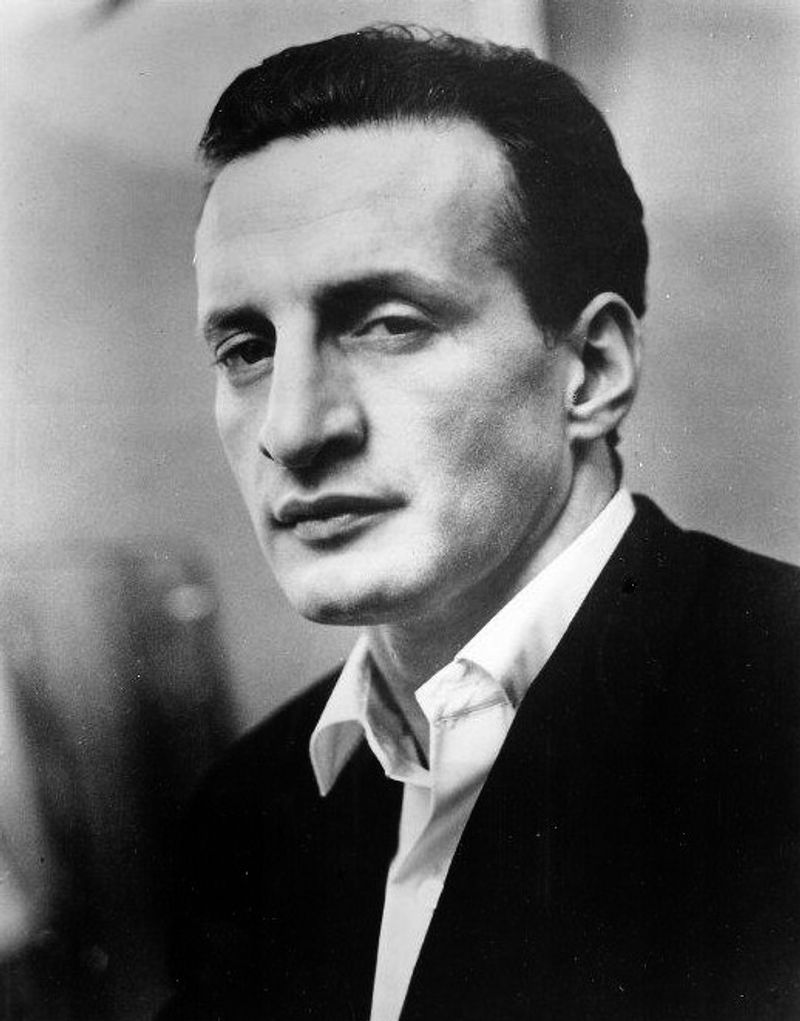
Phones reportedly rang nonstop the morning after George C. Scott declined the 1971 Best Actor award for Patton.
Before the ceremony even began, he had already made clear he viewed the ceremony as a ‘meat parade.’
Personal belief guided that decision, rooted in the idea that actors should not compete against one another like racehorses. Official records from Academy of Motion Picture Arts and Sciences note the refusal, marking him as the first actor to reject the honor outright.
Comments from his daughter later explained that Scott simply rejected the competitive framing of art, preferring his work to stand on its own without a trophy attached.
Marlon Brando
Traditional Apache attire drew immediate attention when Sacheen Littlefeather stepped onto the stage during the 1973 ceremony while Marlon Brando remained at home. A brief statement explained that Brando was declining the Best Actor award for The Godfather as a protest against Hollywood’s treatment and representation of Native Americans.
The room’s reaction split in real time, and the moment quickly became a lasting flashpoint.
Conversation quickly spread beyond the theater, pushing national attention toward questions of respect and representation in the film industry.
That empty seat ultimately carried a message stronger than a traditional acceptance speech, showing how activism sometimes requires turning down what others eagerly pursue.
What These Refusals Still Represent
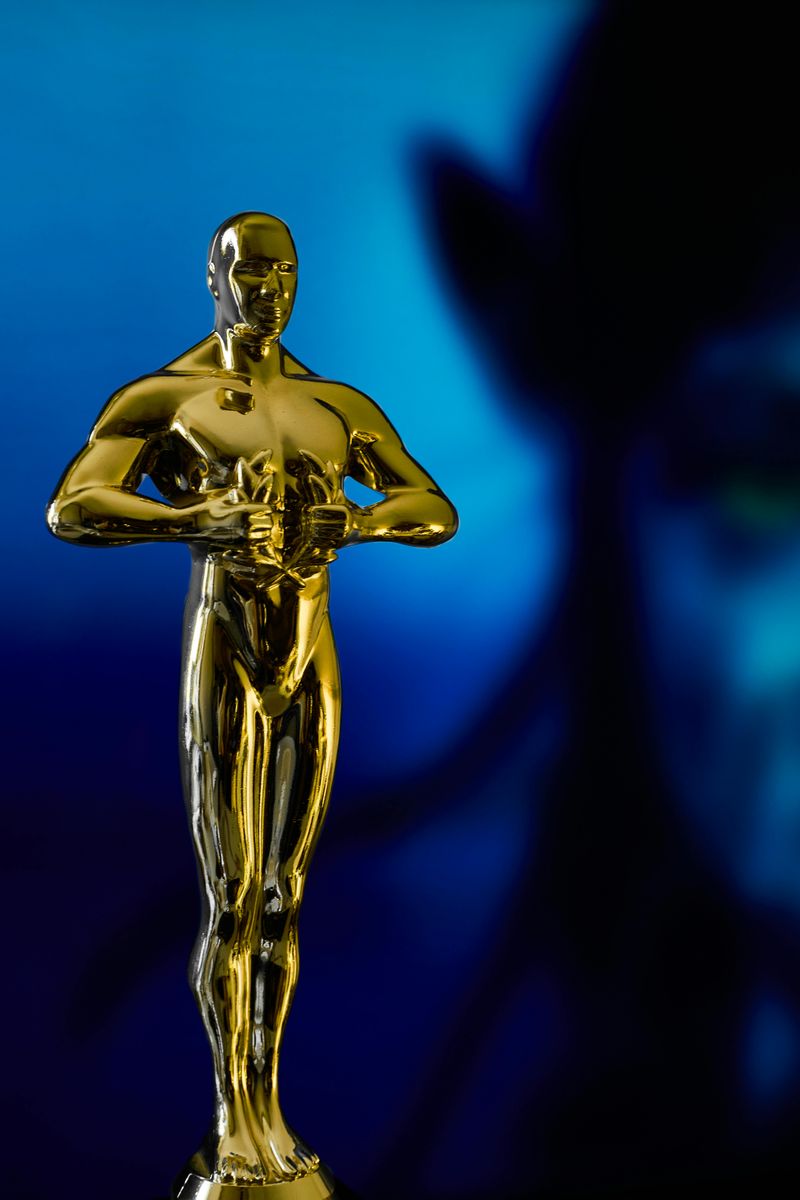
Refusing the Oscar did not erase the win.
Each choice simply redirected the spotlight toward something bigger than the statue, whether that meant labor rights, artistic principles, or representation.
Decades later, the details still get argued because the gesture forces a question the Academy cannot fully control: is the award a celebration of work, or a symbol that comes with expectations?
Plenty of acceptance speeches fade fast. A public refusal tends to stick.
Disclaimer: This article summarizes widely reported Academy Awards refusals and related public accounts. Some details can vary across historical reporting, archived coverage, and later retellings, so readers interested in the most precise record may wish to consult official Academy documentation and primary sources from the year of each ceremony.
The content is provided for general informational and entertainment purposes and is not legal, financial, or professional advice.