15 Oscar-Winning Actors Who Were Not There To Accept The Award
Winning an Oscar is supposed to end with a walk to the stage, a trembling smile, and a speech people replay for years. That is the version everyone knows.
Then there are the stranger nights, when a name is called and the winner is nowhere in sight, leaving the room to fill that absence in real time.
That gap can feel awkward, mysterious, or oddly revealing depending on the moment and the reason behind it.
An empty seat at the biggest moment of a career has a way of changing the mood around the award and giving the win its own unusual afterlife.
Are you interested in which one of these actors decided not to appear because they protested the awards, which one had zero hopes of winning so they decided not to come, and who simply..slept in? Let’s take a look!
1. Anna Magnani — The Rose Tattoo (Best Actress, 1956)
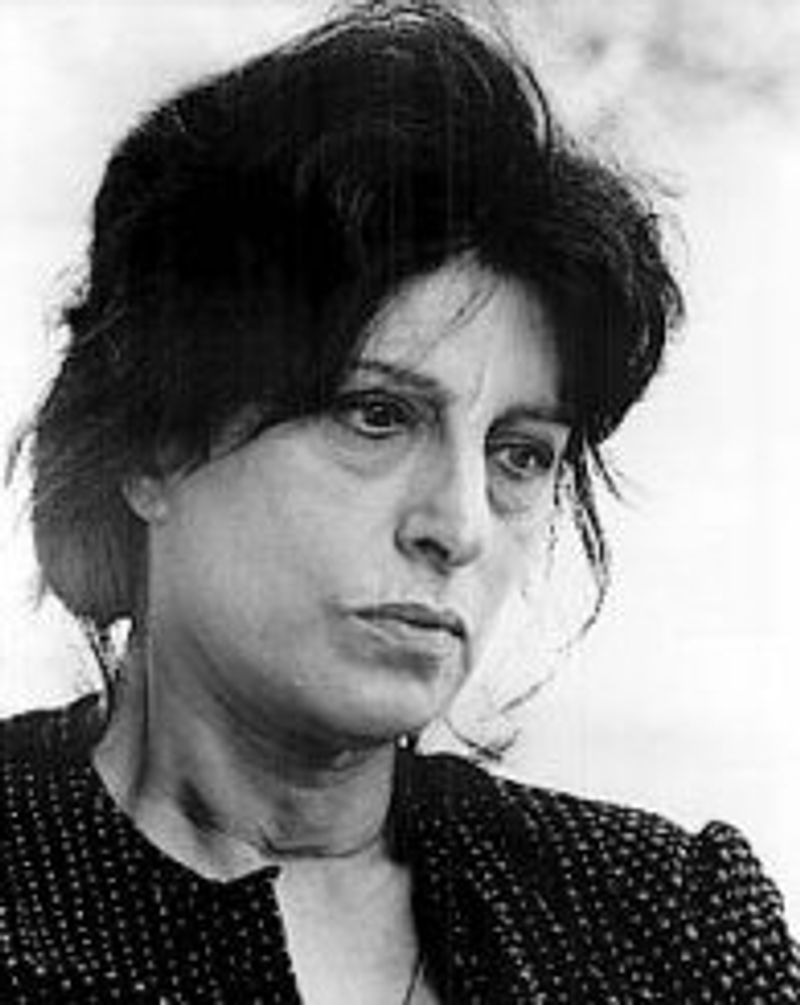
Picture this: your name gets called at the Oscars, and you are nowhere near the building.
That is exactly what happened to Italian powerhouse Anna Magnani when she won Best Actress for The Rose Tattoo in 1956. She was filming in Italy and could not attend the ceremony.
Her fellow actress Marisa Pavan stepped up to accept the award on her behalf. Magnani had actually beaten Pavan herself for the nomination, which made the moment both touching and a little ironic.
2. Ingrid Bergman — Anastasia (Best Actress, 1957)
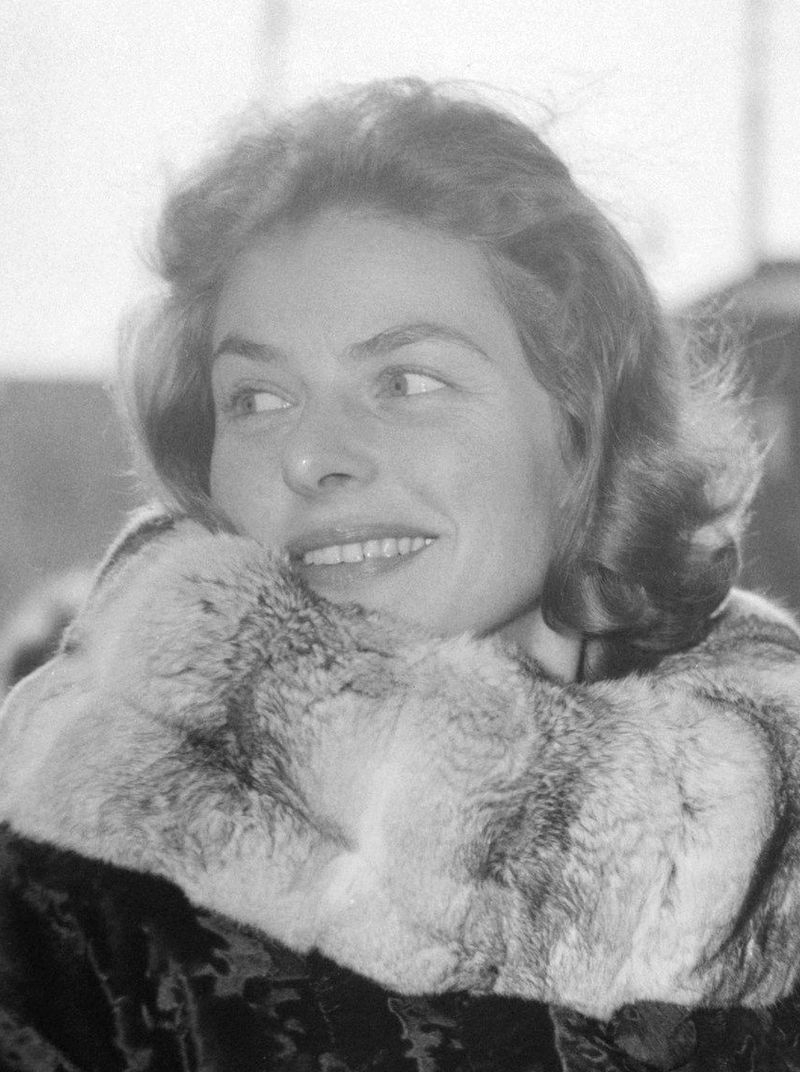
How do you win an Oscar while living in Hollywood exile? Ask Ingrid Bergman.
After a very public personal scandal in the early 1950s, Bergman had moved to Europe and was essentially blacklisted from Hollywood. She was filming in Paris when she won Best Actress for Anastasia.
The legendary Cary Grant accepted the award on her behalf, and the audience gave her a massive standing ovation.
It was Hollywood’s way of saying, “We forgive you.” Few comeback stories in Oscar history hit quite this hard.
3. Sophia Loren — Two Women (Best Actress, 1962)
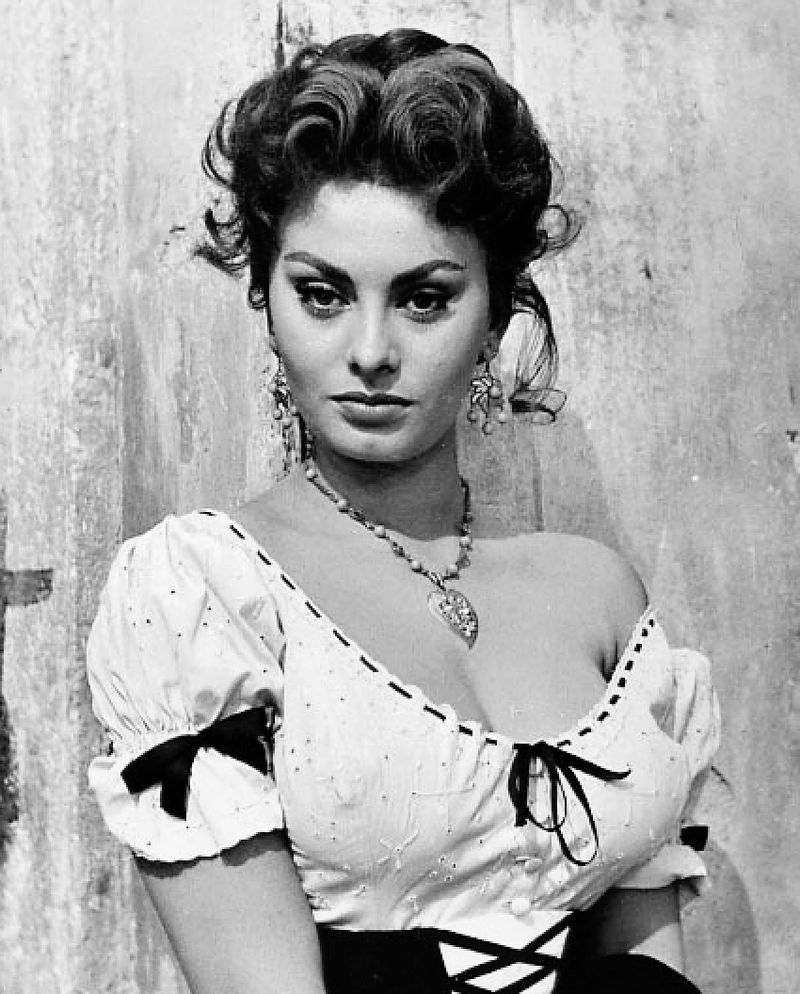
Sophia Loren made history as the first actress to win an Oscar for a foreign-language performance, yet she was not in the room when it happened.
She had fully convinced herself she would not win, so she stayed home in Rome rather than make the trip to Hollywood.
Greer Garson accepted the award for her. When Loren found out she had won, the shock was reportedly overwhelming. If only she had bought that plane ticket!
4. Anne Bancroft — The Miracle Worker (Best Actress, 1963)
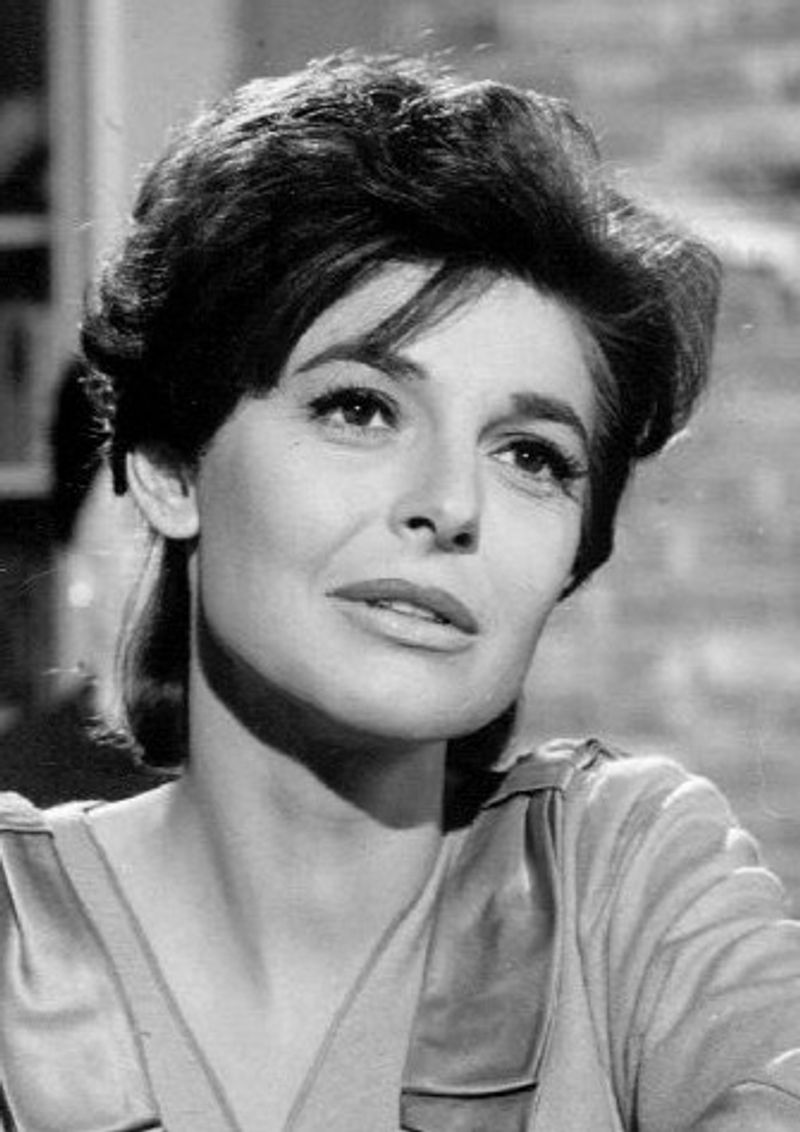
Broadway had Anne Bancroft locked in when the Oscars came calling.
She was performing in a play in New York the night she won Best Actress for The Miracle Worker, so attending the ceremony was simply not an option.
Here is where things get spicy: Joan Crawford, who was famously not nominated that year, swooped in and volunteered to accept on Bancroft’s behalf and read her prepared remarks.
Crawford used the moment to campaign for other nominees, which caused quite the stir.
5. Anthony Quinn — Viva Zapata! (Best Supporting Actor, 1953)
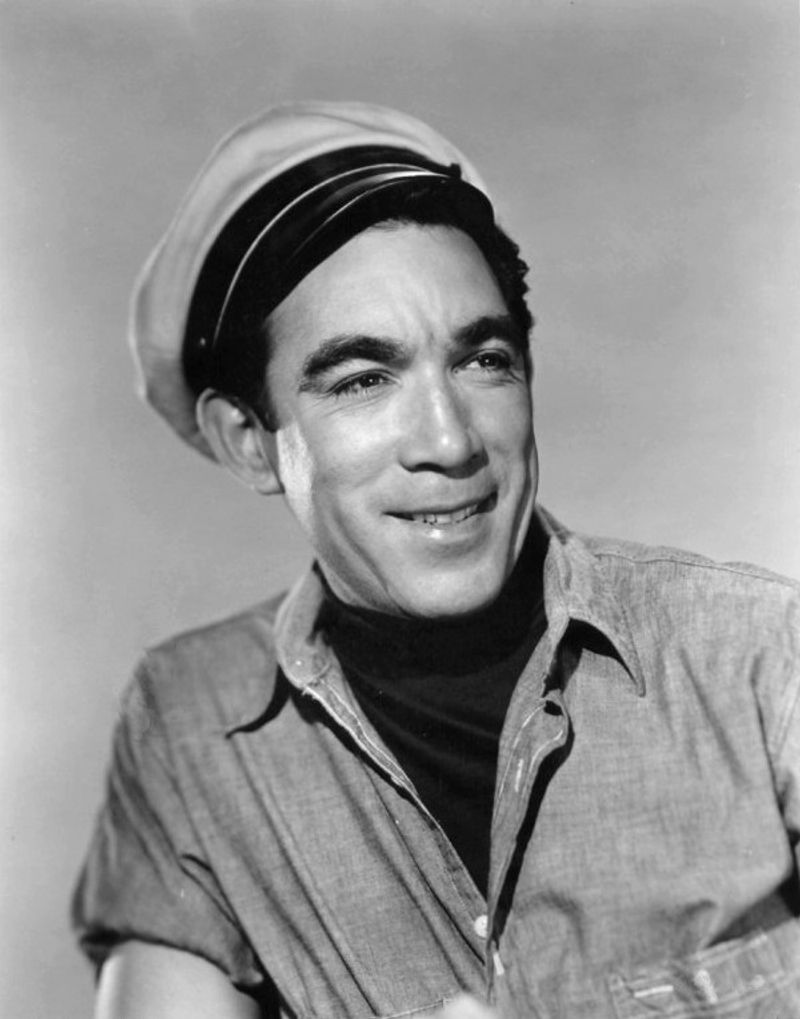
When Anthony Quinn’s name was announced for his first Oscar for playing Eufemio Zapata in Viva Zapata!, he was not sitting in the audience.
Quinn was working on a film in Mexico at the time, making his absence feel almost poetically fitting given the movie’s subject matter.
His wife, Katherine DeMille, accepted the award on his behalf. Quinn would go on to win a second Oscar just four years later, proving he was not a one-hit wonder.
6. Sandy Dennis — Who’s Afraid of Virginia Woolf? (Best Supporting Actress, 1967)
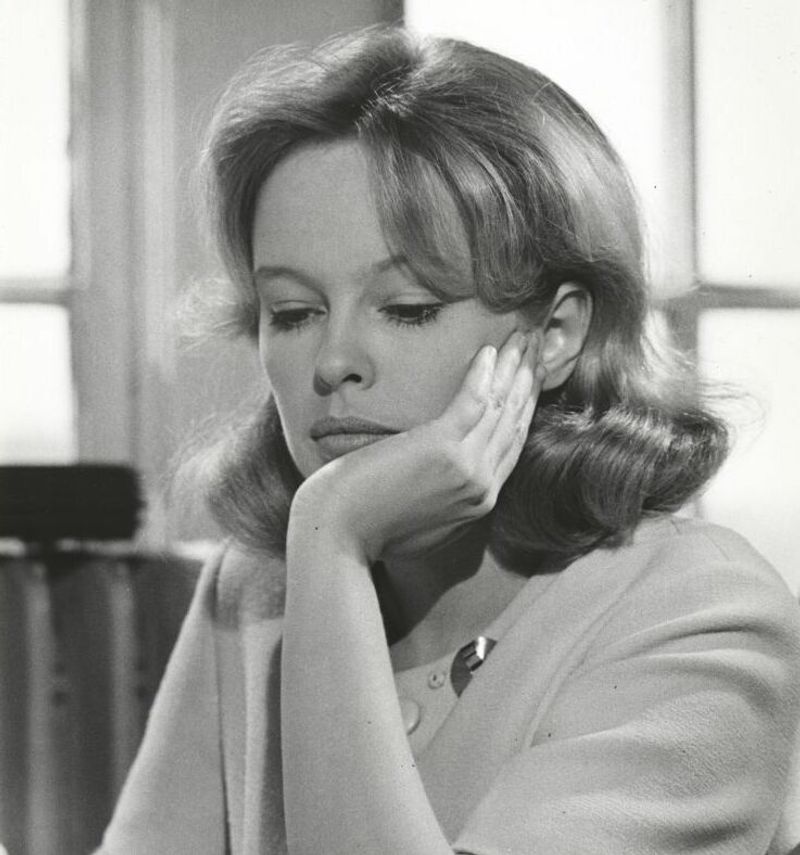
Her seat at the ceremony was empty that night, even as Sandy Dennis took home the Best Supporting Actress award for her role in the electrifying Who’s Afraid of Virginia Woolf?
The reasons for her absence were never made entirely clear, which honestly adds a layer of mystery to the whole situation.
Director Mike Nichols, who also won that evening, accepted the award on her behalf.
Dennis was known for being somewhat reclusive and unconventional, so skipping the Oscars tracks with her personality perfectly.
7. Cliff Robertson — Charly (Best Actor, 1969)
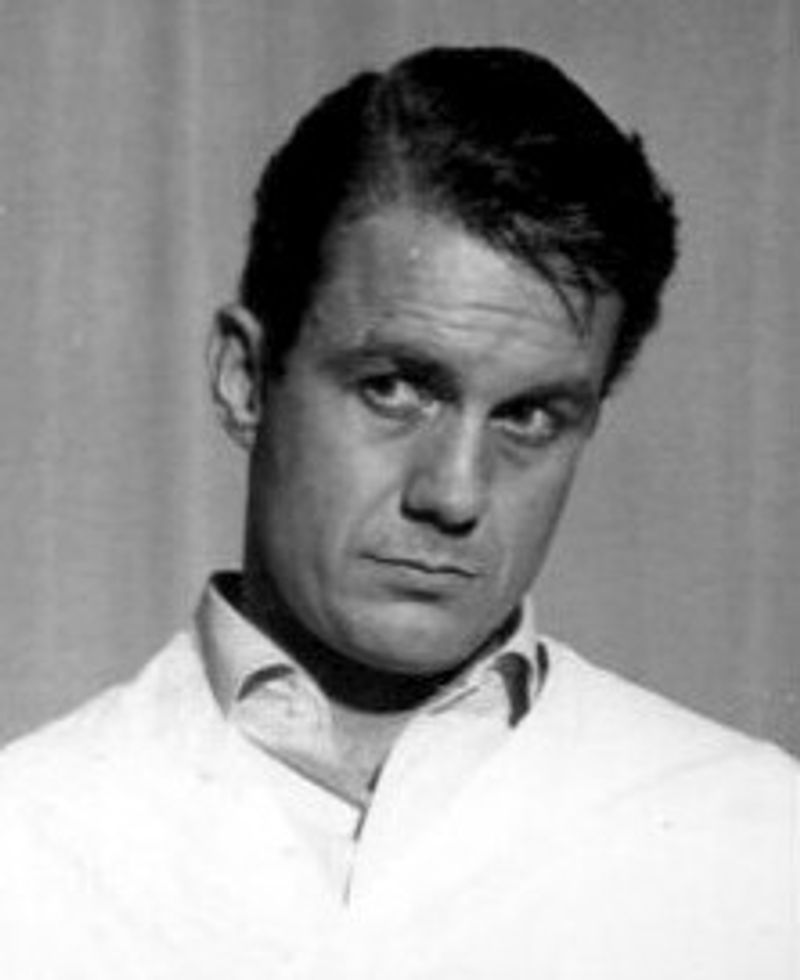
Winning a Best Actor Oscar is a career-defining moment, but Cliff Robertson was not in the building when it happened for his performance in Charly.
He was away on a film shoot and could not make it back to Los Angeles in time for the ceremony.
None other than Frank Sinatra stepped up to accept the award on his behalf. Yes, Ol’ Blue Eyes himself collected Robertson’s Oscar.
If you have to miss your big moment, having Frank Sinatra stand in for you is arguably the coolest consolation prize imaginable.
8. George C. Scott — Patton (Best Actor, 1971)
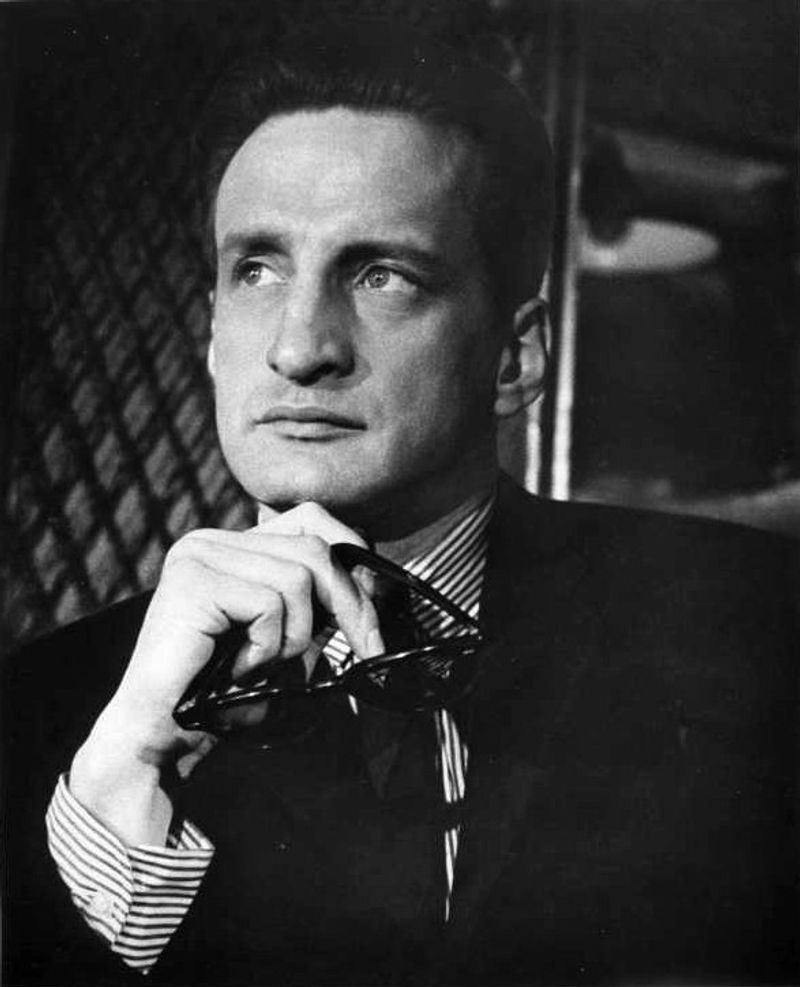
Few Oscar moments are as legendary as George C. Scott’s flat-out refusal to accept his Best Actor award for Patton.
He did not just skip the ceremony; he publicly called the Oscars a “two-hour meat parade” and rejected the entire concept of competitive acting awards before the ceremony even happened.
Scott believed that pitting performances against each other was fundamentally absurd. The Academy gave him the award anyway, and he never picked it up.
Scott turned his absence into one of the most talked-about moments in Oscar history.
9. Robert De Niro — The Godfather Part II (Best Supporting Actor, 1975)
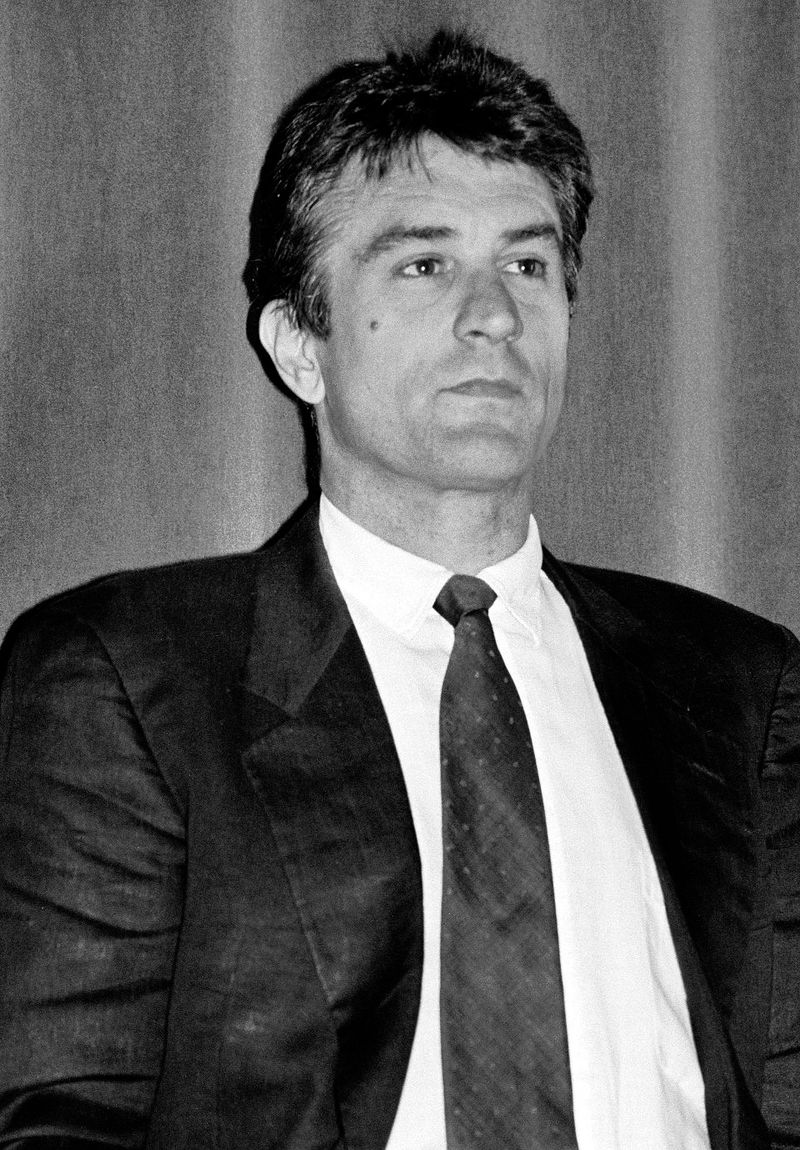
Young Robert De Niro was already proving he was a force of nature when he won Best Supporting Actor for The Godfather Part II, playing a young Vito Corleone with jaw-dropping authenticity.
However, he was not at the ceremony to soak in the applause. Francis Ford Coppola, the film’s legendary director, accepted the Oscar on De Niro’s behalf.
It was a fitting gesture since Coppola had cast him in one of cinema’s most iconic roles.
10. John Gielgud — Arthur (Best Supporting Actor, 1982)
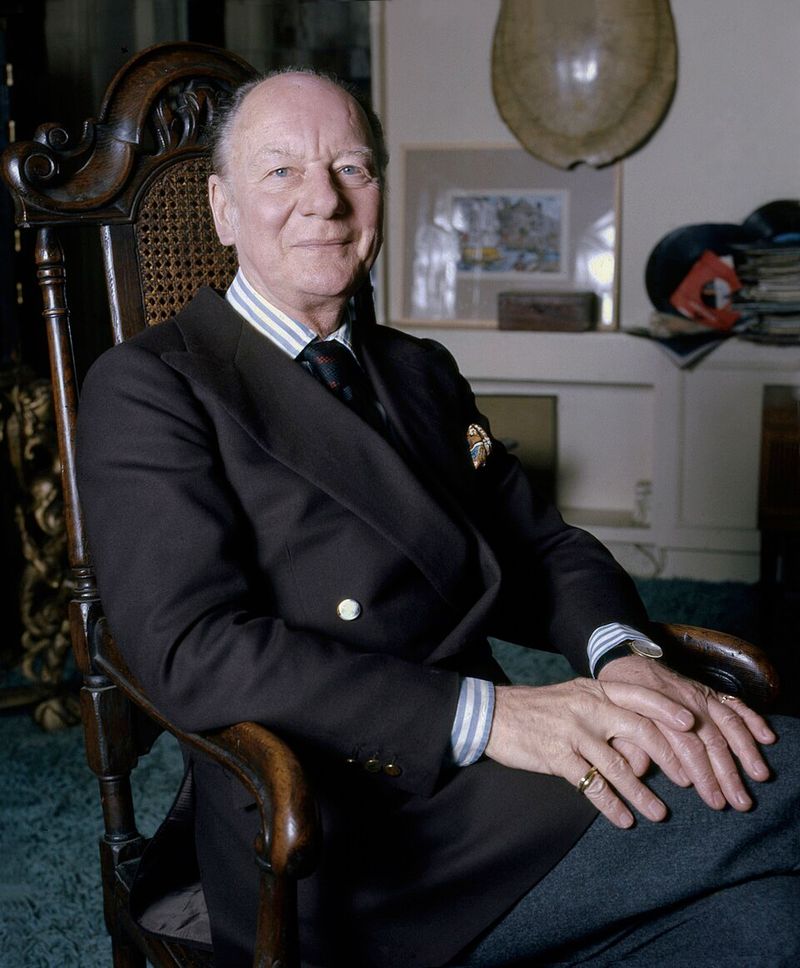
Sir John Gielgud was one of the most respected actors in the history of British theater, so winning an Oscar for a comedy about a lovable, witty butler in Arthur was a genuinely unexpected twist.
Even more unexpected: he was not there to accept it.
Gielgud was in his late 70s at the time and often avoided large public events. Presenters accepted the award on his behalf.
Though he had a long career filled with Shakespearean prestige, his Oscar win for Arthur introduced him to a whole new generation of fans who adored his sharp comic timing.
11. Henry Fonda — On Golden Pond (Best Actor, 1982)
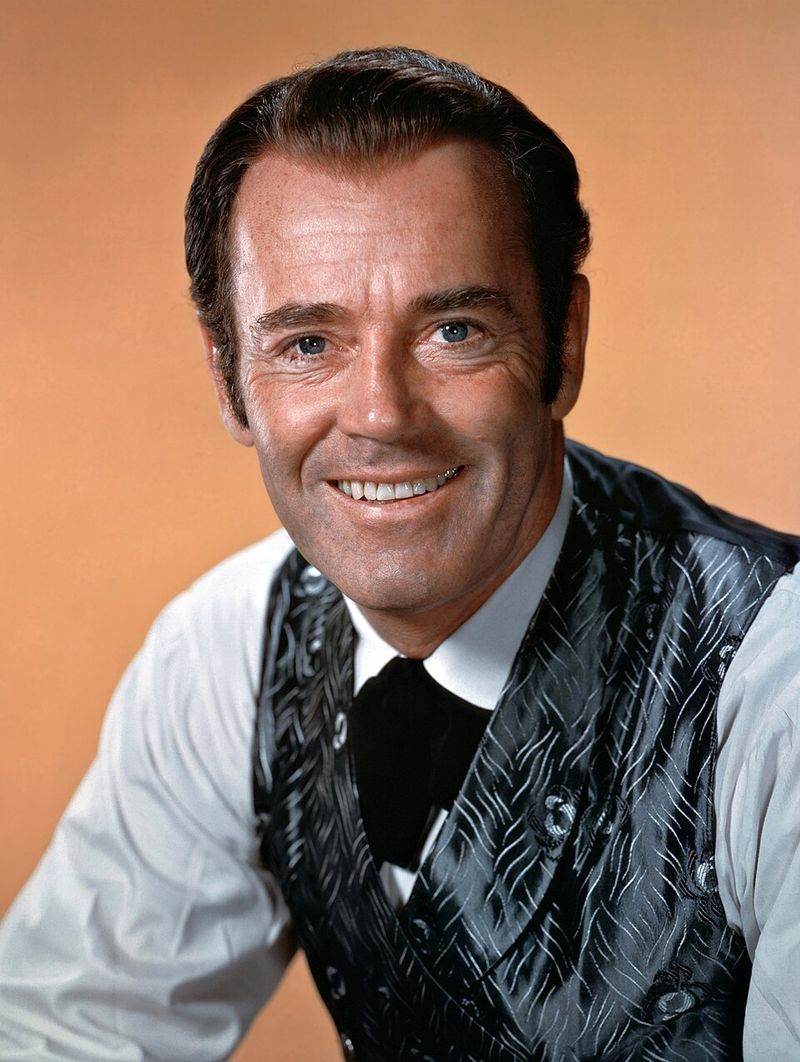
Few Oscar wins have carried as much emotional weight as Henry Fonda’s Best Actor award for On Golden Pond.
Fonda was 76 years old and seriously ill at the time of the ceremony, making it impossible for him to attend. The room knew this was likely his final chance to be recognized by the Academy.
His daughter Jane Fonda accepted the award on his behalf, visibly moved by the moment. Henry Fonda passed away just five months later.
12. Katharine Hepburn — On Golden Pond (Best Actress, 1982)
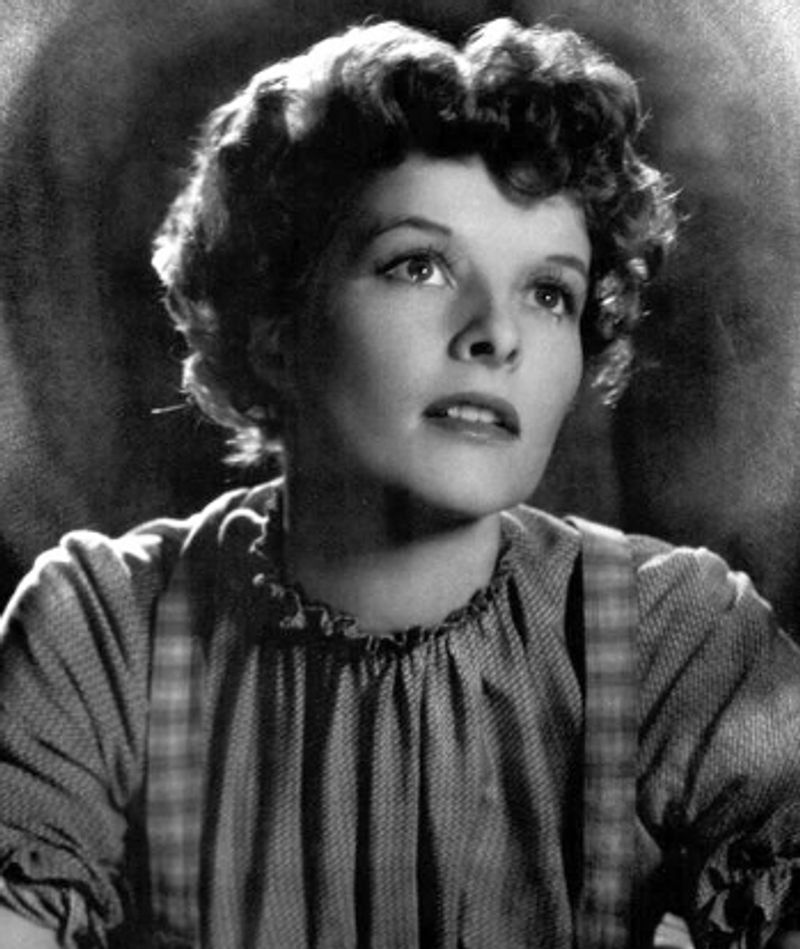
Katharine Hepburn won four Academy Awards over her career, which is a record that still stands today. Here is the wild part: she almost never showed up to collect any of them.
Hepburn had a deeply held belief that acting competitions were meaningless and that awards created unnecessary rivalry among artists.
For On Golden Pond, she was again absent, continuing her legendary tradition of skipping the Oscars entirely.
Though some saw it as aloof, Hepburn simply lived by her own rules.
13. Michael Caine — Hannah and Her Sisters (Best Supporting Actor, 1987)
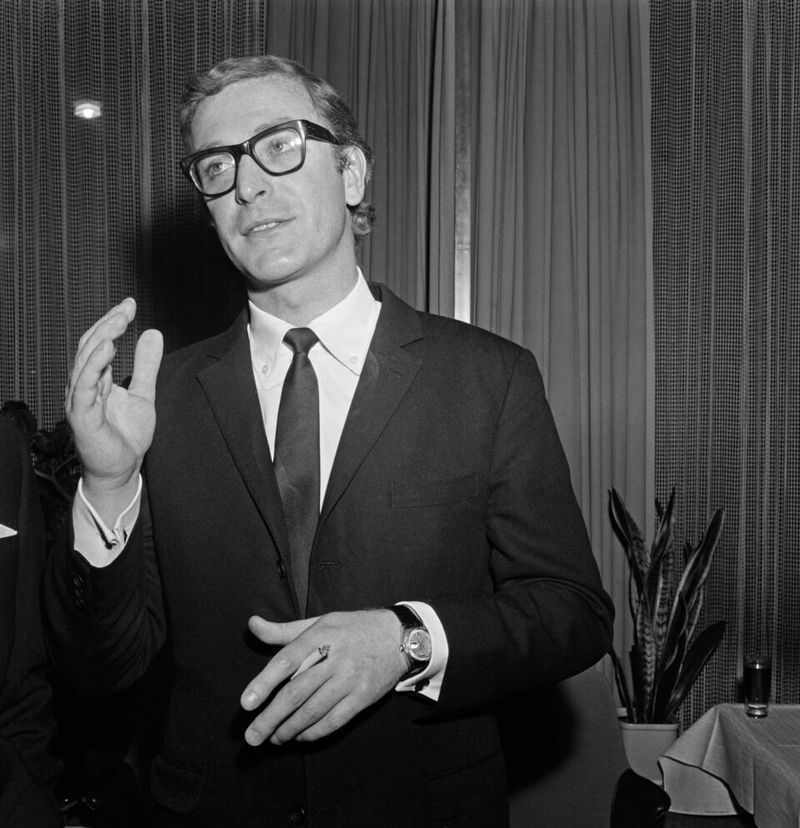
A well-deserved Best Supporting Actor win for Hannah and Her Sisters marked a major Oscar moment for one of Britain’s most beloved actors, Michael Caine.
The problem? He was on a film set and could not attend the ceremony.
His absence was purely professional, not a protest or a statement.
Presenters accepted on his behalf at the podium. Caine later joked about missing the ceremony, showing the easygoing charm that makes him so universally likable.
14. Marlon Brando — The Godfather (Best Actor, 1973)
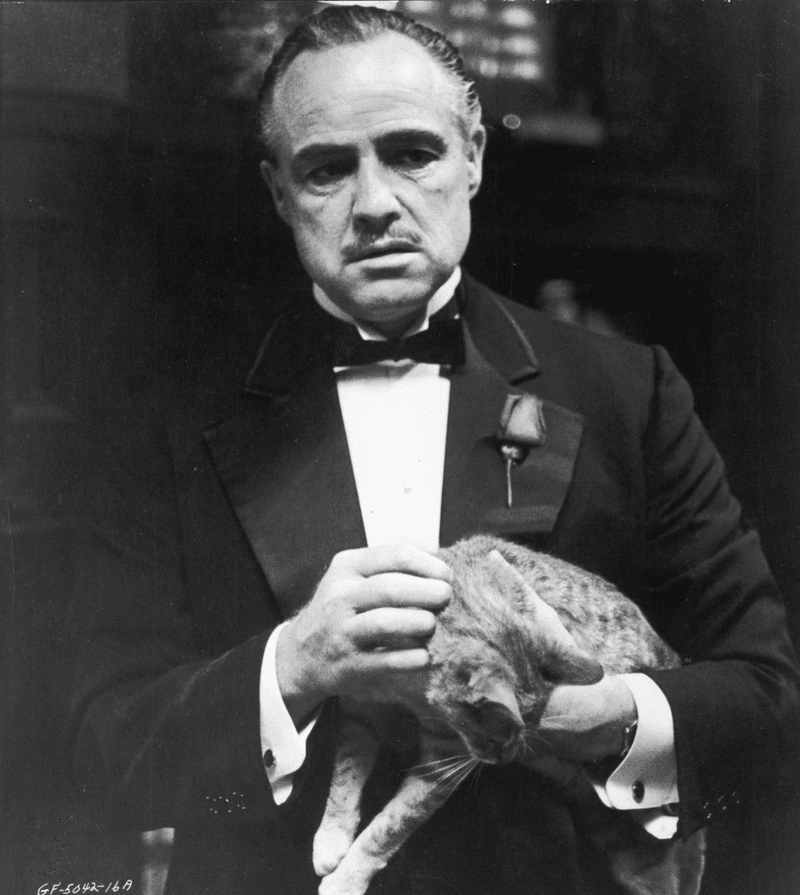
When Marlon Brando won Best Actor for The Godfather, he made the most unforgettable Oscar protest in history.
Rather than attend, he sent Native American activist Sacheen Littlefeather to the stage to decline the award on his behalf.
Littlefeather read a statement calling out Hollywood’s harmful portrayal of Native Americans in film.
The audience’s reaction was mixed: some booed, others applauded. The moment sparked national conversation and remains one of the most politically charged in Oscar history.
15. Anthony Hopkins — The Father (Best Actor, 2021)
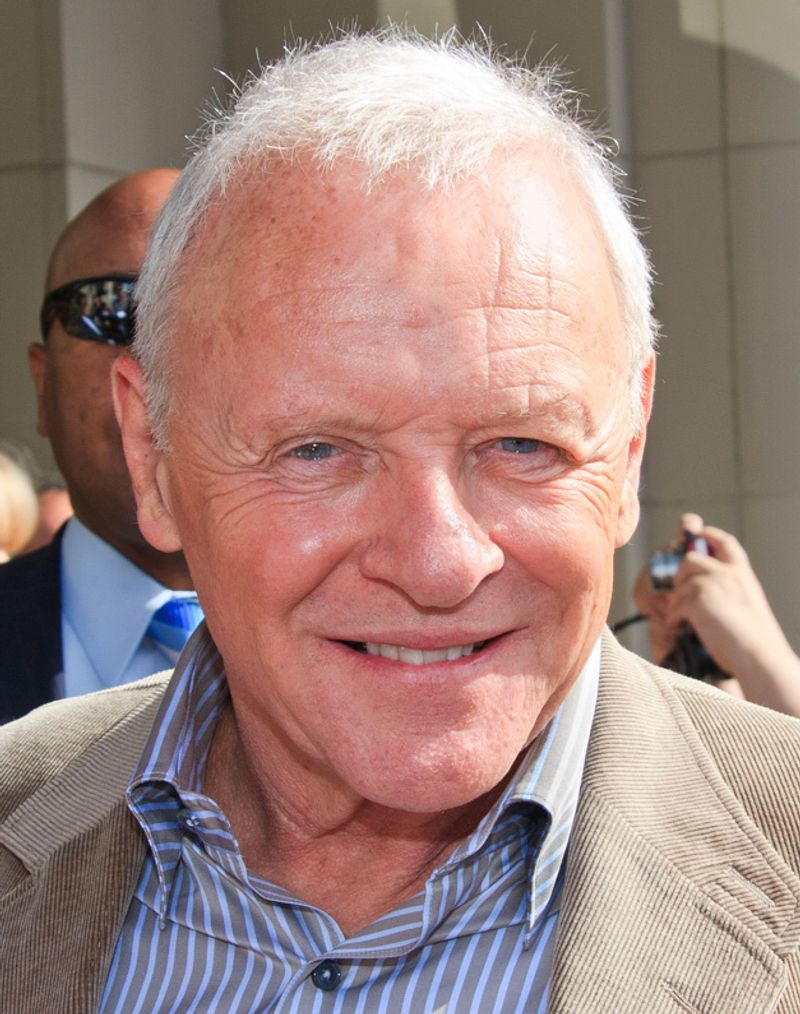
Nobody expected the final moments of the 2021 Oscars to end in stunned silence, but that is exactly what happened.
Anthony Hopkins won Best Actor for his devastating performance in The Father, a role exploring dementia with heartbreaking realism.
The problem was that Hopkins was asleep at his home in Wales when the award was announced.
The ceremony had shuffled its traditional order, and the Best Actor announcement came last, catching everyone off guard.