Ranking The 15 Biggest Oscars Category Fraud Controversies
Awards season always brings drama, but sometimes the biggest controversy happens before the envelope is even opened.
Category fraud is when actors compete in supporting categories despite playing roles that feel more like leads.
Fans and critics debate these placements year after year, questioning whether studios bend the rules to boost their chances at Oscar gold.
Disclaimer: All examples and rankings are based on public reporting, industry discussion, and opinion rather than verified intent or rule-breaking determinations.
1. Alicia Vikander, The Danish Girl (2015)
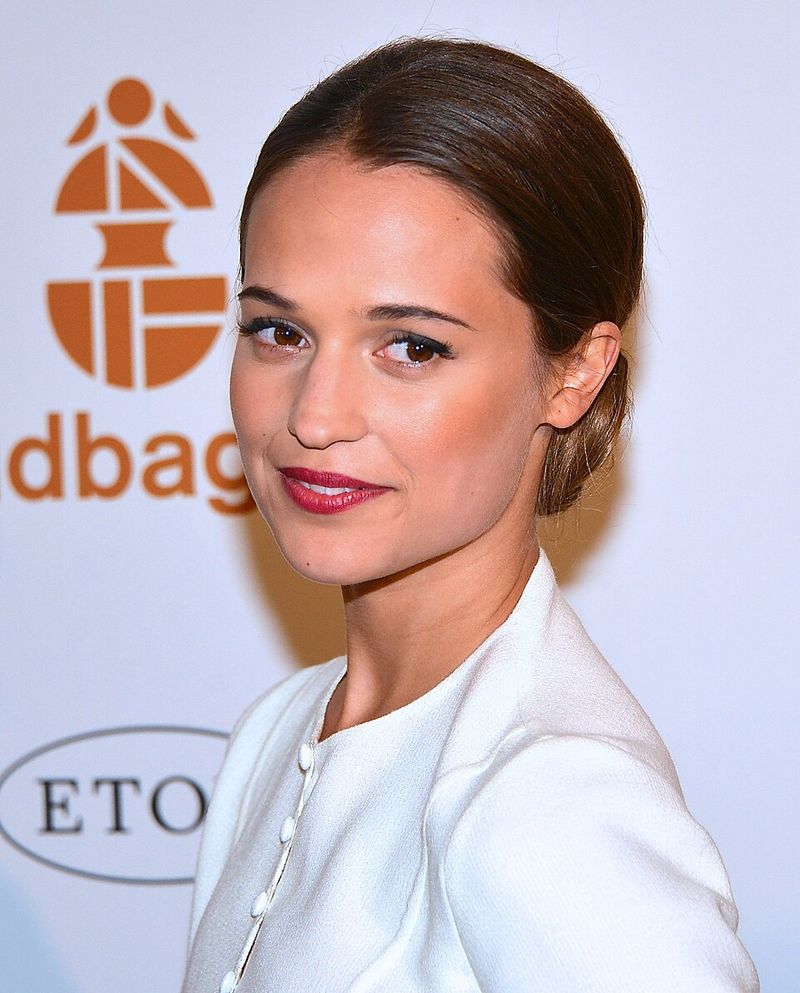
Vikander’s win sparked one of the loudest modern debates about category placement. Gerda Wegener anchors the entire emotional arc of the film, yet she competed in supporting.
Her screen time and narrative weight made many viewers scratch their heads. Studios knew a crowded lead race meant supporting offered better odds.
Critics still reference this victory when discussing strategic Oscar campaigns.
2. Hailee Steinfeld, True Grit (2010)
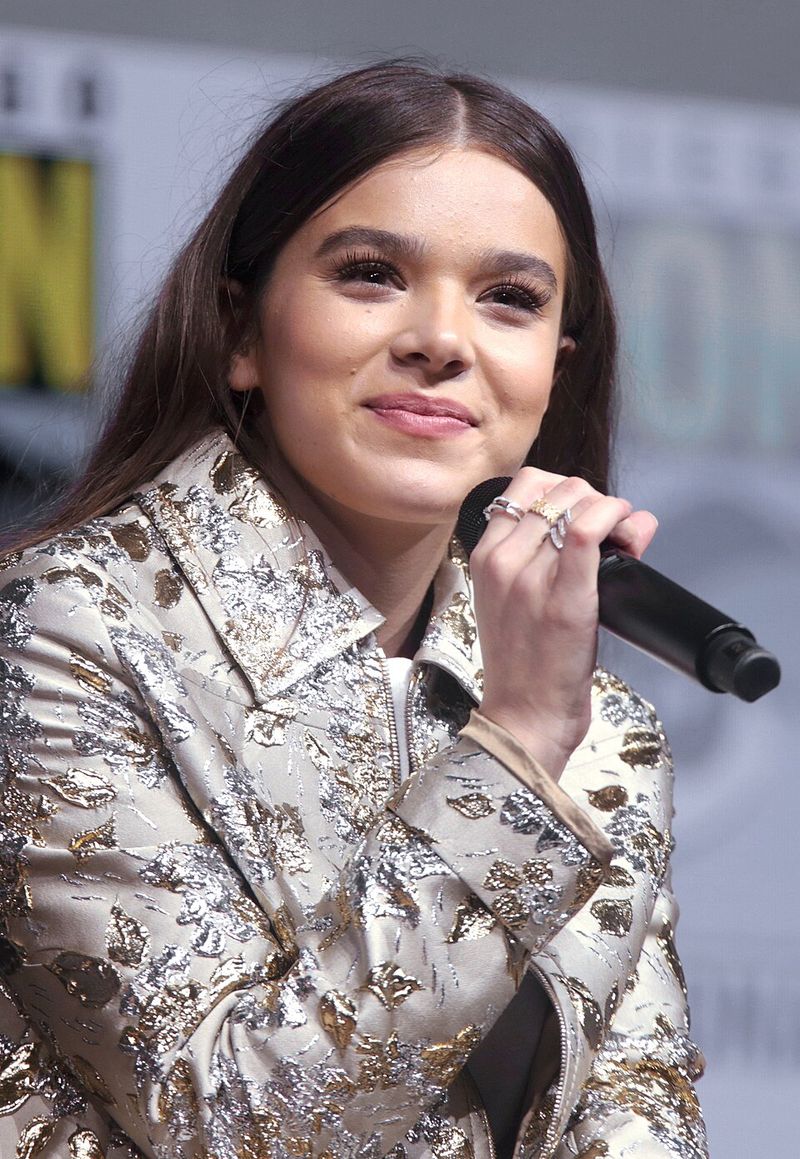
How does a character who drives every plot point end up in supporting? Mattie Ross is on screen constantly, narrating and leading the entire adventure.
Steinfeld was just fourteen, but her performance felt anything but secondary. The Coen Brothers built the whole story around her quest for justice.
3. Viola Davis, Fences (2016)
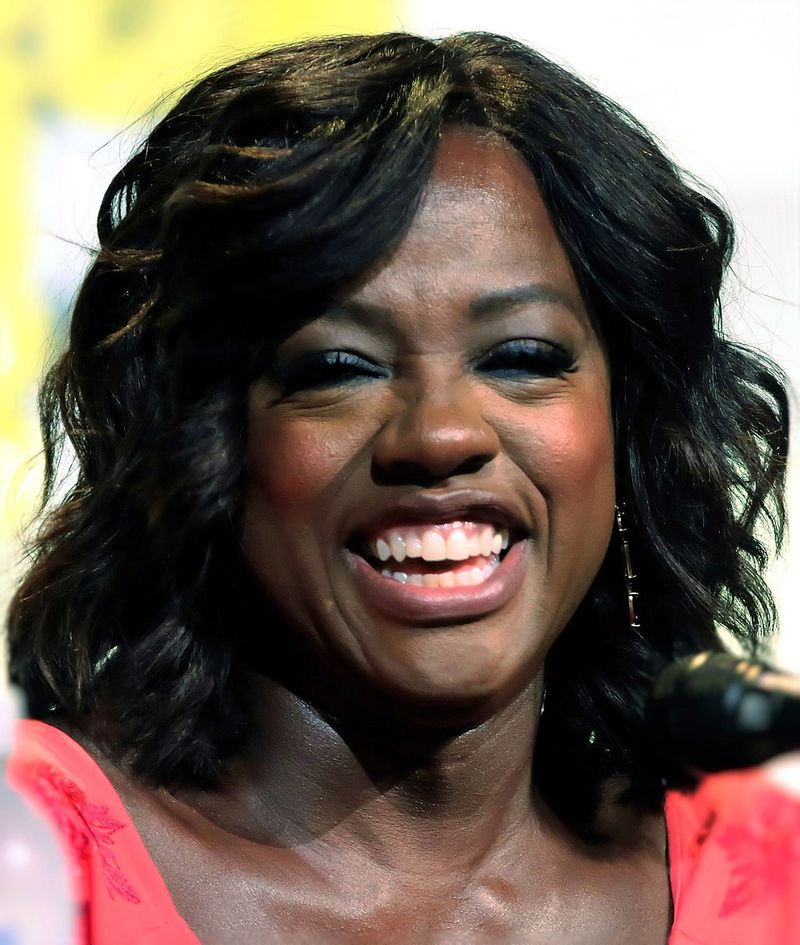
Davis herself later questioned this placement, calling it a disservice to her character’s importance.
Rose Maxson shares equal emotional weight with Denzel Washington’s Troy throughout the film.
Her win was celebrated, yet the supporting label felt wrong to many viewers. Some argued systemic issues influenced how Black actresses get categorized.
4. Rooney Mara, Carol (2015)
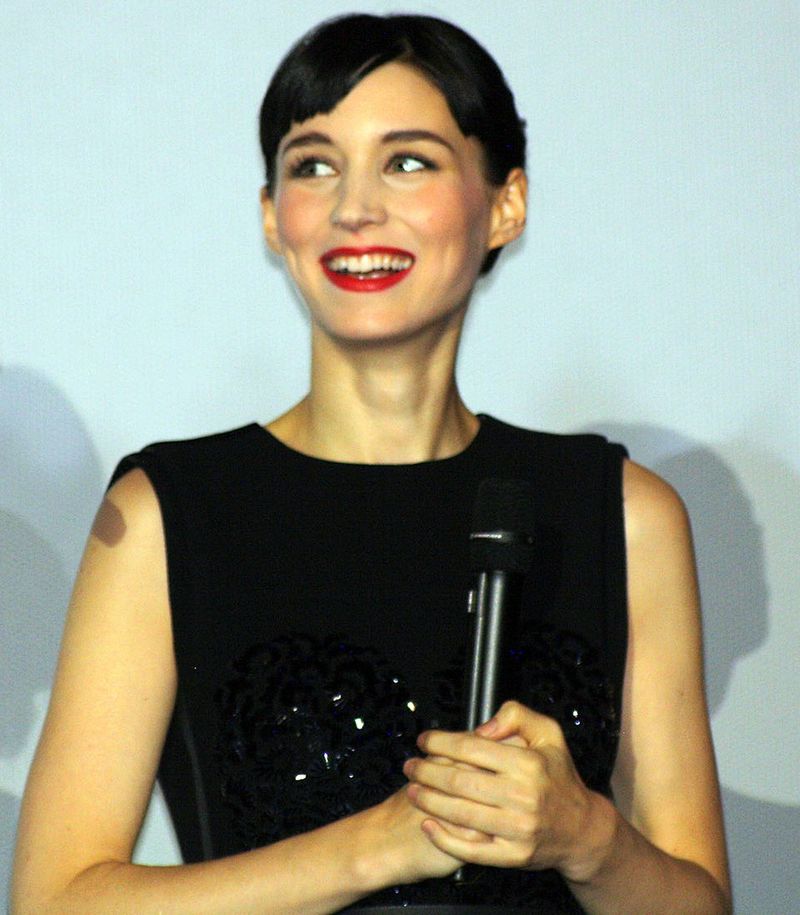
Carol tells a love story between two women with equal narrative focus. Yet Mara competed in supporting while Cate Blanchett went lead, splitting what many saw as a two-hander.
Therese’s journey of self-discovery drives half the film’s emotional core. The decision felt like a tactical move rather than an honest assessment.
5. LaKeith Stanfield, Judas and the Black Messiah (2021)
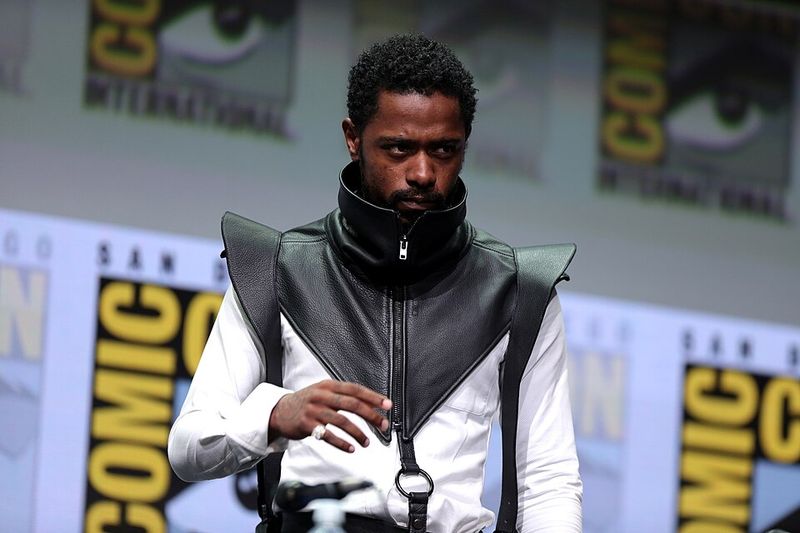
Stanfield plays Bill O’Neal, the FBI informant whose perspective frames the entire narrative. Despite the title suggesting dual protagonists, he landed in supporting alongside co-star Daniel Kaluuya.
Many critics argued Stanfield carried the film’s moral weight and screen time. The studio’s strategy meant both actors avoided competing in lead.
6. Brad Pitt, Once Upon a Time in Hollywood (2019)
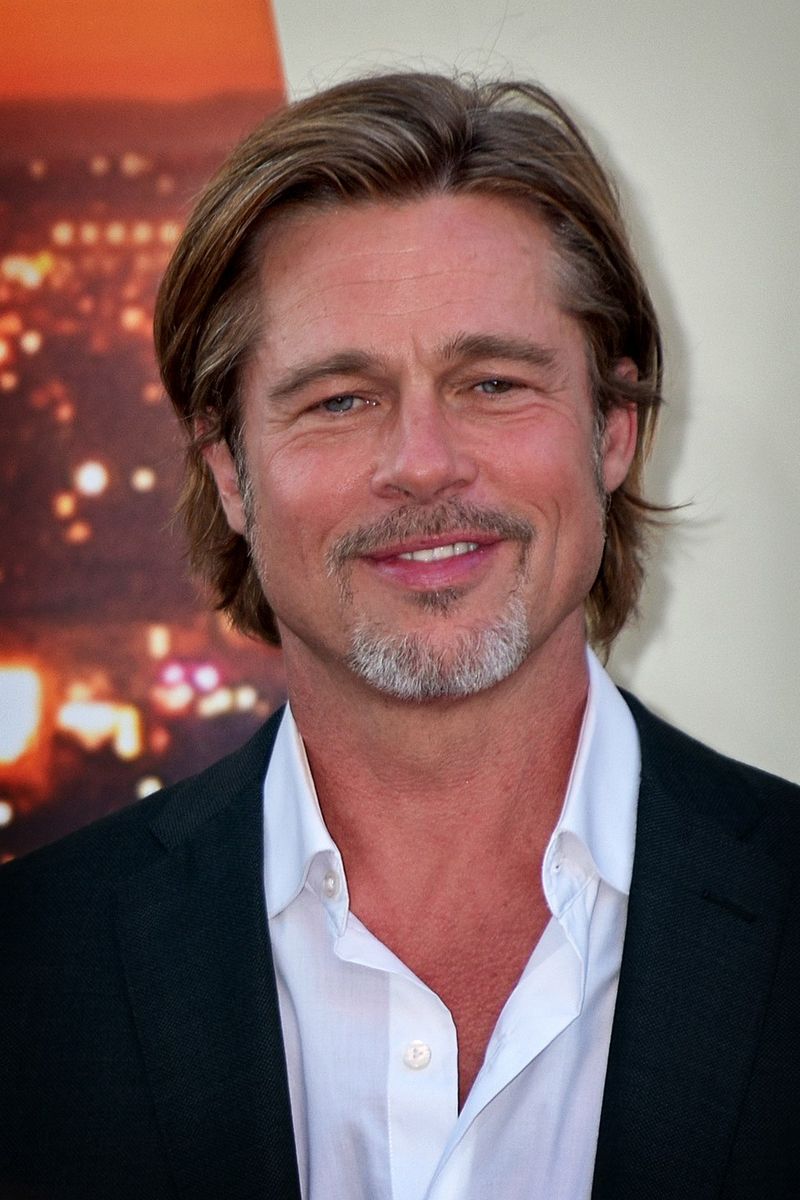
Cliff Booth shares nearly equal screen time with Leonardo DiCaprio’s Rick Dalton throughout Tarantino’s sprawling epic. Yet Pitt competed in supporting and took home the statue.
Both characters anchor separate storylines that eventually converge. Critics noted the placement seemed designed to avoid internal competition.
7. Tatum O’Neal, Paper Moon (1973)
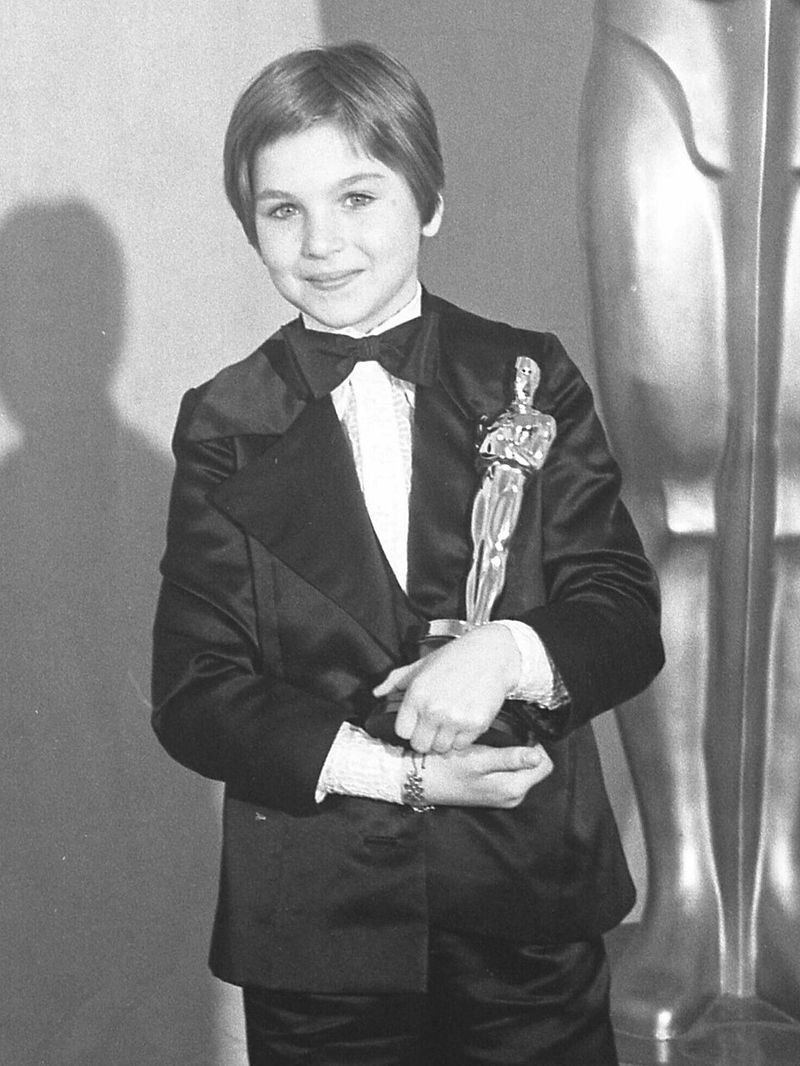
At just ten years old, O’Neal became the youngest competitive Oscar winner ever. Addie Loggins dominates the film alongside her real-life father Ryan O’Neal.
Her character’s cunning and charm drive the Depression-era con artist story. Calling her performance supporting felt generous even back then.
8. Al Pacino, The Godfather (1972)
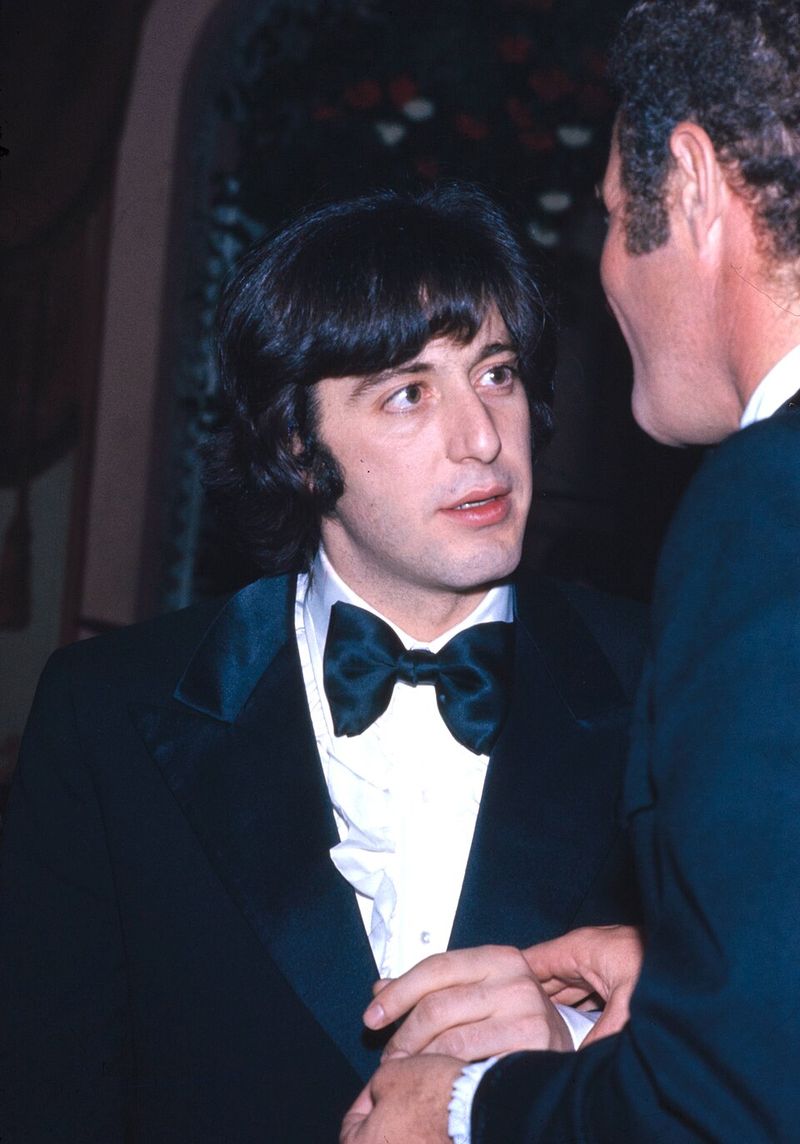
Michael Corleone transforms from war hero to ruthless mob boss across the film’s entire arc. Pacino’s placement in supporting remains one of Oscar history’s most baffling decisions.
His character appears in nearly every major scene and undergoes the story’s most dramatic evolution. Marlon Brando went lead, but Michael’s journey is arguably more central.
This controversy never gets old.
9. Emma Stone and Rachel Weisz, The Favourite (2018)
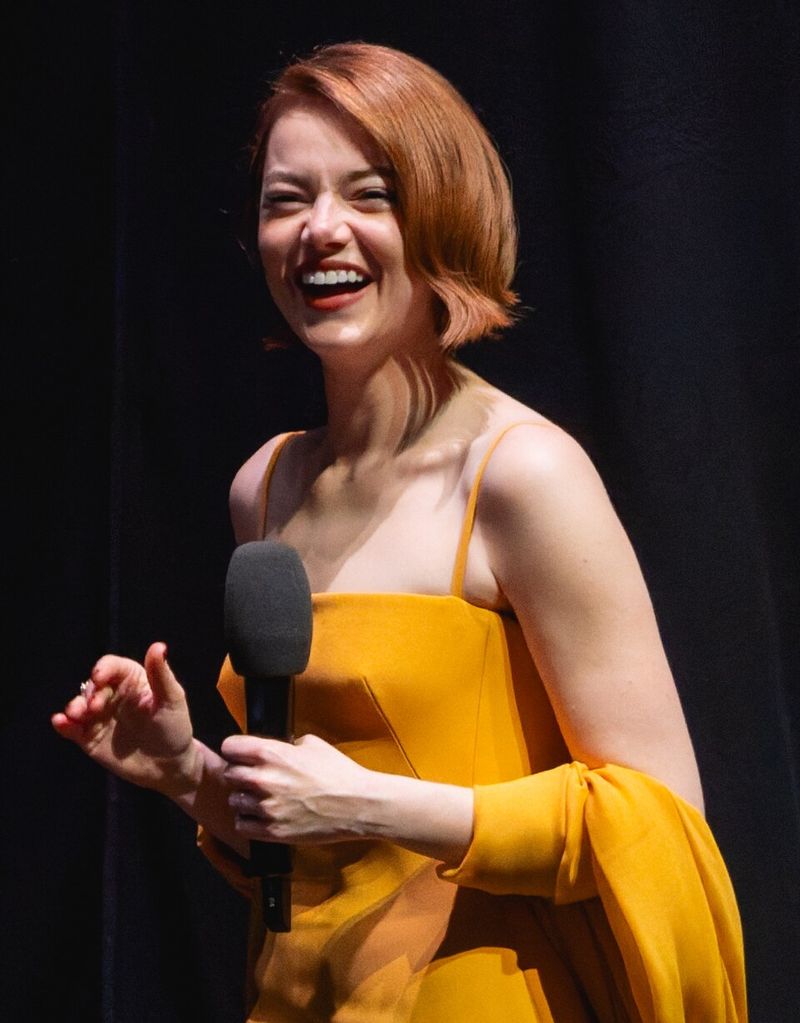
How many leads can one movie have? Both Stone and Weisz competed in supporting while Olivia Colman took lead for playing Queen Anne.
The trio forms an intricate power triangle with roughly equal screen time and importance. Stone’s Abigail schemes her way from servant to confidante in a performance that feels co-lead.
10. Samuel L. Jackson, Pulp Fiction (1994)
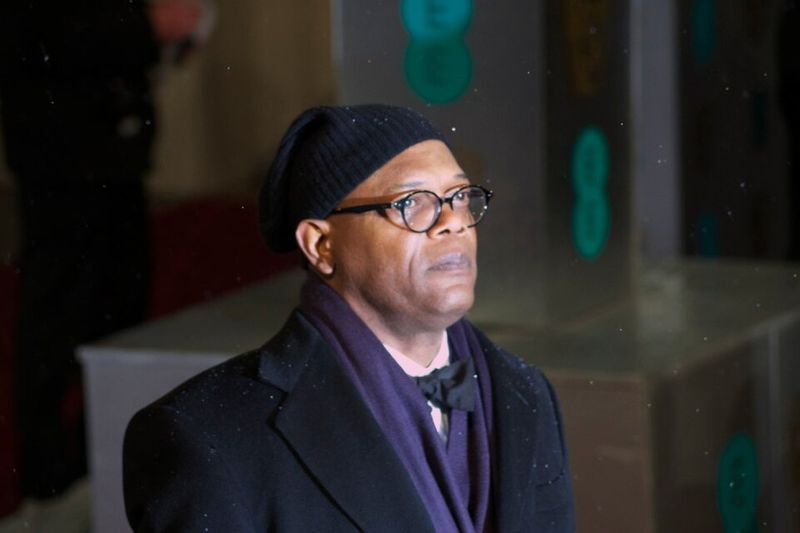
Jules Winnfield philosophizes about divine intervention and walks away from crime across multiple storylines. Jackson’s electric performance burns through the screen in what many consider a co-lead role.
Tarantino’s ensemble structure made category placement tricky for everyone involved. Still, Jules carries as much narrative weight as John Travolta’s Vincent.
11. Cate Blanchett, Notes on a Scandal (2006)
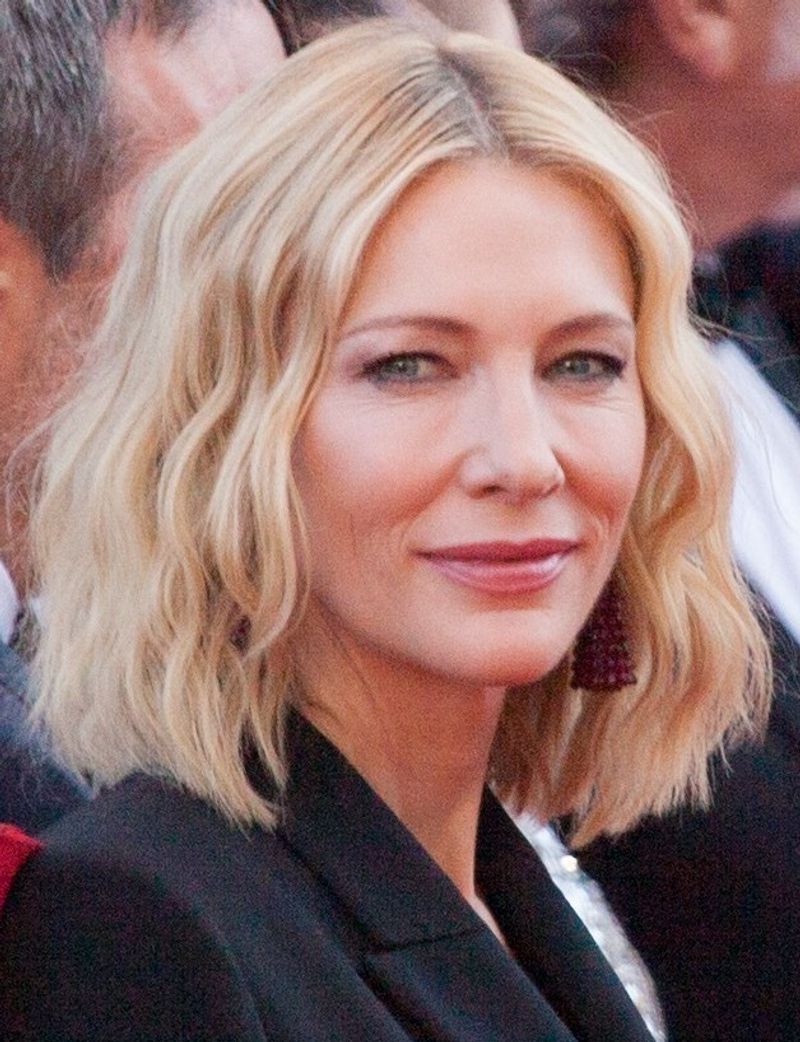
Sheba Hart’s affair scandal drives the entire plot while Judi Dench’s obsessive teacher narrates. Both actresses deliver powerhouse performances in a classic two-hander.
Blanchett’s screen time and character arc rival Dench’s in every way. The supporting placement seemed tactical rather than accurate.
Critics called it out immediately, though both performances earned praise regardless of category.
12. Jake Gyllenhaal, Brokeback Mountain (2005)
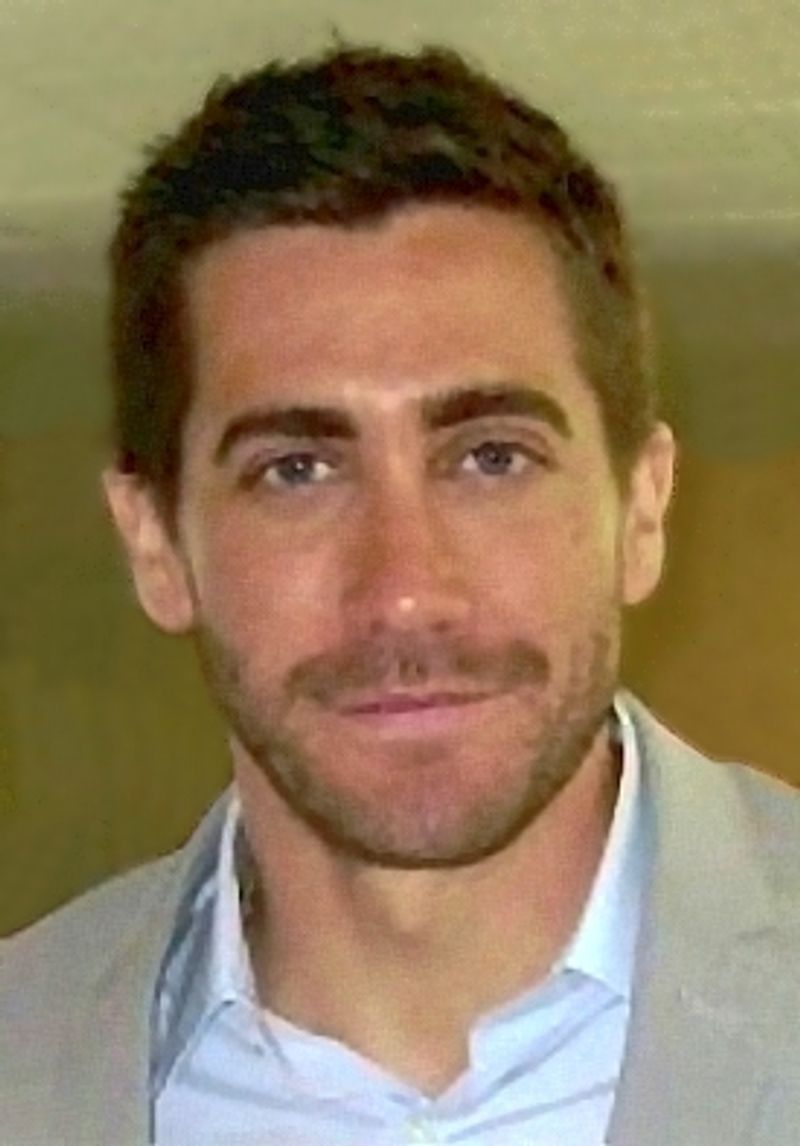
Jack Twist shares the tragic love story equally with Heath Ledger’s Ennis Del Mar. Both cowboys anchor the emotional devastation of forbidden romance.
Gyllenhaal competed in supporting while Ledger went lead, splitting what most viewers saw as dual protagonists. Their relationship forms the entire heart of the film.
13. William H. Macy, Fargo (1996)
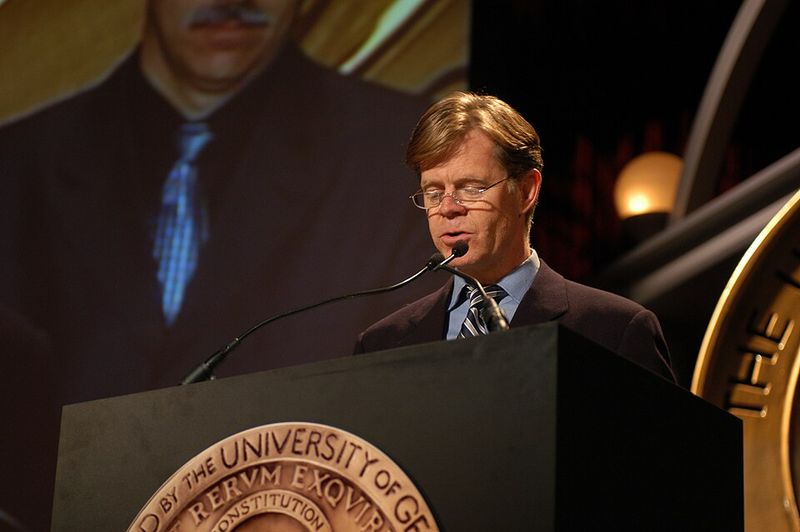
Jerry Lundegaard’s desperate scheme sets the entire bloody chain of events into motion. Macy appears throughout the film as the hapless criminal whose plan spirals catastrophically.
Though Frances McDormand anchors the investigation, Jerry’s actions drive the plot forward. His supporting placement surprised many who saw him as a co-lead.
14. Ethan Hawke, Training Day (2001)

Rookie cop Jake Hoyt experiences a nightmarish day alongside Denzel Washington’s corrupt detective. Hawke’s perspective guides viewers through every shocking revelation.
Washington won lead actor, but Jake’s moral journey forms half the story’s backbone. The film follows both characters equally through their dangerous partnership.
15. Patricia Arquette, Boyhood (2014)
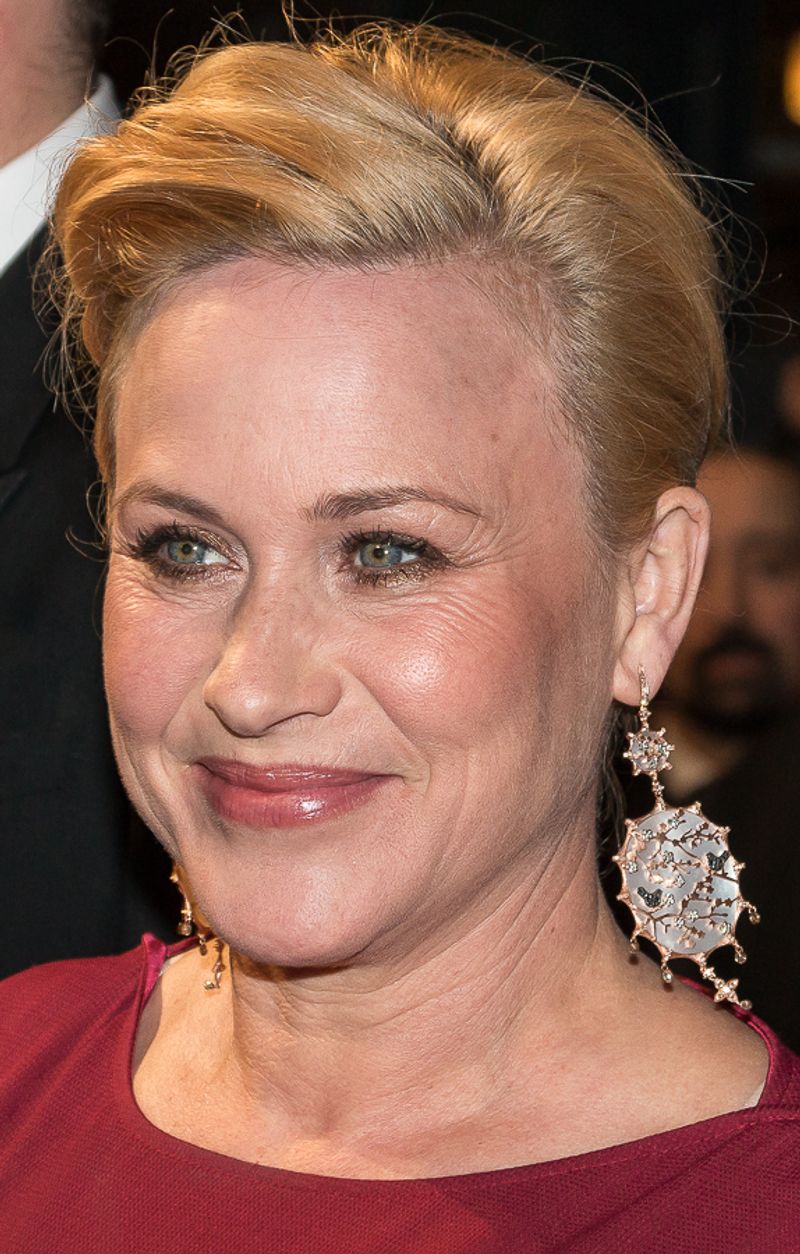
Mom anchors the entire twelve-year journey as the family’s struggling matriarch. Arquette appears consistently throughout the groundbreaking film shot across actual years.
Her character’s evolution from young mother to independent woman parallels her son’s growth. While the title suggests a single protagonist, Mom’s story feels equally central.