16 Overlooked 1980s Films That Belong Among The Classics
The 1980s gave movie history plenty of loud legends, which is exactly how a lot of excellent films got nudged into the corner.
Big hits grabbed the posters, the catchphrases, and the endless nostalgia loops. Meanwhile, another tier of movies kept their brilliance without getting invited into every “best of the decade” conversation.
An overlooked 1980s film, however, can still have style to burn and the kind of storytelling that feels smarter on a rewatch than it ever did during its first run.
These are the films that deserve a second look. Not dusty leftovers from a beloved decade, but sharp, memorable standouts that proved greatness did not always arrive with the loudest entrance.
1. Thief (1981)
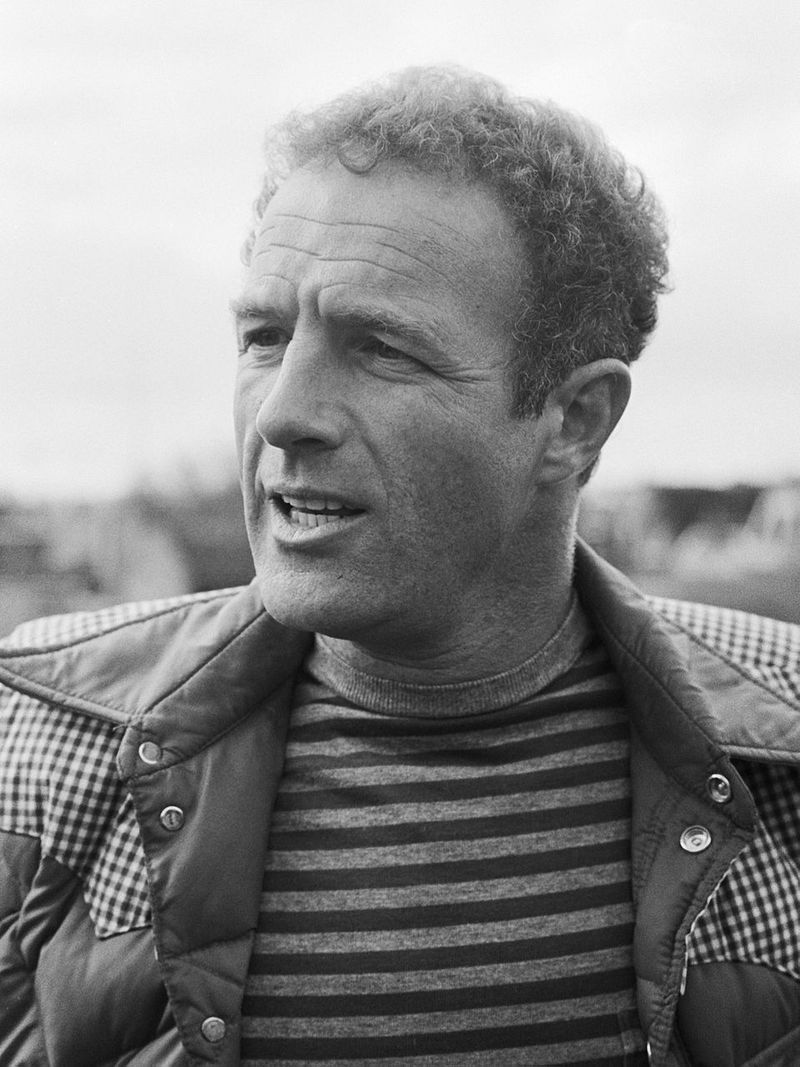
Frank is a professional safecracker with a laminated card listing every dream he wants to live before he’s gone.
Michael Mann’s feature debut is cooler than a freezer full of ice sculptures, and the Tangerine Dream soundtrack makes every scene feel electric.
James Caan delivers one of the most underappreciated performances of the entire decade.
Where most crime films glamorize the lifestyle, Thief shows the grinding cost of living outside the law. The opening safe-cracking sequence alone is worth the price of admission.
2. Missing (1982)
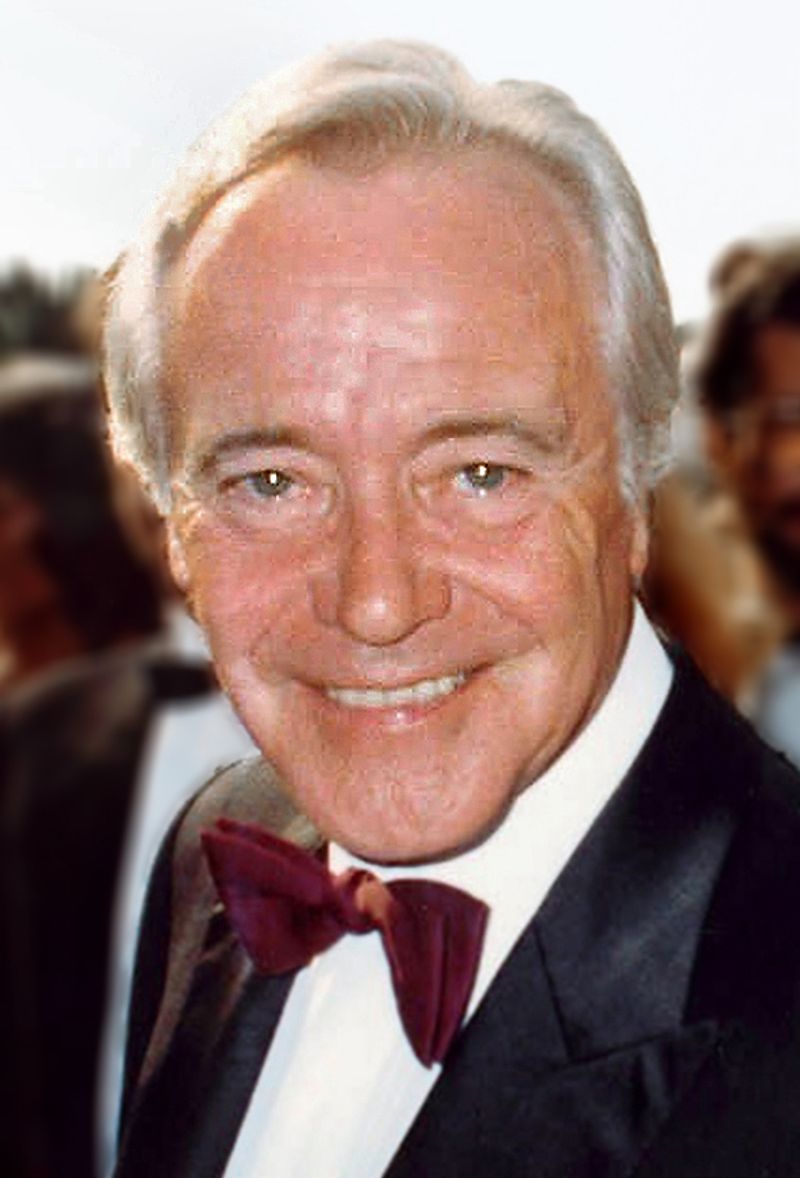
Based on a true story, Missing follows an American father searching for his son who disappeared during Chile’s 1973 military coup.
Costa-Gavras directed this political thriller with the urgency of a ticking clock and the heartbreak of a family torn apart by government silence. If you ever wondered how politics can destroy real lives, this film answers that question without flinching.
It won the Palme d’Or at Cannes and an Academy Award for Best Adapted Screenplay.
3. Local Hero (1983)
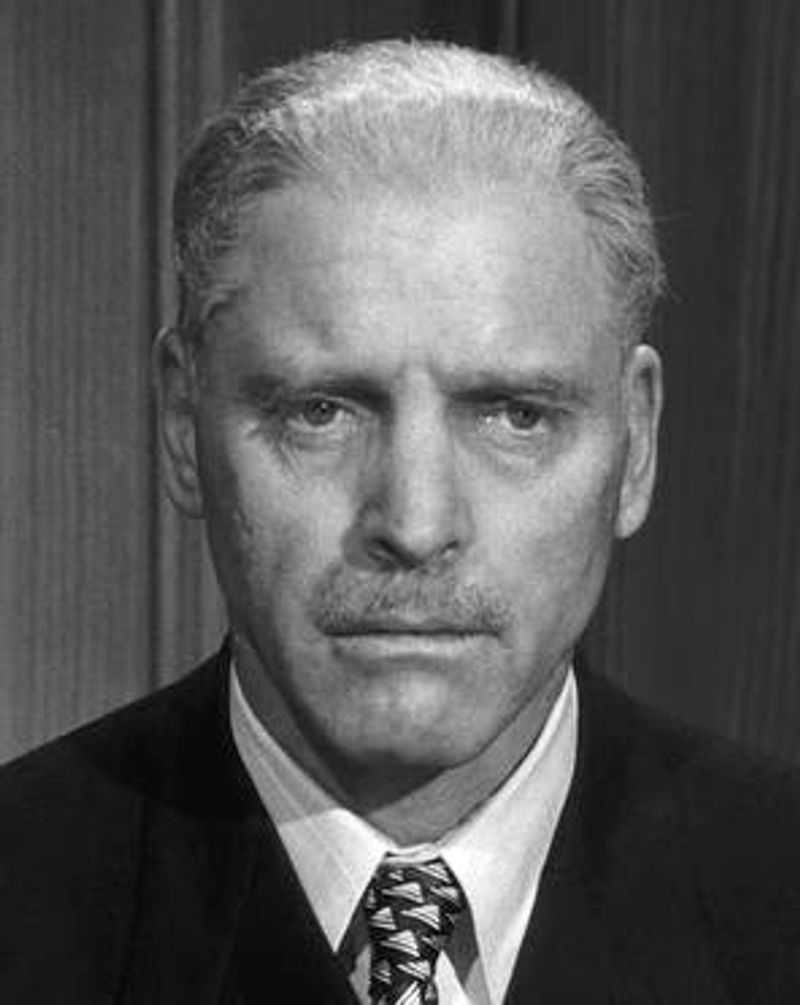
An American oil executive flies to a tiny Scottish village to negotiate buying it for a refinery, and somehow the village changes him instead.
Bill Forsyth directed this quietly magical film with a warmth that sneaks up on you like a cat sitting on your lap. Mark Knopfler of Dire Straits composed the soundtrack, and it is pure gold.
Nothing explodes. Nobody fights.
Yet Local Hero is completely captivating from start to finish. Roger Ebert called it one of the best films of 1983.
4. Paris, Texas (1984)
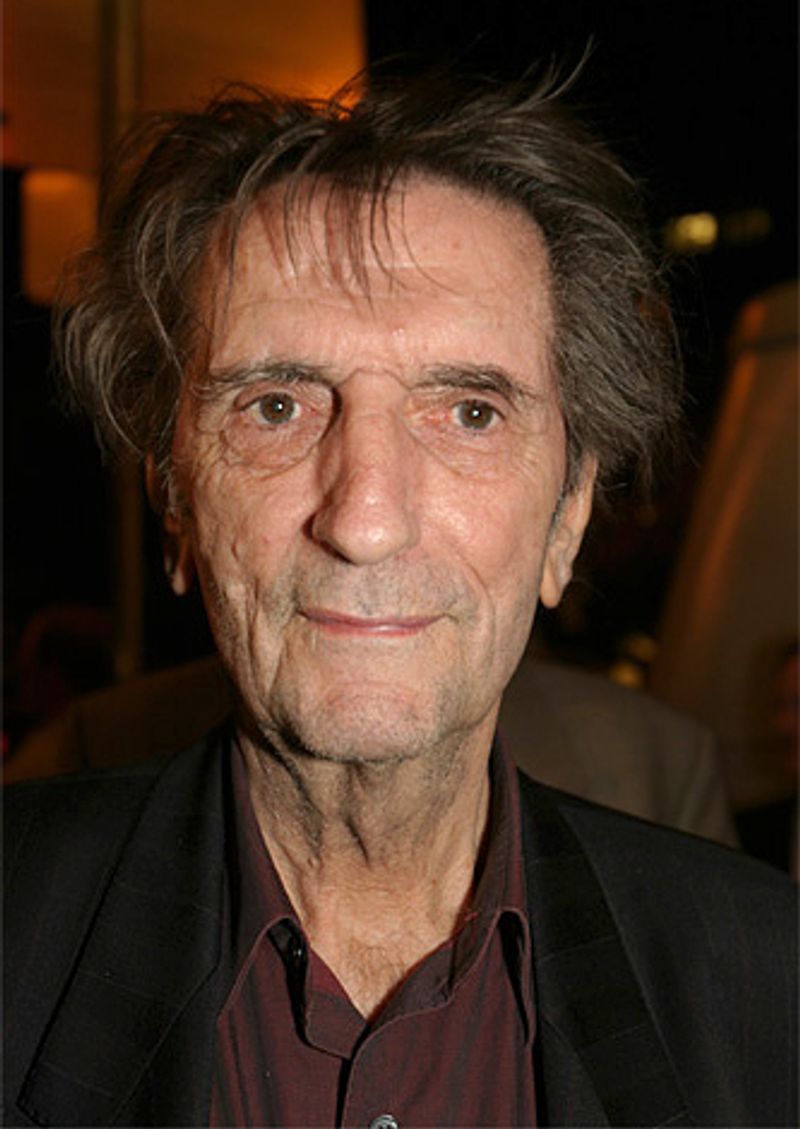
Travis Henderson walks out of the desert after four years of silence, and nobody knows where he has been, including Travis himself.
Wim Wenders directed this American road movie with the patience of someone who truly believes every silence says something.
Harry Dean Stanton gives a career-defining performance that is almost impossible to describe without spoiling.
Ry Cooder’s slide guitar score turns every frame into a landscape painting you could stare at forever.
5. Stop Making Sense (1984)
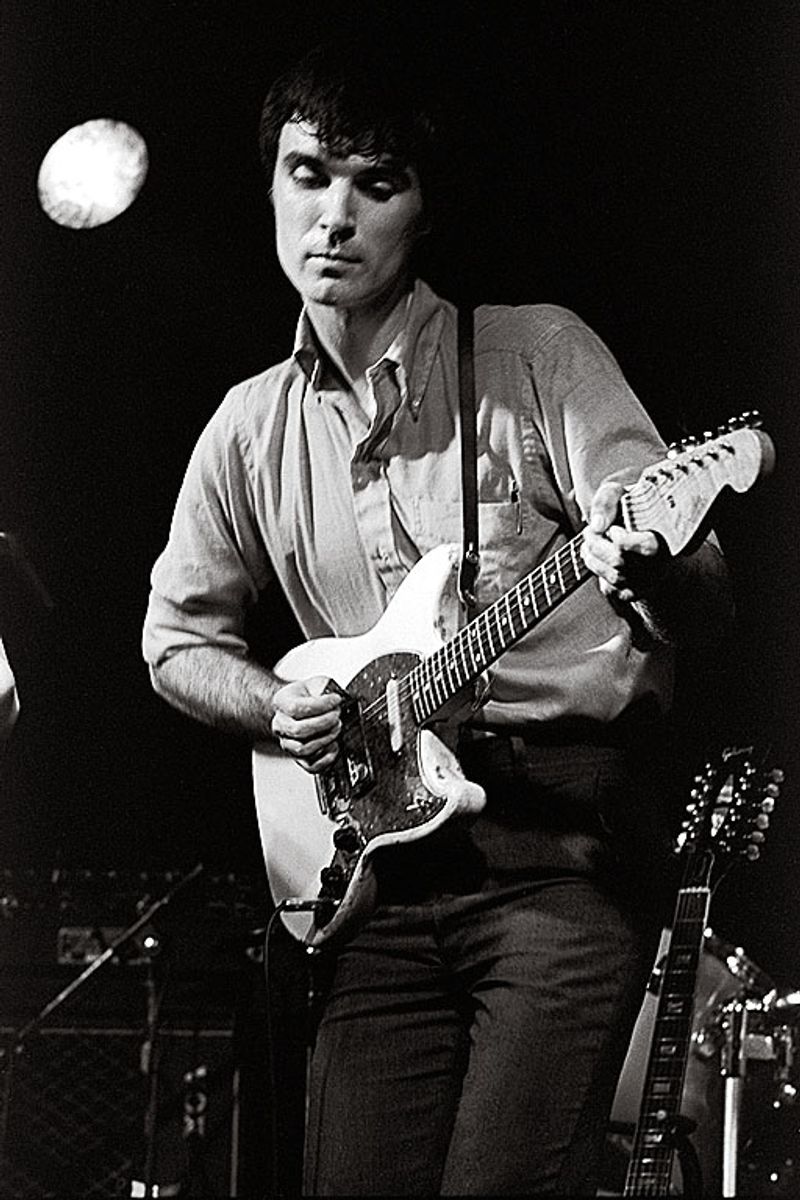
Talking Heads frontman David Byrne walks onto a bare stage with a boom box and a guitar, and over the next 88 minutes builds one of the greatest concert films ever made.
It’s directed with the eye of a storyteller, not just a cameraman pointing at a band.
The famous oversized suit Byrne wears has become one of pop culture’s most iconic images.
Even if you have never heard a Talking Heads song, this film will make you a fan before the credits roll. The energy builds and builds until the whole thing feels like pure joy.
6. Mishima: A Life in Four Chapters (1985)

Paul Schrader structured this film like a piece of architecture, blending black-and-white flashbacks, vivid theatrical adaptations of novels, and the final day of Yukio Mishima’s life.
Ken Ogata plays the legendary Japanese writer with fierce intensity. Philip Glass composed the score, and it sounds like something between a heartbeat and a cathedral organ.
Mishima was a real author who staged a dramatic final act in 1970, and the film treats his contradictions, beauty, nationalism, and art, with remarkable intelligence.
7. After Hours (1985)
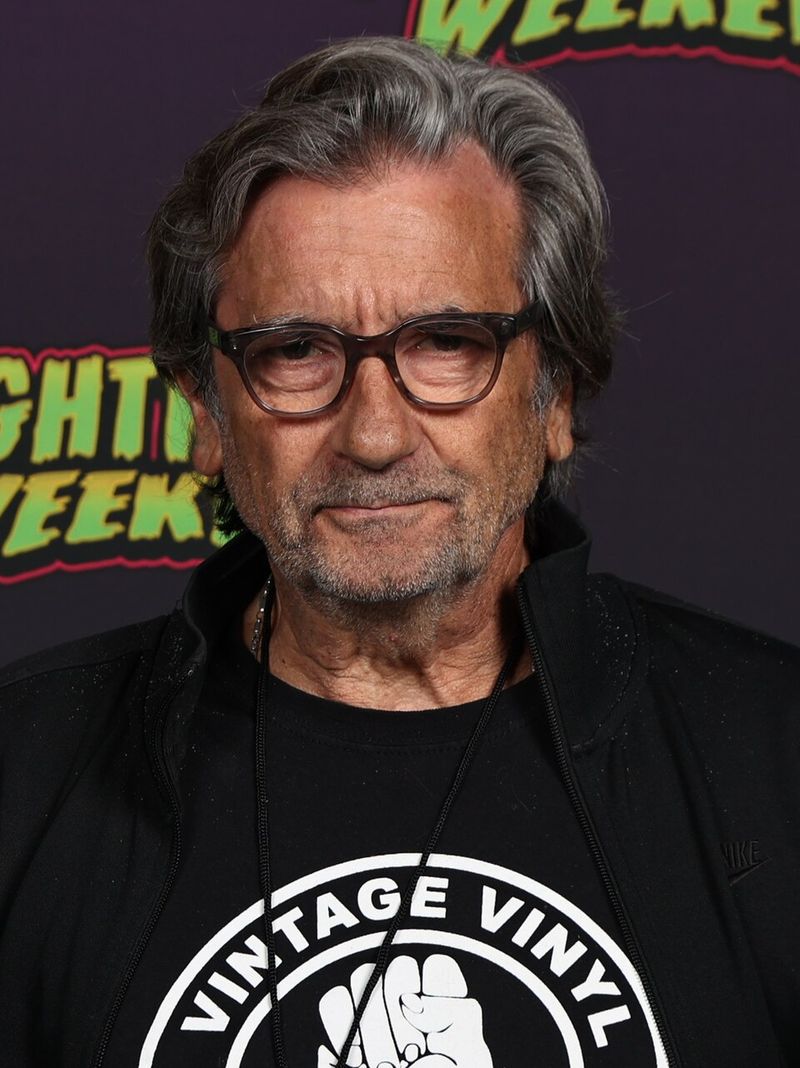
One ordinary man tries to get home from SoHo after a strange date, and everything that can go wrong does go wrong, in the most darkly hilarious way possible.
Martin Scorsese made this low-budget nightmare comedy between two bigger projects and ended up winning Best Director at Cannes for it.
Griffin Dunne plays the increasingly terrified Paul with perfect wide-eyed panic.
Think of it as a cartoon where the anvil keeps falling on the same guy, except the anvil is New York City at 3 a.m.
8. Brazil (1985)

Terry Gilliam built a nightmarish future where paperwork rules everything and one man’s daydreams are the only escape.
Brazil is equal parts Kafka, Chaplin, and a fever dream your brain cooks up after eating too much pizza.
Jonathan Pryce plays Sam Lowry, a government drone who stumbles into a case of mistaken identity with catastrophic results.
The film famously had a legendary battle between Gilliam and Universal Pictures over the ending. Gilliam won, eventually.
Robert De Niro even shows up as a rogue repairman, just casually.
9. Blue Velvet (1986)

Beneath the perfect lawns and cheerful diners of a small American town hides something deeply, disturbingly wrong.
David Lynch’s Blue Velvet opens with a severed ear in a field, and from there the strangeness only multiplies.
Kyle MacLachlan and Isabella Rossellini give performances that feel like they exist in a completely different reality from normal movies.
The film was controversially snubbed at the Oscars despite being Lynch’s masterpiece.
10. Mona Lisa (1986)
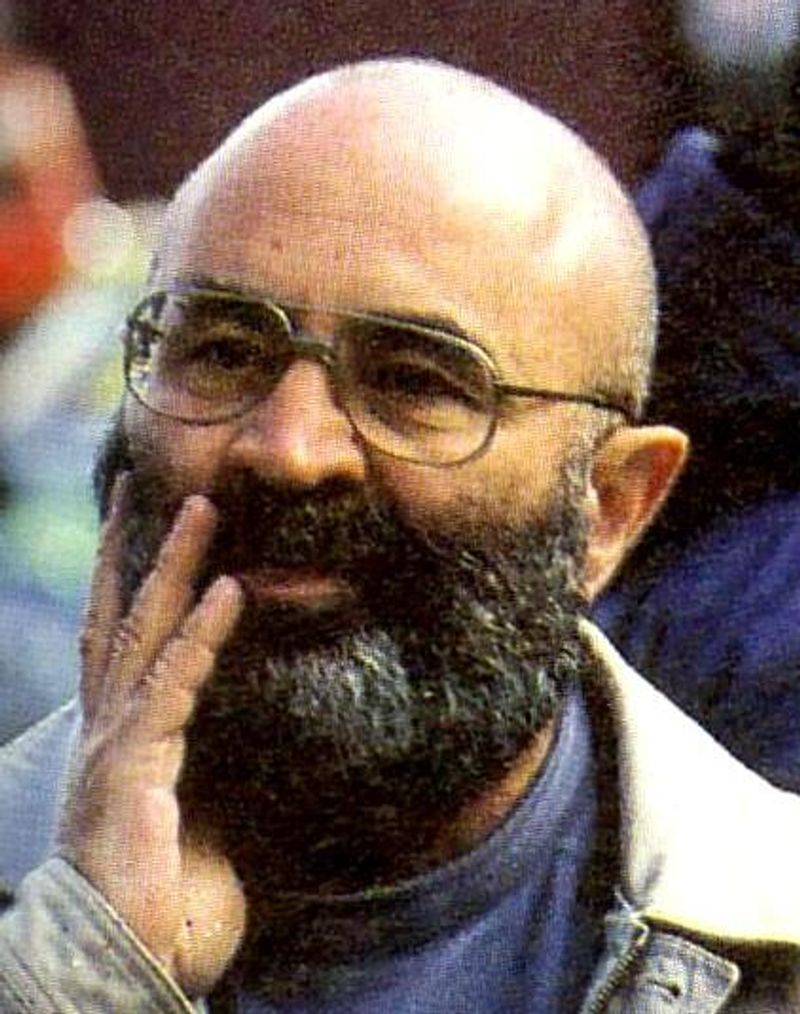
George is a small-time crook who gets a job driving a high-class escort and slowly becomes obsessed with finding her missing friend.
Neil Jordan directed this London noir with a bruised tenderness that catches you completely off guard.
Bob Hoskins won the Best Actor award at Cannes and was nominated for an Academy Award, yet the film remains largely forgotten today.
How a performance this raw and heartbreaking did not make Hoskins a household name worldwide is one of cinema’s great mysteries.
11. Withnail and I (1987)

Two unemployed actors escape their grimy London flat for a disastrous holiday in the English countryside, and the results are hilarious and oddly beautiful.
Bruce Robinson wrote and directed this cult classic based largely on his own experiences in the 1960s.
The film flopped on release but became a genuine phenomenon on home video. Students across Britain began memorizing its dialogue like it was sacred text.
Funny thing is, it kind of is.
12. Wings of Desire (1987)
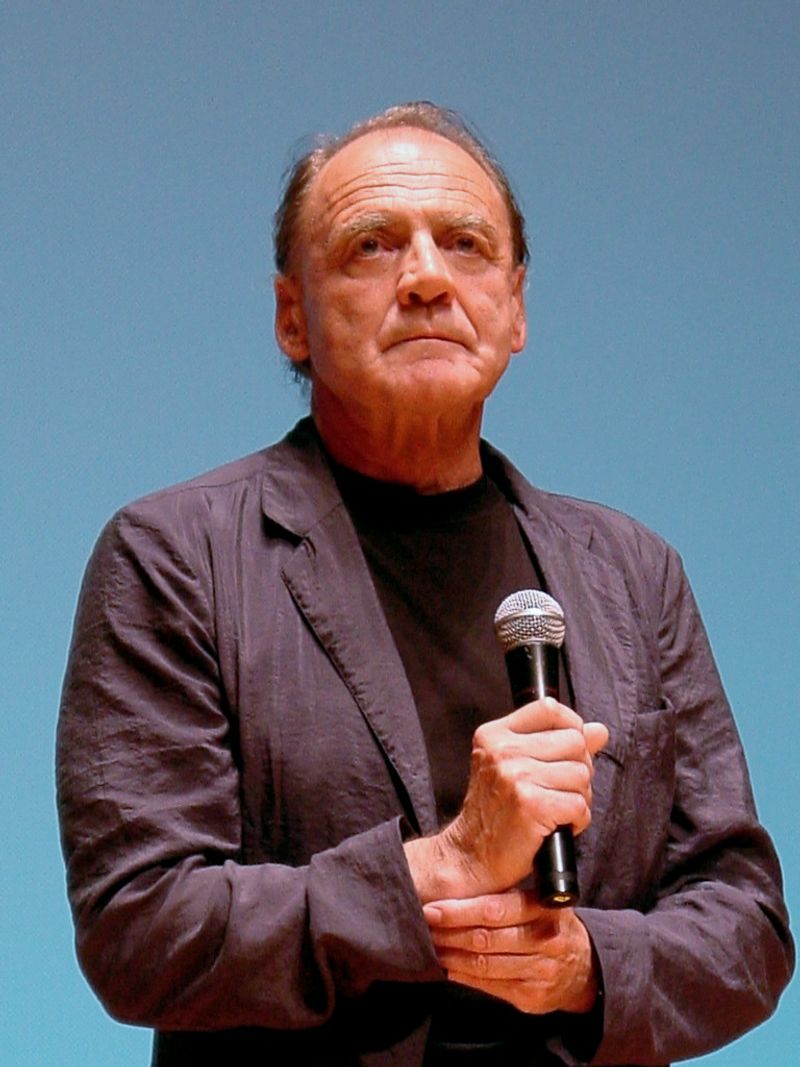
Angels walk invisibly through divided Berlin, listening to human thoughts and longing to feel what mortals feel. Wim Wenders crafted a film so achingly beautiful that it almost hurts to watch.
Bruno Ganz plays the angel Damiel with a stillness that somehow communicates an ocean of emotion beneath the surface.
The cinematography by Henri Alekan shifts between black-and-white for the angels’ world and warm color for human experience. That visual trick alone is worth a cinema studies degree.
13. The Hidden (1987)
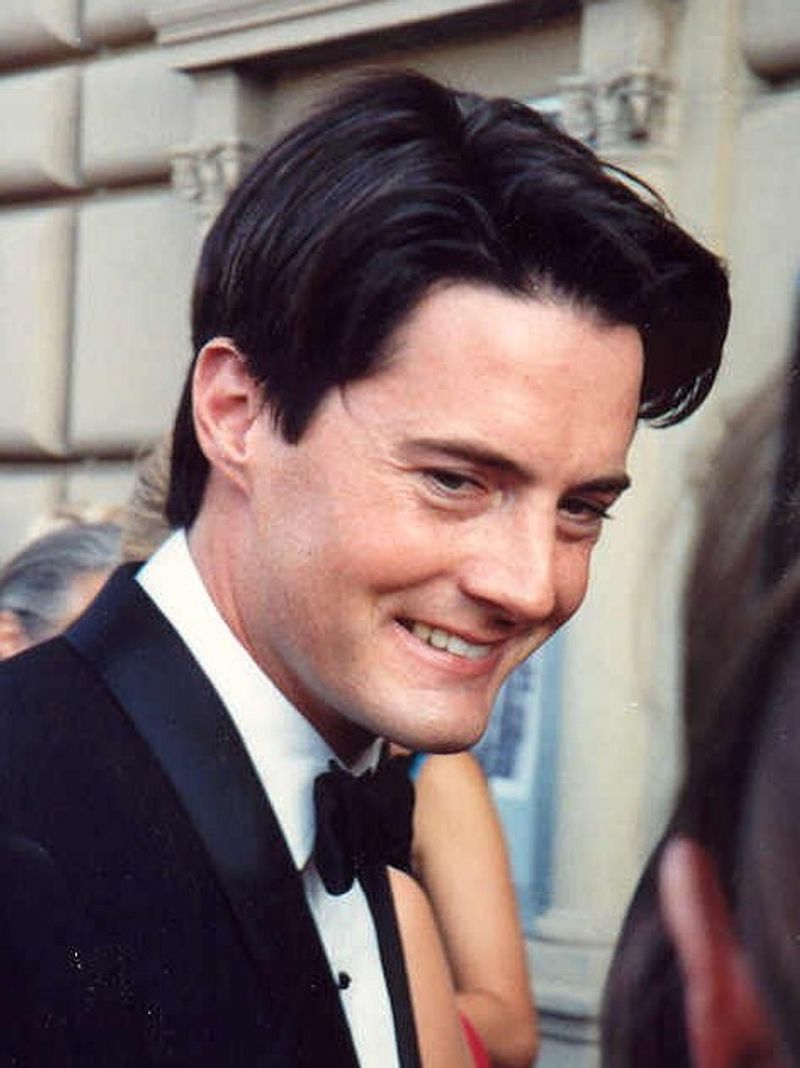
Something is jumping from body to body in Los Angeles, turning ordinary people into violent, Ferrari-stealing, heavy-metal-blasting people.
The Hidden is a sci-fi action thriller that moves at the speed of a runaway freight train and never once apologizes for it.
Kyle MacLachlan plays the mysterious FBI agent with a perfectly alien blankness that makes total sense by the end.
Released the same year as RoboCop and Predator, this gem somehow got completely overshadowed. Critics who caught it loved it.
14. Matewan (1987)

In 1920 West Virginia, coal miners of different races and backgrounds unite against a powerful mining company, and the tension builds toward an inevitable, tragic showdown.
John Sayles directed Matewan with a documentary-like honesty that makes every scene feel lived-in and real.
Chris Cooper, in one of his earliest major roles, is quietly commanding as the union organizer Joe Kenehan.
Based on real events, the film is a powerful reminder that workers fought for rights many people now take for granted.
15. A Fish Called Wanda (1988)
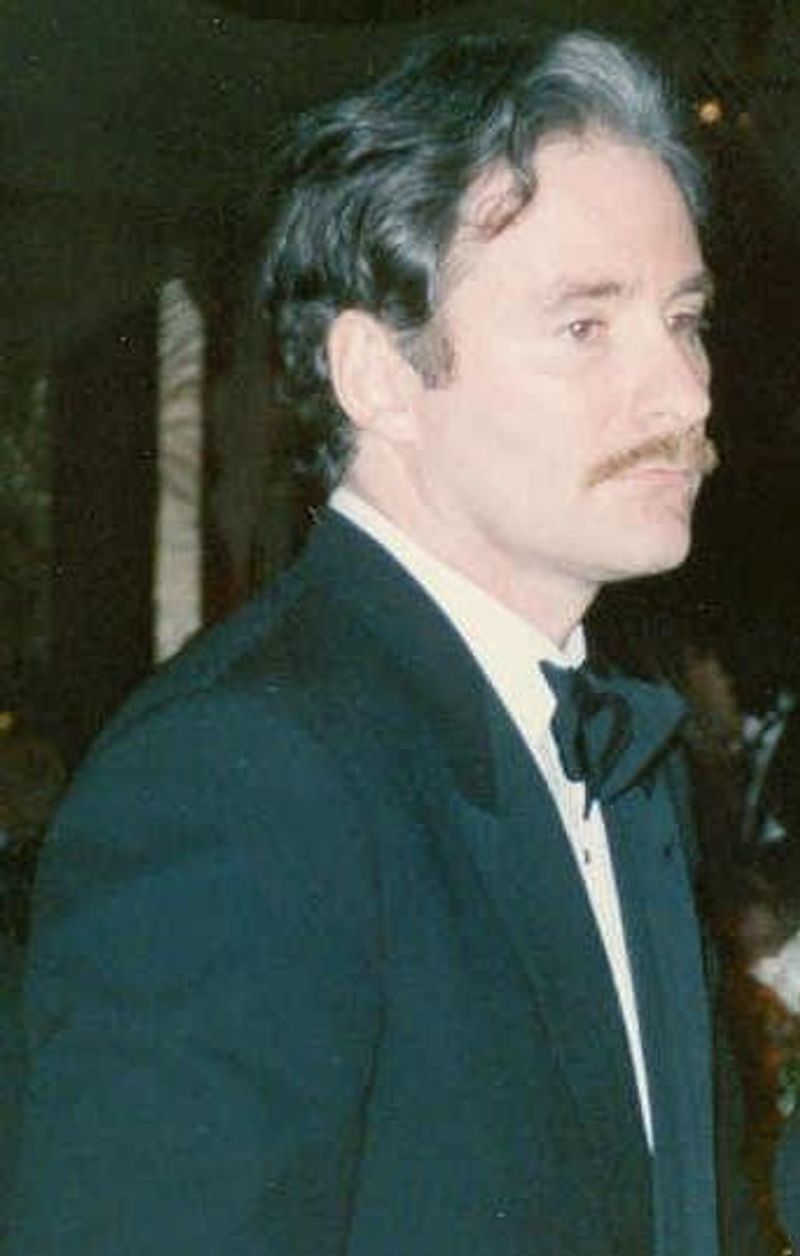
Four wildly incompatible criminals team up for a jewel heist in London, and absolutely nothing goes according to plan, especially for the unfortunate stutterer Ken and his beloved fish.
John Cleese and Charles Crichton co-directed this comedy masterpiece, which won Kevin Kline a Best Supporting Actor Oscar for playing Otto.
Jamie Lee Curtis and Michael Palin round out a cast that has perfect comic chemistry. The film was a massive hit yet somehow gets left off lists of great 1980s cinema constantly.
16. Heathers (1989)

High school has never looked this dangerous or this darkly funny.
Winona Ryder plays Veronica, a girl trapped inside the most vicious clique in school, until a mysterious new student named J.D. offers her a way out that turns out to be far worse than the problem.
Michael Lehmann directed this pitch-black satire with the confidence of someone who knew they were making something special.
Christian Slater’s J.D. is essentially a teenage Joker, charming and terrifying in equal measure. The film flopped theatrically but became a cult phenomenon on video.