17 Paul Newman Facts That Show There Was No One Quite Like Him
Paul Newman had the kind of presence that made a room feel smaller and a story feel bigger. Most people remember the blue eyes first, but that was only the easy headline.
Behind that legendary face sat a sharp mind, a dry wit, a serious racing habit, a generous spirit, and a career packed with choices that never felt predictable.
One minute he was stealing scenes on screen, the next he was building a food empire that turned salad dressing into something surprisingly admirable.
Fame followed him everywhere, yet he always seemed slightly amused by it, like he knew the joke before anyone else caught on.
Plenty of stars leave behind hit movies and polished public images. Newman left behind great performances and enough unexpected turns to fill far more than a standard Hollywood biography.
1. He Publicly Trashed His Own First Movie
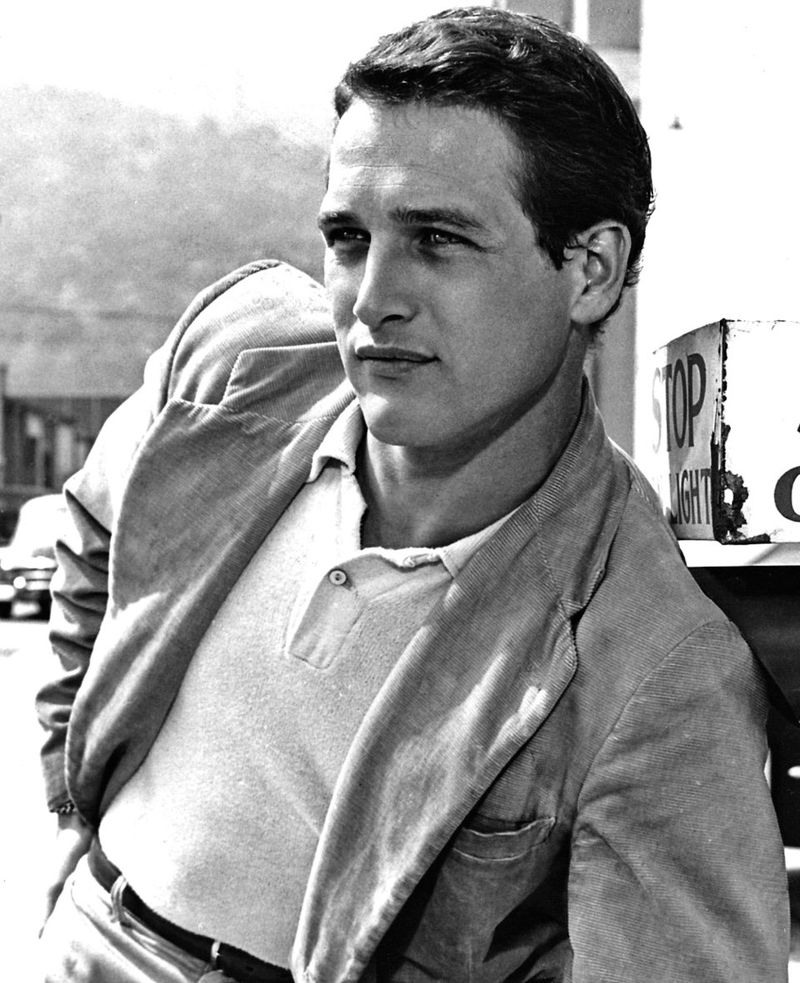
Most stars smile through bad reviews and quietly move on. Not Paul Newman.
When his 1954 film debut, The Silver Chalice, aired on television, Newman actually took out a newspaper ad apologizing to viewers for it. That kind of bold, self-aware honesty was almost unheard of in the buttoned-up Hollywood of that era.
How many A-listers have the confidence to publicly roast their own work? Newman did it without blinking.
Honestly, that move says more about his character than any award ever could.
2. Racing Was His Real Second Career
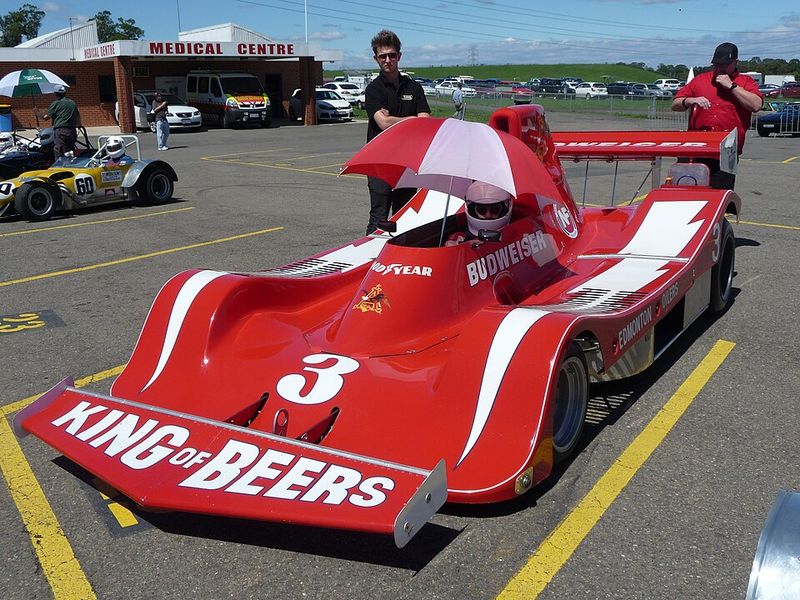
For Newman, racing was never a celebrity side hobby or a photo opportunity.
He trained seriously, competed in real events, and co-owned the Newman/Haas Racing team, which became a powerhouse in the CART series, racking up 107 race wins and eight championships.
That is a legitimate sporting legacy, not just a famous face on a sponsor banner.
He earned respect from professional drivers who judged him purely on lap times. That respect, from people who could not care less about movie credits, meant everything to him.
3. He Won a Race at Age 70
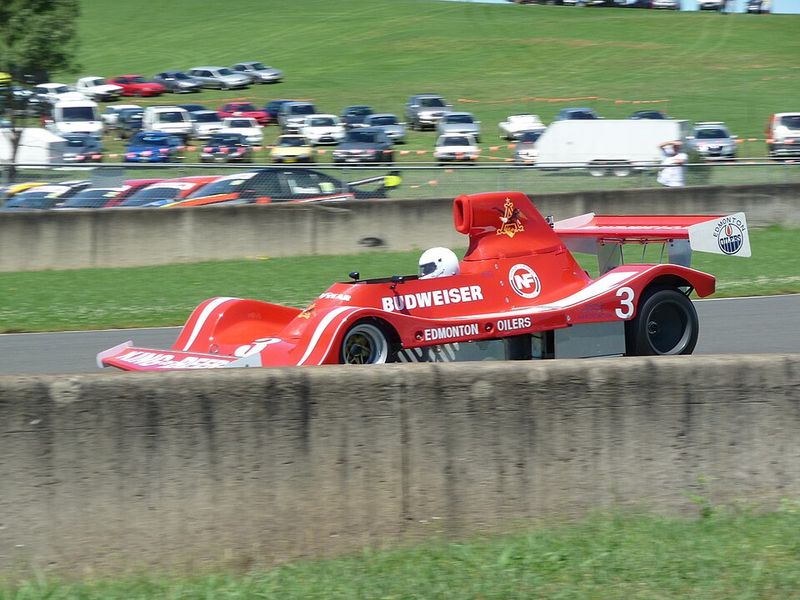
Picture this: you are 70 years old and you just helped your team win a class at the 24 Hours of Daytona.
That is exactly what Newman did in 1995, and it remains one of the most jaw-dropping athletic achievements by any entertainer, ever. Most people his age were thinking about retirement, not pit stops.
It was not a novelty win either. His team genuinely earned it through skill and endurance.
Newman proved that age is, in fact, just a number, especially when you have that much drive (pun absolutely intended).
4. He Turned Salad Dressing Into a Charity Empire
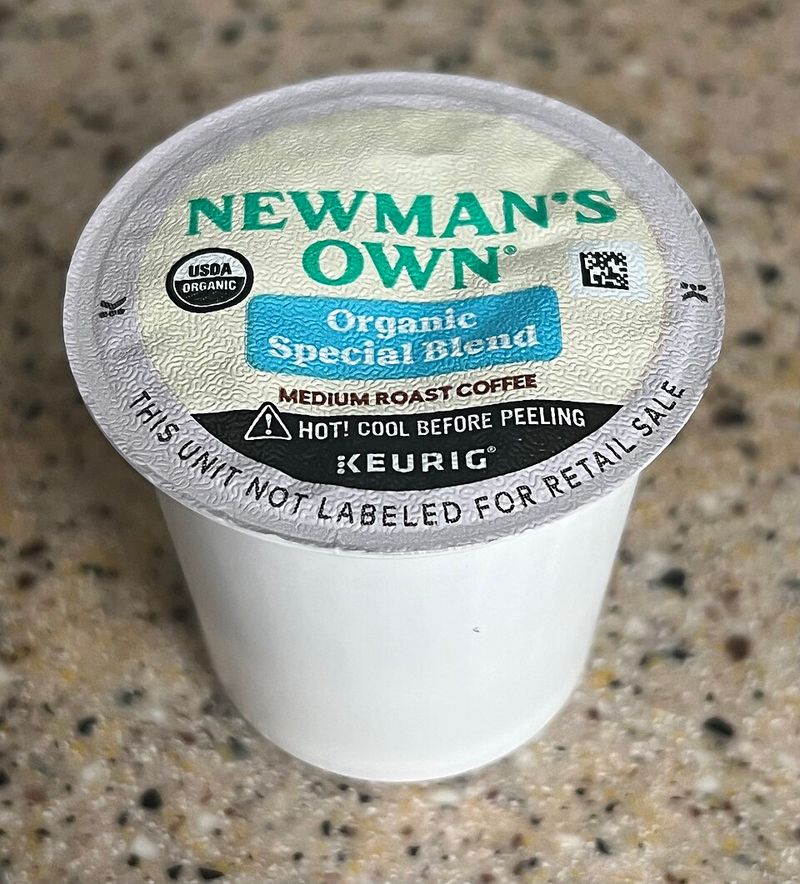
Back in 1982, Newman started bottling his homemade salad dressing as a joke gift for friends. Nobody expected it to become a global brand.
Newman’s Own launched that year, and from day one, every single dollar of profit went straight to charity. No exceptions, no fine print, no percentage deals.
By 2021, the foundation had donated roughly 570 million dollars to thousands of causes worldwide. That is an extraordinary number.
What started as a quirky holiday gift quietly became one of the most generous celebrity-led charitable efforts in modern history.
5. Giving Away Profits Was the Whole Point
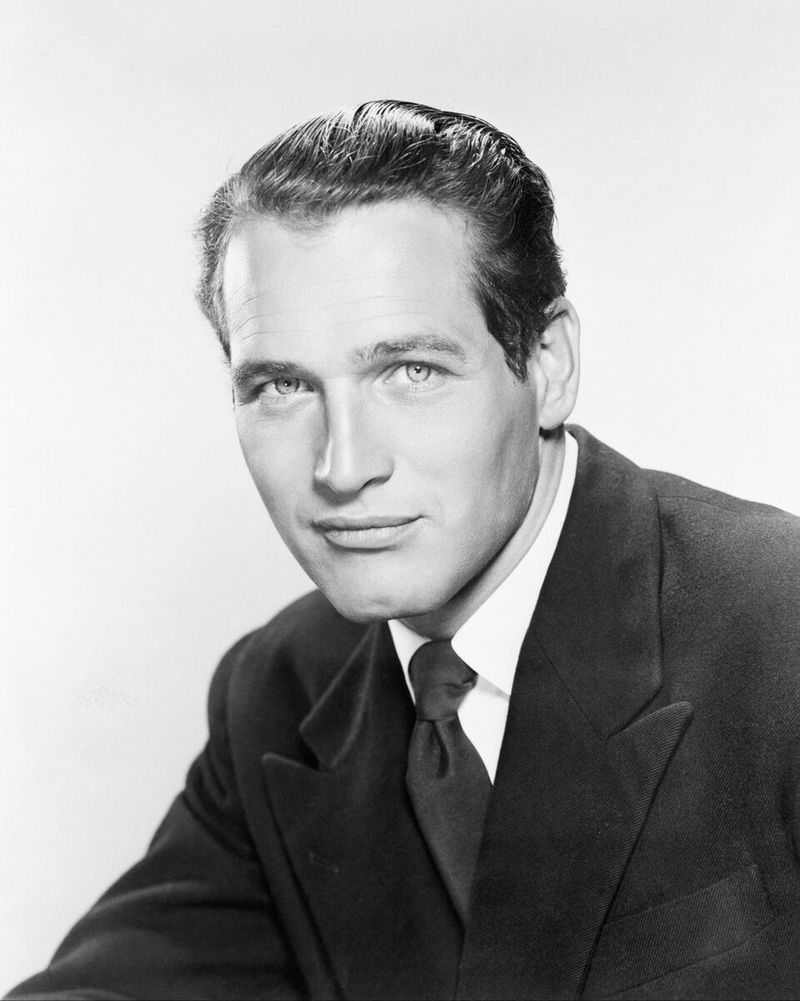
Most celebrity brands are built to make money for the celebrity. Newman flipped that idea completely upside down.
From the very beginning, Newman’s Own was designed to give its profits away, not accumulate them. That was not a marketing angle; it was the actual business model, and it has never changed.
Even after his passing, the foundation kept that promise. How many brands can say their entire reason for existing is generosity?
Newman built something rare: a company where doing good was the product.
6. The Hole in the Wall Gang Camp Was Pure Magic
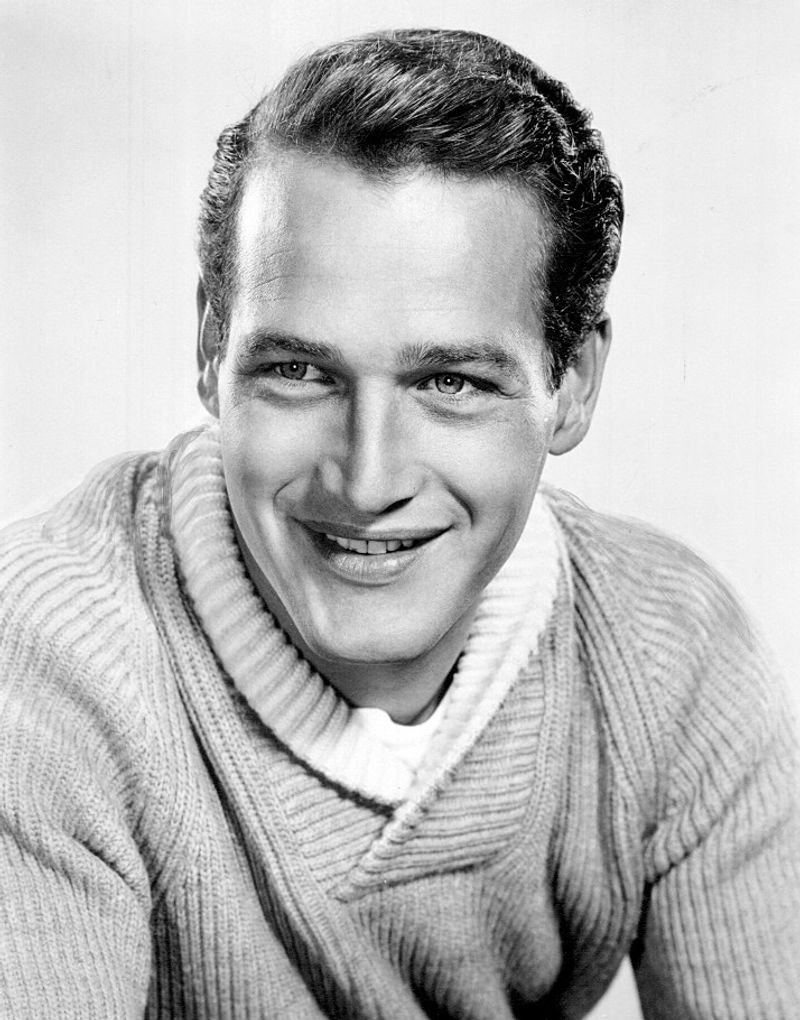
Named after the outlaw gang from Butch Cassidy and the Sundance Kid, the Hole in the Wall Gang Camp opened in 1988 in Connecticut.
Newman founded it specifically for children with serious illnesses, giving them a place to just be kids without the weight of hospital routines. The name alone is a wink of pure Newman charm.
The camp became a model for similar programs worldwide.
Thousands of children have attended over the decades, many of whom describe it as a life-changing experience. That legacy is hard to overstate.
7. He Met Joanne Woodward on Broadway
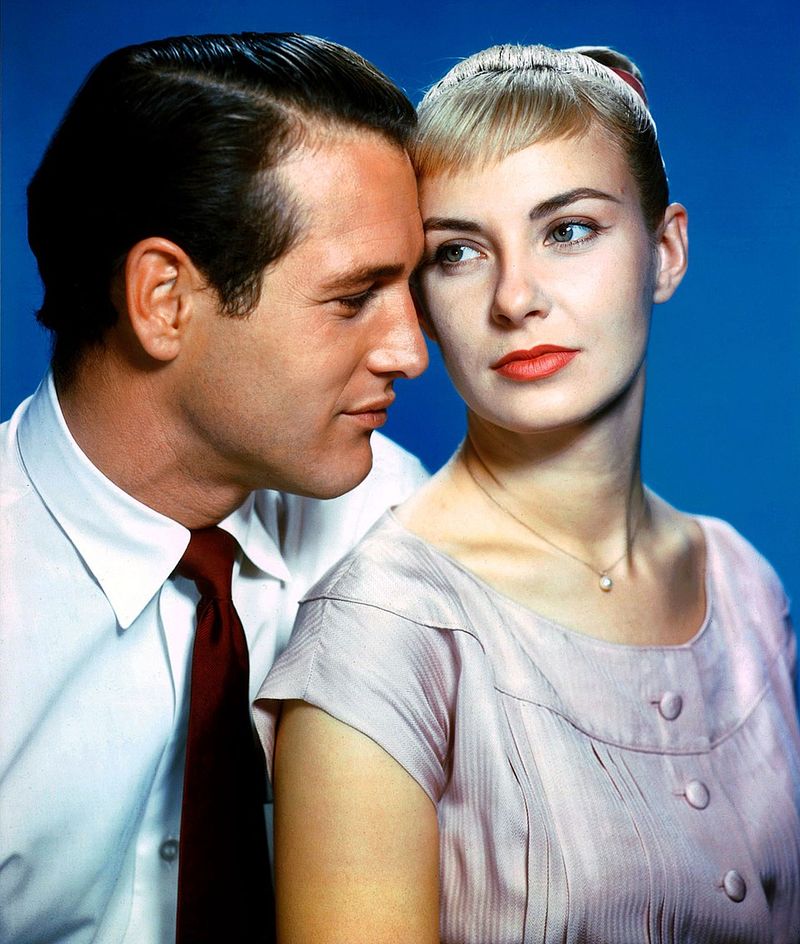
Before Hollywood fully claimed him, Newman was working the New York theater circuit.
During the Broadway production of Picnic in the early 1950s, he met actress Joanne Woodward, and that meeting quietly changed the course of both their lives.
Sometimes the most important moments happen when you are just trying to do your job. Their connection grew naturally over time, rooted in a shared passion for craft and storytelling.
Woodward would go on to become his partner in every sense of the word, personally and professionally, for decades to come.
8. Their 50-Year Marriage Was the Real Love Story
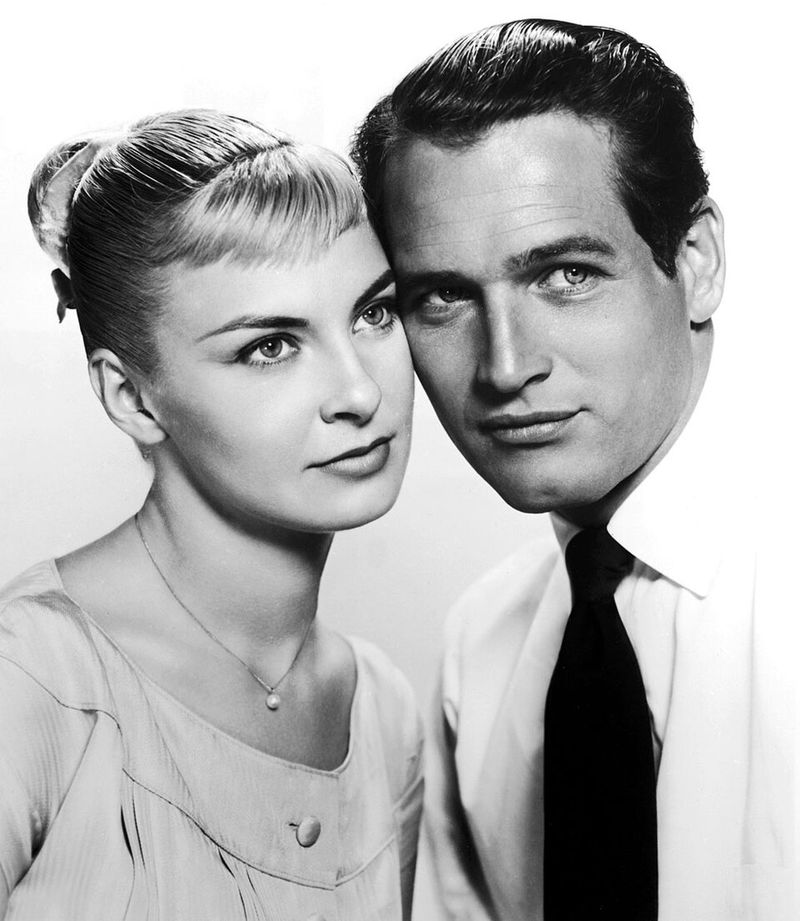
Fifty years of marriage in Hollywood? That is practically a mythological achievement.
Newman and Woodward married in 1958 and stayed together until his passing in 2008, navigating fame, careers, and life with a steadiness that most couples, celebrity or not, can only admire from a distance.
When asked about his faithfulness in an industry full of temptation, Newman once said why go out for hamburgers when you have steak at home? Charming, funny, and completely sincere.
9. Hud Made Audiences Love Someone They Should Not
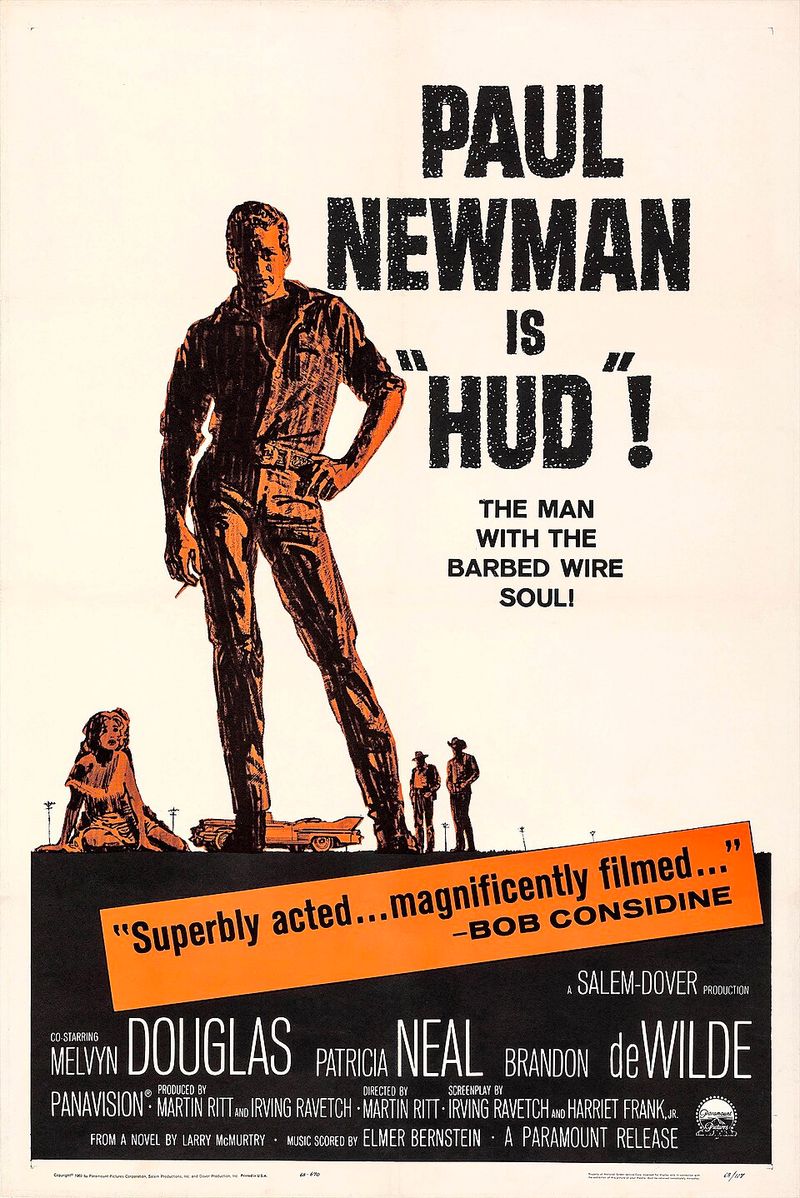
Playing Hud Bannon in the 1963 film Hud, Newman took on one of cinema’s most morally bankrupt characters and somehow made him magnetic.
Newman himself called Hud one of the most unsympathetic figures he ever portrayed, and yet audiences could not take their eyes off him. That is the magic trick only the best actors can pull off.
Hud earned Newman an Oscar nomination and proved that compelling storytelling does not require a likable hero.
10. He Defined a Whole Style of American Cool
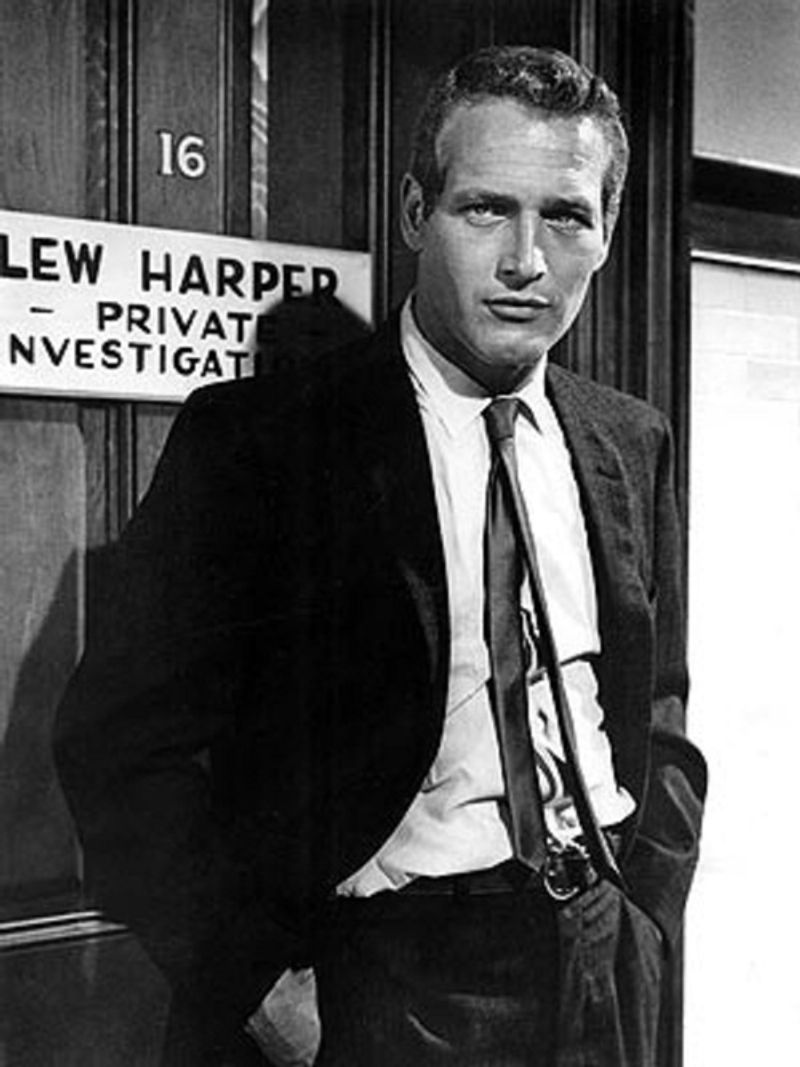
Cool Hand Luke, Hud, Harper. Three films, three antiheroes, and one actor who made rebellion look effortless.
Newman shaped what audiences expected from a certain kind of American male lead. Confident, slightly dangerous, always fascinating, and somehow still someone you rooted for.
That archetype influenced generations of actors who came after him.
If you have ever watched a movie where the coolest guy in the room barely speaks and still commands every scene, there is a decent chance that character owes something to Newman’s blueprint.
11. Rocky Graziano Launched His Film Future
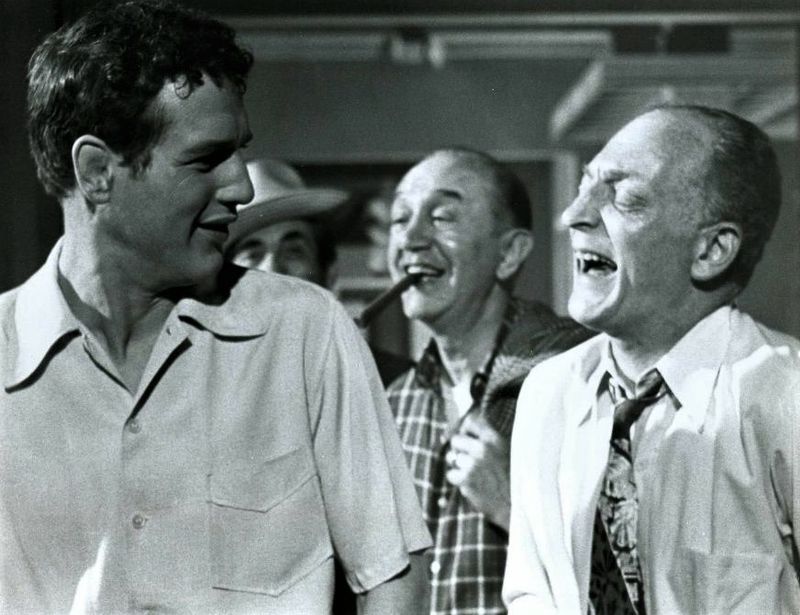
Before Newman became a household name, he replaced the late James Dean in Somebody Up There Likes Me, playing real-life boxer Rocky Graziano in 1956.
It was a demanding physical and emotional role, and Newman absolutely delivered. Critics noticed immediately, and Hollywood took a much closer look at this young actor from Cleveland Heights.
Stepping into a role originally meant for James Dean, one of the most electrifying stars of his generation, would have crushed most performers. Newman made it entirely his own.
12. His Oscar Win Took Way Too Long to Arrive
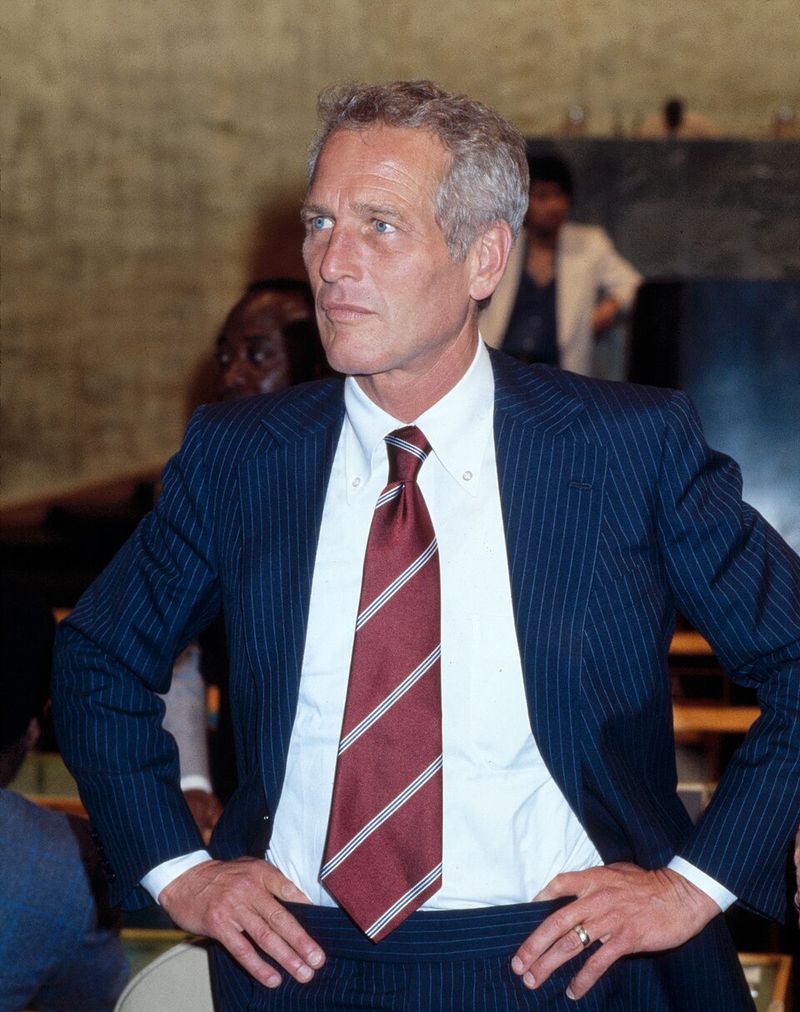
Newman received his first Academy Award nomination in 1959 for Cat on a Hot Tin Roof. Then came more nominations, and more, and more.
For years, the Oscar kept slipping away, which felt increasingly baffling given how consistently brilliant his performances were.
Finally, in 1987, he won Best Actor for The Color of Money, playing pool shark Fast Eddie Felson.
Interestingly, the Academy had already given him an honorary Oscar the year before, almost as if they were quietly apologizing. Better late than never, though the wait was genuinely ridiculous.
13. Late Career Awards Proved He Never Stopped Growing
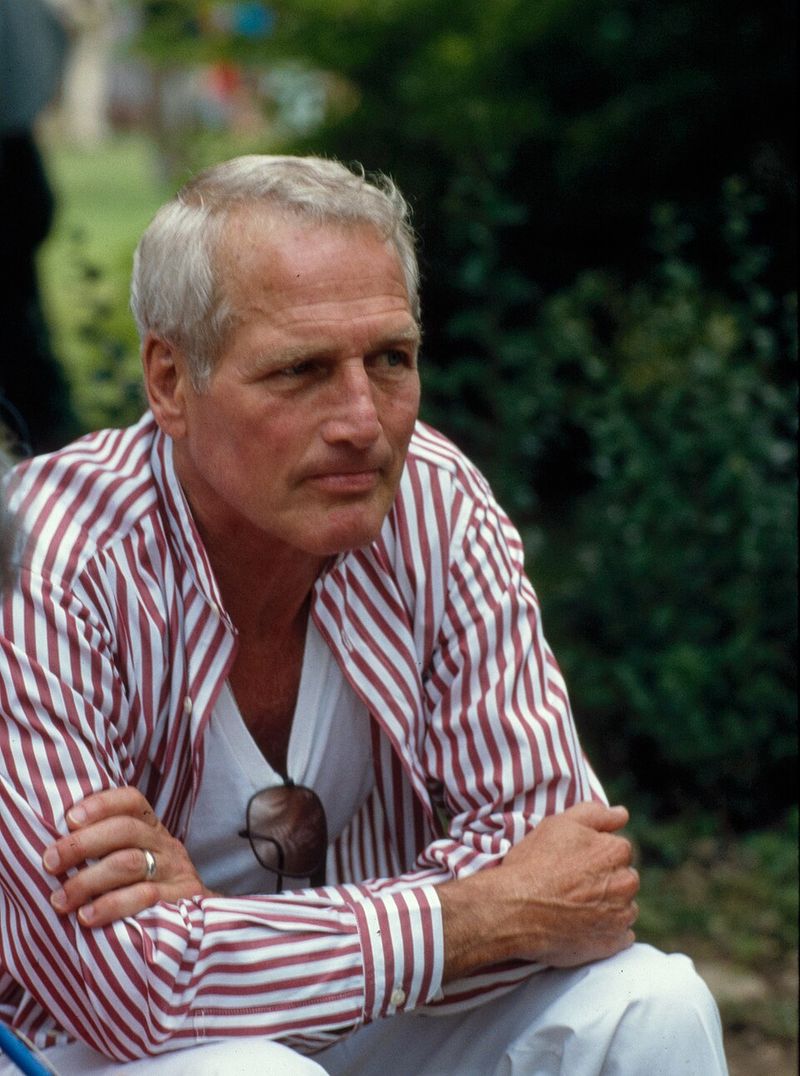
Even as he moved into his seventies, the awards kept arriving. His performance in the 2005 HBO miniseries Empire Falls earned him an Emmy Award, a Golden Globe, and a Screen Actors Guild Award.
Winning all three for a television role, later in your career, is the kind of achievement that makes younger actors sit up straight and take notes.
Empire Falls reminded audiences that genuine talent does not have a retirement age. He was still doing some of his most affecting work when many peers had long since stepped back.
14. Sully Was the Character Closest to His Real Self
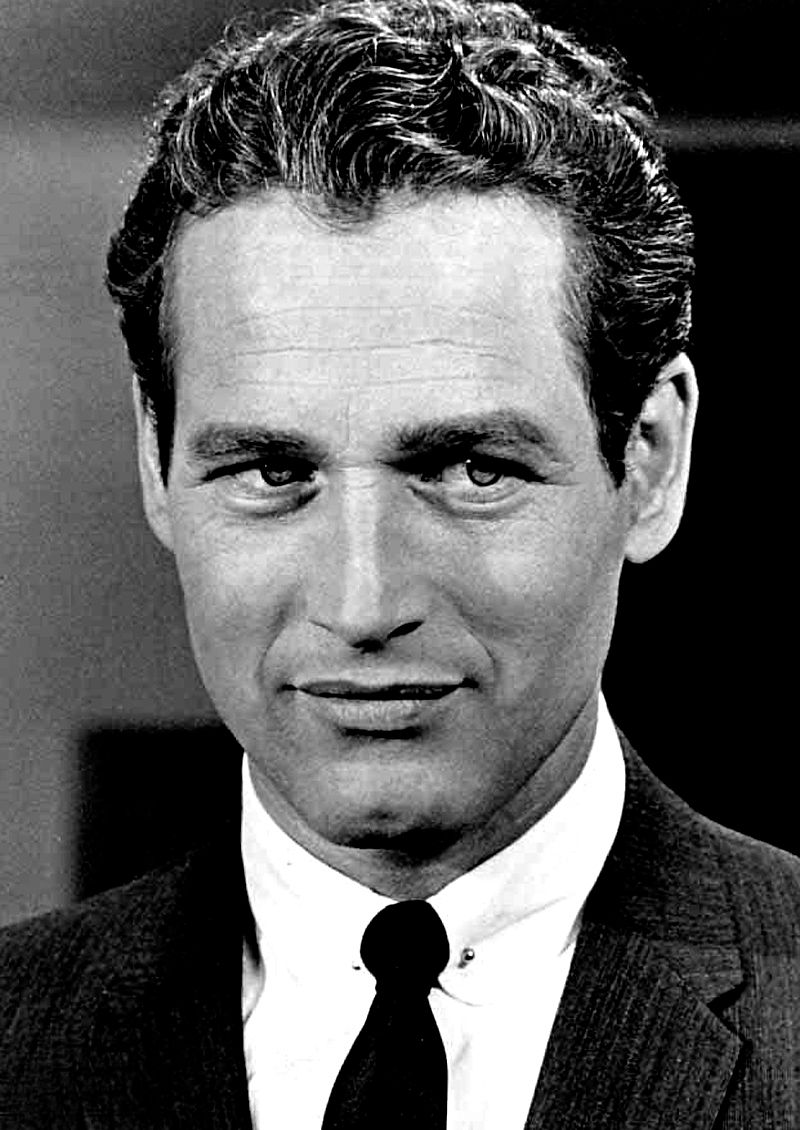
In Nobody’s Fool (1994), Newman played Sully Sullivan, a lovably stubborn, quietly wise small-town handyman who refused to take life too seriously. Newman said publicly that Sully was the role that felt most like himself.
Coming from a man who had played some of cinema’s most complex characters, that is a remarkably revealing statement.
Sully was not flashy or glamorous. He was just real. And maybe that is the point.
After decades of playing larger-than-life figures, Newman found the most honest reflection of himself in a guy with a bad knee and a good heart.
15. His Retirement Was Entirely on His Own Terms
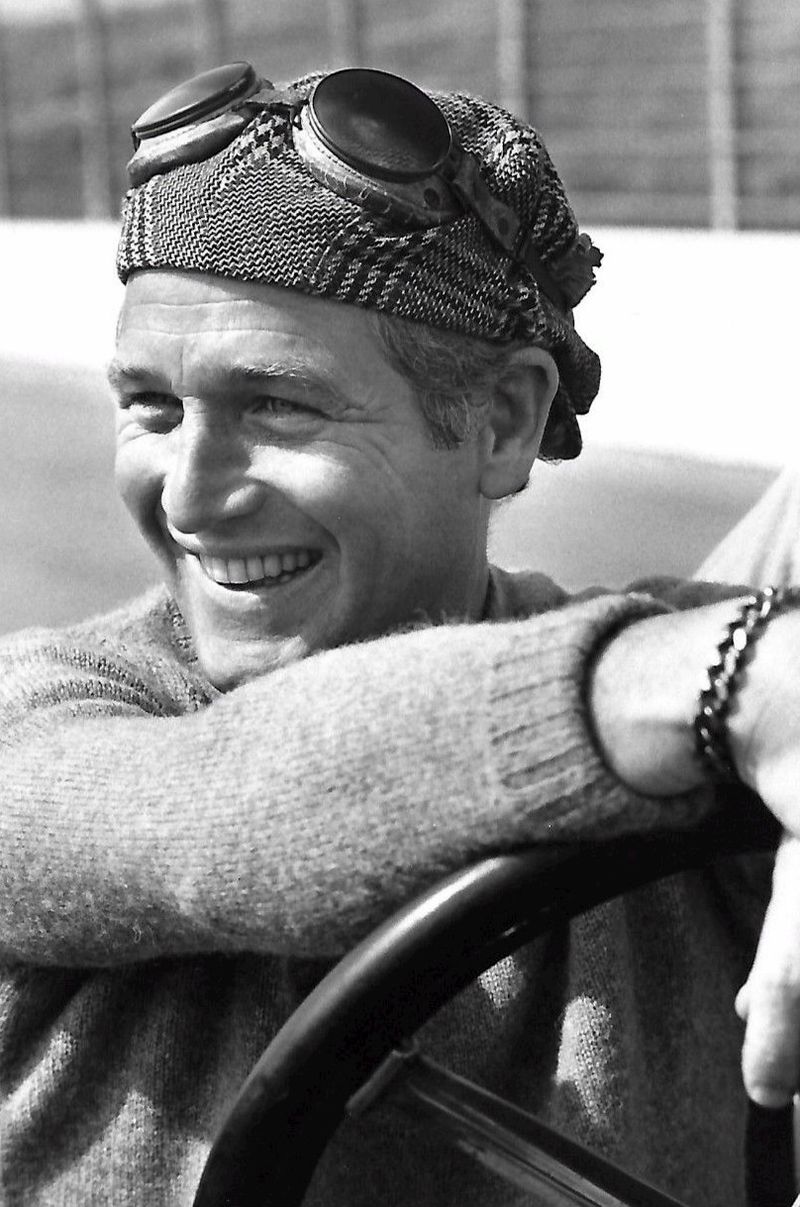
Around 2007, Newman stepped away from acting. His explanation was refreshingly straightforward: he felt he could no longer perform at the standard he expected from himself.
No dramatic farewell tour, no final blockbuster, just a quiet decision rooted in personal integrity and honest self-assessment.
That kind of self-awareness is genuinely rare in any profession, let alone one built around ego and visibility. Most stars cling to the spotlight long after it serves them.
16. Broadway Got Hollywood’s Attention First
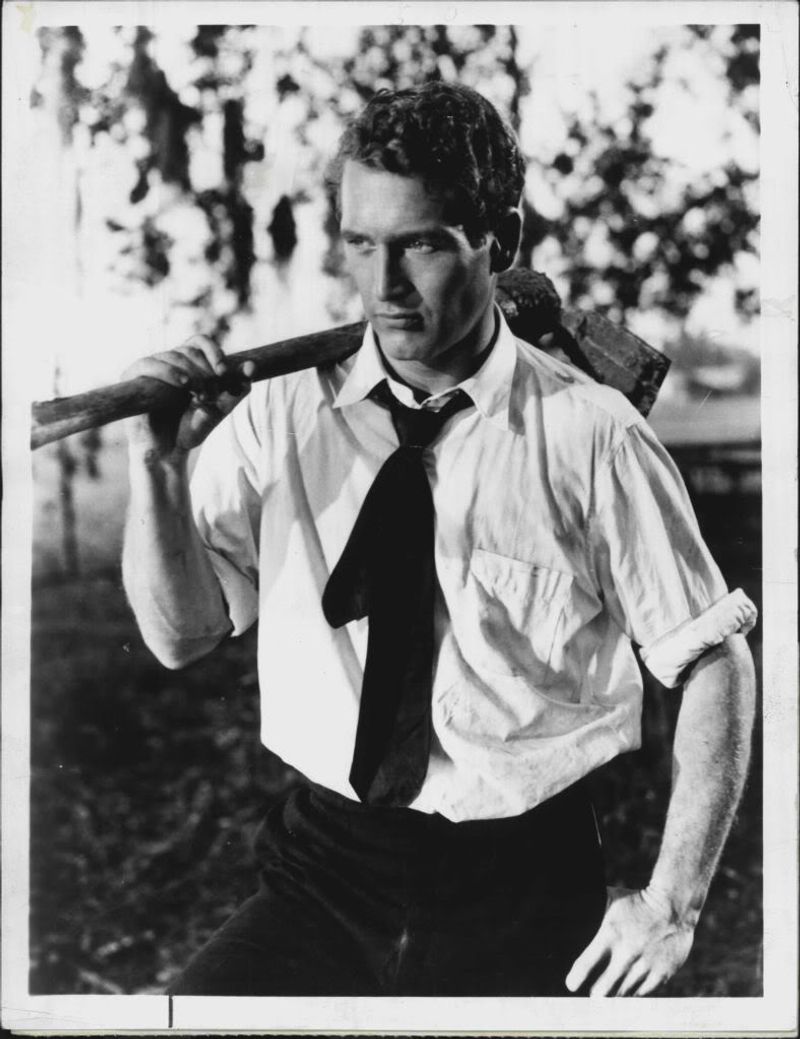
Long before movie cameras were pointed at him, Newman was building real theatrical credentials on the New York stage.
His work in the Broadway production of Picnic was strong enough to catch the eye of Hollywood scouts who were actively looking for fresh talent in the early 1950s. The stage, as always, delivered the goods.
Theater training gave Newman something that pure film school never could: the ability to hold a live audience.
That foundation of stage discipline showed up in everything he did on camera, giving his performances a weight and presence that felt completely natural.
17. Butch and Sundance Created Chemistry Nobody Could Copy
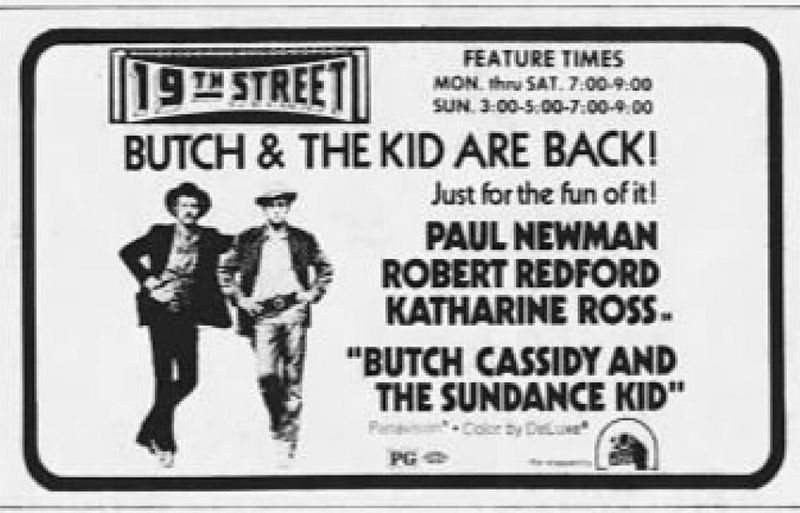
When Newman and Robert Redford shared the screen in Butch Cassidy and the Sundance Kid (1969) and again in The Sting (1973), something almost unfair happened.
Their chemistry was so natural, so effortlessly funny and warm, that the films felt less like movies and more like hanging out with the two coolest people you have ever met.
Decades later, both films still hold up as examples of what happens when star power meets genuine friendship on screen. That combination is rare enough to be considered a cinematic superpower.