
10 Well Known People Who Faced Excommunication From The Catholic Church
Excommunication carries the weight of something almost sacred, a solemn declaration that echoes through church history. Within the walls of the Catholic tradition, it stands as one of the most serious measures, separating a person from the sacraments and the shared life of the faithful.
Rooted in a call toward repentance, it serves as a spiritual turning point rather than an ending. Across centuries, voices of power and influence have felt its impact.
Kings, queens, and reformers stepped into conflict with authority and left behind stories filled with tension, conviction, and consequence. Each case reflects a moment where belief, politics, and personal choices collided in ways that shaped history itself.
Some sought reconciliation, others challenged the decision, and a few reshaped entire eras through the aftermath. These accounts reveal a side of church history that feels both reverent and dramatic, a reminder that faith and human conflict have long walked side by side.
Curious to uncover which figures faced this powerful judgment and what came next?
1. Martin Luther
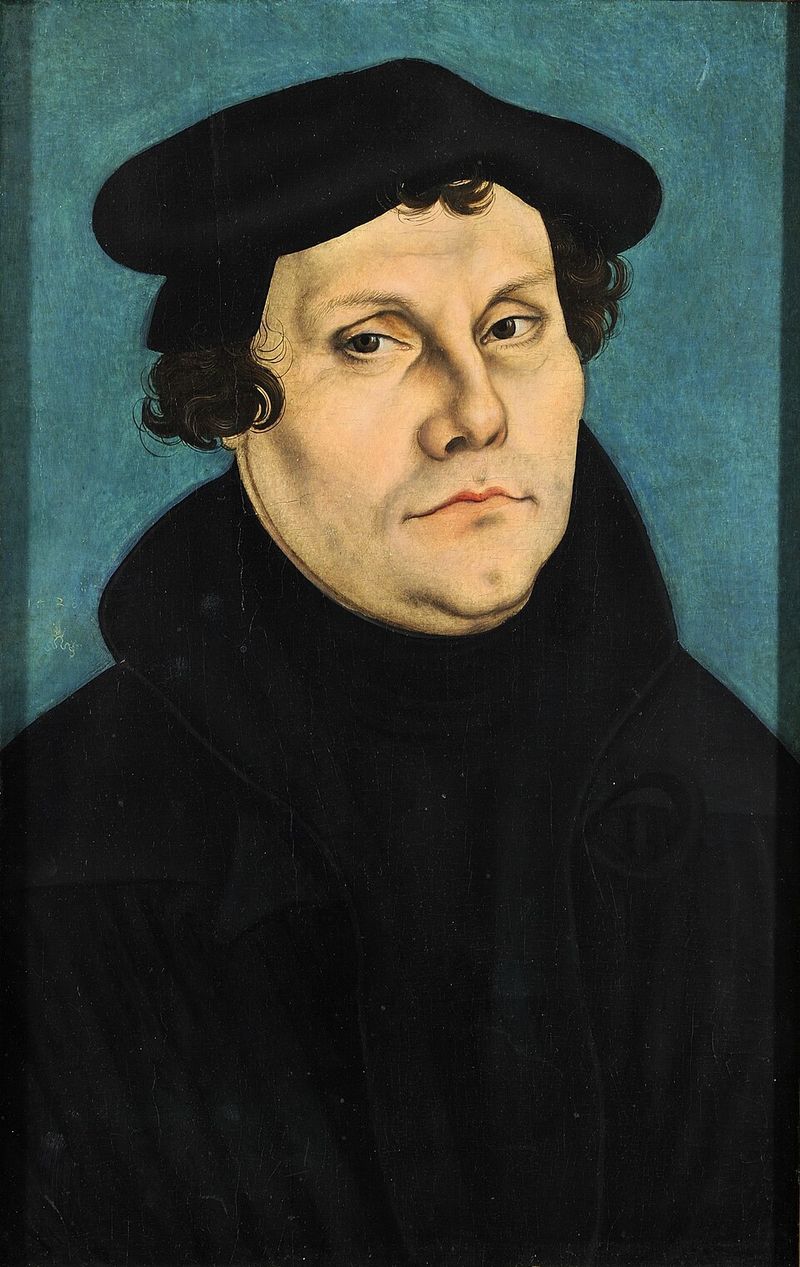
Not a lot of moments in history hit harder than when a monk nailed a list of complaints to a church door and accidentally started a revolution. Martin Luther did exactly that in 1517, challenging the Catholic Church’s practice of selling indulgences.
Pope Leo X was not amused. By 1521, Luther had been officially excommunicated at the Diet of Worms after refusing to take back his writings.
Rather than backing down, Luther kept preaching and translating the Bible into German so ordinary people could read it. His excommunication launched the Protestant Reformation, splitting Western Christianity forever.
Not bad for a monk with a hammer.
2. Henry VIII of England
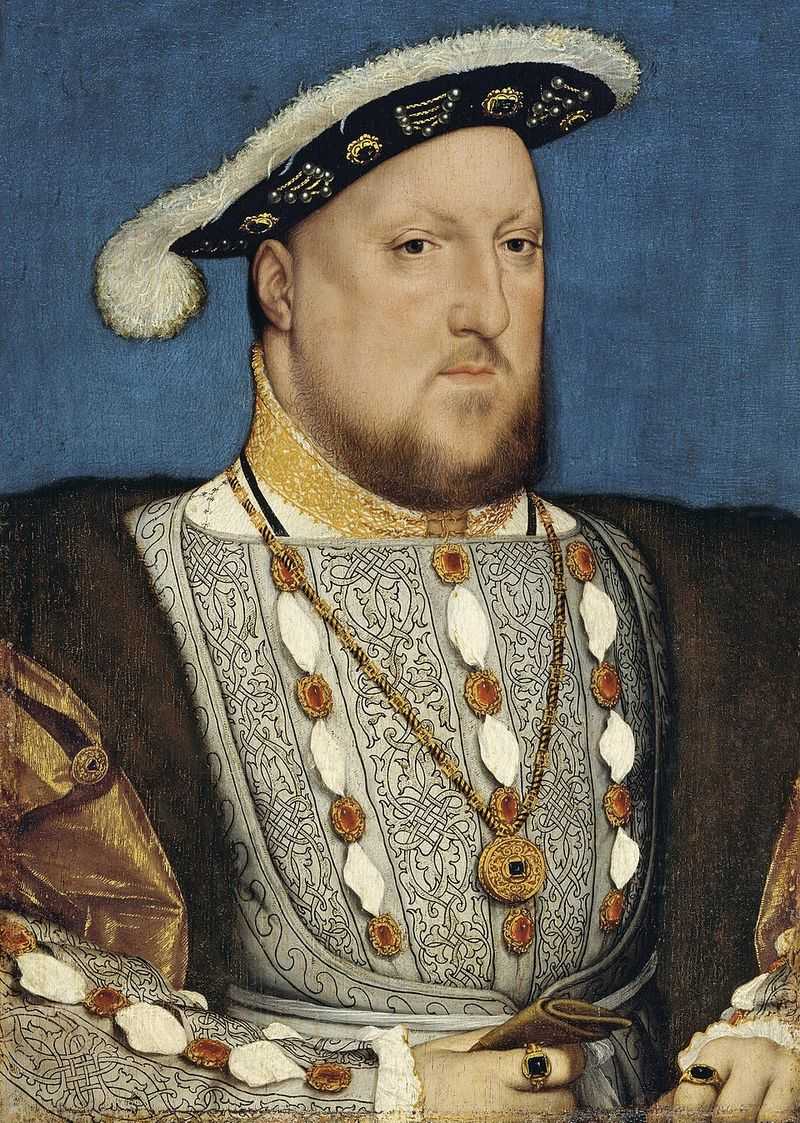
Wanting a divorce is rarely a world-altering event, but for King Henry VIII, it absolutely was. When Pope Clement VII refused to annul his marriage to Catherine of Aragon, Henry decided the solution was simple: create his own church.
He declared himself Supreme Head of the Church of England in 1534, and Pope Paul III excommunicated him in 1538.
Henry responded by dissolving monasteries, seizing Church land, and rewriting English religious history. Six wives, six dramatic chapters, and one very complicated legacy followed.
His excommunication did not slow him down one bit. If anything, it gave him more power at home.
3. Elizabeth I of England
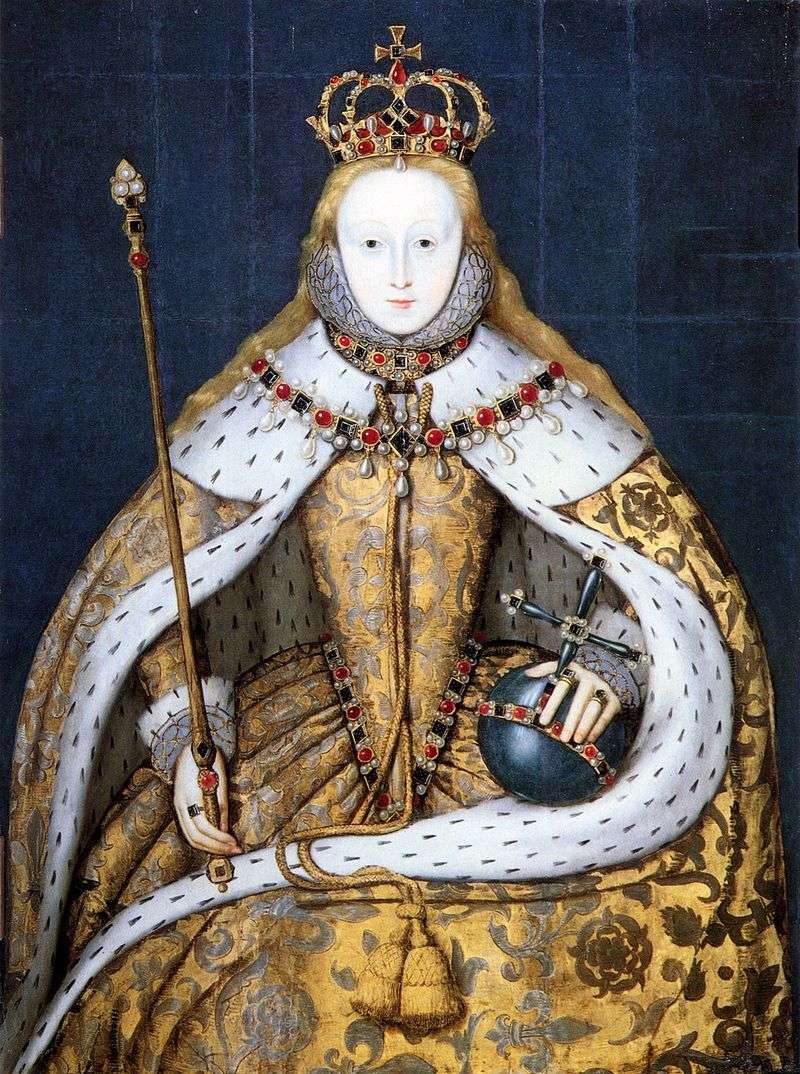
Ruling a kingdom while the Pope publicly declares you a heretic takes a certain kind of nerve. Queen Elizabeth I had plenty of it.
Pope Pius V issued the papal bull Regnans in Excelsis in 1570, excommunicating Elizabeth for establishing Protestantism as England’s official religion and for being, in his words, a pretended queen.
The document even encouraged English Catholics to disobey her, which put her Catholic subjects in a dangerous political position. Elizabeth responded by tightening laws against Catholics in England.
Far from weakening her reign, the excommunication actually helped solidify her power and her Protestant identity across the nation.
4. Napoleon Bonaparte
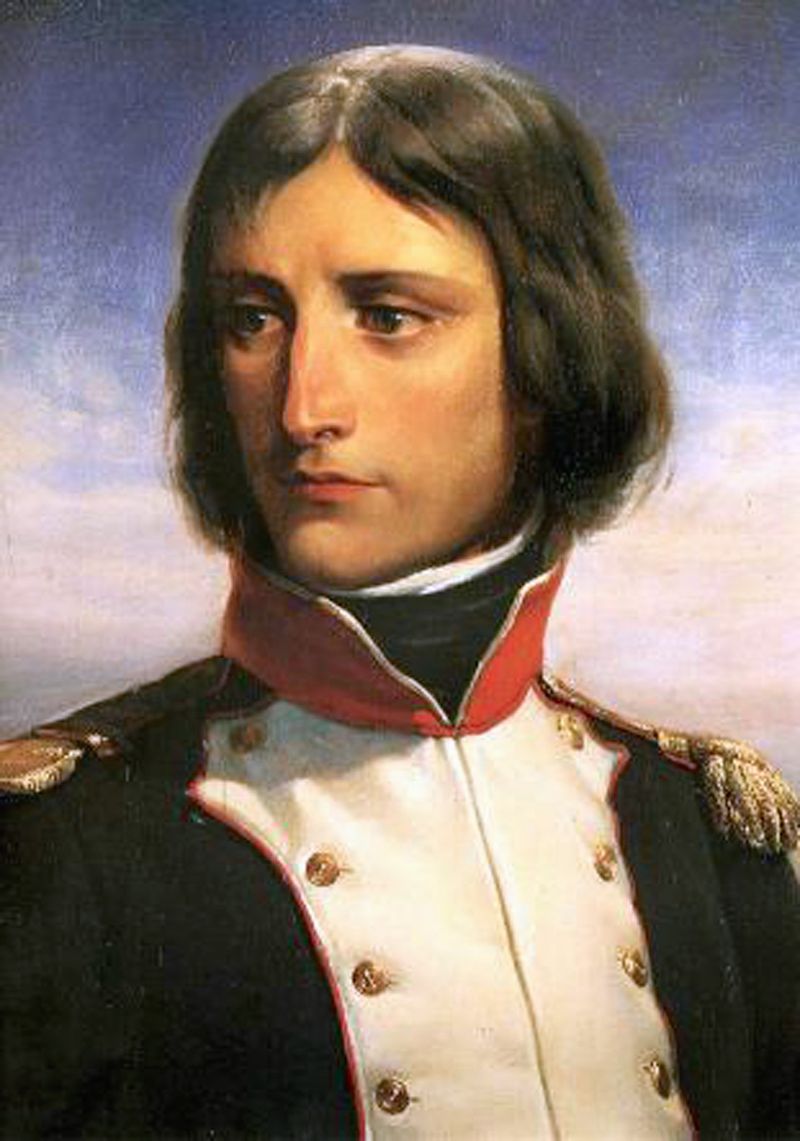
Conquering most of Europe apparently was not enough for Napoleon Bonaparte. He also decided to annex the Papal States in 1809, essentially taking the Pope’s own territory.
Pope Pius VII was furious and responded with excommunication, though he never actually named Napoleon directly in the document. Everyone knew exactly who it was aimed at.
Napoleon reportedly laughed it off, saying the excommunication would not make his soldiers’ muskets fall from their hands. He later had Pope Pius VII arrested and held captive for five years.
History remembers Napoleon as a military genius, but his clash with the Catholic Church remains one of his most audacious power moves ever.
5. Joan of Arc
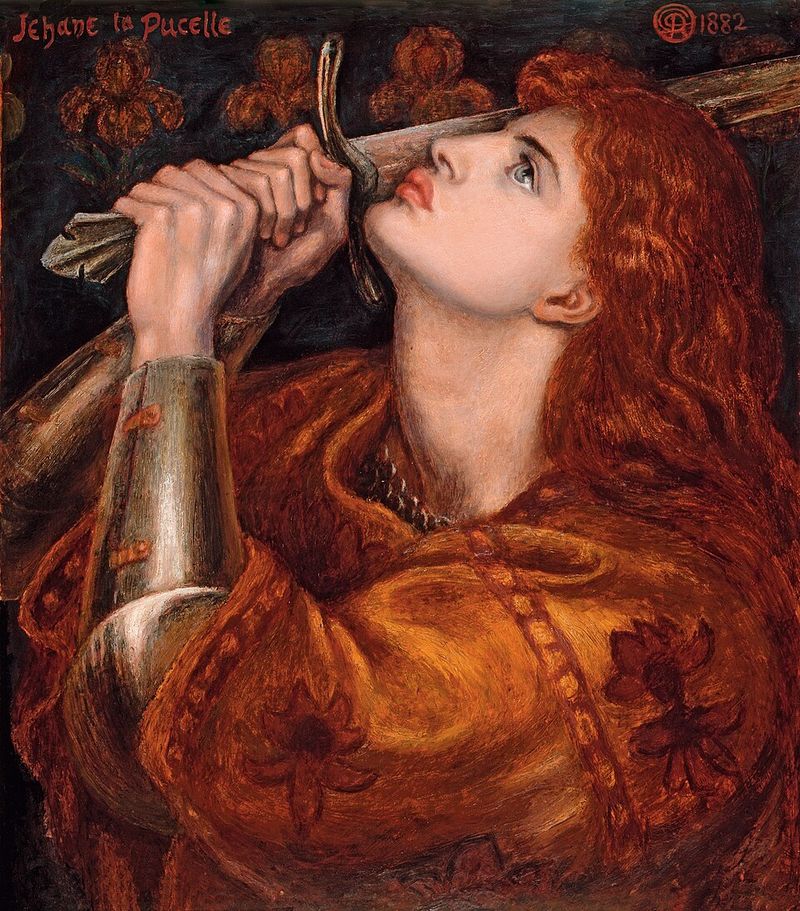
One of history’s most heartbreaking excommunications belongs to a teenage girl who claimed God told her to lead an army. Joan of Arc did exactly that, helping France push back English forces during the Hundred Years’ War.
However, after her capture, a Church court led by Bishop Pierre Cauchon convicted her of heresy in 1431.
She was excommunicated and burned at the stake at just nineteen years old. Here is the twist: a retrial in 1456 overturned her conviction completely, declaring her innocent.
The Catholic Church later canonized her as a saint in 1920. Few excommunications in history have aged as badly as the one against Joan of Arc.
6. Henry IV, Holy Roman Emperor
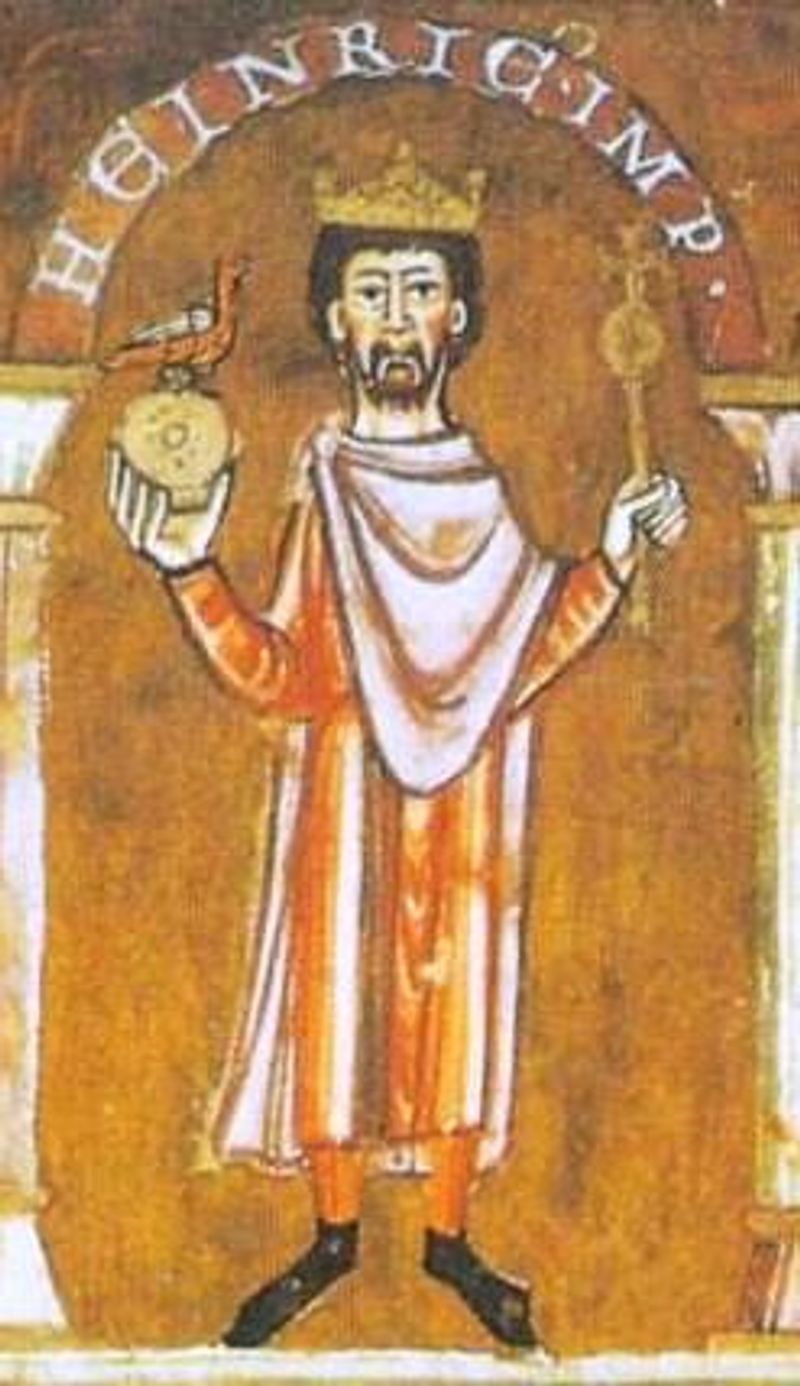
Getting excommunicated once is dramatic. Getting excommunicated five times by three different popes is practically a supervillain origin story.
Henry IV, Holy Roman Emperor, clashed repeatedly with the papacy over the Investiture Controversy, which was essentially a power struggle over who got to appoint bishops and church officials.
Pope Gregory VII first excommunicated him in 1076, and Henry famously stood barefoot in the snow at Canossa for three days begging forgiveness. It worked temporarily, but the conflicts kept reigniting.
His story is proof that medieval politics were every bit as messy and dramatic as any modern political saga, just with more frostbite involved.
7. Mary MacKillop
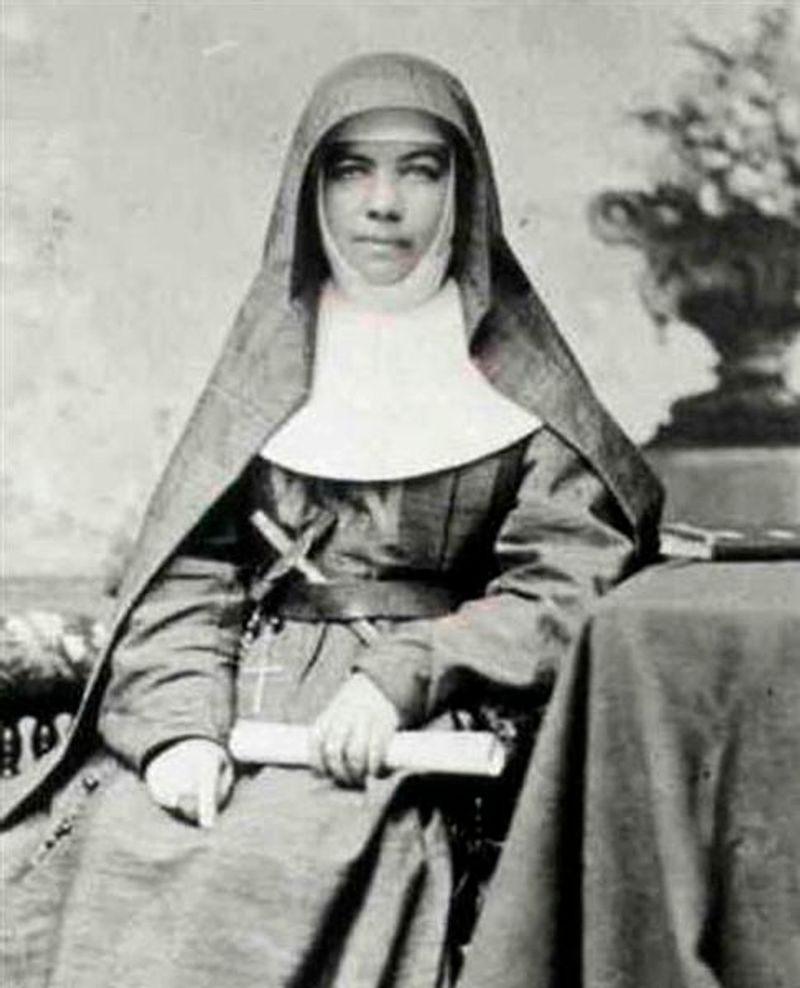
Australia’s first saint had one of the most unusual excommunication stories ever recorded. Mary MacKillop founded the Sisters of St Joseph of the Sacred Heart and dedicated her life to educating poor children across Australia.
In 1871, Bishop Laurence Sheil of Adelaide excommunicated her, largely because she had reported a priest for child abuse and the Church found that deeply inconvenient.
However, just five months later, the dying bishop lifted the excommunication and apologized. Mary went on serving communities for decades.
In 2010, Pope Benedict XVI canonized her as Saint Mary of the Cross MacKillop. Her story is a powerful reminder that doing the right thing sometimes comes at a serious cost.
8. Archbishop Carlo Maria Vigano
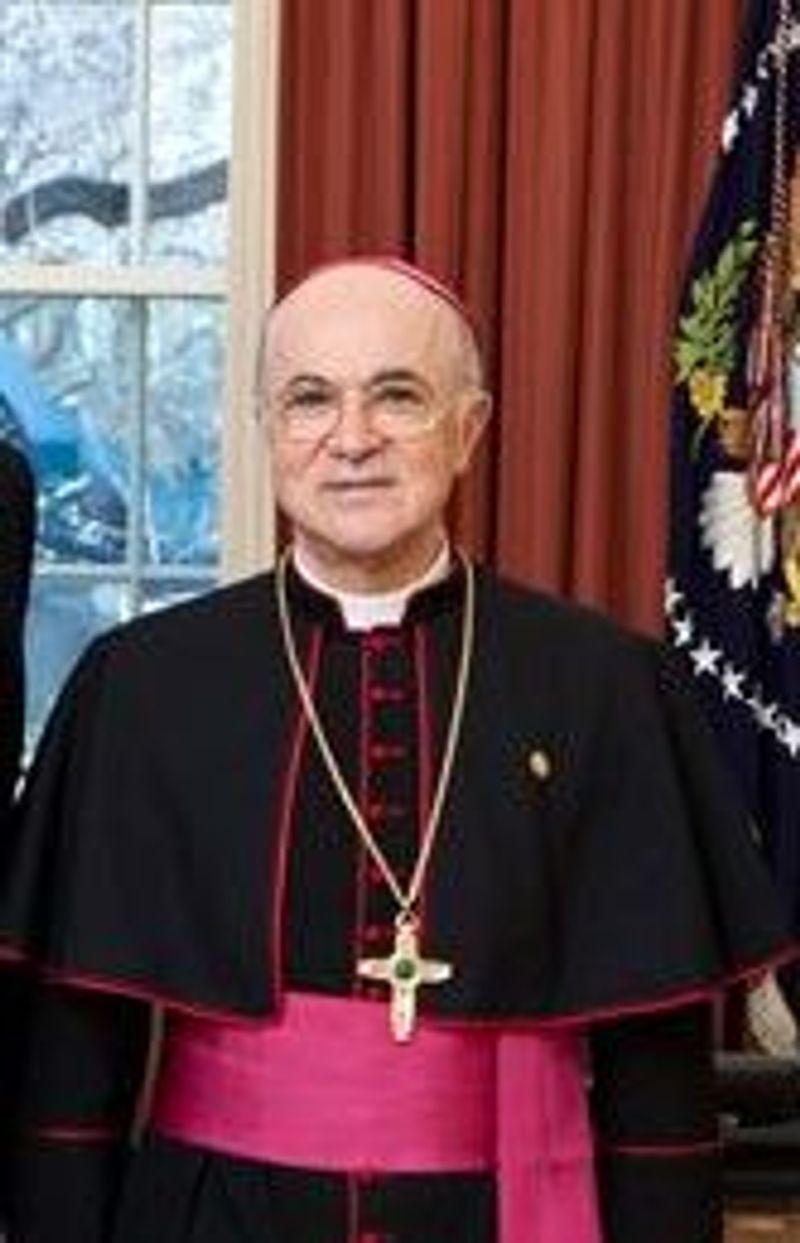
The recent history of the Vatican has seen dramatic moments, yet the fall of Archbishop Carlo Maria Viganò stands out for its intensity. Once the Vatican’s top diplomat to the United States, he later became one of Pope Pope Francis’s most vocal critics.
Over several years, Viganò released a series of open letters accusing the Pope of heresy and questioning his legitimacy, turning a once trusted voice within the Church into a central figure in a deeply public and controversial dispute.
In June 2024, the Vatican formally excommunicated him for schism, meaning he had broken away from the authority of the Church. Vigano responded by calling the trial illegitimate and refusing to appear before the tribunal.
His case illustrates how even the most powerful Church insiders can find themselves on the outside looking in.
9. Emmanuel Milingo
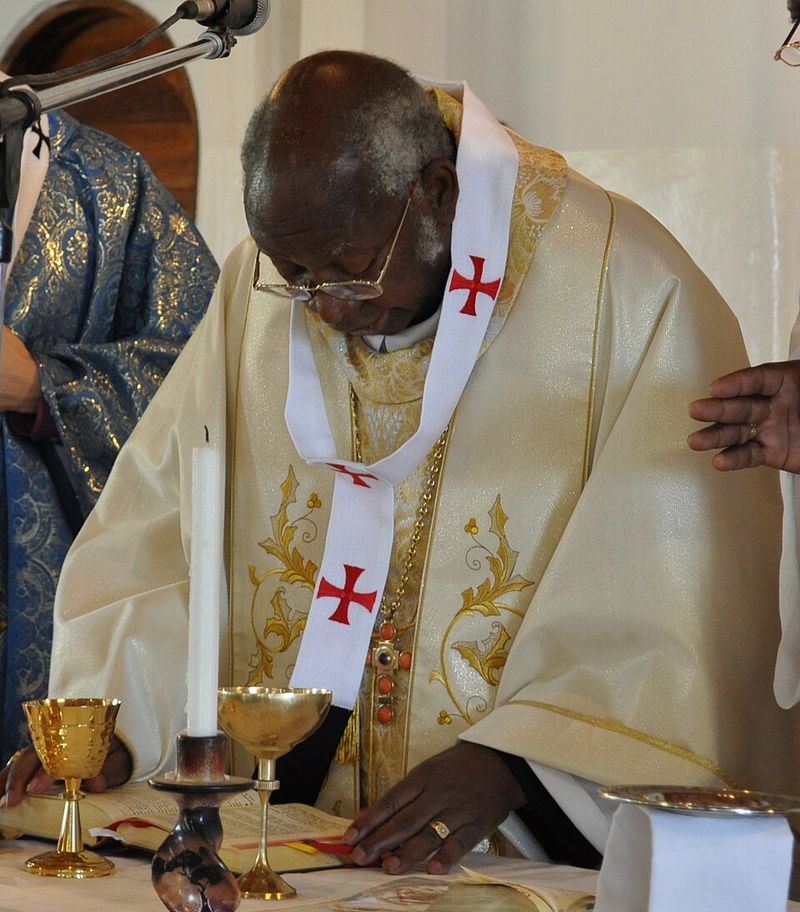
Before his dramatic fall, Emmanuel Milingo was one of Africa’s most celebrated Catholic archbishops. Born in Zambia, he served as Archbishop of Lusaka and was admired for his charismatic healing ministry.
However, controversy followed him steadily. In 2001, he married a Korean woman in a ceremony organized by the Unification Church, led by Sun Myung Moon.
After temporarily reconciling with Rome, he later performed unauthorized episcopal consecrations in 2006, ordaining bishops without papal approval. The Vatican excommunicated him immediately.
Milingo never returned to the Church and passed away in 2022. His life story reads like a cautionary tale about charisma, independence, and the limits of institutional patience.
10. Martin V (Pope Before His Election)
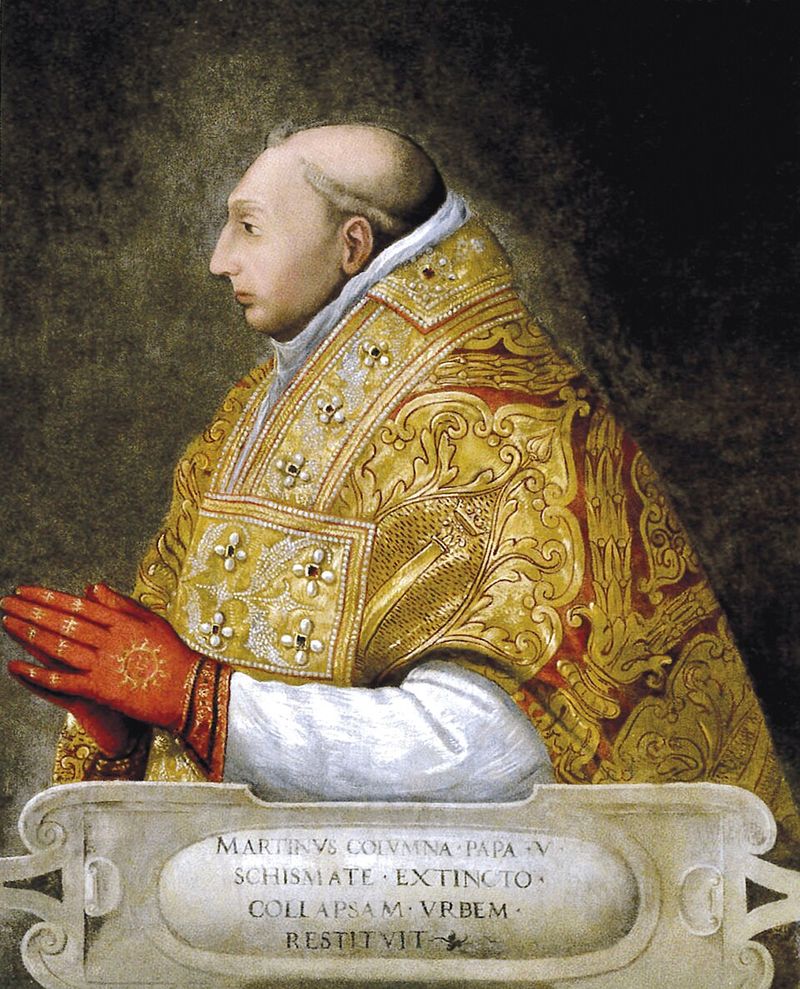
Here is a wild fact: one future pope was actually excommunicated before ever reaching the papacy. Cardinal Oddone Colonna, who would become Pope Martin V, was excommunicated in 1411 by Pope Gregory XII.
His offense was supporting rival claimants to the papal throne during one of the Church’s most chaotic periods, known as the Western Schism.
At one point, there were three men simultaneously claiming to be the true pope. The Council of Constance in 1415 sorted out the mess, lifted Colonna’s excommunication, and eventually elected him as Pope Martin V in 1417.
His story proves that even the path to the papacy can take some seriously unexpected detours along the way.