25 Photos That Capture The Soul Of The American Diner
American diners are more than just places to grab a burger and fries.
They represent a slice of history, community, and nostalgia that has shaped culture for over a century.
Gleaming chrome countertops and cozy vinyl booths tell stories of everyday people, late-night conversations, and comfort food that warms the soul.
1. The Chrome-Covered Exterior
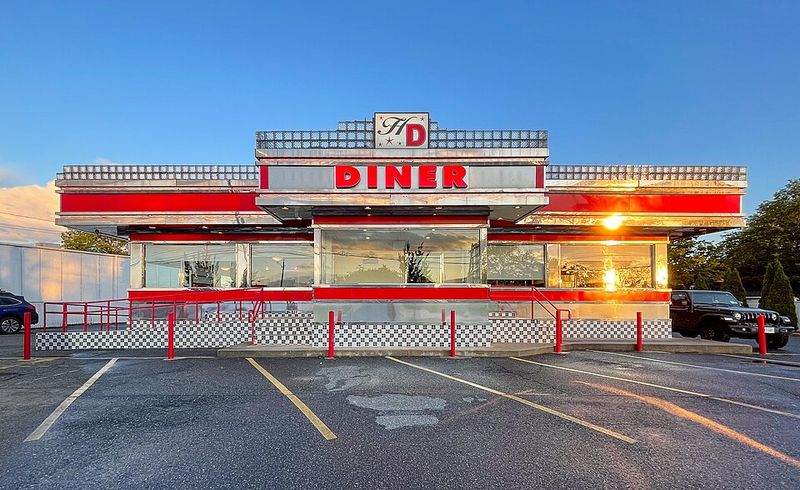
Chrome exteriors became the signature look of diners during the 1950s, turning these eateries into shimmering beacons along highways and city streets.
The polished metal reflected sunlight during the day and neon glow at night, making diners impossible to miss.
Manufacturers like the Worcester Lunch Car Company perfected this aesthetic, creating prefabricated structures that could be shipped anywhere.
That mirror-like finish symbolized modernity and progress in post-war America.
Every diner became a little slice of the future, welcoming hungry travelers with its sparkle.
2. Neon Signs Lighting Up the Night
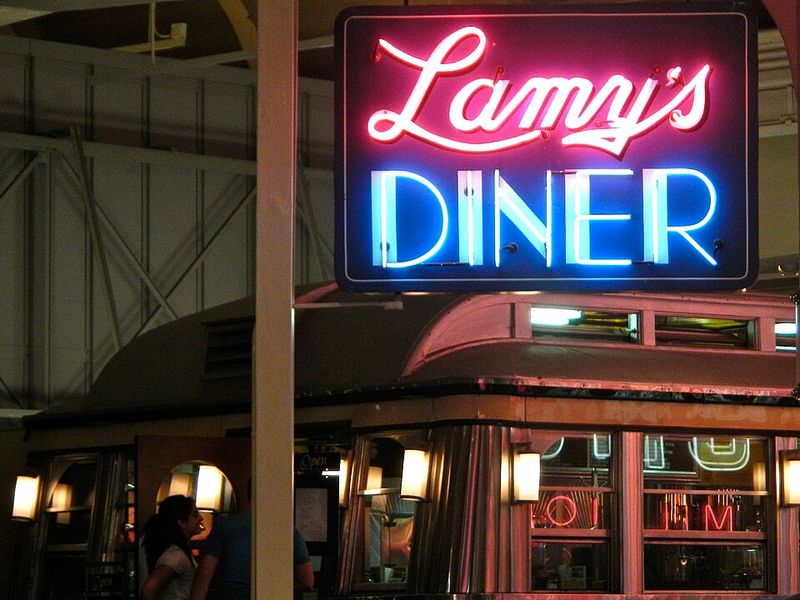
Nothing says “come on in” quite like a blazing neon sign cutting through the darkness.
Diner owners competed to create the most eye-catching displays, using vibrant reds, blues, and greens to advertise their establishments.
These electric artworks became landmarks in their communities, guiding night owls and truckers to hot coffee and warm meals.
The gentle hum and glow of neon tubes created an atmosphere that felt both exciting and comforting.
Even today, those vintage signs stir memories of simpler times.
3. Red Vinyl Booths and Checkered Floors
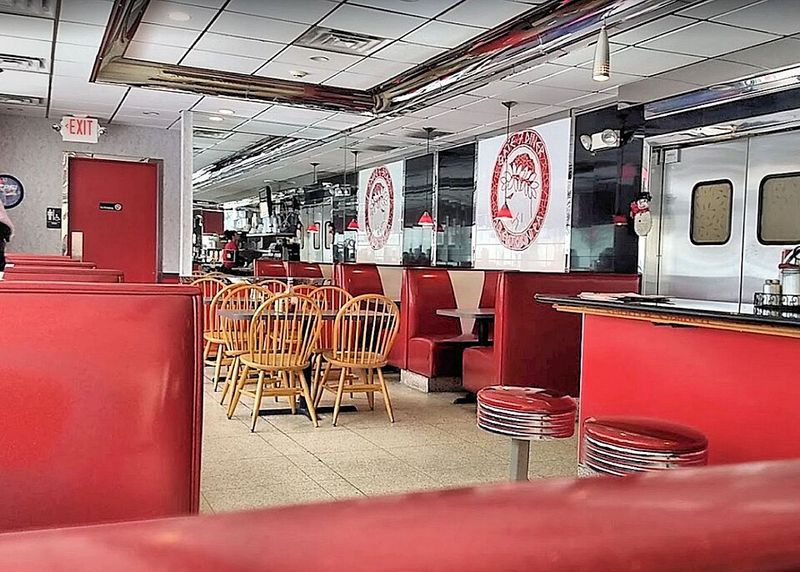
Step inside any classic diner and you’ll immediately spot the iconic red booths paired with black-and-white checkered floors.
This color combination became the visual shorthand for diner culture, appearing in countless photographs and films.
The vinyl was practical, easy to clean, and added a pop of color that made spaces feel energetic and welcoming.
Families squeezed into these booths for Sunday breakfast, teenagers claimed them for after-school hangouts, and late-night regulars made them their second homes.
Comfort never looked so good.
4. The Endless Coffee Refill
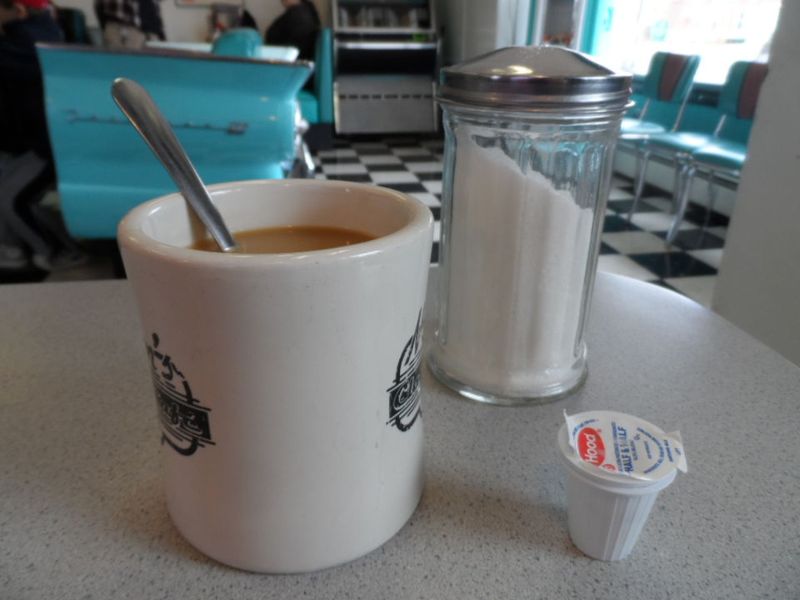
Coffee flows like a river in American diners, with servers constantly making rounds with steaming pots.
That bottomless cup became a symbol of diner hospitality, offering value and warmth to customers who might linger for hours.
The ritual of the refill created connections between staff and patrons, turning strangers into regulars.
Whether you’re a trucker starting a long haul or a student cramming for exams, that endless coffee keeps you company.
It’s fuel, comfort, and conversation starter all rolled into one.
5. Counter Seating and Swivel Stools
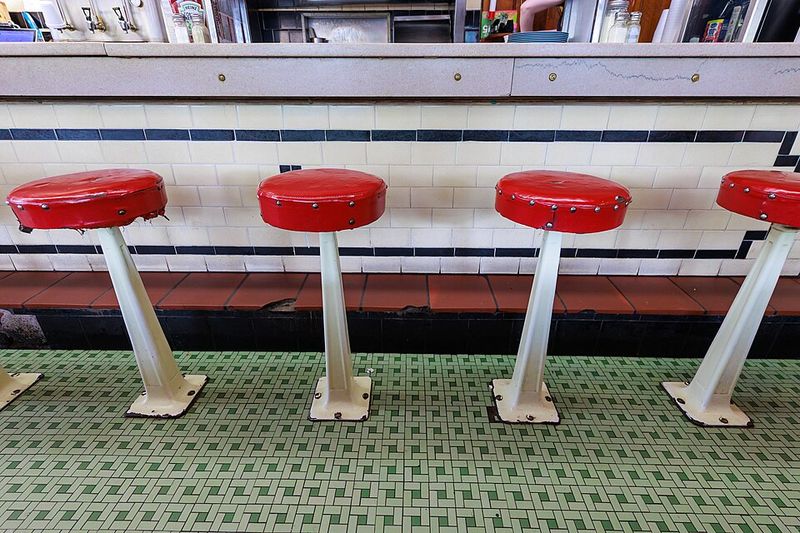
Counter seats offered the best show in the house—a front-row view of the kitchen action and the perfect spot for solo diners.
Those swivel stools, often topped with red or turquoise vinyl, let customers spin around to chat with neighbors or watch the cook flip eggs on the griddle.
The counter became democracy in action, where businessmen sat shoulder-to-shoulder with factory workers.
Spinning on those stools was a childhood rite of passage.
The counter was where community happened, one cup of joe at a time.
6. The Short-Order Cook in Action
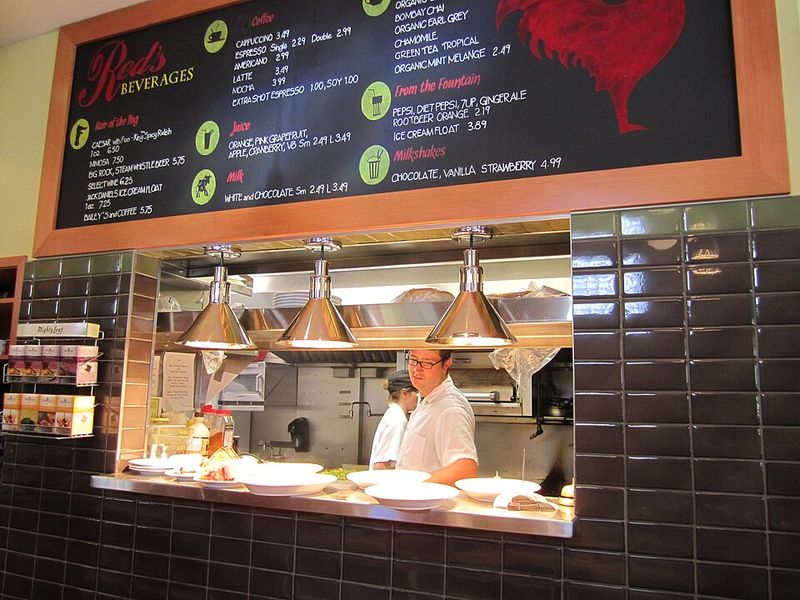
Behind every great diner is a short-order cook who can juggle a dozen orders without breaking a sweat.
These kitchen wizards work the griddle like musicians playing an instrument, cracking eggs with one hand while flipping pancakes with the other.
Their choreography is mesmerizing—a ballet of spatulas, timers, and sizzling skillets that produces perfect plates every time.
Many cooks became neighborhood celebrities, known for their secret burger seasonings or perfect hash browns.
They’re the unsung heroes keeping America fed, one order up at a time.
7. Jukebox in the Corner
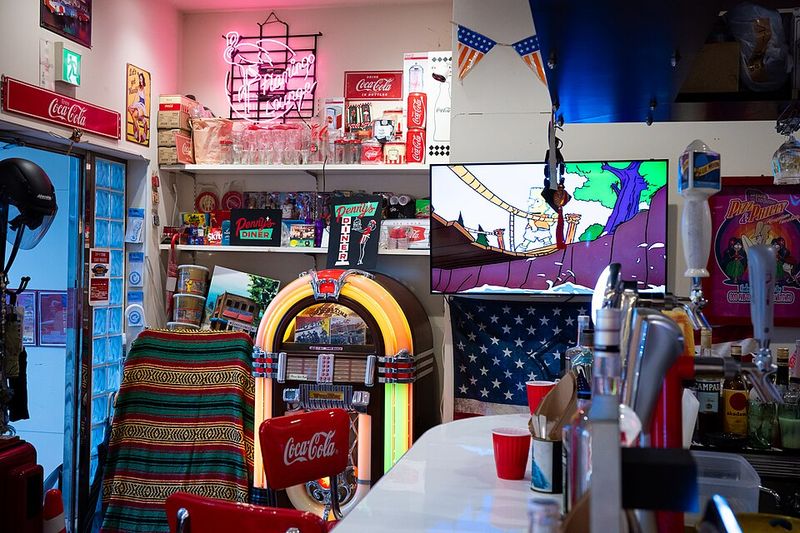
Drop a nickel in the slot and suddenly the diner comes alive with music from Elvis, Patsy Cline, or Chuck Berry.
Jukeboxes transformed diners into entertainment venues, letting customers curate the soundtrack to their meals.
The glowing machines became gathering points where friends debated song choices and couples swayed to romantic ballads.
Watching those mechanical arms select and play records was almost as enjoyable as the music itself.
Every diner had its own musical personality, defined by what filled those jukebox slots.
8. The Iconic Diner Menu
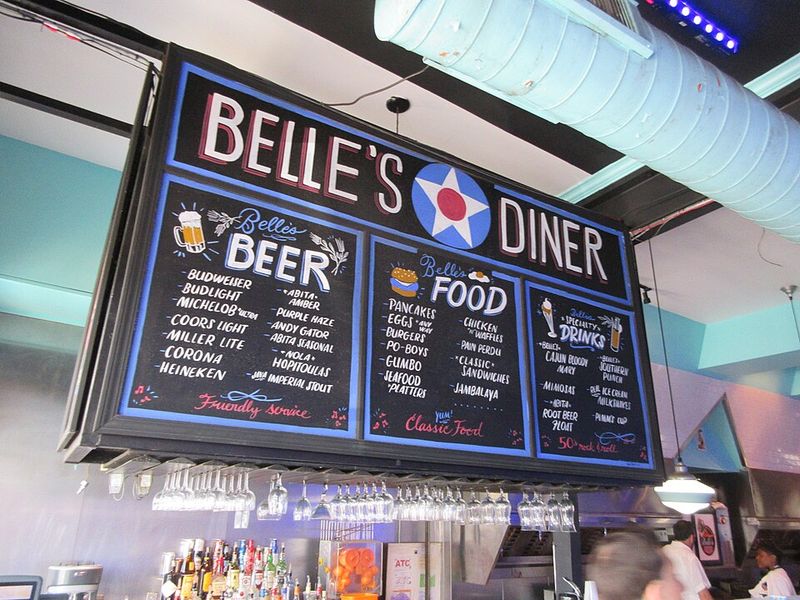
Diner menus are novels of American comfort food, offering everything from eggs any style to meatloaf dinners and towering slices of pie.
These laminated booklets became repositories of regional specialties and family recipes passed down through generations.
The sheer variety was part of the appeal—you could order breakfast at midnight or a turkey club at dawn.
Well-worn menus with coffee stains and dog-eared pages told their own stories.
They promised something for everyone, no matter your mood or appetite.
9. Pie Displayed Under Glass Domes
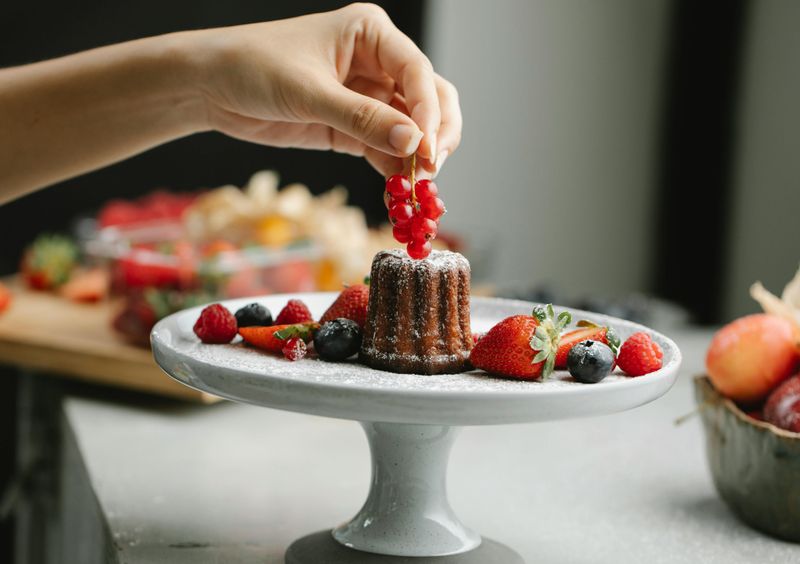
Those glass-domed pedestals showcasing whole pies are basically edible art installations that make choosing dessert nearly impossible.
Apple, cherry, lemon meringue, chocolate cream—the options rotate with the seasons but always look equally tempting.
Displaying pies this way turned dessert into a visual experience, letting customers admire their choice before that first forkful.
Many diners bake fresh daily, filling the air with cinnamon and vanilla.
That case of pies represents homestyle baking at its finest, grandma-approved and guaranteed delicious.
10. The Waitress with Her Order Pad
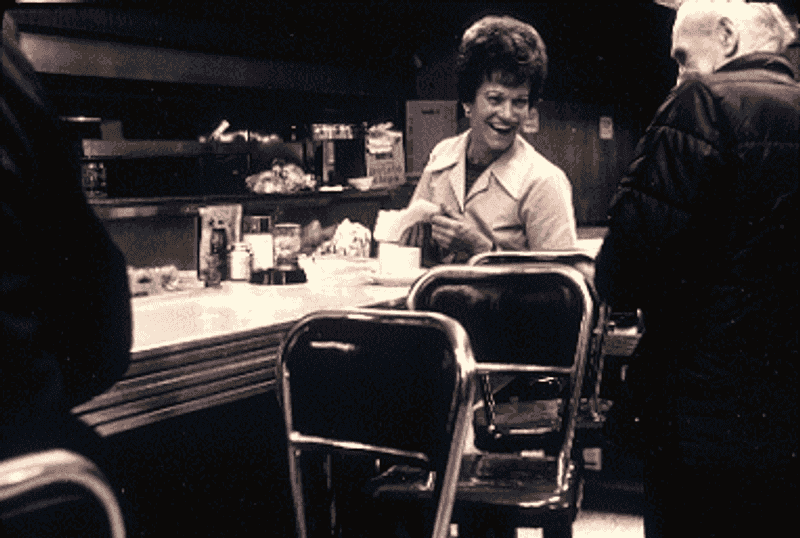
Armed with just a pencil and pad, diner waitresses memorize complex orders while keeping track of who needs more ketchup and whose coffee is getting cold.
These multitasking masters balance plates like circus performers while remembering that table four likes their eggs over-easy and table seven always orders decaf.
Their efficiency is legendary, their patience saintly.
Many become fixtures in their communities, greeting regulars by name and knowing their usual orders by heart.
They’re therapists, entertainers, and efficiency experts rolled into one.
11. Breakfast Plates Piled High
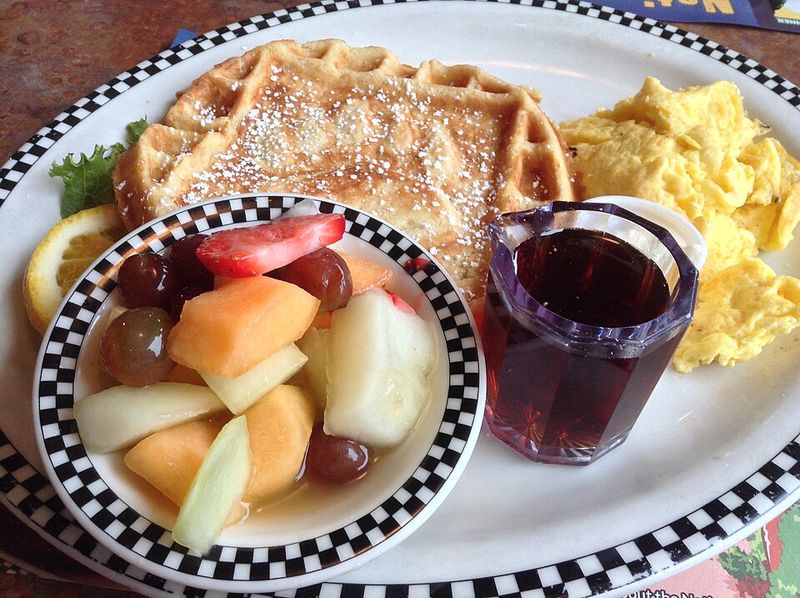
Diner breakfasts don’t believe in portion control—they believe in making sure you leave satisfied and maybe needing a nap.
Plates arrive loaded with golden hash browns, crispy bacon, fluffy scrambled eggs, buttery toast, and pancakes the size of dinner plates.
Everything costs less than fancy coffee shops charge for a latte.
This abundance reflects diner philosophy: good food, generous portions, fair prices.
It’s the breakfast that fuels construction workers, road trippers, and anyone who appreciates value and flavor in equal measure.
12. Salt and Pepper Shakers on Every Table
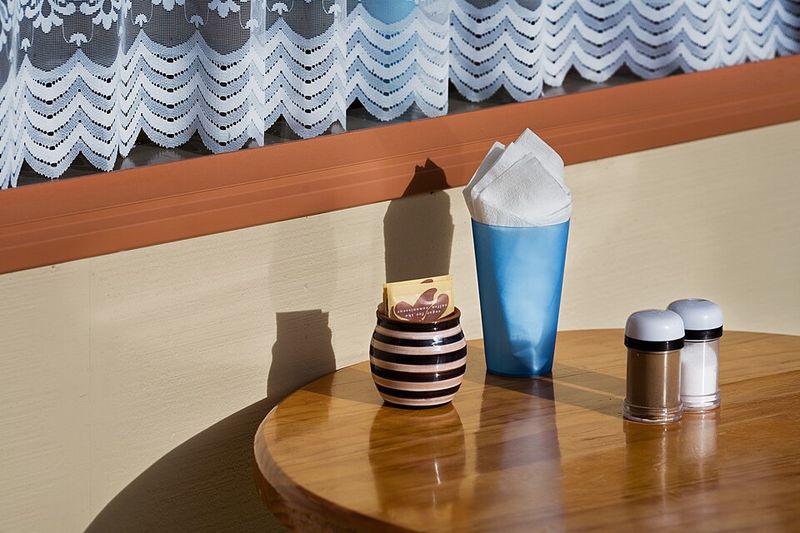
Every diner table comes equipped with its own seasoning station—usually matching glass shakers that have seen decades of service.
These humble condiment containers represent self-service democracy, letting customers season to taste without asking permission.
Some diners collect vintage or quirky shakers, turning functional items into conversation pieces.
The ritual of shaking salt onto hash browns or pepper onto eggs is deeply ingrained in diner culture.
Small touches like these make customers feel at home, like they’re eating in their own kitchen.
13. The Open Kitchen Layout
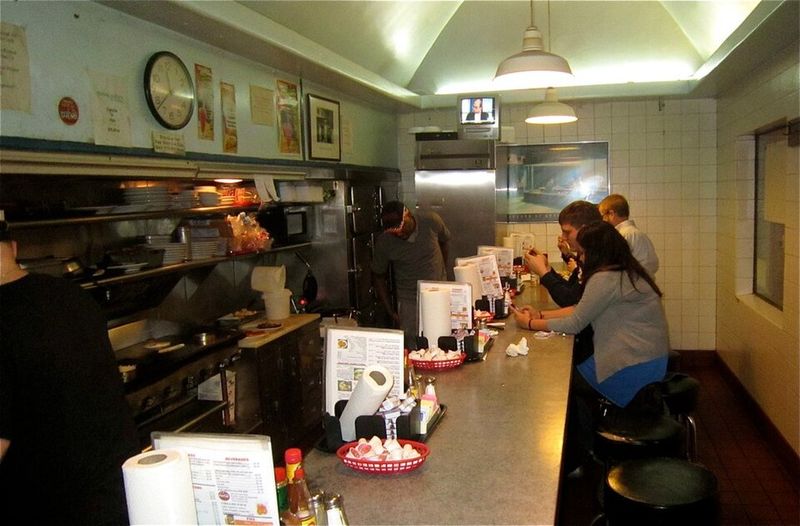
Unlike fancy restaurants hiding their kitchens, diners put everything on display, letting customers watch their meals come together in real time.
This transparency built trust—you could see the cleanliness, the fresh ingredients, the skill of the cooks.
The sizzle of the griddle and the clang of spatulas became the soundtrack to your meal.
Kids especially loved watching cooks flip pancakes high in the air or create perfect over-easy eggs.
That open layout turned dining into dinner theater, free with every meal.
14. Milkshakes in Metal Cups
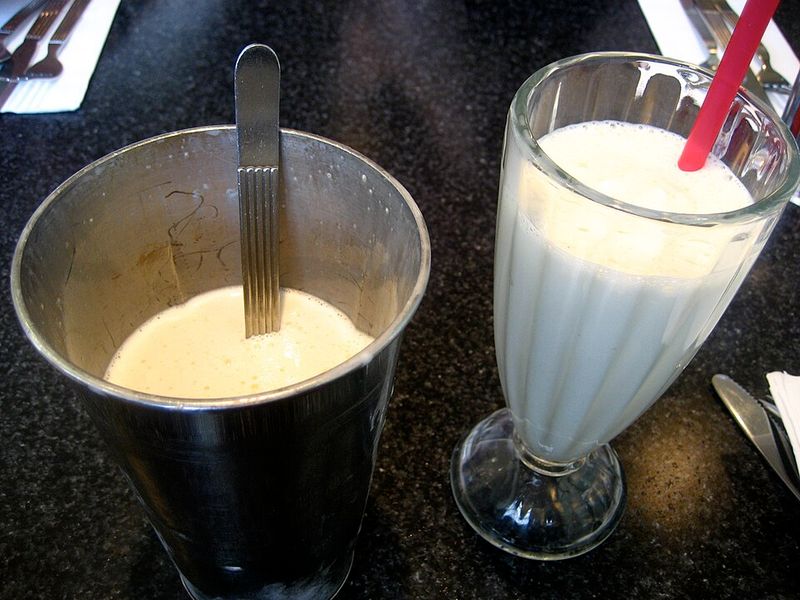
Diner milkshakes arrive as a glass for drinking plus the metal mixing cup with the extra—because one serving is never enough.
Made with real ice cream and whole milk, these shakes are thick enough to require serious straw-sucking effort.
Chocolate, vanilla, and strawberry are standard, but adventurous diners offer flavors like black-and-white or peanut butter.
That metal cup sitting beside your glass is a promise of more sweetness to come.
It’s portion generosity at its finest, making customers feel valued and satisfied.
15. Blue-Plate Specials Board
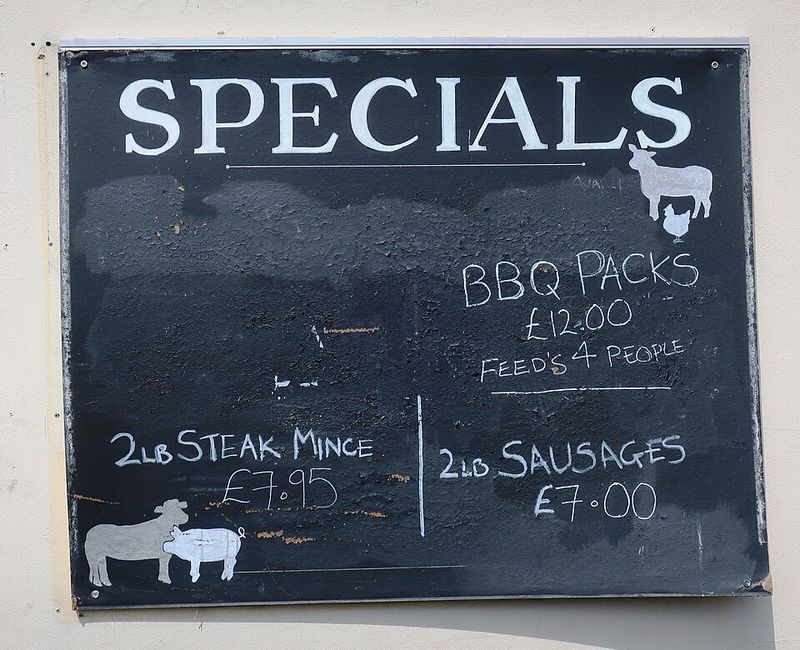
That chalkboard announcing today’s specials is where tradition meets creativity, offering home-cooked meals at prices that seem frozen in time.
Blue-plate specials got their name from the divided plates that kept different foods separate, and they represented the best value on the menu.
Meatloaf Monday, Turkey Tuesday, Fish Friday—these rotating specials gave regulars reasons to return throughout the week.
The handwritten board added personality, sometimes including jokes or the cook’s mood. It’s old-school marketing that still works perfectly.
16. Napkin Dispensers and Condiment Caddies
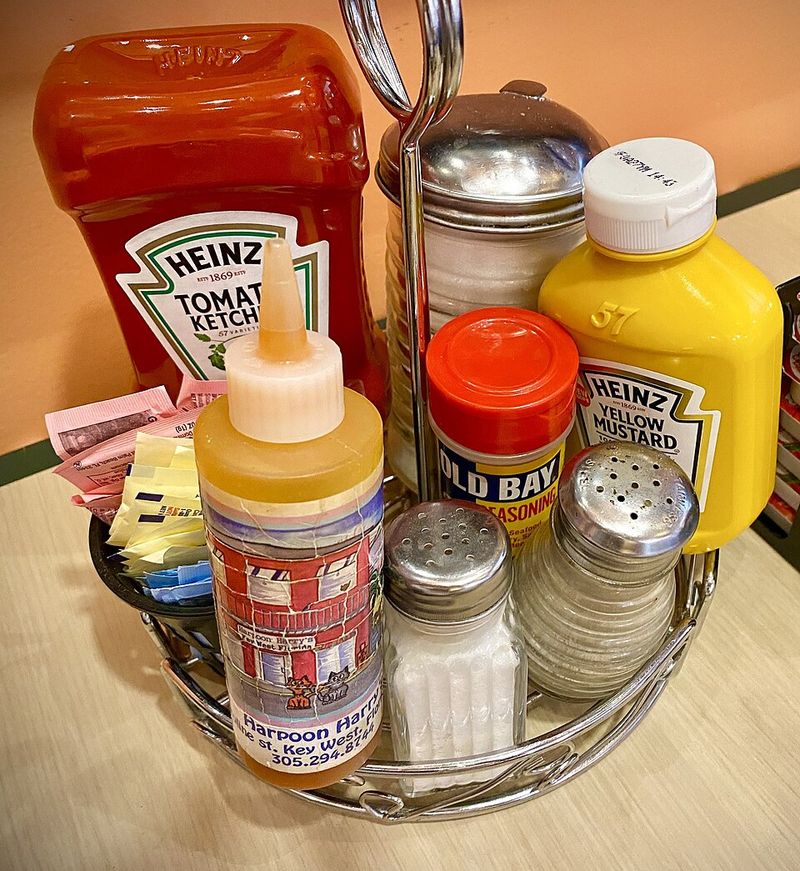
Table real estate in diners is prime property, and the napkin dispenser-condiment caddy combo rules that space with practical efficiency.
These metal holders keep everything within arm’s reach—napkins for messy burgers, ketchup for fries, hot sauce for adventurous eaters.
Their presence means you never have to flag down a server for basics.
Some vintage caddies are collector’s items now, featuring Art Deco designs or retro advertising.
They’re small details that contribute to the authentic diner experience, functional and nostalgic all at once.
17. The Slice of Americana on Route 66
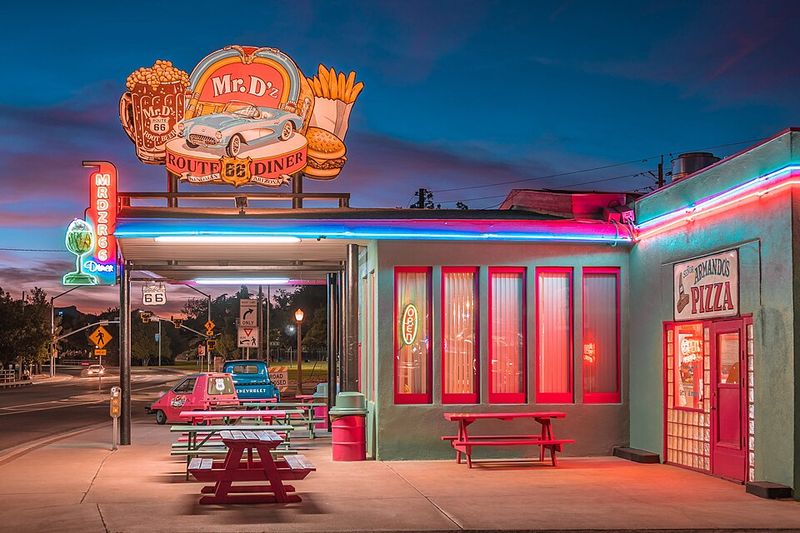
Route 66 diners became legendary pit stops for travelers crossing America, offering sustenance and stories along the Mother Road.
These establishments served as oases in the desert, where road-weary families could stretch their legs, refuel, and hear local gossip from friendly servers.
Each diner developed its own personality and loyal following.
Photographs of these Route 66 institutions capture a golden age of American road trips.
They represent freedom, adventure, and the democratic spirit of the open highway, one burger at a time.
18. Coffee Mugs That Never Match
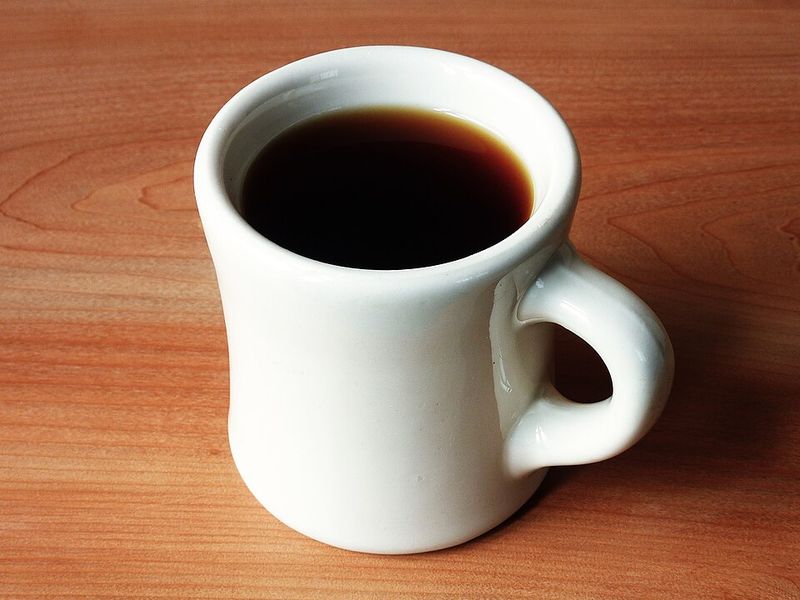
Walk into any well-loved diner and you’ll notice the coffee mugs are a glorious mismatched collection, accumulated over years of replacing broken pieces.
Some are thick ceramic diner classics, others might be promotional mugs from local businesses, and a few could be vintage pieces from the diner’s early days.
This randomness adds character rather than looking sloppy.
Your coffee tastes the same regardless of the mug, but somehow that chipped cup with the faded logo makes it more authentic.
Perfection is overrated anyway.
19. The Late-Night Crowd
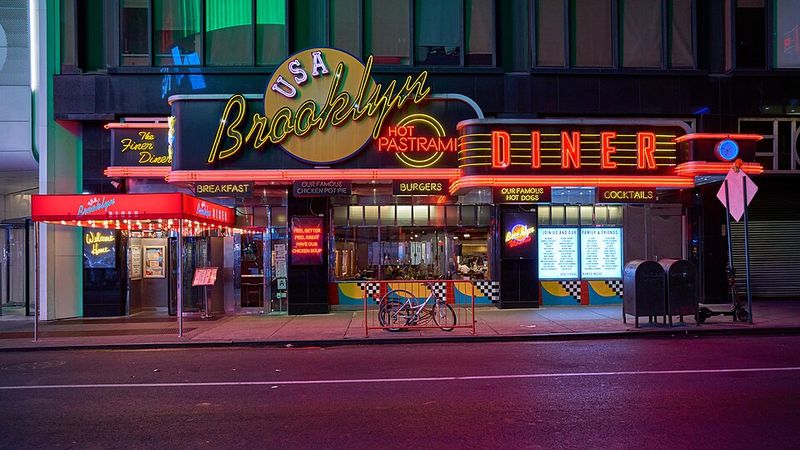
After midnight, diners transform into sanctuaries for insomniacs, night-shift workers, and anyone craving eggs at three in the morning.
The late-night crowd creates its own ecosystem—cab drivers next to college students next to nurses ending their shifts.
Conversations flow between strangers united by unusual hours and shared hunger.
Edward Hopper captured this atmosphere perfectly in his painting Nighthawks, showing the diner as an island of light in urban darkness.
These nocturnal gatherings reveal the soul of diner culture.
20. Burgers Wrapped in Wax Paper
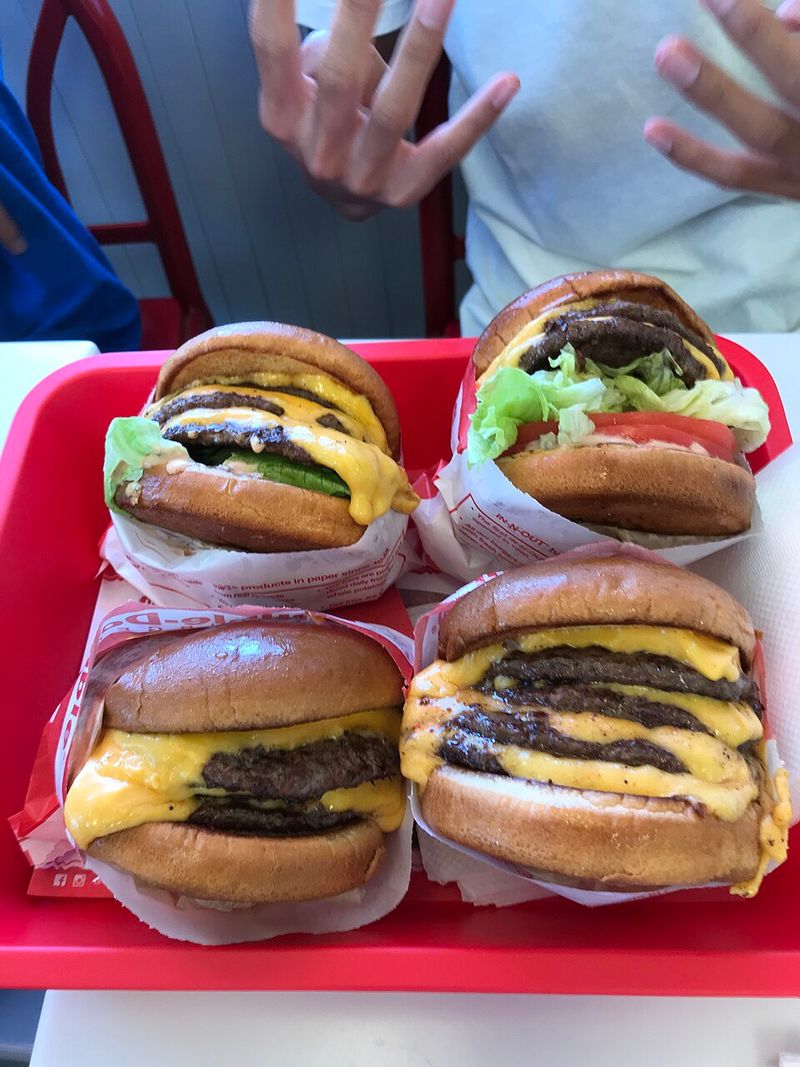
Fancy restaurants use plates, but diners know wax paper is the superior burger delivery system, keeping everything together while adding nostalgic charm.
That paper-wrapped bundle arrives hot from the griddle, the grease creating translucent spots that somehow make it more appetizing.
Unwrapping becomes a ritual, revealing layers of beef, cheese, lettuce, tomato, and special sauce.
The paper catches drips and makes cleanup easy, practical and traditional simultaneously.
It’s packaging that enhances rather than hinders the eating experience.
21. Formica Tabletops with Chrome Edges
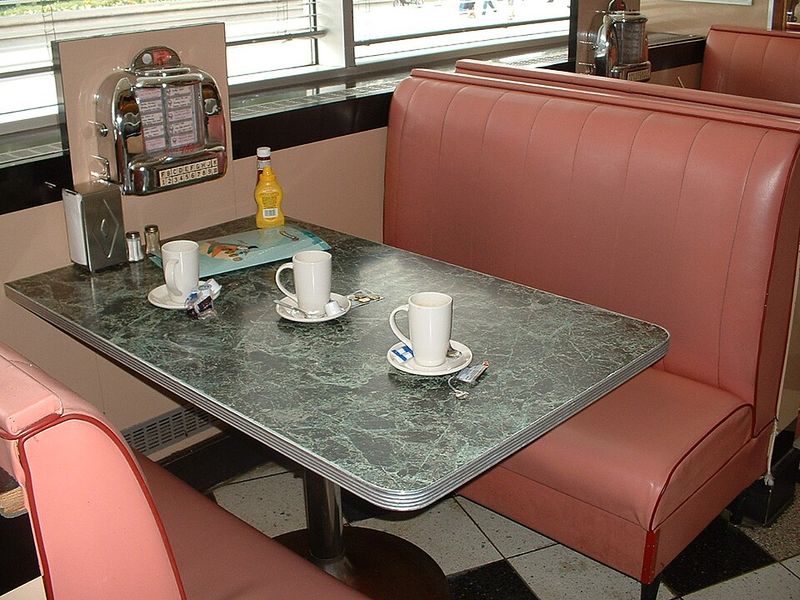
Formica revolutionized diner design in the 1950s, offering durable, easy-to-clean surfaces in wild patterns that screamed mid-century modern.
Those tabletops came in boomerang prints, confetti patterns, and marbled designs that hid stains while looking stylish.
Chrome edging protected corners and added that signature diner sparkle.
You could wipe these tables a thousand times and they’d still look decent, making them perfect for high-traffic restaurants.
The patterns might seem dated now, but they define an era when design met practical function beautifully.
22. Regulars Who Have Their Own Seats
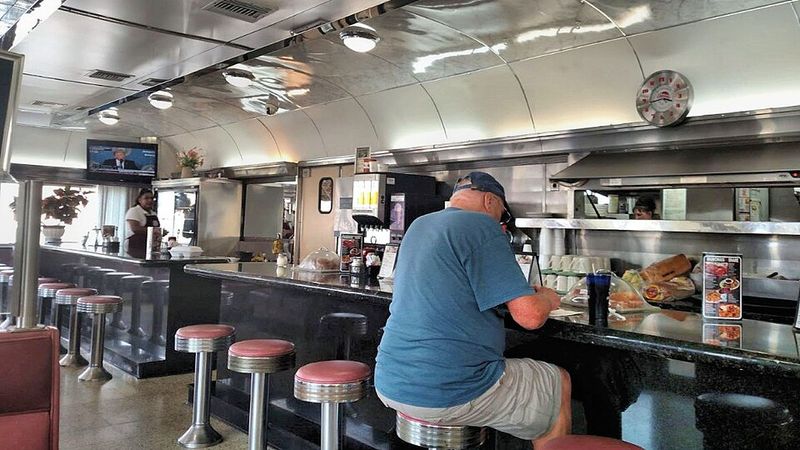
Every diner has those customers who show up so consistently that servers automatically prepare their usual orders when they walk through the door.
These regulars often claim specific seats—their booth, their stool—and other patrons respect these unwritten territorial agreements.
They’re part of the diner’s furniture, contributing to its character and continuity.
Being a regular means belonging somewhere, having people who notice if you don’t show up.
It’s community in its simplest, most nourishing form, built on coffee and conversation.
23. The Cash Register by the Door
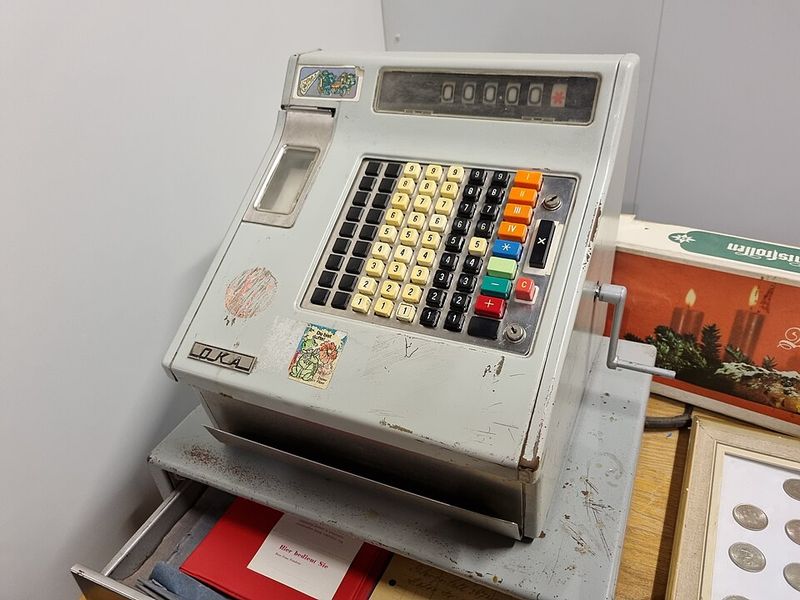
Positioned strategically by the exit, the cash register serves as the final checkpoint where satisfied customers settle up before heading back into the world.
Old-school diners still use mechanical registers that ding and clang with satisfying sounds when the drawer pops open.
The register area often includes toothpicks, mints, and maybe some local business cards.
This checkout spot is where servers make small talk, where customers compliment the food, and where tips get added to already-generous amounts.
It’s the last interaction, leaving final impressions.
24. Pancakes with Butter Melting on Top

There’s something mesmerizing about watching butter slowly melt into a hot stack of pancakes, creating golden rivers that mix with maple syrup.
Diner pancakes are fluffy inside with slightly crispy edges, arriving in stacks of three or more depending on your appetite.
Some places offer chocolate chips, blueberries, or pecans mixed right into the batter.
That first bite, with the perfect butter-to-syrup ratio, is pure breakfast bliss.
It’s simple comfort food executed perfectly, the kind of meal that starts your day right.
25. Windows Overlooking Main Street
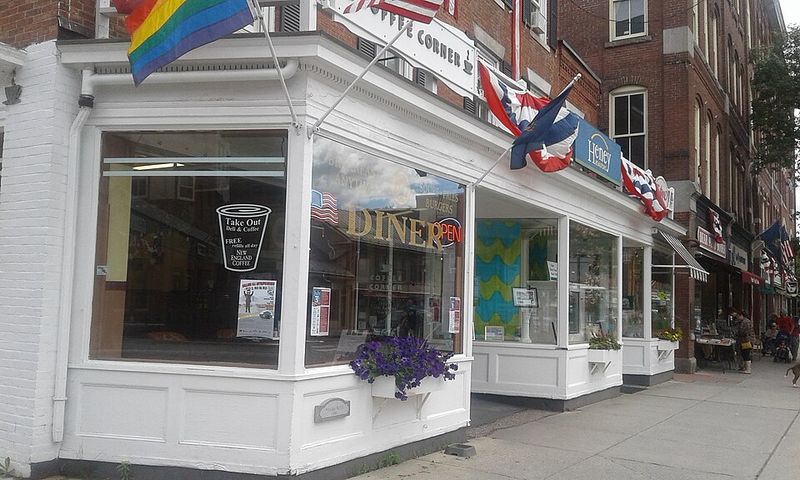
Big diner windows serve double duty—letting natural light flood the interior while giving customers a free show of street life passing by.
From your booth, you can watch the town wake up, see neighbors greeting each other, observe weather changes, and feel connected to your community.
These windows make diners feel open and welcoming rather than closed and claustrophobic.
People-watching becomes free entertainment with your coffee.
Those windows frame American life in all its everyday glory, making diners the perfect observation posts for small-town sociology.