19 Pioneers Who Shaped The Harlem Renaissance
In the 1920s and into the early 1930s, one New York City neighborhood became a creative engine for a cultural movement that still echoes across American life.
Harlem drew writers, artists, musicians, and thinkers who weren’t interested in asking for space.
Work poured out in poems, paintings, journalism, theater, and jazz, each piece pushing back against tired stereotypes and widening the frame of what Black artistry could be.
What made the Harlem Renaissance feel so electric wasn’t only the talent.
Community, collaboration, debate, and ambition all collided in the same streets. New ideas spread fast, inspiring pride, curiosity, and a sense that culture could shift public perception in real time.
Many of these trailblazers created far more than art. They built networks, opened doors, and left a blueprint for how creativity can become legacy, especially when it refuses to be ignored.
1. Alain Locke
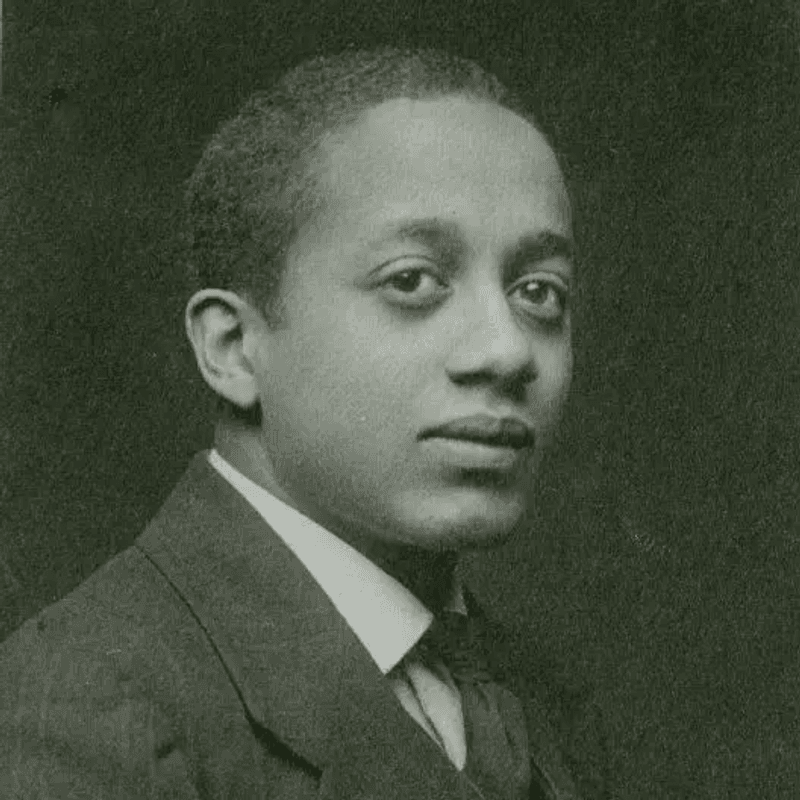
Often called the Dean of the Harlem Renaissance, this philosopher and educator basically handed the movement its mission statement.
His groundbreaking anthology collected voices that refused to stay quiet any longer.
Through his work as a professor at Howard University, he mentored countless young artists and writers.
He believed culture could change minds faster than politics ever could, and honestly? History proved him right.
2. Langston Hughes
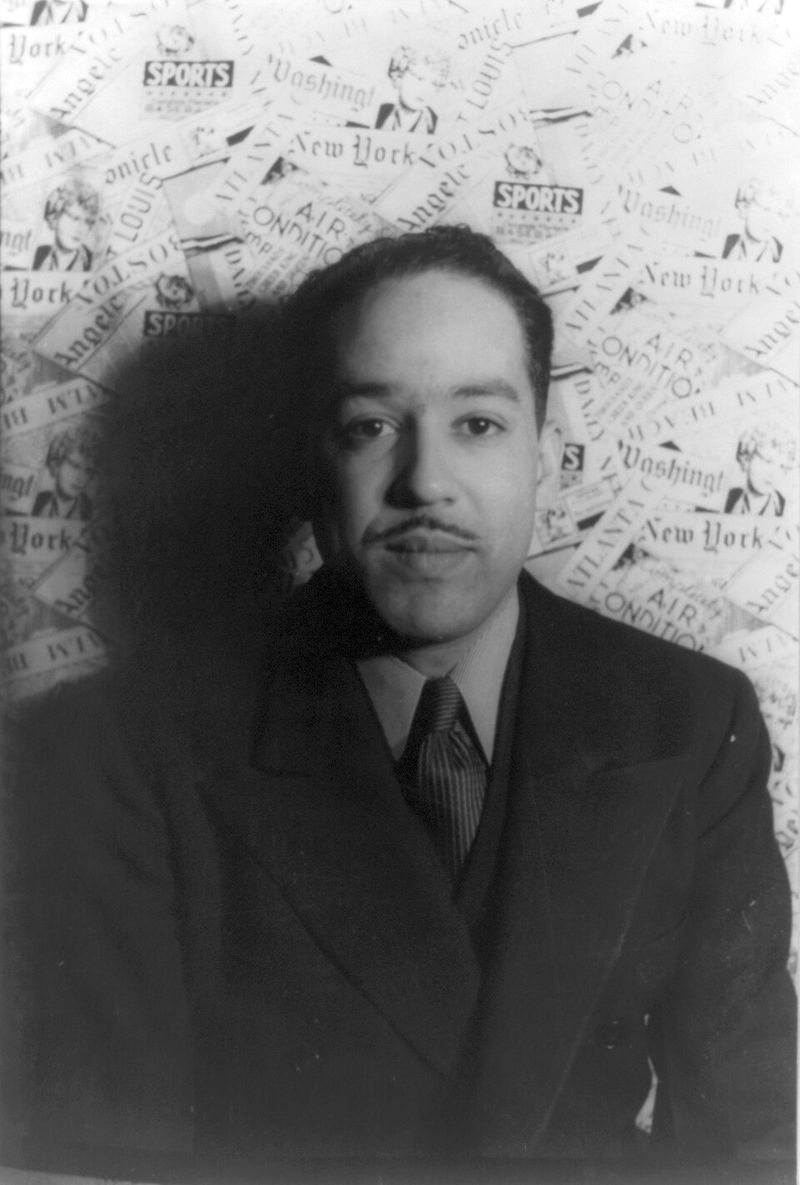
Jazz rhythms practically danced off the pages when this poet picked up his pen.
His words captured everyday Black life with such honesty and beauty that readers couldn’t help but feel every emotion he painted.
Hughes’ poems connected ancient history to modern struggles in ways that made your heart skip. He wrote about dreams deferred, laughter through tears, and the music pulsing through Harlem’s streets.
His voice became the soundtrack of an entire generation’s hopes and heartaches.
3. Zora Neale Hurston
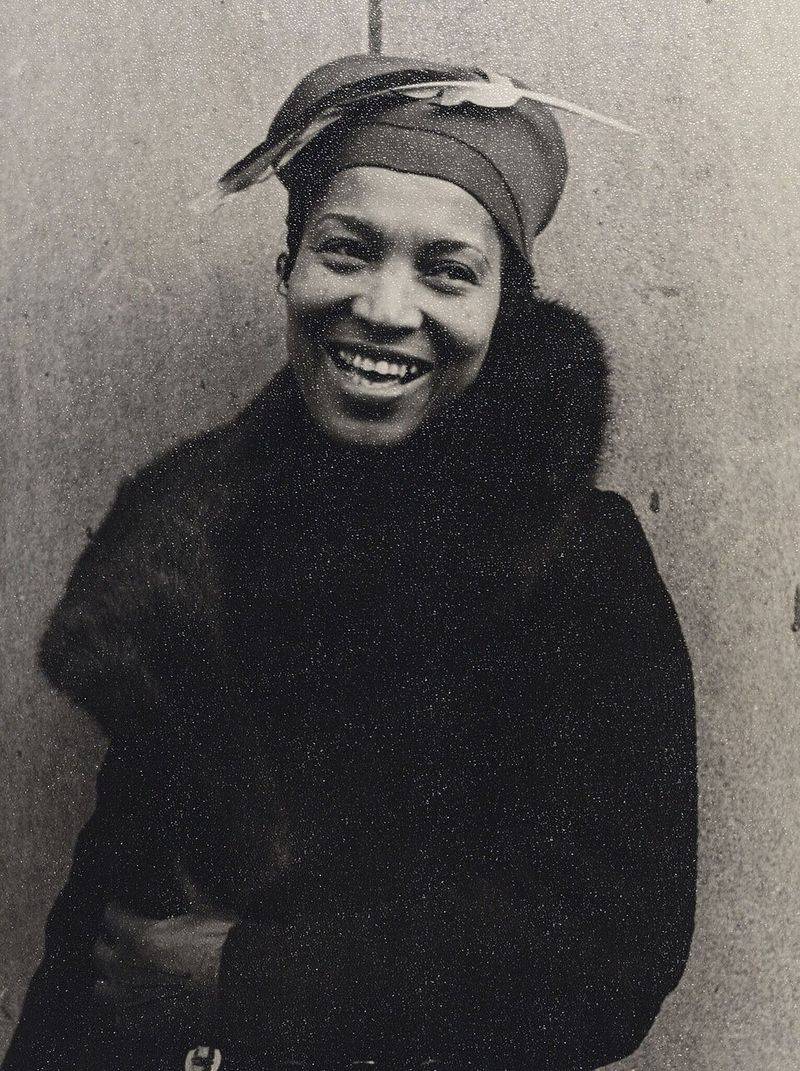
Armed with a notebook and unstoppable curiosity, this anthropologist-turned-novelist traveled the South collecting stories that might have vanished forever.
She celebrated dialect, folklore, and traditions that other writers sometimes tried to hide or polish up.
Her masterpiece, Their Eyes Were Watching God, gave readers a Black woman’s journey toward self-discovery that felt revolutionary.
Her work proved that authentic Black voices deserved center stage, no apologies needed.
4. Claude McKay
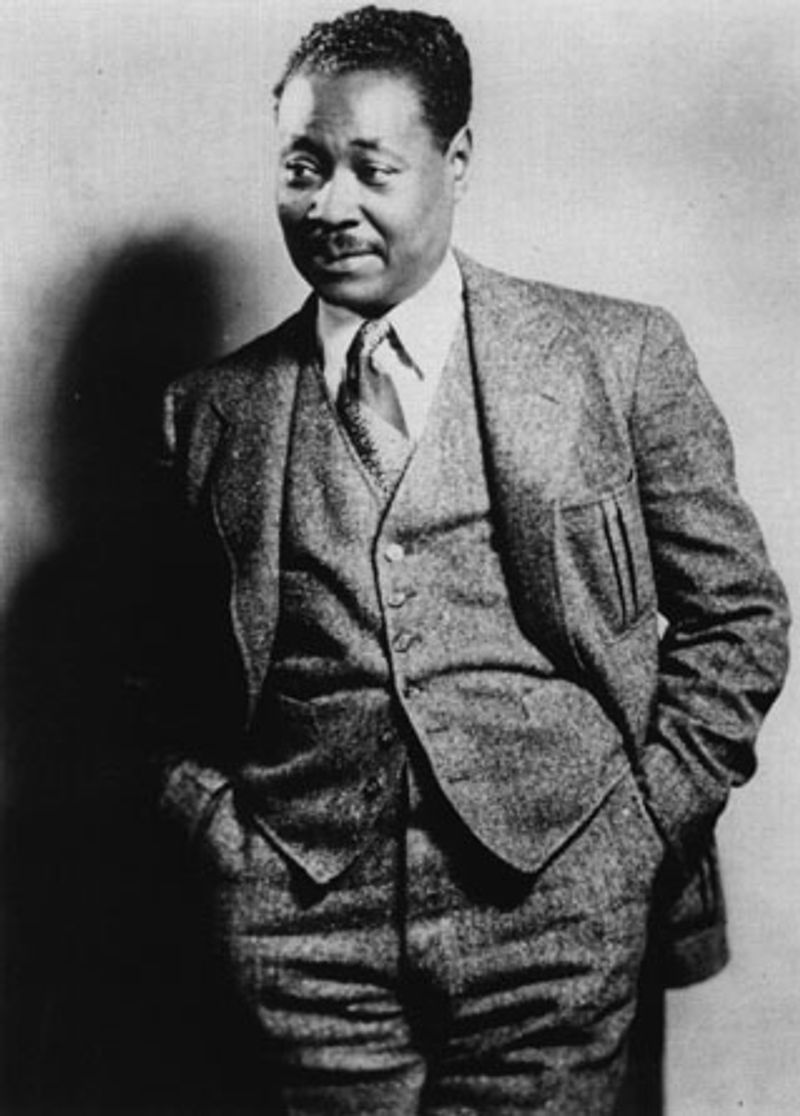
Born in Jamaica, this poet brought fire and defiance to American literature with words that refused to bow down.
His novel Home to Harlem gave readers an unfiltered look at Black urban life that some found shocking. But honestly?
That raw honesty was exactly what made his work matter so much.
He showed that resistance could be beautiful, powerful, and absolutely necessary.
5. Countee Cullen
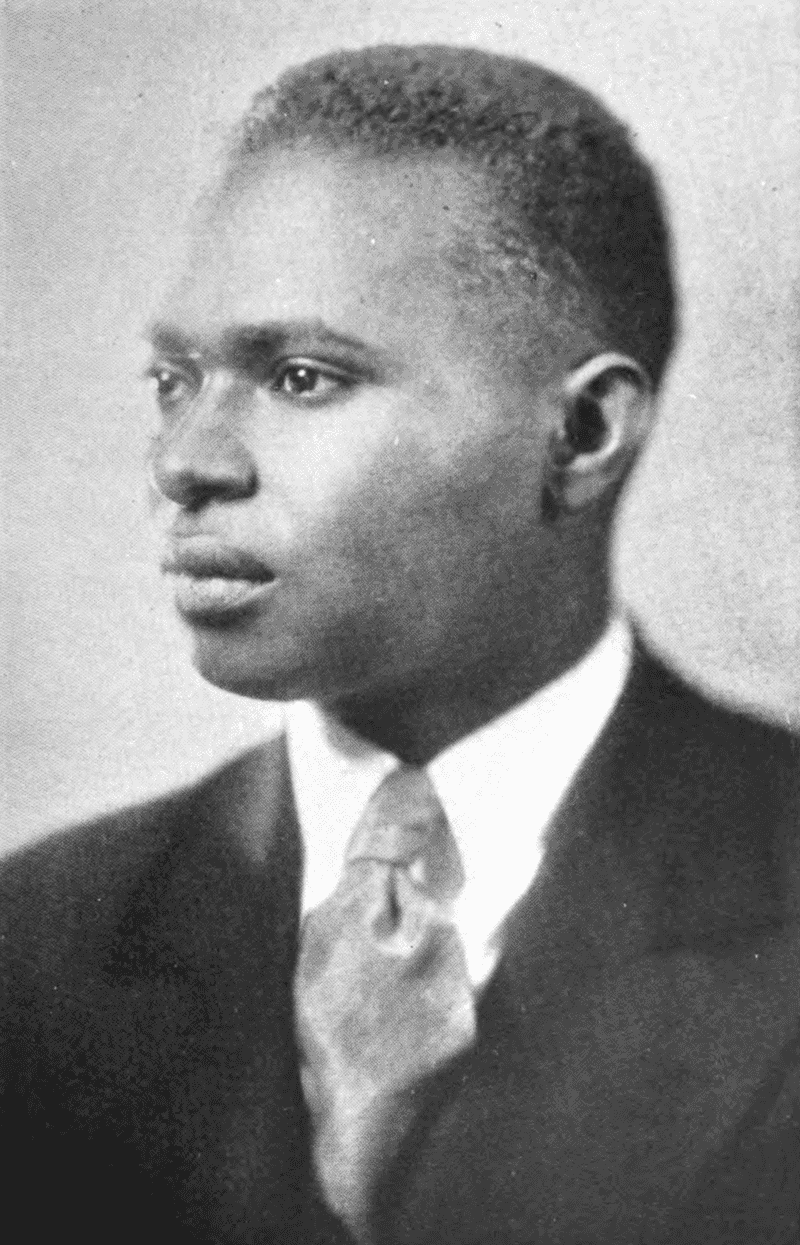
This poet blended classical European forms with deeply personal explorations of race and identity, creating something entirely fresh.
Critics loved how he could write a perfect sonnet while tackling America’s toughest questions about belonging.
His collection Color earned him fame before he even turned thirty!
He proved that Black writers could master any literary tradition while making it speak to their own experiences.
6. Jean Toomer
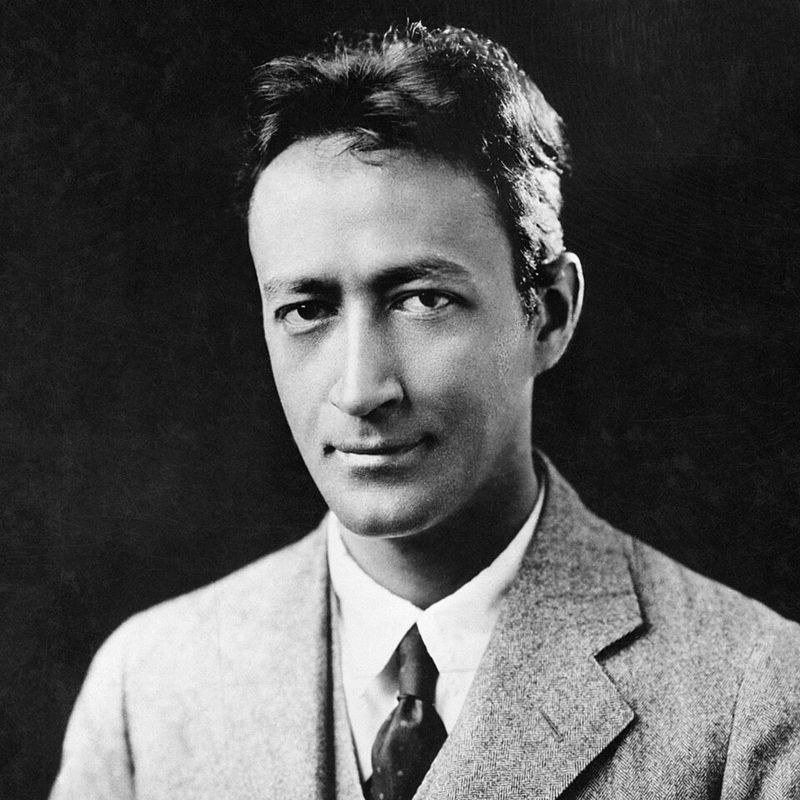
With Cane, this writer created something that confused and amazed readers in equal measure – part poetry, part prose, totally original.
The book mixed Southern landscapes with urban scenes, folklore with modernist experiments, creating a literary collage nobody had seen before.
His work captured the complexity of Black identity during massive social changes. Though he later stepped away from the movement, his contribution left an unforgettable mark.
7. James Weldon Johnson
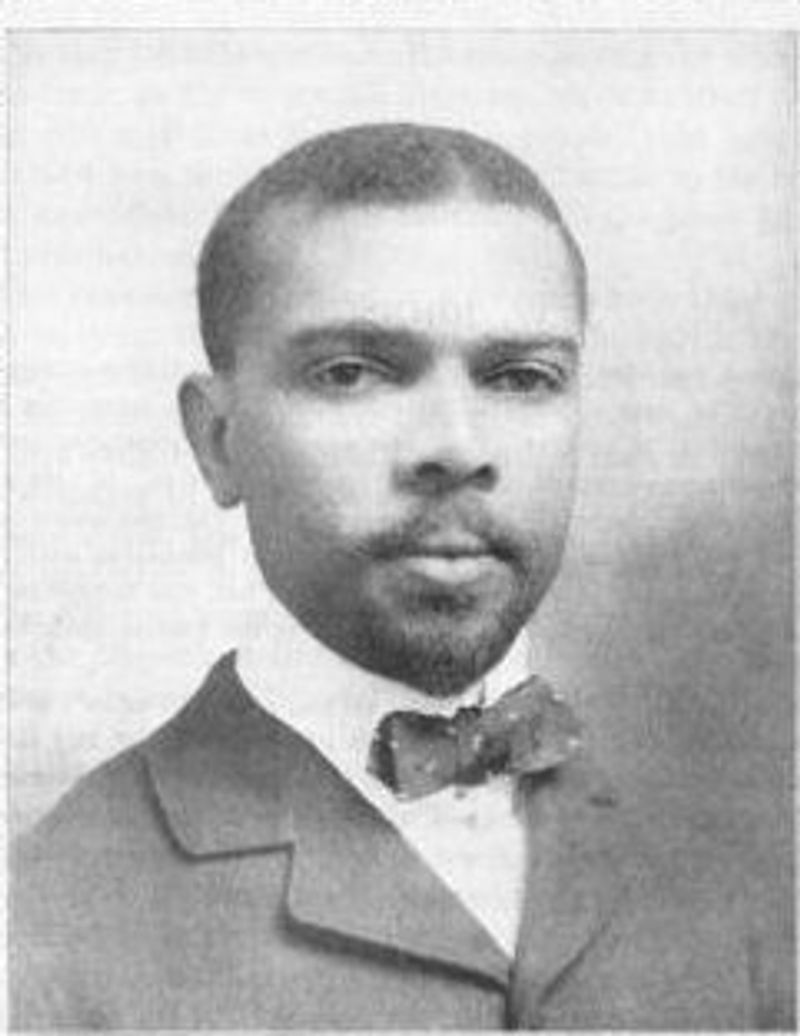
How do you balance writing poetry and leading civil rights battles?
This Renaissance man figured it out, serving as both NAACP leader and celebrated author simultaneously.
He penned “Lift Every Voice and Sing,” which became known as the Black national anthem – talk about leaving your mark!
His autobiography and novels explored identity with wisdom earned from decades of activism.
8. Jessie Redmon Fauset
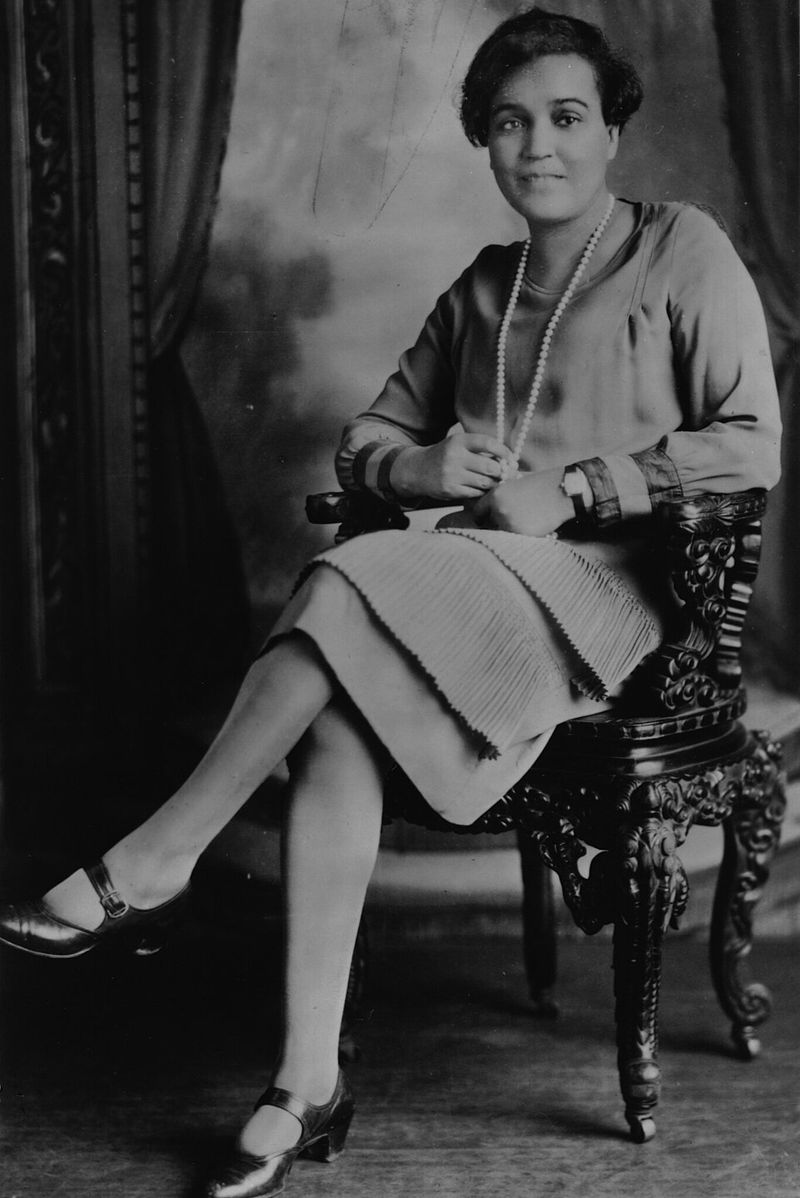
As literary editor of The Crisis magazine, she basically discovered and nurtured half the Harlem Renaissance’s biggest names.
Her eye for talent helped launch careers that might have struggled to find audiences otherwise.
She also wrote novels exploring middle-class Black life with psychological depth that critics sometimes overlooked.
Her work championed respectability and achievement while questioning the costs of constantly proving yourself worthy.
9. Wallace Thurman
Part of the movement’s younger, edgier crowd, this writer and editor wasn’t afraid to challenge the Renaissance’s respectability politics.
His magazine Fire!! lasted only one issue but made waves by pushing boundaries his elders found uncomfortable.
His novel The Blacker the Berry tackled colorism within Black communities with brutal honesty. Though his life ended tragically young, his willingness to question and provoke left its mark.
10. W.E.B. Du Bois
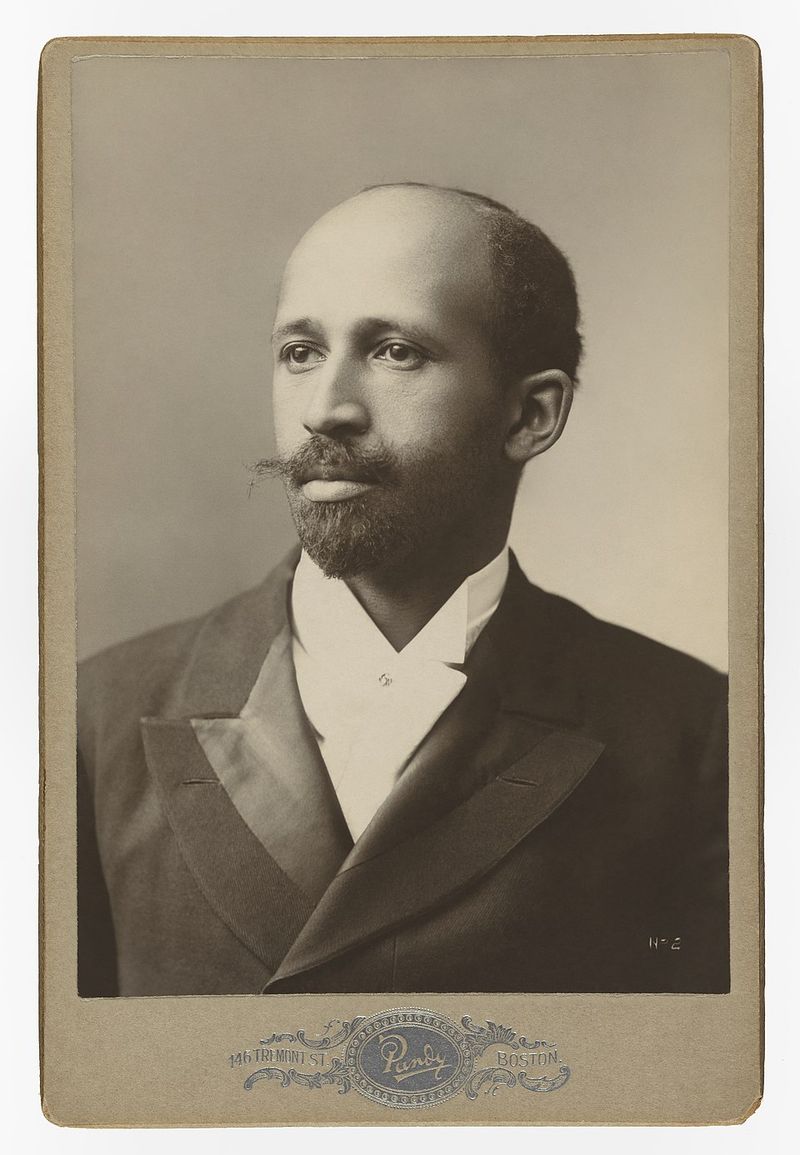
Already a legendary intellectual and NAACP co-founder when the Renaissance bloomed, his ideas about the “talented tenth” and double consciousness shaped the era’s conversations.
His magazine The Crisis became a crucial platform for emerging artists and writers.
Though sometimes criticized for elitism, his vision of Black excellence and cultural pride fueled the movement’s ambitions.
11. Marcus Garvey
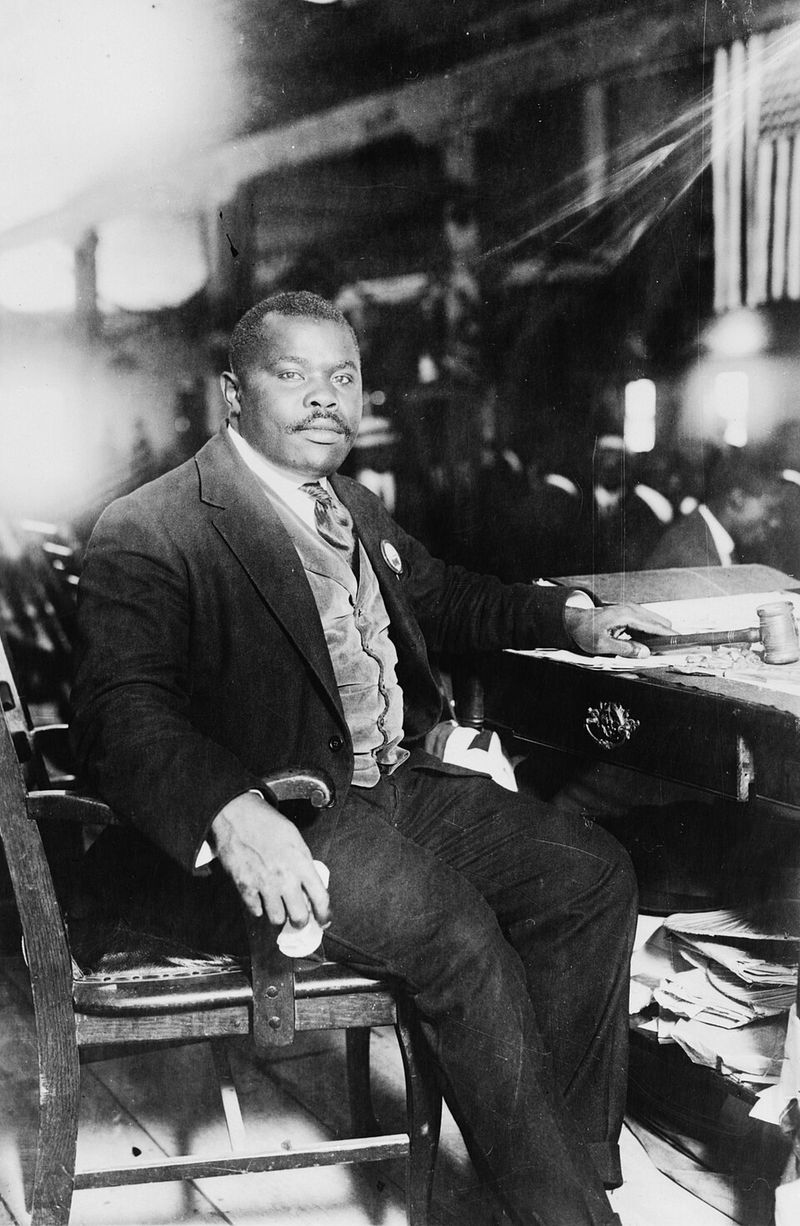
This Jamaican-born leader’s Back-to-Africa movement and UNIA stirred both excitement and controversy throughout Harlem.
His message of Black pride, economic independence, and self-determination reached millions worldwide.
Though his shipping company failed and critics questioned his methods, his impact on Black consciousness was undeniable.
He taught people to see beauty and power in their African heritage when mainstream culture demanded assimilation.
12. Arthur A. Schomburg
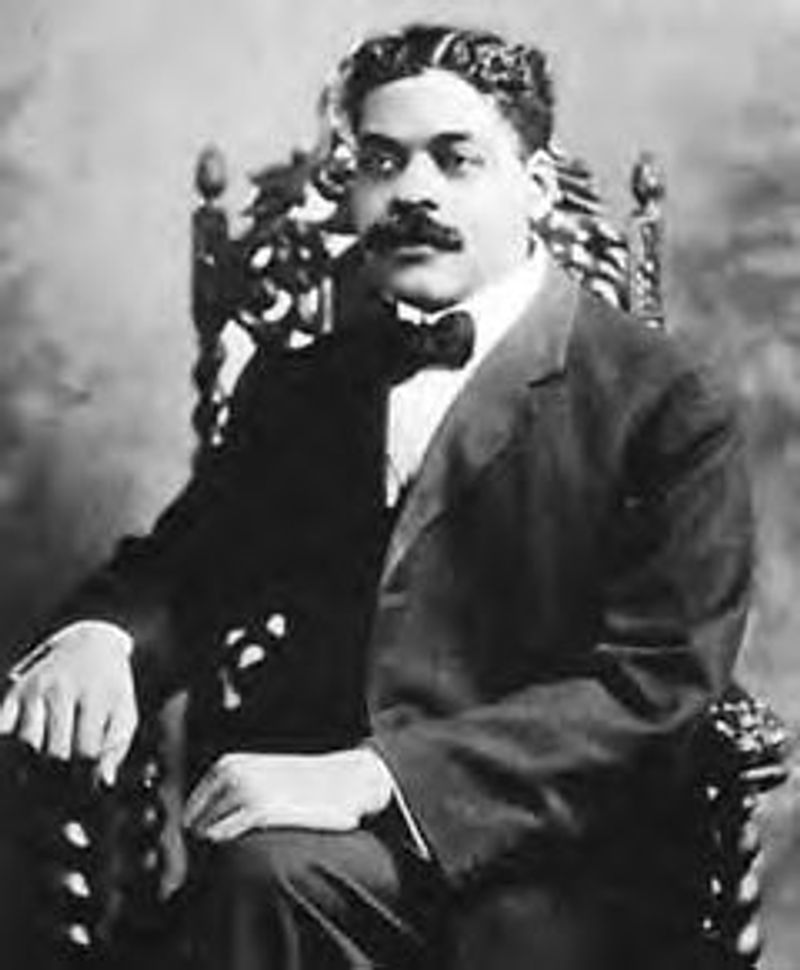
When a teacher told young Arturo that Black people had no history, he spent his life proving her spectacularly wrong.
This Afro-Puerto Rican bibliophile amassed one of the world’s greatest collections of Black history and culture.
His archive became the Schomburg Center for Research in Black Culture, now a treasure trove for scholars worldwide.
By preserving documents, art, and artifacts, he gave the Renaissance solid ground to stand on.
13. Aaron Douglas
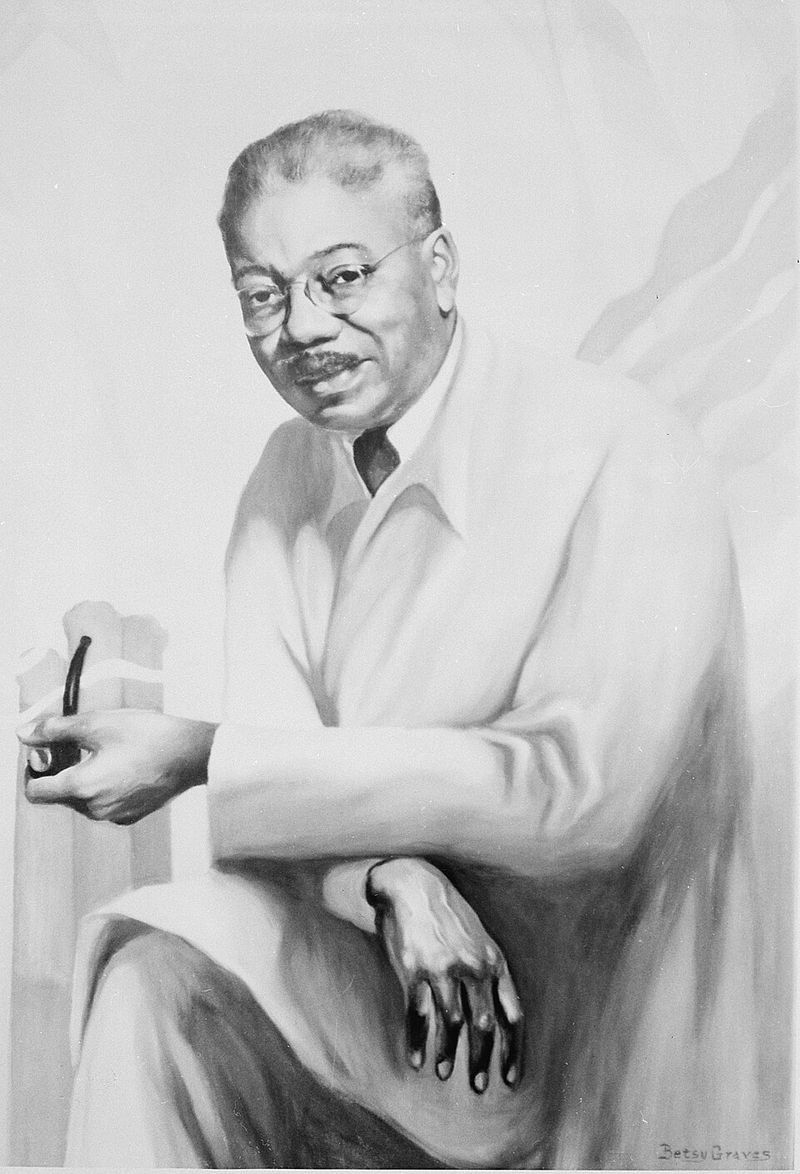
His distinctive visual style – bold geometric shapes, silhouettes, and African-inspired motifs – became the Renaissance’s signature look.
When you picture Harlem Renaissance art, you’re probably seeing his influence whether you realize it or not.
His covers for books and magazines gave the movement its visual identity, making literature look as revolutionary as it sounded.
He proved that visual art could capture cultural pride as powerfully as any poem or song.
14. Augusta Savage
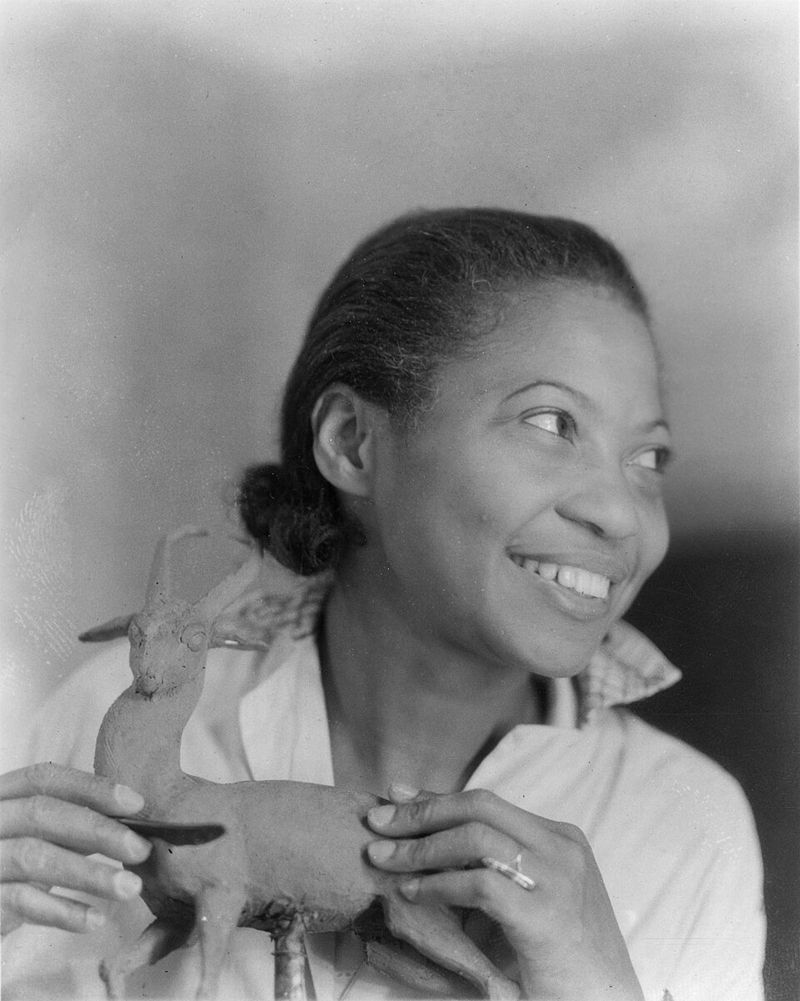
This sculptor fought through poverty and discrimination to create powerful works that honored Black strength and beauty.
Her piece “The Harp,” inspired by “Lift Every Voice and Sing,” stood sixteen feet tall at the 1939 World’s Fair!
Beyond her own art, she founded schools and workshops that trained the next generation of Black artists.
She believed talent deserved opportunity regardless of who possessed it or where they came from.
15. Archibald Motley
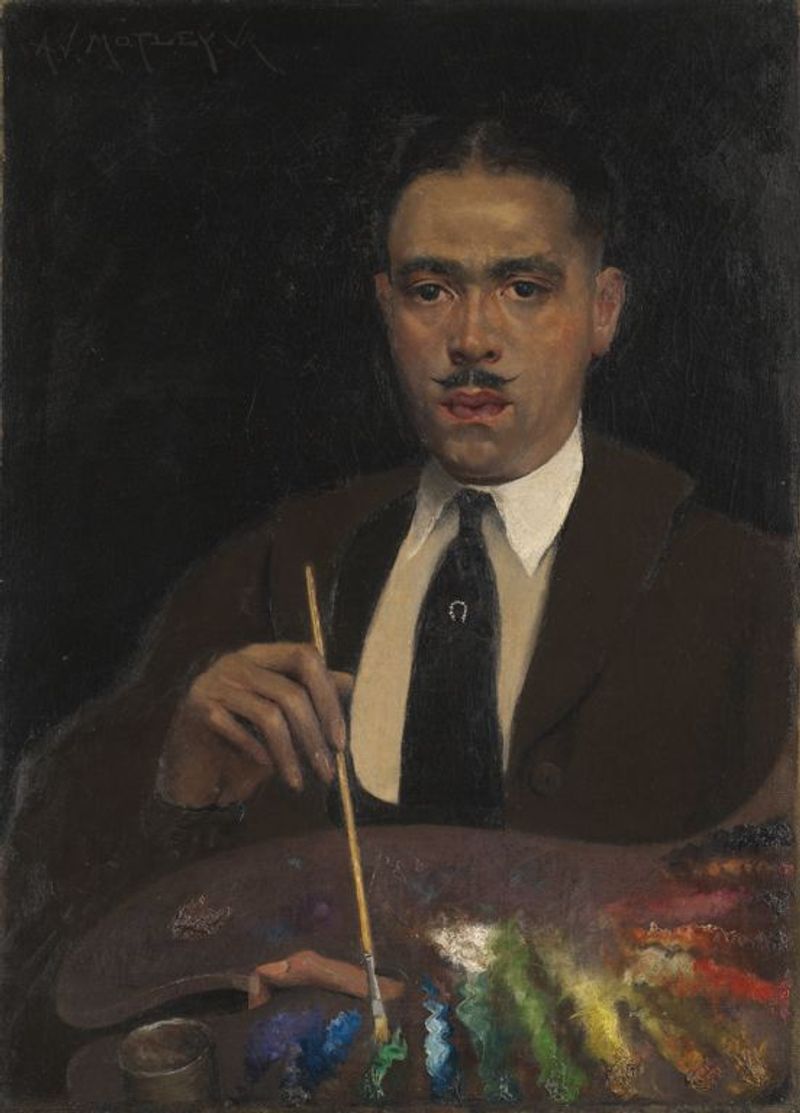
His canvases practically vibrated with the energy of Black nightlife, jazz clubs, and urban scenes bursting with color and movement.
While some artists aimed for dignity through restraint, he celebrated exuberance and joy without apology.
Paintings like “Nightlife” captured the excitement of Bronzeville and Harlem’s social scenes with electric intensity.
He reminded everyone that Black life deserved to be painted as vibrant and complex as it truly was.
16. Duke Ellington
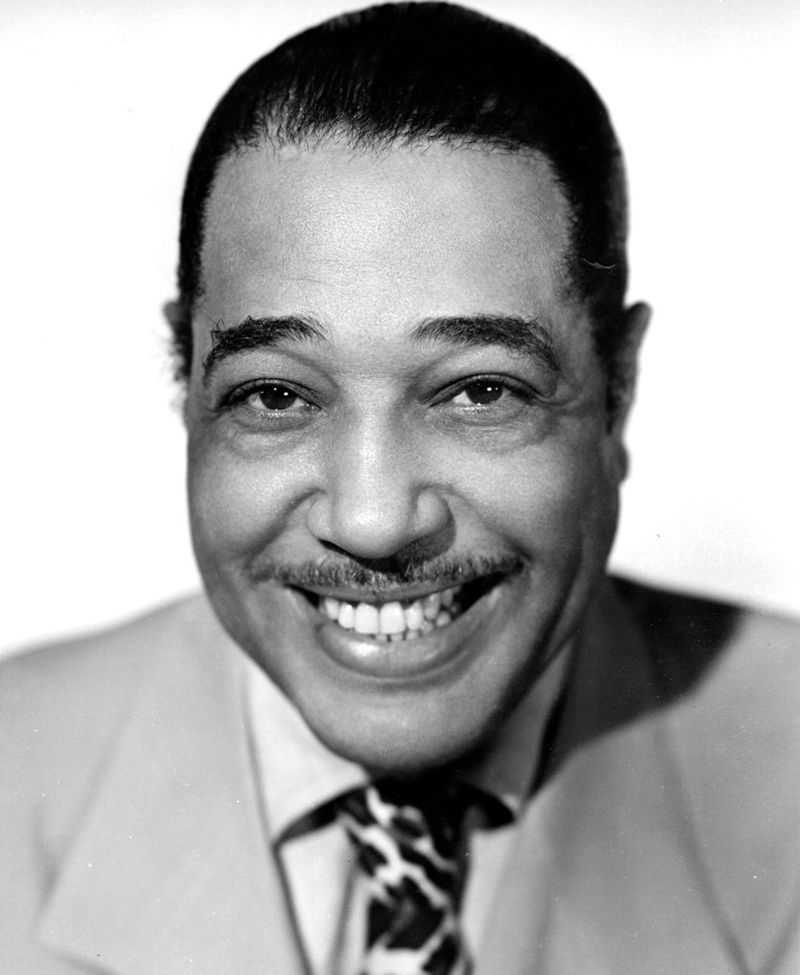
At the Cotton Club and beyond, his orchestra redefined what jazz could be – sophisticated, complex, and utterly irresistible.
Compositions like “Take the ‘A’ Train” and “Mood Indigo” became American classics that still make people’s feet tap today.
He elevated jazz from dance music to serious art form without losing its soul or swing.
His genius helped make jazz America’s greatest cultural export and Harlem’s calling card to the world.
17. Louis Armstrong
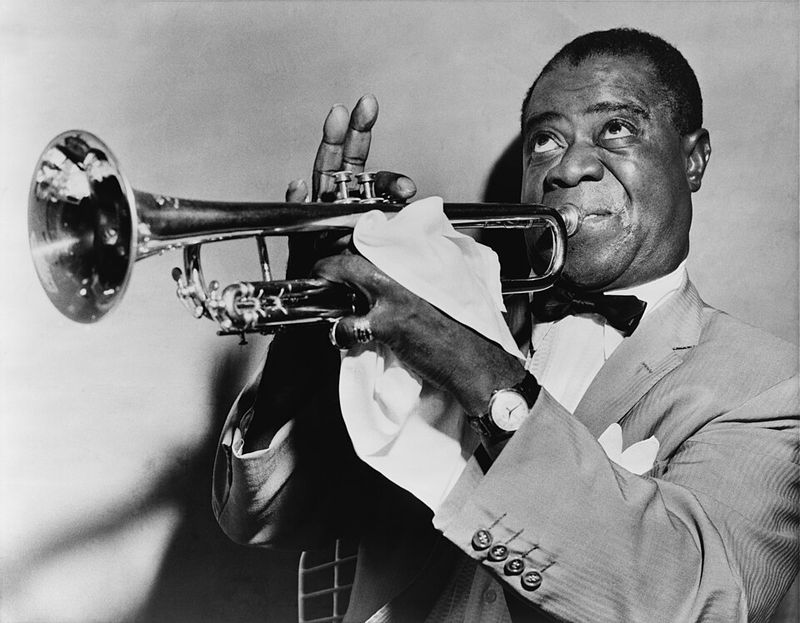
That gravelly voice and golden trumpet transformed jazz from New Orleans novelty to worldwide phenomenon.
His innovative solos and scat singing basically invented new ways for musicians to express themselves through their instruments and voices.
Though based in Chicago and New York more than Harlem itself, his recordings and performances shaped the soundscape that defined the era.
His joyful personality and musical genius made him an ambassador for Black artistry everywhere he went.
18. Bessie Smith
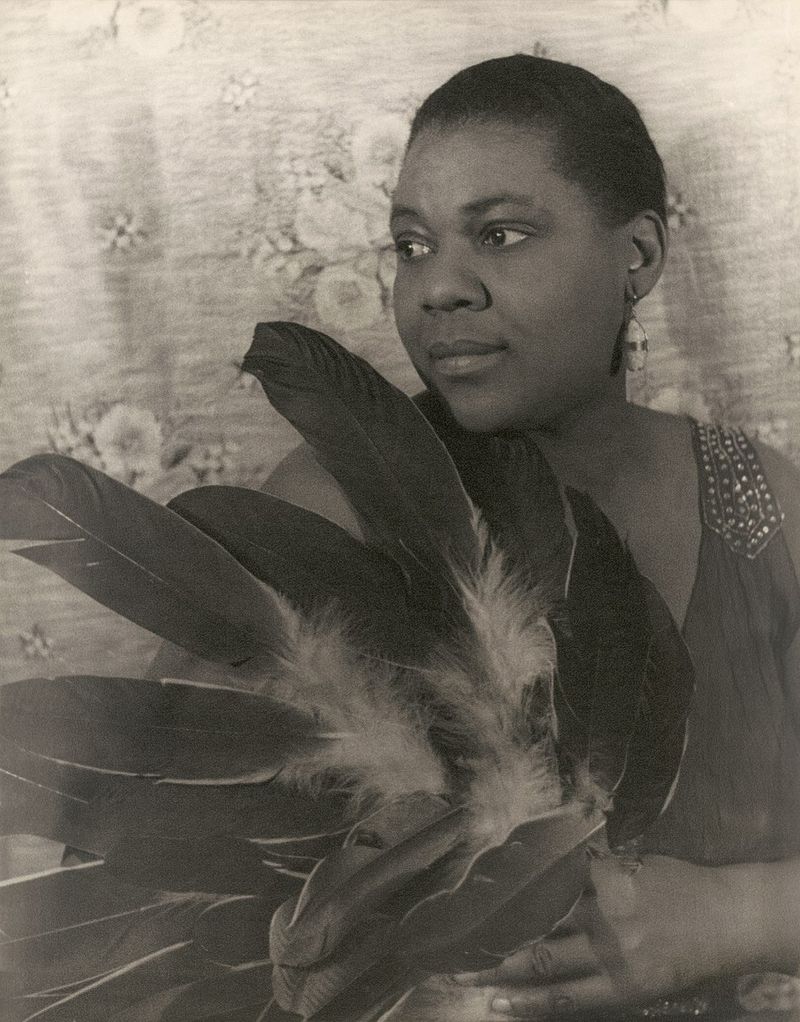
They called her the Empress of the Blues, and honestly, that title barely captured her vocal power and emotional depth.
When she sang about heartbreak, hard times, or defiance, audiences felt every word in their bones.
Her recordings sold millions and influenced countless singers who came after.
She brought rural blues traditions to urban audiences, building bridges between different Black musical worlds.
19. Josephine Baker
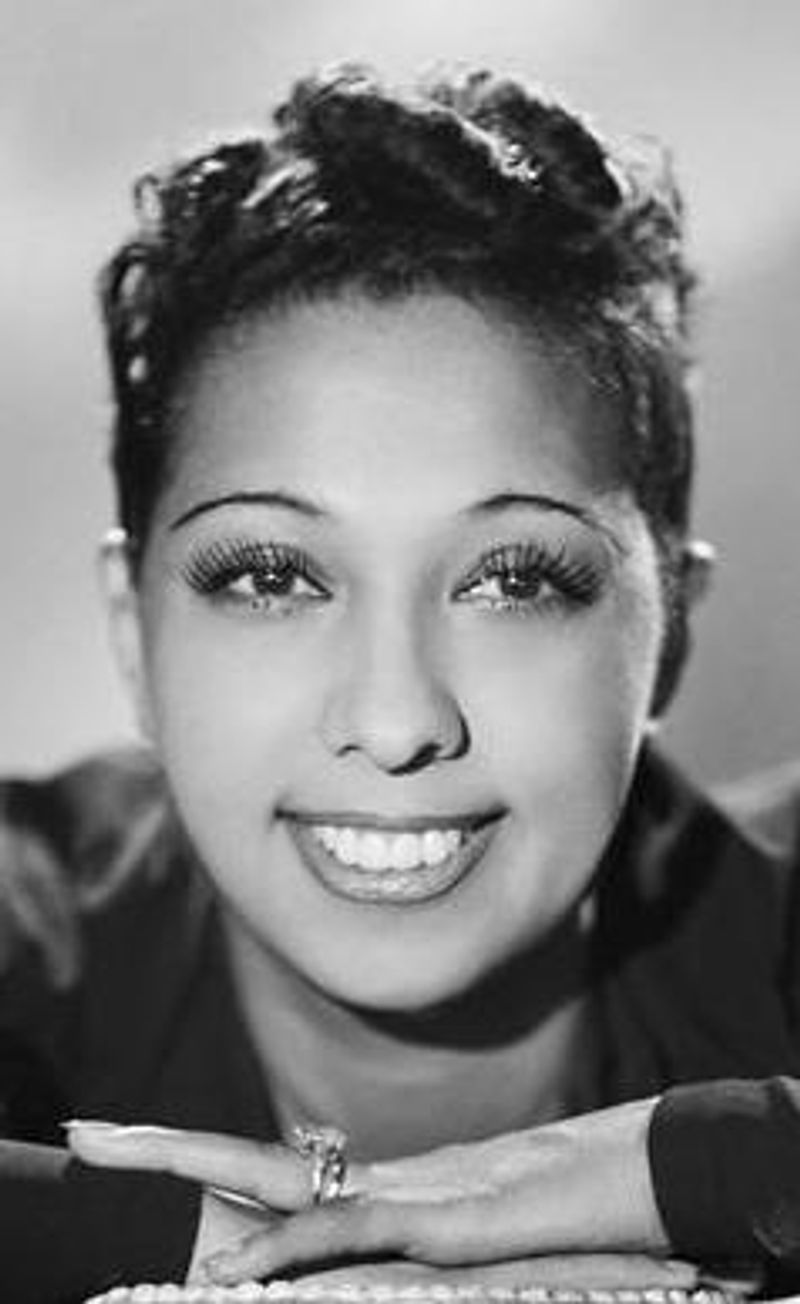
From St. Louis to Paris and back, this dancer and singer became an international sensation whose fame helped spread Harlem-era Black artistry worldwide.
Her performances mixed comedy, sensuality, and incredible athleticism in ways that captivated European audiences.
Though some criticized her for exoticism, she used her platform and fortune to fight racism and support civil rights movements.
During World War II, she even worked for the French Resistance – talk about a multifaceted life!