10 Common Pirate Myths And 10 Historical Truths Worth Knowing
Hollywood loves pirates, but most of what you think you know about them is totally wrong. Those eye patches, treasure maps, and silly accents?
Yeah, they’re mostly made up for movies and books. Real pirates were actually way more interesting than the cartoon versions we grew up watching.
Let’s separate the swashbuckling fiction from the surprising facts and discover what life on the high seas was really like.
1. Pirates Always Said Arrr And Talked Like Cartoon Sailors
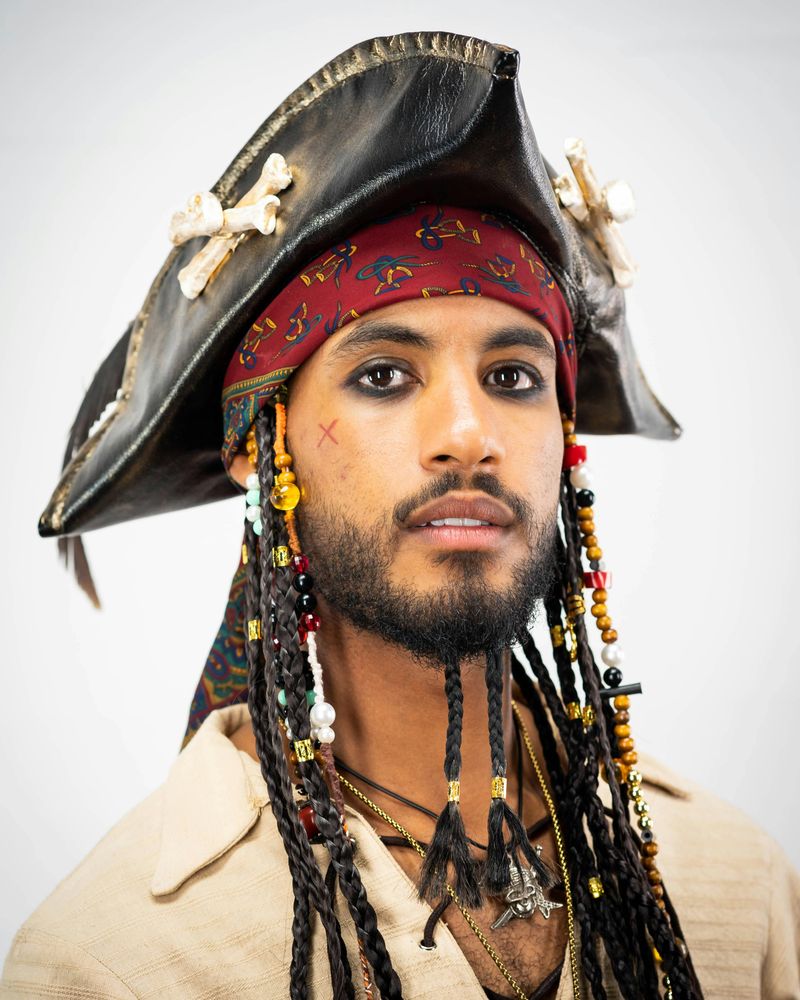
Robert Newton ruined everything. When he played Long John Silver in Disney’s 1950 film, his exaggerated West Country accent became the voice every kid imitates on Halloween.
Before that movie, nobody thought pirates sounded like that.
Real pirates came from everywhere: England, France, Africa, the Caribbean, and beyond. They spoke dozens of languages and dialects, mixing sailor slang with their native tongues.
Ship logs and trial records show normal speech patterns, not theatrical performances.
2. Most Pirates Buried Treasure With An X Marking The Spot

Treasure Island is a fantastic book, but it’s fiction.
Robert Louis Stevenson invented the buried treasure trope in 1883, and we’ve been obsessed ever since. Real pirates had bills to pay and wanted to enjoy their loot immediately.
Think about it: would you risk your life at sea, finally get paid, then bury your money on some random island? Nope.
Pirates split their shares quickly and spent them on food, clothes, repairs, and fun in port towns.
3. Pirates Made People Walk The Plank As Standard Punishment
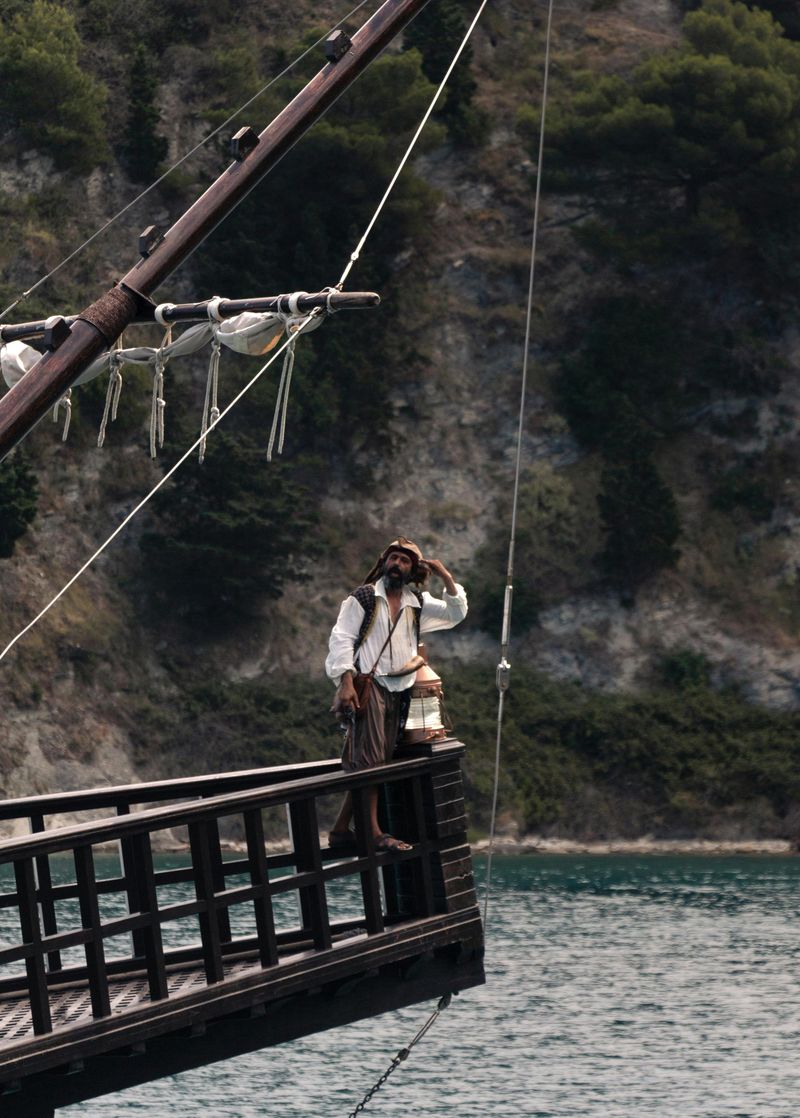
Walking the plank sounds dramatic, which is exactly why writers loved it. But historians have searched ship records, trial testimonies, and survivor accounts, finding almost no evidence this actually happened.
Real pirates used different punishments. Marooning someone on a deserted island with minimal supplies was common and terrifying.
Quick executions happened too, but elaborate plank ceremonies? Not so much.
Pirates wanted efficiency, not theatrical productions. Why build a special plank when you could just toss someone overboard?
4. Pirates Wore Big Gold Earrings And Flamboyant Outfits All The Time
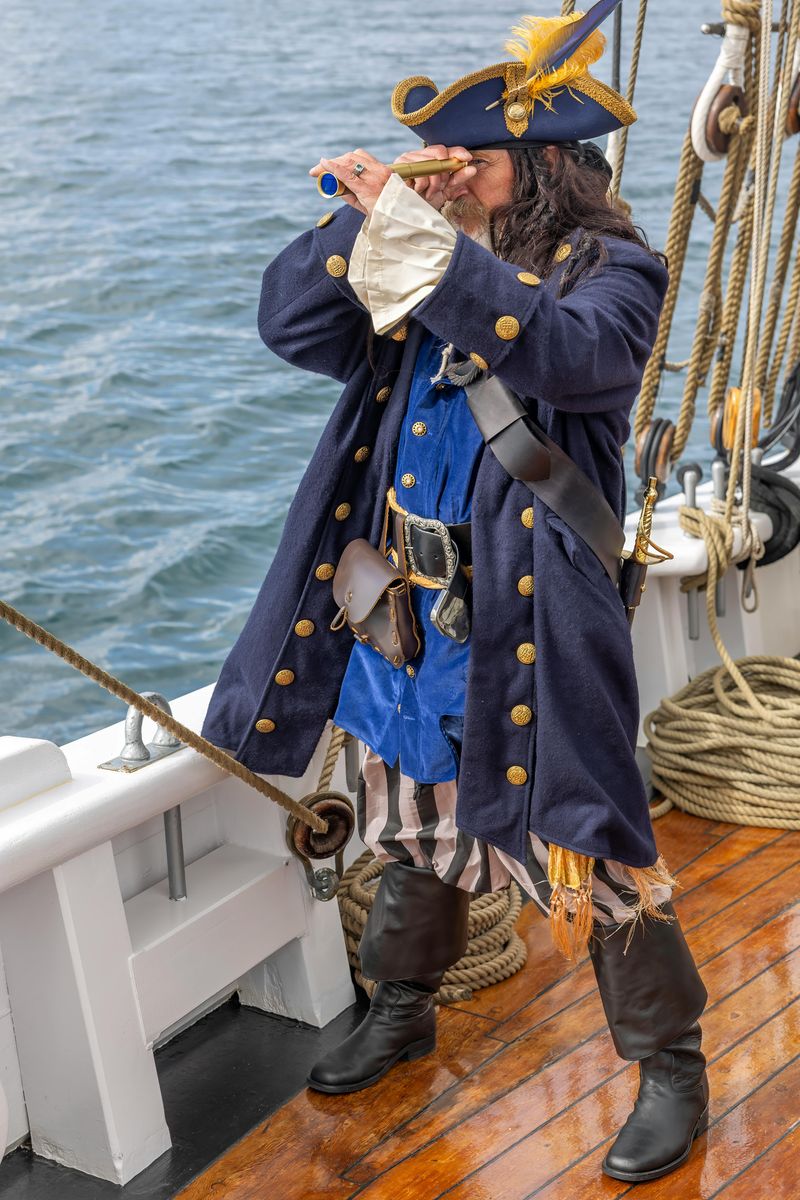
Fashion magazines didn’t exist at sea. Pirates wore whatever they could steal, trade for, or buy in port.
Some liked fancy stuff when they could afford it, but daily life required practical clothes that could handle saltwater, sun, and hard work.
Captured merchant ships provided wardrobe upgrades. A pirate might wear a stolen silk vest one day and regular sailor pants the next.
Earrings happened sometimes, but the whole coordinated pirate costume look is modern invention.
5. Pirates Were Lawless Loners With No Rules
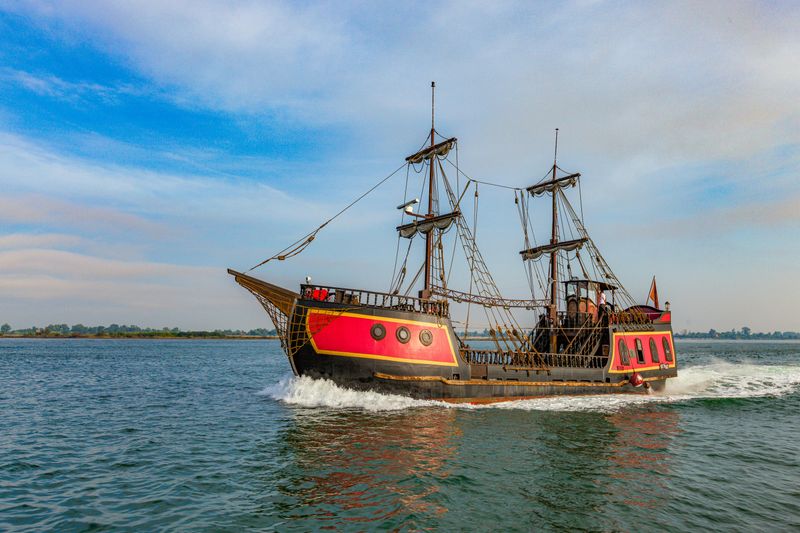
Pirate ships were surprisingly organized. Most crews operated under written agreements called articles that covered everything from loot division to injury compensation.
Articles specified rules about fighting, desertion, and duties. They outlined how much each crew member earned and what happened if you lost a limb in battle.
Some ships even had early insurance systems.
6. Pirates Only Attacked Huge Navy Ships And Heavily Guarded Treasure Galleons
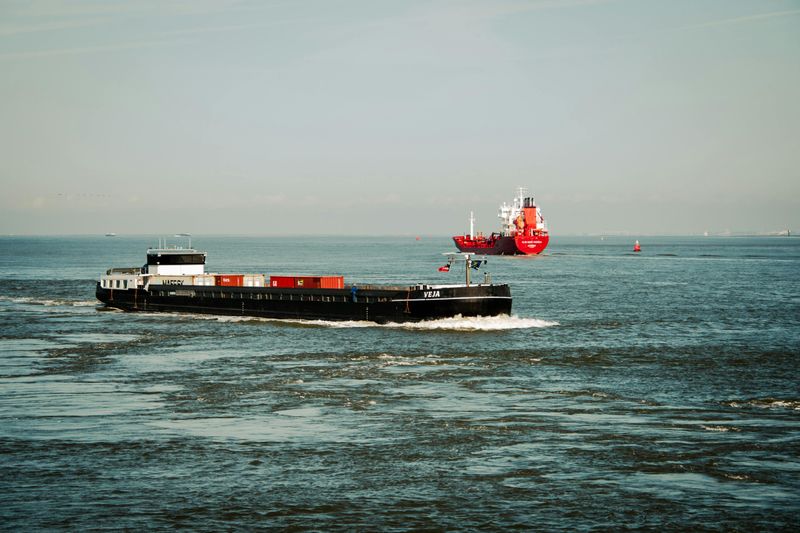
Why pick a fight with a warship when easier targets float by daily? Pirates were businesspeople seeking profit, not glory.
Small merchant vessels carrying sugar, fabric, or rum made perfect targets because they had minimal defenses and valuable cargo.
Spanish treasure galleons sound exciting, but they traveled in armed convoys with military escorts. Attacking them meant risking your entire crew for a maybe-payoff.
7. Pirates Were All The Same One Pirate Type From One Place
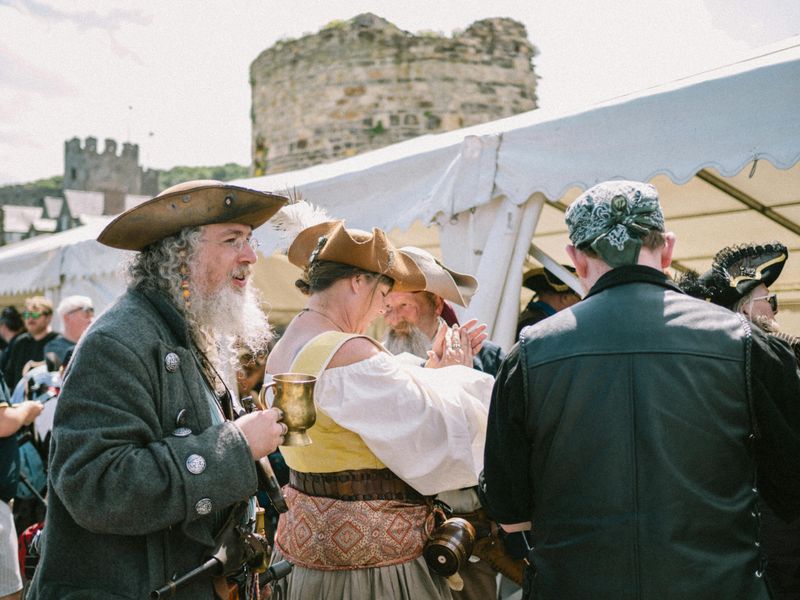
Pirate crews looked like the world’s most interesting potluck dinner.
Sailors from England mixed with Spanish deserters, Caribbean natives, and occasionally Asian sailors who’d crossed oceans. Nobody cared about your background if you could do the job.
Language barriers created interesting challenges, but crews developed their own mixed vocabularies.
The diversity made pirate ships more progressive than most societies of their time, ironically.
8. Every Pirate Captain Ruled By Pure Fear And Constant Brutality

Pirate captains could be fired. Seriously.
Most crews elected their leaders and could remove them by vote if they became tyrants or incompetent.
Captains had absolute authority during battles and chases, but during normal sailing, the quartermaster and crew council made major decisions.
Good captains earned respect through skill and fairness, not just intimidation.
9. Pirates Were Mostly Illiterate Brawlers
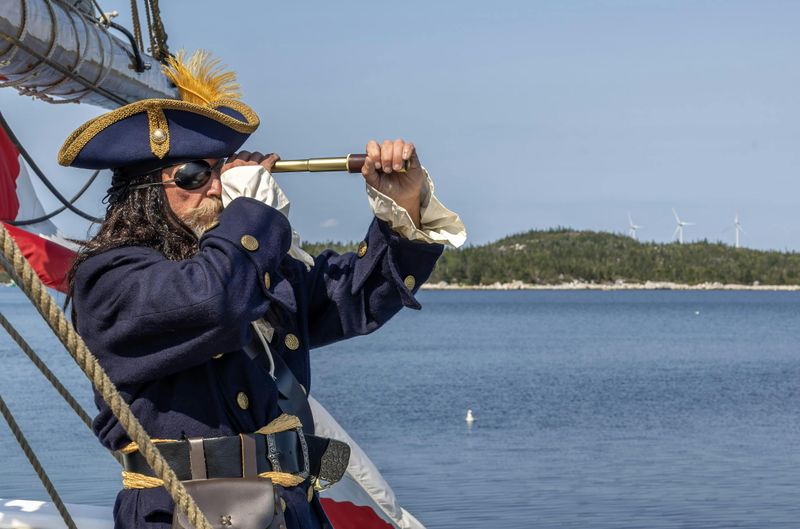
Running a ship requires serious skills. Navigation involved complex math and astronomy.
Carpentry kept vessels seaworthy. Medical knowledge, however basic, saved lives. Somebody had to keep financial records and split loot fairly.
Many pirates came from merchant or navy backgrounds where these skills were essential. Literate crew members handled correspondence, decoded captured documents, and maintained logs.
Competence mattered more than muscles when storms hit or battles began.
10. The Golden Age Of Piracy Lasted For Centuries Unchanged
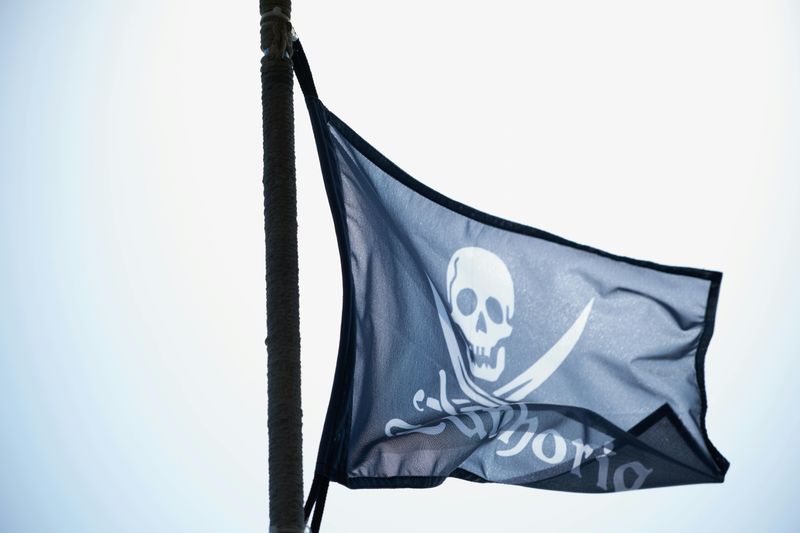
The Golden Age lasted roughly 1650 to 1730, with peak activity between 1716 and 1726. That’s barely a human lifetime, not centuries.
Piracy surged when European wars ended, leaving unemployed sailors seeking work and weak colonial enforcement creating opportunities.
When governments strengthened naval patrols, offered pardons, and executed captured pirates publicly, the party ended quickly.
1. Pirate Crews Were Remarkably Democratic And Organized

Before modern democracies became common, pirate ships practiced voting rights and equal representation.
Crew members elected captains and quartermasters, voted on major decisions, and could challenge leadership.
The quartermaster acted like a judge, settling disputes and ensuring fair treatment. Major decisions like where to sail or whether to attack required crew approval.
2. Many Pirates Were Young Men In Their Early Twenties

Forget the grizzled old sea dogs from movies. Historical records show most pirates were surprisingly young, averaging early to mid-twenties.
These were basically college-aged guys seeking adventure, better pay, and escape from brutal merchant or navy service.
Young sailors had the physical strength for demanding shipboard work and less to lose by choosing piracy.
Many had just finished apprenticeships or navy contracts and wanted more freedom and better shares than legal employment offered.
3. Pirates Rarely Fought Each Other Over Territory Or Loot

Pirate-on-pirate violence was bad for business. Crews often knew each other, shared information about targets, and sometimes worked together on big jobs.
Most ships followed similar articles and codes, creating mutual understanding. If disputes arose, crews preferred negotiation or compensation over battles.
Unity provided strength against navies and merchant convoys.
Think of it like competing businesses that still cooperate when facing bigger threats. Professional courtesy existed, even among outlaws.
4. Pirate Flags Varied Widely Beyond The Skull And Crossbones
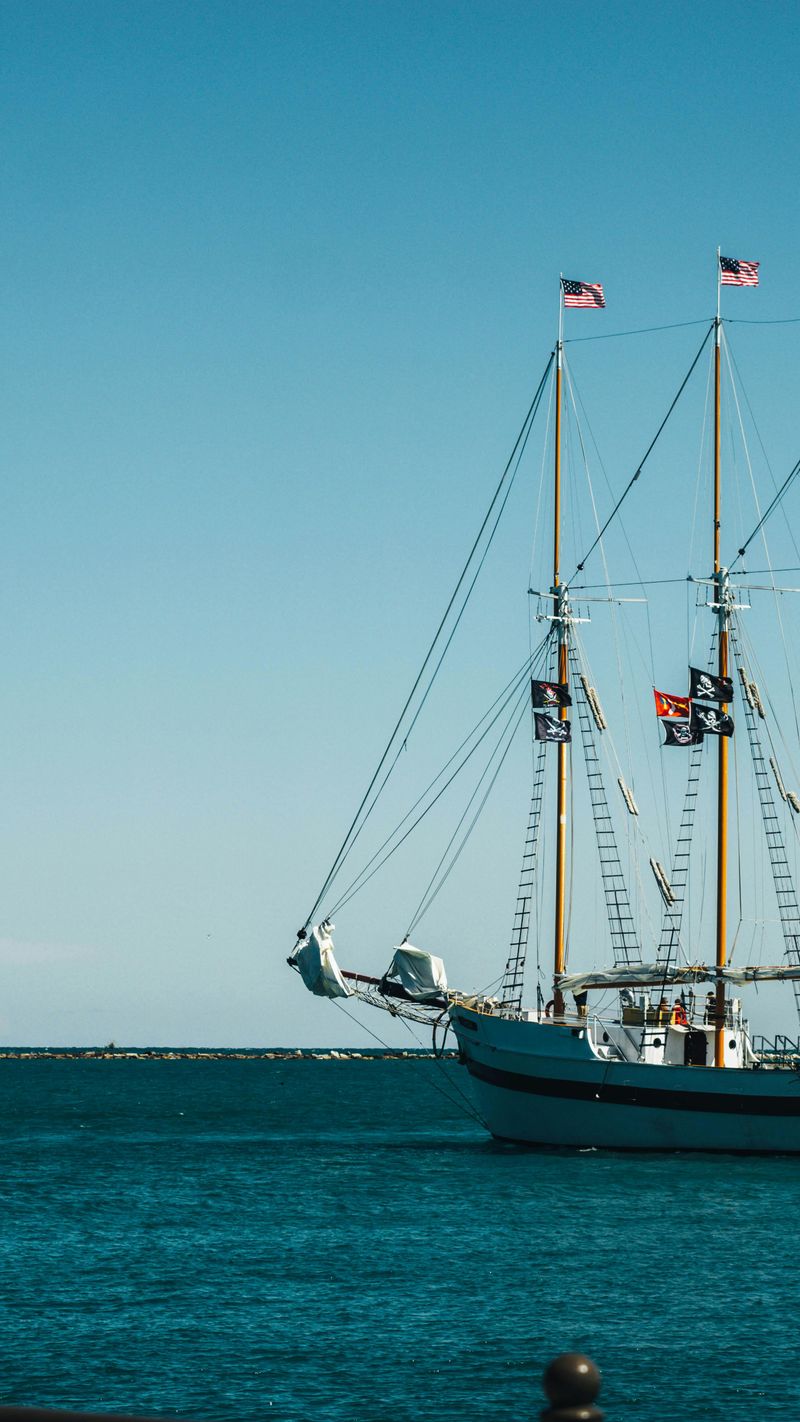
The Jolly Roger is famous, but pirates flew whatever flag suited their strategy.
Plain black flags signaled standard piracy. Red flags meant “no quarter” – no mercy for resisters. Some captains designed custom flags with hourglasses, skeletons, or weapons.
Smart pirates often flew false colors, pretending to be friendly merchants or naval vessels until getting close to targets. Deception worked better than advertising your criminal intentions from miles away.
The skull-and-crossbones became iconic through repetition in stories and films, not because every pirate used it.
5. Parrots As Pirate Pets Were Extremely Rare

Treasure Island strikes again. Stevenson gave Long John Silver a parrot, and suddenly every fictional pirate needed a shoulder bird.
Reality was less colorful. Exotic birds were valuable trade goods, not entertainment.
Sailors occasionally captured parrots in tropical ports to sell in Europe where they fetched high prices.
Keeping them as pets on cramped, dirty ships made little sense. Birds need fresh water, proper food, and space – luxuries pirates lacked.
6. Peg Legs And Eye Patches Were Extremely Uncommon
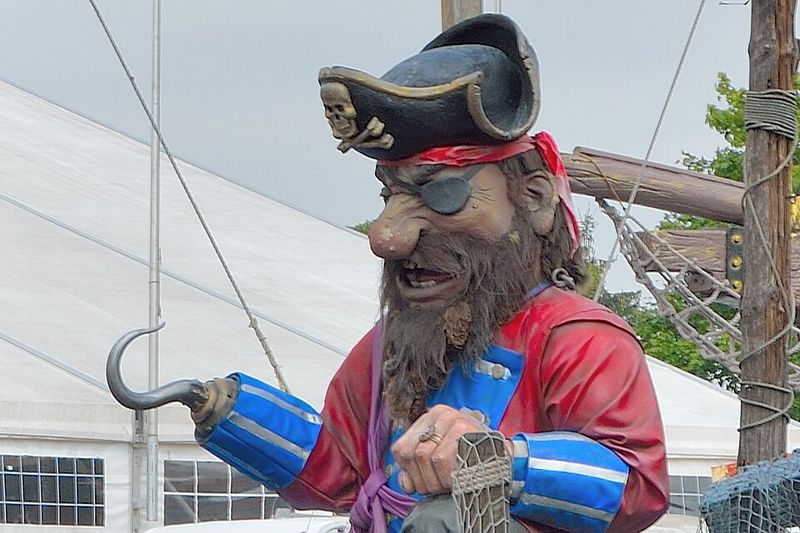
Losing a limb in the 1700s usually meant dying from infection or blood loss. Ships lacked proper medical facilities, antibiotics, or trained surgeons.
Amputations happened, but survival rates were terrible. Creating functional prosthetics required skills and materials pirates didn’t have.
The classic peg leg image comes from Victorian illustrations and later films that romanticized pirate life. Real disabled sailors usually retired from sea life because working rigging and decks required full mobility.
7. Pirate Crews Included Significant Numbers Of Black Sailors

Historians estimate 25 to 33 percent of Golden Age pirates were Black, many being people who found freedom and equality impossible on land.
Pirate ships offered something revolutionary: equal shares, voting rights, and respect based on ability.
Black pirates held all ranks, including leadership positions. Samuel Bellamy’s crew, one of history’s richest pirate operations, included many Black sailors as equal partners.
Pirate ships were accidentally progressive, creating integrated communities generations before civil rights movements began on land.
8. Pirates Strategically Chose Vulnerable Targets For Maximum Profit
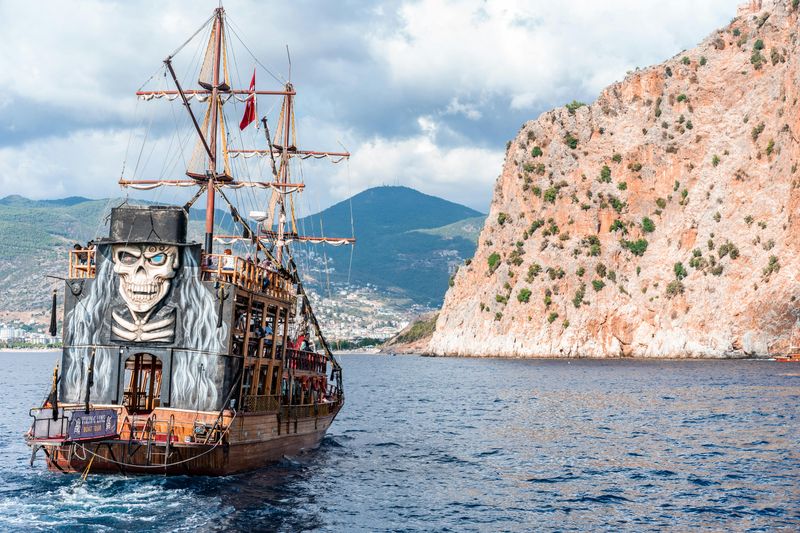
Pirates were entrepreneurs with swords. They analyzed shipping routes, identified lightly defended vessels, and calculated risk versus reward before attacking.
Merchant ships carrying everyday goods like sugar, cloth, and spices provided steady income with low risk.
Crews preferred targets that surrendered quickly, preserving both sides’ lives and keeping ships intact for resale.
9. Pirate Articles Included Early Forms Of Insurance And Workers Compensation

Lose an eye? Get 100 pieces of eight. Lose a hand? Even more.
Pirate articles specified exact compensation for injuries sustained during service, creating perhaps history’s first workers’ compensation system.
Knowing you’d be compensated for injuries encouraged crew members to fight harder and take necessary risks. The system showed surprising sophistication, with different rates for various injuries and disabilities.
Modern insurance companies should study pirate contracts. Those outlaws understood employee benefits before HR departments existed.
10. The Pirate Golden Age Ended Through Coordinated Government Action

Governments finally got organized. Britain, Spain, France, and other nations coordinated naval patrols, shared intelligence, and offered pardons to pirates who quit.
Those who continued faced professional pirate hunters and public executions designed to terrify others.
Economic changes mattered too. Peacetime meant more navy ships available for patrol.
Improved merchant ship defenses made attacks riskier. Better colonial governance reduced safe harbors where pirates could resupply and sell stolen goods.
Piracy didn’t disappear, but the Golden Age ended when crime stopped paying well enough to justify the risks.