20 Points Analyzing History And Fiction In ‘Bridgerton’
Lavish balls, swoon-worthy romances, and colorful characters have turned Bridgerton into one of Netflix’s most addictive period dramas.
Behind the glittering gowns and scandalous storylines sits a playful mix of historical inspiration and bold creative invention.
Knowing what’s rooted in reality and what’s pure fantasy makes every episode even more fun to watch.
Disclaimer: This piece discusses Bridgerton as a Regency-inspired period romance that intentionally uses alternate-history storytelling, so timelines, social rules, and character portrayals may differ from documented history. For readers who want deeper context, key details like the Regency’s commonly cited date range and Queen Charlotte’s lifespan can be cross-checked in standard historical references.
The content is provided for general informational and entertainment purposes and is not legal, financial, or professional advice.
20. Regency Setting Versus Exact Timeline
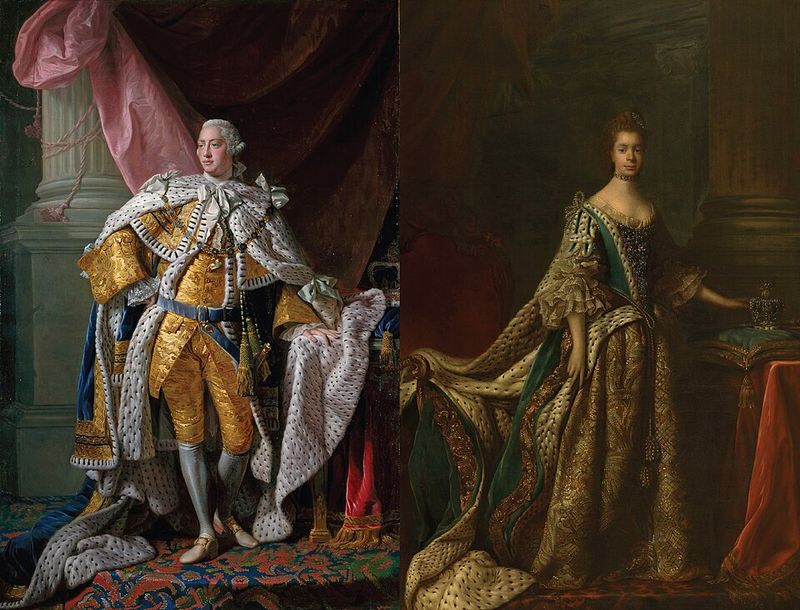
Bridgerton borrows the aesthetic and social atmosphere of Britain’s Regency era, most commonly dated to 1811–1820 (when the Prince of Wales served as Prince Regent).
Instead of pinning events to exact dates, the show compresses multiple years of social trends, court drama, and fashion evolution into a single fast-moving “season” storyline. This approach gives viewers a timeless feeling rather than a history-textbook experience.
Real Regency life moved at a slower pace, with gossip spreading over weeks instead of overnight plot twists.
19. Queen Charlotte: History Anchored, Plot Reimagined
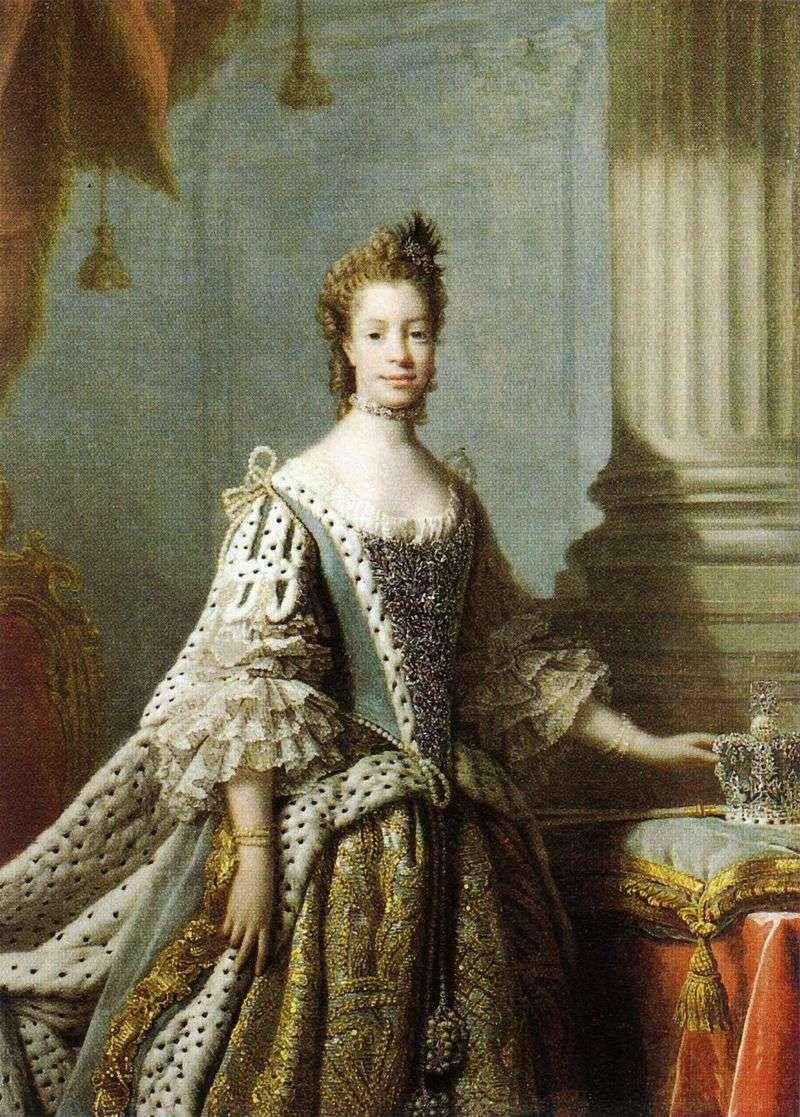
Queen Charlotte (Sophia Charlotte of Mecklenburg-Strelitz) was the wife of King George III and lived from 1744 to 1818. Bridgerton, however, builds an alternate court culture around her, turning her into a narrative engine for the ton’s rules and rivalries.
Bridgerton’s world positions her as a social arbiter who shapes matchmaking and scandal rather than presenting a strict historical biography.
Viewers get a character-driven version that prioritizes story momentum over documentary precision, making her fascinating whether you know the real history or not.
18. Race And Representation: Alternate Social Order, Real Historical Presence
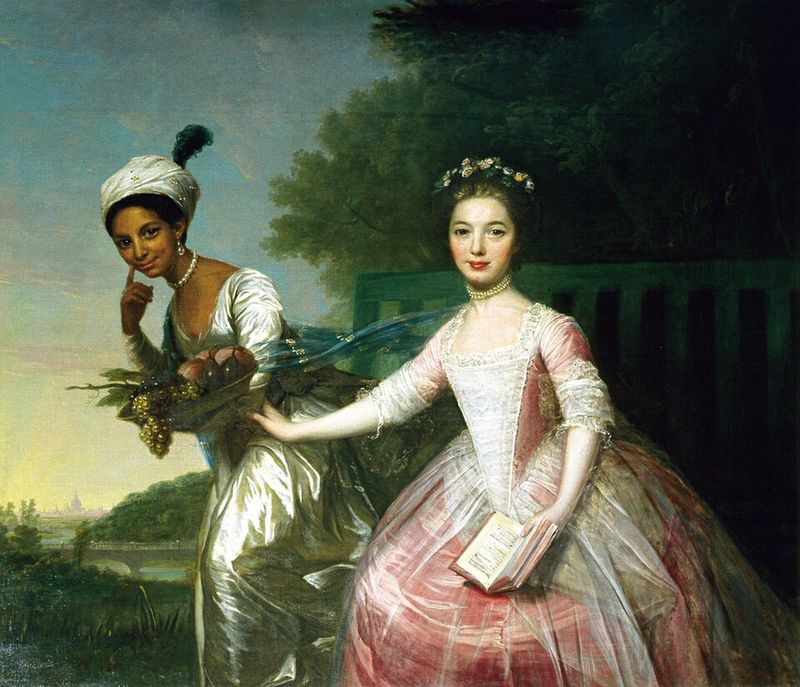
How would Georgian society look if power structures had been different?
Bridgerton’s integrated aristocracy is an intentional ‘what if,’ framed in the show’s universe as the result of a court-led social shift sometimes referred to as ‘the Great Experiment,’ rather than a depiction of real Regency power structures.
Yet it lands better when viewers remember Black Britons did live in Georgian and Regency Britain, even if society’s power structures looked very different than the series suggests.
The show uses creative license to imagine a more inclusive world while nodding to real historical presence that often gets erased.
17. The Marriage Market: Historically Inspired, Emotionally Amplified
Real pressures around reputation, matchmaking, and advantageous marriage shaped countless lives during the Regency period.
Bridgerton takes those pressures and turns them into a romance-forward arena where personal chemistry often beats duty, even when duty is loudly stated. Families did strategize alliances, but the show heightens every glance, every whispered confession, and every rebellious choice.
It’s history as emotional fuel rather than a strict social rulebook, making viewers root for love over logic.
16. Balls And Assemblies: Accurate Social Centerpiece, Modern Pacing
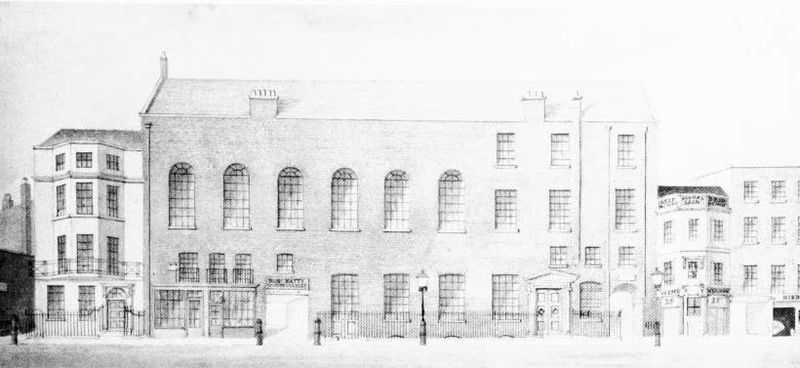
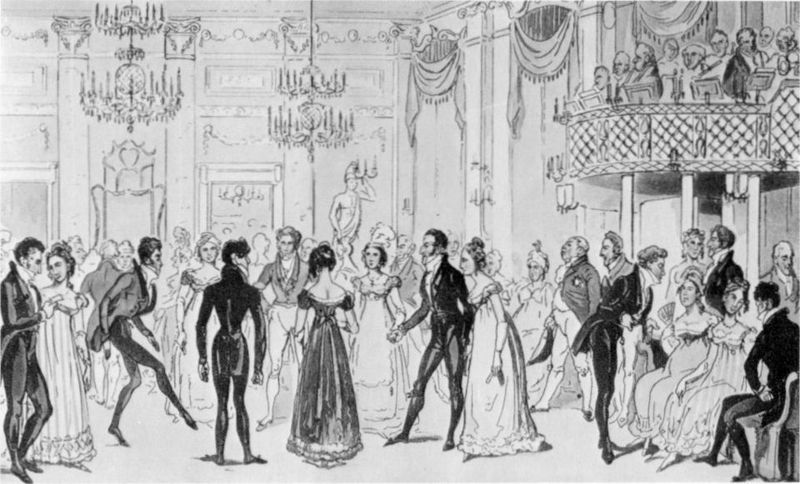
Assemblies mattered deeply for networking, courtship, and displaying social standing.
Bridgerton gets that foundational truth right, showing how a single evening could make or break a family’s prospects. Where the show diverges is pacing: it speeds up the “one dance can change your fate” idea for heightened drama.
Real balls unfolded over hours with careful etiquette, while Bridgerton condenses sparks into seconds, turning every waltz into a potential life-altering moment.
15. Dance As Social Code: Real Etiquette, TV-Level Intensity
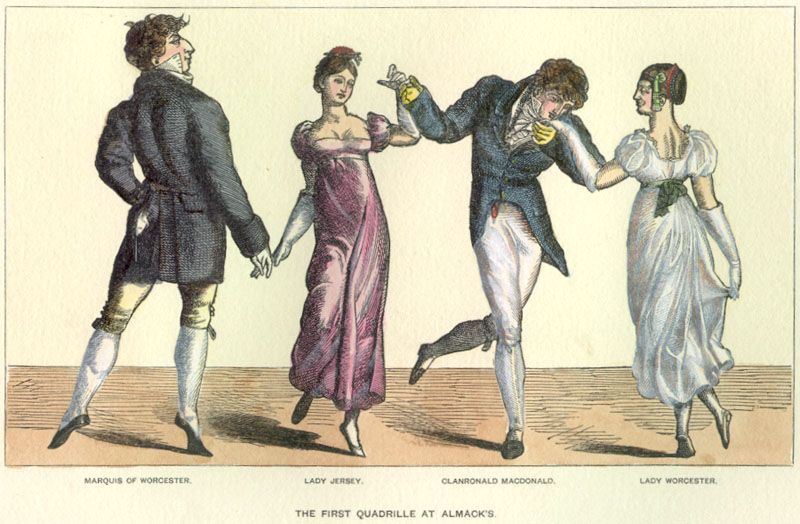
Partner choices, sets, and floor etiquette carried genuine meaning in Regency ballrooms.
Signals about interest and intent were sent by who you danced with, how many times, and whether you spoke during the figures. Framing dance like a romantic duel, Bridgerton gives every glance and handhold a larger consequence than most real ballrooms could sustain nightly.
Visually stunning and emotionally charged is the result, even if actual dancers would have found the intensity exhausting.
14. Chaperones And Calling: Grounded Custom, Flexible Enforcement
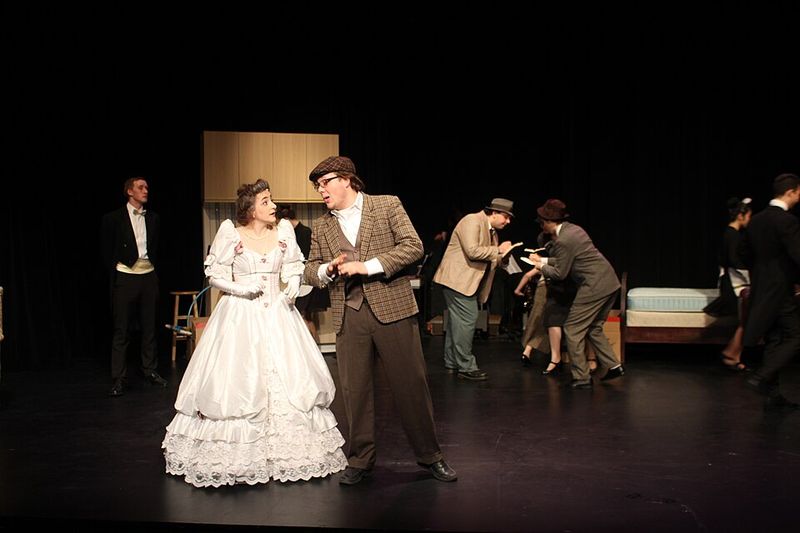
Chaperonage was a real and widely observed custom, protecting young women’s reputations and ensuring proper conduct.
Bridgerton uses chaperonage as a plot lever, sometimes strict and sometimes conveniently absent, reflecting modern storytelling needs more than consistent historical enforcement across every scene. When drama demands a private conversation, the chaperone might vanish.
When tension needs raising, suddenly propriety rules return with full force, keeping viewers guessing what’s allowed.
13. Lady Whistledown: Scandal-Sheet Spirit With A Fictional Face
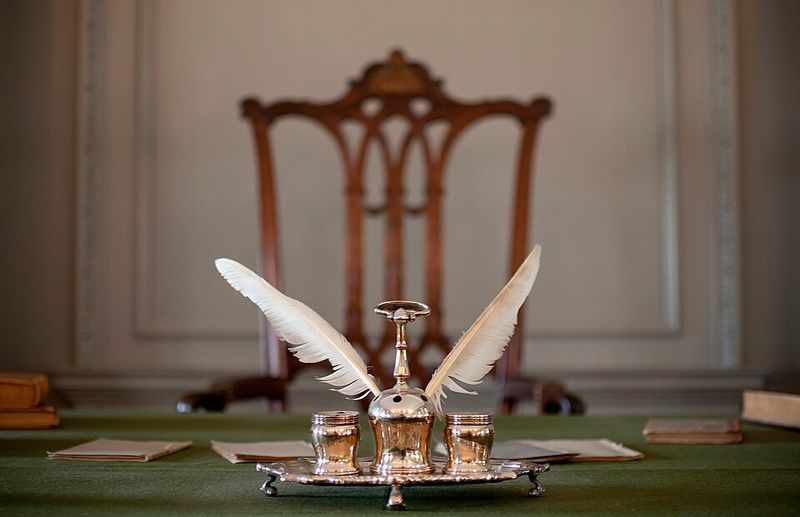
Gossip culture was absolutely real in Regency London, with pamphlets and scandal sheets circulating rumors and exposing secrets.
Whistledown is a clean, character-driven invention that packages rumor like a weekly cliffhanger, closer to modern media than messy period pamphlet chaos. She delivers perfectly timed revelations with a narrator’s polish, making scandal feel structured and almost comforting.
Real gossip was messier, slower, and less reliably entertaining than Whistledown’s sharp wit.
12. Fashion Silhouettes: Regency Roots, Couture-Level Polish
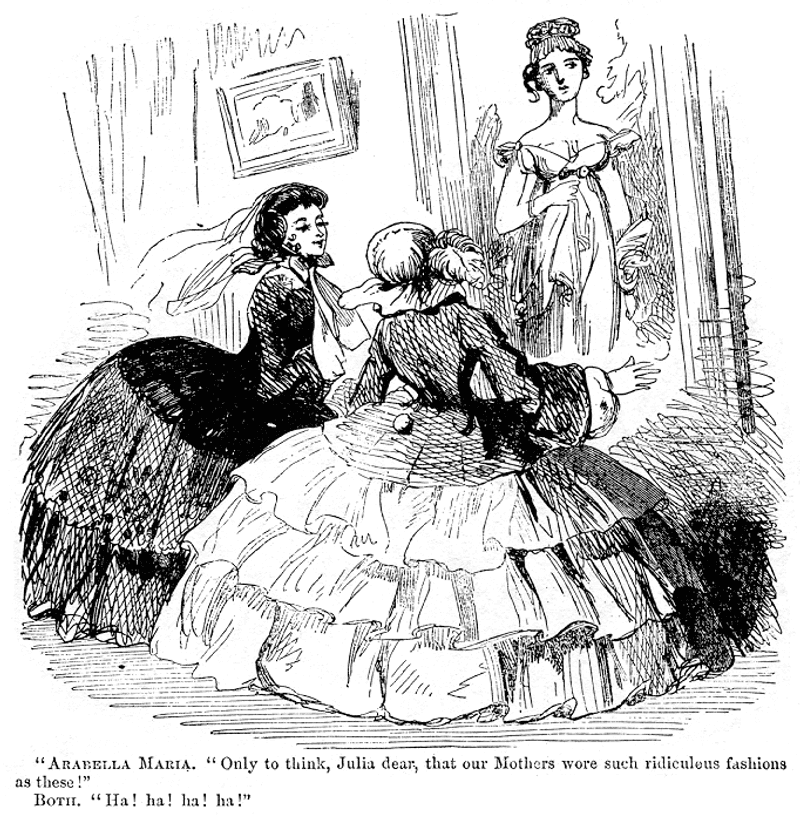
Empire-waist lines, delicate gloves, and flowing fabrics fit the era’s general vibe and offer viewers instant visual recognition.
Upgraded textures, tailoring, and color saturation in Bridgerton feel bolder and more “runway” than most everyday reality. Real Regency gowns were often simpler, with fabrics limited by cost and availability.
Communicating personality and status at a glance, the show’s costumes prioritize visual storytelling over strict historical reproduction.
11. Hair, Jewelry, And Sparkle: Period Cues, Modern Glam Logic
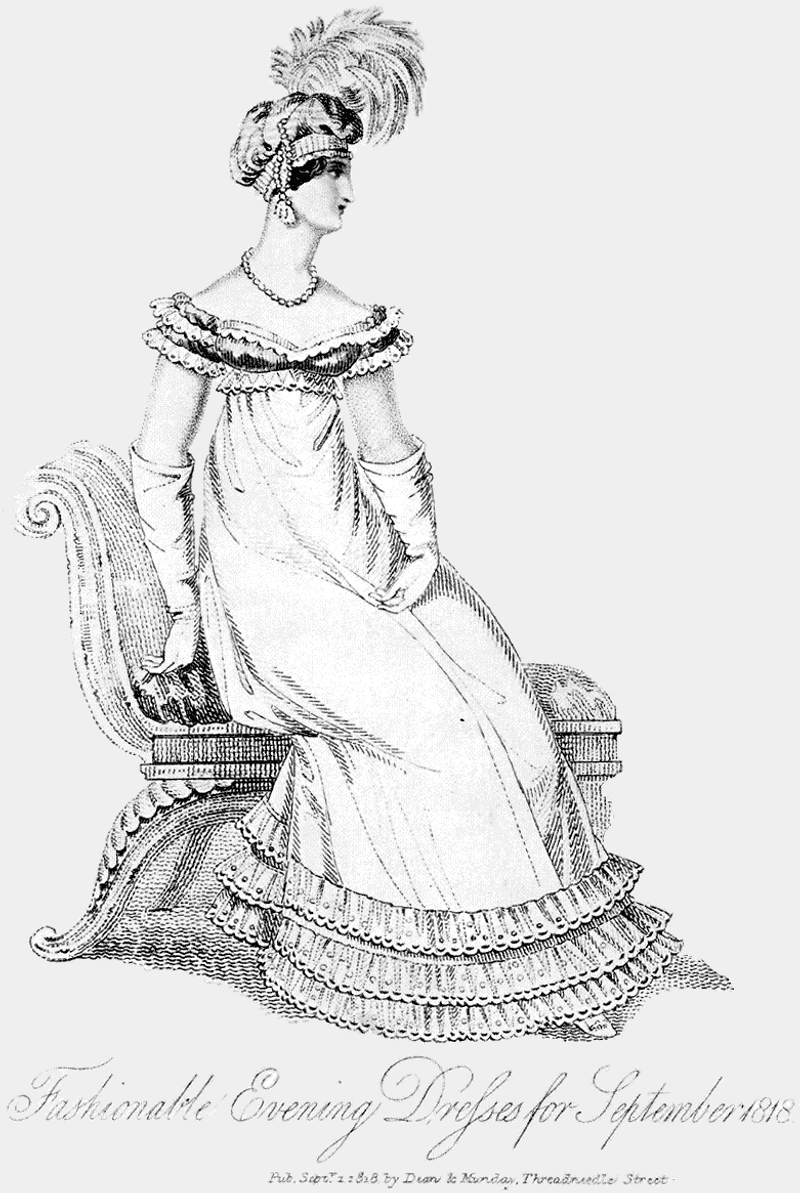
Hairstyles and adornment take historical hints from Regency portraits, then push into a signature fantasy aesthetic.
Accessories communicate personality like modern character-costuming shorthand, with tiaras, earrings, and hair ornaments chosen for maximum visual impact. Real jewels were precious and often recycled across generations, worn sparingly.
Bridgerton layers sparkle generously, ensuring every character shines under candlelight and camera lenses alike, turning historical inspiration into pure visual delight.
10. Promenading And Being Seen: Very Real, Made Extra Cinematic
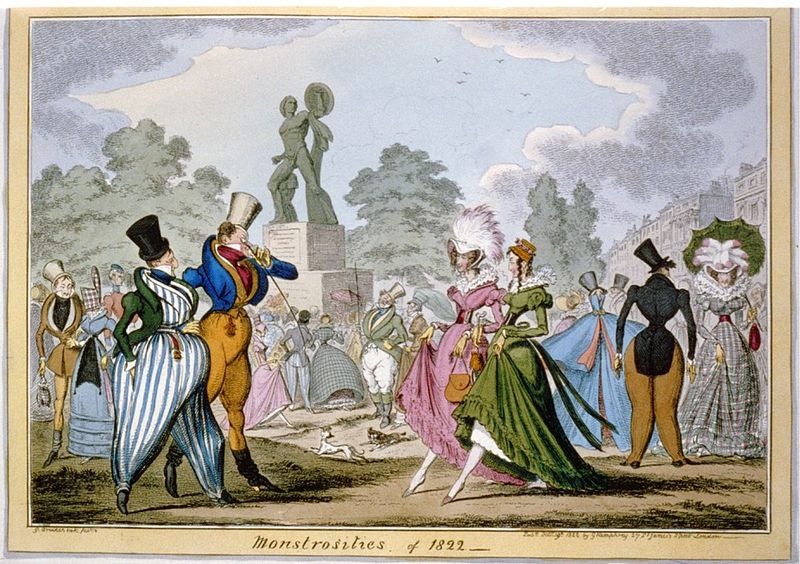
Hyde Park-style public display was a genuine social ritual, where families showed off status, alliances, and eligible children.
Treating it like a runway for alliances, rivalries, and whispers, Bridgerton tightens social consequences for maximum scene impact. Every stroll becomes a stage, every greeting a potential power move.
Important but less theatrically charged, real promenades featured smaller crowds and slower reveals than the show’s cinematic framing suggests.
9. Pleasure Gardens: Authentic Nightlife Backdrop, Romanticized Tone
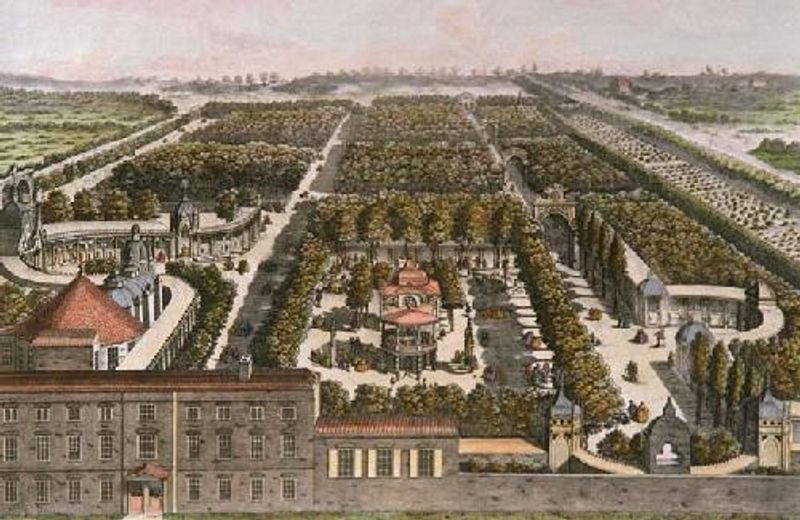
Vauxhall Gardens (also known historically as the New Spring Gardens) mixed spectacle, music, and socializing, offering a rare space for mingling across classes and courting under lights.
Bridgerton uses that energy as an atmospheric stage where romance can bloom under lanterns and orchestras. The show romanticizes the setting, smoothing over the rowdier, sometimes riskier elements real gardens could harbor.
It becomes a fairy-tale environment perfect for secret meetings and dramatic confessions.
8. Bath As Society Satellite: Historically Plausible, Selectively Used
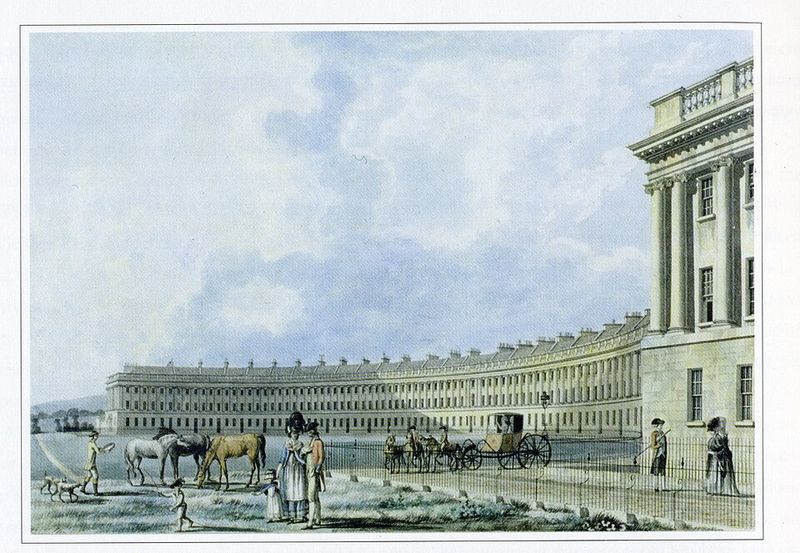
The Bath circuit mattered for mingling, matchmaking, and social reinvention, drawing families seeking waters and new connections.
Bridgerton taps that association even when it simplifies how travel time and extended stays shaped real social calendars. Characters arrive in Bath when plot needs a change of scenery, then leave just as quickly.
Real visits lasted weeks or months, with routines built around spa schedules and assembly-room calendars that don’t fit tight episode arcs.
7. Theatre And Opera: Accurate Cultural Hub, Dramatized Proximity
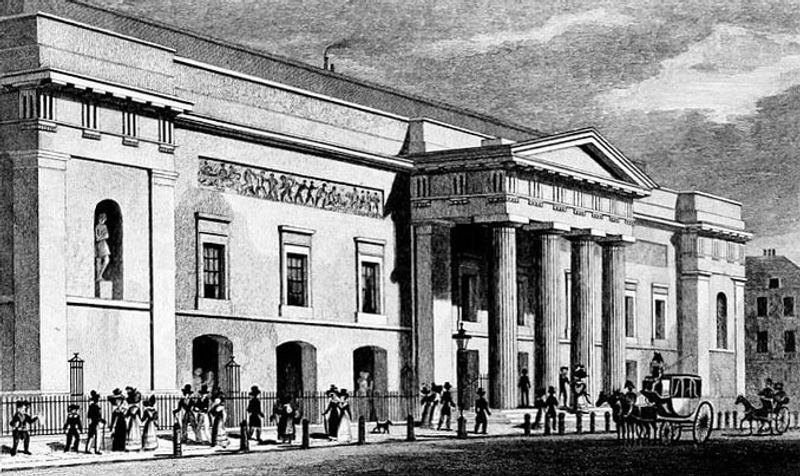
London performance spaces drew elites, offering entertainment and a chance to see and be seen in box seats.
Bridgerton uses them like perfect encounter zones, where major players conveniently cross paths at exactly the right moment. Real theatre nights involved long programs, intermissions, and social circulating, but the show condenses that into quick, charged scenes.
Every glance across the auditorium carries weight, turning culture into a catalyst for romance and rivalry.
6. Dueling: Real Practice, Used As Character Punctuation
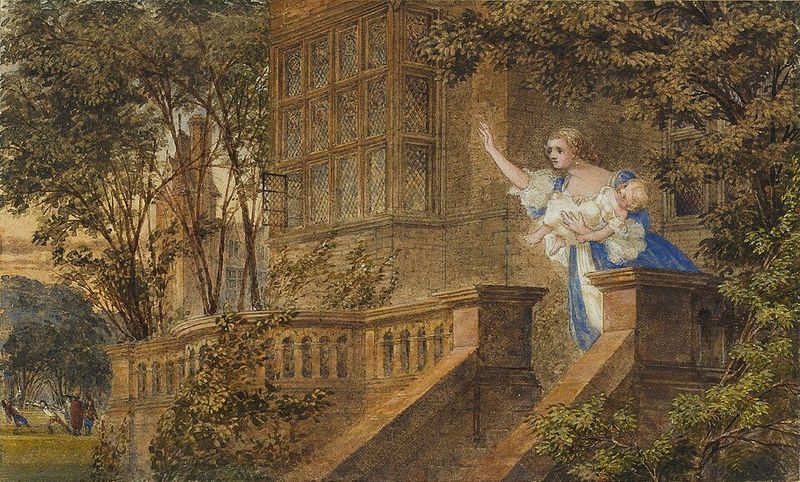
Duels existed and could be deadly, with honor codes that pushed men into dangerous confrontations over insults or romantic disputes.
Deploying them as a clean narrative “honor switch,” Bridgerton resolves tension with a single bold set piece. Real duels involved seconds, negotiation, and sometimes legal consequences that linger.
Used for dramatic peaks, the show gives characters a moment of life-or-death stakes that resets relationships and raises emotional investment quickly.
5. Boxing And Masculine Bravado: Historically Present, Narratively Sharpened
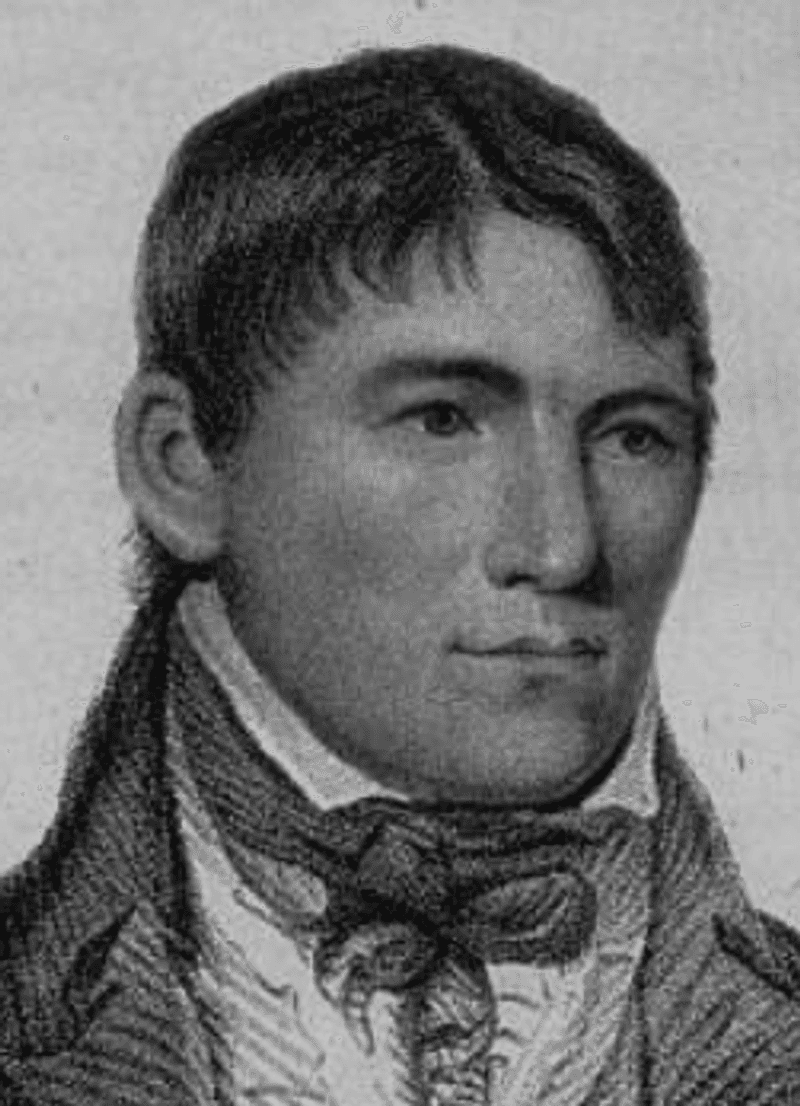
Prizefighting was part of the era’s entertainment landscape, with matches drawing crowds and betting creating intense rivalries.
Using it to signal danger, physicality, and desire, Bridgerton crafts a scene that reads instantly to modern audiences. Men spar shirtless, sweat glistening, while tension builds around them.
Actual boxing was rougher, less choreographed, and often linked to gambling debts, but the show polishes it into a visual shorthand for raw masculinity and emotional release.
4. Carriages And Travel: Correct Mode, Sped-Up Logistics
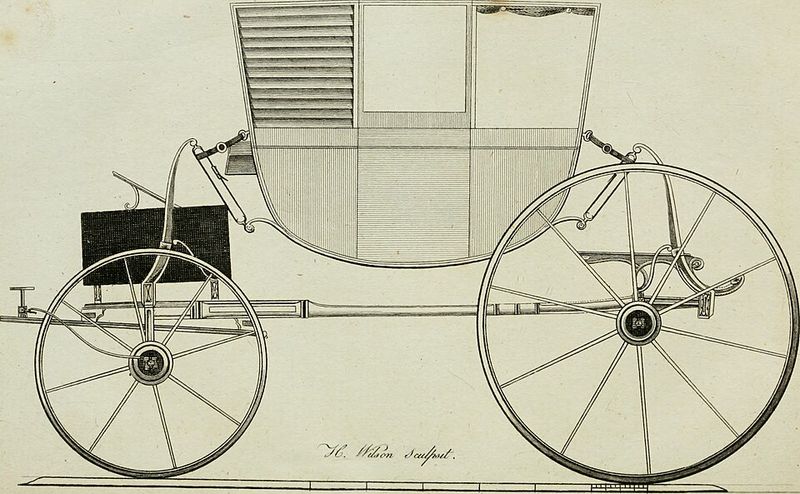
Curricles and coaches match the world’s look, offering viewers authentic transportation that fits the period’s technology and status symbols.
Real travel time and fatigue tend to vanish so characters can arrive exactly when plot timing demands it. A journey that would take hours or days happens between scenes.
Bridgerton prioritizes narrative flow over geographic realism, letting carriages become mobile conversation spaces rather than endurance tests, keeping viewers focused on dialogue and chemistry.
3. Great Houses: Real Status Symbols, Fairy-Tale Interiors
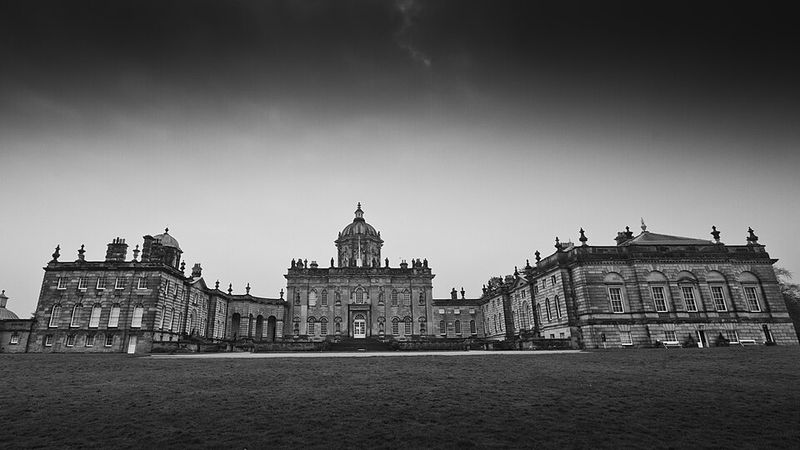
Estate life and grand architecture were central to aristocratic identity, with homes signaling wealth, lineage, and political influence.
Bridgerton leans into that truth while giving rooms a heightened, camera-friendly extravagance. Real country houses could be drafty, dimly lit, and filled with practical clutter.
The show’s interiors glow with perfect lighting, curated art, and sweeping staircases designed for dramatic entrances, turning historical estates into fantasy palaces.
2. Inheritance And Property: Historically Grounded Stakes, Romance-First Outcomes
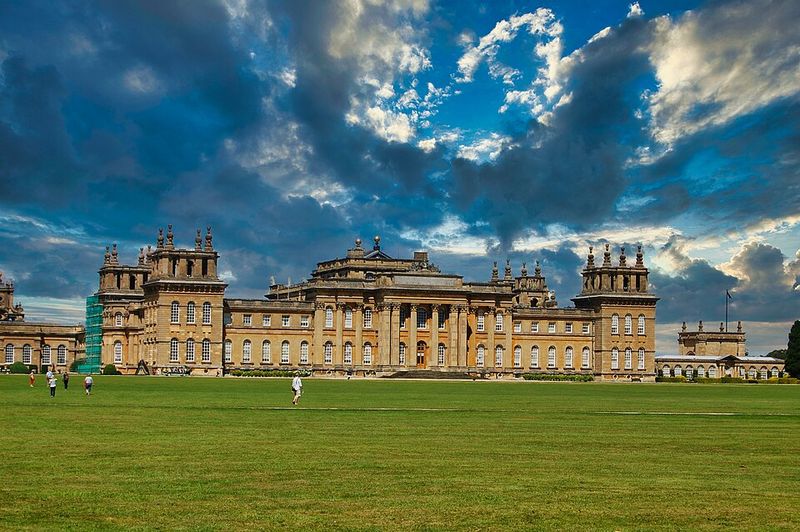
Primogeniture and legal constraints could shape love lives, forcing younger sons to seek wealth through marriage or profession.
Using that as a pressure system, Bridgerton presents solutions with the tidy timing of serial storytelling. Inheritance disputes in reality could drag through courts for years.
Acknowledging the stakes, the show then finds romantic or dramatic resolutions that satisfy viewers without getting lost in legal minutiae, keeping hearts front and center.
1. Empire Wealth In The Background: Real Foundation, Softened Framing
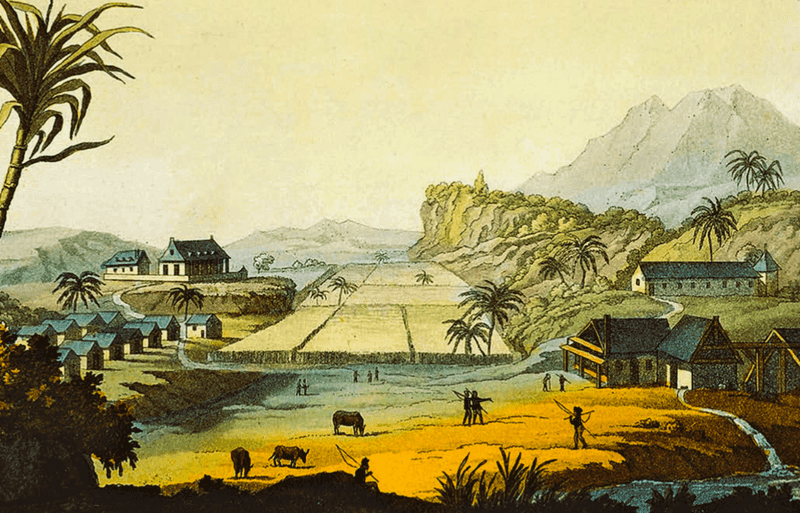
Tea, sugar, and colonial economies underwrote elite comfort, with fortunes tied to colonial trade and coerced labor systems across continents.
Bridgerton gestures at that reality while keeping the emotional spotlight on romance rather than the full historical cost of the system. The show acknowledges empire wealth exists but doesn’t dwell on the human cost behind it.
Viewers get a polished, feel-good version of Regency life that prioritizes escapism over uncomfortable truths about where the money came from.