16 Popular Books With Fans On Both Sides
Some books get applause, others get side-eye, and a few manage to do both at the exact same time.
Arguments start fast, opinions get loud, and suddenly a quiet reading session turns into a full debate nobody planned to join.
Love them or question every page, these stories refuse to sit quietly on the shelf, and that is exactly why people keep talking about them.
1. Wuthering Heights
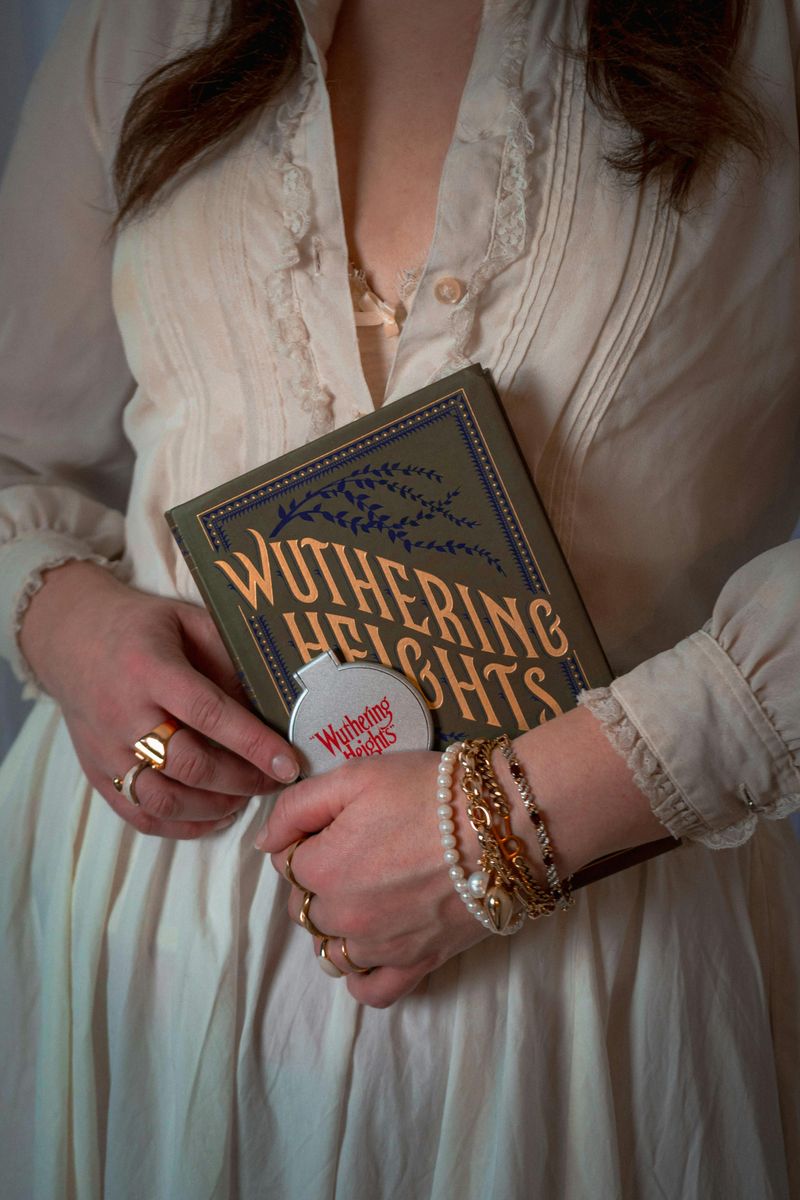
Rain lashes the moors as two people who should probably stay far apart keep colliding anyway, and readers have been arguing about it ever since.
Back in 1847, Emily Bronte wrote a novel that refuses to settle into a single label, keeping the debate alive across generations.
Some see Heathcliff as a tragic lover, while others read him as something far more unsettling and undeserving of sympathy. Call it gothic romance or gothic nightmare, Wuthering Heights earns every argument it sparks.
2. The Fountainhead
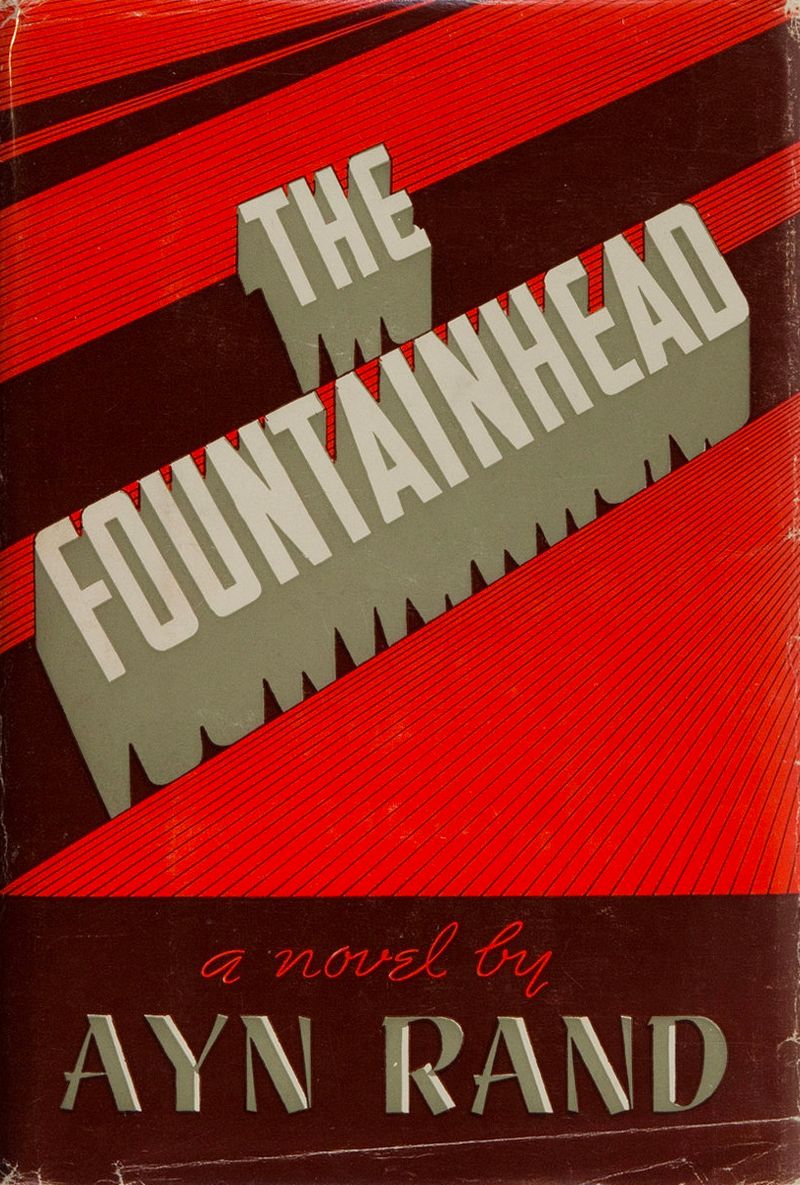
Imagine someone who would rather demolish a building than compromise on a single line of a blueprint, and you are already close to Howard Roark.
Since 1943, readers have been arguing over him, with opinions splitting almost immediately and rarely softening.
Ayn Rand frames The Fountainhead as a bold case for individualism, drawing devoted fans who see it as transformative. Critics push back just as strongly, reading the philosophy as overly centered on one perspective.
Indifference never really enters the conversation, which might be the point.
3. Atlas Shrugged
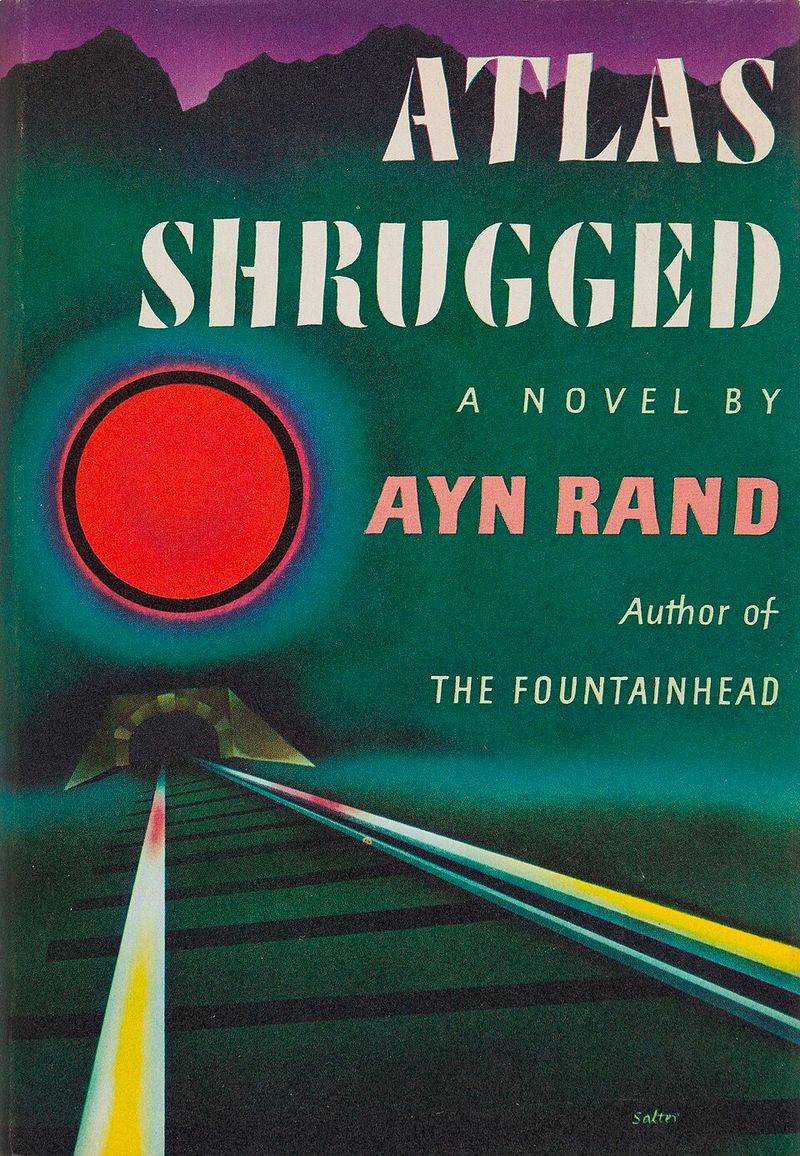
Clocking in at over a thousand pages, Atlas Shrugged centers on a sweeping question about what happens when the world’s most driven minds simply stop showing up.
Published in 1957, Ayn Rand’s novel splits readers straight down the middle, praised by some as a cornerstone of libertarian thought and dismissed by others as an exhausting philosophical exercise.
Business leaders quote it with near-reverence, while literature professors often react with visible hesitation. Sales keep rolling regardless, which fits perfectly for a story built around relentless, unstoppable figures.
4. Ulysses
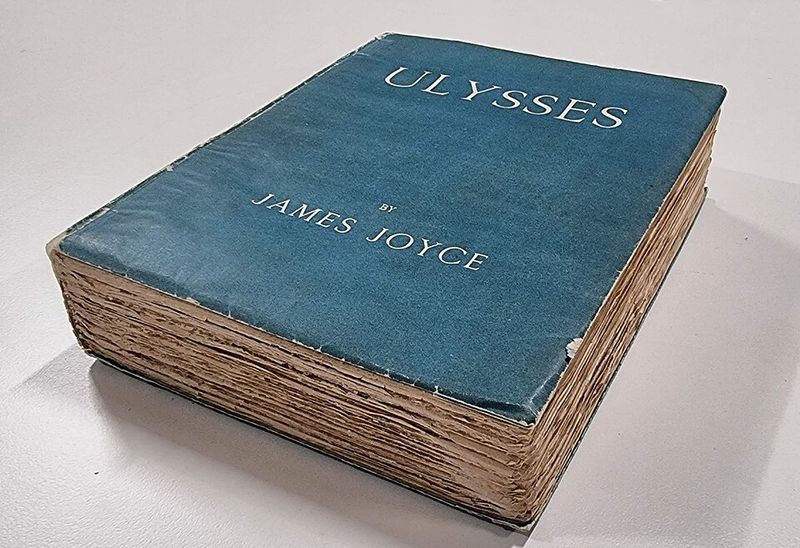
Boasting about packing a novel with puzzles sounds like a challenge, and James Joyce absolutely meant it. Back in 1922, Ulysses turns a single ordinary day in Dublin into something almost impossibly intricate.
Devotion runs deep among readers who hail it as the greatest novel in English, while others quietly set it aside after only a few chapters.
Genius and puzzle sit side by side here, and the argument between them never really ends.
5. Twilight
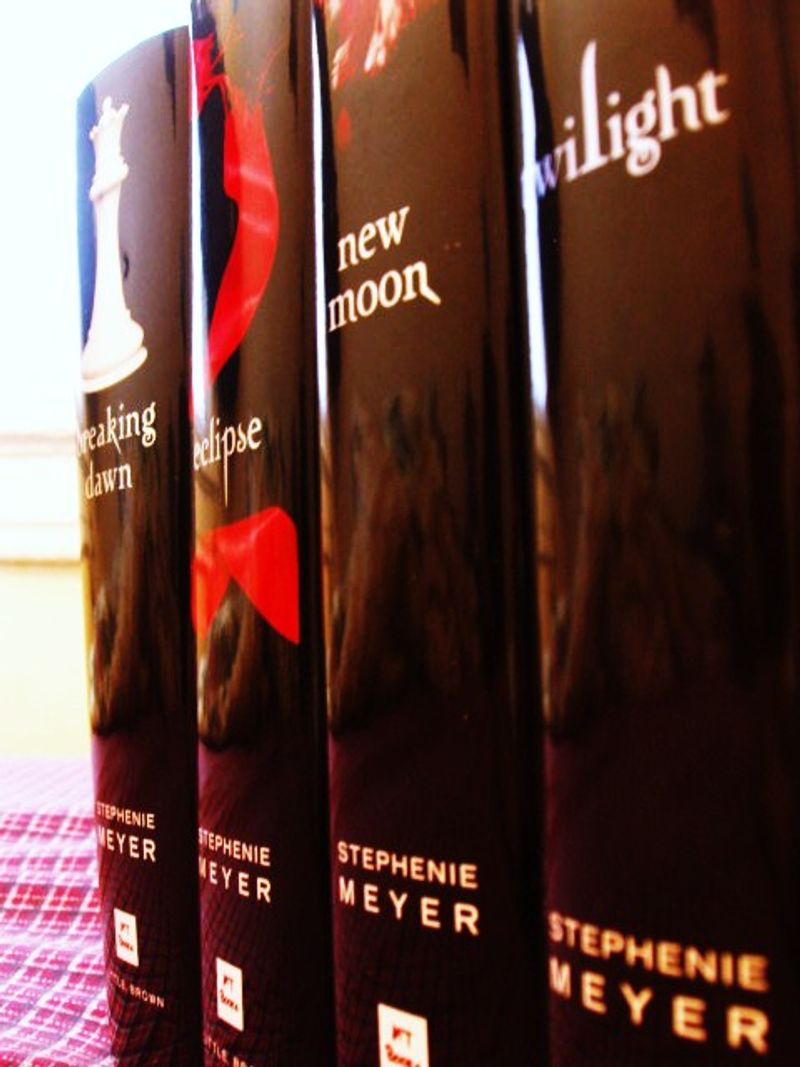
Sparkling in sunlight should have ended the idea right there, yet readers embraced it with surprising enthusiasm starting in 2005.
From that premise, Stephenie Meyer’s Twilight grew into a cultural wave that packed theaters and cleared bookstore shelves almost overnight.
Critical reactions often leaned toward discomfort, while fans in Team Edward shirts kept the momentum rolling without hesitation. Pop culture rarely waits for approval, and this moment proved it.
6. The Da Vinci Code
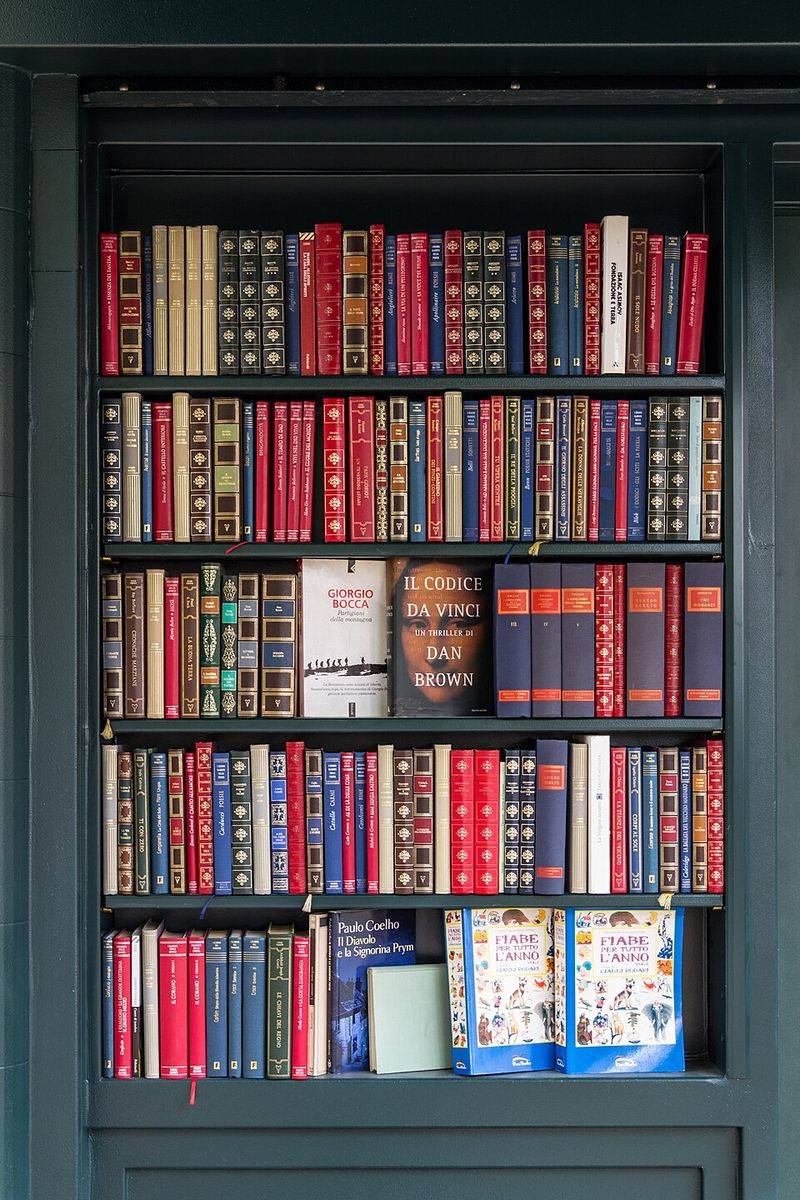
Somebody picked up The Da Vinci Code on a Sunday morning, and suddenly it was Tuesday and the kettle had clicked off four times unnoticed.
Dan Brown’s 2003 thriller became one of the fastest-selling novels in history, blending art history, religion, and conspiracy into a page-turning machine. Serious readers called the prose clunky; everyone else called it unputdownable.
Sometimes a book’s job is to keep you awake until 2 a.m., and this one delivers.
7. Fifty Shades Of Grey
Online fan fiction roots turn into a global publishing phenomenon that people could not stop discussing, whether in admiration or disbelief. E.
L. James moves more than 150 million copies, a number that leaves critics and fans reacting for very different reasons.
Conversation shifts around romance, fantasy, and what readers actually look for in fiction, even when the tone feels a little uneasy.
Impact lands either way, proving the discussion was probably overdue.
8. American Psycho
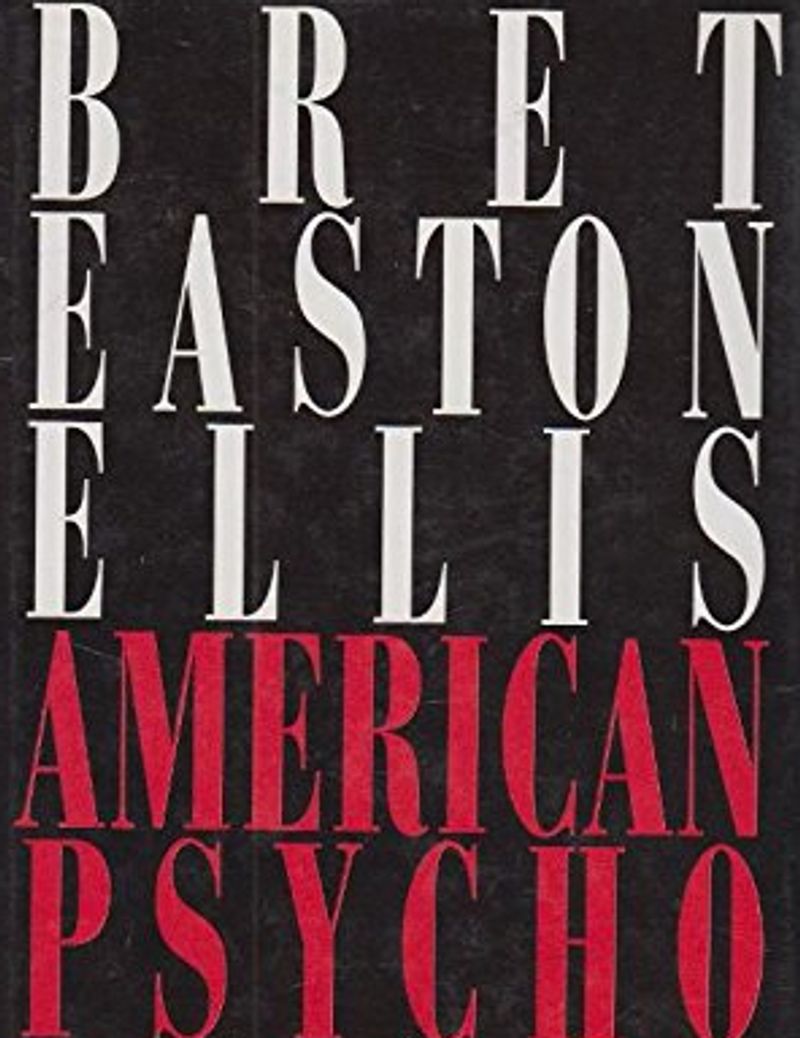
Savage intent drove Bret Easton Ellis to write American Psycho as a satire of 1980s yuppie culture, yet graphic violence pushed the original publisher to drop it before release.
Among fans, the novel reads as a darkly funny mirror reflecting consumerism and aggressive masculinity. Many critics and early readers reacted to the content as genuinely disturbing rather than satirical.
Debate still circles the same question: where does art end and excess begin?
9. Lolita
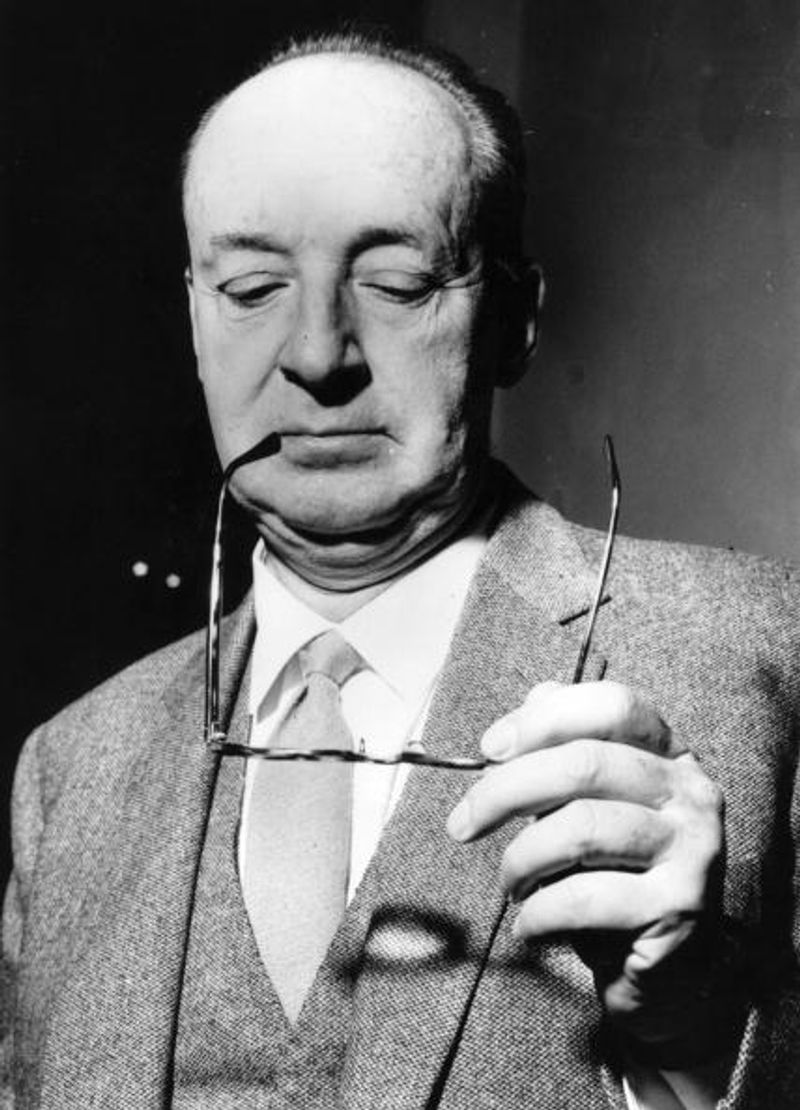
Writing in a second language, Vladimir Nabokov still manages prose so striking that it can momentarily distract from the perspective telling it.
Inside that voice sits a narrator who is unreliable and deeply unsettling, which is exactly where the tension lives.
Discomfort drives the experience, with admirers pointing to technical brilliance while others find the contrast between style and subject even more unsettling. No easy reading experience waits here, and that refusal to feel comfortable is part of what defines it.
10. The Handmaid’s Tale

Margaret Atwood built the Republic of Gilead out of real historical events, which is exactly what makes The Handmaid’s Tale so unsettling to so many readers.
Fans call it prophetic, essential, and one of the most important feminist novels of the twentieth century. Detractors find the world too bleak or the message too heavy-handed for a satisfying read.
Either way, the red cloak became a protest symbol, proving fiction can walk right out of the page.
11. The Bell Jar

Publication came under a pseudonym in 1963, just weeks before Sylvia Plath’s passing, and The Bell Jar has unsettled readers ever since. Through Esther Greenwood’s unraveling, the novel delivers a level of honesty that felt radical then and still cuts deep now.
Admiration frames it as courageous and cathartic, while critics question whether it edges too close to romanticizing suffering.
Raw, brilliant, and still stirring debate at every book club table.
12. On The Road
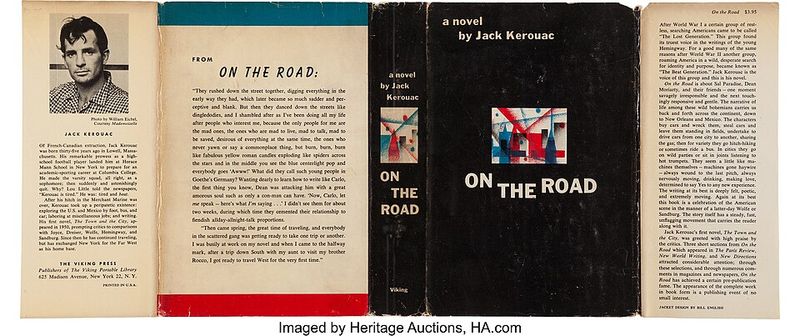
Legend has it the manuscript was typed on a single continuous scroll, which sounds equal parts romantic and slightly alarming for anyone who likes organization.
Back in 1957, On the Road captured the spirit of the Beat Generation, chasing freedom, spontaneity, and constant motion across America.
Restlessness pulses through every page for fans who connect with it, while critics note how little space the female characters are given. Both reactions sit side by side, keeping the conversation going long after the last page.
13. The Exorcist
A reported 1949 exorcism case inspired William Peter Blatty’s The Exorcist, and that detail alone has kept plenty of readers sleeping with the lights on.
Among horror fans, it stands as a benchmark for the genre, and the later film adaptation only amplified its notoriety.
Skeptics push back, reading it as exploitation wrapped in theological framing. Scary or sensationalist becomes a harder question after finishing it alone at midnight.
14. The Alchemist

Few slim fables travel as far as Paulo Coelho’s story about following your dreams, with more than 65 million copies sold and translations in more than 65 languages. Readers treat it like a personal compass, while critics see something closer to fortune-cookie philosophy carried by a very light narrative.
“Personal Legend” lands differently depending on who is reading, either inspiring or inviting a quiet eye roll. Success speaks for itself either way, with the book building a legend of its own.
15. Fight Club

The first rule of Fight Club is that everyone talks about Fight Club, constantly, especially people who just discovered it at seventeen and feel personally transformed.
Chuck Palahniuk’s 1996 novel is a ferocious critique of masculinity and consumer culture wrapped in a thriller that keeps you guessing. Fans call it electrifying and eye-opening; critics worry readers miss the satire and take the violence as instruction.
A book that punches hard, in every sense.
16. Infinite Jest
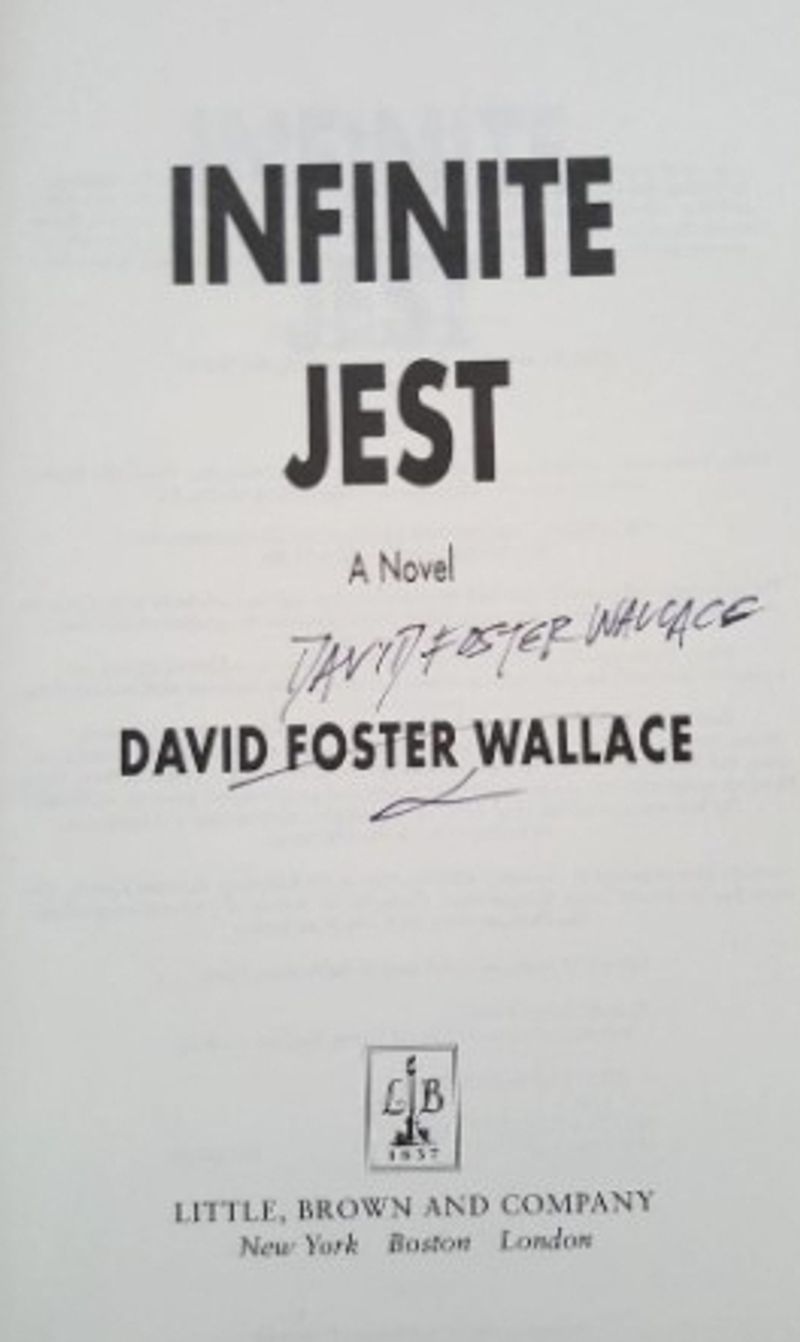
Over a thousand pages, nearly four hundred footnotes, and a calendar of years named after corporate sponsors make the ambition impossible to miss.
David Foster Wallace’s 1996 novel inspires fierce devotion, with readers calling it the defining American work of its era.
Plenty of copies also sit untouched, serving more as shelf statements than something fully read. Every reader brings a different experience to it, and those stories tend to be just as interesting as the book itself.
Note: This article is based on publicly available publication history, sales reporting, critical reception, and long-running cultural debates around widely discussed books.
Judgments about which titles split readers most sharply are editorial in nature and reflect reputation, influence, and reader response over time.