17 Producers Who Made Fortunes Shaping Famous Sounds
Behind every legendary song that makes your heart skip a beat, there’s a producer working magic in the studio.
These sonic architects don’t just press buttons and twist knobs – they sculpt sound, build empires, and turn raw talent into chart-topping gold.
Some create hip-hop beats that shake stadiums, while others work on pop melodies that stick in your head for days.
Either way, producers have quietly shaped the soundtrack of our lives while building massive fortunes along the way.
Ready to meet the masterminds who turned studio sessions into serious cash?
1. Quincy Jones
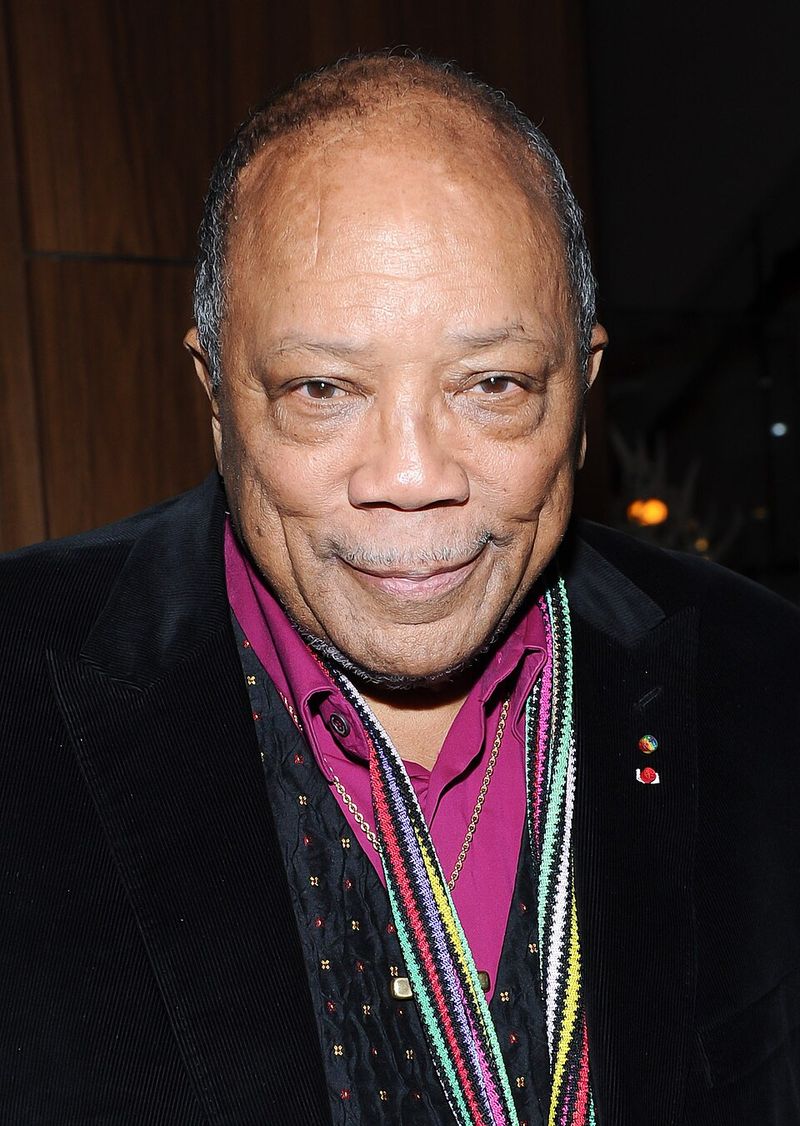
With a career spanning over six decades, this maestro turned Michael Jackson’s albums into global phenomena that still break records today.
His fingerprints are all over pop, R&B, film scores, and jazz masterpieces that defined entire generations. From Frank Sinatra to Thriller, every project became a cultural moment.
The royalties alone from Jackson’s mega-hits built a financial empire that few producers could ever imagine reaching in their wildest dreams.
2. Rick Rubin

Picture a bearded guru sitting cross-legged in a studio, bringing out raw genius from rock legends and rap icons alike.
His stripped-down approach made hits feel authentic and powerful, never overproduced or fake.
Minimalism became his superpower, turning simplicity into platinum albums and massive paychecks that kept rolling in year after year.
3. Dr. Dre
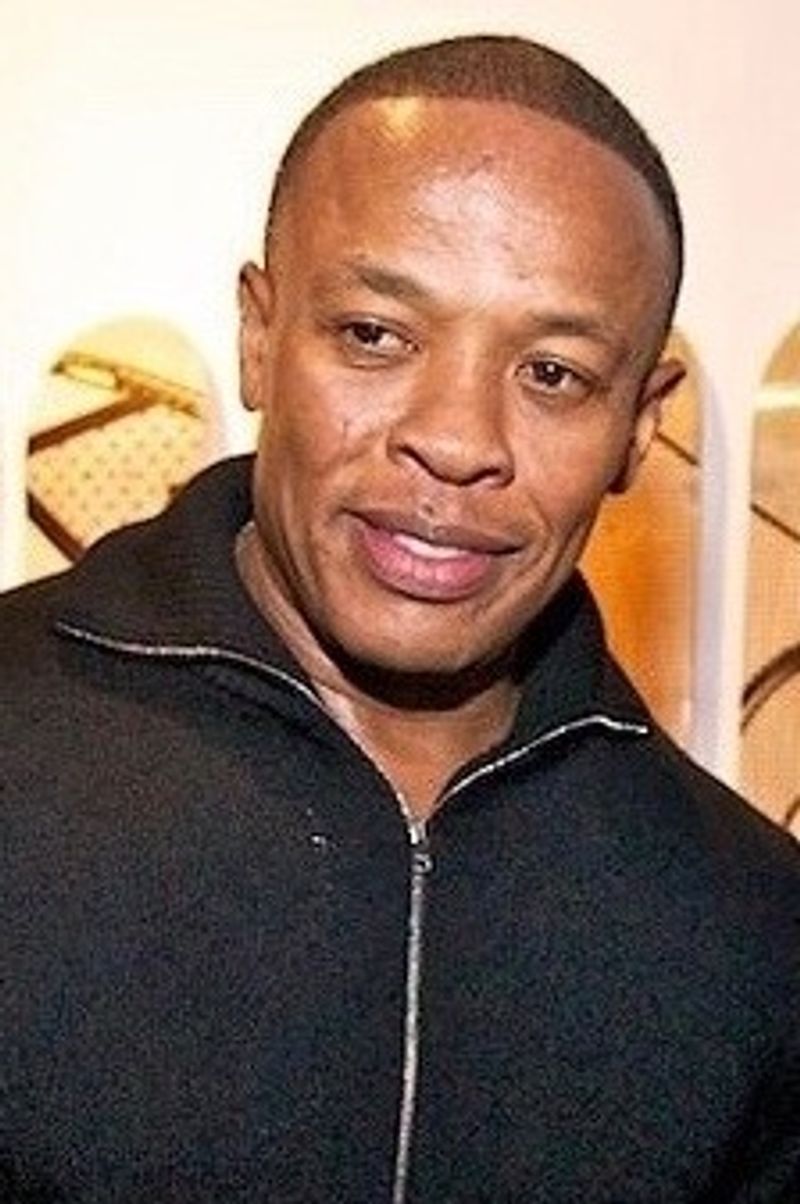
West Coast hip-hop wouldn’t sound the same without this beat architect who transformed gangsta rap into a global movement.
His crisp, bass-heavy production became the gold standard that every aspiring producer tried to copy.
Launching careers for Snoop Dogg, Eminem, and 50 Cent proved his ear for talent was just as sharp as his beats.
Then came Beats by Dre headphones, a business move that turned studio success into billionaire status faster than anyone expected.
4. George Martin
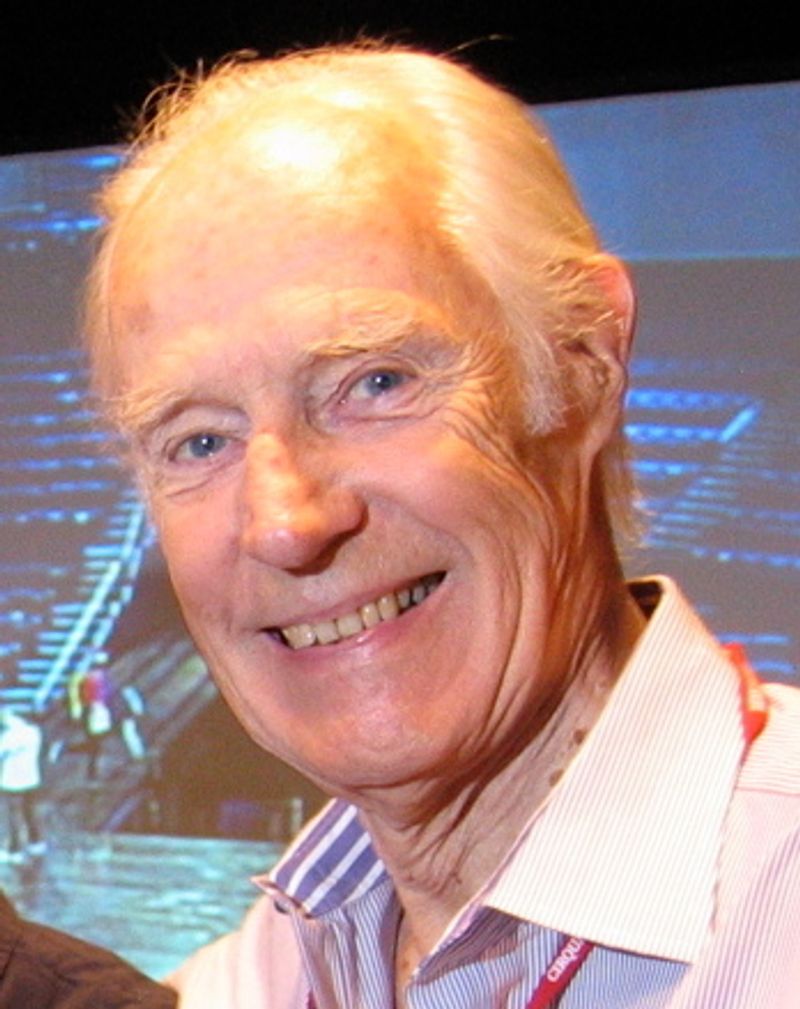
Dubbed the Fifth Beatle, this orchestral genius helped four lads from Liverpool create sounds nobody had heard before.
Classical training met rock-and-roll rebellion in the studio, producing albums that still blow minds decades later.
His experiments with tape loops, backward recordings, and unconventional instruments made Sgt. Pepper’s possible.
5. Phil Spector
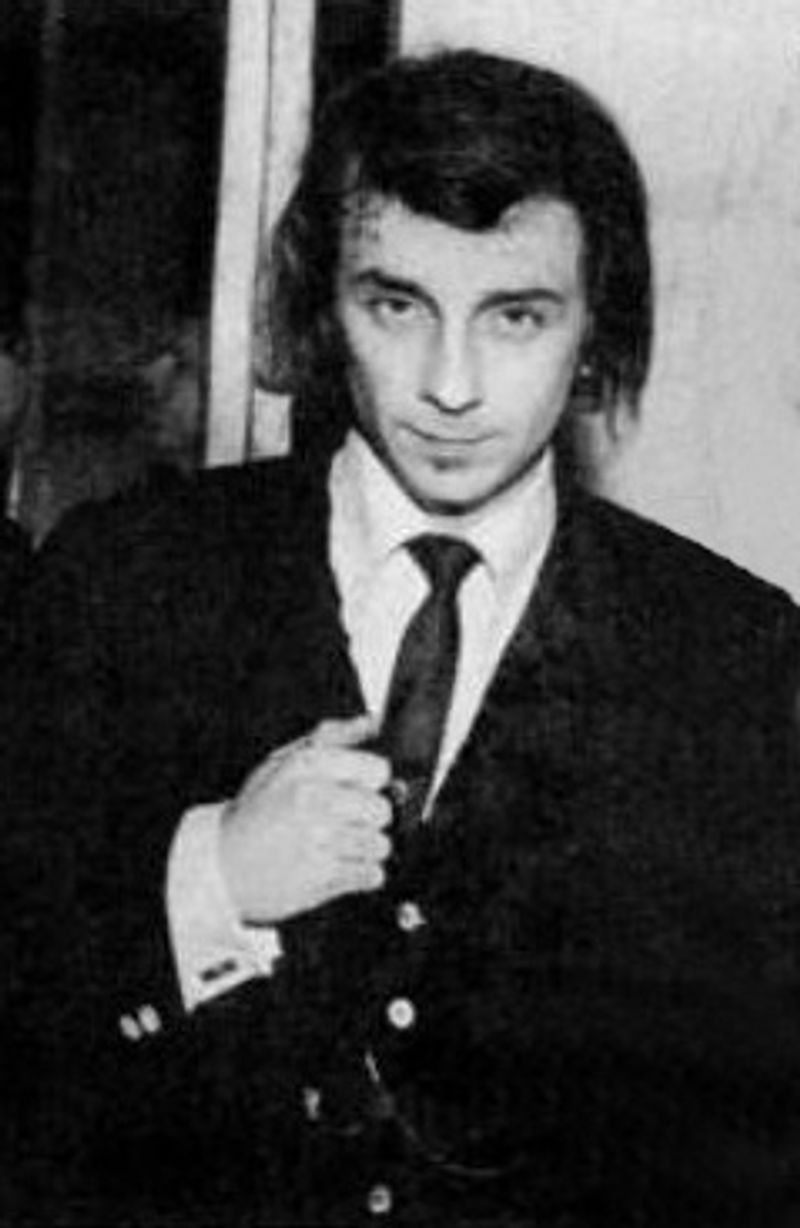
The Wall of Sound wasn’t just a technique – it was a revolution that made every song feel like an epic movie soundtrack.
Layering instruments until they created a tidal wave of emotion, he turned girl groups into chart-topping sensations.
Though his later life darkened his legacy, his sonic innovations and early fortune-building showed producers could control the industry like never before.
6. Brian Eno

Ambient music might sound like background noise to some, but this sonic painter turned it into high art.
His approach treated the studio like a canvas where textures mattered more than traditional song structures.
Working with David Bowie during his Berlin era created albums that redefined what rock could be. Generative music systems and production philosophy made him a legend whose ideas about sound continue generating both critical acclaim and steady income streams.
7. Trevor Horn
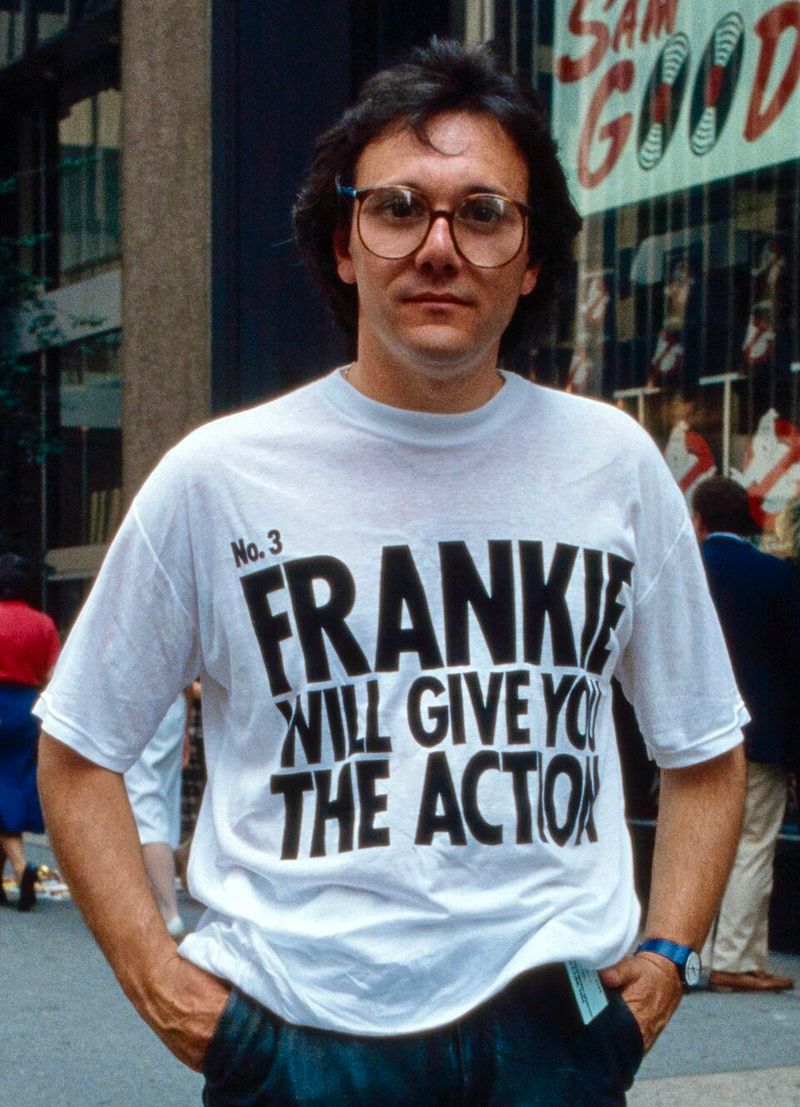
Glossy, larger-than-life pop production became his calling card, making songs sound like they cost a million bucks to create.
His work with Frankie Goes to Hollywood and Yes proved that bombastic could still be brilliant when executed with precision and flair.
The Art of Noise pushed technology to its limits, sampling and synthesizing sounds nobody expected.
8. Nile Rodgers
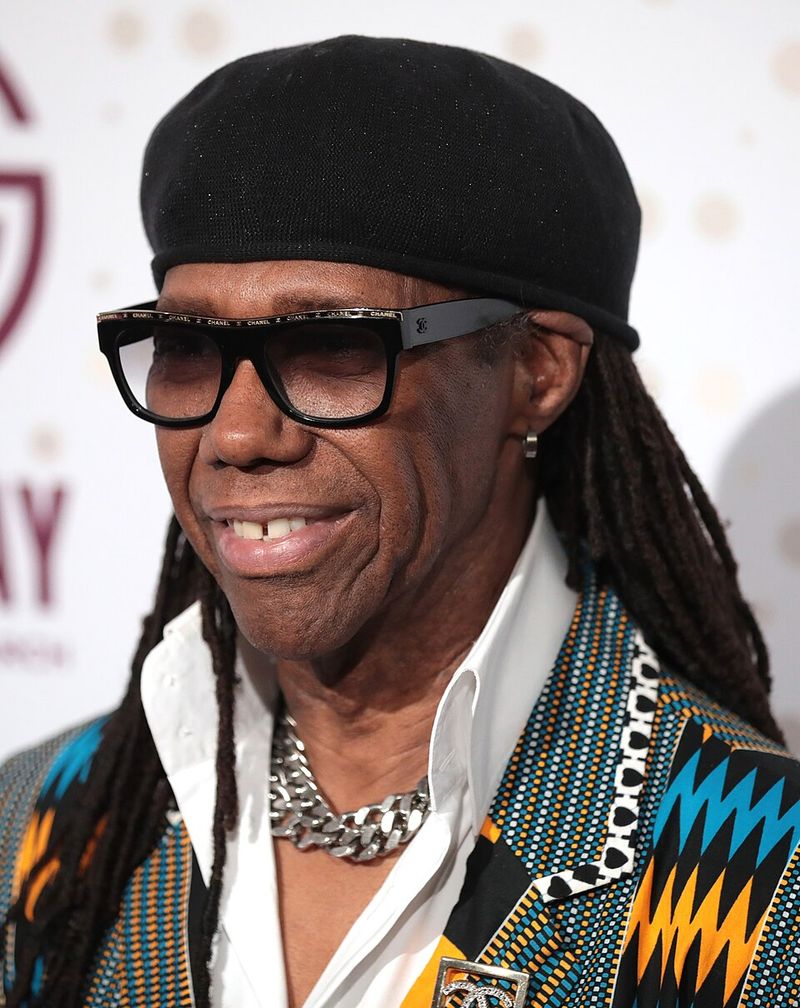
That guitar riff you can’t stop humming? Yeah, he probably created it.
Funk, disco, and pop melted together under his fingers, producing hits for Chic, Diana Ross, David Bowie, and Madonna that defined entire decades of dance floors.
Le Freak and Good Times became cultural anthems that still get people moving today.
His rhythm guitar style became so iconic that sampling it became an industry unto itself, generating royalties that prove great grooves never go out of style or stop paying dividends.
9. Babyface
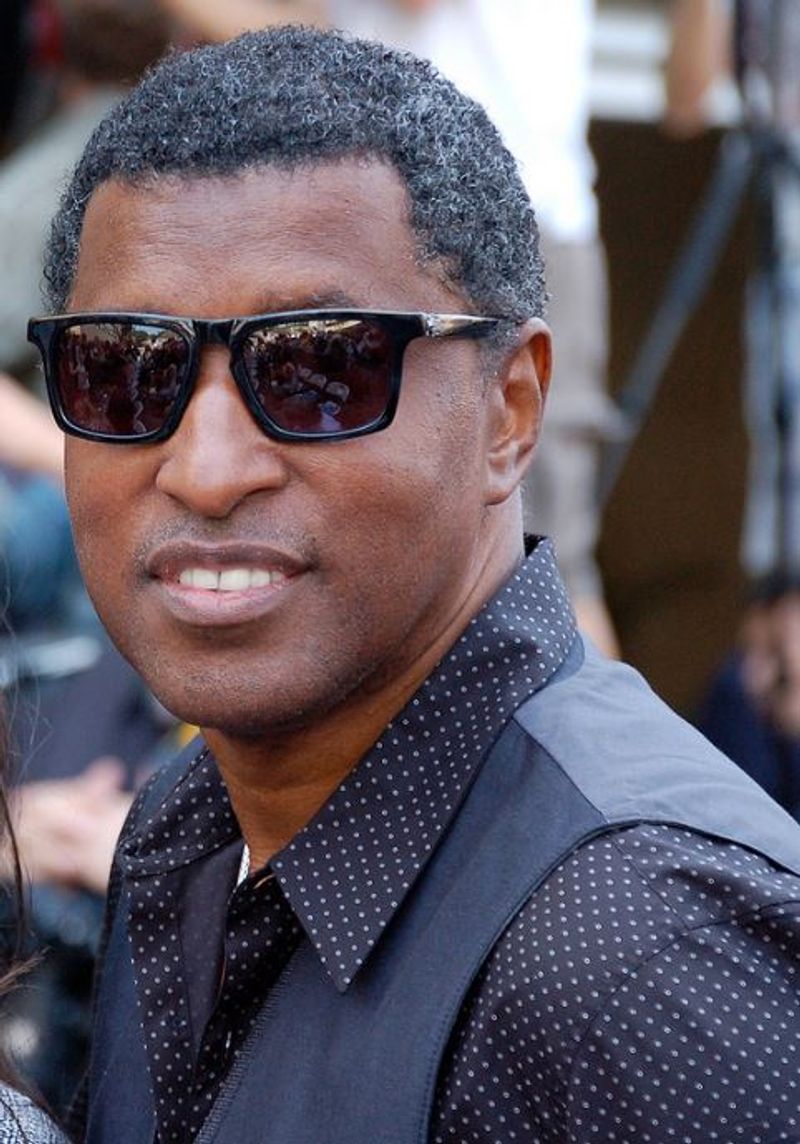
Smooth as silk and twice as successful, this songwriter-producer created the soundtrack for slow dances and romantic moments throughout the 90s.
His ability to craft emotional ballads that felt genuine made him the go-to guy for artists wanting their biggest hits.
Working with Whitney Houston, Boyz II Men, and Toni Braxton filled his catalog with classics that still get radio play.
10. Timbaland
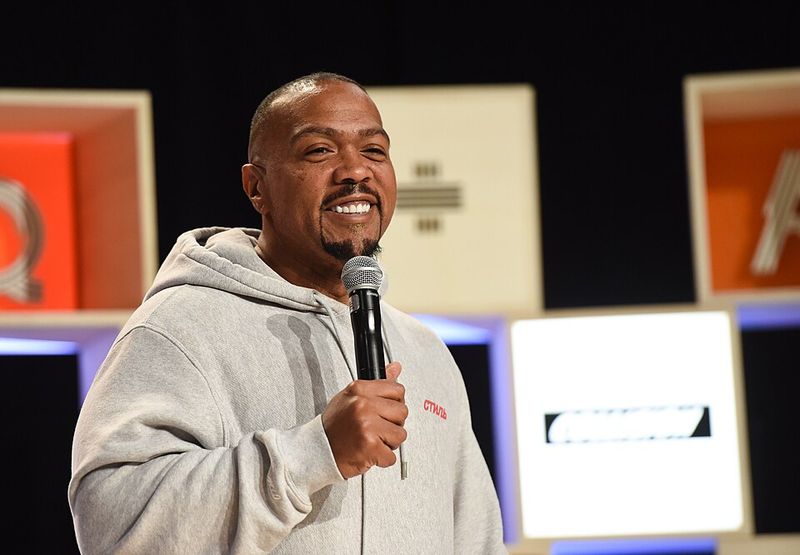
Futuristic beats that sounded like nothing else on the radio became his trademark, rewiring how pop and R&B could groove.
Those stuttering hi-hats and unexpected vocal chops made every song instantly recognizable as a Timbaland production.
Missy Elliott collaborations pushed boundaries while Justin Timberlake’s solo career proved his crossover magic.
His rhythm language influenced an entire generation of producers who tried to capture that same innovative edge, and streaming royalties from his extensive catalog keep the fortune growing even now.
11. The Neptunes
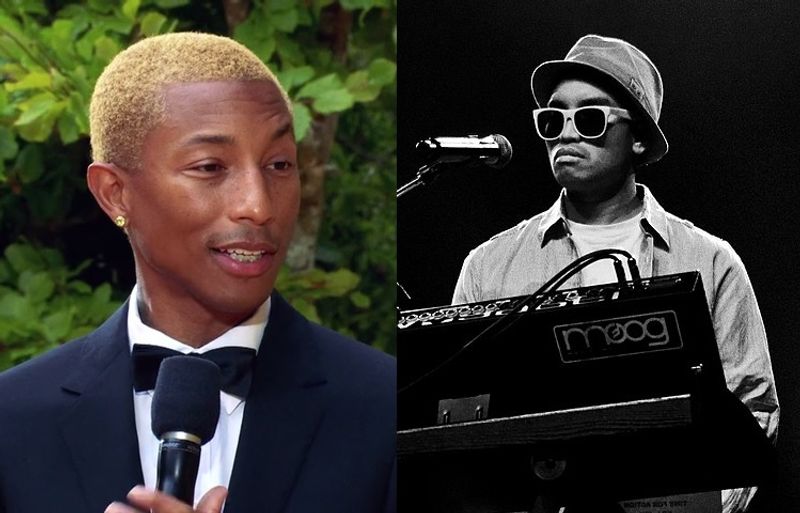
Pharrell Williams and Chad Hugo created a sleek, percussive sound that dominated early 2000s radio like no other production team.
Their minimalist beats with maximum impact made songs for Britney Spears, Jay-Z, and Snoop Dogg sound fresh and forward-thinking.
Branding culture embraced their sonic signature, turning production credits into marketing gold.
12. Max Martin
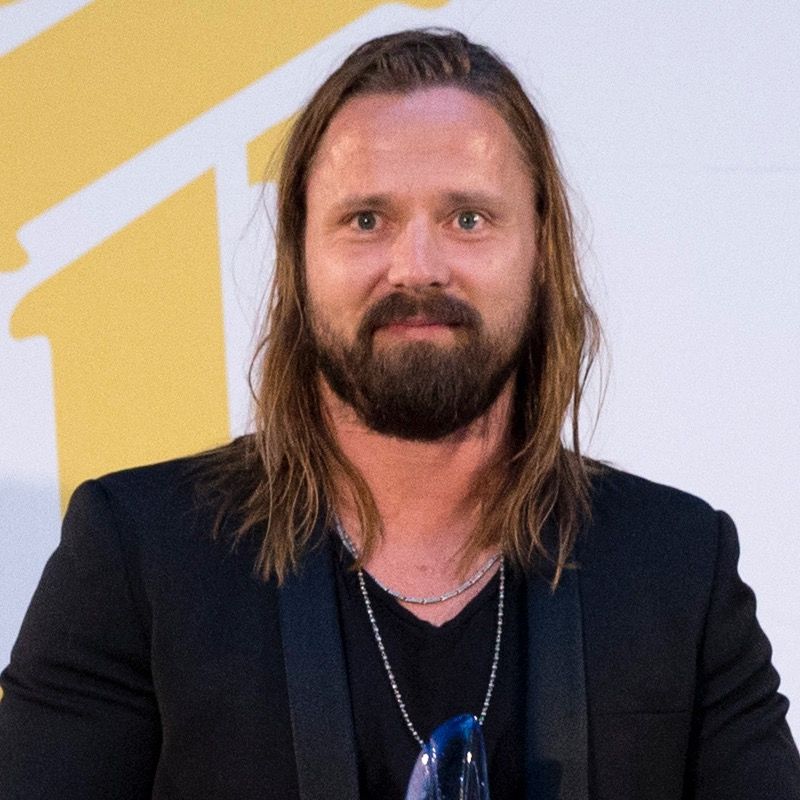
Swedish hitmaker extraordinaire, his name appears on more chart-toppers than most people have songs in their playlist.
Pop perfection became his specialty, crafting melodies for Britney Spears, Taylor Swift, and The Weeknd that get stuck in your head for weeks.
His understanding of what makes a chorus irresistible borders on supernatural, turning every project into potential platinum.
Decades of consistent success made him the most commercially successful producer in modern pop history.
13. Metro Boomin
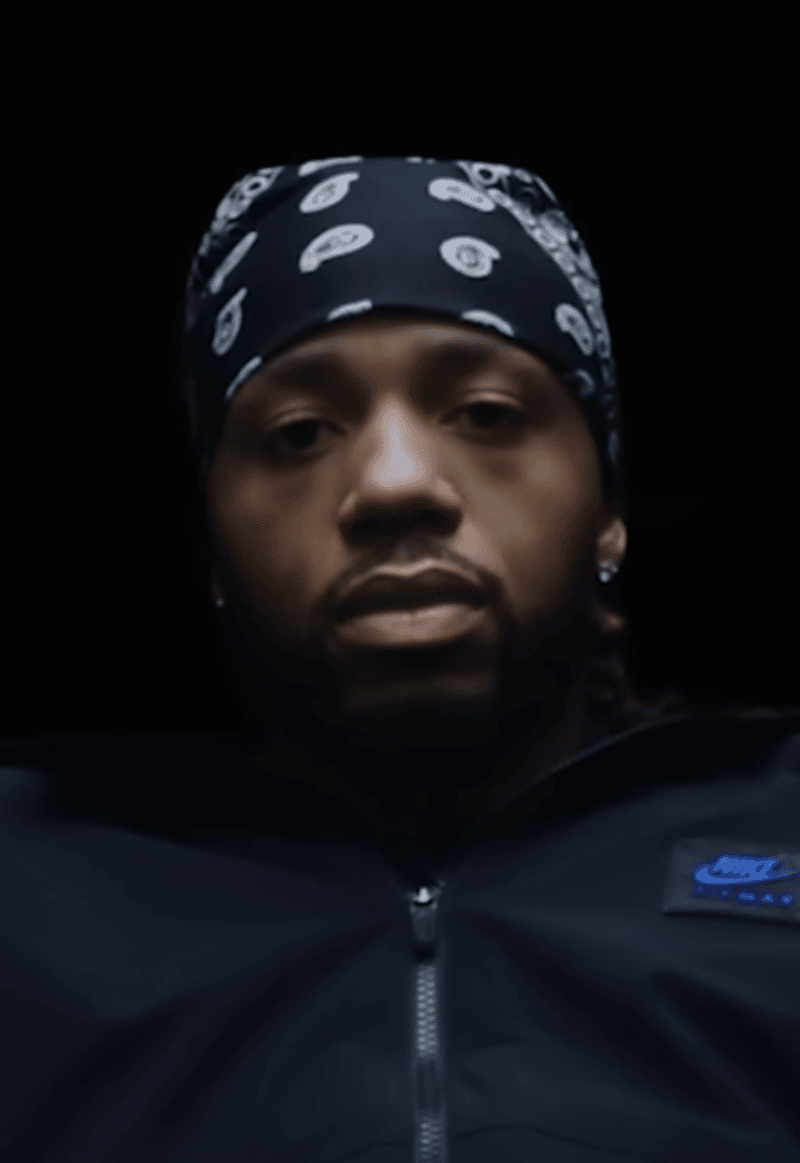
Dark, atmospheric trap beats became the defining sound of 2010s rap under his guidance, making him the most in-demand producer for hip-hop’s biggest names.
His tag – Metro Boomin want some more – became as famous as the artists he worked with.
Collaborations with Future, Drake, and 21 Savage generated streaming numbers that break records regularly.
Young but already legendary, his production empire grew with the rise of streaming platforms.
14. Calvin Harris
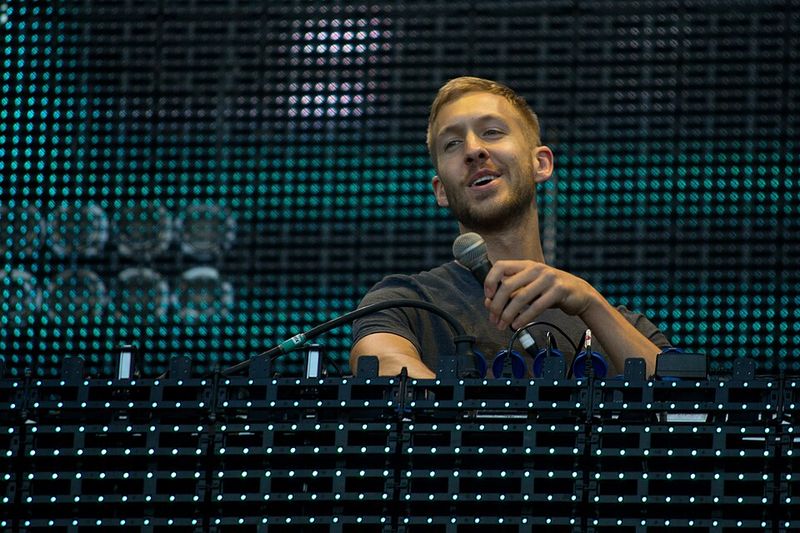
Electronic dance music crossed over into pop radio domination thanks to this Scottish DJ-producer who understood what made festival crowds and chart-watchers equally happy.
His ability to blend EDM energy with pop accessibility created a formula that printed money for years.
Collaborations with Rihanna, Dua Lipa, and countless others kept him on top of streaming charts worldwide.
15. Giorgio Moroder
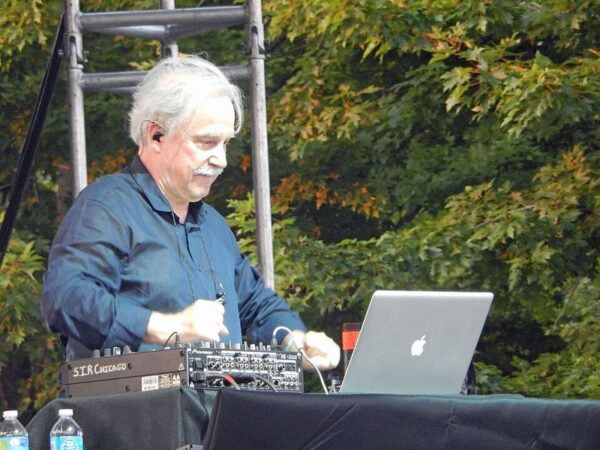
Electronic disco wouldn’t exist without this Italian pioneer who made synthesizers sound cool and futuristic in the 1970s.
Working with Donna Summer created I Feel Love, a track that basically invented modern dance music and influenced everything that came after it.
Film scores for Midnight Express and Top Gun added another dimension to his success.
His electronic language fed directly into synth-pop, house music, and every dance genre that followed, generating royalties across decades.
16. Clive Davis
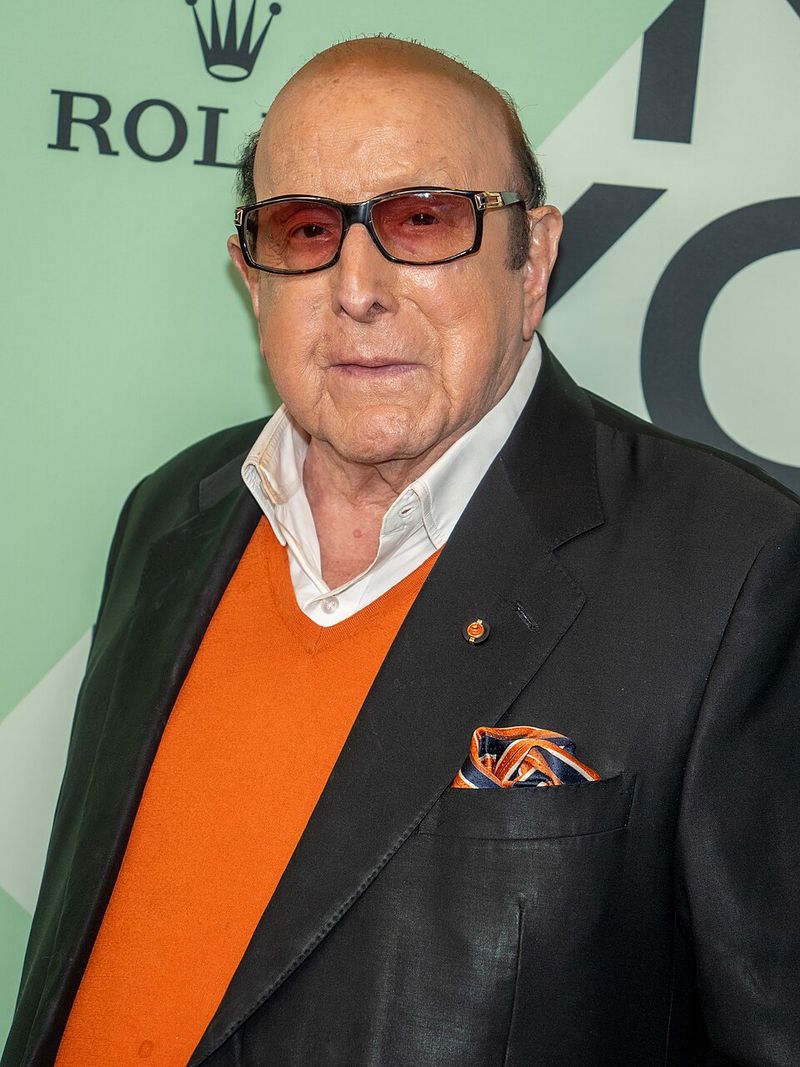
As an executive producer and label head, his golden ears discovered and guided more superstars than almost anyone in music history.
Whitney Houston, Alicia Keys, and countless others owe their careers to his ability to spot talent and shape it into commercial success.
His track record at Columbia, Arista, and J Records made him a legend in boardrooms and studios alike.
Though more executive than hands-on producer, his influence on hit pipelines and artist development built a fortune based on understanding what audiences wanted before they knew it themselves.
17. Berry Gordy
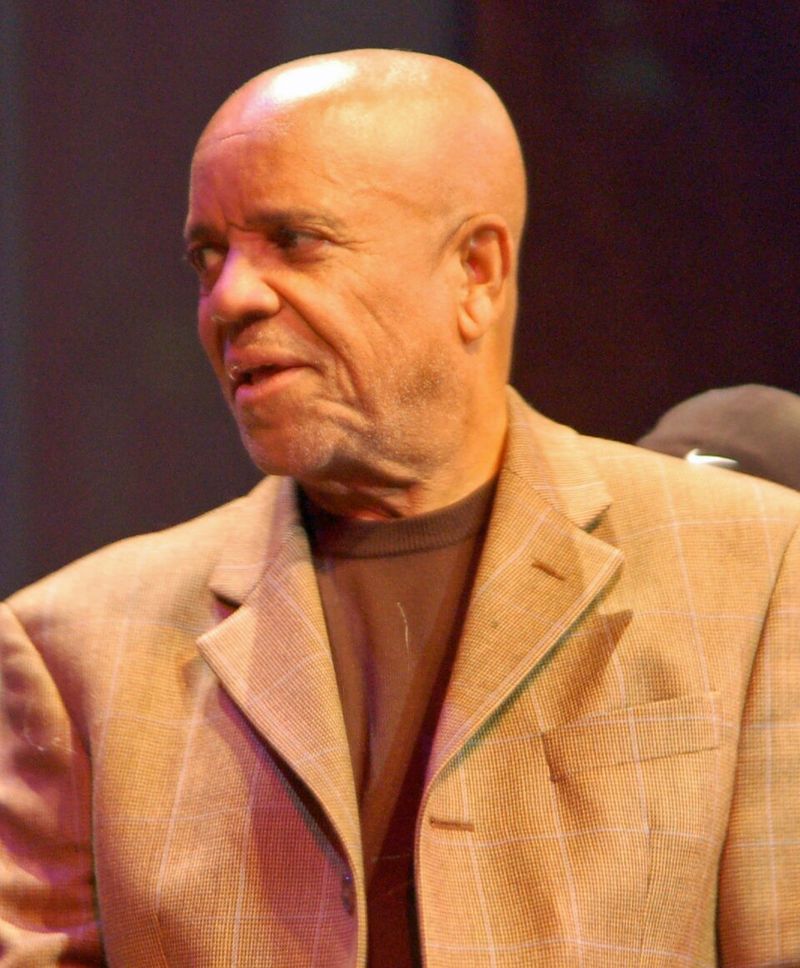
Building Motown Records from scratch, he created a hit factory that turned Detroit soul into America’s soundtrack during the 1960s.
His assembly-line approach to artist development and production made quality control so tight that nearly every release became a potential chart-topper.
Stevie Wonder, Diana Ross, Marvin Gaye, and The Temptations all emerged from his system.
The Motown sound became cultural capital that transcended music, influencing fashion, language, and social movements while generating wealth that proved Black entrepreneurship could dominate any industry.