10 Questions Explored In The Harry Potter Books But Not In The Films
Oh, gather round, darlings, because Rita Skeeter has questions.
You thought you saw the whole story up there on the silver screen? Adorable.
Movie magic can only squeeze so much scandal into a few tidy hours, and I assure you, the juiciest threads were snipped away before the premiere lights ever flashed.
Fortunately for you, I happen to specialize in uncovering what was conveniently “forgotten.” And trust me, once you hear what never made it into theaters, you may start side-eyeing those films like a poorly sourced quote.
1. Who Created The Marauder’s Map
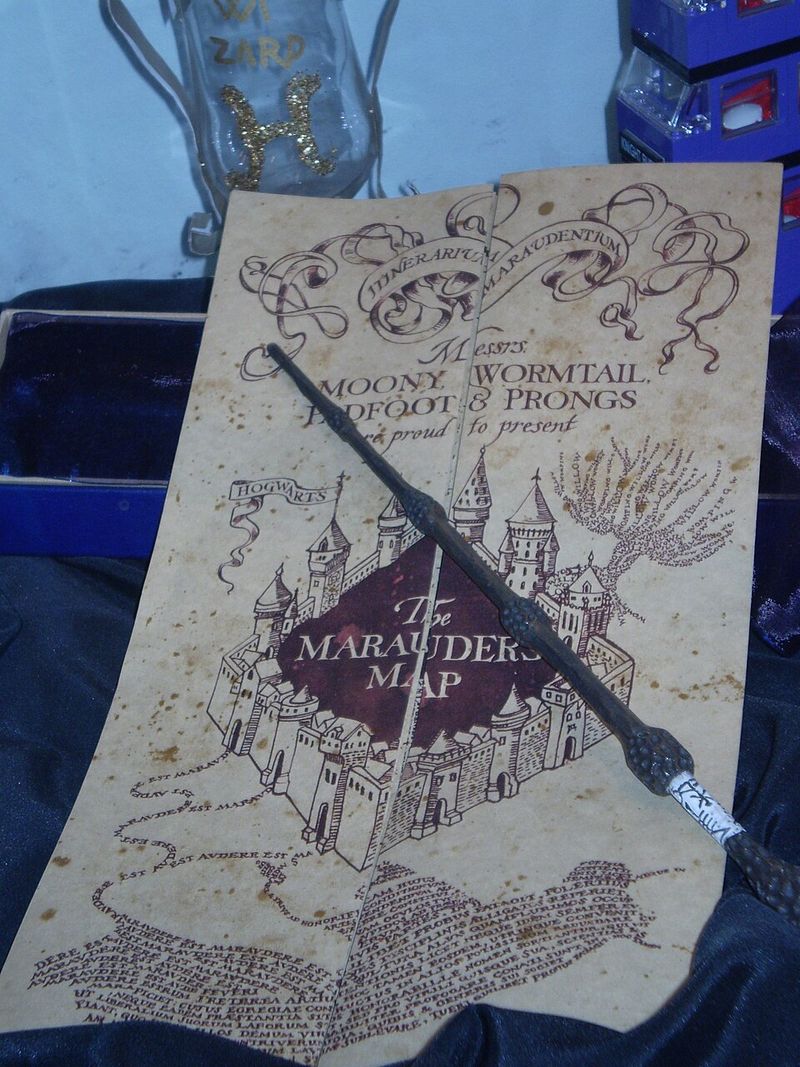
During their school years, James Potter, Sirius Black, Remus Lupin, and Peter Pettigrew created that masterpiece, linking the nicknames to their secret forms (Animagi for James, Sirius, and Peter; werewolf for Remus).
Film adaptations largely skim over their bond, softening the emotional impact when Harry discovers that his father once answered to Prongs.
Foundations laid by that friendship echo through the challenges Harry later confronts.
Understanding the backstory transforms each unfolding of the map into something closer to a quiet inheritance. Awareness of its creators shifts every “mischief managed” moment into sharper focus.
2. What Chaos Did Peeves Cause
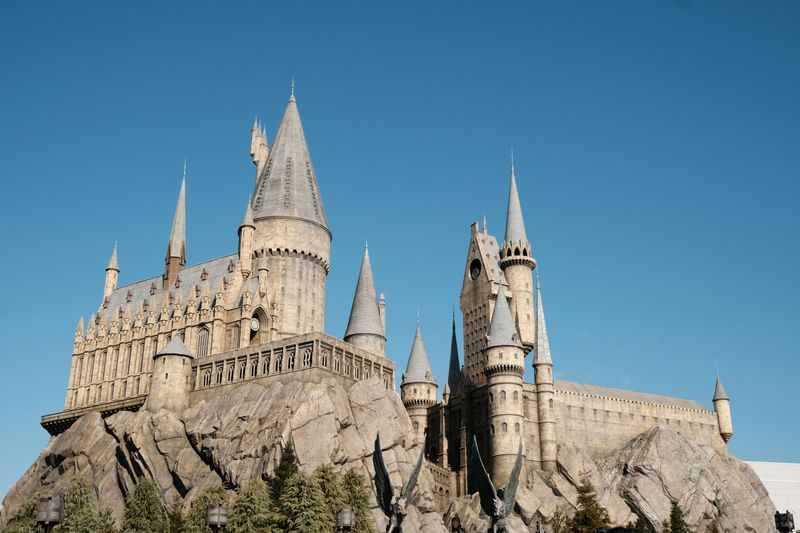
Water balloons sail through corridors as classrooms topple into chaos for the sheer thrill of it.
Filch, Umbridge, and countless students fall victim to the resident poltergeist, whose mischief lightens even the darkest chapters.
Film adaptations removed him entirely, muting a presence that made Hogwarts feel unruly and alive. During the final battle, taunts hurled at Death Eaters reveal that even disorder can take a stand.
Readers experience a castle alive with pranks and airborne inkwells rather than only solemn halls and wand clashes.
3. Why Did Hermione Start S.P.E.W.
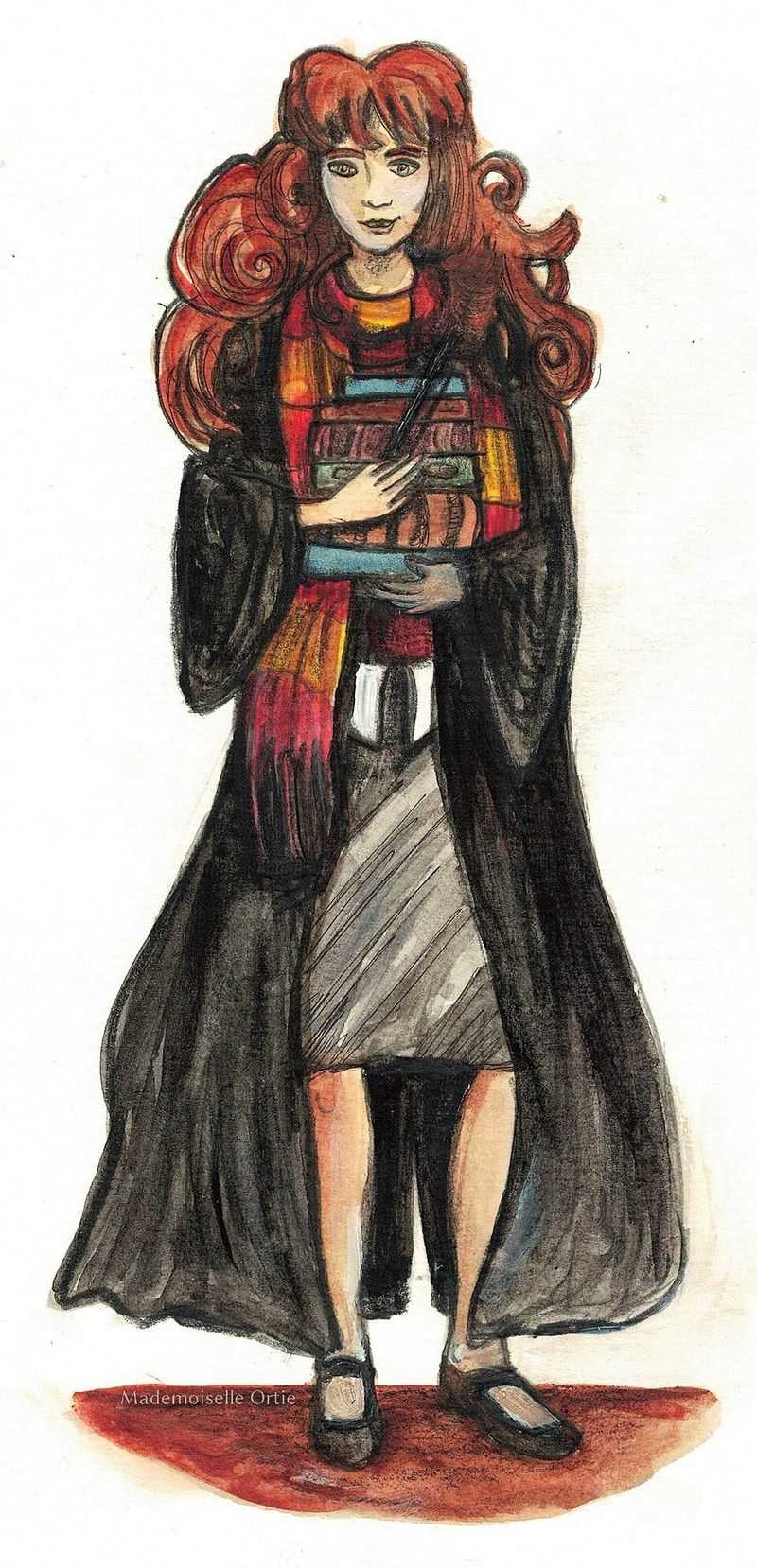
Hermione knits hats and hides them around the common room, hoping house-elves will stumble upon freedom. Her campaign for elf rights reveals her fiery sense of justice and introduces readers to systemic magical inequality.
The movies erase this subplot entirely, leaving Hermione’s activism on the page.
S.P.E.W. badges and her arguments with Ron show a girl unafraid to challenge tradition, even when mocked. The cause may seem small, but it plants seeds for the broader fight against pure-blood supremacy and prejudice baked into wizarding culture.
4. How Did Voldemort Make Each Horcrux
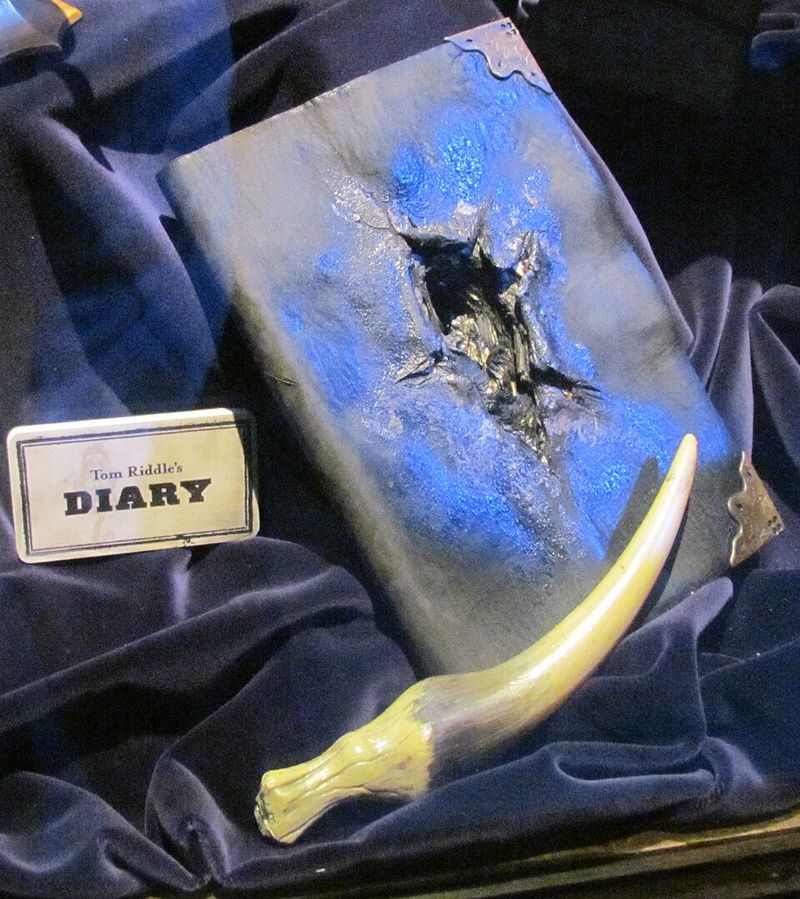
Murder anchors every fragment of Voldemort’s splintered soul. Rowling has said the diary was made using Moaning Myrtle’s death, the ring using Tom Riddle Sr.’s murder, the locket using the murder of a Muggle tramp, the cup using Hepzibah Smith’s murder, the diadem using an Albanian peasant’s murder, and Nagini using Bertha Jorkins’ murder.
Detailed accounts in the books render those crimes with unsettling precision, revealing a methodical and merciless architect of his own immortality.
Film versions compress or omit much of that history, causing the Horcruxes to resemble abstract magical devices rather than relics tied to specific victims.
Recognition of each life taken reshapes the hunt into something personal rather than a stylized quest underscored by ominous music and dramatic framing.
5. What Happened To The Elder Wand
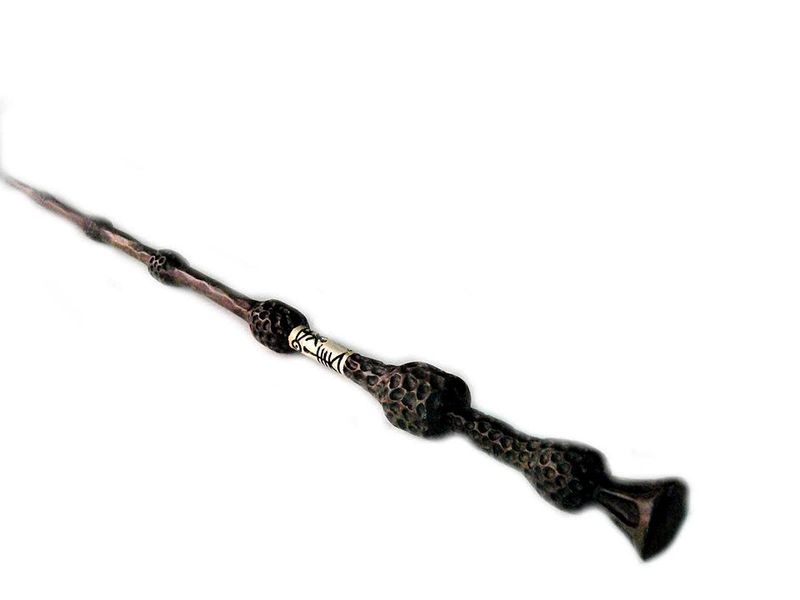
Harry snaps the wand in half and tosses it off a bridge in the movie version, a dramatic visual that misses the point.
In the book, he uses the Elder Wand to repair his own broken holly wand first, then returns it to Dumbledore’s tomb so its power dies with him. That choice reflects maturity and respect for magic’s limits, not theatrical defiance.
The film’s ending feels rushed and hollow without that quiet moment of restoration and closure for Harry’s most loyal companion.
6. How Did Lupin And Tonks Fall In Love

Tonks’s Patronus changes form to mirror Lupin’s wolf, revealing a quiet declaration of devotion.
Across the novels, their relationship unfolds through doubt, age difference, and Remus attempting to distance himself because of shame over his condition.
Much of the emotional buildup is removed in film versions, which reduce that arc to a quick acknowledgement and a melancholy note. Tonks’ hair reflects her changing emotions as readers see her persevere in her love until acceptance ultimately comes.
Teddy’s birth and Harry’s role as godfather complete a generational circle that the screen version only lightly suggests.
7. What’s The Gaunt Family’s Dark History
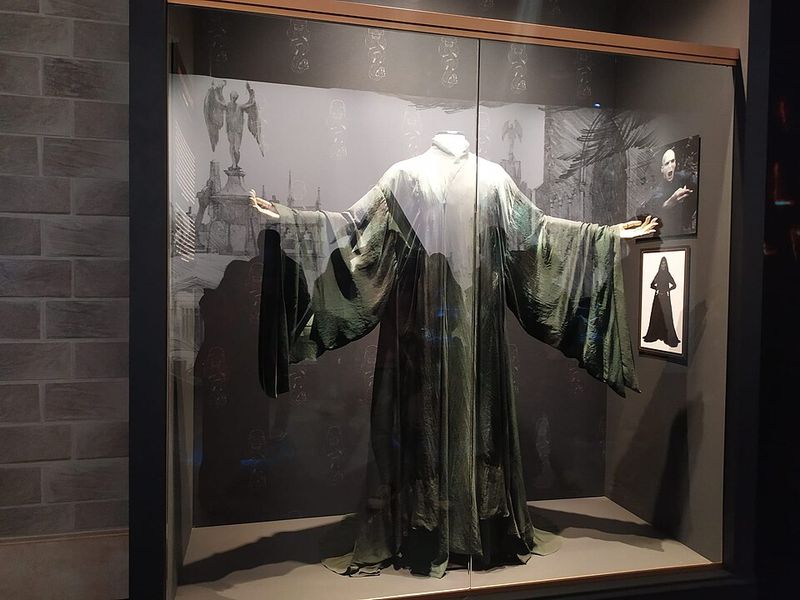
Voldemort’s mother came from the Gaunts, a family so obsessed with pure blood they married cousins and lived in squalor.
The books explore Marvolo, Morfin, and Merope Gaunt in vivid, unsettling detail, showing how hatred and pride rotted their line. Films skip this backstory entirely, leaving Voldemort’s motivations murky and his connection to Slytherin unexplained.
Understanding the Gaunts adds tragic dimension to Voldemort’s origin, proving that bigotry destroys from within long before it harms others. His grandfather’s ring becomes a symbol, not just a prop.
8. Did House-Elves Fight At Hogwarts
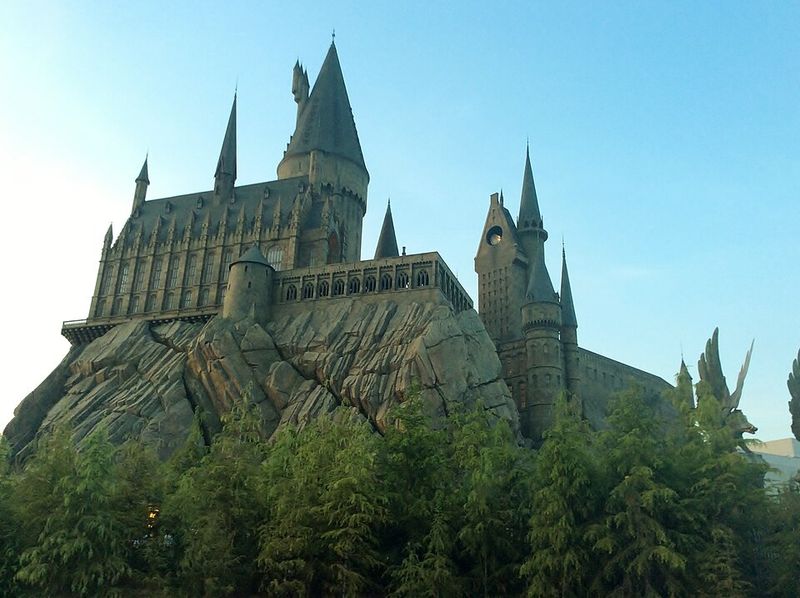
House-elves swarm in with carving knives and cleavers as Kreacher leads them, shouting to fight for Harry and in Regulus Black’s name. Hermione’s long campaign for elf rights finds validation in that uprising, underscoring that freedom and loyalty can stand together.
Film versions bypass the scene entirely, keeping the elves absent at the moment their presence would matter most.
Winky’s struggles and Kreacher’s redemption arc also vanish on screen, flattening nuanced explorations of servitude and choice. On the page, overlooked magical beings claim their agency, demonstrating that courage does not depend on a wand or a celebrated surname.
9. Why Are Harry’s Green Eyes So Important

Lily Potter’s green eyes live on in her son, a constant reminder of her sacrifice.
Snape’s dying words ask Harry to look at him so he can see Lily one last time, a moment that loses punch on screen because Harry’s eyes aren’t green, even though the books keep spotlighting Lily’s green eyes. Books emphasize this detail repeatedly, making it a thread of love woven through trauma and loss.
The films couldn’t fix it due to casting, but the symbolism fades without that piercing green gaze connecting mother and son across death itself.
10. How Deep Was Snape’s Sacrifice
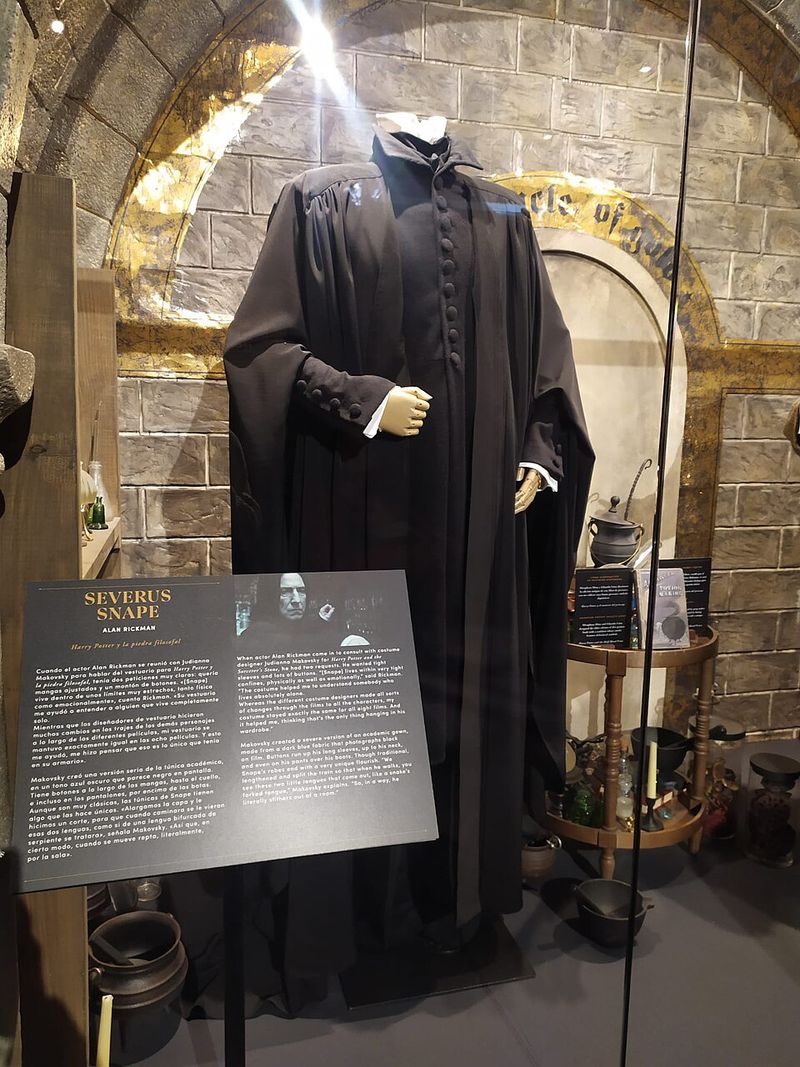
Nearly two decades passed with Snape operating as a double agent, surviving Voldemort’s scrutiny and Dumbledore’s strategy to shield Lily’s son.
Careful plotting led him to assist in Dumbledore’s planned death, his Patronus echoing Lily’s doe while dread lingered that Harry’s sacrifice might prove meaningless.
The emotional impact of such unrelenting decisions is lessened in film adaptations by condensing that intricacy into a quick montage.
Penance defines his arc in the novels, where love transforms into a lifetime of unseen allegiance rather than a single grand gesture.
Note: This article discusses story questions and subplots emphasized in the Harry Potter novels that are condensed or omitted in the film adaptations. Interpretations are subjective and may vary by edition, translation, or viewer perspective.