11 Real Mexican Kitchen Secrets Behind Those Incredible Flavors
Mexican food is bold, vibrant, and bursting with flavor. What makes it unforgettable isn’t just the fresh ingredients but the ancient techniques, careful preparation, and love that go into every dish.
These kitchen secrets, passed down through generations, transform simple ingredients into meals that sing with spice, warmth, and soul. Ready to bring the heart of Mexico into your own kitchen?
Discover these authentic tips and tricks and start creating dishes that will make every meal a fiesta.
1. Nixtamalization Transforms Ordinary Corn
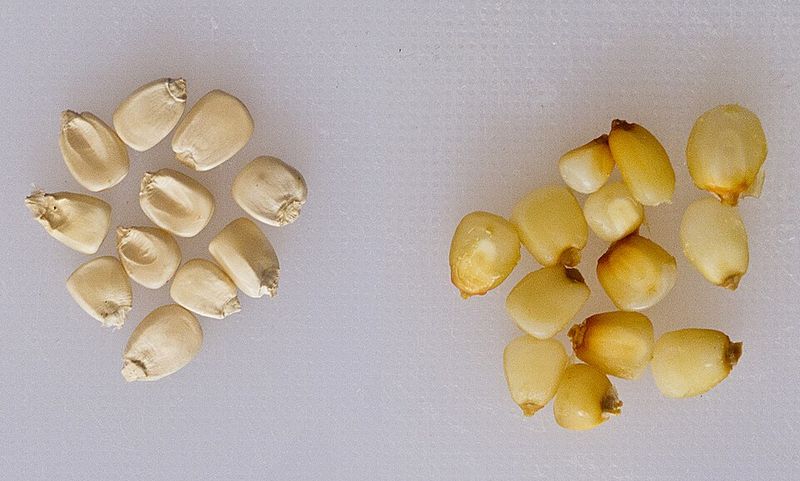
That first crackle of a handmade tortilla on a hot comal starts with an ancient process most people have never heard of. Nixtamalization involves soaking dried corn in limewater for several hours, which removes the tough outer hull and unlocks hidden nutrients like niacin.
This technique doesn’t just make corn easier to grind into masa. It actually changes the flavor, adding a subtle earthiness that store-bought corn products can’t match.
Tortillas, tamales, and pozole all depend on this method for their authentic taste and texture.
2. Stone Grinding Releases Hidden Flavors
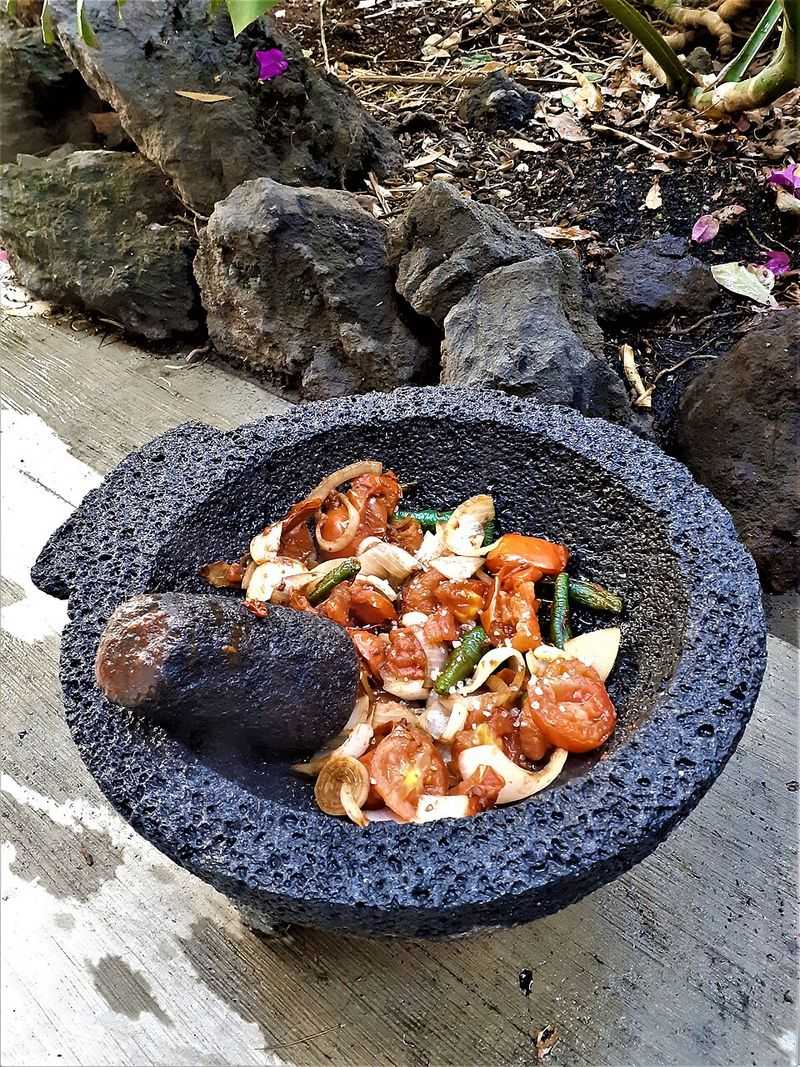
A molcajete isn’t just a pretty kitchen decoration. This volcanic stone mortar and pestle has been crushing ingredients for thousands of years, and there’s a reason cooks still swear by it today.
When you grind chiles, garlic, and spices against rough stone, you release essential oils that electric blenders simply can’t extract. The texture becomes chunky and rustic, not smooth and lifeless.
Salsas made this way have deeper flavor and a satisfying bite that feels genuinely handmade.
3. Toasting Spices Wakes Them Up
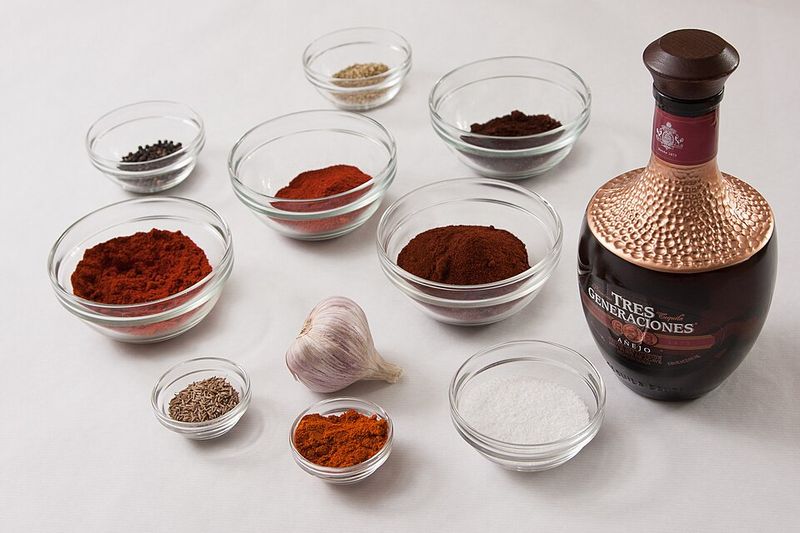
Spices sitting in your cabinet lose their punch over time. However, a quick toast on a dry comal brings them roaring back to life with intense fragrance and flavor.
Cumin, coriander, and sesame seeds need just a minute or two of heat to release their essential oils. You’ll know they’re ready when your kitchen smells incredible and the seeds start to darken slightly.
This simple step makes the difference between flat-tasting dishes and ones with real depth.
4. Slow Cooking Builds Complexity
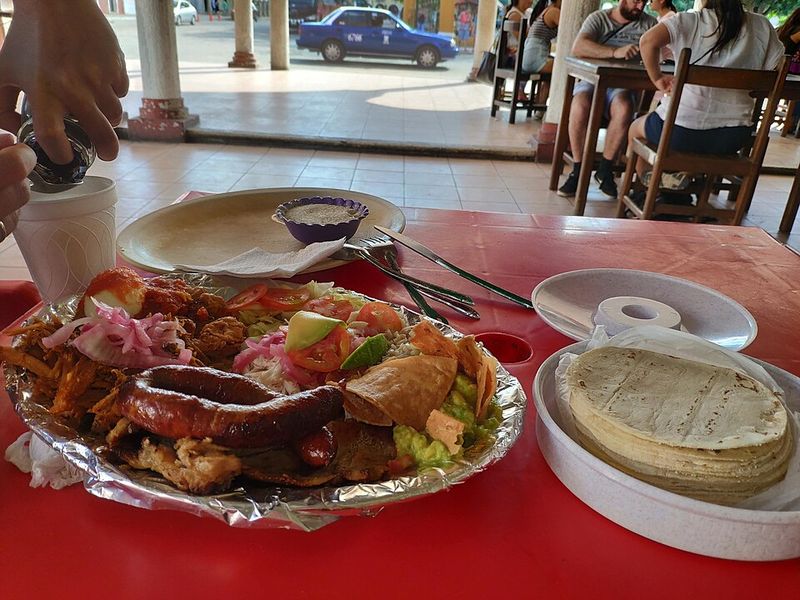
Patience isn’t just a virtue in Mexican cooking. It’s absolutely required for dishes like mole, barbacoa, and birria that need hours of gentle heat to develop their legendary flavors.
Slow-cooking tough cuts of meat breaks down connective tissue, making them fork-tender while concentrating all the spices and aromatics into something magical. The flavors marry and deepen in ways that quick cooking can never achieve.
Maybe that’s why abuela’s recipes always say to start the day before.
5. Fresh Salsa Beats Jarred Every Time
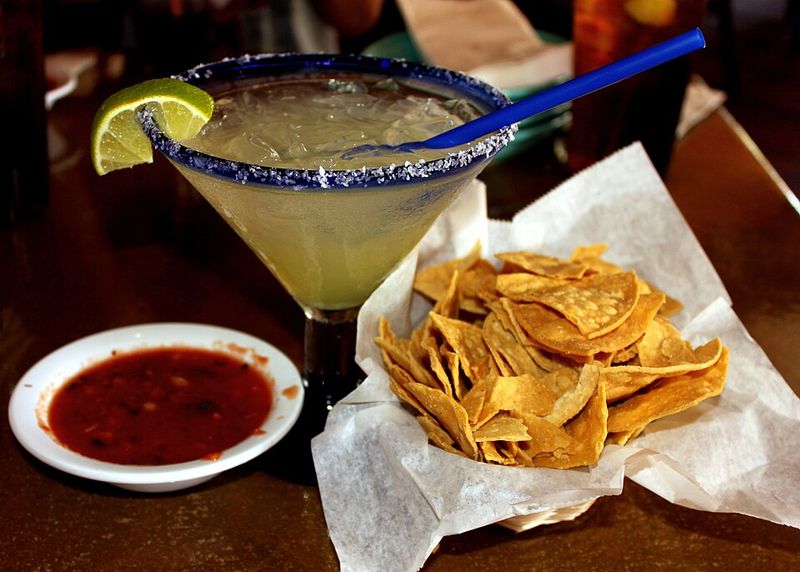
Golden edges on roasted tomatoes and blistered chiles are the foundation of salsa that actually tastes alive. Charring vegetables on a comal before blending them creates smoky sweetness that jarred versions can only dream about.
Fresh garlic, onion, and cilantro added at the end keep their bright, punchy flavors intact. The contrast between the roasted depth and fresh brightness makes every bite interesting.
Once you taste homemade salsa, going back to the jar feels like a betrayal.
6. Real Crema Changes Everything
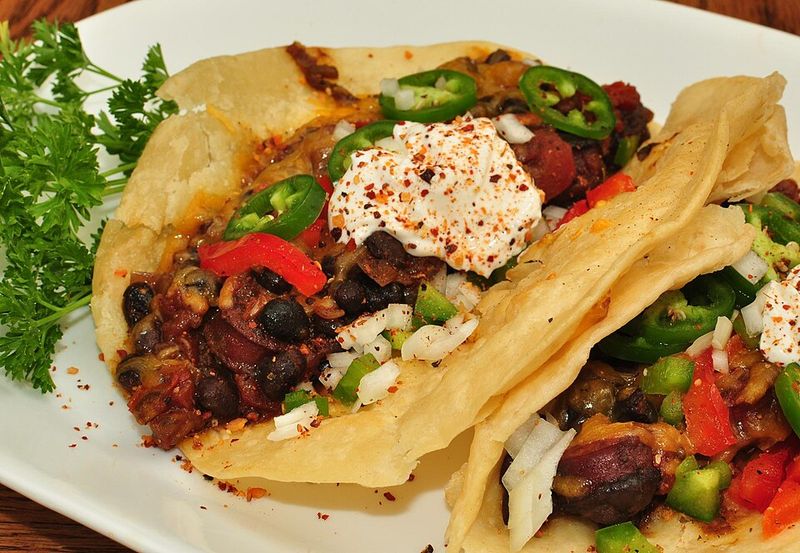
That cloud of tangy richness drizzled over tacos isn’t regular sour cream. Authentic Mexican crema is thinner, smoother, and has a subtle sweetness that balances spicy and acidic flavors perfectly.
While sour cream can curdle when heated, real crema stays silky and adds luxurious texture to soups, enchiladas, and tostadas. It cools down heat without drowning out other flavors.
Finding it at a Mexican market is worth the trip for anyone serious about authentic taste.
7. Mexican Oregano Isn’t Italian Oregano
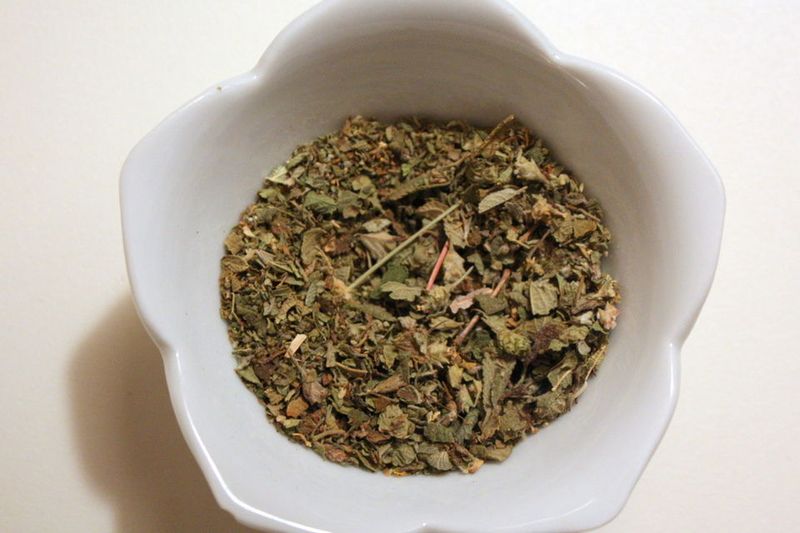
Swapping Italian oregano for Mexican oregano is like replacing a guitar with a banjo. They’re both stringed instruments, but they sound completely different and belong in different songs.
Mexican oregano has earthy, citrusy notes with hints of licorice that complement cumin and chiles beautifully. Mediterranean oregano tastes sharper and more minty, which clashes with traditional Mexican spice profiles.
Using the right one makes your pozole, carnitas, and moles taste genuinely authentic instead of vaguely Italian.
8. Authentic Cheeses Add True Character
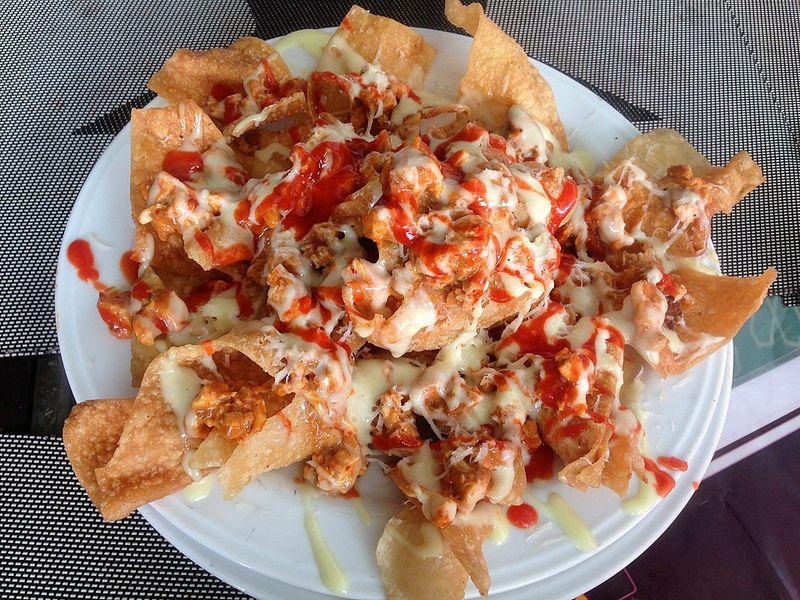
Melted cheese on nachos is fine for game day, but real Mexican dishes call for cheeses with actual personality. Queso fresco crumbles beautifully and stays fresh-tasting, while cotija adds salty, aged depth like a Mexican parmesan.
Panela holds its shape when grilled, making it perfect for quesadillas that don’t turn into greasy puddles. These cheeses have textures and flavors developed specifically to complement Mexican ingredients.
Once you try them, regular shredded cheddar feels boring and out of place.
9. Freshness Matters More Than Fancy Ingredients
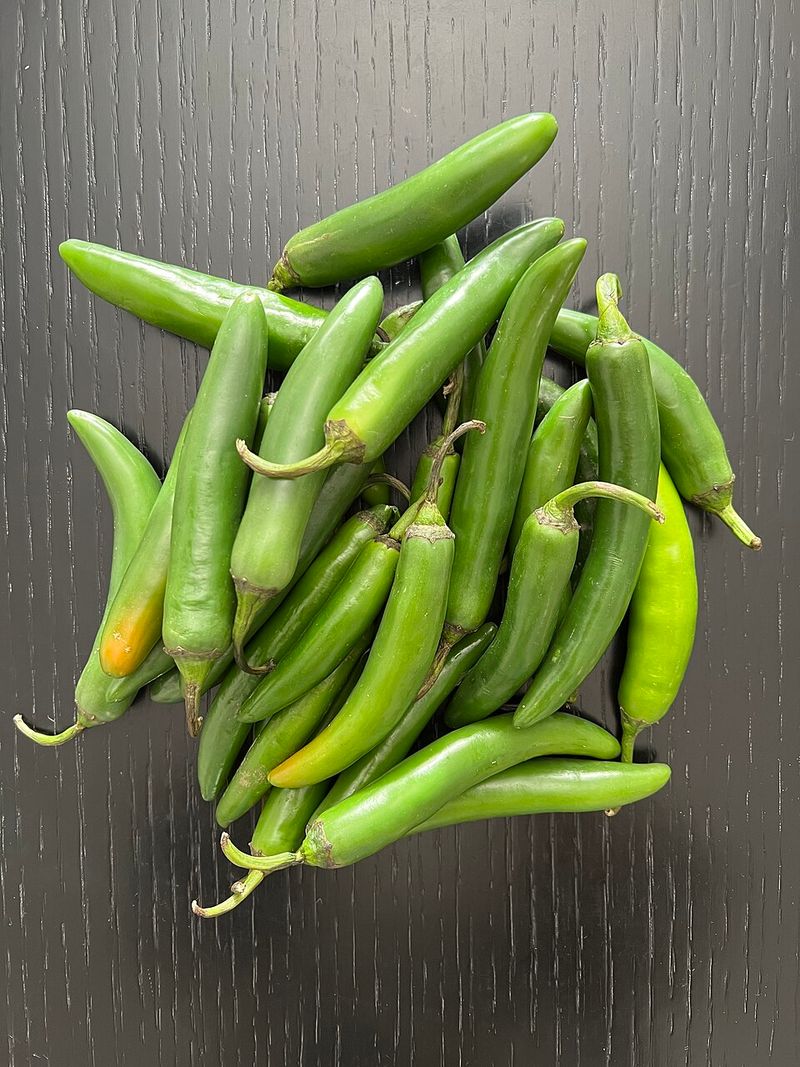
Absolutely the best Mexican cooks will tell you that perfectly ripe tomatoes matter more than expensive imported spices. Freshness brings vibrant color, bright flavor, and natural sweetness that no amount of seasoning can fake.
Wilted cilantro, old garlic, and mealy tomatoes make even traditional recipes taste dull and lifeless. Fresh ingredients need less manipulation because their natural flavors shine through on their own.
10. Balancing Salt and Acid Creates Magic
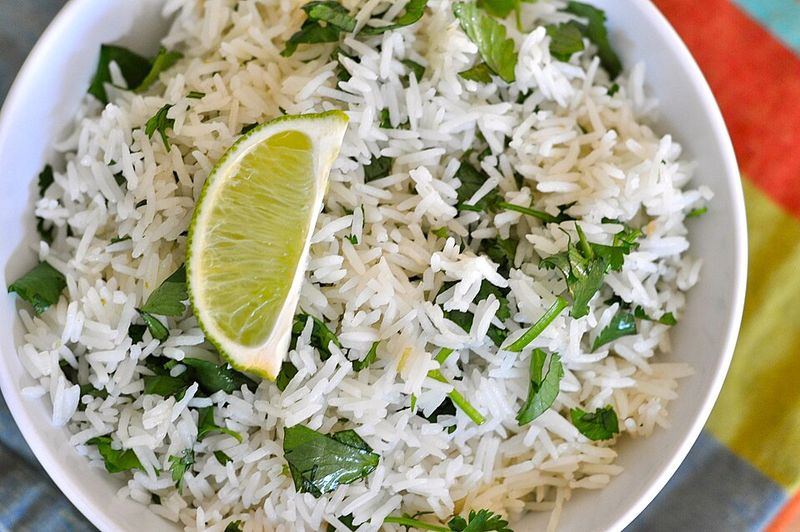
Sizzle therapy happens when you add just enough lime juice to wake up a dish that tastes flat. Mexican cooking is all about balancing salt and acid to make flavors pop and dance on your tongue.
A squeeze of lime or splash of vinegar brightens heavy dishes, while salt pulls all the flavors together into harmony. Too much of either ruins the balance, but the right amount transforms good food into crave-worthy food.
11. Layering Flavors Takes Time and Care
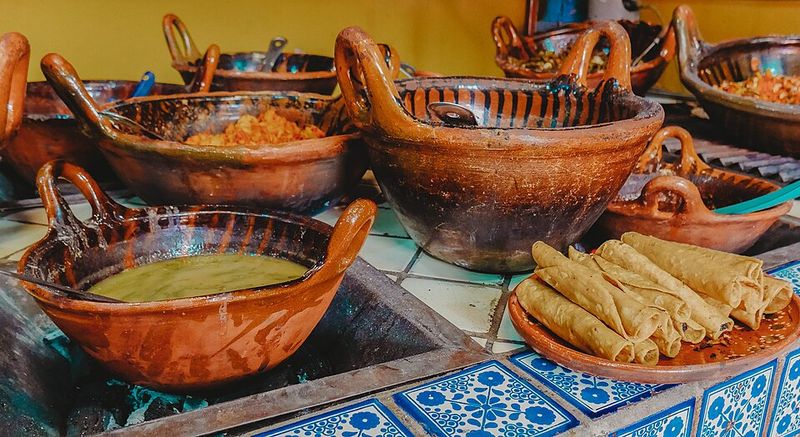
Countertop chaos during Mexican cooking isn’t a mess but a sign that someone’s doing it right. Building authentic flavor means adding ingredients at different stages, not dumping everything in at once and hoping for the best.
Onions get caramelized first, then garlic goes in, followed by toasted spices, then liquids, and finally fresh herbs at the end. Each step builds on the last, creating layers of flavor that taste complex and complete.