15 Remarkable Reads Endorsed By Nobel Prize Winners
A book recommendation already carries a certain charm, but one praised by a Nobel Prize winner comes with extra weight.
These are writers and thinkers known for sharp minds, exacting standards, and lives shaped by serious reading, so their praise tends to land differently.
A favorite named by one of them feels less like casual approval and more like a quiet invitation to pay attention. That is part of the appeal here.
Every title on this list arrives with the glow of admiration from someone whose own work changed the literary conversation.
Curiosity naturally follows. What kind of novel, memoir, or classic earns that level of respect from a Nobel laureate?
1. Foundation Trilogy by Isaac Asimov
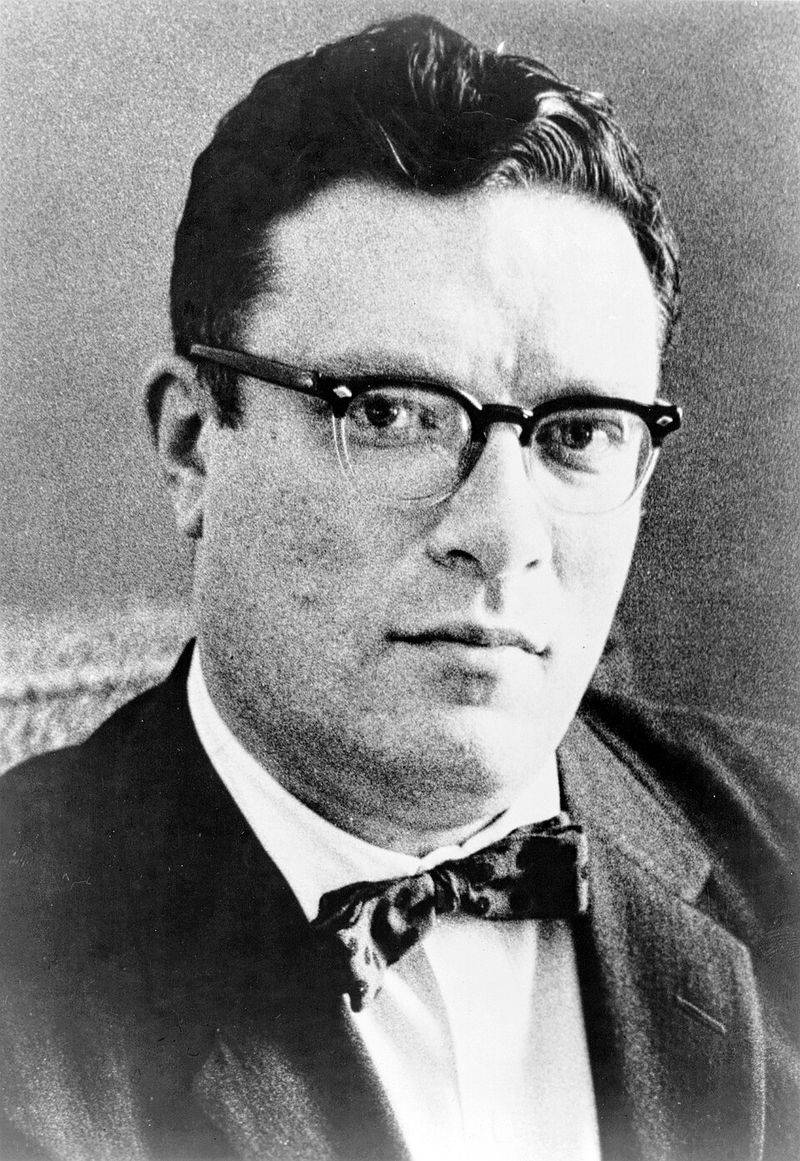
Paul Krugman, Nobel-winning economist, credits this sci-fi epic with inspiring him to become an economist. Seriously!
He wanted to be a real-life Hari Seldon, the mathematician who uses “psychohistory” to predict civilizations. If a Nobel laureate fanboys over a sci-fi series, that is your cue to pick it up immediately.
Asimov builds an entire galactic empire and its eventual collapse with jaw-dropping detail. How one person’s ideas can redirect thousands of years of history is the central thrill here.
2. The General Theory of Employment, Interest and Money by John Maynard Keynes
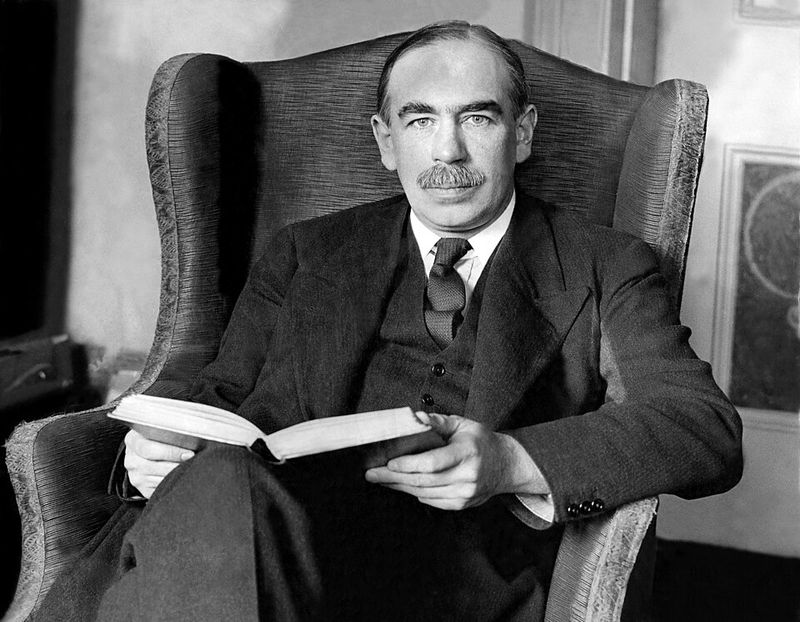
Published in 1936, this book essentially rewrote the rules of economics during the Great Depression.
Paul Krugman calls it one of the most influential books ever written, and economists still argue about its ideas today. That is nearly 90 years of debate sparked by one book.
Keynes argued that governments should spend money to rescue struggling economies rather than just waiting things out.
If that sounds familiar, it is because this idea shaped every major economic crisis response since.
3. Unequal Democracy by Larry M. Bartels
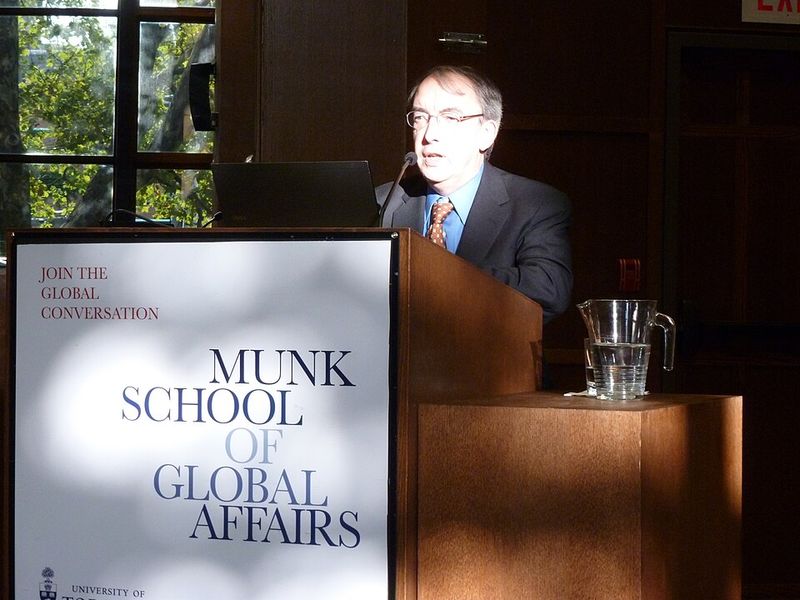
Here is a fact that should make everyone sit up straight: real income for low-income Americans grows significantly faster under Democratic presidents than Republican ones, and the gap is not small.
Larry Bartels documents this pattern rigorously, and Daron Acemoglu considers it essential reading on political inequality.
Bartels explores why ordinary voters often support policies that work against their own economic interests. The answer involves a mix of partisanship, misinformation, and institutional design.
4. Essays in Persuasion by John Maynard Keynes
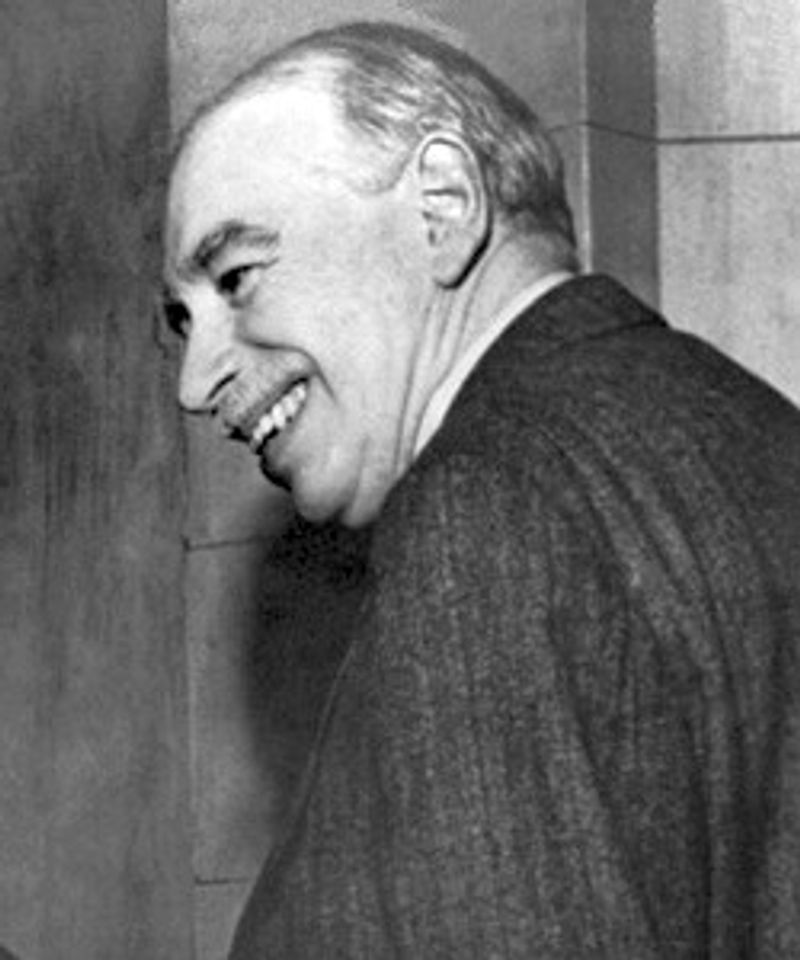
Forget the stereotype of economists as boring number-crunchers. Keynes wrote with wit, urgency, and the kind of confidence that makes you want to stand up and cheer.
Paul Krugman recommends this collection because it shows economics as a tool for solving real human problems.
Written between 1919 and 1931, these essays tackle war debts, inflation, and the future of capitalism with remarkable clarity.
One famous essay predicts that by 2030, people would only work 15 hours a week. We are still waiting on that one, honestly.
5. Essays in Economics by James Tobin
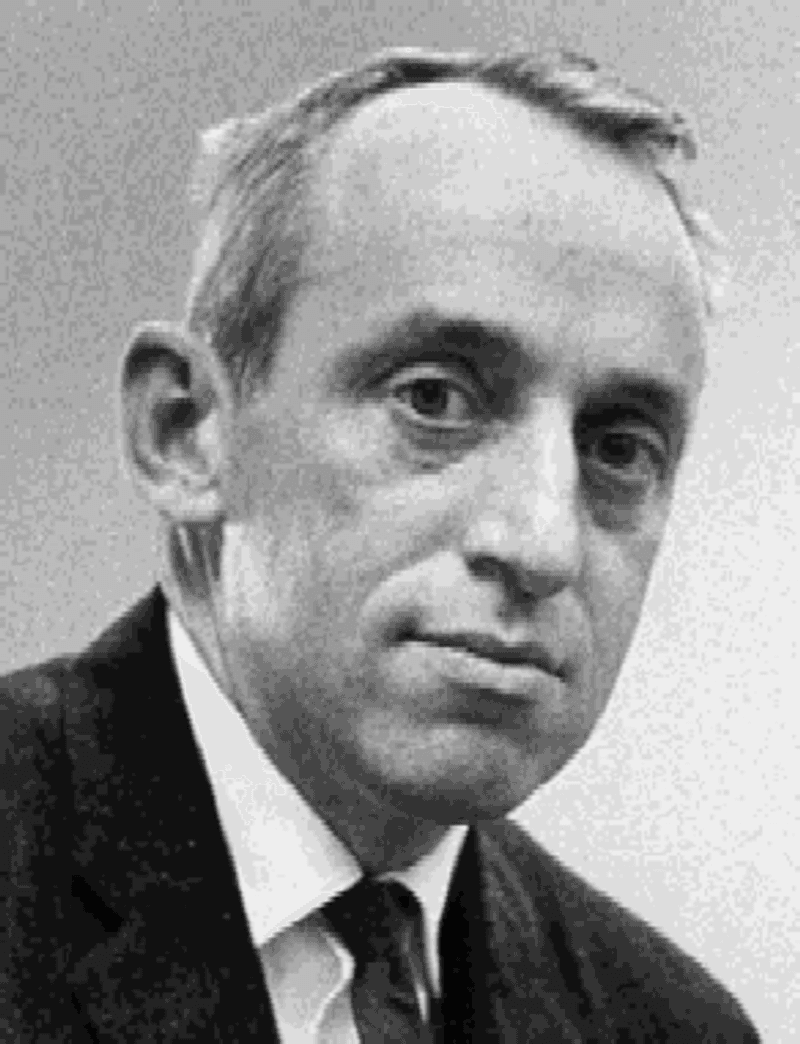
James Tobin won the Nobel Prize in Economics in 1981, and Paul Krugman points to his collected essays as a masterclass in applied economic thinking.
Tobin had a gift for connecting abstract theory to real-world policy in ways that actually helped people.
His essays cover everything from monetary policy to portfolio theory, the idea that smart investors spread their risk around.
If you want to understand how smart economic thinking looks in action, this collection is a brilliant starting point worth every page.
6. The Theory of Moral Sentiments by Adam Smith
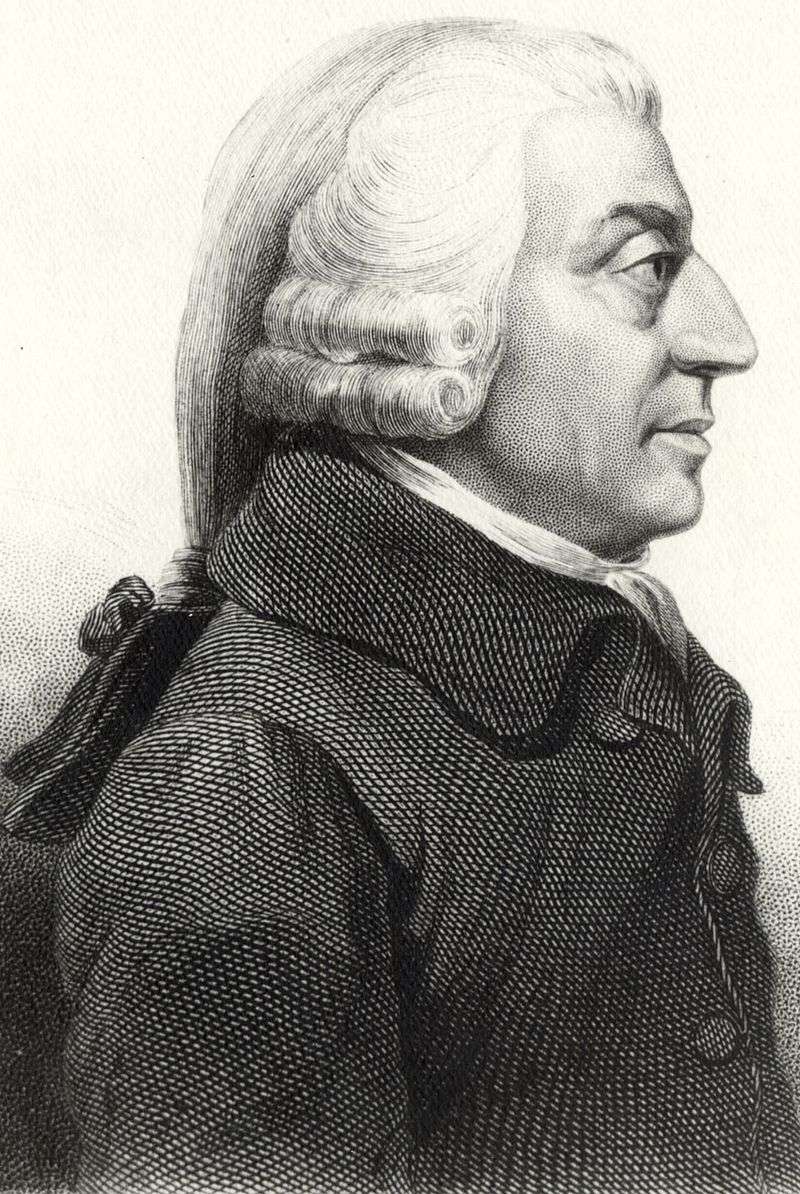
Most people know Adam Smith as the “invisible hand” guy from economics class, but this earlier masterpiece reveals a deeper, more empathetic thinker.
Robert Shiller, Nobel laureate in economics, recommends it as essential for understanding why markets need moral foundations, not just profit motives.
Smith argues that humans are naturally wired for empathy and fairness. Published in 1759, it feels surprisingly modern, especially in a world where corporate ethics constantly make headlines.
7. The Passions and the Interests by Albert O. Hirschman
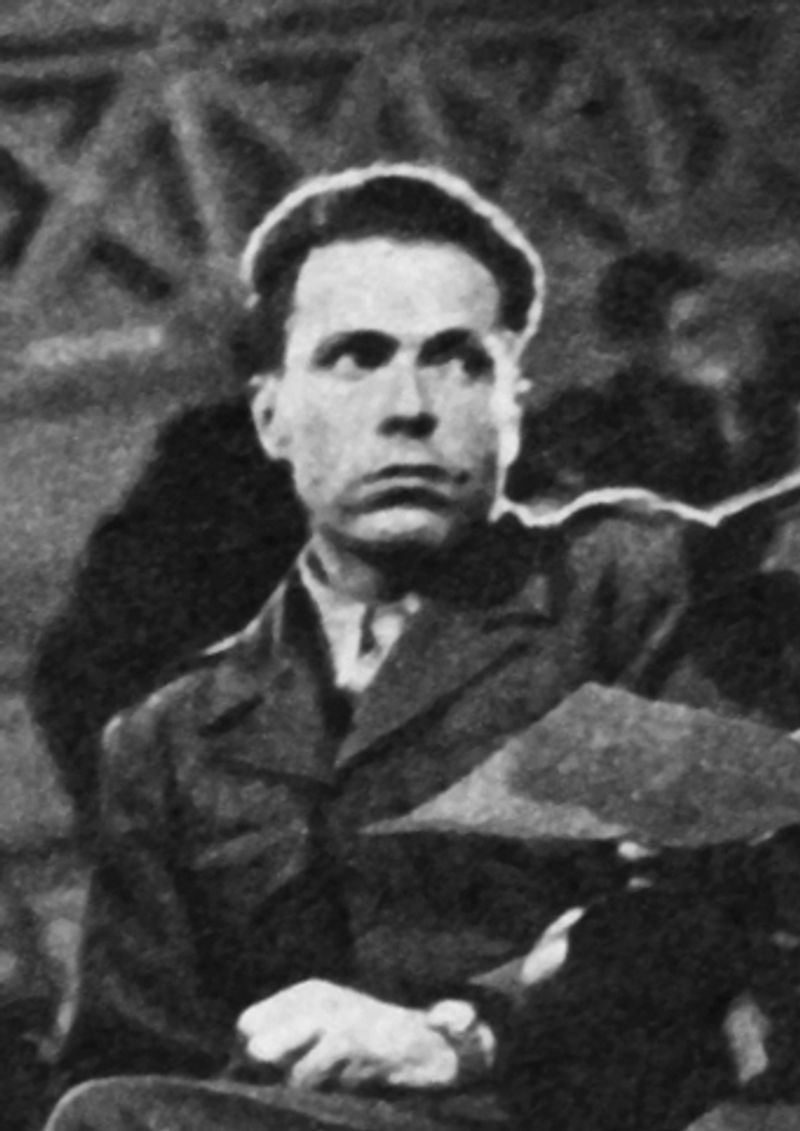
Here is a quirky history lesson disguised as an economics book.
Robert Shiller loves this slim volume because it traces how capitalism was originally sold to the public as a way to tame human violence and greed. Wild concept, right?
Hirschman argues that early thinkers believed commerce would make people calmer and more rational. Whether that experiment worked is still very much up for debate.
Though short and densely argued, the book rewards patient readers with surprising insights about money, power, and human motivation.
8. Fault Lines by Raghuram G. Rajan
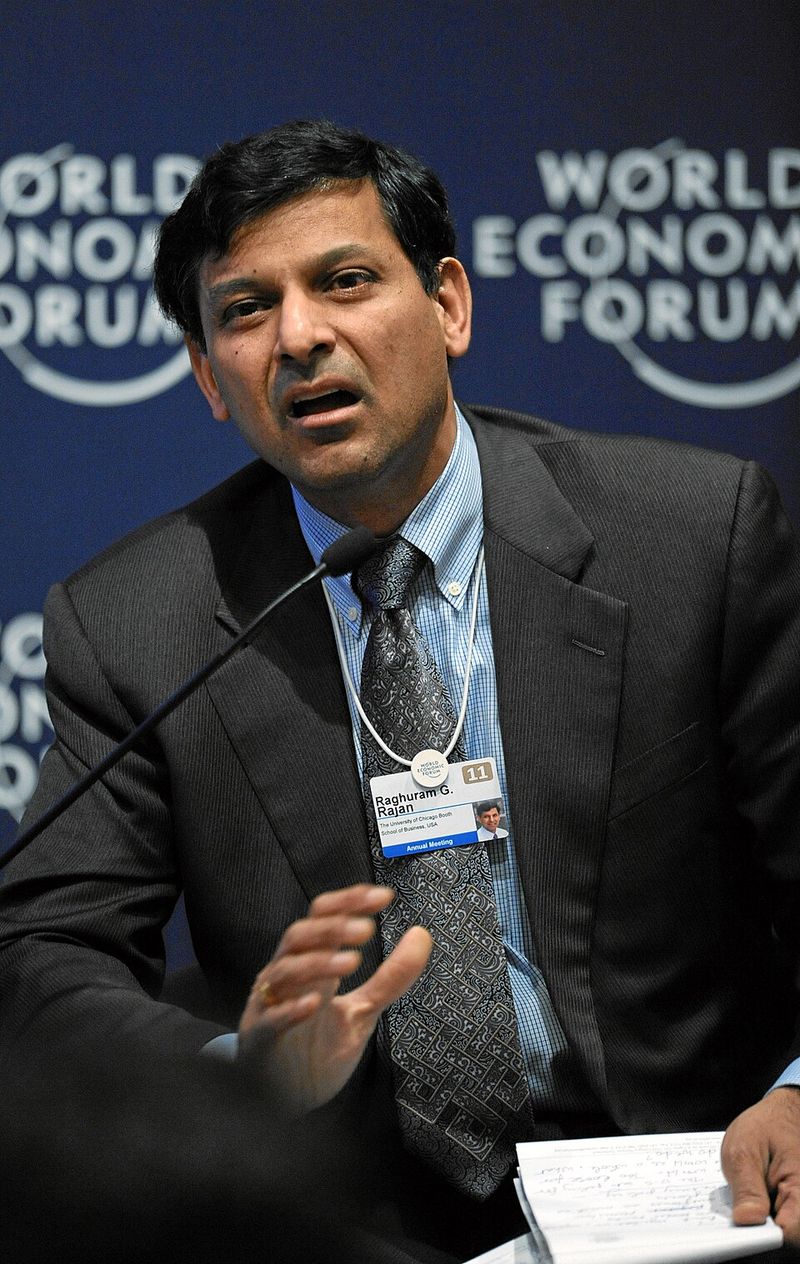
Written by one of the few economists who publicly warned about the 2008 financial crisis before it happened, this book is equal parts brilliant and humbling.
Robert Shiller recommends it as essential reading for understanding why economies crack under pressure.
Rajan argues that rising inequality in America created dangerous fault lines in the financial system, ultimately triggering the global meltdown.
The connections he draws between politics, inequality, and banking are eye-opening.
9. Creating a World Without Poverty by Muhammad Yunus
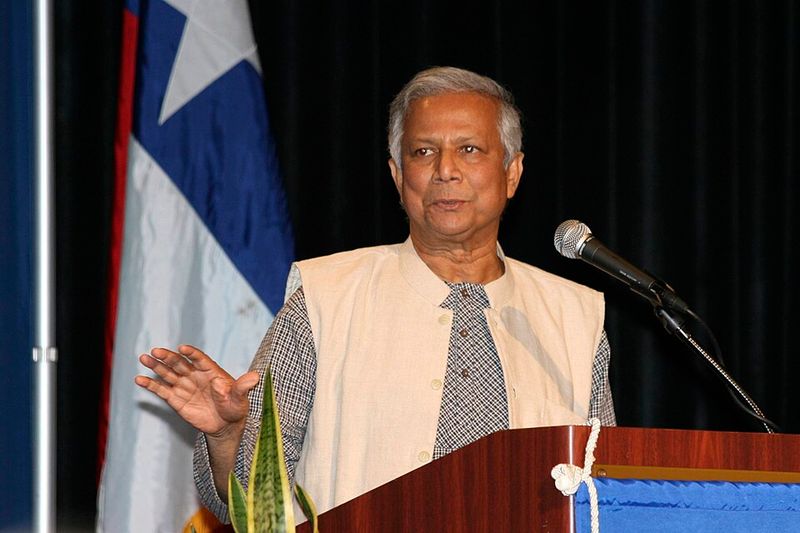
Muhammad Yunus won the Nobel Peace Prize in 2006 for proving that small loans to poor people could change entire communities.
This book takes that idea further, introducing the concept of “social business,” companies designed to solve problems rather than just generate profit.
Yunus writes with infectious optimism about a world where poverty is genuinely optional. If that sounds idealistic, the evidence he presents from Bangladesh and beyond is hard to argue with.
10. Banker to the Poor by Muhammad Yunus
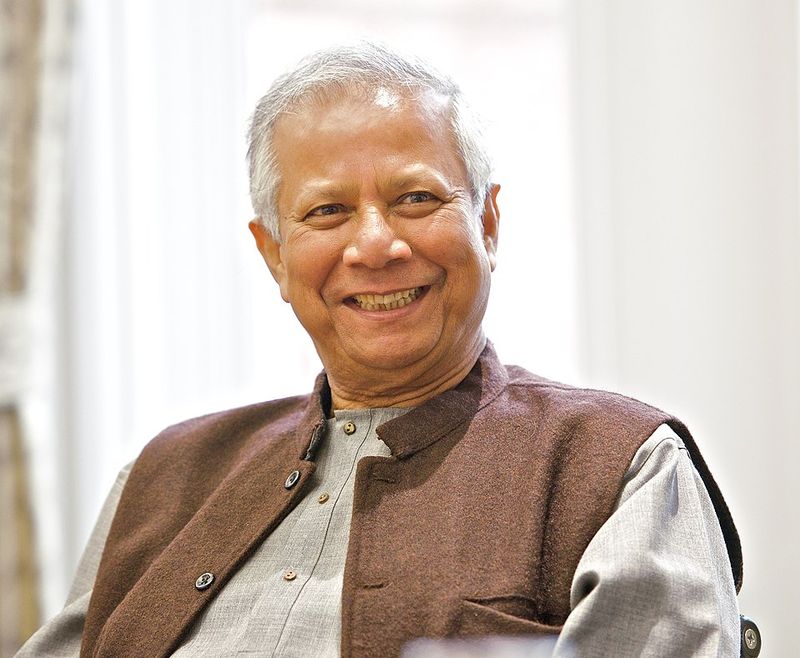
Before microfinance became a global movement, it was one man lending small amounts of money to poor women in rural Bangladesh.
This memoir tells the origin story of the Grameen Bank, which has since helped millions of people lift themselves out of poverty.
Yunus writes candidly about the skepticism, setbacks, and breakthroughs he faced building an institution the world had never seen before. His storytelling is warm, personal, and deeply human.
11. Germinal by Emile Zola
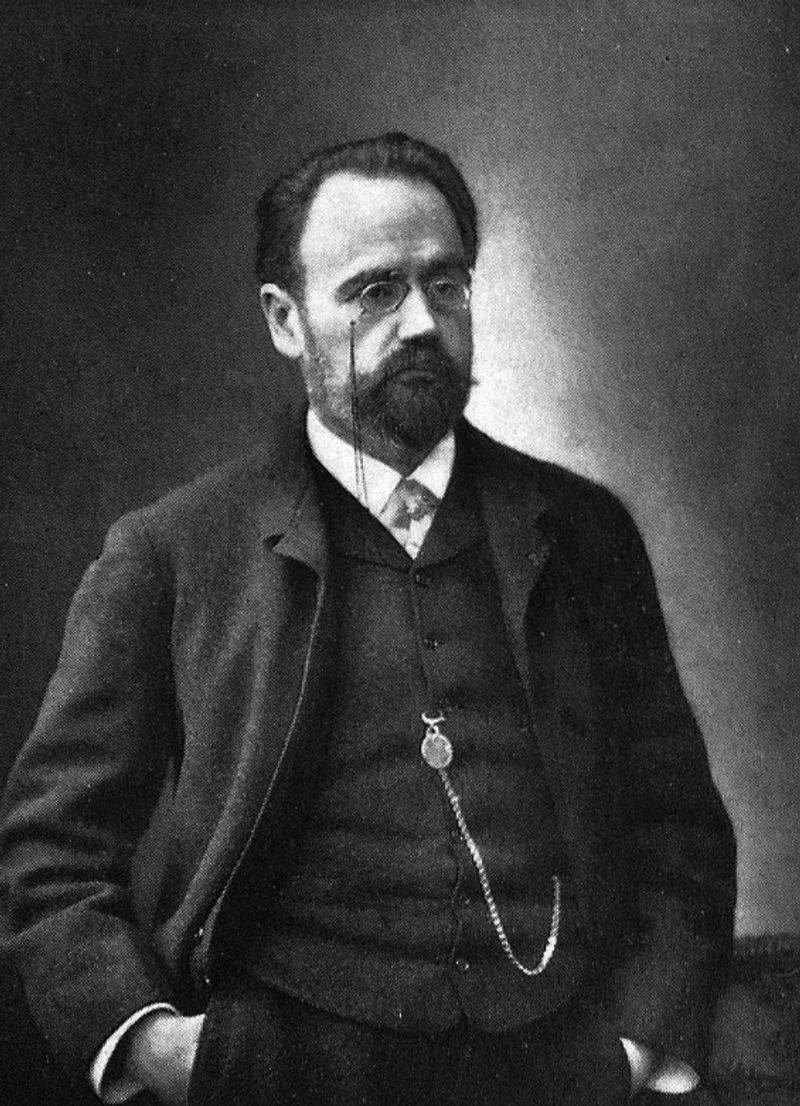
Published in 1885, this French novel about coal miners rising up against brutal working conditions still hits like a freight train today.
Muhammad Yunus recommends it as a visceral reminder of why economic justice matters so deeply.
Zola spent months researching actual mines before writing, and it shows. The descriptions of underground labor, poverty, and human desperation are raw and unforgettable.
However dark the subject matter, the novel pulses with collective energy and hope.
12. A Tale of Two Cities by Charles Dickens
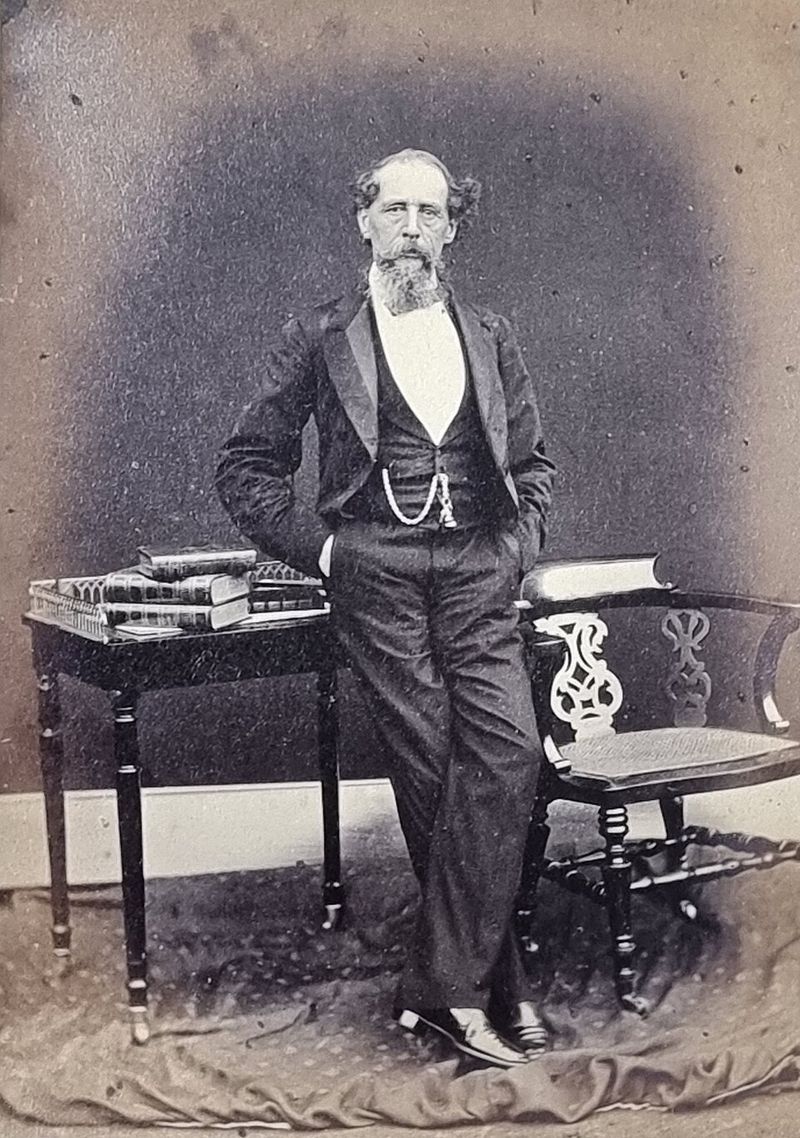
“It was the best of times, it was the worst of times.” Few opening lines in literature hit harder than that.
Muhammad Yunus recommends this Dickens classic because its portrait of inequality, sacrifice, and revolution speaks directly to the world he has spent his life trying to change.
Set during the French Revolution, the novel follows characters caught between love, loyalty, and political chaos in London and Paris.
Though written in 1859, the themes of class, justice, and human dignity feel urgently alive today.
13. Selected Short Stories by Rabindranath Tagore
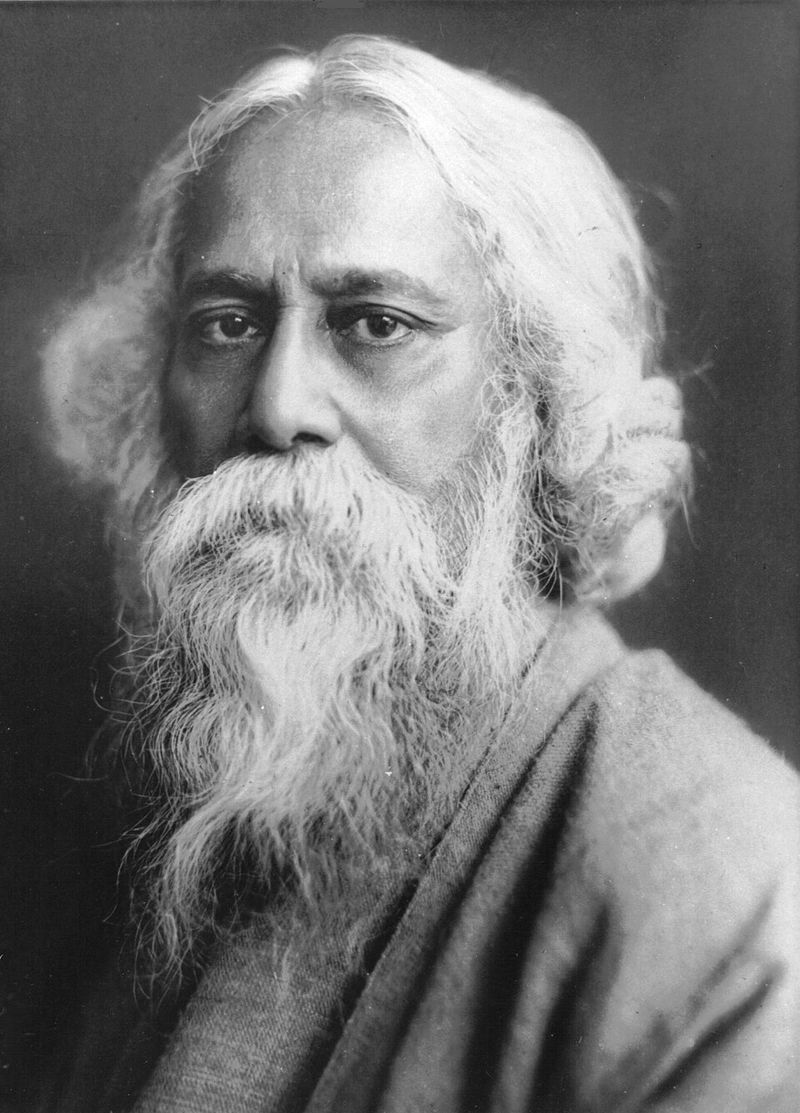
Rabindranath Tagore was the first non-European to win the Nobel Prize in Literature, back in 1913, and Muhammad Yunus grew up immersed in his storytelling tradition.
These short stories capture Bengali village life with extraordinary emotional depth and quiet brilliance.
Tagore writes about love, loss, tradition, and change with a gentleness that sneaks up on you. Each story is short but lingers long after the final sentence.
Where Western literature often shouts, Tagore whispers, and somehow that whisper carries further.
14. Top Incomes in the Long Run of History by Emmanuel Saez, Thomas Piketty, and Tony Atkinson
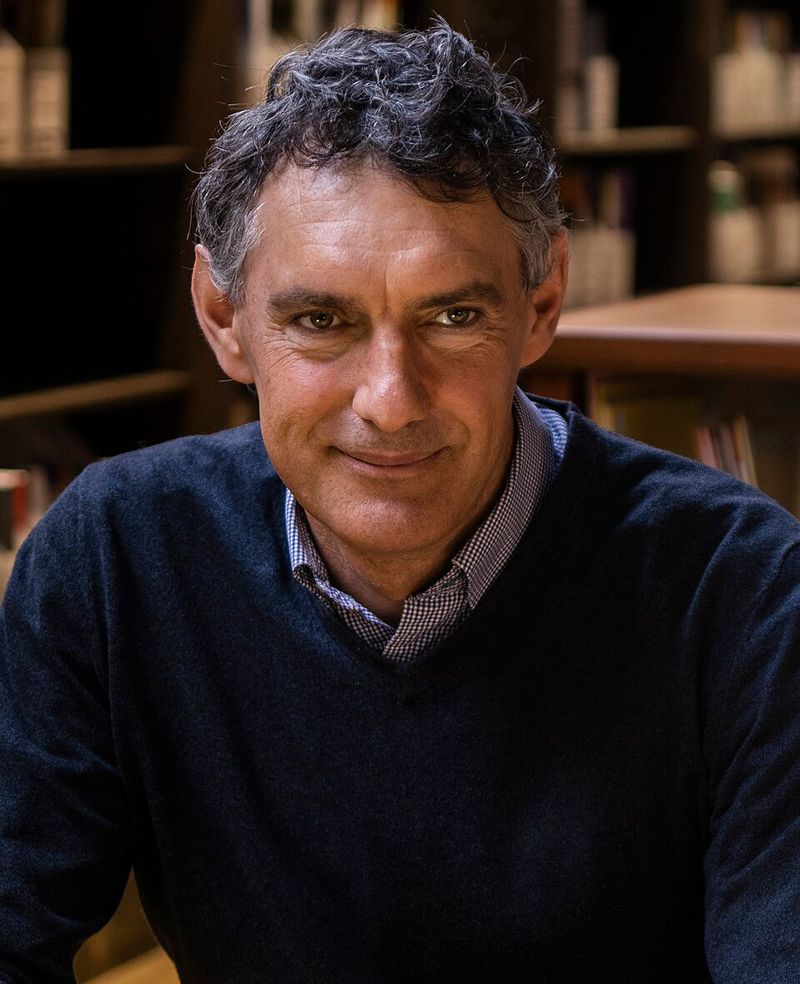
Before Thomas Piketty became globally famous with “Capital in the Twenty-First Century,” he and colleagues assembled this massive, data-rich study of income inequality across decades and countries.
Daron Acemoglu recommends it as the definitive evidence base for understanding how wealth concentrates at the top.
The findings are striking: inequality fell dramatically in the mid-20th century and has been climbing sharply ever since.
15. Why Nations Fail by Daron Acemoglu and James A. Robinson
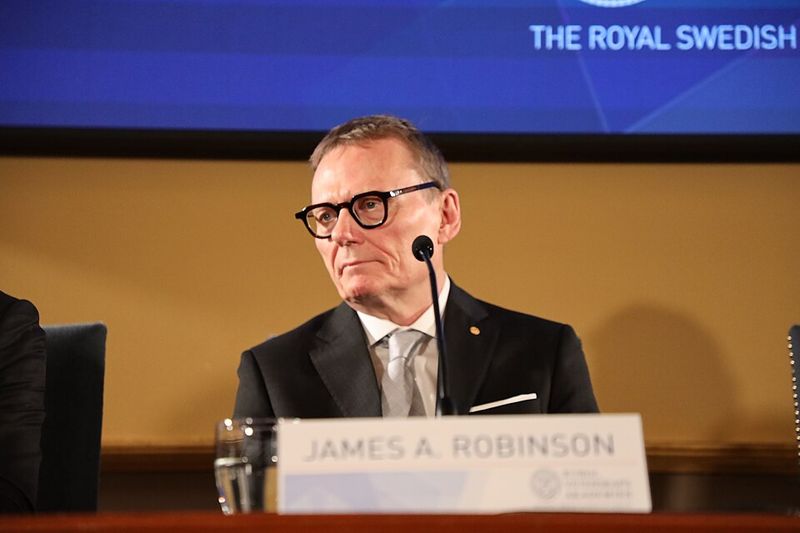
Why are some countries rich and others poor? Geography? Culture? Natural resources? Acemoglu and Robinson say no to all of those, and they have 500 pages of global history to back it up.
The real answer, they argue, is institutions, the rules and systems that govern how power and wealth are distributed.
Countries with inclusive institutions that share opportunity broadly tend to thrive. Those with extractive systems that funnel wealth to elites tend to stagnate or collapse. Acemoglu later won the Nobel Prize partly for this work.