15 Robert De Niro Films That Continue To Be Revisited
“You talkin’ to me?” still echoes decades later, and that’s just one reason Robert De Niro remains impossible to forget. Gritty crime stories, quiet psychological turns, and performances that age like classic cinema keep pulling audiences back in.
Which of these films still hits just as hard every time you revisit it?
Note: Widely available film credits, release details, and commonly reported production notes are reflected here as of the time of writing, compiled for general informational and entertainment purposes.
15. Hi, Mom! (1970) – Jon Rubin
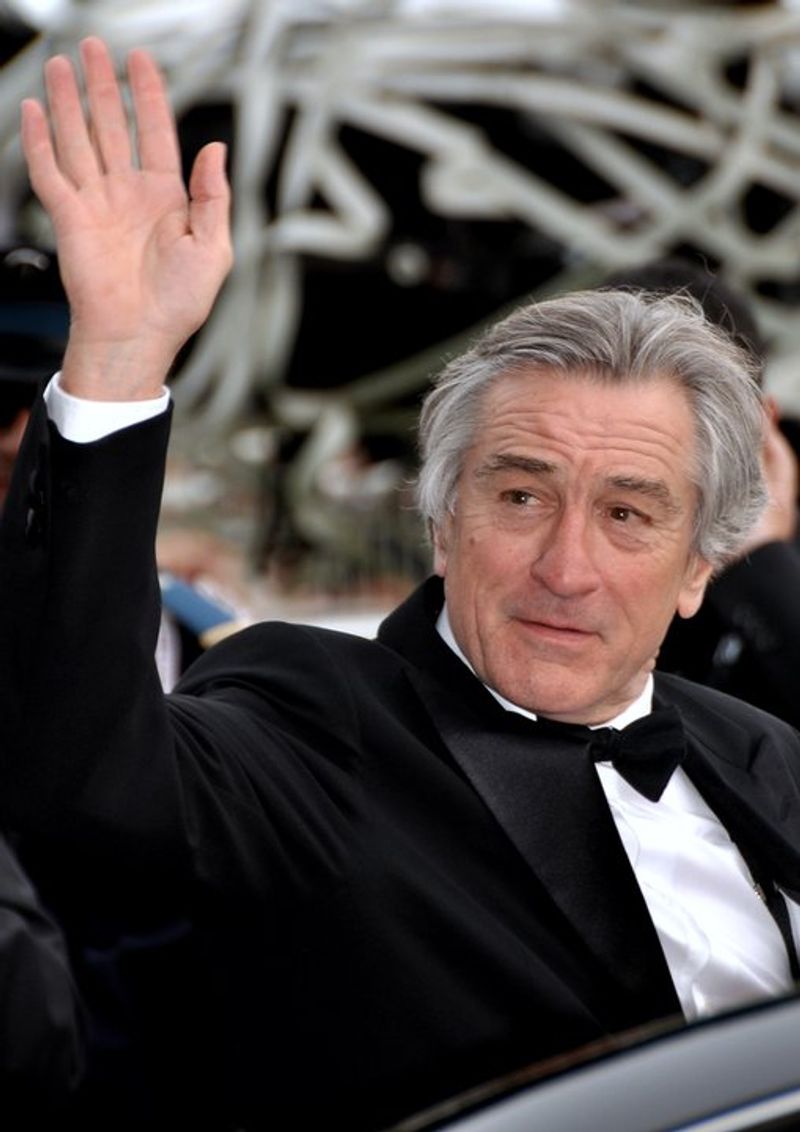
Long before the Oscar wins and red carpet appearances, De Niro played Jon Rubin in this offbeat black comedy.
Brian De Palma directed this experimental film about a Vietnam vet trying to make it as a filmmaker in New York. The movie captures the raw energy of early 1970s independent cinema.
Rubin’s misadventures feel like a time capsule of countercultural chaos. It’s De Niro before the world knew his name.
14. Bang The Drum Slowly (1973) – Bruce Pearson
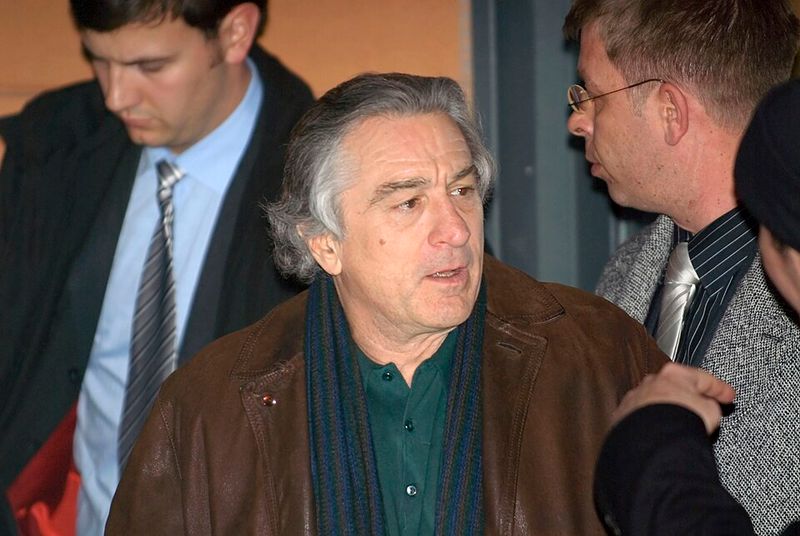
De Niro plays a dying baseball catcher in this tearjerker that still packs an emotional punch. Bruce Pearson knows his days are numbered, and his teammate tries to give him one last season of dignity.
The locker room banter feels authentic.
Watching Pearson struggle through games while hiding his illness hits harder than any fastball. It’s the kind of performance that makes you forget you’re watching someone act.
13. The Untouchables (1987) – Al Capone

Transformation into Chicago’s most notorious crime boss comes with a swagger that dominates every scene.
Portrayal of Capone balances charm and menace, shifting from lavish dinner host to ruthless enforcer in a blink.
One baseball bat scene remains one of the film’s most talked-about moments. Under Brian De Palma’s stylish direction, De Niro gets space to chew scenery like a five course meal.
12. A Bronx Tale (1993) – Lorenzo Anello
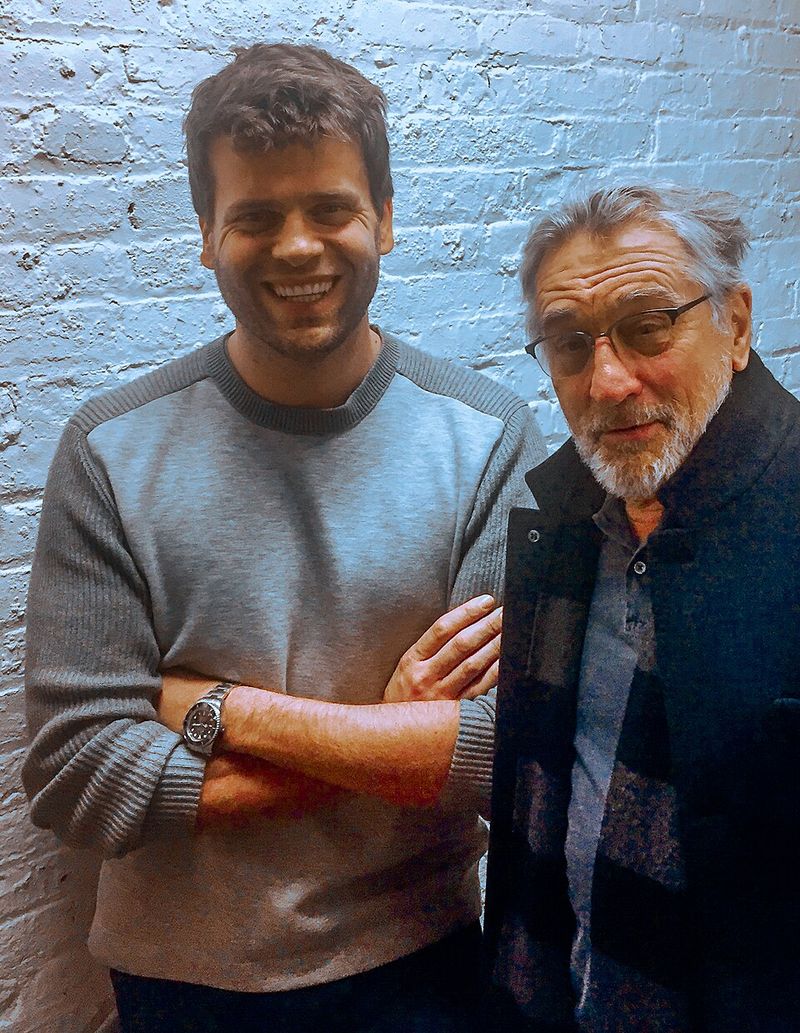
Behind the camera, De Niro makes his directorial debut and also plays Lorenzo, a hardworking bus driver trying to keep his son away from mob life.
Warmth and tension balance beautifully across the film.
Quiet strength contrasts with a flashy gangster lifestyle tempting his kid, turning it into a love letter to the Bronx and to fathers everywhere who work two jobs and still show up for dinner.
11. Cape Fear (1991) – Max Cady
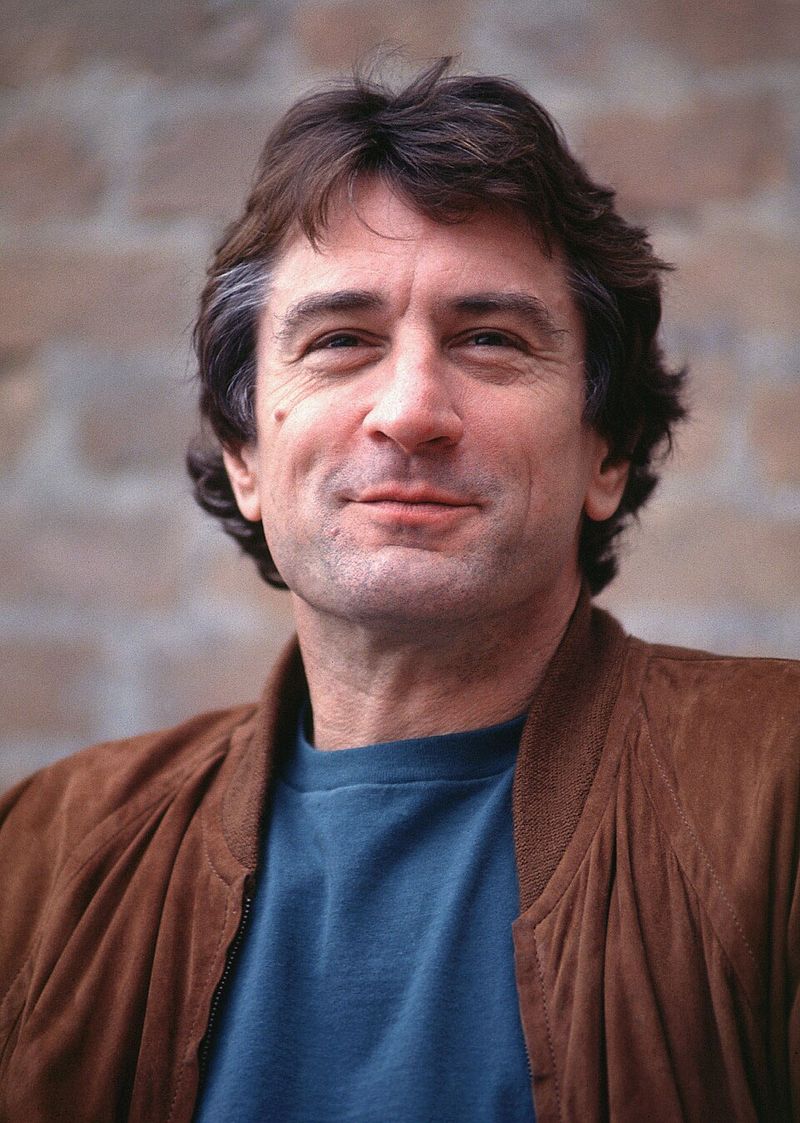
Max Cady crawls out of prison with revenge on his mind and tattoos covering his body.
De Niro’s performance is pure menace, turning a familiar thriller setup into something that lingers. The way he stalks his victims feels disturbingly real.
Martin Scorsese’s remake takes the original and cranks the intensity to eleven, with De Niro leading the charge.
10. The King Of Comedy (1982) – Rupert Pupkin
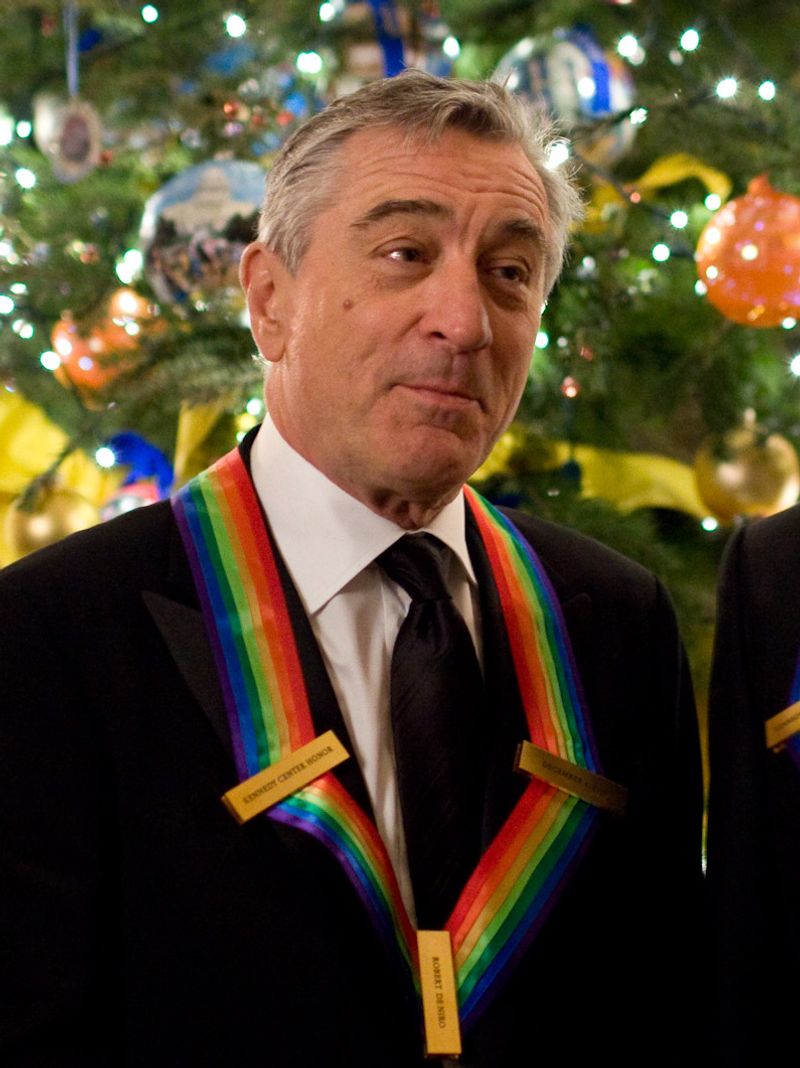
Unsettling ranks Rupert Pupkin among the most disturbing characters De Niro ever played, and that bar is already high.
Basement rehearsals for imaginary talk show appearances blur fantasy and reality until no clear line remains. Cringe levels stay sky high throughout.
Relevance hits hard when Pupkin’s desperate chase for fame mirrors today’s influencer culture. Masterclass status comes from playing pathetic without ever losing audience attention.
9. Mean Streets (1973) – Johnny Boy Civello
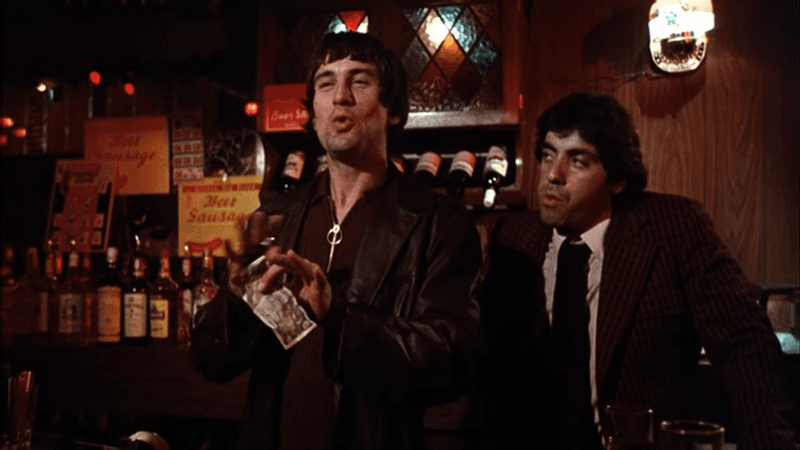
Johnny Boy bursts into Mean Streets like a firecracker with a short fuse.
De Niro plays a small-time hood who owes money to everyone and respects no one, dancing through Little Italy with reckless abandon. His chemistry with Harvey Keitel crackles with tension.
Scorsese’s breakthrough film introduced the world to De Niro’s electric energy and set the template for decades of crime cinema to come.
8. Heat (1995) – Neil McCauley

Living by a strict code means never getting attached to anything that cannot be left behind in thirty seconds.
Icy precision defines the professional thief, turning every calculated decision into something that feels like a chess move.
Legendary status still belongs to the coffee shop scene opposite Al Pacino, widely remembered as one of cinema’s greatest face offs. Within Michael Mann’s sprawling crime epic, restraint becomes power, proving dominance can come from doing less rather than more.
7. The Deer Hunter (1978) – Michael Vronsky
Michael Vronsky heads to Vietnam with his buddies from a Pennsylvania steel town, and nothing is ever the same again.
De Niro captures the transformation from confident young man to haunted survivor with devastating subtlety. The Russian roulette scenes still make viewers hold their breath decades later.
This sprawling war drama asks hard questions about friendship, trauma, and what home means when you’ve seen too much.
6. Once Upon A Time In America (1984) – David “Noodles” Aaronson
Decades roll by as Noodles watches a lifetime unfold inside Sergio Leone’s sprawling gangster epic.
Time stretches naturally while De Niro ages from a young street tough into an elderly man weighed down by betrayal and lost love. Memory-like jumps send past and present crashing together, echoing thoughts that surface during a sleepless night.
Nearly four hours drift past, yet a haunted performance makes every minute feel earned.
Operatic scale crowns Leone’s final masterpiece, placing it firmly among filmmaking at its finest.
5. The Irishman (2019) – Frank Sheeran

Frank Sheeran ‘paints houses,’ a phrase commonly explained as mob slang in the story’s source material, and De Niro plays him across five decades of organized crime.
Scorsese reunites his greatest collaborators for one last epic ride through American mob history. The digital de-aging technology lets De Niro move through time while carrying the weight of all those years.
At three and a half hours, it’s a meditation on mortality, loyalty, and the loneliness of old age.
4. Raging Bull (1980) – Jake LaMotta

Punches fly as Jake LaMotta fights like a man trying to break out of his own skin.
For later scenes, sixty pounds were added as De Niro reshaped his body to mirror the boxer’s rise and collapse. Shot in black and white, boxing sequences land like violent vintage newsreels pulled from another era.
Recognition followed when Scorsese’s biographical masterpiece earned a second Oscar and set a benchmark for method acting commitment.
Brutal yet beautiful, lasting impact explains why the film remains unforgettable.
3. Taxi Driver (1976) – Travis Bickle

Travis Bickle drives his cab through the neon-soaked streets of New York, narrating his descent into madness.
De Niro’s performance captures urban alienation and rage with terrifying precision. The mirror scene has been quoted and parodied countless times, but it still hits like a gut punch in context.
Scorsese and screenwriter Paul Schrader created a character who feels both specific to 1970s New York and timeless in his isolation.
2. Goodfellas (1990) – James “Jimmy” Conway

Knowing how to move merchandise and make problems disappear only delays paranoia, which eventually catches everyone in the mob.
Smooth charm defines the veteran gangster, masking a ruthless pragmatism that surfaces when pressure rises. Electric chemistry sparks in scenes opposite Ray Liotta and Joe Pesci, capturing performers operating at the top of their game.
Like a freight train, Scorsese’s masterpiece barrels through three decades of organized crime.
1. The Godfather Part II (1974) – Young Vito Corleone

De Niro steps into Marlon Brando’s shoes and makes the role completely his own.
Young Vito Corleone arrives in New York with nothing and builds an empire through quiet intelligence and strategic violence. De Niro learned to speak Sicilian for the role, adding authenticity to every line.
His performance earned him an Oscar for Best Supporting Actor and proved he could inhabit one of cinema’s most iconic characters without imitation.