
20 Rock Band Feuds That Kept The Tour Bus Awkward
Rock and roll history sounds loud on stage, but backstage often felt like a family road trip five minutes before someone says, “Turn this car around.”
Bands played love-and-unity anthems at night, then argued over setlists, sandwiches, or eye contact by morning.
Some feuds spilled past words, proving tour life could get messy fast. Afterward came the real classic moment: total silence on the tour bus, people keeping to themselves, letting management handle the awkward logistics.
Note: Historical accounts of band dynamics often come from biographies, interviews, and retrospective reporting, and details can vary by source or be shaped by personal perspective over time. Content is provided for general informational and entertainment purposes and is not legal, financial, or professional advice.
1. Oasis – Liam Gallagher Vs Noel Gallagher
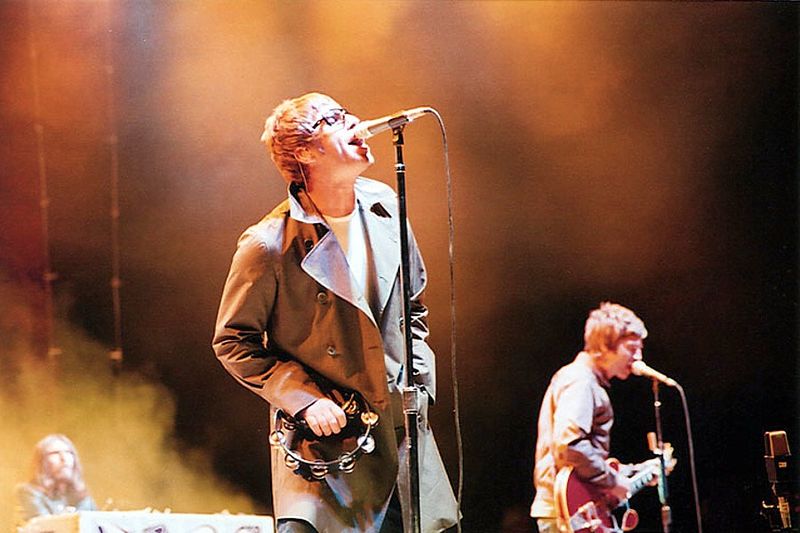
Sibling rivalry reached Olympic levels once the Gallagher brothers took the stage together. Arguments between Liam and Noel covered everything from guitar solos to who deserved the bigger hotel room.
Shouting matches became nearly as legendary as the songs themselves. The breaking point arrived in 2009 after a backstage blowup in Paris, and Noel quit soon after.
Oasis officially split in 2009, public comments since then have kept the sibling-friction storyline alive.
2. Pink Floyd – Roger Waters Vs David Gilmour
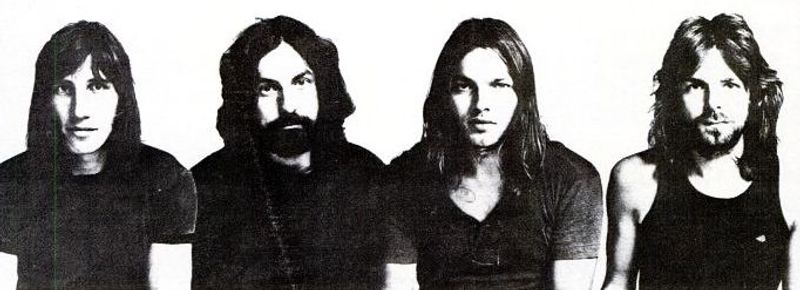
Creative control over Pink Floyd’s vision and sound became Roger Waters’ priority, while David Gilmour pushed for collaboration and creative breathing room.
Recording sessions slowly transformed into quiet cold wars shaped by artistic disagreement.
Departure followed as Waters left the band and a legal dispute over the Pink Floyd name followed his departure. Touring continued under Gilmour’s leadership regardless, with legal costs stacking up like unsold concert T-shirts.
3. Fleetwood Mac – Stevie Nicks Vs Lindsey Buckingham
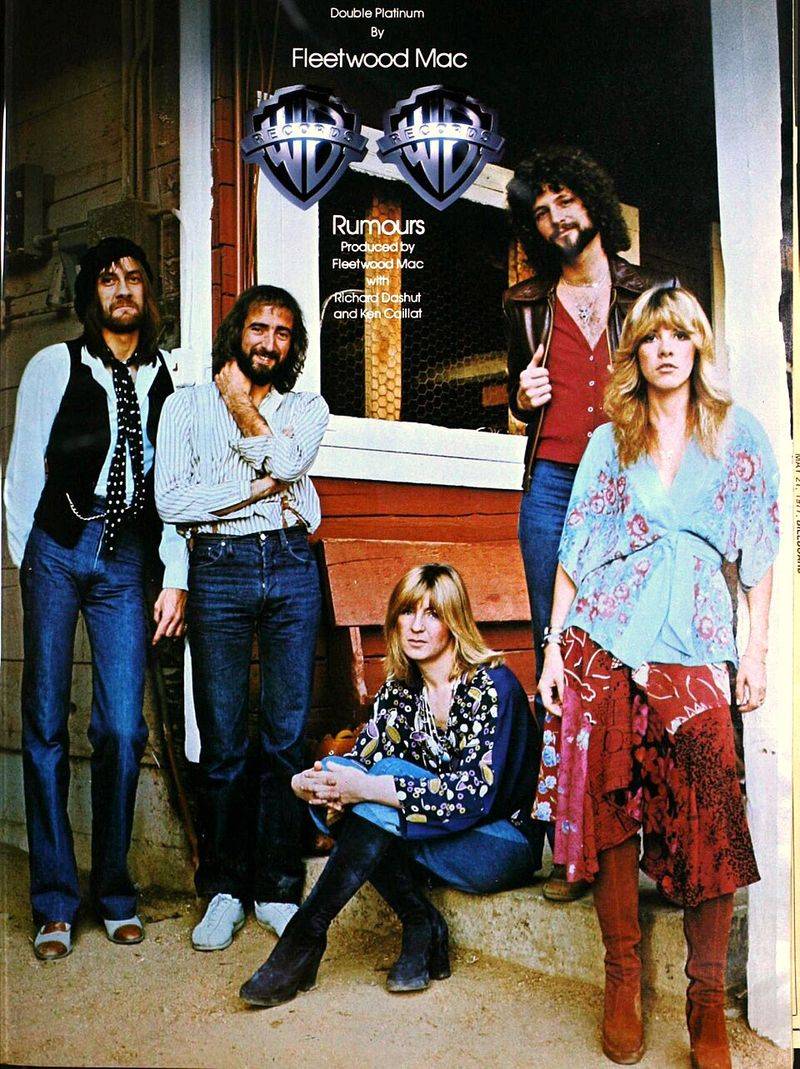
Dating your bandmate sounds romantic until the breakup happens. Then you still have to share a tour bus for months.
Stevie Nicks and Lindsey Buckingham wrote some of their best songs about hating each other. Their onstage chemistry masked offstage tension that’s been described as intense in band lore and interviews.
The album Rumours became a diary of their dysfunction.
4. Guns N’ Roses – Axl Rose Vs Slash
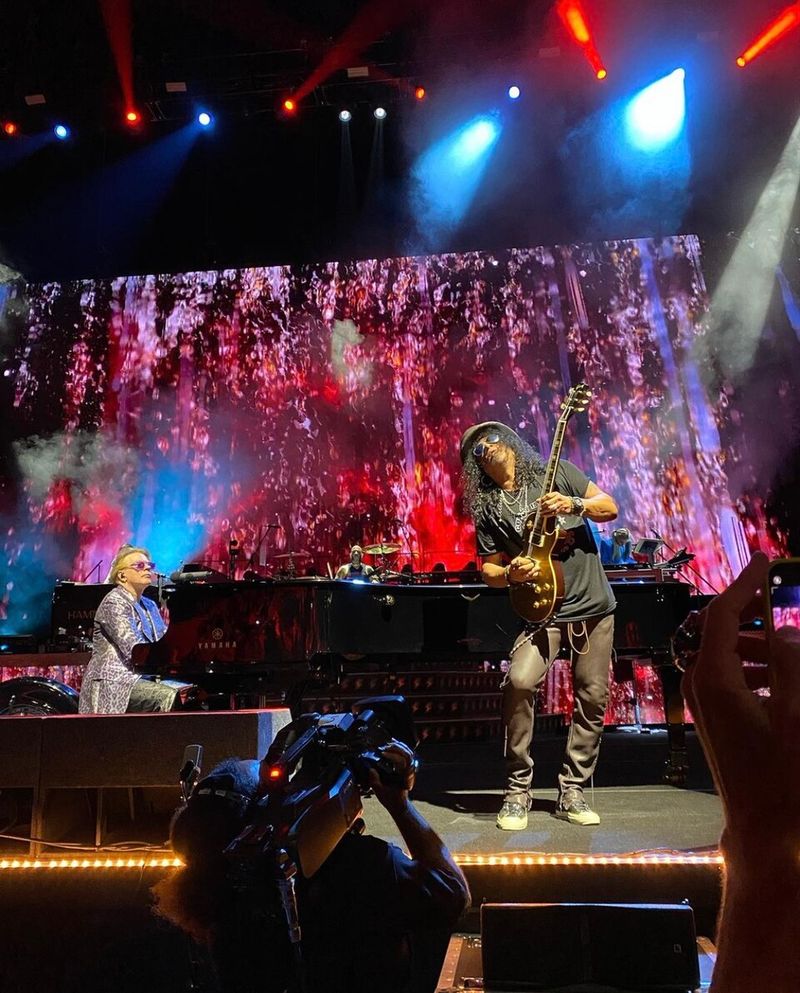
Axl Rose’s punctuality became a frequent talking point in the band’s public narrative.
Punctuality mattered deeply to Slash, whose frustration grew with every passing minute.
Disputes over timing, creative control, and nearly everything else eventually pulled Guns N’ Roses apart in the mid-1990s. Public distance stretched for years before the 2016 reunion.
Reunion in 2016 likely required patience, negotiation, and a great deal of legal paperwork.
5. Van Halen – David Lee Roth Vs Eddie Van Halen
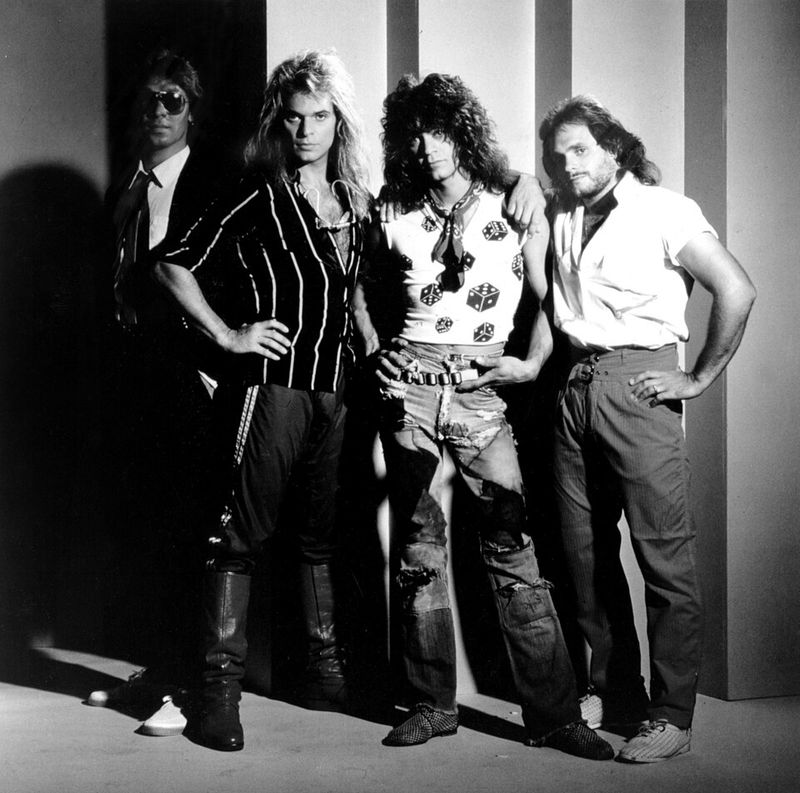
Spotlight, fame, and larger-than-life attention fueled David Lee Roth’s vision for the band.
Respect for groundbreaking guitar work and creative ambition mattered most to Eddie Van Halen.
Clashing egos turned tensions into chaos reminiscent of bumper cars at a county fair, leading to Roth’s departure by 1985. Sammy Hagar joined soon after, sparking fresh conflicts as Van Halen entered an era defined by constant drama and shifting lineups.
6. Eagles – Don Felder Vs The Henley/Frey Camp
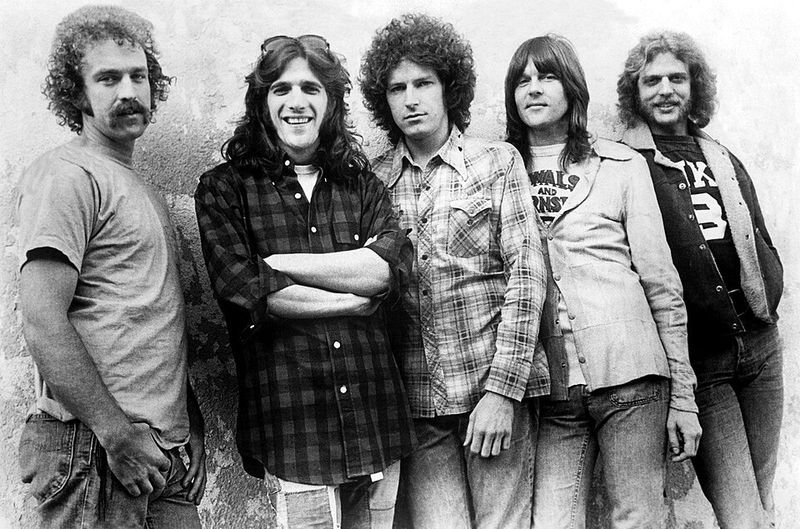
Don Felder wrote some of the Eagles’ biggest riffs but never got the respect he craved. Don Henley and Glenn Frey ran the band like a corporation, and Felder felt like an underpaid employee.
Money arguments turned into shouting matches.
Tension between Felder and Frey peaked during their touring years in the late 1970s and early 1980s, with reports of near-physical altercations during a 1980 show. The band broke up shortly after, and Felder was eventually fired when they reunited.
7. The Smiths – Morrissey Vs Johnny Marr
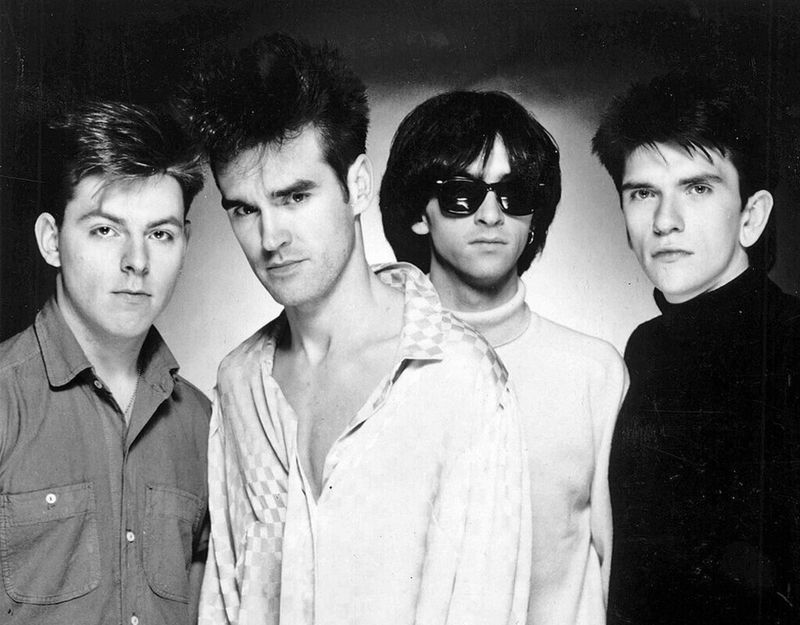
Morrissey and Johnny Marr created beautiful, melancholy music together.
Then Marr got tired of Morrissey’s moods, demands, and drama.
By 1987, Marr felt trapped in a creative relationship that had turned suffocating, so he quit without much warning. Morrissey took it personally, and the two barely spoke for decades.
Reunion rumors pop up every few years, but Marr always says no.
8. The Police – Sting Vs Stewart Copeland
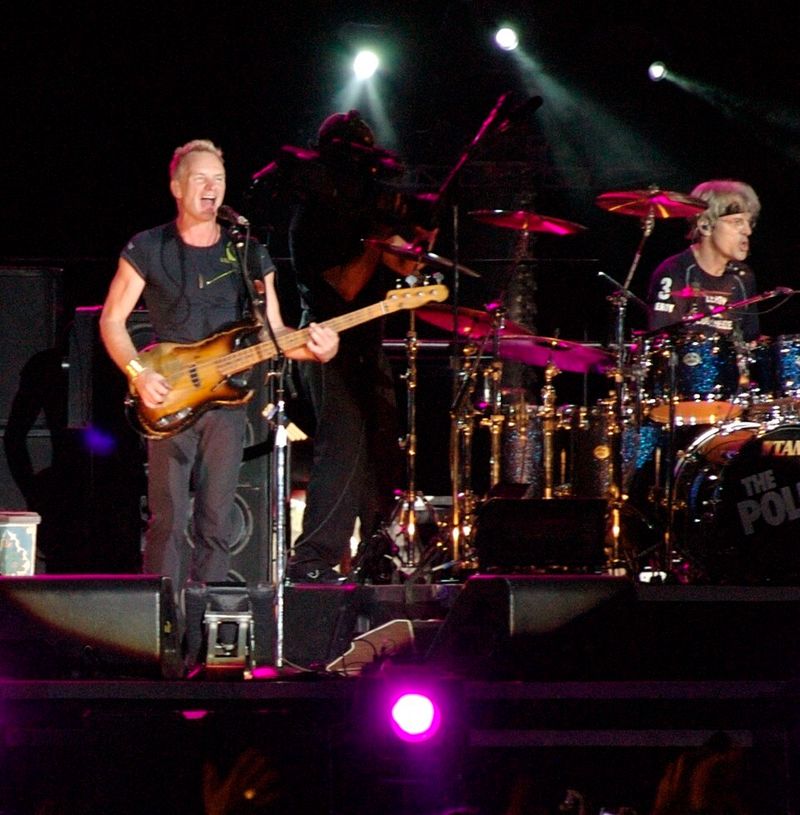
Creative disagreements between Sting and Stewart Copeland extended from musical tempo to breakfast toast. Accounts of their clashes describe arguments that sometimes got heated beyond words.
Sting’s desire for control collided with Copeland’s equally strong opinions, turning recording sessions into battlegrounds.
Breakup arrived in 1986, yet even the 2007 reunion tour carried backstage tension thick enough to slice with a drumstick.
9. The Kinks – Ray Davies Vs Dave Davies
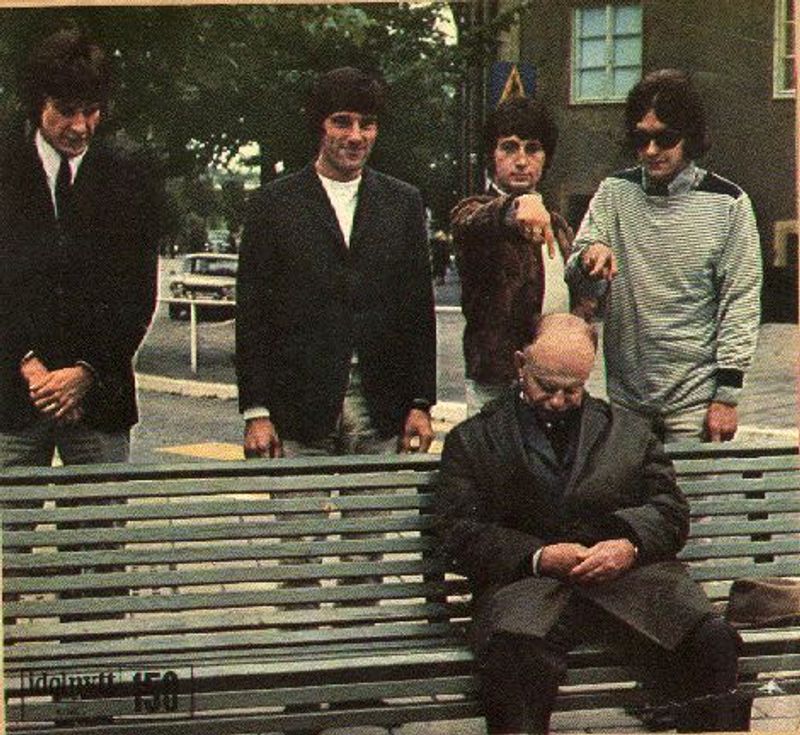
Sibling rivalry fueled constant tension between Ray and Dave Davies, whose disagreements carried the intensity only brothers can bring.
Legend followed a 1965 onstage fight that ended with Dave struck by a hi-hat stand and requiring medical attention, according to widely repeated band history accounts. Open conflict faded with time, yet resentment continued to simmer beneath the surface.
Control over the band’s direction rested largely with Ray, leaving Dave feeling overlooked and undervalued.
Decades later, agreement remains elusive, even when conversations turn toward possible reunion plans.
10. The Black Crowes – Chris Robinson Vs Rich Robinson
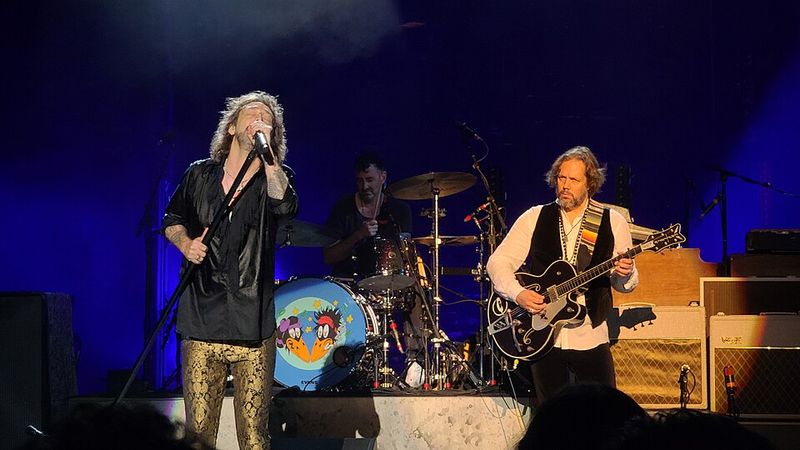
Swagger and confidence defined Chris Robinson’s presence behind the microphone.
Precision and quiet intensity shaped Rich Robinson’s guitar work.
Years of disputes over money, credit, and creative control strained the Robinson brothers’ partnership in the Black Crowes.
Tension grew increasingly personal that the band split in 2015, with both brothers publicly placing blame on the other. Lawyers ended up getting plenty of work out of the situation.
11. The Beach Boys – Brian Wilson Vs Mike Love
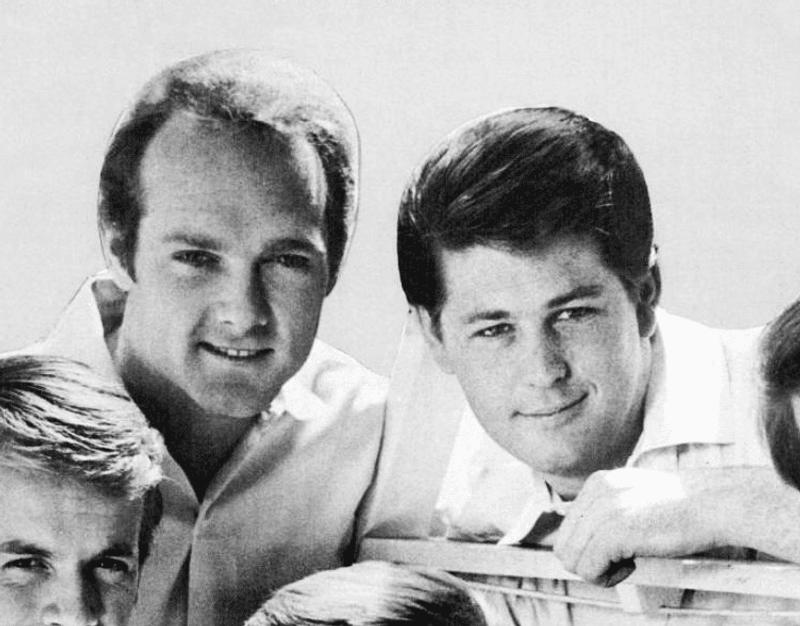
Lush, experimental soundscapes defined Brian Wilson’s vision as he pushed musical boundaries further with each project. Simple, catchy songs about surfing and cars reflected Mike Love’s preference for direct commercial appeal.
Creative disagreements transformed the Beach Boys into an ongoing battleground behind the scenes.
Ambitious ideas struck Love as overly strange, while Wilson grew frustrated with instincts focused mainly on commercial success. Lawsuits over song credits and royalties lingered for decades, turning a childhood friendship into a prolonged legal conflict.
12. Metallica – Dave Mustaine Vs Metallica
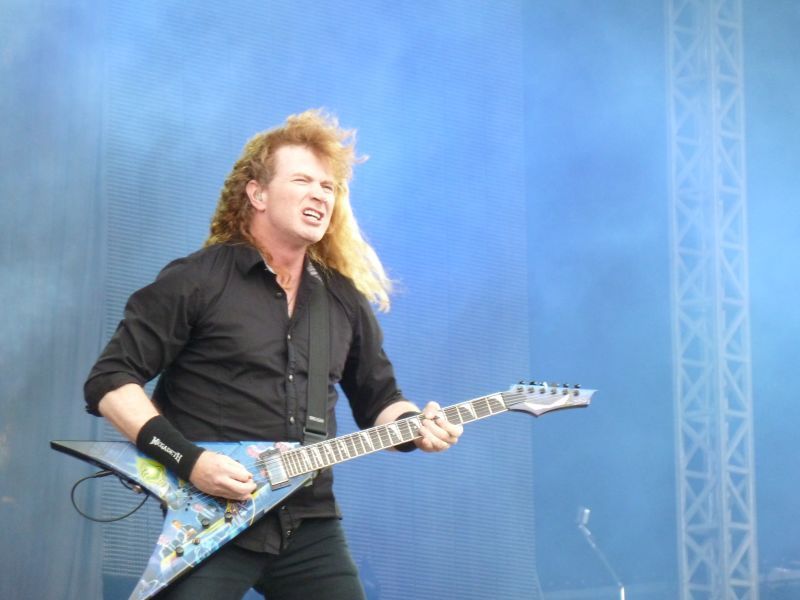
Dave Mustaine left the band in 1983 after serious internal conflict. He never got over it.
Mustaine formed Megadeth and spent years returning to the topic in interviews and lyrics. He accused Metallica of stealing his riffs, his ideas, and his glory.
Even after partial reconciliation, the topic still resurfaces whenever early-history questions come up.
13. Creedence Clearwater Revival – John Fogerty Vs The Rest Of CCR
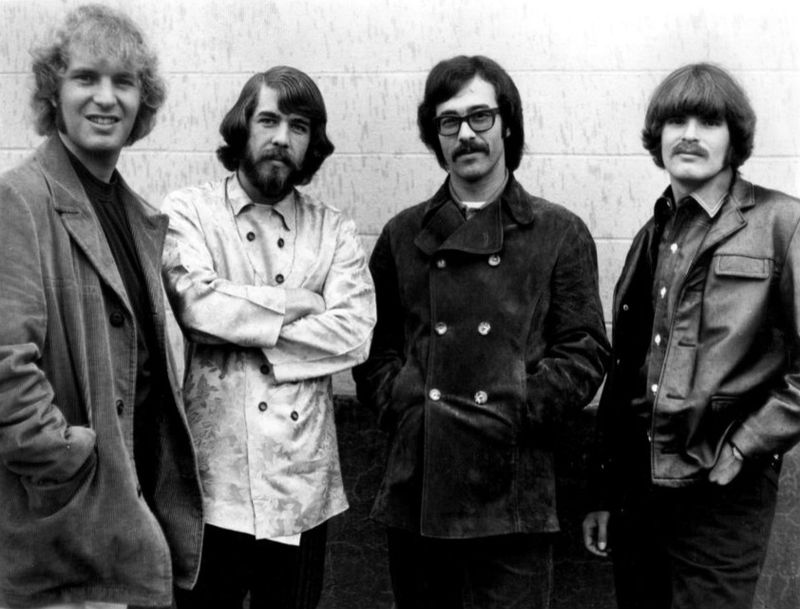
Hit songwriting, lead vocals, and major creative decisions all flowed through John Fogerty’s leadership.
Other members of Creedence Clearwater Revival began to feel more like backing musicians than equal partners in the band. Growing resentment pushed the group to demand equal opportunities for songwriting contributions.
An album born from that compromise failed to connect, and CCR dissolved in 1972. Years of legal disputes followed, leading Fogerty to avoid performing his own songs for a long stretch of time.
14. The Who – Roger Daltrey Vs Pete Townshend
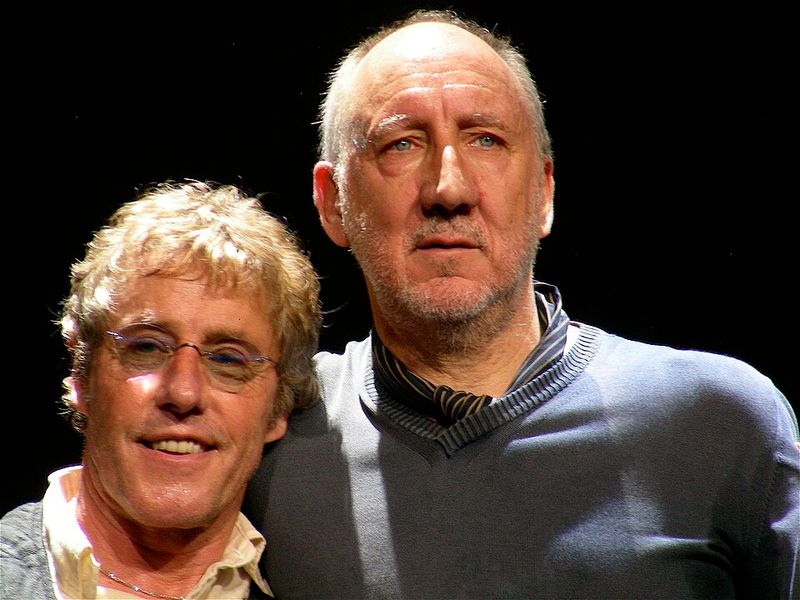
Microphone swings like a lasso and raw vocal power defined Roger Daltrey’s commanding stage presence. Songwriting ambition and guitar-smashing intensity reflected Pete Townshend’s artistic drive.
Clashing personalities kept The Who balanced on a constant edge for decades.
Stories from their recording years describe at least one confrontation that escalated beyond words.
Touring continued regardless, sustained by a shared belief that the music mattered more than lingering irritation.
15. Sex Pistols – John Lydon Vs The Band’s Orbit
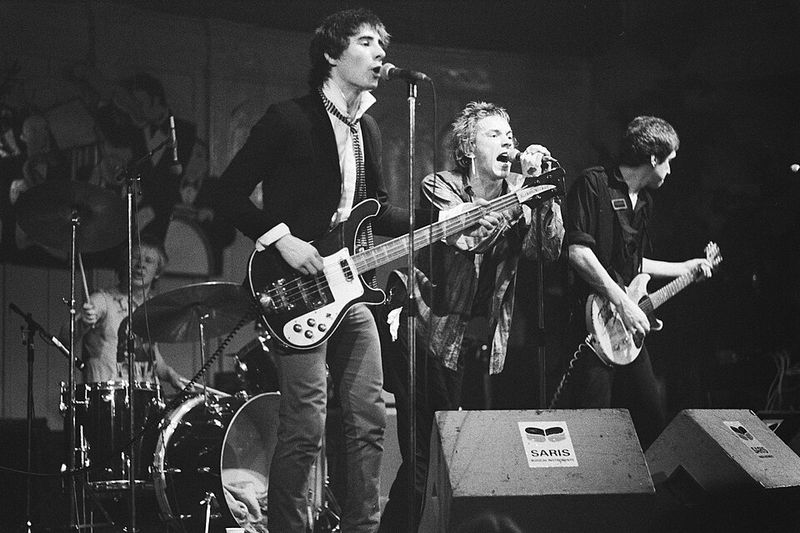
Fierce resentment defined John Lydon’s relationship with Sex Pistols manager Malcolm McLaren.
Feelings of manipulation and exploitation left him convinced he was feeling used in a publicity-driven machine.
Other band members often found themselves trapped between Lydon’s anger and McLaren’s elaborate schemes. Collapse arrived in 1978, followed by years of legal battles over money and control.
16. The Clash – Joe Strummer Vs Mick Jones
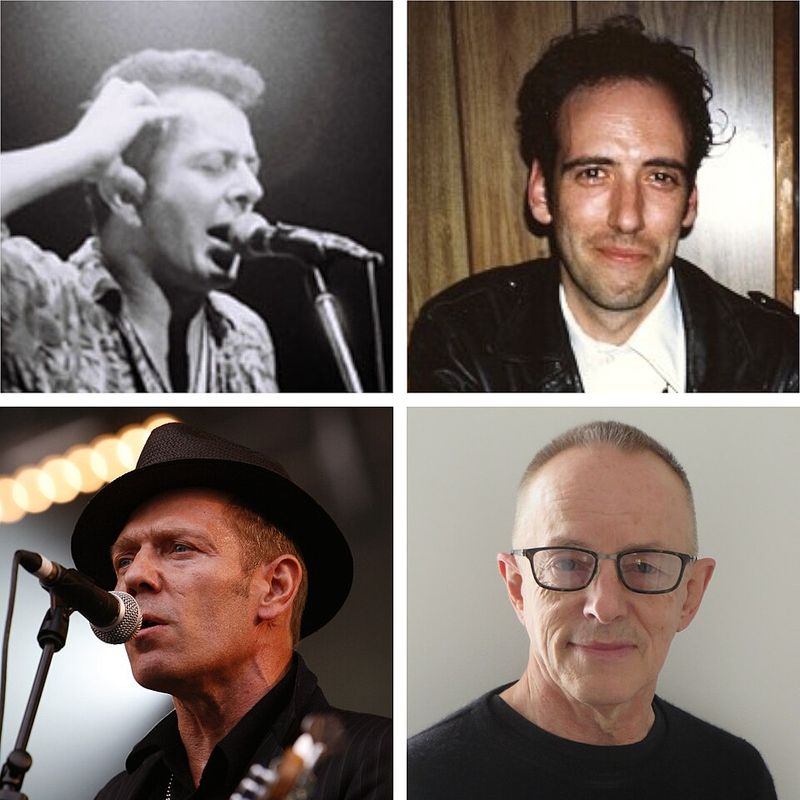
Raw energy, political urgency, and punk authenticity defined Joe Strummer’s vision for The Clash.
Experimentation with new sounds and evolving production techniques reflected Mick Jones’s creative ambitions.
Creative disagreements slowly hardened into personal resentment, leading to Jones being fired in 1983 from the band he helped build. Regret followed as Strummer later admitted the decision haunted him, yet by that point The Clash had already reached its end.
17. Talking Heads – David Byrne Vs The Band
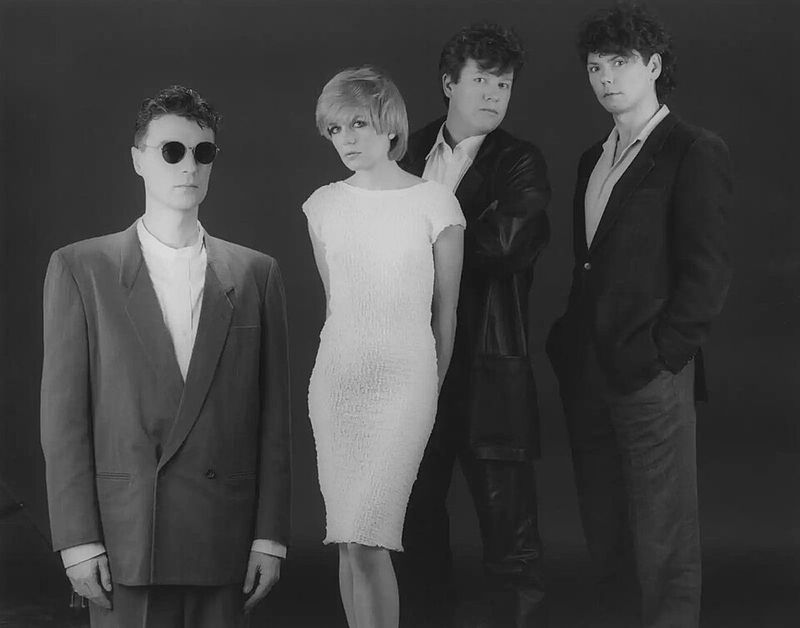
At the same time, David Byrne’s leadership style started to cause a lot of conflict inside the group. He controlled every detail, dismissed his bandmates’ ideas, and took most of the credit.
The other members felt invisible and undervalued.
By 1991, the band dissolved, and Byrne refused to reunite for years. The others publicly criticized his ego, and Byrne shrugged it off while pursuing solo projects.
18. Pixies – Black Francis Vs Kim Deal
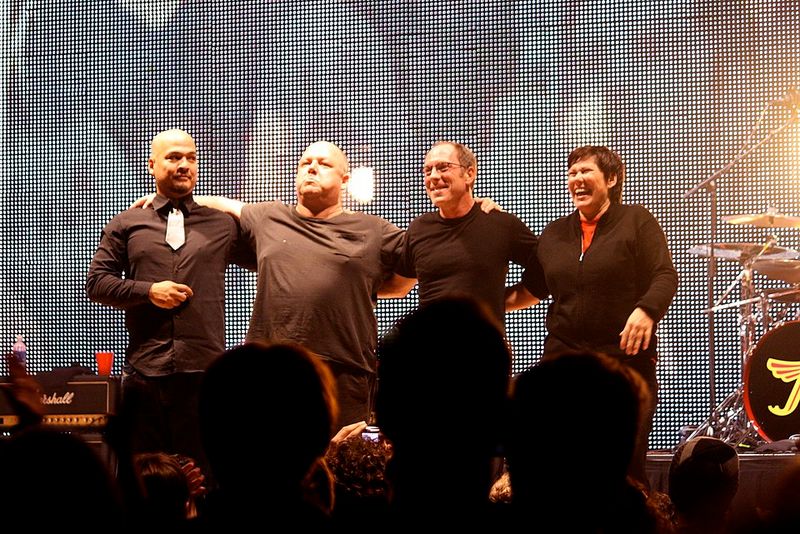
Firm leadership and a commanding presence defined Black Francis’s role at the front of the Pixies.
Greater creative input and recognition for her musical contributions became Kim Deal’s central demand. Clashing egos and persistent communication breakdowns eventually pushed the band toward a split in 1993.
Reunion shows beginning in 2004 masked tensions that continued simmering beneath the surface, leading Deal to leave again in 2013 after growing tired of feeling like a sidekick.
19. Smashing Pumpkins – Billy Corgan Vs D’arcy Wretzky
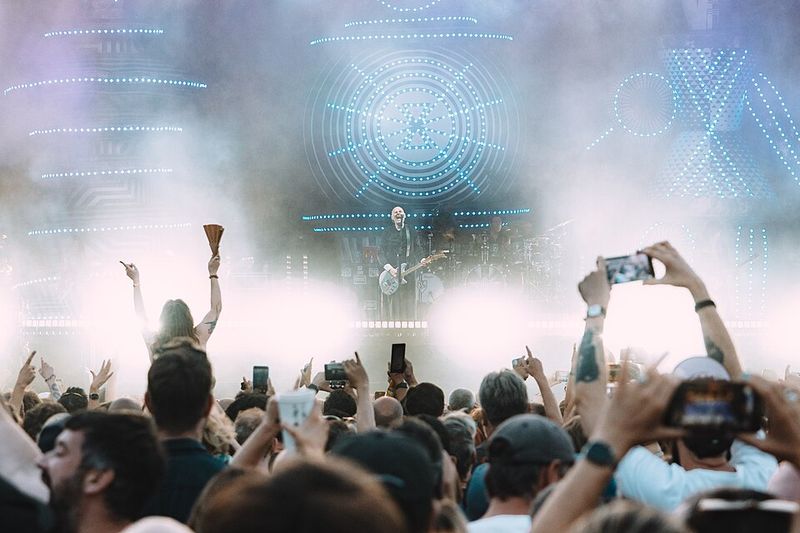
Billy Corgan led the band in a highly controlled way, at least in the way many accounts describe it.
D’arcy Wretzky played bass and quietly resented his controlling behavior for years. Their relationship deteriorated as the band’s success grew, and by 1999, Wretzky was out.
Decades later, Corgan excluded her from reunion plans, and Wretzky responded with angry public statements that made fans pick sides.
20. Guns N’ Roses – The Long On/Off Détente Years
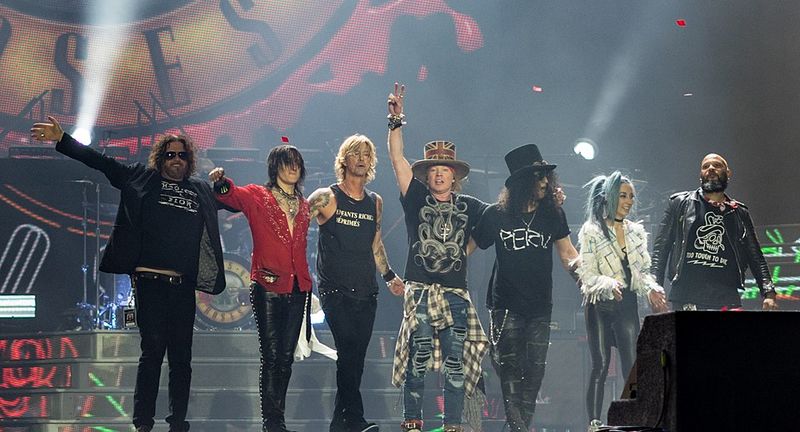
After years of silence, Guns N’ Roses reunited in 2016 for a massive tour.
Fans cheered, and the public storyline emphasized professionalism and focus. Axl, Slash, and Duff McKagan played together again, but old wounds never fully healed.
Every interview avoided certain topics, and backstage interactions stayed polite but distant. Old history meant the reunion still carried a careful, businesslike tone.



_002.jpg)

.jpg)

_(Brian_and_Mike).png)


.jpg)


.jpg)


.jpg)