13 Rock Bands Whose Sound Is Deeply Rooted In American Culture
Electric guitars have always carried more than melody in America, turning riffs into reflections of the country’s mood, movement, and identity.
Some bands bottled the feeling of a specific place and time, channeling everything from wide-open highways and coastal freedom to city grit and restless ambition.
Rooted in American life and shaped by its contradictions, these rock groups didn’t just entertain, they helped define rock and roll as a uniquely national heartbeat.
Note: This music feature highlights cultural influence and stylistic impact, which can be interpreted differently by listeners, historians, and critics.
Dates, credits, and historical details are presented for general information, and readers may wish to consult official releases, liner notes, or archival references for deeper research.
13. The Beach Boys
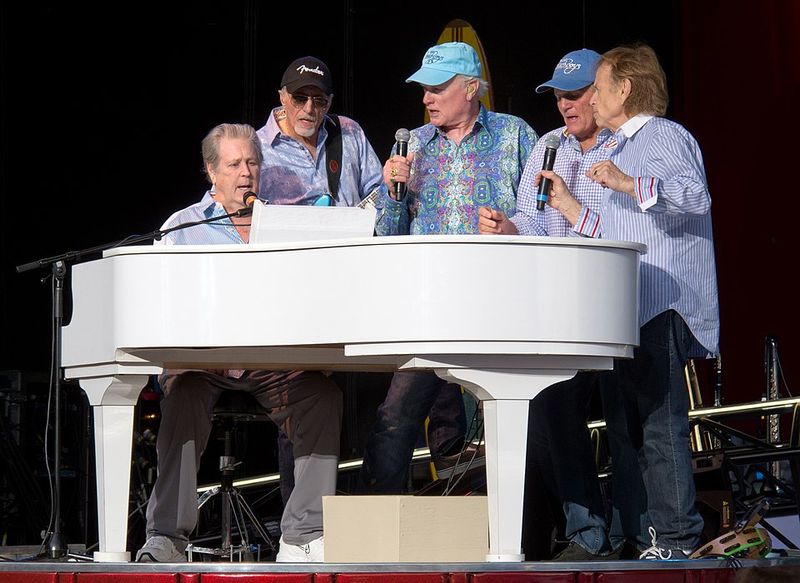
California sunshine practically pours out of every song this legendary group ever recorded.
Formed in Hawthorne, California, in 1961, Brian, Dennis, and Carl Wilson joined cousin Mike Love and friend Al Jardine to craft harmonies that made everyone want to grab a surfboard and head to the ocean.
Their blend of doo-wop vocals and surf guitar created an instantly recognizable sound.
Songs like “Surfin’ U.S.A.” and “Good Vibrations” captured carefree beach days perfectly.
Maybe that’s why their music still feels like summer vacation, no matter what season you’re listening in.
12. Creedence Clearwater Revival

Swamp rock wouldn’t exist without this California band that somehow sounded more Southern than most actual Southern groups.
Between 1968 and 1972, they churned out hit after hit with a raw, roots-rock energy that felt authentic and unpretentious.
John Fogerty’s raspy voice and storytelling lyrics painted pictures of bayous, river boats, and working-class struggles.
Tracks like “Fortunate Son” became anthems of their era.
Their music connects directly to American folk traditions while keeping that electric edge sharp.
11. Grateful Dead
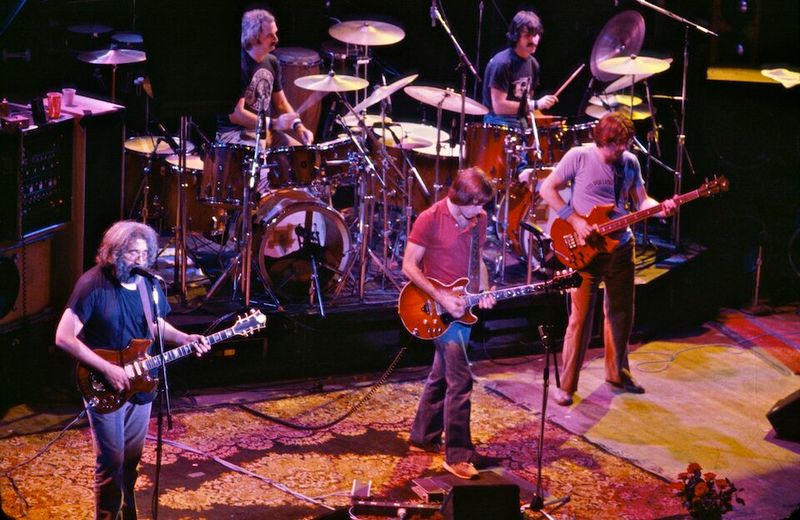
Hardly any ensembles encapsulated a cultural shift as thoroughly as these Bay Area psychedelic visionaries.
Starting in 1965, the group fused elements of blues, folk, and jazz into lengthy, spontaneous jams that functioned more like spiritual gatherings than standard concerts.
Devoted followers, known as Deadheads, trekked across the country in their wake to build a mobile society rooted in peace and alternative living.
Today, their impact endures through a vast archive of concert tapes and a steadfast commitment to artistic liberty.
10. Bruce Springsteen And The E Street Band
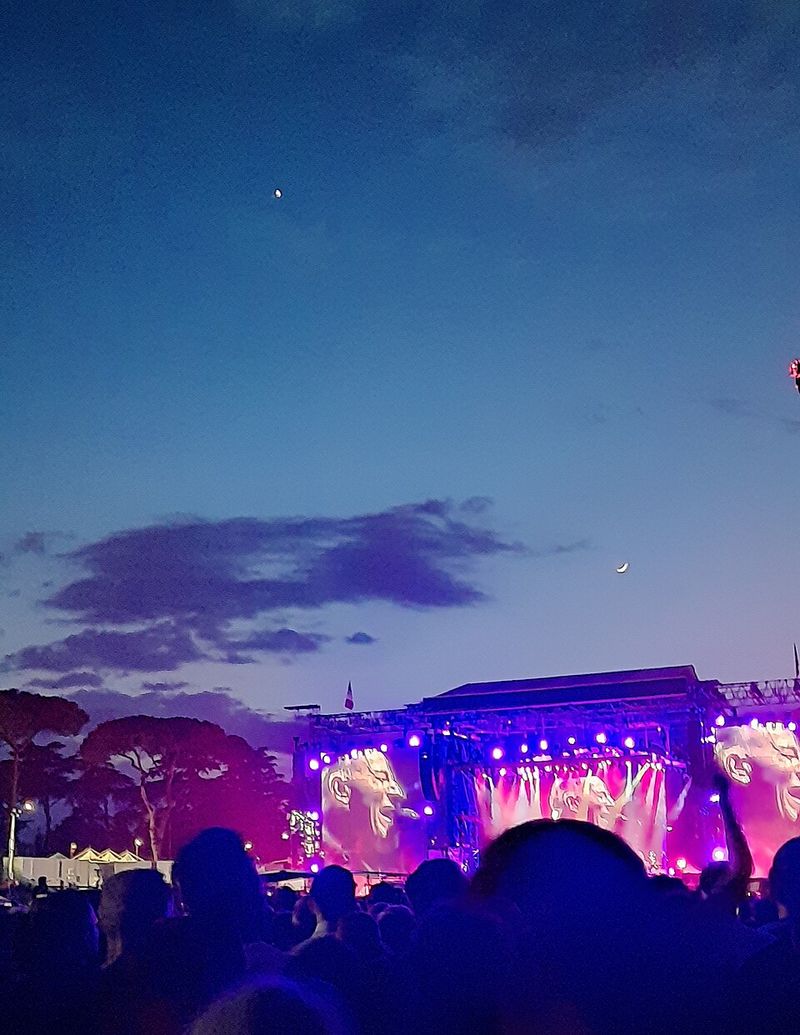
Working-class America found its poet laureate in a kid from New Jersey with a gift for storytelling.
Since the early 1970s, Springsteen and his tight-knit band have chronicled the hopes and heartbreaks of everyday people trying to make it.
His marathon concerts became legendary for their energy and emotional connection with audiences.
Albums like “Born to Run” captured the restless spirit of American youth.
Honestly, his music feels like a conversation with an old friend who really gets it.
9. The Allman Brothers Band
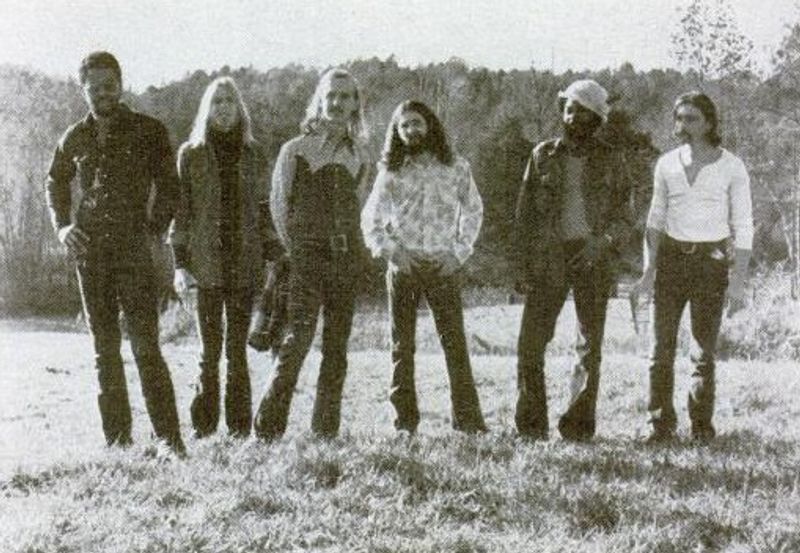
Southern rock reached its artistic peak when these Georgia musicians blended blues, jazz, and country into something transcendent.
Their dual lead guitar approach and extended instrumental passages created a sound both sophisticated and deeply rooted in regional traditions.
Formed in 1969, they brought Southern music to national prominence with authenticity and serious musical chops.
“Ramblin’ Man” became their signature hit, but their live album captured their true spirit.
Their influence on American rock remains massive decades later.
8. Lynyrd Skynyrd
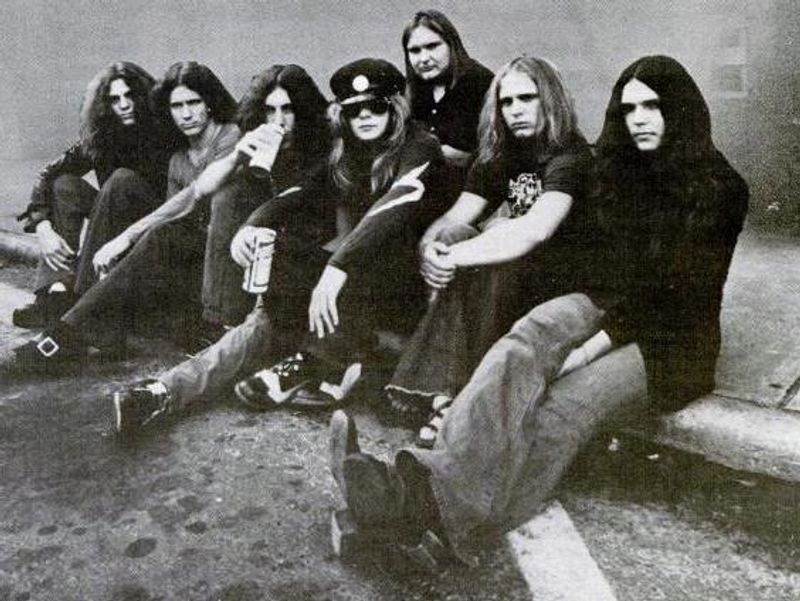
Hardly any melodies evoke Southern pride as instantly as the opening guitar chords of “Sweet Home Alabama.
Jacksonville’s finest exports carried Southern rock into massive arenas, utilizing a fierce triple-guitar assault to celebrate their heritage without apology.
Tragic circumstances claimed members of the band in the October 20, 1977 plane crash in Mississippi, yet the group’s sonic legacy refused to fade away.
Even now, these gritty anthems provide the quintessential backdrop for anyone driving across the heart of the American South.
7. The Doors

Los Angeles darkness and mysticism found its voice through Jim Morrison’s poetic intensity and Ray Manzarek’s swirling keyboards.
Without a permanent bassist, they leaned on Ray Manzarek’s keyboard bass in live settings and used session bassists on some recordings, creating a sound that felt both sophisticated and dangerous.
Formed in 1965, they captured the edgier side of the psychedelic era with literary references and bluesy undertones.
“Light My Fire” became a massive hit, but deeper cuts revealed their artistic ambitions.
Their music explored American mythology through a lens both ancient and modern.
6. Eagles
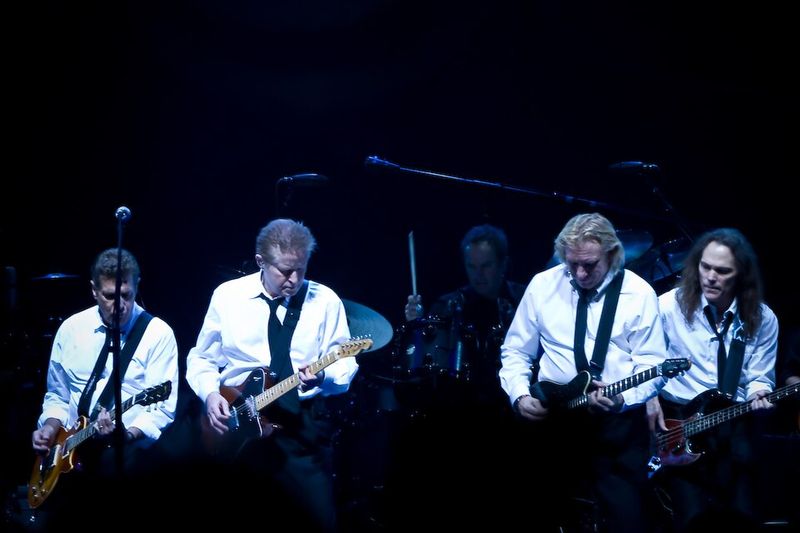
Golden State musicians perfected the fusion of country and rock, refining their vocal blends until they shimmered like a desert horizon.
Emerging from Los Angeles in 1971, the group composed intricate narratives exploring romance, heartbreak, and the shadows lurking behind national myths.
Meticulous studio precision allowed them to establish a high-water mark for melodic layering and instrumental clarity.
“Hotel California” remains a monumental achievement that captures the friction between high-society glamour and the decay of the seventies’ counterculture.
5. Ramones
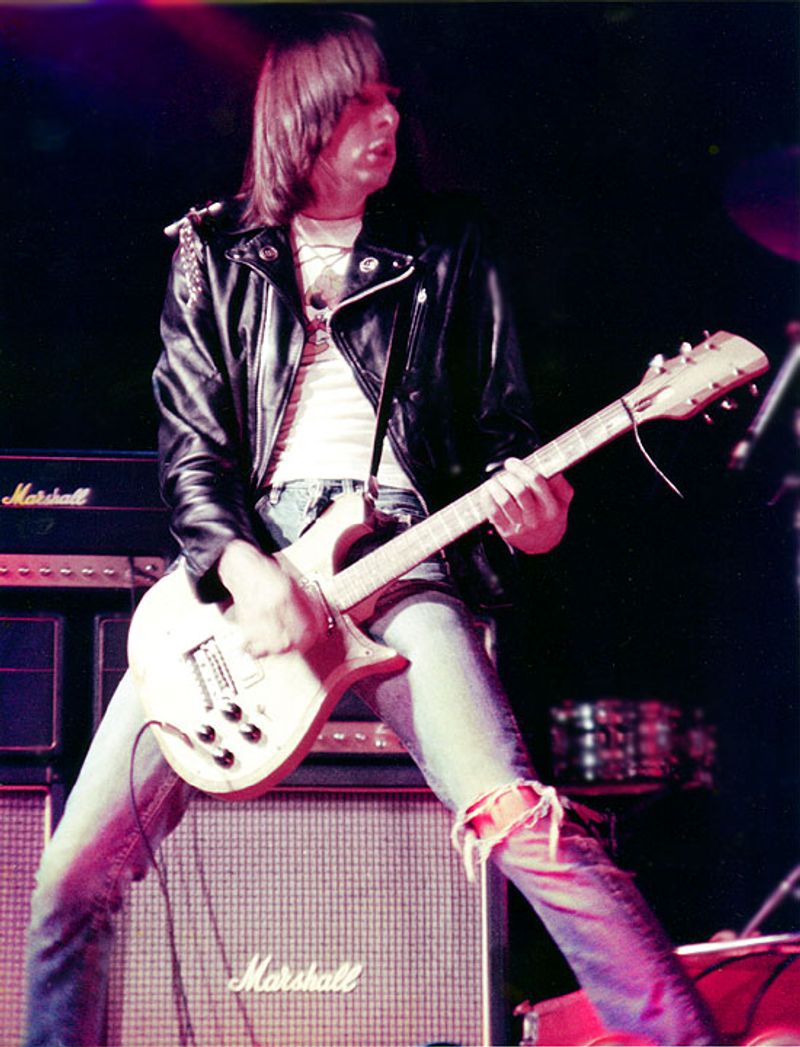
Gotham’s music scene underwent a seismic shift in 1974 when a quartet clad in leather jackets proved that simplicity could be a revolutionary force.
Brief, explosive tracks rarely stretched past the two-minute mark, yet these sonic bursts delivered more raw power than most sprawling studio epics.
Distorted guitars and rhythmic chants served to strip the genre down to its most primal, unadorned foundations.
Anthems such as “Blitzkrieg Bop” established a foundational blueprint for the entire American alternative movement that followed.
4. Talking Heads
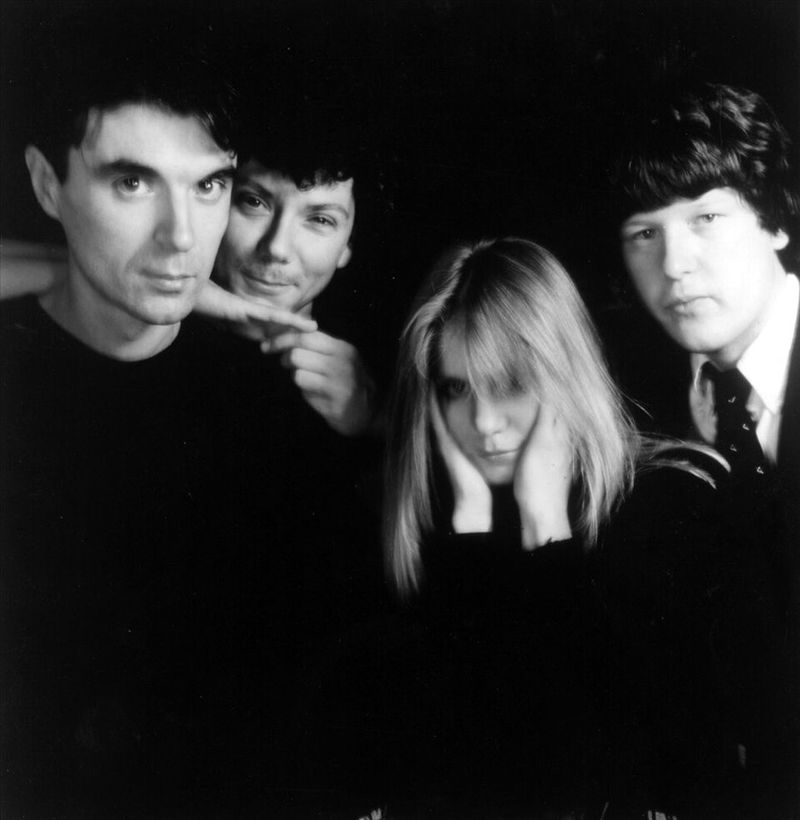
Art school experimentation met danceable grooves when these New York innovators emerged from the late-1970s new wave scene.
David Byrne’s anxious vocals and jerky stage presence became iconic, while the band incorporated funk, world music, and avant-garde ideas into accessible songs.
They made intellectualism fun and weird cool.
“Once in a Lifetime” questioned American suburban existence brilliantly.
Their music reflected urban American life’s nervous energy and creative possibilities simultaneously.
3. Nirvana
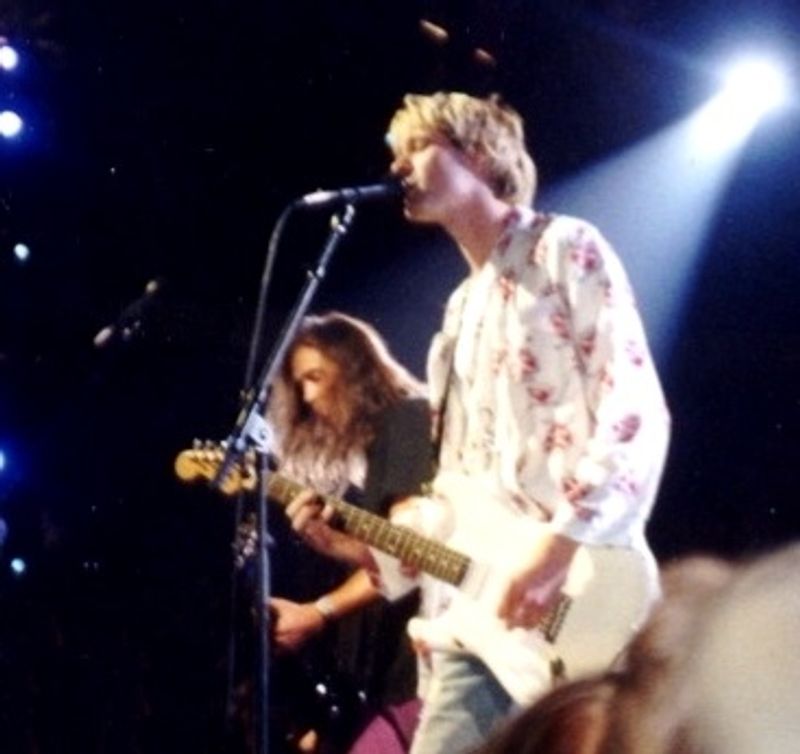
Seattle’s grunge explosion went mainstream when three musicians from Washington state, released “Nevermind” in 1991.
Kurt Cobain’s tortured lyrics and raw guitar work spoke directly to disaffected youth everywhere, making alternative rock suddenly unavoidable on radio and MTV.
Their success changed the entire music industry overnight.
“Smells Like Teen Spirit” became a generational anthem almost instantly.
Though tragedy cut them short, their impact on American rock culture remains absolutely enormous.
2. R.E.M.
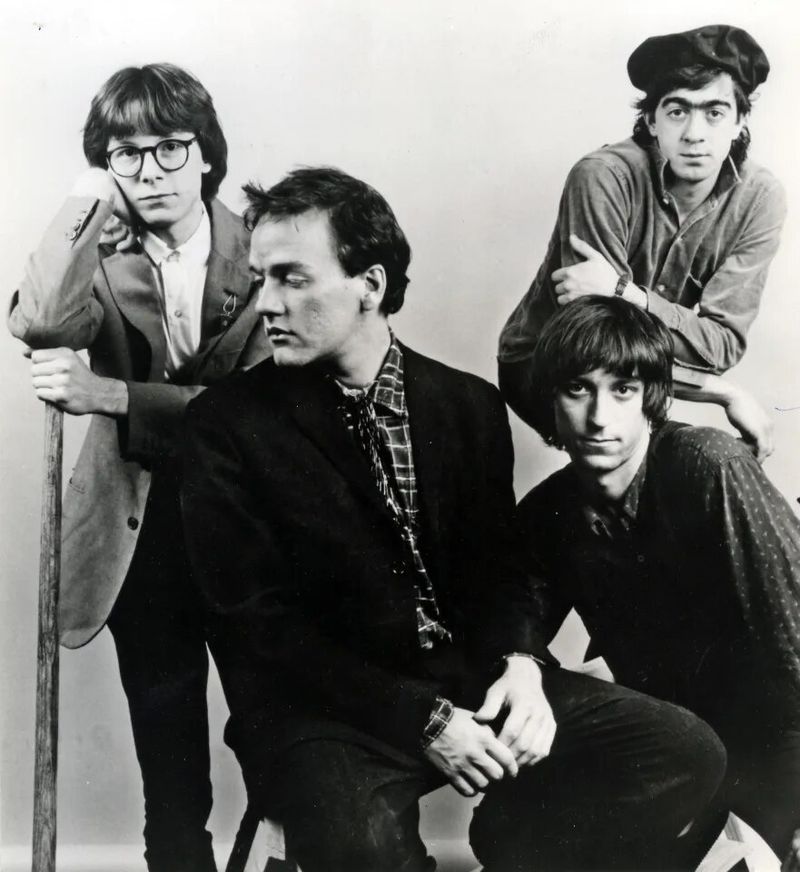
College radio found its champions when these Athens, Georgia, musicians started making jangly, mysterious rock in the early 1980s.
Michael Stipe’s mumbled vocals and cryptic lyrics gave listeners space to find their own meanings, while Peter Buck’s guitar created shimmering textures.
They proved alternative bands could achieve massive success without compromising their artistic vision.
Songs like “Losing My Religion” crossed over to mainstream audiences naturally.
Their influence on American indie rock is foundational and enduring.
1. The Byrds
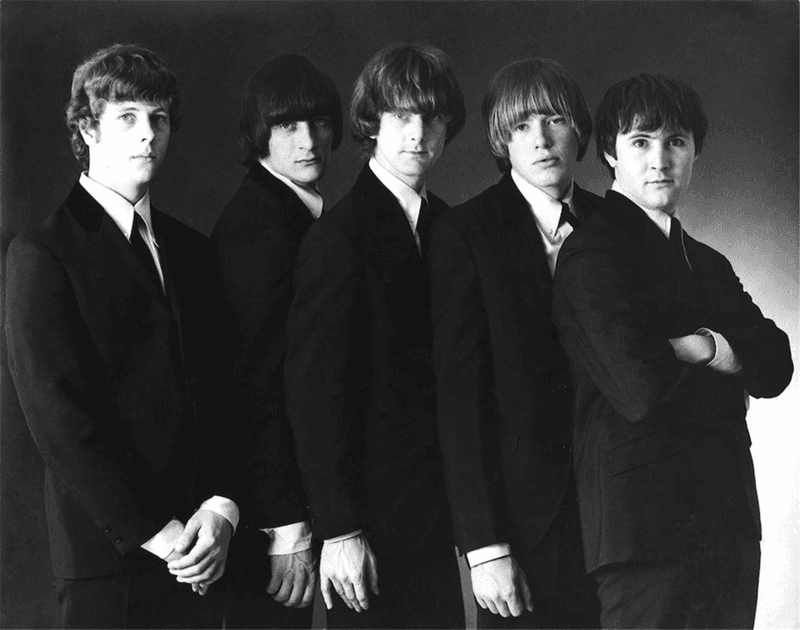
Los Angeles musicians effectively birthed the folk-rock movement in 1965 by injecting a jolt of electricity into the acoustic compositions of Bob Dylan.
This newfound energy relied heavily on shimmering Rickenbacker twelve-string guitars, which produced a trademark chime that successfully merged traditional storytelling with the British Invasion.
Beyond that distinctive chime, the group helped take Pete Seeger’s “Turn! Turn! Turn!” (drawn largely from Ecclesiastes) to the top of the charts in 1965, proving that big themes could thrive on pop radio.