Inside The Rugged Cowboy Diet Of The Old West
Cowboys riding across dusty plains didn’t have time for fancy meals or refrigerators.
Survival meant eating food that could last weeks without spoiling, pack easily on a horse, and fuel long days of herding cattle under brutal sun.
What filled their tin plates might surprise you—simple ingredients transformed into legendary frontier fuel.
1. Beans Kept Cowboys Going Strong
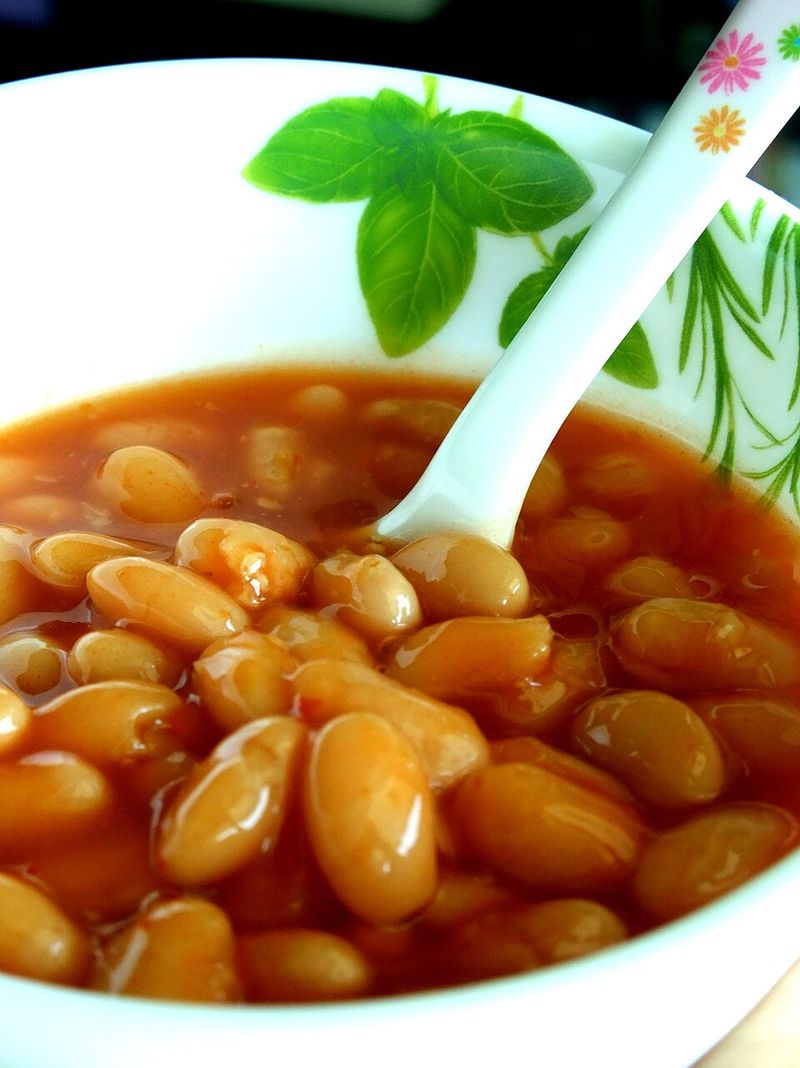
Pinto beans earned their nickname as cowboy caviar for good reason.
Every chuck wagon carried sacks of dried beans because protein mattered when you burned thousands of calories daily.
Cooks soaked beans overnight, then simmered them for hours with salt pork until creamy perfection emerged.
Cowboys ate beans at nearly every meal, sometimes three times a day without complaint.
Portable, cheap, and filling, beans became frontier legend.
A single pot could feed an entire crew, making beans the ultimate democratic dish of cattle country.
2. Salt Pork Delivered Essential Fat
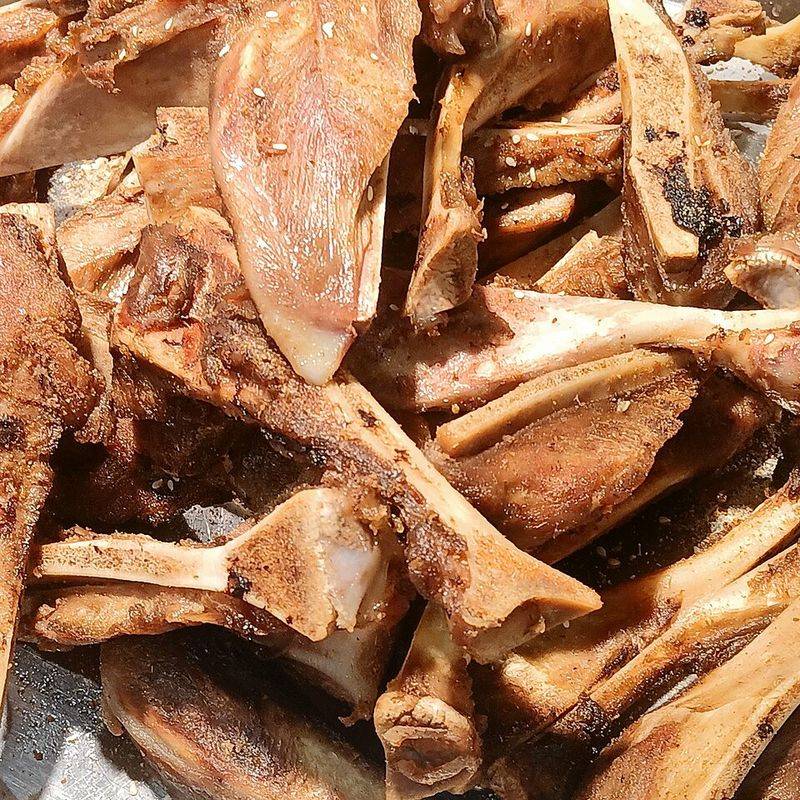
Sowbelly—cowboys called it that because salt pork came from pig bellies—packed serious calories.
Heavy salt preserved meat for months without ice, crucial for long cattle drives through empty territory.
Cooks diced chunks into bean pots or fried crispy strips for breakfast alongside biscuits.
Fat drippings never went to waste; every drop flavored bread or vegetables.
Modern diets might cringe at such grease, but cowboys needed that energy.
One slice delivered warmth and stamina for dawn-to-dusk riding in unforgiving weather conditions.
3. Hardtack Survived Any Conditions
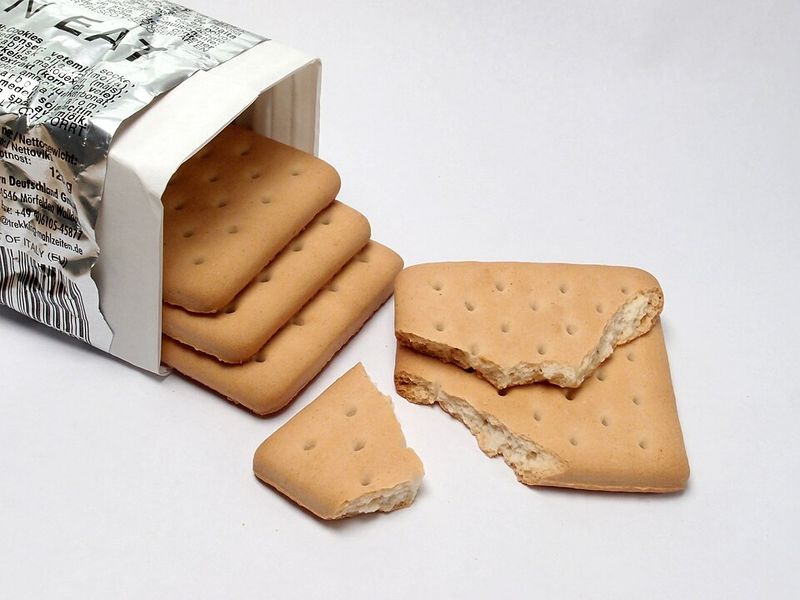
Flour, water, salt—nothing else went into hardtack.
Baked until rock-solid, these biscuits could survive rainstorms, desert heat, and months in saddlebags without molding.
Cowboys dunked hardtack into coffee or stew because biting directly risked broken teeth.
Soaking softened crackers into edible form, though nobody praised hardtack for flavor.
Soldiers carried hardtack during wars; cowboys inherited this military survival food.
Practical beats delicious when you’re fifty miles from civilization with nothing but prairie surrounding your bedroll nightly.
4. Jerky Packed Protein Perfectly
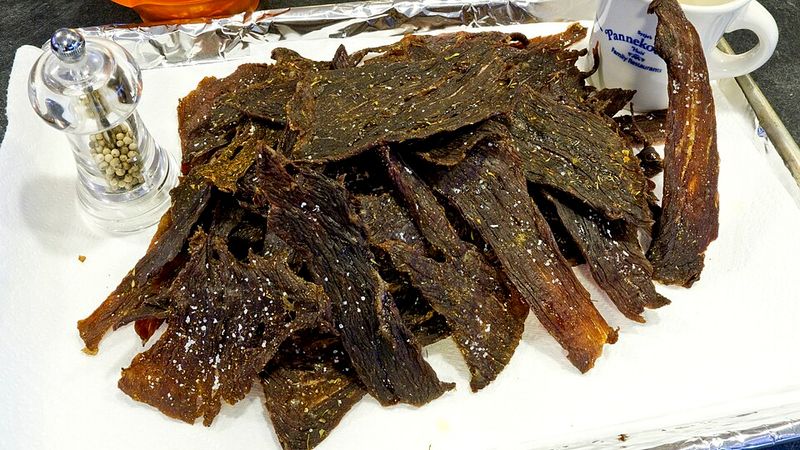
Beef or buffalo got sliced thin, salted heavily, then hung to dry under relentless sun.
Jerky emerged tough as leather but lasted indefinitely without refrigeration.
Cowboys stuffed jerky into pockets for quick energy during long rides between water sources.
Chewing took effort, but protein hit bloodstreams fast when hunger struck miles from camp.
Native tribes taught settlers jerky-making techniques centuries before cattle drives began.
Cowboys simply adapted ancient wisdom, turning fresh kills into portable power that fueled westward expansion across untamed lands.
5. Coffee Fueled Every Morning

Strong, black, and boiling hot—cowboy coffee had one job.
Chuck wagon cooks dumped grounds directly into pots, boiled water over open flames, then poured liquid fuel into waiting tin cups.
No filters existed; grounds settled at the bottom or got swallowed with each bitter sip.
Cowboys drank coffee before dawn rides and again after sunset, sometimes consuming gallons weekly.
Caffeine battled exhaustion during eighteen-hour workdays moving stubborn cattle across dangerous terrain.
Without coffee, frontier life would’ve felt even harder than it already was daily.
6. Sourdough Biscuits Brought Comfort
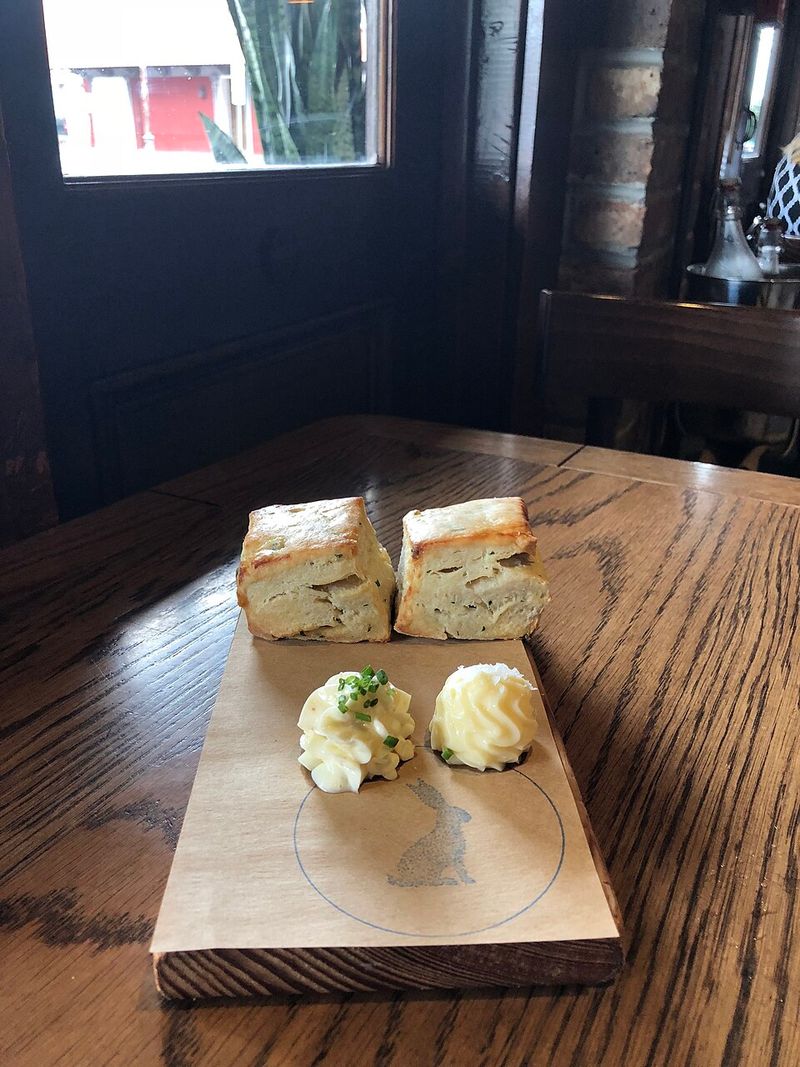
Chuck wagon cooks guarded sourdough starters like treasure.
Fermented dough produced fluffy biscuits that reminded cowboys of home cooking, a rare luxury on dusty trails.
Starters lived in crocks, fed regularly with flour and water to keep yeast cultures alive.
Biscuits baked in Dutch ovens buried under hot coals, emerging golden and steaming.
Sourdough’s tangy flavor cut through monotonous bean-and-pork meals beautifully.
Cowboys would trade tobacco for extra biscuits, proving bread mattered as much as any currency out West.
7. Dried Fruits Satisfied Sweet Cravings
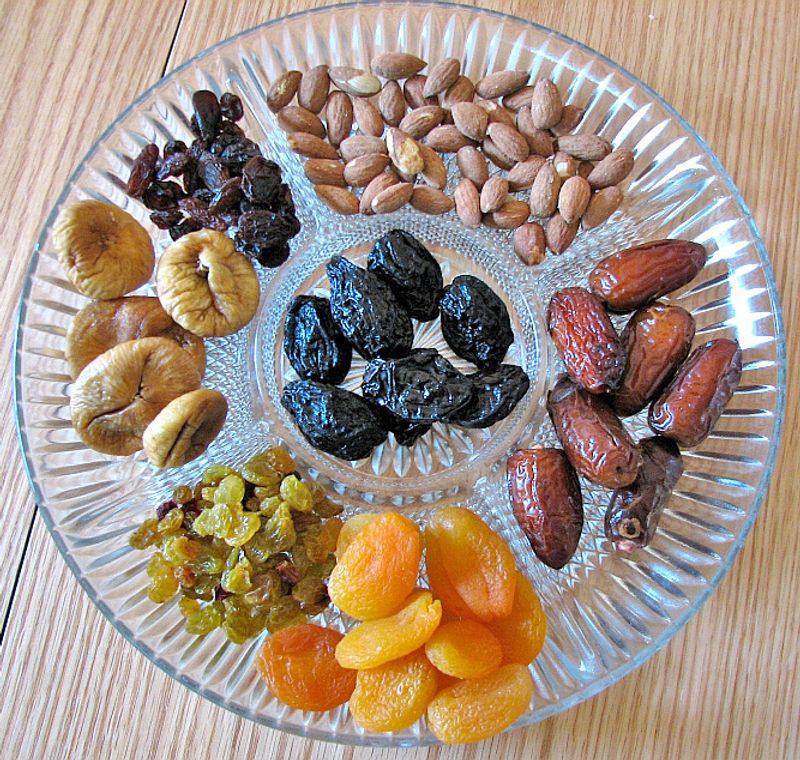
Apples, apricots, and raisins dried under summer sun transformed into chewy treats.
Sugar was scarce on cattle drives, making dried fruit precious for satisfying sweet tooth urges.
Cooks rehydrated fruit in water or whiskey, creating compotes that paired with biscuits.
Some cowboys ate fruit straight from pouches during night watch shifts under starry skies.
Vitamins from dried fruit probably prevented scurvy, though cowboys didn’t understand nutrition science.
Sweet bites simply tasted good after weeks eating nothing but savory beans and salted meat daily.
8. Corn Dodgers Filled Empty Bellies
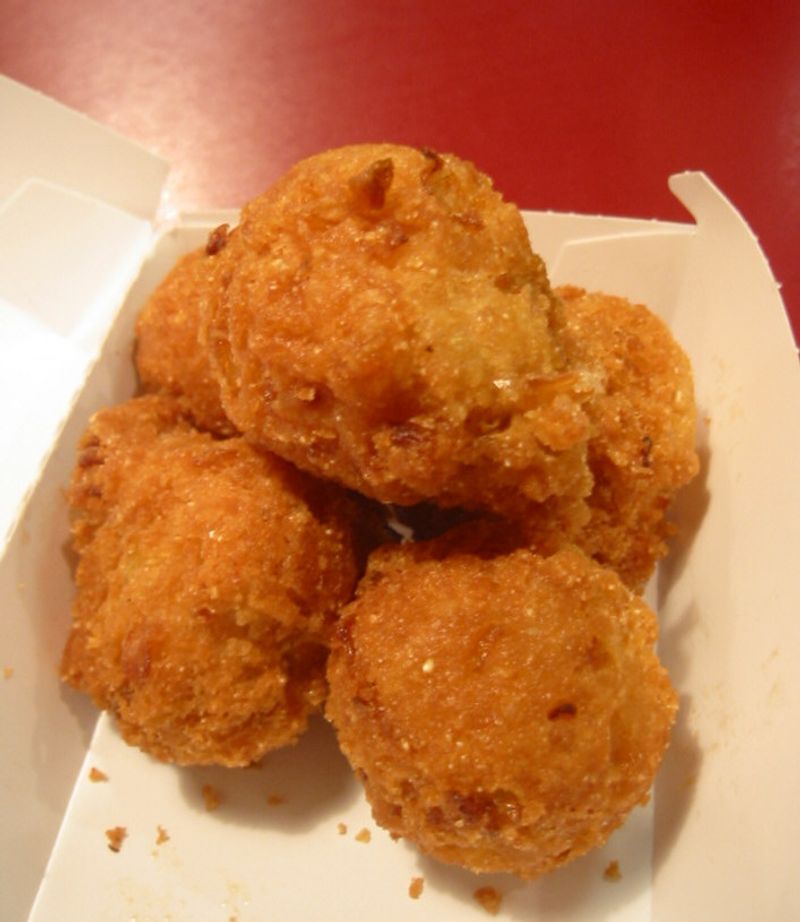
Cornmeal mixed with water and salt formed simple dough.
Cooks shaped patties, then fried them in pork grease or baked directly in fire coals until crusty outside, soft inside.
Corn dodgers cost almost nothing to make but delivered carbohydrates cowboys burned riding all day.
Flavor came from whatever fat cooked them—bacon drippings made dodgers taste better than plain lard.
Southerners brought cornbread traditions westward during expansion.
Corn dodgers became frontier adaptation, proving simple ingredients could satisfy hungry cowboys effectively without fancy kitchen equipment anywhere.
9. Son-Of-A-Gun Stew Used Everything
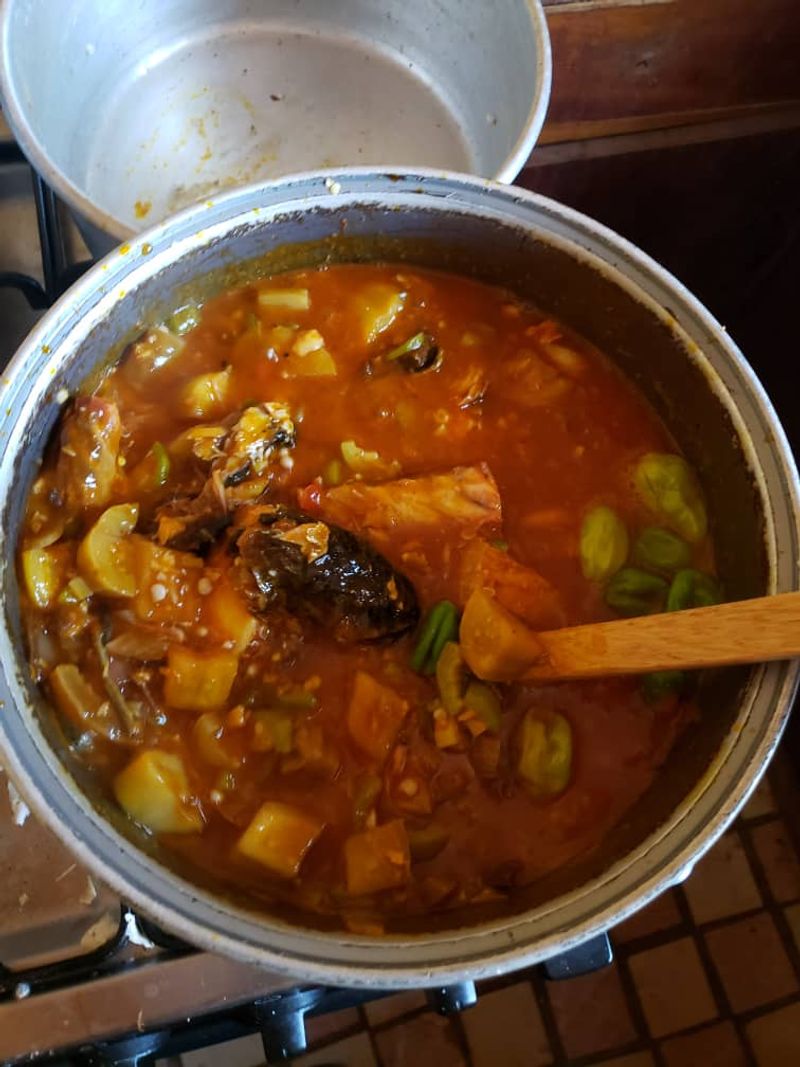
When cowboys slaughtered a young calf, nothing went to waste.
Heart, liver, tongue, kidneys, and marrow gut all landed in one massive pot with onions and potatoes.
Hours of simmering transformed organ meats into tender, flavorful stew cowboys called son-of-a-gun.
Some versions used spicier language, but cooks kept names family-friendly around mixed company.
Offal provided iron and nutrients lean beef couldn’t offer alone.
Cowboys ate every spoonful eagerly, grateful for fresh meat after weeks surviving on dried provisions exclusively across endless plains.
10. Bacon Strips Started Every Day

Bacon meant breakfast had arrived.
Slabs traveled better than fresh pork because salt and smoke curing extended shelf life dramatically without refrigeration.
Cowboys ate bacon with biscuits, beans, or eggs when hens traveled along on chuck wagons.
Grease leftover from frying became cooking oil for everything else prepared that day.
Sizzling bacon smelled like civilization even hundreds of miles from nearest towns.
Familiar aromas provided psychological comfort during grueling cattle drives where loneliness and danger lurked constantly around every bend and hill.
11. Canned Tomatoes Added Rare Freshness
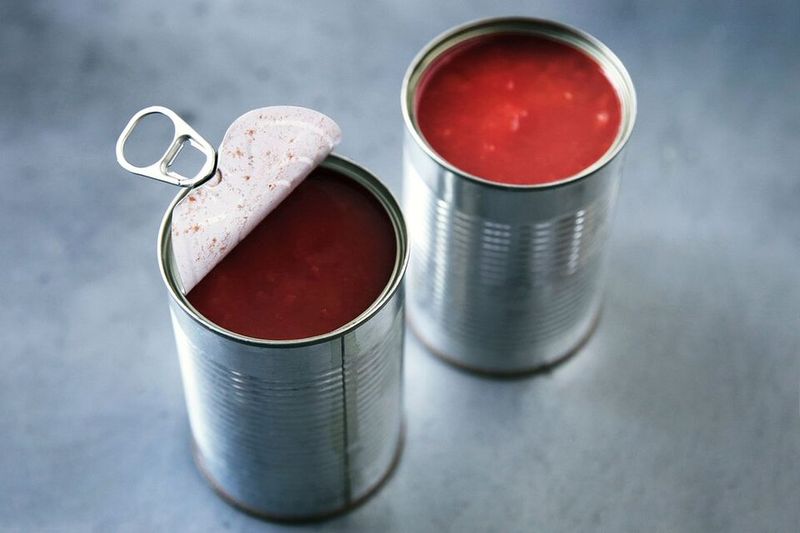
Canning technology revolutionized trail cooking during later frontier years.
Tomatoes packed in tins brought acidity and brightness to otherwise heavy, monotonous meals dominated by meat and beans.
Cooks added canned tomatoes to stews, creating richer sauces that cowboys genuinely appreciated.
Metal cans survived rough wagon travel better than glass jars, making tomatoes practical luxury items.
Fresh vegetables rarely appeared on cattle drives because spoilage happened quickly.
Canned tomatoes became closest thing to garden produce cowboys tasted for months, offering vitamin C and flavor variety desperately needed.
12. Molasses Sweetened Harsh Realities
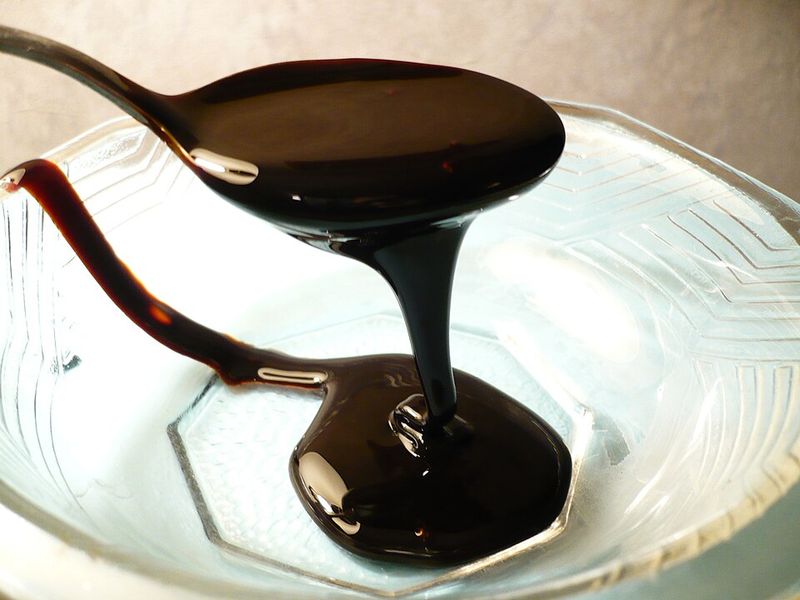
Thick, dark molasses traveled in jugs and sweetened everything from biscuits to beans.
Sugar cost plenty, but molasses delivered sweetness cheaper while lasting indefinitely in sealed containers.
Cowboys drizzled molasses over bread or stirred spoonfuls into coffee for energy boosts.
Some mixed molasses with bacon grease, creating spread that sounds weird but tasted good to hungry riders.
Blackstrap molasses contained iron and minerals, accidentally improving cowboy nutrition.
Sweet moments mattered psychologically during brutal work, making molasses more than just flavoring—it represented small comfort in rough lives.