16 Scenic U.S. Destinations That Deserve More Attention
America has no shortage of famous views, which is exactly why so many gorgeous places end up standing quietly off to the side like they are not doing anything spectacular.
Meanwhile, the scenery in those overlooked corners is out there putting on a full show.
Cliffs catch the light just right, lakes look unreal without making a fuss about it, and entire stretches of road seem built to make people pull over and say absolutely nothing for a second.
A lot of the magic lives in the places that feel a little less picked over and a lot more rewarding once they finally get their moment.
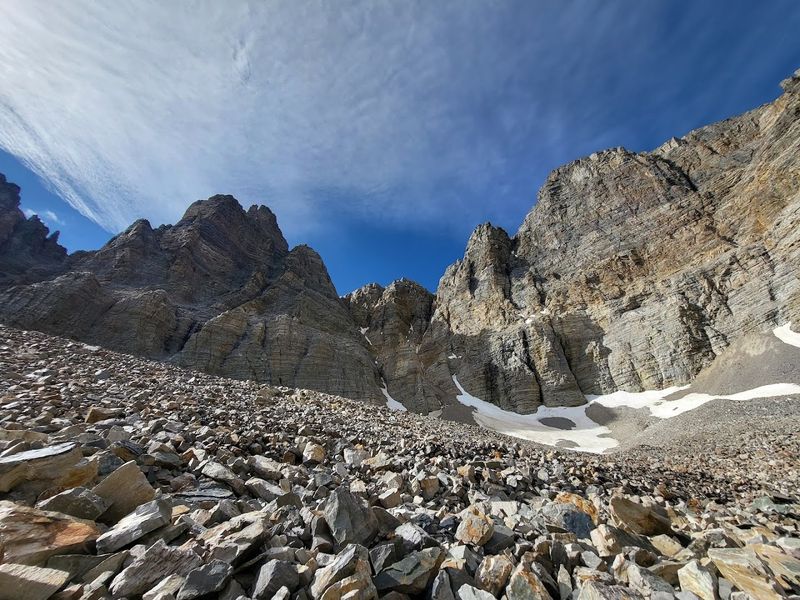
1. Great Basin National Park, Nevada
Ancient bristlecone pines twist skyward like natural sculptures, some over 4,000 years old, making them among Earth’s oldest living organisms.
Wheeler Peak towers at 13,063 feet, offering challenging hikes and breathtaking alpine lakes tucked into rocky cirques.
Underground, Lehman Caves dazzle visitors with rare shield formations and delicate stalactites that took millions of years to form.
Night skies here rank among the darkest in America, perfect for stargazing without light pollution ruining the view.
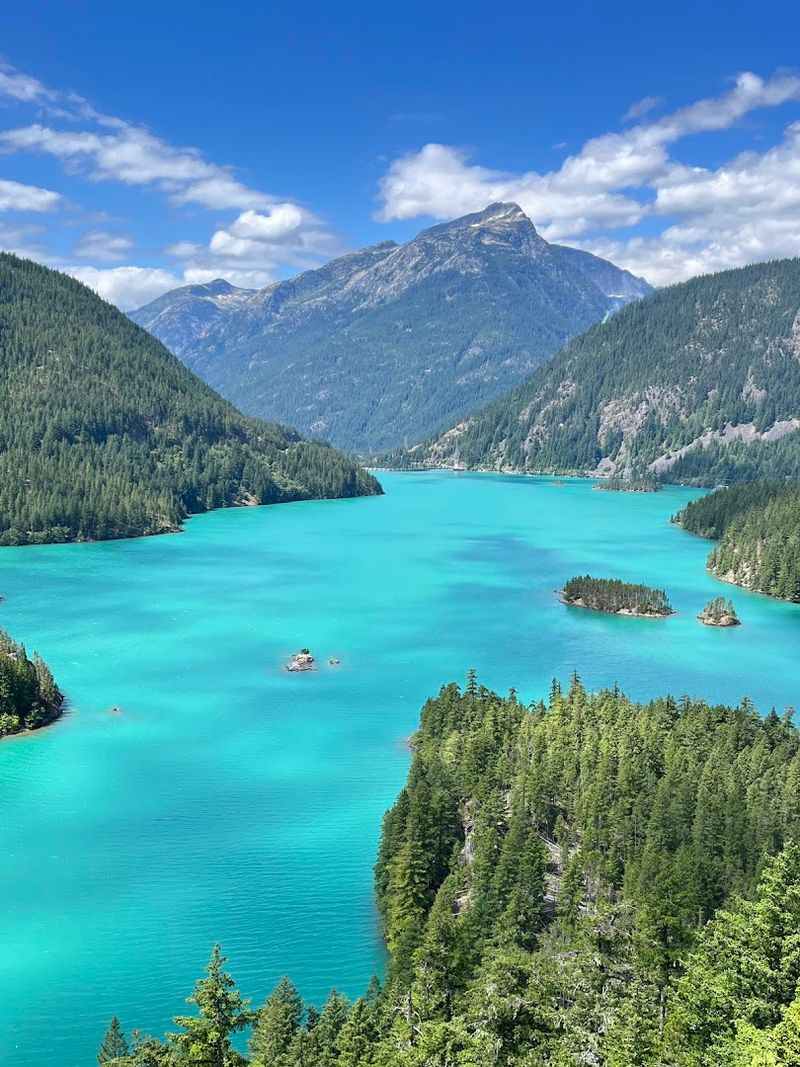
2. North Cascades National Park, Washington
Jagged peaks pierce the sky in every direction, earning this park the nickname “American Alps” from climbers who tackle its rugged terrain.
Over 300 glaciers cling to the mountainsides, more than any other U.S. park outside Alaska, creating a landscape that feels refreshingly wild.
Diablo Lake’s impossible turquoise color comes from glacial flour suspended in the water, creating photo opportunities that look almost too vibrant to be real.
Fewer than 30,000 people visit annually compared to millions at nearby parks.
3. Apostle Islands National Lakeshore, Wisconsin
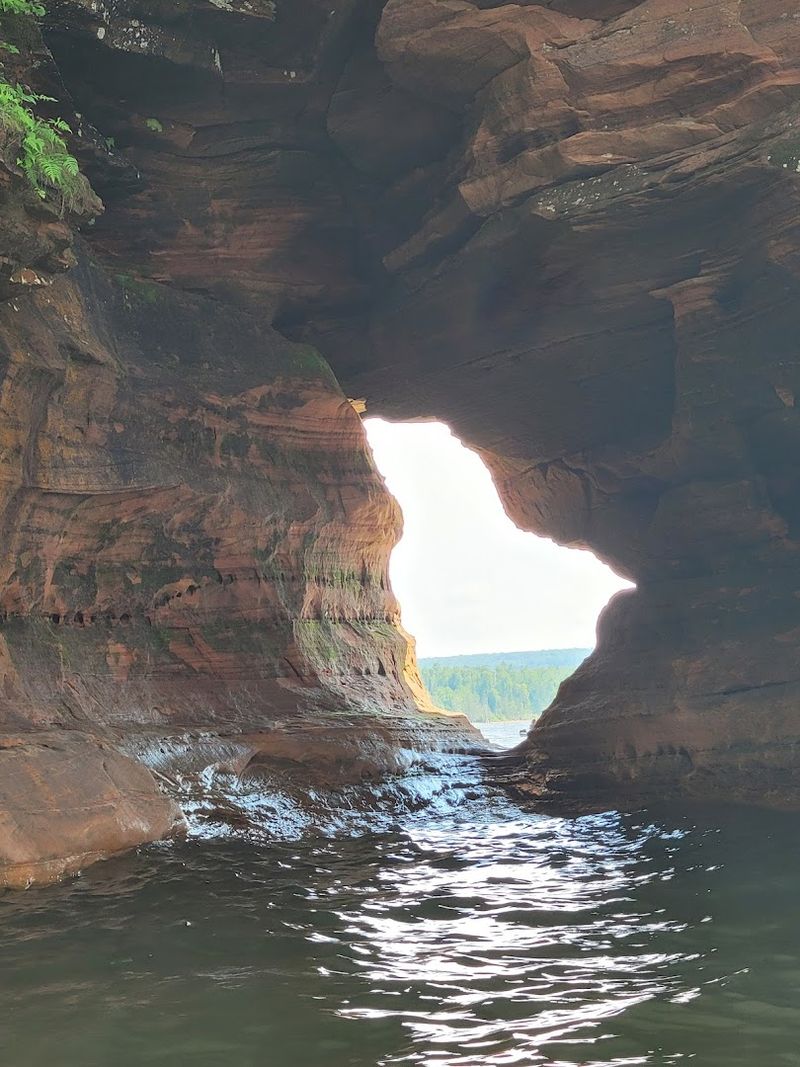
Twenty-one islands dot Lake Superior’s cold waters, each one hiding sandstone cliffs carved into dramatic sea caves by relentless waves.
Winter transforms these caves into frozen wonderlands where massive icicles create cathedral-like spaces you can actually walk through.
Kayaking between islands during summer reveals hidden beaches, historic lighthouses, and crystal-clear water that lets you see straight to the rocky bottom.
Black bears occasionally swim between islands, a sight that surprises visitors who don’t expect wildlife in the middle of a Great Lake.
4. Cumberland Island National Seashore, Georgia
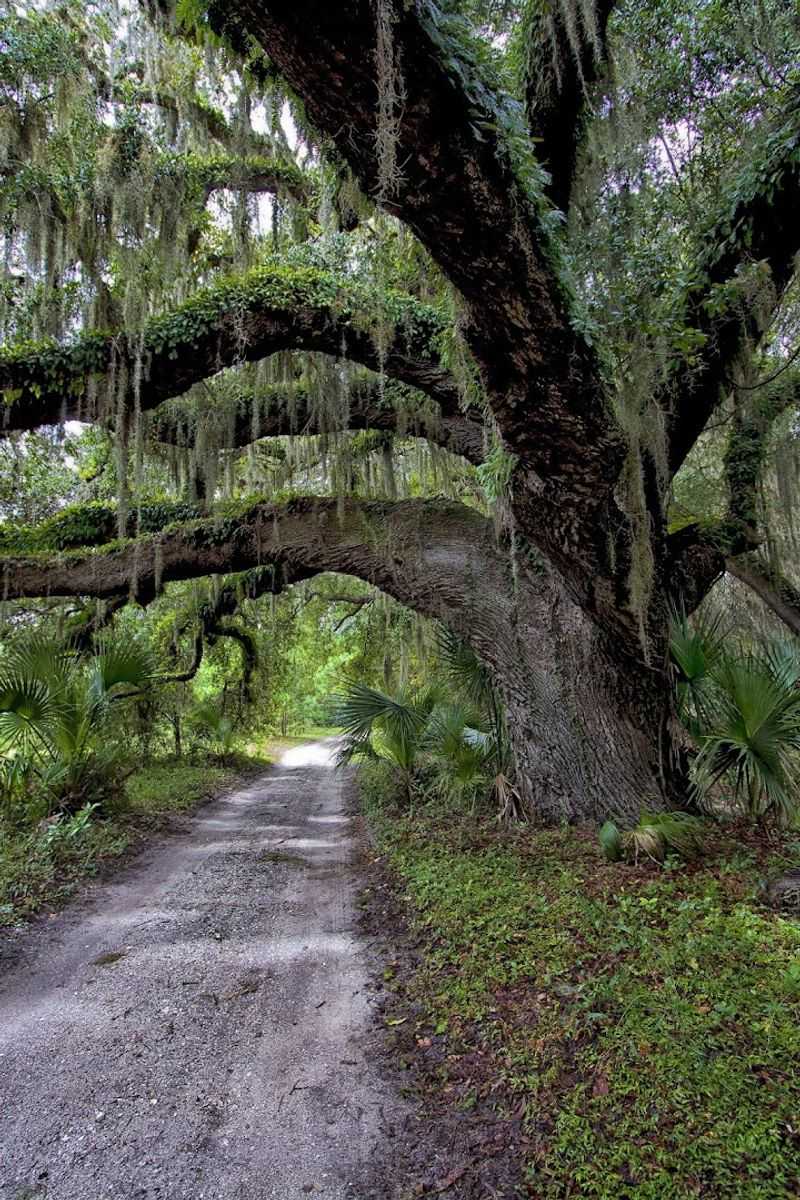
Wild horses roam freely across windswept beaches, descendants of Spanish mustangs that have called this barrier island home for centuries.
Maritime forests draped in Spanish moss create an almost mystical atmosphere, especially when morning fog rolls through the live oak canopy.
Driftwood Beach resembles a graveyard of bleached tree skeletons, their twisted forms creating one of the most photographed shorelines on the Atlantic coast.
Only 300 visitors are allowed daily, ensuring you’ll find plenty of solitude along 18 miles of undeveloped coastline.
5. Chiricahua National Monument, Arizona
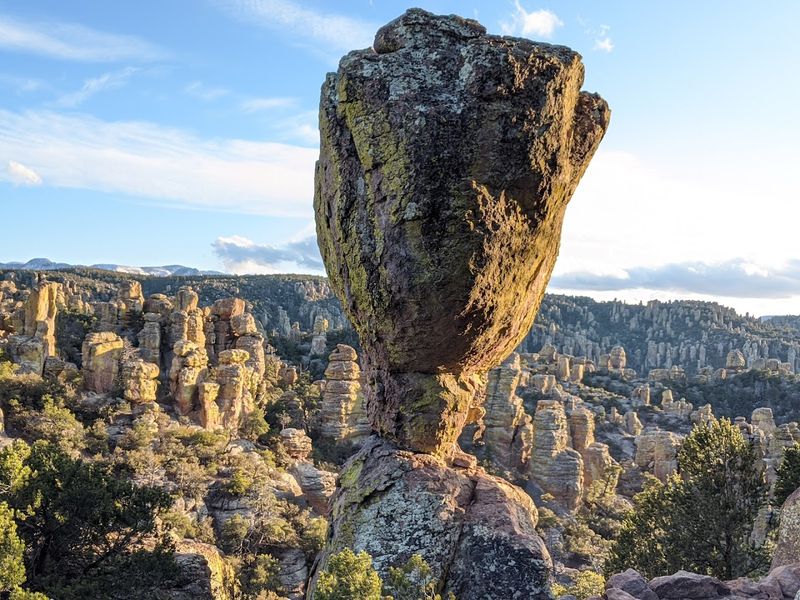
Volcanic rock formations rise like stone skyscrapers, balanced precariously after millions of years of erosion sculpted them into impossible shapes.
Apache warriors once used these towering hoodoos as hiding spots, and walking among them today feels like exploring a natural maze.
Hiking trails wind through narrow passages where walls tower overhead, creating cool microclimates even during Arizona’s scorching summers.
Arrive early since afternoon thunderstorms frequently roll through during monsoon season.
6. Pictured Rocks National Lakeshore, Michigan
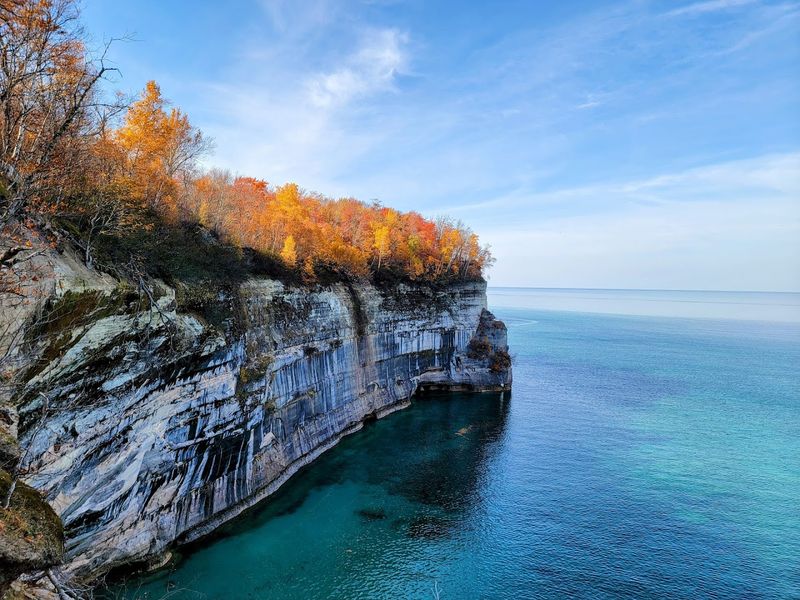
Sandstone cliffs streaked with copper and manganese create a natural rainbow rising 200 feet above Lake Superior’s frigid waters.
Waterfalls tumble directly into the lake at several points, accessible only by boat or challenging backcountry trails that reward hardy hikers.
Kayaking beneath these painted cliffs reveals hidden caves and arches that look completely different depending on the light and water levels.
Water temperatures rarely exceed 55 degrees, so wetsuits aren’t optional for paddlers.
7. Custer State Park, South Dakota
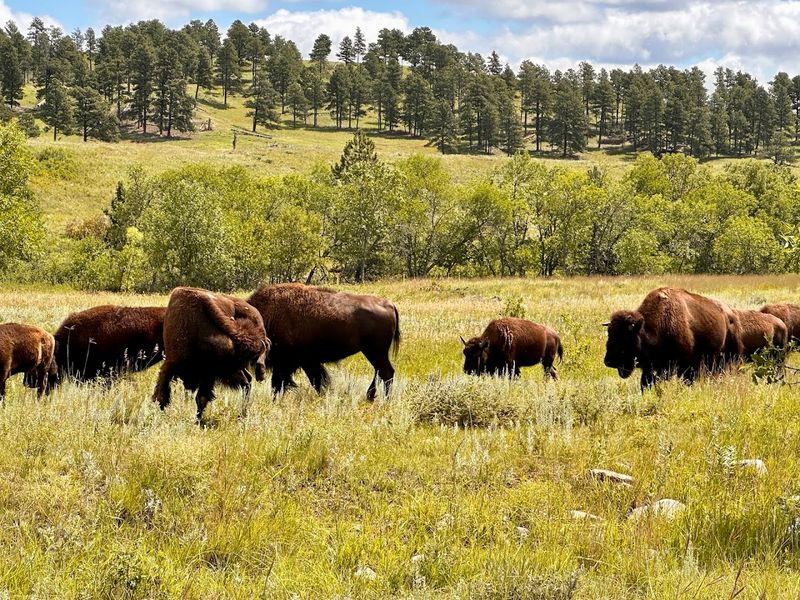
Approximately 1,300 bison thunder across rolling prairies, one of the largest publicly owned herds in North America and a sight that transports you back centuries.
Needles Highway threads through impossibly narrow granite spires, with tunnels barely wide enough for modern vehicles to squeeze through.
Wildlife jams happen frequently as pronghorn antelope, bighorn sheep, and burros wander across roads without any concern for traffic schedules.
Sylvan Lake, nestled among towering rock formations, offers swimming, paddling, and rock climbing all within a short walk.
8. Sawtooth National Recreation Area, Idaho
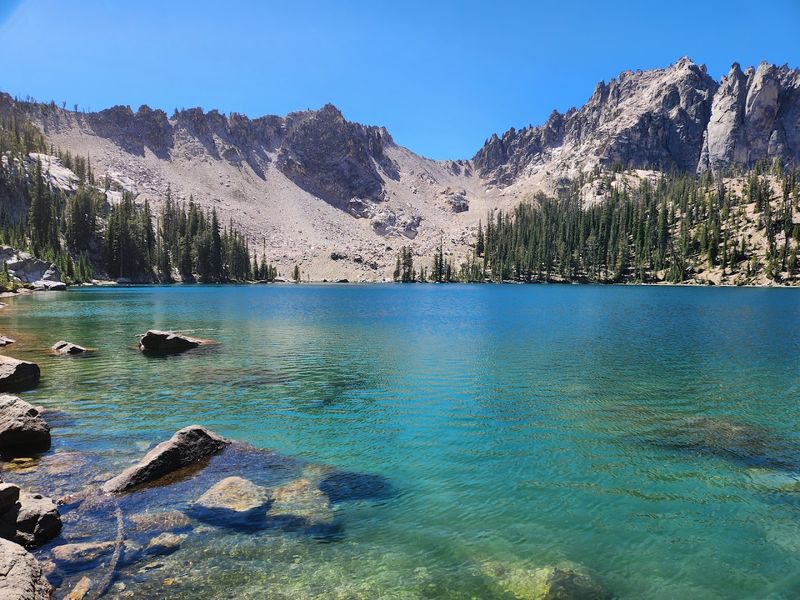
Over 300 alpine lakes sparkle beneath serrated granite peaks that look sharp enough to cut the sky, creating a wilderness that rivals any famous mountain range.
Backpackers discover solitude on hundreds of miles of trails, passing through meadows exploding with wildflowers during brief summer months.
Redfish Lake gets its name from the sockeye salmon that once turned its waters red during spawning runs, though their numbers have dwindled dramatically.
9. Valles Caldera National Preserve, New Mexico
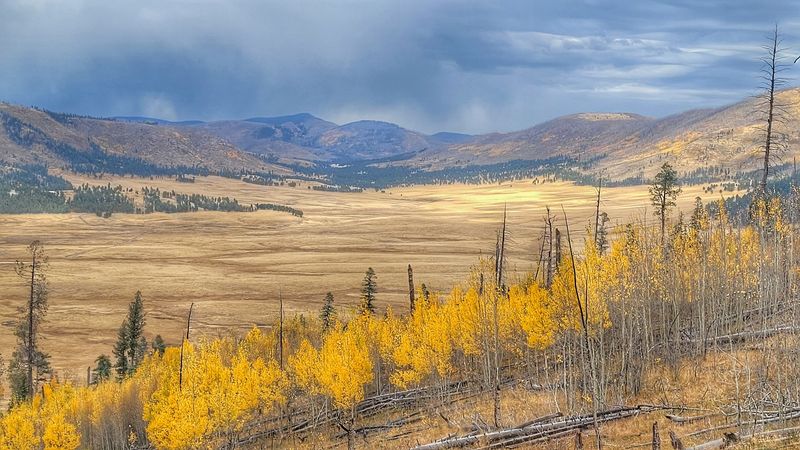
A massive volcanic crater stretches 13 miles across, creating a mountain valley so perfect it almost looks artificial.
Elk herds numbering in the thousands graze across grassy meadows, their bugling calls echoing off surrounding peaks during autumn rutting season.
Hot springs bubble up in various locations, remnants of the volcanic forces that shaped this landscape over a million years ago.
Fly fishing in the Valles Caldera’s streams offers world-class trout fishing without the crowds found at more famous New Mexico waters.
10. Sleeping Bear Dunes National Lakeshore, Michigan
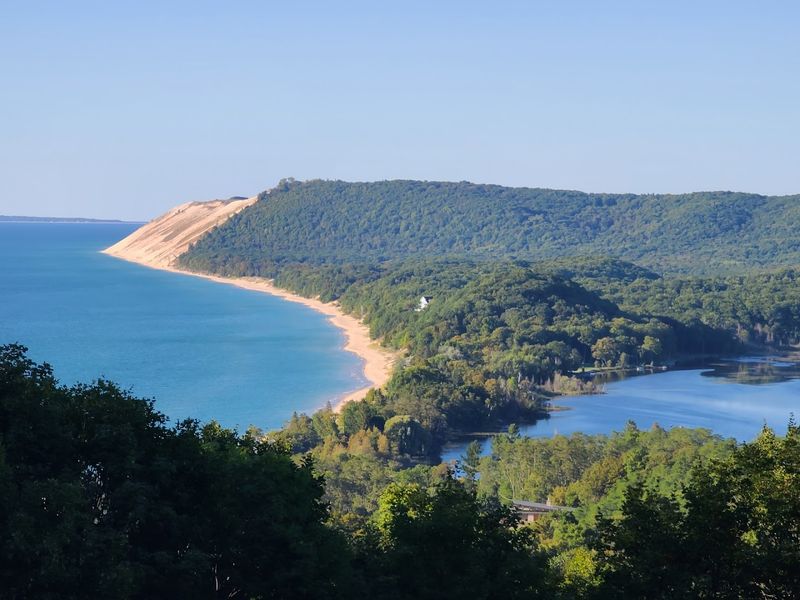
Massive sand dunes tower 450 feet above Lake Michigan, challenging visitors to climb their steep faces for panoramic views that stretch to the horizon.
Perched dunes migrate slowly inland, burying forests and creating ghost forests where bleached tree trunks poke through the sand.
Pierce Stocking Scenic Drive winds through beech and maple forests before opening onto breathtaking overlooks that make your jaw drop.
Two islands offshore, North and South Manitou, offer backcountry camping and shipwreck exploration for adventurous travelers.
11. Black Canyon of the Gunnison National Park, Colorado
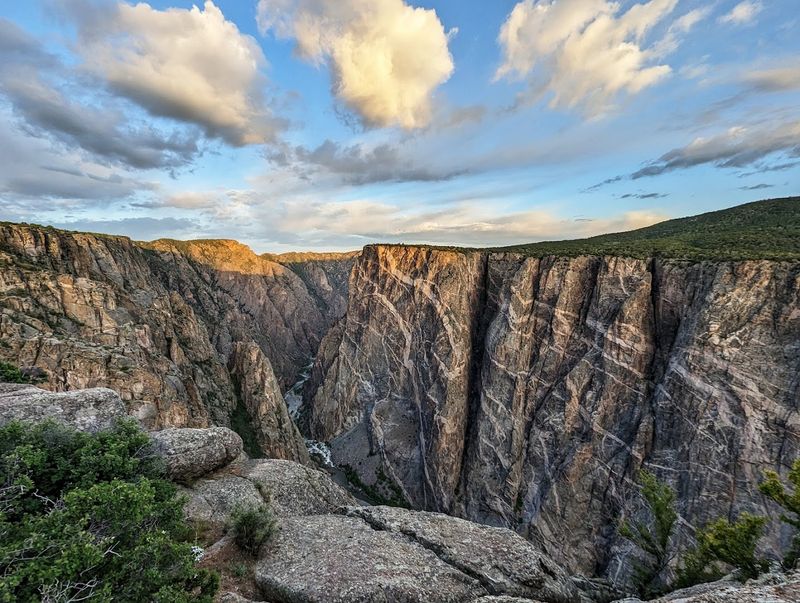
Sheer walls plunge 2,000 feet to the Gunnison River below, creating some of the steepest cliffs in North America and shadows so deep the canyon earned its ominous name.
Ancient Precambrian rock, nearly two billion years old, tells a geological story that spans almost half of Earth’s existence.
Painted Wall, the tallest cliff in Colorado at 2,250 feet, features dramatic light-colored stripes where molten rock once squeezed through cracks.
Only experienced climbers attempt routes here, though rim trails offer spectacular views without the life-threatening exposure.
12. Lassen Volcanic National Park, California
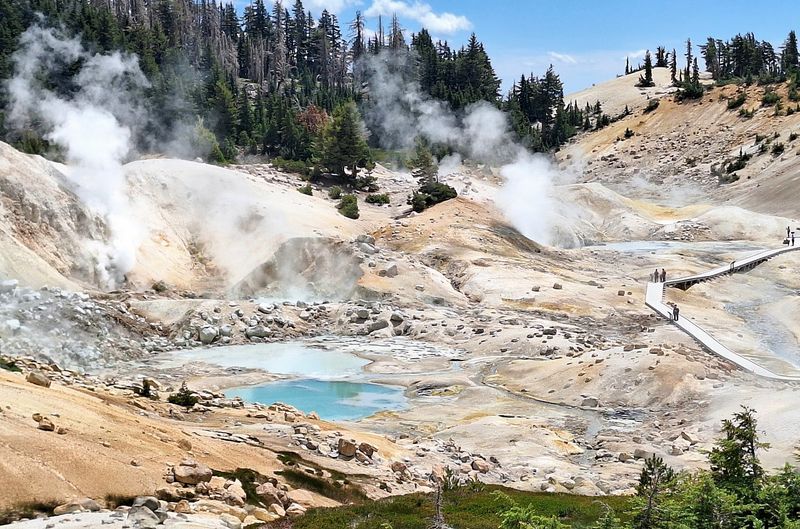
All four types of volcanoes exist within this park’s boundaries, making it a living geology textbook where the earth still bubbles and steams.
Bumpass Hell, the largest hydrothermal area, features boiling mudpots and hissing fumaroles that remind you this landscape could wake up any moment.
Lassen Peak last erupted in 1915, and hiking to its 10,457-foot summit reveals devastated areas still recovering over a century later.
Wildflower displays rival anything in more famous California parks, painting meadows in brilliant colors during July and August.
13. Cape Lookout National Seashore, North Carolina
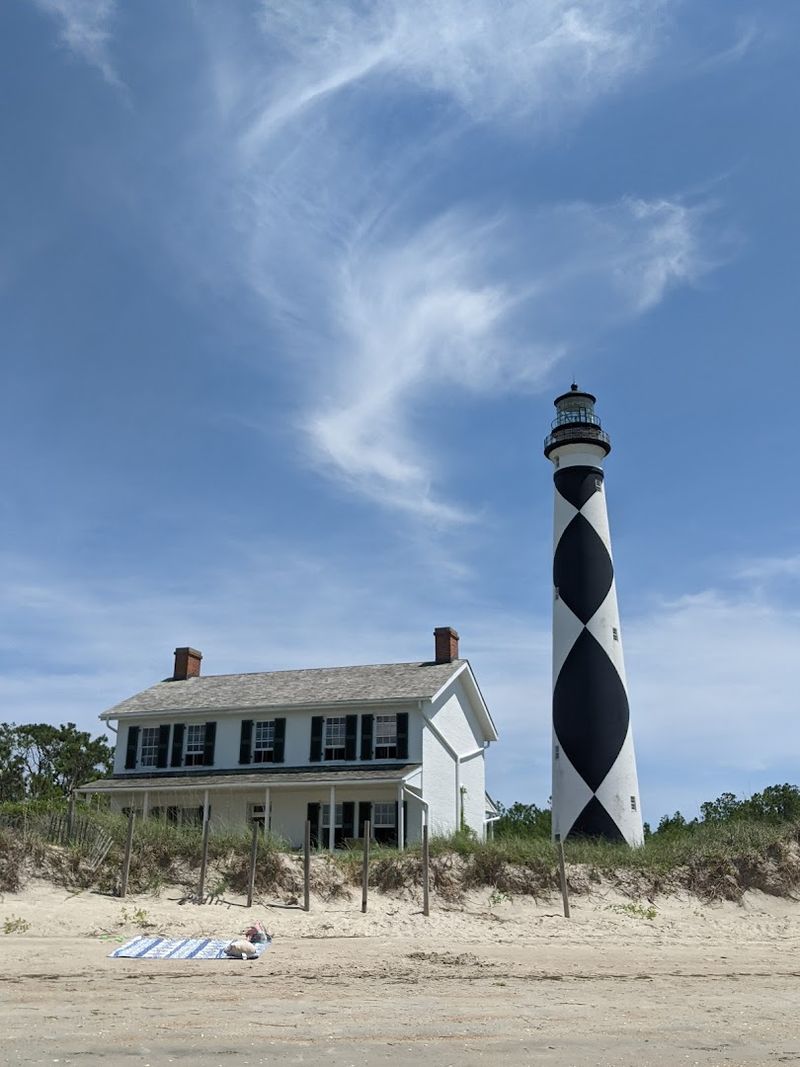
A distinctive black-and-white diamond-patterned lighthouse has guided ships since 1859, standing sentinel over 56 miles of undeveloped barrier islands.
Wild horses descended from Spanish mustangs roam freely, leaving hoofprints alongside shorebird tracks on pristine beaches.
No roads or bridges connect these islands to the mainland, meaning ferry or boat access keeps visitor numbers refreshingly low.
Shelling rivals anywhere on the Atlantic coast, with storms regularly depositing treasures that beachcombers eagerly collect at sunrise.
14. Craters of the Moon National Monument and Preserve, Idaho
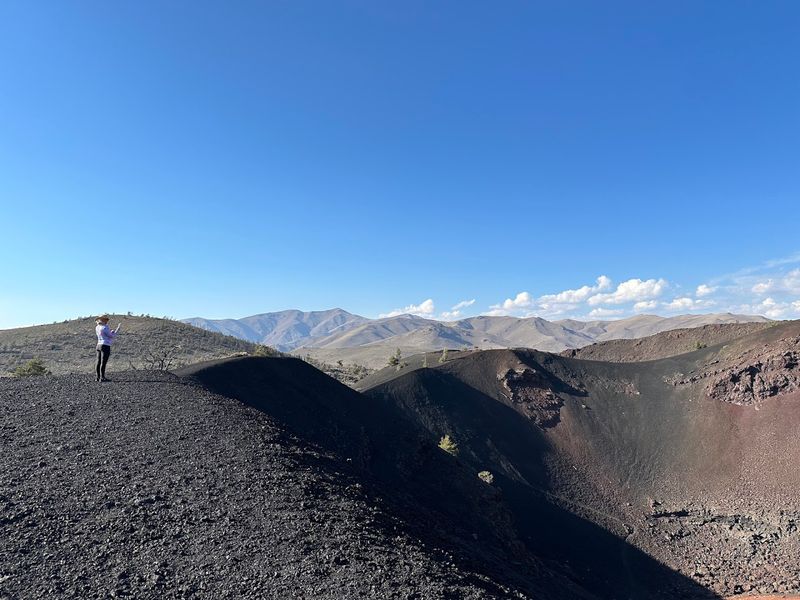
Black lava fields stretch to the horizon, creating an otherworldly landscape so moon-like that NASA astronauts trained here before Apollo missions.
Volcanic eruptions as recent as 2,000 years ago left cinder cones, spatter cones, and lava tubes that you can actually explore with a flashlight.
Summer temperatures on the black rock can exceed 100 degrees, making spring and fall far more pleasant for hiking among the volcanic features.
Wildflowers somehow find purchase in cracks and crevices, splashing color across the seemingly lifeless terrain each June.
15. Ozark National Scenic Riverways, Missouri
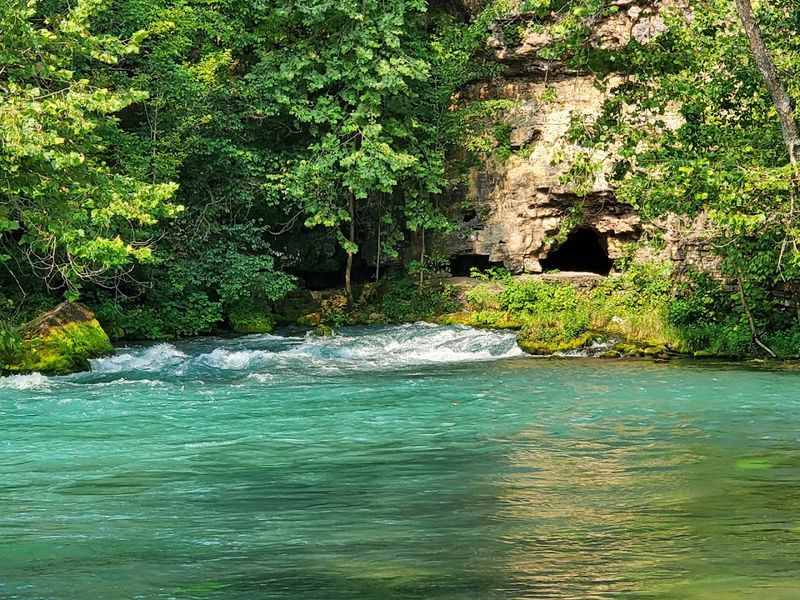
Crystal-clear springs pump out millions of gallons daily, feeding the Current and Jacks Fork rivers with water so transparent you can count pebbles on the bottom.
Canoeing and kayaking these gentle waterways takes you past towering bluffs, gravel bars perfect for swimming, and caves hiding just above the waterline.
Big Spring, one of America’s largest, gushes 286 million gallons daily from a cave opening surrounded by lush forest. Smallmouth bass fishing attracts anglers who appreciate catching dinner in such scenic surroundings.
16. Theodore Roosevelt National Park, North Dakota
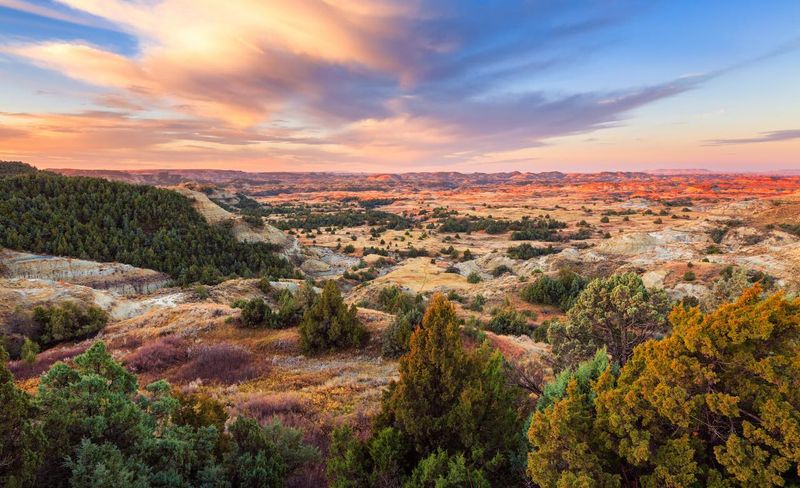
Painted badlands glow in shades of red, orange, and gold, especially during sunrise and sunset when the light transforms the landscape into something magical.
Bison, wild horses, and prairie dogs thrive here, giving visitors excellent wildlife viewing opportunities without Yellowstone’s overwhelming crowds.
Theodore Roosevelt himself ranched in these badlands during the 1880s, and the experience shaped his conservation philosophy that led to America’s national park system.
The Little Missouri River winds through the park, creating green ribbons of cottonwood trees against the colorful hills.