15 Sequels Considered Stronger Than Their Originals
Sequels are supposed to be the awkward encore nobody asked for. Expectations stay low, wallets come out anyway, and hope quietly leaves the room.
Then something rare happens. The follow-up shows up sharper, louder, and somehow better, breaking the sequel curse in broad daylight.
Stick around, because these second movies didn’t just survive the sequel slump, they turned it into a victory lap.
1. The Dark Knight (2008)
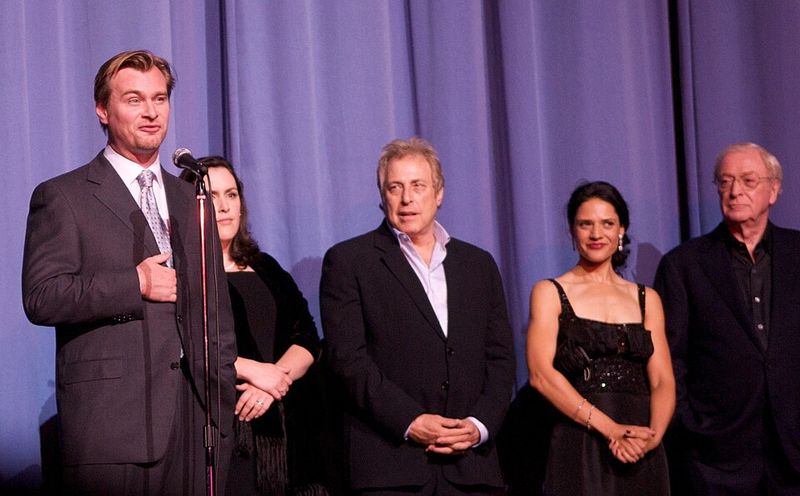
Batman got serious, and audiences loved every shadowy second.
Christopher Nolan turned Gotham City into a sprawling crime drama where moral lines blur faster than a speeding Batmobile. Heath Ledger’s Joker stole scenes with terrifying charisma, proving villains can carry entire films on painted smiles.
Action sequences felt real, not cartoonish. Stakes climbed higher than any skyscraper, making every choice matter in ways superhero movies rarely dare to explore.
2. The Empire Strikes Back (1980)
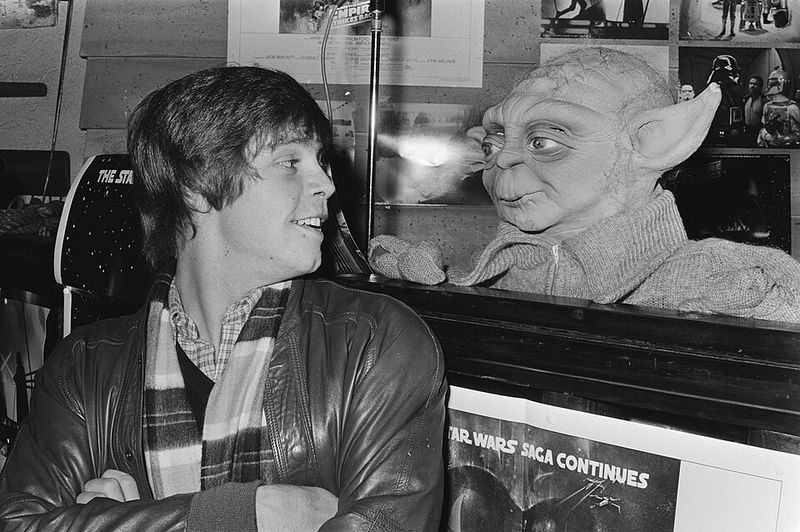
Creative control shifted once George Lucas passed directing duties to Irvin Kershner, pushing drama to levels that made the galaxy feel truly dangerous.
Shock landed hard in Star Wars Episode V The Empire Strikes Back when Darth Vader delivered a revelation that rewired everything audiences thought they understood.
Icy warfare on Hoth and betrayal floating through Cloud City added emotional gravity to the saga. Growth came fast for every character, as loss replaced certainty and victory no longer felt guaranteed.
3. Terminator 2 Judgment Day (1991)
Arnold Schwarzenegger switched sides, becoming the protector instead of the hunter.
That twist alone justified the sequel’s existence. James Cameron poured groundbreaking liquid-metal effects into the T-1000, creating a villain that still looks terrifying decades later.
John Connor’s bond with his robotic guardian added heart to explosive action. Judgment Day proved blockbusters could deliver emotional punches alongside car chases, making audiences cry over a machine learning humanity.
4. The Godfather Part II (1974)

Impossible ambition took shape under the direction of Francis Ford Coppola. Split timelines define The Godfather Part II, tracing Vito Corleone’s rise while Michael’s inner world steadily collapses.
Quiet intensity marks the transformation as Robert De Niro steps into young Vito, honoring legacy without imitation.
Power hardens into isolation for Michael, with Al Pacino letting each choice drain warmth and trust.
5. Aliens (1986)
Genre gears shifted when James Cameron reworked the slow-burn terror introduced by Ridley Scott into full-scale combat. Relentless momentum defines Aliens, sending Ripley back into danger against an entire hive alongside marines who quickly realize preparation is not enough.
Pop culture memory locked in the power loader showdown almost instantly. Survival stakes deepen once maternal instinct enters the picture, giving Ripley emotional weight that extends far beyond staying alive.
6. Spider-Man 2 (2004)
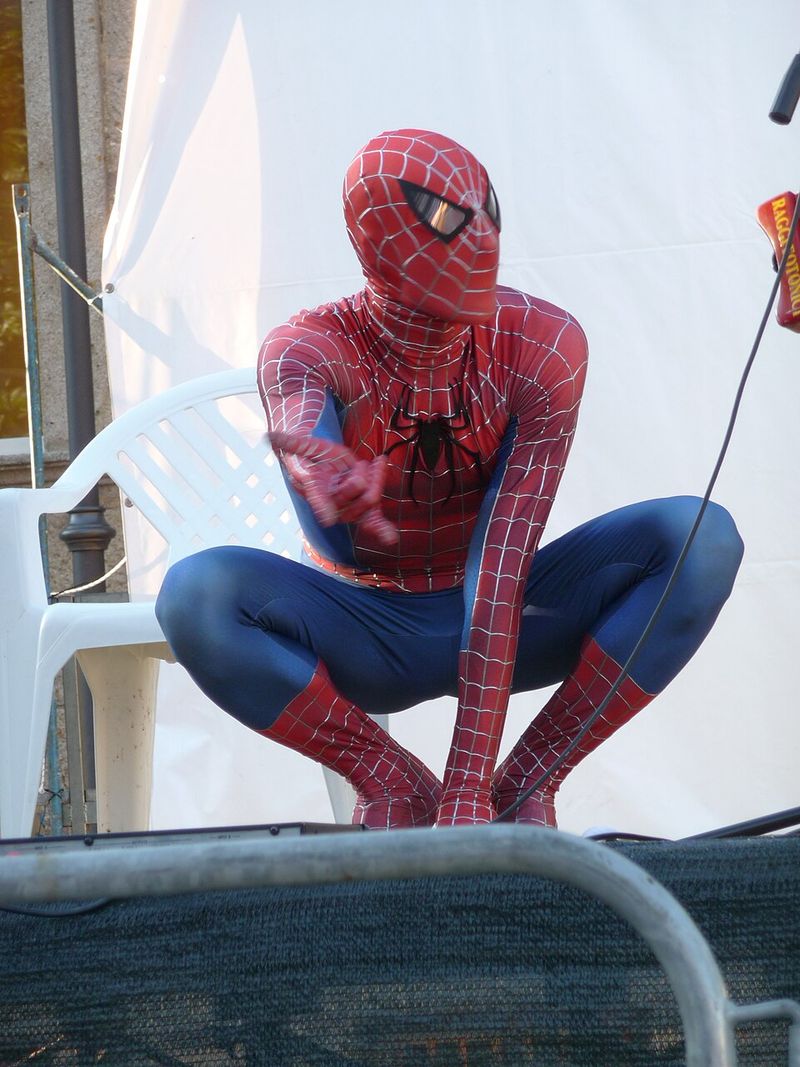
Peter Parker’s mask came off, revealing a hero struggling with bills, relationships, and self-doubt.
Sam Raimi balanced superhero spectacle with genuine human problems, making every web-swing feel earned. Doctor Octopus became a tragic villain, not just a mustache-twirling bad guy.
The train fight sequence still ranks among cinema’s best action scenes. Spider-Man 2 understood that great power means great responsibility includes paying rent and keeping friendships alive despite the costume.
7. Captain America The Winter Soldier (2014)
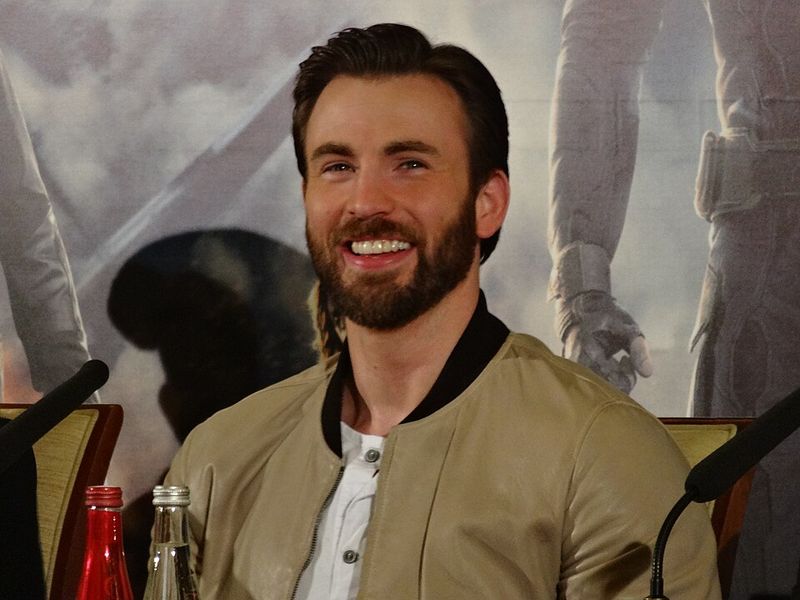
Genre expectations shifted as superhero storytelling took a sharp turn toward paranoia and political tension.
Trust collapsed in Captain America The Winter Soldier once Steve Rogers uncovered corruption running through S.H.I.E.L.D., forcing every loyalty into question.
Emotional weight landed hard with the Winter Soldier reveal, adding personal stakes that reshaped the entire Marvel universe. Combat felt bruising and immediate, grounded in hand-to-hand action that made each hit register despite the comic-book frame.
8. Toy Story 2 (1999)
Development began as a direct-to-video project before the studio shifted it into a full theatrical sequel with bigger ambitions. Woody faced his worst fear: being forgotten on a shelf, unloved and abandoned.
Buzz led a rescue mission that doubled as an adventure across the city.
Jessie’s heartbreaking backstory made grown adults sob in theaters. Toy Story 2 proved animation sequels could deepen themes while keeping kids entertained, setting the standard for every Pixar film that followed.
9. Star Trek II The Wrath Of Khan (1982)

Operatic menace returned when Ricardo Montalbán stepped back in as Khan, transforming a campy TV foe into cinema’s most quotable nemesis. Tactical tension took hold under Nicholas Meyer, who framed starship battles like naval warfare, making every maneuver feel earned.
Aging and mortality surfaced for Kirk, adding weight that pushed the adventure beyond simple spectacle.
Sacrifice landed with devastating clarity when Spock made his final choice, drawing tears without manipulation.
10. Dawn Of The Planet Of The Apes (2014)
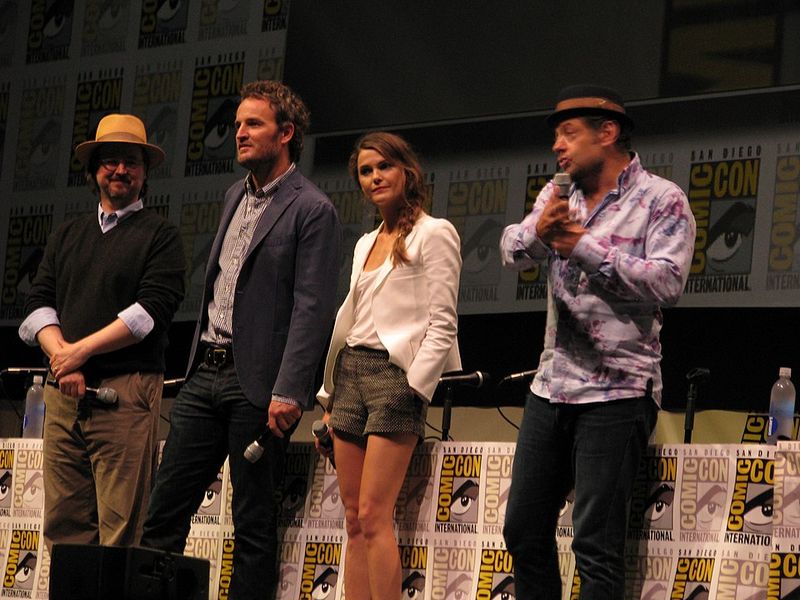
Caesar’s ape colony faced its toughest test: trusting humans again after betrayal.
Matt Reeves crafted a tense standoff where both sides had valid reasons to fear each other. Andy Serkis delivered another stunning motion-capture performance, making Caesar’s internal conflict painfully real.
The film asked hard questions about leadership and forgiveness without easy answers. Dawn proved blockbuster sequels could be smart, emotional, and visually stunning all at once, respecting audiences’ intelligence.
11. Mad Max Fury Road (2015)
George Miller returned to the franchise with a high-speed chapter that works as both a continuation and a fresh on-ramp for new viewers.
Redemption took center stage in Mad Max Fury Road, carried by Imperator Furiosa as explosive survival became purpose-driven escape.
Practical stunts dominated the spectacle, pushing crashes and collisions into territory that felt genuinely dangerous. Breathing room stayed scarce, yet an entire emotional arc unfolded at full throttle.
12. The Road Warrior (1981)
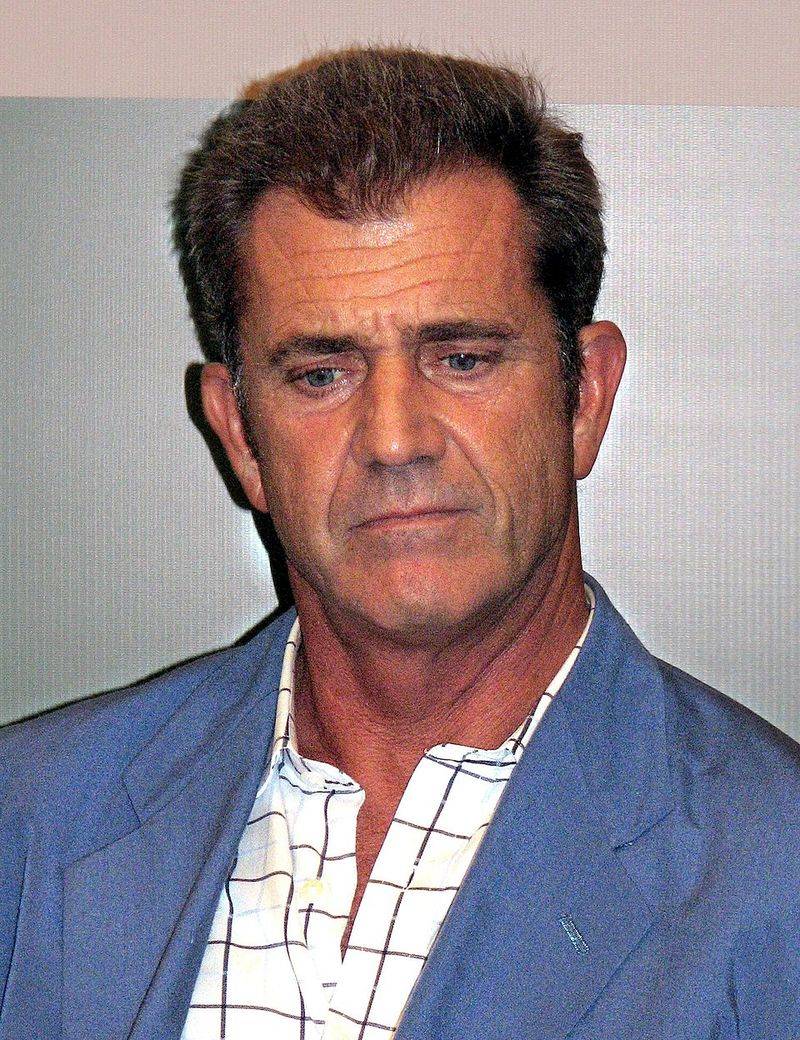
George Miller took Max into the full-blown apocalypse, stripping away civilization’s last pretenses.
The highway chase finale became the gold standard every action movie has tried to copy since. Max evolved from cop to wandering warrior, helping strangers despite his better judgment.
Villains wore leather and mohawks, creating an unforgettable post-apocalyptic aesthetic. The Road Warrior expanded its predecessor’s world into something bigger, wilder, and infinitely more memorable.
13. Paddington 2 (2017)
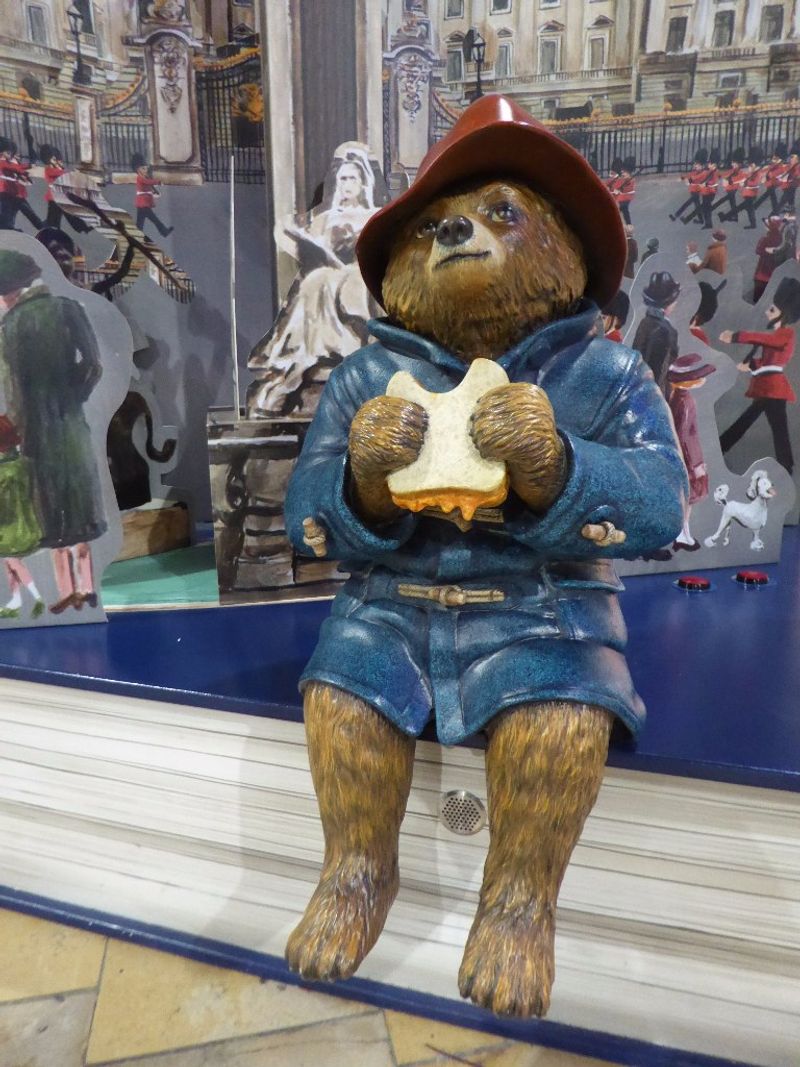
Unexpected joy arrived wrapped in a blue coat, delivering one of the decade’s most uplifting surprises.
Creative spark from Paul King shapes Paddington 2 into a caper where kindness quietly transforms a prison from the inside.
Scene-stealing fun comes courtesy of Hugh Grant, gleefully leaning into a washed-up actor turned villain with theatrical abandon. Slapstick and sincerity share equal footing, keeping children engaged while giving adults plenty to enjoy.
14. Before Sunset (2004)
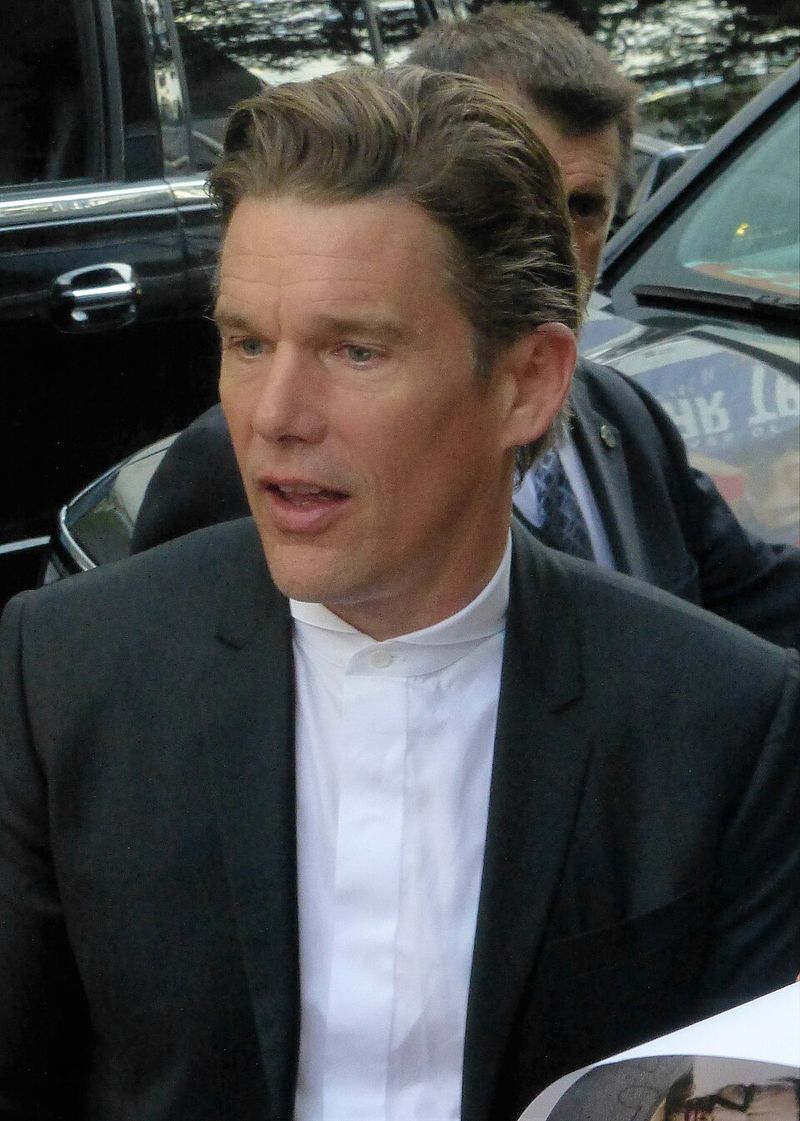
Nine years passed since Jesse and Celine’s first encounter, and Richard Linklater reunited them for another walking conversation.
Real-time storytelling made every minute count as they wandered Paris streets, catching up on lost time. The film captured how people change yet stay fundamentally themselves, wrestling with roads not taken.
Julie Delpy and Ethan Hawke’s chemistry deepened with age, making their reunion feel achingly authentic. Before Sunset understood that sometimes the best sequels are just two people talking.
15. The Bride Of Frankenstein (1935)
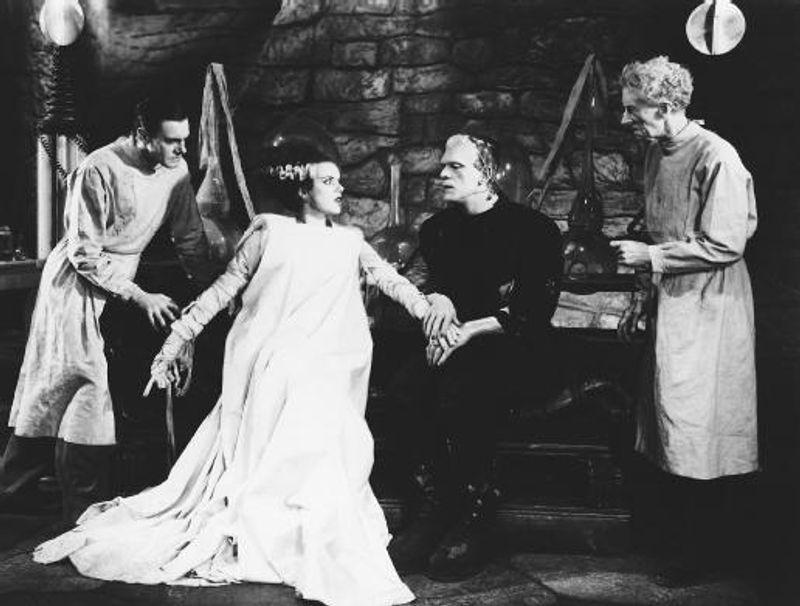
Dark ambition crept in when James Whale returned to his monster with sharper humor and bolder ideas.
Speech granted to the Creature deepened the tragedy, turning isolation into something painfully articulate once rejection followed.
Brief screen time proved enough for immortality, as Elsa Lanchester introduced the Bride with a striking look that burned instantly into film history. Camp blended seamlessly with sorrow in Bride of Frankenstein, expanding horror beyond fear into something strangely tender.
Note: Rankings reflect an editorial viewpoint shaped by widely available release information and commonly discussed critical reception at the time of writing, and opinions on sequels can shift over time as audiences revisit films and new entries reshape a franchise’s reputation.