
15 Shakespeare Adaptations That Brought The Bard To Modern Cinema
Four centuries have marched past, yet the Bard’s restless plots still commandeer our screens with brazen delight.
Balconies transform into beaches, daggers erupt like thunder, and sovereign crowns yield to glass-walled empires, while lovers swoon, villains smirk, and ambition swells to bursting.
Shift the setting as thou pleasest, for the human heart remaineth gloriously reckless, ever ripe for drama and a touch of mischief.
1. William Shakespeare’s Romeo + Juliet (1996)

In 1996, Baz Luhrmann reimagined Verona as ‘Verona Beach,’ a stylized modern coastal city where rival families trade modern threats instead of swordplay in Romeo + Juliet. Original Shakespearean dialogue remains intact, yet it unfolds amid Hawaiian shirts, flashy convertibles, and neon-lit streets.
Teen heartthrob energy from Leonardo DiCaprio and Claire Danes reframed the star-crossed romance, turning iambic pentameter into the language of pool parties and gas station showdowns.
MTV-style editing once drew eye rolls from older viewers, but the result made Shakespeare feel built for a Friday night watch rather than a classroom lecture.
2. 10 Things I Hate About You (1999)
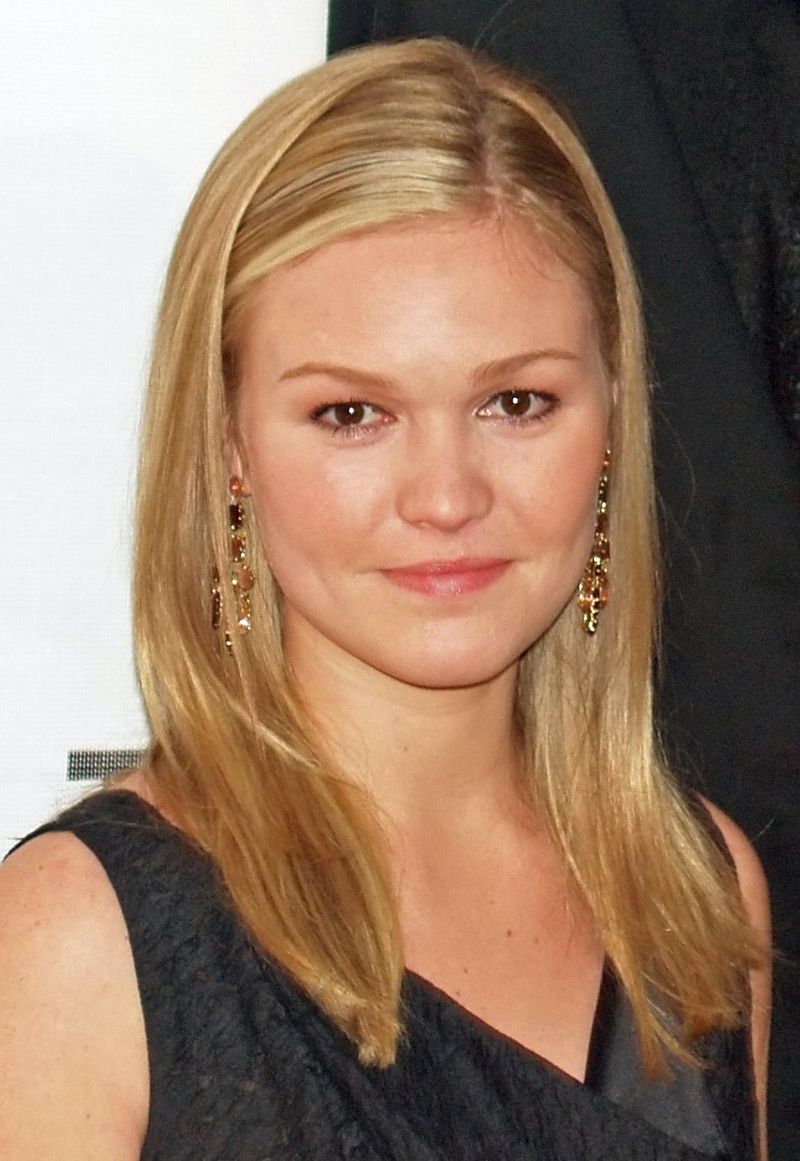
At Padua High School, a Shakespearean battle of wills unfolds beneath cargo pants and baby tees.
Katherine transforms into Kat Stratford, armed with a sharp tongue and a Riot Grrrl playlist, while Patrick Verona accepts cash to escort her to prom.
On the bleachers, Heath Ledger’s rendition of “Can’t Take My Eyes Off You” recasts a 400-year-old comedy as pure teen-heartthrob spectacle. In that moment, The Taming of the Shrew stops feeling like dusty homework and starts resembling a love story scribbled across a spiral notebook.
3. O (2001)

Teen drama traded Venetian battlefields for high school basketball courts in O, a modern spin on Shakespeare’s tragedy. Mekhi Phifer stepped into the role of Odin James, a standout player at an elite Southern prep school whose girlfriend and closest friend are drawn into a calculated spiral of jealousy and manipulation.
Under bright gym lights and within hushed locker rooms, pride and envy unfold with the same destructive force found in Othello.
Contemporary setting removes period costumes and distance, leaving the heartbreak exposed and immediate.
4. Scotland, PA (2001)

Macbeth got a grease-stained makeover in this darkly funny reimagining set at a fast-food joint in 1970s Pennsylvania.
Pat and Mac McBeth scheme their way into running a burger restaurant instead of a Scottish throne, trading daggers for deep fryers and prophecies for drive-thru windows. Christopher Walken shows up as a suspicious detective with a taste for vegetarian meals and justice.
Ambition, guilt, and a truly unfortunate hand injury make this one of the quirkiest ways Shakespeare ever showed up at the movies.
Who knew Shakespearean ambition could pair so well with French fries?
5. She’s The Man (2006)

Under a borrowed wig, Amanda Bynes posed as her own twin brother to sneak onto a rival school’s soccer team.
Chaos follows as Twelfth Night transforms into a teen comedy packed with locker room confusion, chaotic disguises, and spectacularly bad sideburns. Meanwhile, Viola develops feelings for her roommate Duke, who longs for Olivia, who swoons over Viola’s invented brother Sebastian, until the real Sebastian arrives to unravel everything.
Filtered through early 2000s humor, Shakespeare’s mix-ups land with soccer shorts, sharp punchlines, and a debutante ball reveal that refuses to be forgotten.
6. West Side Story (2021)
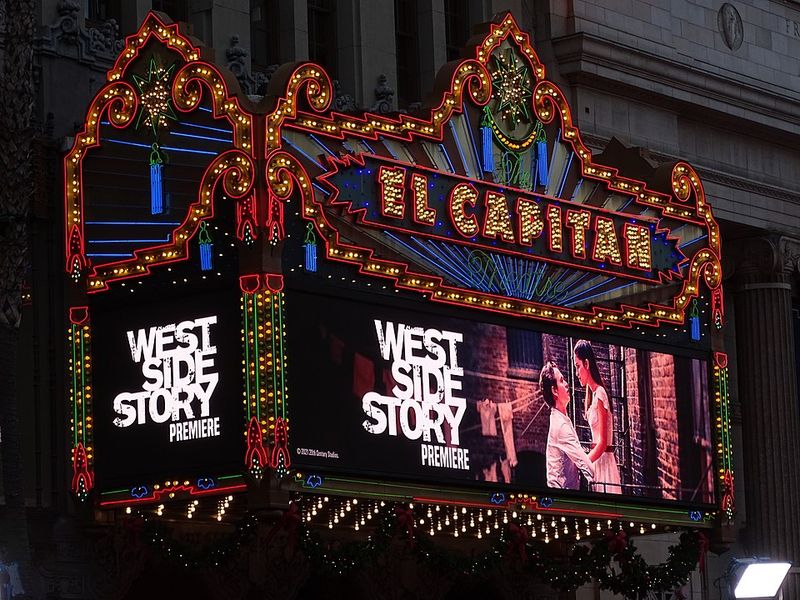
Gritty New York realism replaced stage polish when Steven Spielberg reimagined the classic musical in West Side Story, framing the story against crumbling tenements marked for demolition.
Rival houses transformed into the Jets and the Sharks, white and Puerto Rican gangs battling for space on the Upper West Side as Tony and Maria rushed toward a love that felt both inevitable and impossible.
Finger snaps and soaring ballads remained, yet added attention to gentrification, immigration tensions, and cultural identity gave the 1950s setting a sharper edge. Echoes of Romeo and Juliet have rarely sounded so lush or landed with such emotional weight.
7. Hamlet (2000)
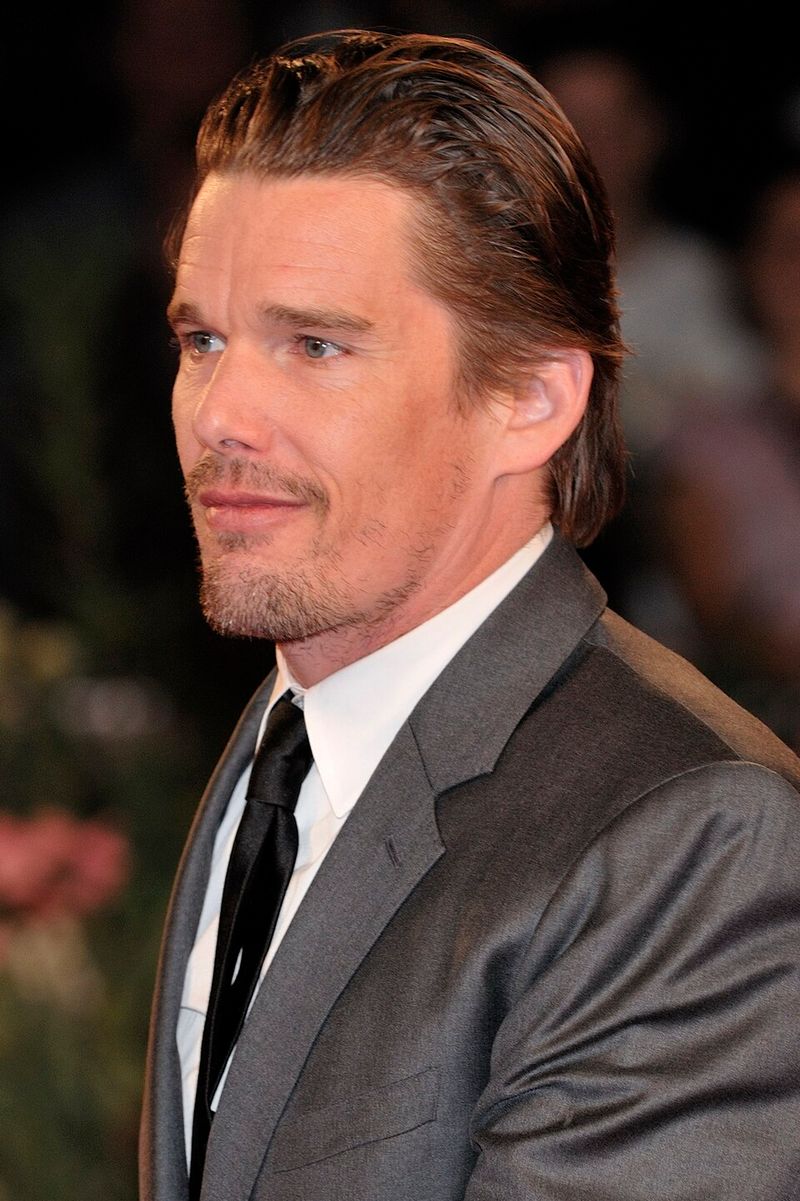
Elsinore Castle rises once again as a Manhattan skyscraper, and Denmark becomes the Denmark Corporation in a slick millennial makeover.
Brooding intensity defines Ethan Hawke’s Hamlet, now a film student caught between revenge, handheld video cameras, and a family empire thick with corruption. Inside a Blockbuster Video aisle, “To be or not to be” echoes between shelves stocked with stories about action and consequence.
Shakespearean soliloquies remain intact as swords give way to surveillance and royal intrigue morphs into corporate betrayal, confirming that existential dread survives any century.
8. My Own Private Idaho (1991)

Gus Van Sant blended Henry IV’s tavern scenes and Prince Hal’s journey with the lives of two young outsiders drifting through the Pacific Northwest. River Phoenix and Keanu Reeves played Mike and Scott, best friends navigating survival, instability, and the search for belonging on highways and in seedy motels.
Shakespeare’s dialogue appears in unexpected bursts, like poetry breaking through the pavement.
The film captures the aimlessness of youth and the heartbreak of loving someone who’s destined to leave you behind, all wrapped in images as haunting as falling asleep on an Idaho road.
9. The Tempest (2010)
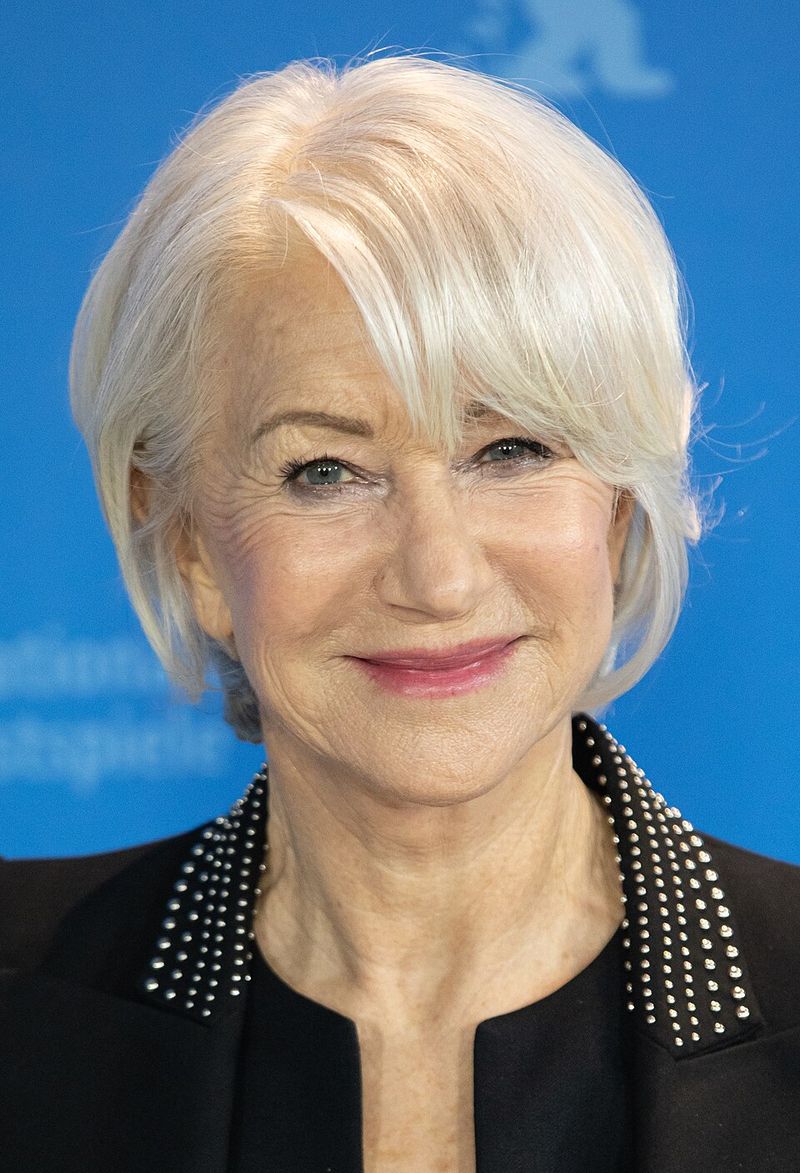
Gender roles shifted when Julie Taymor reimagined Prospero as Prospera in The Tempest and cast Helen Mirren as the exiled sorceress ruling a remote island. Shakespeare’s language remained intact, yet fever-dream visuals filled the screen with spirits made of light and a Caliban rendered as something truly otherworldly.
Storms, manipulation of stranded nobles, and a farewell to magic all carried new weight when viewed through a mother’s fierce, protective resolve.
Meditation on power and forgiveness gained a sharper, more intimate edge under that maternal lens.
10. Much Ado About Nothing (2012)
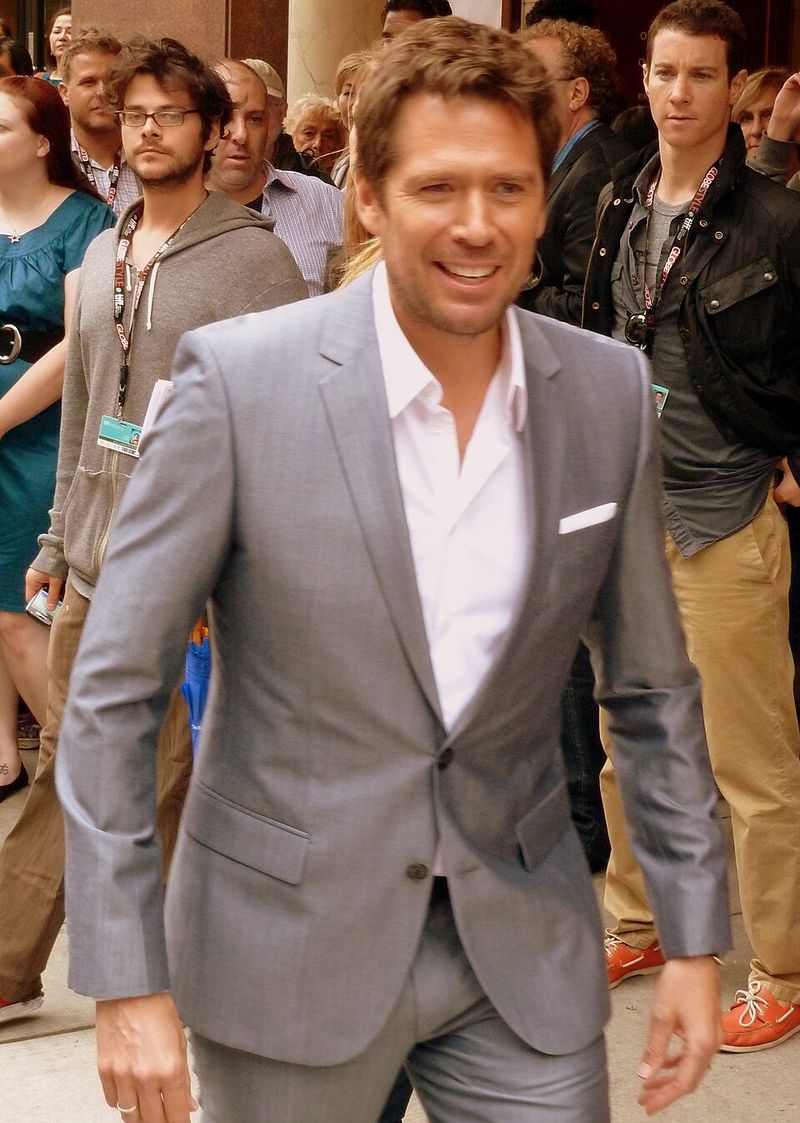
Over twelve brisk days, Joss Whedon filmed a black-and-white romantic comedy inside his own home, transforming Messina into a modern California estate.
Cocktail parties replaced masked balls as Beatrice and Benedick traded sharp barbs, and the story unfolded like an elegant weekend among witty friends in party mode.
Rapid-fire dialogue slipped easily into contemporary voices, while the “noting” that fuels the plot played out through overheard conversations in gardens and beside a sunlit pool. Results made one point clear: Shakespearean comedy thrives when the setting feels relaxed, the lighting flatters every glance, and the chemistry sparks without effort.
11. Coriolanus (2011)

Ancient Rome shifted into a contemporary conflict setting when Ralph Fiennes directed and starred in Coriolanus, framing the conflict with a tone reminiscent of the Balkans.
Title character emerged as a decorated military hero undone by pride and open disdain for the citizens he was meant to represent, captured through handheld cameras and relentless cable news chyrons.
Action sequences were shot with a news-footage immediacy, while political scheming unfolded in press conferences and streets scarred by unrest. Among Shakespeare’s least-performed tragedies, Coriolanus gained a sharp urgency, echoing modern anxieties about ego, power, and fragile democratic systems.
12. Macbeth (2015)
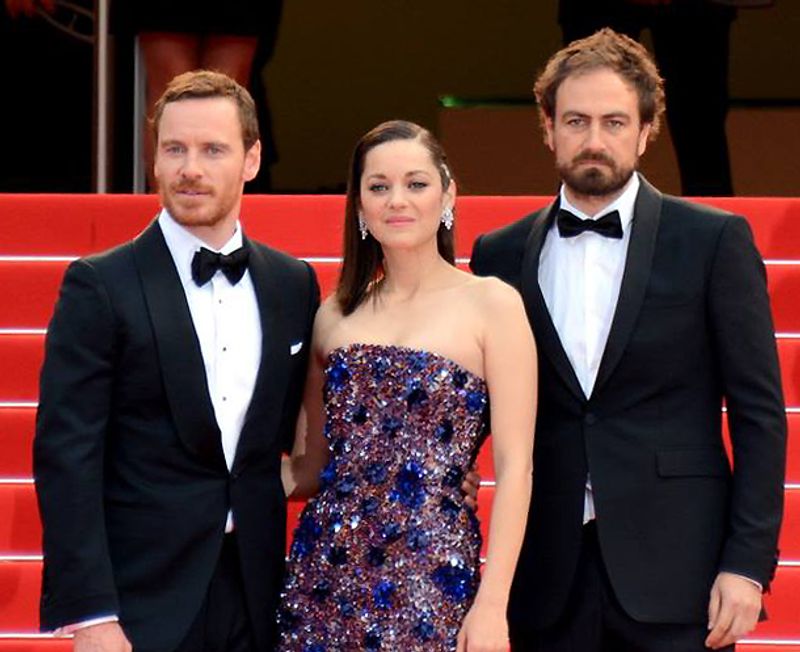
Michael Fassbender and Marion Cotillard brought a haunted, visceral intensity to the Scottish play in this fog-drenched adaptation. Director Justin Kurzel filmed the Scottish Highlands like a fever dream, all bold, high-contrast visuals, wind-whipped stark landscapes, and castles that looked like an atmosphere that feels intensely surreal.
The witches appeared as actual women scarred by war, and every turning point lands with heavy consequence.
Lady Macbeth’s sleepwalking scene became a masterclass in guilt made visible, and the whole film moved like a beautiful, slow-motion descent into madness you couldn’t look away from.
13. The Lion King (1994)

With Hamlet as a blueprint, Disney traded Danish royalty for African lions and delivered one of the most successful animated films ever made. Simba’s path from carefree cub to hesitant king echoes Hamlet’s conflict over duty and revenge, only now accompanied by singing meerkats instead of brooding monologues.
Scar stands in for Claudius, complete with a polished accent and a mane as shadowed as his ambitions, while Mufasa’s spirit materializes in the clouds rather than along castle ramparts.
Across the globe, children absorbed lessons about betrayal, grief, and responsibility, unaware that Shakespeare had slipped in beneath an Elton John soundtrack.
14. Throne Of Blood (1957)

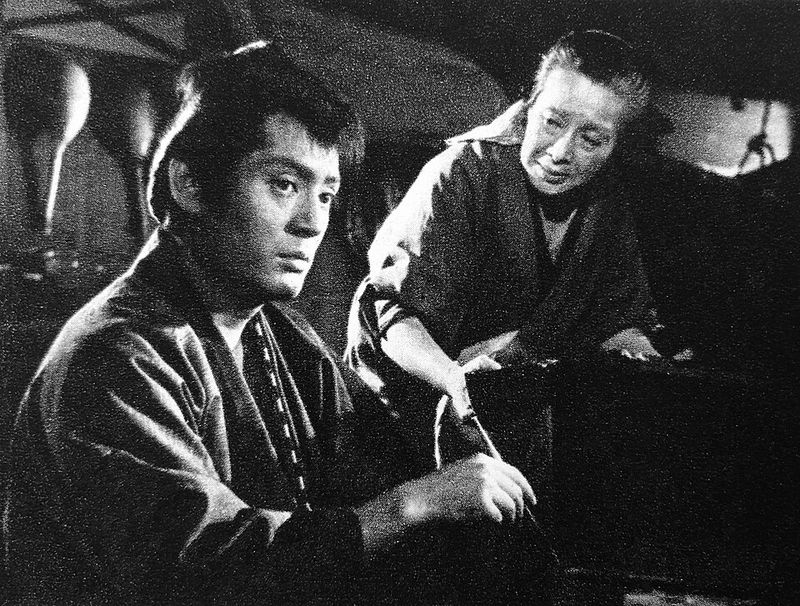
Akira Kurosawa moved Macbeth to feudal Japan and turned it into a masterpiece of atmospheric dread and Noh theater aesthetics. Toshiro Mifune played Washizu, a samurai lord driven to murder by prophecy and his wife’s icy ambition, all set in fog-shrouded forests and fortress walls.
The film’s final scene, with Washizu overwhelmed in a relentless final confrontation, remains one of cinema’s most unforgettable images of karma delivered in wood and feathers.
No English, no Scotland, but every bit of Shakespeare’s tragedy about ambition eating a man alive from the inside out.
15. Ran (1985)
Japanese history met Shakespeare when Akira Kurosawa reshaped King Lear into the sweeping samurai epic Ran, centering on an aging warlord who divides his realm among three sons.
Title translates to “chaos,” and the film honors that meaning with large-scale set pieces, castles consumed by chaos, and betrayals that feel almost mythic in scale. Armies collide across open fields while a once-mighty lord drifts through a scorched landscape, turning Lear’s downfall into something grand and operatic.
The consequences of pride shape a vision that carries Shakespeare’s tragedy into a distinctly Japanese epic tradition.
Disclaimer: This article highlights film adaptations and modern reimaginings connected to Shakespeare’s plays and discusses them in a magazine-style, interpretive way. Descriptions of themes, tone, and cultural impact reflect critical reading and may vary by viewer, edition, and historical context.
The content is provided for general informational and entertainment purposes and is not legal, financial, or professional advice.



_6.jpg)

.jpg)

.jpg)


