13 Sitcom Running Gags Viewers Eventually Got Tired Of
Running gags are supposed to feel like an inside joke everyone is in on, the kind that gets funnier every time it pops up.
Then comes the moment when the joke shows up again… and again… and again, and suddenly the laugh turns into a polite nod.
Sitcoms love a good repeat, but there is a fine line between “classic bit” and “please, anything else.” Once that line gets crossed, even the most loyal viewers start bracing themselves instead of laughing along.
Timing slips, the punchline loses its edge, and what once felt clever starts to feel like it is on autopilot. That shift is oddly fascinating to watch.
Same joke, same setup, completely different reaction, and it says a lot about how quickly comedy can wear out its welcome when it sticks around just a little too long.
Disclaimer: This article is intended for general informational and entertainment purposes only. Opinions about sitcom humor, recurring jokes, and audience fatigue reflect editorial perspective, and individual viewers may disagree on which gags wore out their welcome.
1. “We Were on a Break!” — Friends
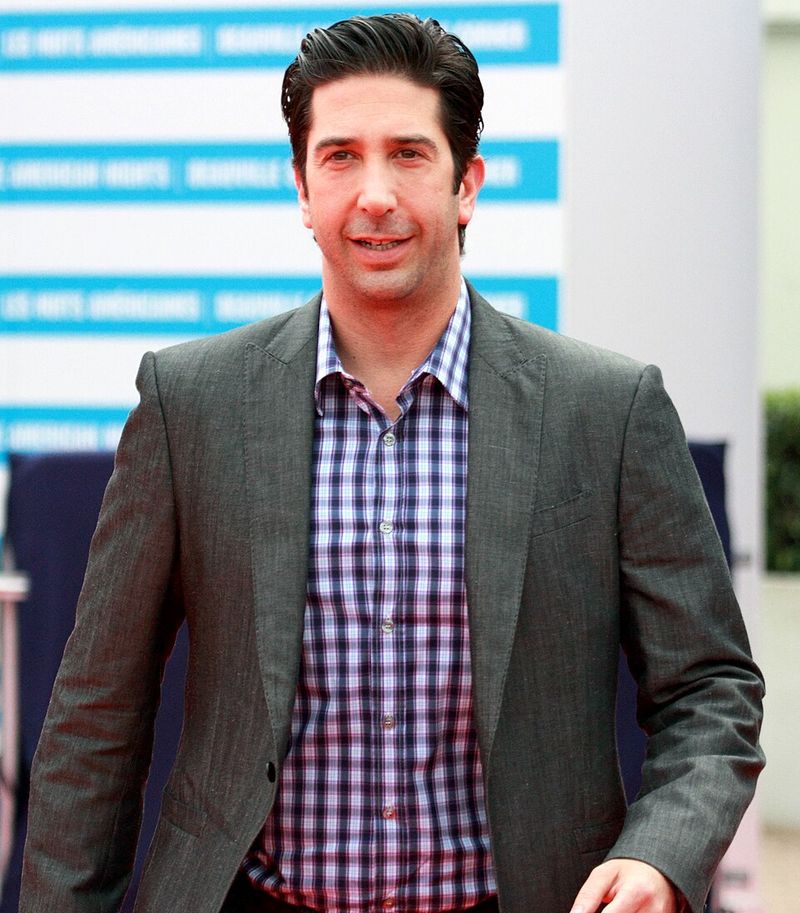
Imagine you are watching Friends for the hundredth time, and Ross Geller launches into his signature defense once again.
“We were on a break!” Four words that somehow survived ten seasons without retirement papers.
What started as a genuinely dramatic plot point between Ross and Rachel quickly became the show’s most recycled punchline. Writers leaned on it so hard it practically needed a chiropractor.
Fans who once debated the breakup with real passion eventually started groaning the moment Ross opened his mouth.
2. Barney’s Endless Womanizing Playbook — How I Met Your Mother
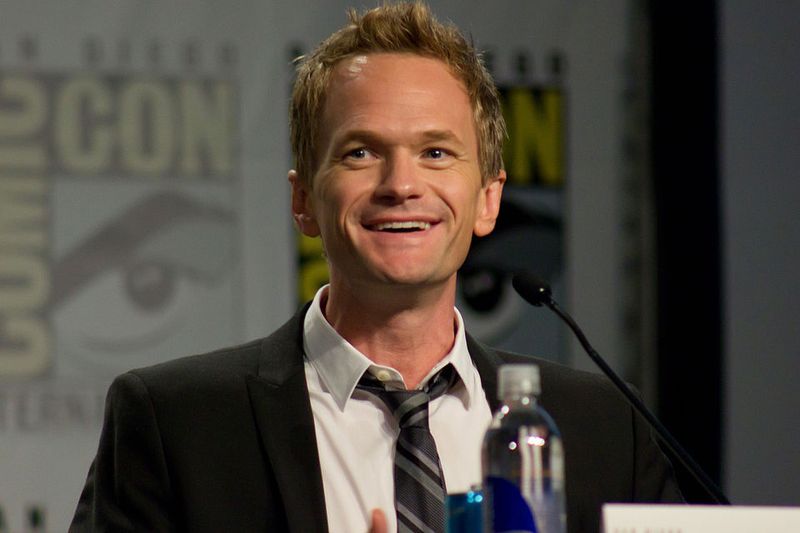
Barney Stinson burst onto screens as the guy you loved to side-eye, armed with a binder full of ridiculous dating schemes.
Early on, his manipulative antics were played for sharp satirical laughs. Suit up, indeed.
However, as seasons piled on, the joke stopped feeling edgy and started feeling exhausting. Watching the same cycle of elaborate schemes targeting unsuspecting women lost its comedic shine fast.
Viewers who once cheered for Barney’s absurd confidence began questioning why the show kept rewarding the behavior instead of evolving it.
3. Sheldon’s Triple Knock — The Big Bang Theory

Knock knock knock. Penny. Knock knock knock. Penny. Knock knock knock. Penny.
If you have seen even three episodes of The Big Bang Theory, those words are already replaying in your head right now.
Sheldon Cooper’s compulsive three-knock ritual was genuinely charming the first dozen times. It felt like a quirky window into his obsessive personality.
But once the writers realized audiences recognized it instantly, the knock became a crowd-pleaser cue rather than an organic character moment.
4. Bazinga! — The Big Bang Theory
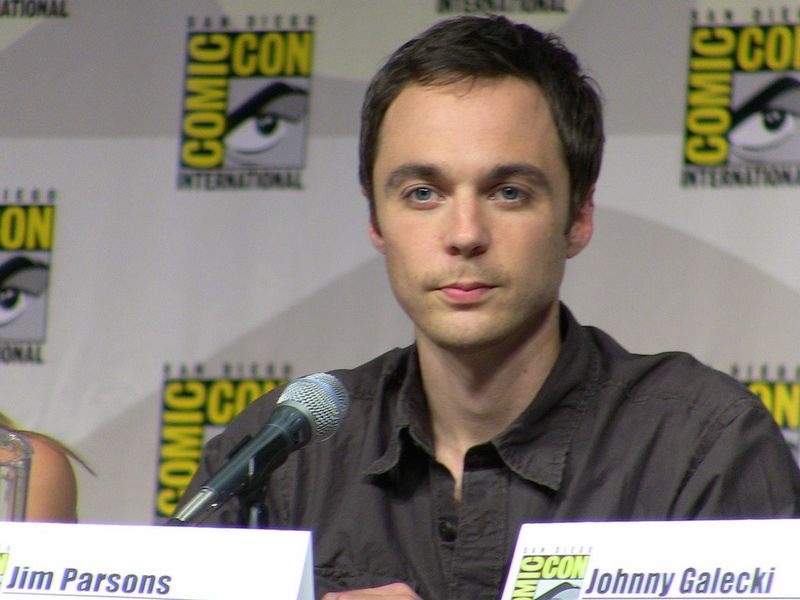
Few sitcom catchphrases have had a rise and fall quite as dramatic as “Bazinga!”
When Sheldon first deployed it as his personal gotcha signal, audiences genuinely found it endearing and surprisingly funny.
Then came the merchandise. The mugs.
The T-shirts. The endless callbacks. “Bazinga!” stopped being a joke and became a brand, which is basically the end for any good punchline.
Viewers started flinching when they heard it coming rather than laughing along. Even Jim Parsons, brilliant as he is, could not rescue a word that had been merchandised into meaninglessness.
5. Jake’s “Cool Cool Cool” — Brooklyn Nine-Nine
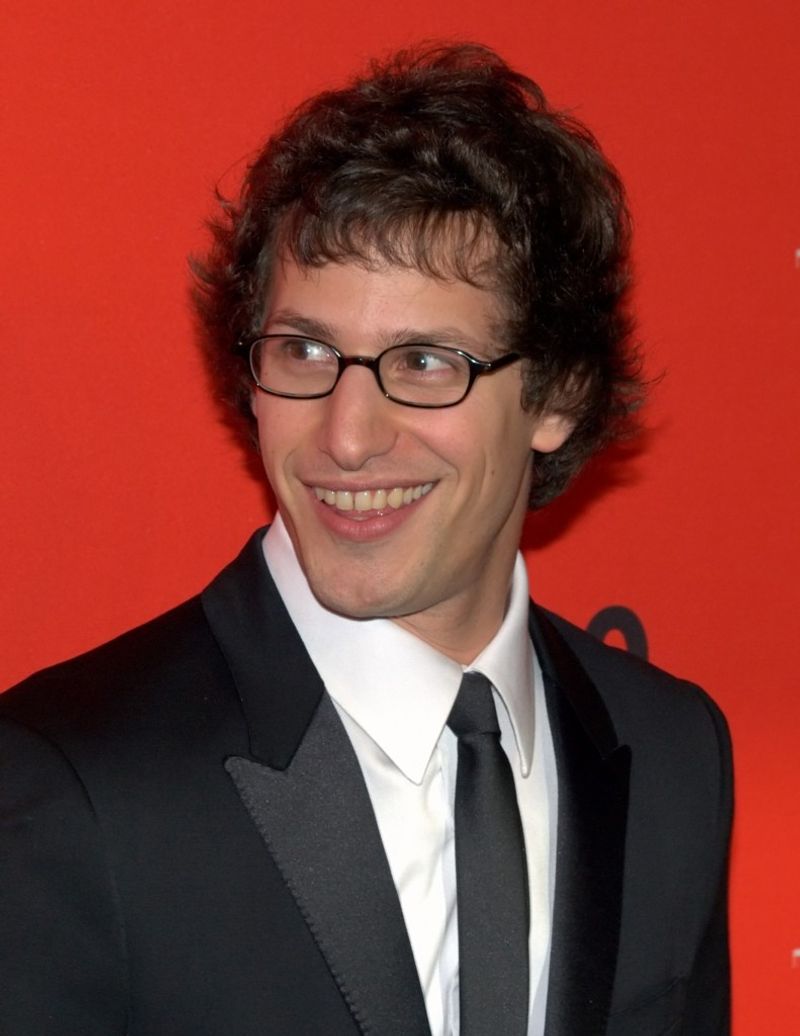
Jake Peralta was built for chaos, charm, and perfectly timed pop-culture references.
His habit of stacking “cool cool cool” as a verbal buffer when processing awkward news was genuinely hilarious early on.
However, somewhere around season four, fans in online forums started noticing it felt less like Jake’s voice and more like a scripted audience nudge.
The phrase became so expected that it lost the spontaneous energy that made it funny in the first place.
6. The Annual Halloween Heist — Brooklyn Nine-Nine
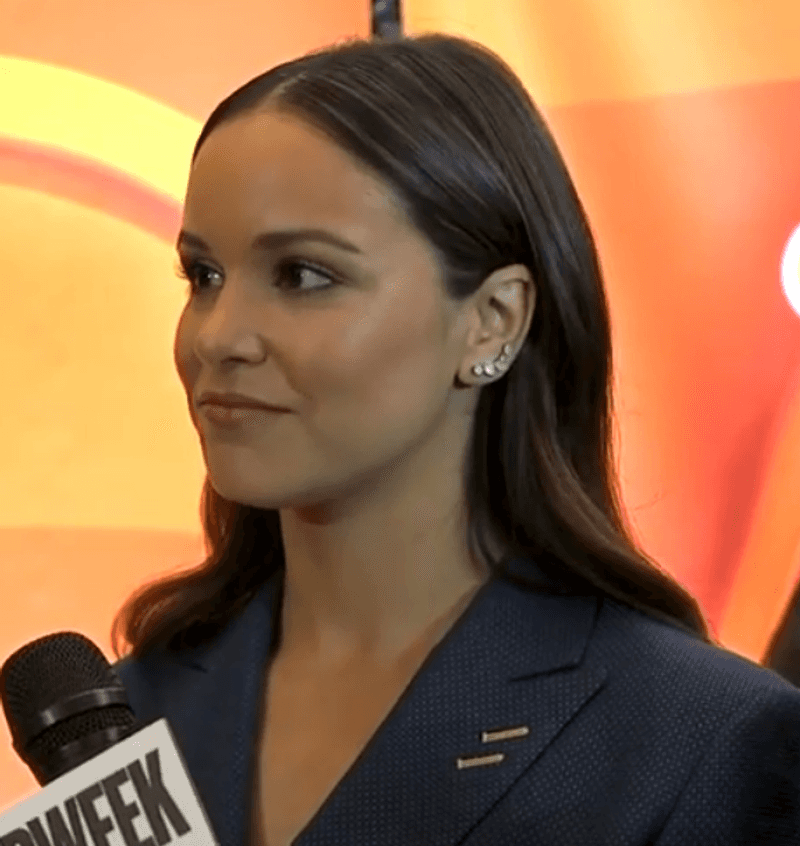
The first Halloween Heist episode of Brooklyn Nine-Nine was genuinely one of the most creative half-hours of comedy television in years. Everyone trying to outsmart everyone else? Chef’s kiss.
But once the heist became a guaranteed annual tradition, the formula started showing its seams. Every new installment required increasingly ridiculous twists to top the last one, and that desperation became visible.
Fans who once eagerly anticipated the episodes began predicting the beats before they landed.
7. “Shut Up, Meg” — Family Guy
Family Guy built Meg Griffin as the family’s designated punching bag from practically day one.
The joke was simple: everyone dismisses Meg, and that dismissal is somehow funny. Early on, it worked as dark absurdist humor.
Over time, though, the cruelty stopped feeling satirical and started feeling genuinely mean-spirited without a comedic payoff worth the discomfort.
Audiences noticed that Meg never got a redemption arc, never truly fought back in a satisfying way.
8. Fez’s One-Note Obsession — That ’70s Show

Fez arrived on That ’70s Show as the wide-eyed foreign exchange student whose cultural confusion and romantic desperation made for genuinely funny fish-out-of-water comedy.
But writers leaned so hard into his one-track romantic obsessions that Fez essentially became a collection of reactions rather than a full character.
Every scene started revolving around the same punchline: Fez wants a girlfriend and cannot get one. Funny once, twice, maybe twenty times.
By season five, it felt like the writers had given up developing him entirely. Characters deserve room to grow, and Fez was kept in a very small pot.
9. Michael Scott Mangling Every Phrase — The Office
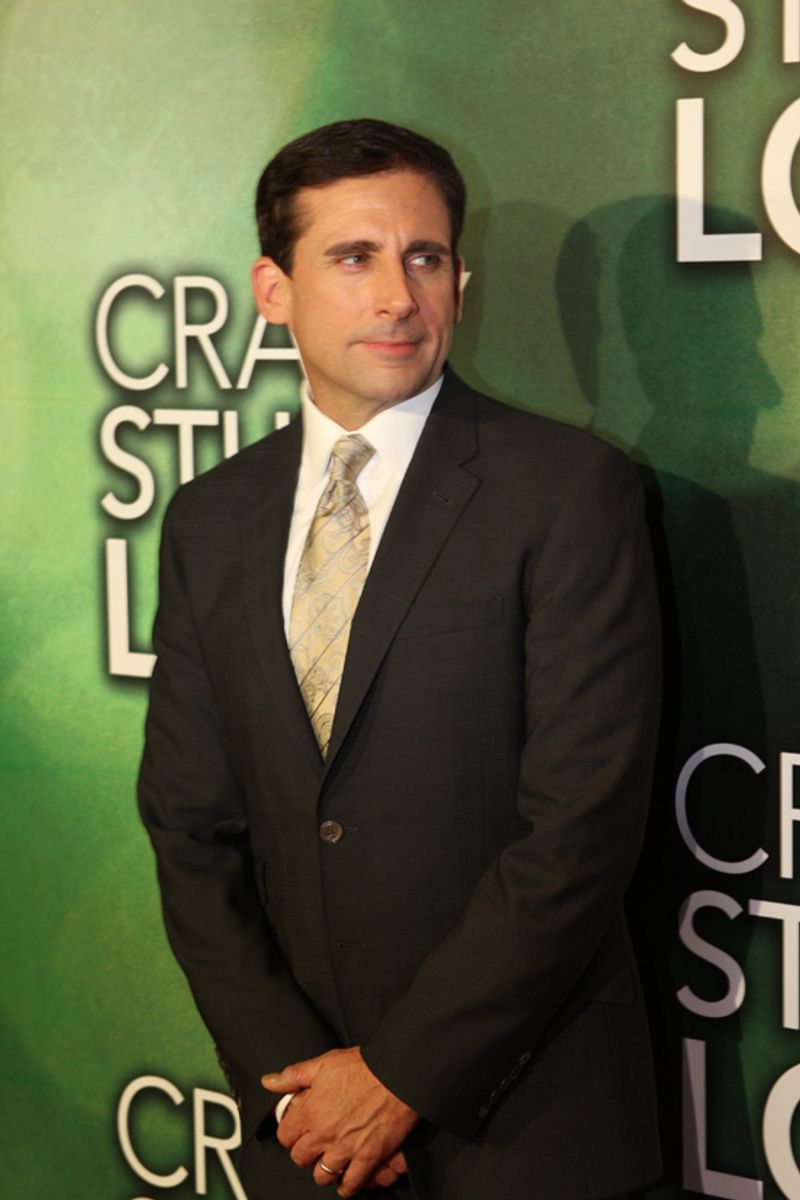
Michael Scott’s habit of confidently misquoting famous sayings and mangling common phrases was a comedic goldmine in the early seasons of The Office. His oblivious confidence made every botched idiom funnier.
Where it started feeling predictable was when viewers could see the setup coming a mile away. The moment Michael opened his mouth near a famous saying, you knew exactly what was happening next.
Comedy lives in surprise, and once the audience knows the trick, the magician loses the magic.
10. Charlie Sheen’s “Winning” Self-Mythology — Two and a Half Men

Two and a Half Men built its entire comedic identity around Charlie Harper’s consequence-free lifestyle: beautiful house, zero responsibilities, endless confidence.
For early seasons, that fantasy was actually entertaining escapism. But when the show doubled down on the same joke season after season with no evolution whatsoever, the fantasy curdled.
Watching a character repeatedly “win” without any real stakes gets boring fast.
Add the real-world chaos surrounding Charlie Sheen’s public persona, and the on-screen mythology became impossible to separate from the offscreen noise.
11. Joey’s Late-Season Cluelessness — Friends
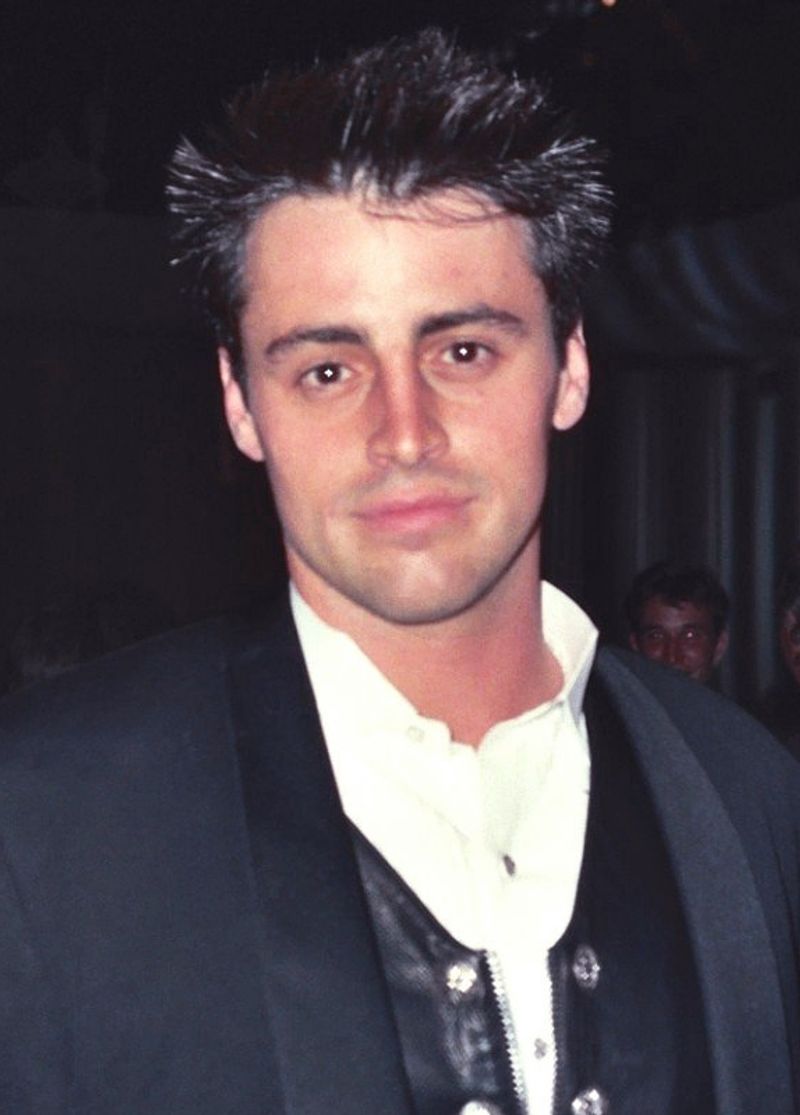
Part of Joey Tribbiani’s charm was that he was never the sharpest crayon in the box. His early naivety was warm, lovable, and balanced perfectly against the rest of the Friends ensemble.
However, somewhere in the later seasons, the writers cranked his cluelessness up so far it stopped feeling like a personality trait and started feeling like a different character entirely.
Joey forgetting basic facts, struggling with simple concepts, missing obvious social cues: it all became so exaggerated that fans who once adored him started feeling a little embarrassed for him instead.
12. Cartoonish Misunderstandings — Three’s Company
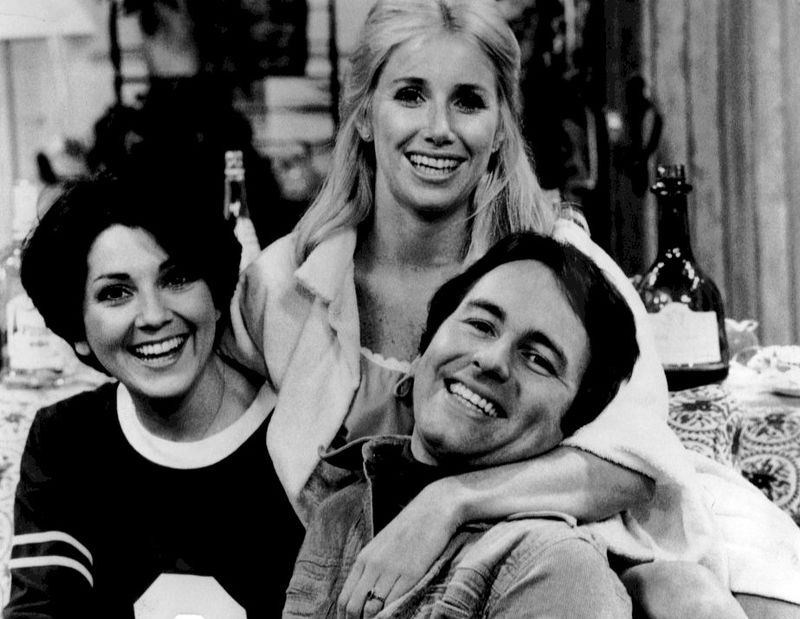
Three’s Company practically invented the template for misunderstanding-based sitcom comedy.
Jack Tripper overhears half a conversation, assumes the worst, and chaos erupts. It was fresh and genuinely funny in 1977.
However, the show never let any character learn from a single misunderstanding. Ever.
Not once across eight seasons did anyone think to just finish a sentence.
Audiences who watched religiously started noticing that the entire show ran on one gear: miscommunication, panic, resolution, repeat.
13. Catchphrase Overload in Classic Multi-Cam Sitcoms

“Did I do that?” “How rude!” “You got it, dude!” If those lines just played in your head with full voice and inflection, congratulations, you have been successfully conditioned by 1990s multi-camera sitcoms.
Catchphrases were the social media of pre-internet TV: instant and deeply satisfying when fresh.
But writers discovered that audiences responded to them and then kept pulling that lever long after the joke had worn smooth.
What once felt like a character’s authentic voice became a mandatory applause cue.