17 Slang Terms From The ’70s That Drifted Out Of Modern Language
Remember when people actually said things like “groovy” and “far out” without a hint of irony?
The 1970s brought us disco balls, bell-bottoms, and a whole dictionary of slang that eventually vanished into the cultural sunset.
These colorful expressions defined an entire generation, but most have been collecting dust in the attic of forgotten words for decades now.
1. Grody

Picture someone wrinkling their nose at spoiled milk or stepping in something nasty on the sidewalk.
That exact feeling is what people in the seventies captured with this one perfect word.
Before “gross” and “disgusting” took over, kids everywhere were declaring cafeteria food and unwashed gym socks totally grody.
It rolled off the tongue with maximum drama, making even minor annoyances sound epically revolting.
2. Far Out

When something absolutely blew your mind back in the day, you didn’t just say “cool.”
You stretched out those two syllables like taffy and declared it far out, man!
Musicians, surfers, and everyday folks used this phrase to express genuine wonder at everything from a killer guitar solo to the first moon landing.
It captured that sense of limitless possibility that defined the entire decade.
3. Jive Turkey

Nothing stung quite like being called this back in the seventies.
If someone labeled you a jive turkey, they were basically saying you were fake, phony, and not to be trusted.
The phrase had serious sass behind it, often delivered with a head shake and maybe even a finger wag for emphasis.
It was the ultimate way to call out someone who talked big but delivered absolutely nothing.
4. Fuzz
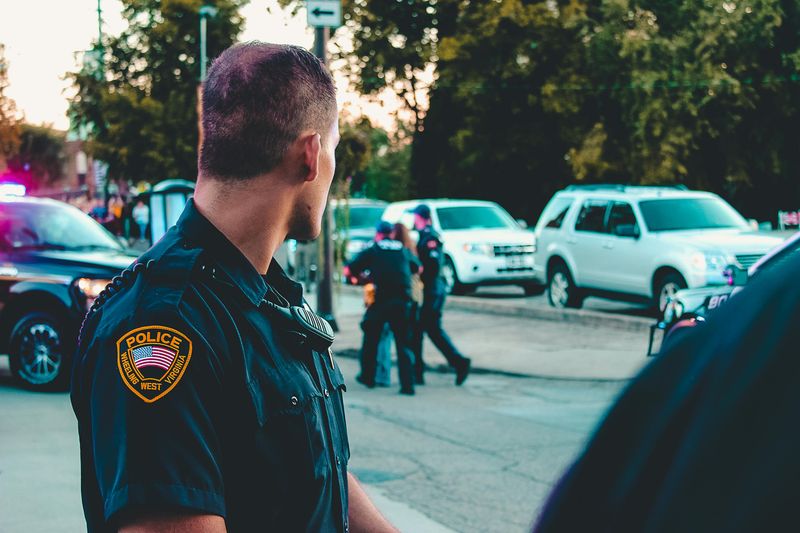
Before anyone was talking about cops or the po-po, rebellious teens had their own code word.
Whisper “the fuzz is coming” and everyone knew exactly what that meant without spelling it out.
Nobody really knows why police officers got this fuzzy nickname, though some think it came from their crew cuts or the static on police radios.
Either way, it became the go-to term for anyone trying to sound street-smart.
5. The Man

Authority figures in suits trying to squash your freedom?
That was The Man, and everyone from hippies to rock stars complained about him constantly.
Whether it was your boss, the government, or just anyone trying to enforce boring rules, this phrase covered it all.
Using it made you sound rebellious and countercultural, like you were sticking it to the establishment one phrase at a time.
6. Keep On Truckin’

When life got tough and you needed encouragement, someone would tell you to keep on truckin’.
This wasn’t about actual trucks at all, but about moving forward no matter what obstacles blocked your path.
Artist Robert Crumb made it famous with his cartoon character strutting along with impossible confidence.
The phrase became a rallying cry for persistence, plastered on posters and T-shirts across America.
7. Outta Sight

Imagine something so incredibly awesome that it literally transcends normal vision.
That’s the vibe this phrase brought to every conversation about anything remotely exciting.
From a friend’s new car to a mindblowing concert, declaring it outta sight meant you were genuinely impressed beyond ordinary words.
It was the ultimate compliment, delivered with enthusiasm and maybe even a peace sign for good measure.
8. Crash Pad

Hotels were expensive and couches were free, which made crash pads essential real estate in the seventies.
Any place where you could temporarily lay your head qualified, whether it was a friend’s apartment or a communal living space.
The term had a distinctly bohemian flavor, suggesting a lifestyle focused on experiences rather than material comfort.
It was all about community, sharing space, and keeping things gloriously informal.
9. Dig It
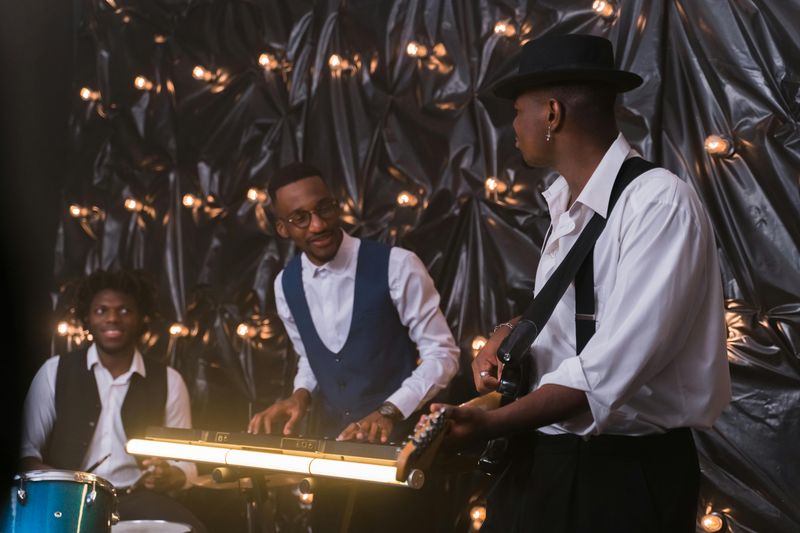
Understanding someone went way deeper than just hearing their words in the seventies.
When you said you could dig it, you were connecting on a spiritual level, really grasping what they meant.
Jazz musicians had been using this phrase for years before it exploded into mainstream conversation.
It made every exchange feel more meaningful, like you were truly tuned into each other’s wavelengths without even trying.
10. Threads

Asking someone about their threads was way cooler than just mentioning their clothes.
This slang turned fashion into something artistic and expressive, worthy of actual appreciation and commentary.
Whether you were rocking bell-bottoms or a psychedelic shirt, your threads said everything about your personality and style.
It made getting dressed feel less like a chore and more like creating wearable art every single morning.
11. Foxy

Attractiveness got a whole lot more interesting when you could describe someone as genuinely foxy.
This wasn’t just about looks but about an entire vibe of confidence, style, and undeniable charisma rolled together.
From Pam Grier to John Travolta, the foxiest people owned their appeal without even trying too hard.
Calling someone foxy was basically the highest compliment you could offer in the romance department back then.
12. Catch You On The Flip Side

Goodbyes got infinitely more interesting when you referenced the B-side of vinyl records.
Instead of boring old “see you later,” this phrase brought music culture directly into everyday farewells.
It suggested you’d reconnect after the metaphorical record flipped, keeping the conversation and connection alive.
DJs and music lovers especially appreciated the reference, making every departure feel like just an intermission rather than an ending.
13. Book It

Sometimes you needed to escape a situation faster than your legs could normally carry you.
That’s when you’d hear someone yell to book it, meaning run like your life depended on it!
Whether fleeing an angry parent or racing to catch a bus, this phrase added urgency and drama to every sprint.
It made ordinary running sound like an action movie chase scene unfolding in real time.
14. Lay A Patch
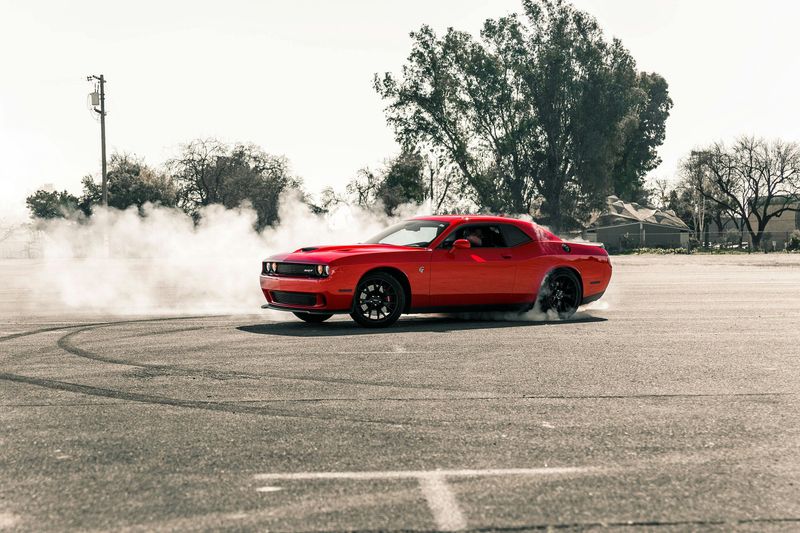
Burning rubber never sounded quite as cool as when someone described it as laying a patch.
This phrase captured that moment when tires screamed and left black marks on the pavement during acceleration.
Muscle cars and hot rods made this possible, and every teenage driver dreamed of mastering the technique.
It was automotive poetry, turning dangerous driving into something that sounded almost artistic and rebelliously thrilling.
15. Hang Loose

Stress was the enemy, and this phrase was the antidote everyone needed to hear.
Telling someone to hang loose meant encouraging them to relax, stop worrying, and just let life flow naturally.
Surfers popularized it along with the accompanying hand gesture that became universally recognized.
It embodied that carefree seventies attitude where being uptight was basically the worst thing you could possibly be.
16. Funky
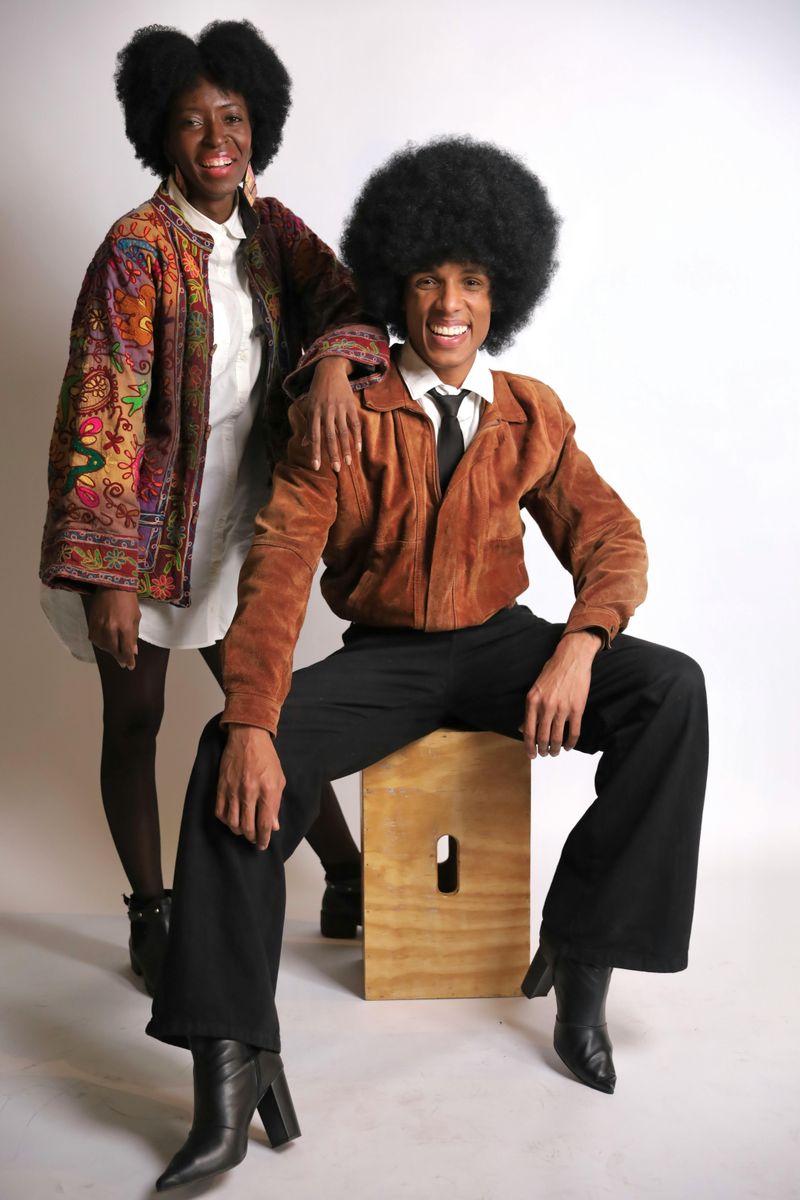
Before funky just meant weird smells, it was the ultimate praise for anything with soul and style.
Music with that deep groove, fashion with bold patterns, even attitudes could all be gloriously funky.
James Brown and Parliament-Funkadelic made the word synonymous with irresistible rhythm and authentic cool.
Saying something was funky meant it had that special something that made you want to move and feel alive.
17. Right On

Agreement never sounded quite as enthusiastic as when you shouted right on with genuine conviction!
This wasn’t just saying yes, it was celebrating someone’s idea like they’d just solved world peace.
Activists and everyday people alike used it to show solidarity and complete alignment with whatever was being said.
Two simple words somehow captured the entire spirit of unity and positive vibes that defined the decade perfectly.