16 ’60s Stars Promoted As The Next Big Thing In Hollywood
A new generation of bright-eyed talent flooded movie screens during a decade full of change and big expectations.
Studio publicity machines worked overtime, placing these rising performers in glossy magazines and high-profile roles meant to launch long careers. Some names went on to become legends, while others slowly drifted out of the spotlight. Fame moved fast in that era, and not everyone managed to hold on.
Disclaimer: Information in this article is presented for general informational and entertainment purposes and reflects a summary of widely documented career highlights and public reception.
Descriptions of “next big thing” hype, legacy, and impact can be subjective, and individual careers may be interpreted differently over time as new interviews, archives, and retrospectives surface.
16. Tuesday Weld
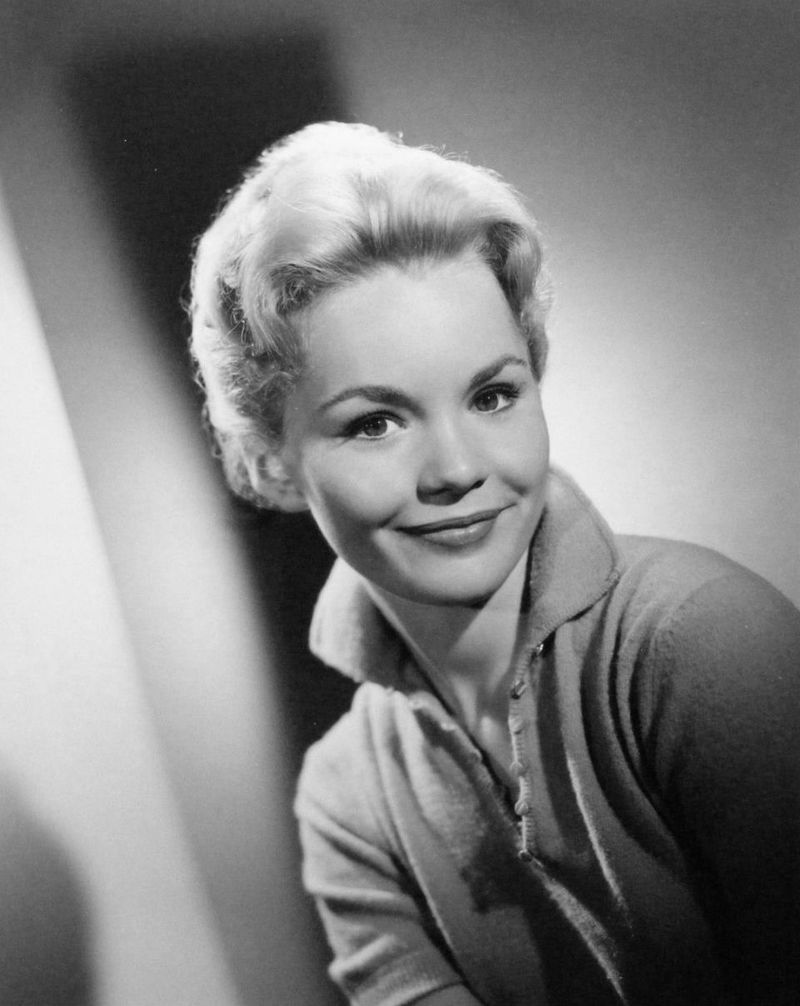
Unpredictable and edgy, a Golden Globe winner specialized in playing complex women who defied easy categorization.
Critics often praised her work in films that ranged from prestigious dramas to cult classics. Despite the acclaim, mainstream audiences never quite embraced her the way studios hoped.
She remained just outside the circle of household names, a talented actress who chose interesting roles over commercial success. Her career became a testament to artistic integrity over mass appeal.
15. Keir Dullea
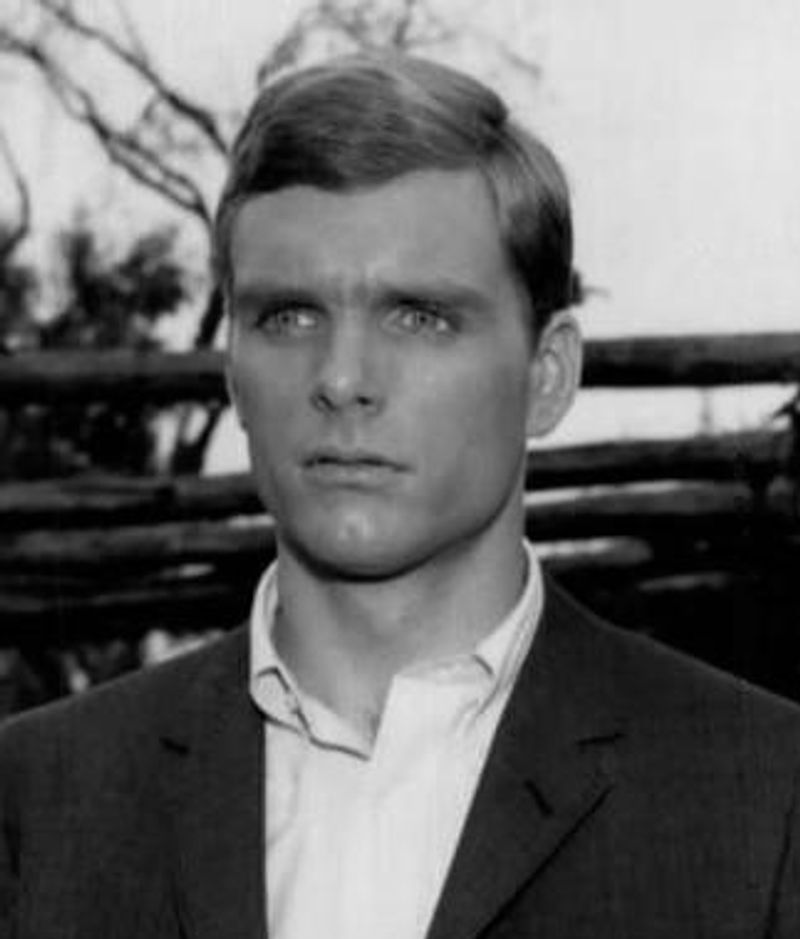
Intense and cerebral, this actor brought a thoughtful quality to his performances that set him apart from typical leading men of the era.
His starring role in Stanley Kubrick’s groundbreaking 2001: A Space Odyssey should have catapulted him to major stardom. The film is widely regarded as one of the most influential movies ever made and remains a cultural touchstone decades later.
Despite this association with a masterpiece, leading man status in Hollywood somehow eluded him. He continued working steadily but never became the household name many predicted.
14. Sharon Tate
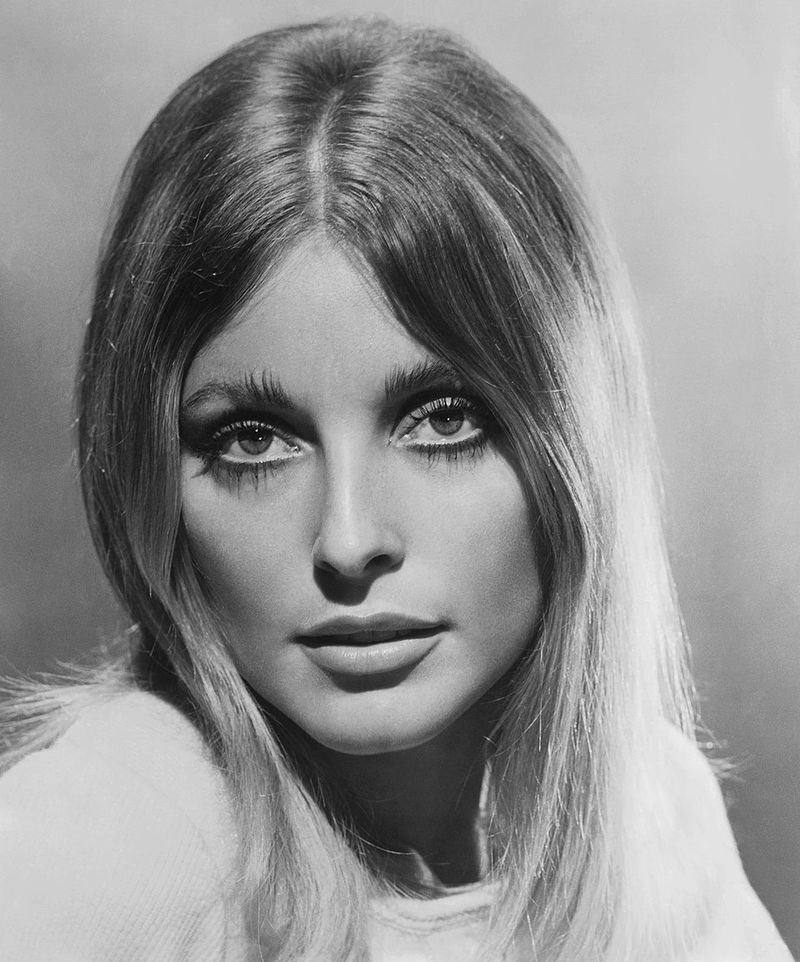
Beauty and talent combined in this rising star who captivated audiences with her charm and screen presence. She appeared in several films during the mid-1960s, earning recognition for her work in comedies and dramas alike.
Studios saw enormous potential in her combination of looks and ability.
Her career was tragically cut short in 1969, leaving Hollywood to wonder what heights she might have reached. The world lost a promising talent whose star was just beginning to shine brightly.
13. Ann-Margret
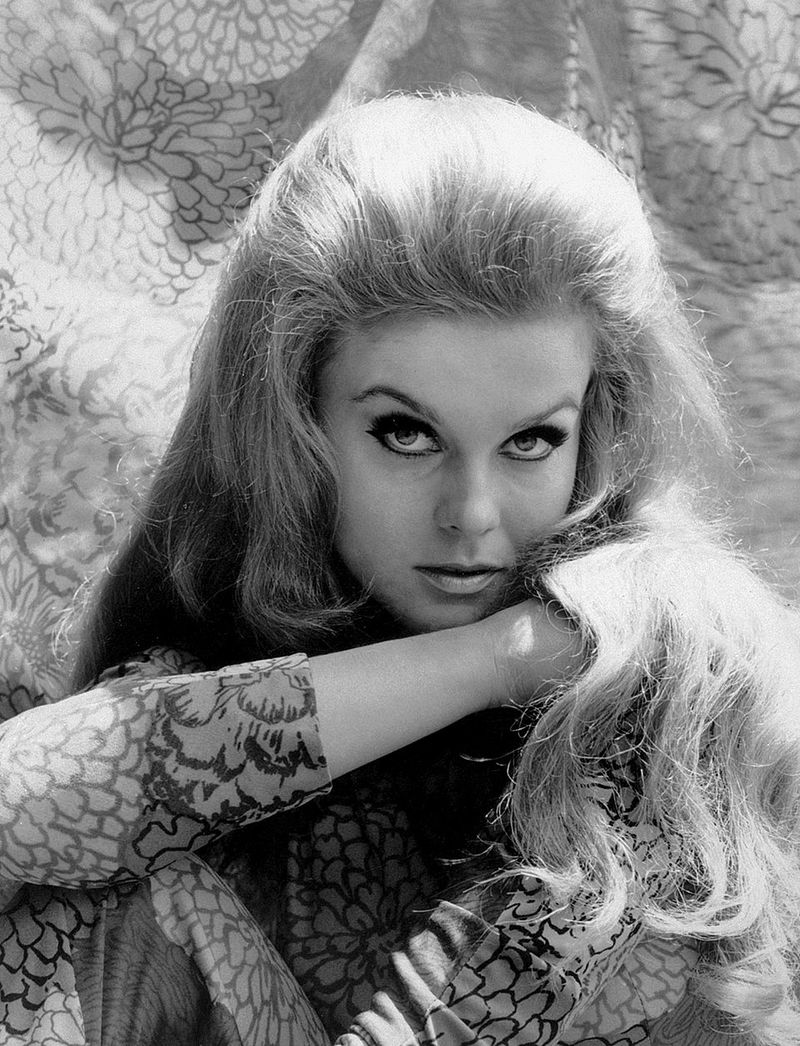
With fiery red hair and explosive energy, this Swedish-American performer brought electricity to every scene she entered.
Song-and-dance ability and acting chops made her a true triple threat who could command attention in both musicals and dramas. Films like Viva Las Vegas showcased her chemistry with Elvis Presley and her undeniable star power.
Unlike many of her contemporaries, she managed to sustain a long career that spanned decades. Versatility and strong work ethic helped her transition successfully through changing Hollywood trends.
12. Robert Walker, Jr.
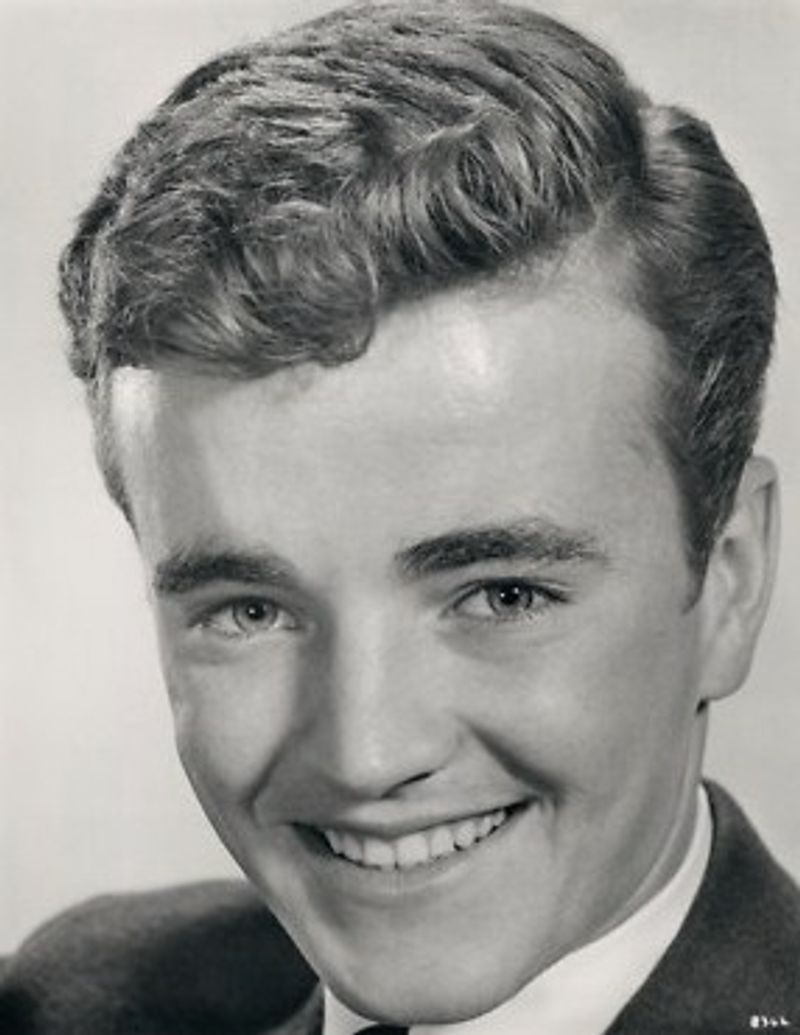
Hollywood royalty ran through this actor’s veins as the son of legendary stars Robert Walker and Jennifer Jones.
Pedigree and natural talent made it seem certain he would follow in his parents’ successful footsteps. Appearances in several notable films during the 1960s, including The Ceremony and Ensign Pulver, showed clear promise and ability.
However, he never reached the level of fame that such a lineage seemed to predict. The career path showed that family connections alone cannot guarantee superstardom in the competitive world of Hollywood.
11. Raquel Welch
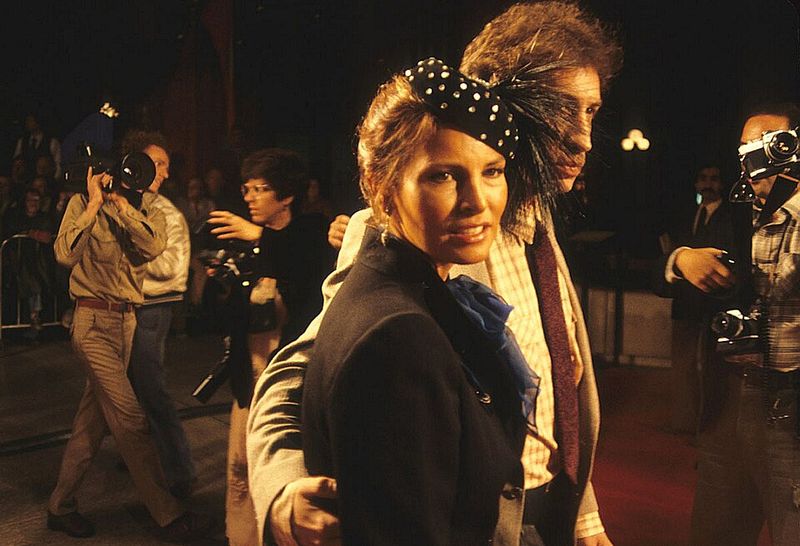
One iconic poster changed everything for this stunning actress who became a symbol of 1960s glamour.
An appearance in One Million Years B.C. turned her into an international sensation almost overnight.
Studios rushed to capitalize on her beauty and screen presence, casting her in a wide range of films throughout the decade. While she achieved significant fame, many critics overlooked her acting abilities and focused instead on her appearance.
She worked hard to prove herself as a serious actress beyond the poster image.
10. Sue Lyon
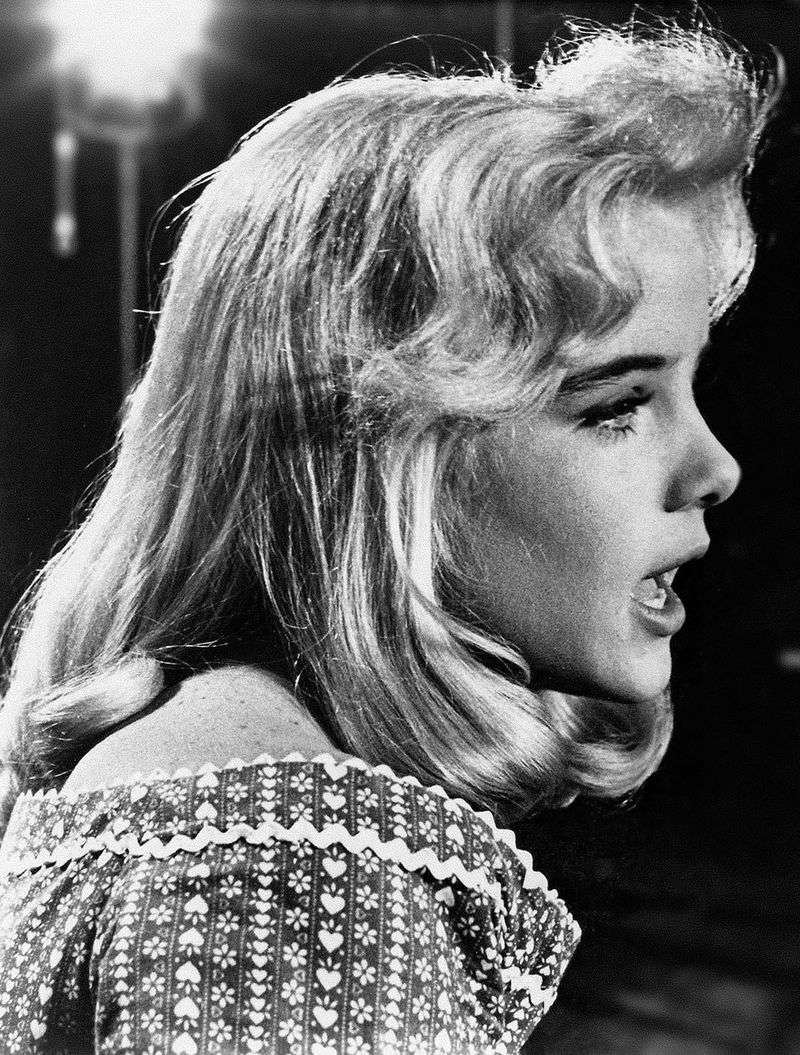
As a teenager, she landed the title role in Stanley Kubrick’s Lolita (1962) and won a Golden Globe as Most Promising Newcomer, Female.
That breakthrough brought instant recognition while also creating typecasting challenges that followed her throughout her career. Studios struggled to find appropriate follow-up projects that could match the impact of that first film.
Her career never fully regained the momentum of that remarkable debut. Early success became both a blessing and a burden that shaped her Hollywood journey.
9. George Maharis
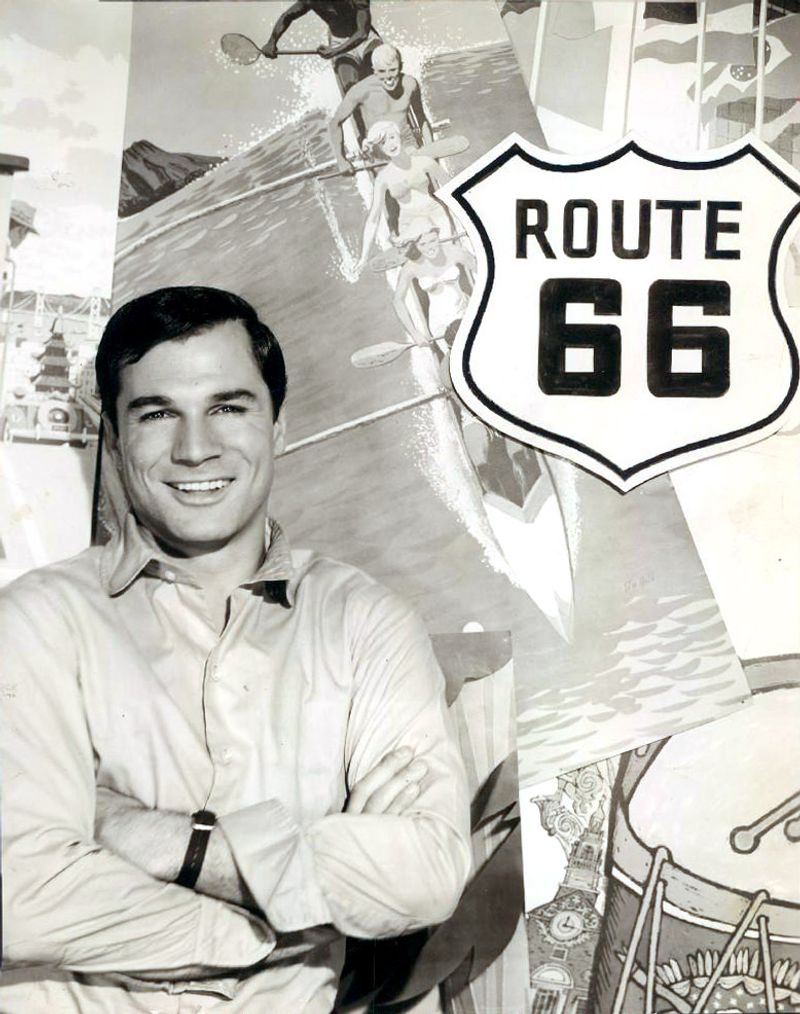
Television turned this dark-haired actor into a household name through a role on the hit series Route 66.
Brooding good looks and strong acting skills made a transition to major film stardom seem inevitable. Studios began grooming him for leading man status in feature films throughout the early 1960s.
However, the film career never equaled the television success, and he stayed primarily linked to TV work. The leap from the small screen to the big screen proved more difficult than anyone expected.
8. Yvette Mimieux
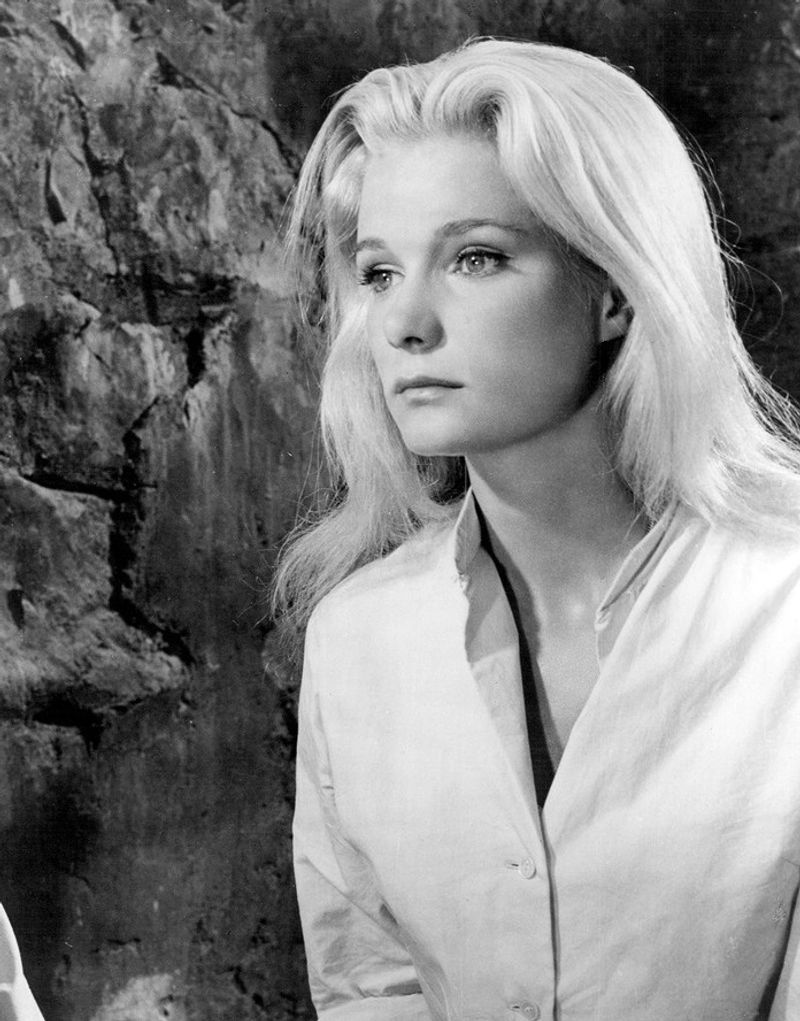
This striking blonde ingénue broke through in The Time Machine and Where the Boys Are, earning Golden Globe nominations and strong promotional support.
Studios positioned her as the next major star, offering prominent roles in big-budget productions.
However, a series of projects that failed to connect with audiences gradually slowed her momentum. Talent and the looks for superstardom were there, yet the right vehicle never quite arrived to cement a lasting legacy.
Career arc became a case study in how timing and project selection truly matter.
7. Carol Lynley

Blonde and talented, this actress started as a teen model before transitioning to film and television work in the late 1950s and throughout the 1960s.
She appeared in a wide variety of genres, from dramas to disaster films, showing considerable range. Studios invested in promoting her as a leading lady with staying power and versatility.
Despite steady work and recognizable status, she never broke into the top tier of Hollywood stardom. Her career represented solid professional success without achieving the iconic status some predicted.
6. Terence Stamp
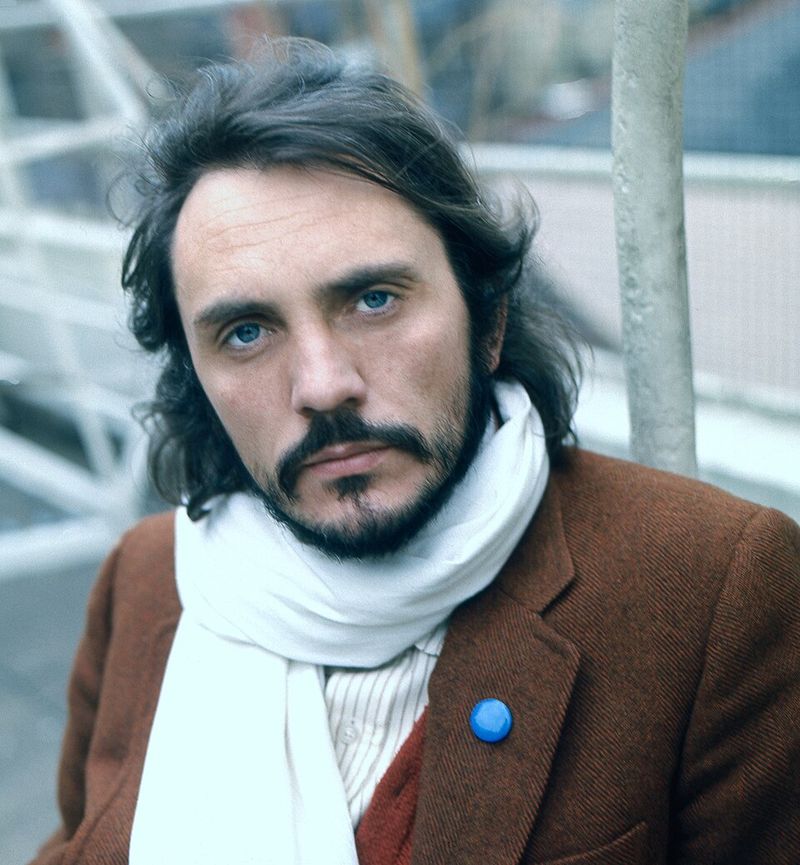
Cool sophistication defined this magnetic British talent who embodied the mod-era London aesthetic through memorable roles in Billy Budd and The Collector.
Striking looks and undeniable screen presence made him a favorite with both critics and audiences.
He brushed against icon status during peak years, earning an Academy Award nomination early in his film career. Eventually, the path shifted toward character roles, marked by occasional career highs instead of steady leading man status.
Career story reflected a focus on quality over quantity and artistic choices over pure commercial appeal.
5. Pamela Tiffin
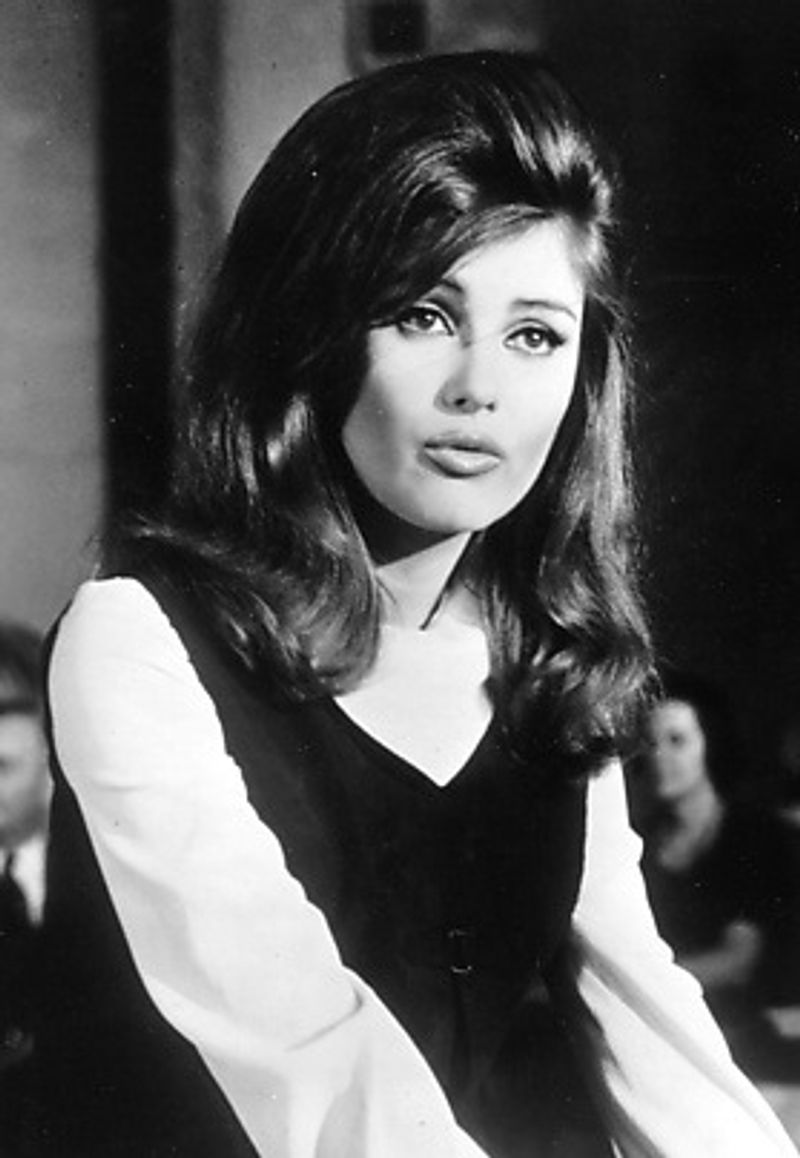
Fashion sense and acting ability combined beautifully in this performer who appeared in films like One, Two, Three and Summer and Smoke.
Her sophisticated style and screen presence suggested she could become an international icon on par with Audrey Hepburn. Studios promoted her heavily as the next big thing in romantic comedies and dramas alike.
She eventually shifted focus to European productions and retired earlier than most stars who achieve legendary status. Her career path took unexpected turns that led away from Hollywood’s spotlight.
4. Richard Beymer
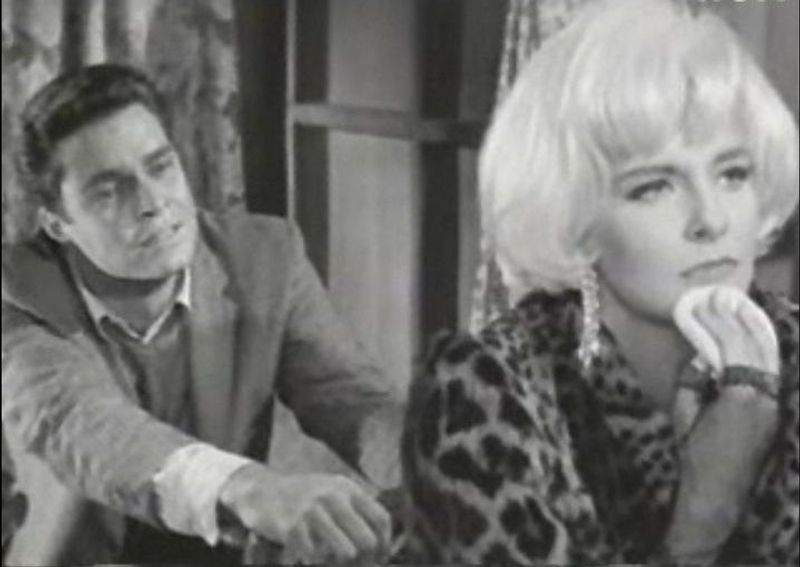
Landing the male lead in West Side Story should have launched this young actor into the stratosphere of Hollywood stardom. The film became a cultural phenomenon and won the Academy Award for Best Picture in 1961.
Despite this incredible platform, his career failed to maintain the momentum that such a role typically provides.
He continued working in film and television but never again reached the heights of that early success. The challenge of following up a career-defining role proved insurmountable for this talented performer.
3. Ursula Andress
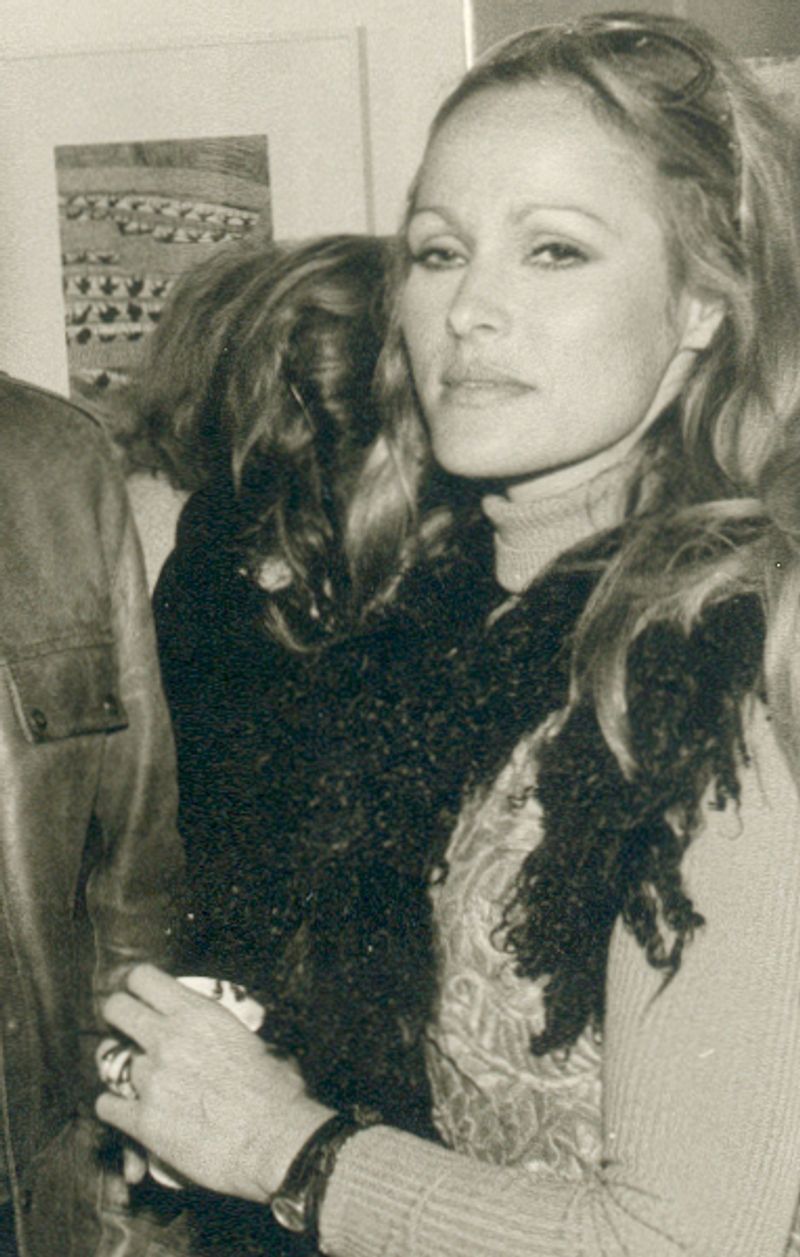
Rising from the ocean in Dr. No created one of cinema’s most iconic moments and instantly turned this Swiss actress into an international sensation.
Playing one of the franchise’s earliest and most iconic Bond characters set a template that filmmakers would copy for decades to come.
Studios hurried to cast her in adventure films and comedies, eager to capitalize on striking looks and strong screen magnetism. While work remained steady throughout the decade, the Bond girl image proved difficult to move beyond.
A single unforgettable scene ultimately defined the career in the public imagination.
2. Oliver Reed
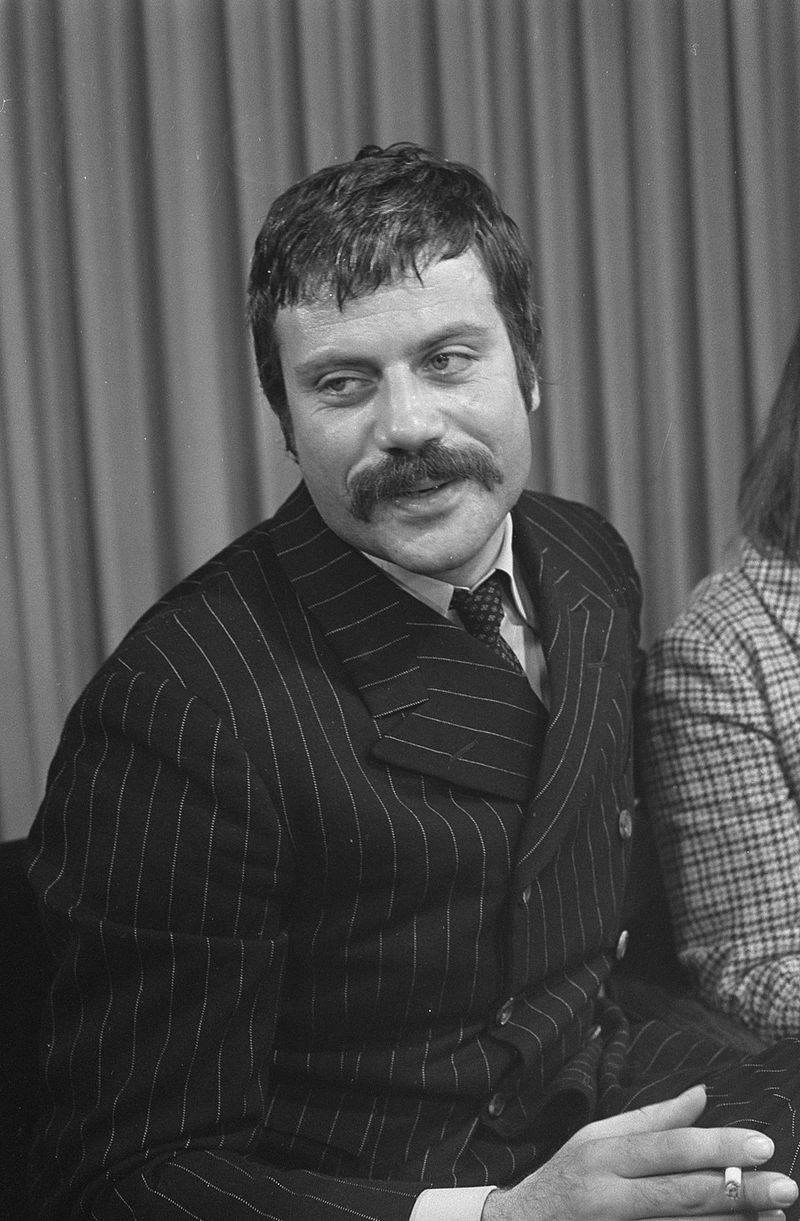
Raw masculinity and intense screen presence made this British actor impossible to ignore in any film he appeared in during the 1960s.
His performances in Hammer horror films and other productions showcased a powerful, almost dangerous energy that captivated audiences. Studios recognized his potential to become a major international star with crossover appeal in both Britain and America.
While he achieved significant fame and a long career, off-screen headlines and typecasting limited his ascent to the very top tier. His talent was undeniable, but consistency proved elusive.
1. Elke Sommer
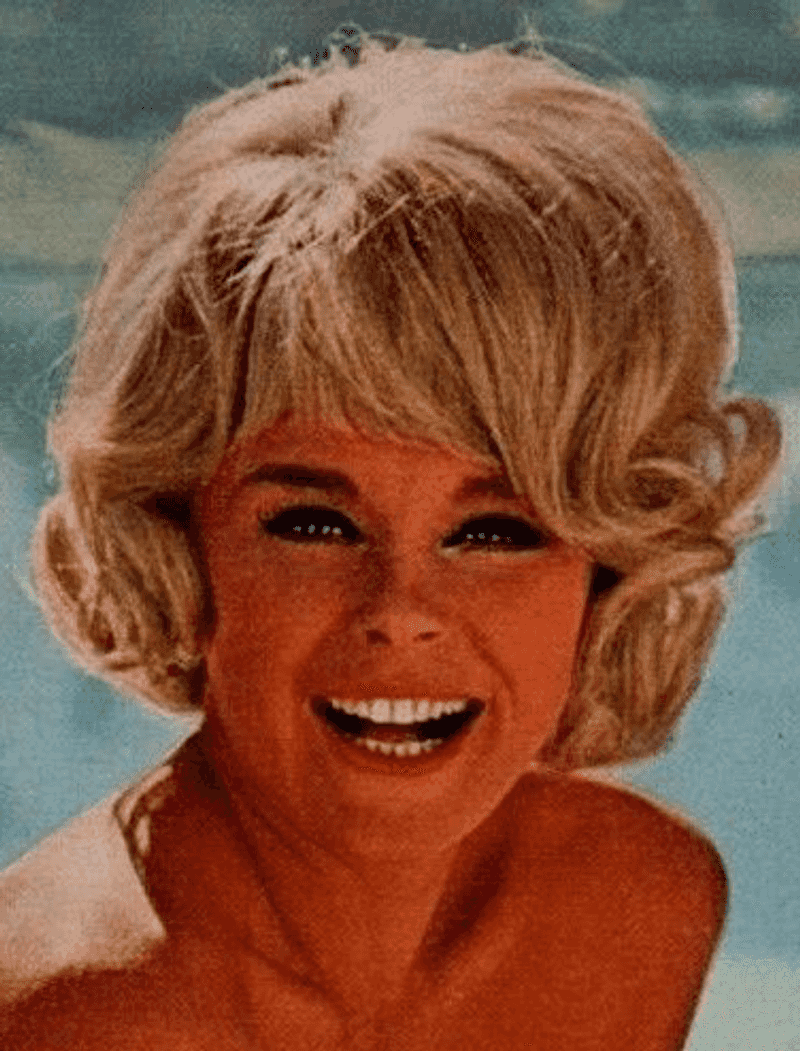
This glamorous German actress brought European sophistication to Hollywood, appearing in international comedies and thrillers throughout the 1960s.
Her beauty and talent made her a recognizable face in both American and European productions. Studios positioned her as a continental alternative to homegrown Hollywood starlets, giving her roles that emphasized her exotic appeal.
Despite considerable box office success and steady work, she never achieved the enduring superstar status some predicted. Her career represented solid international success without breaking into the exclusive club of true Hollywood legends.