
13 Strange Dishes Tourists Just Can’t Bring Themselves To Try
Every culture has its own food traditions, and some of them are seriously wild. What counts as a normal Tuesday dinner in one country might make a tourist’s jaw drop to the floor.
Brave foodies and adventurous travelers encounter dishes that look, smell, or sound like they belong in a dare rather than a dinner menu. Check out the most unexpected, jaw-dropping eats from around the world and see which flavors dare you to take the first bite.
Your taste buds won’t know what hit them.
1. Surströmming (Sweden)
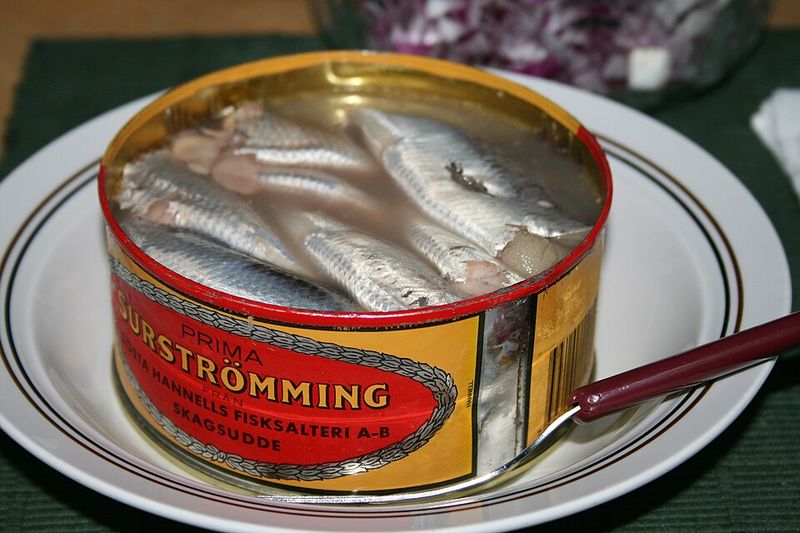
Imagine opening a can and having your neighbors three houses down smell it instantly. Sweden’s surströmming, fermented Baltic herring, is legally required (by unwritten social law, at least) to be opened outside.
The stench is legendary, earning it a spot among the world’s most pungent foods.
However, locals love it layered on flatbread with potatoes and sour cream. If you can get past the smell, adventurous eaters say the taste is surprisingly rich and tangy.
2. Balut (Philippines)
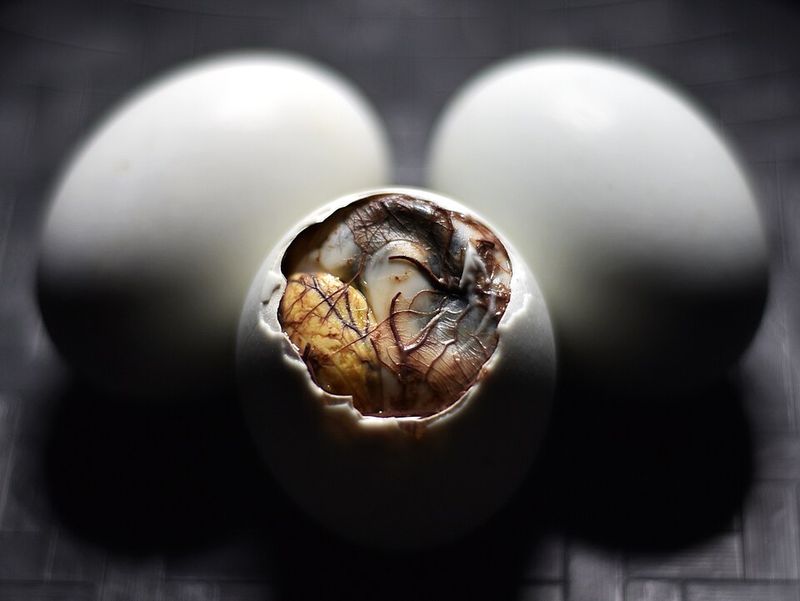
Street food in the Philippines hits differently. Balut is a fertilized duck egg incubated for 17 to 21 days, then boiled and eaten right from the shell.
Tourists often freeze up when they see the tiny embryo inside, but locals crack these open like champions at any hour of the day.
Sip the warm broth first, then eat the rest. Packed with protein and beloved for generations, balut is considered a genuine energy booster and cultural icon.
3. Casu Marzu (Sardinia, Italy)
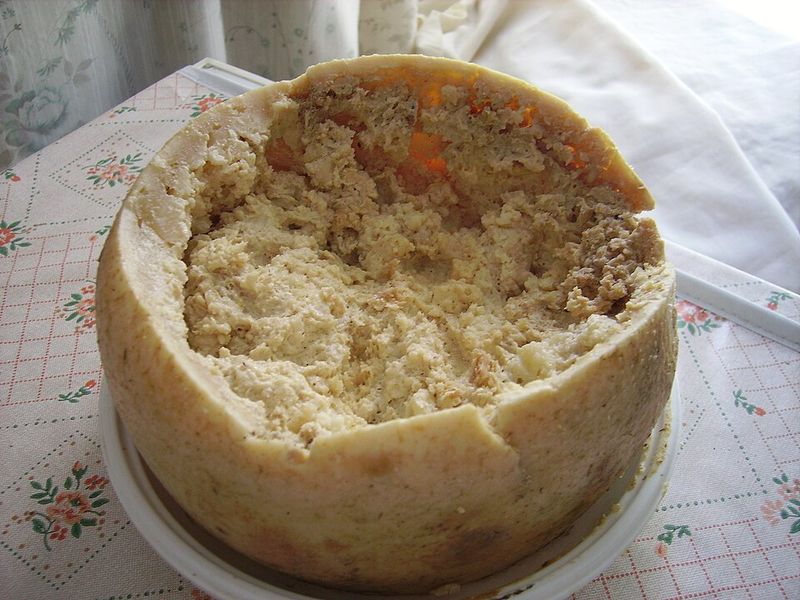
Cheese lovers, brace yourselves. Casu marzu from Sardinia is a pecorino pushed far beyond normal aging.
Live insect larvae are introduced to break down the fats, creating an ultra-soft, intensely flavored cheese that makes regular brie look absolutely boring.
Technically banned under EU food safety laws, it’s still made secretly for special celebrations. Locals eat it with the larvae still wriggling.
Some wear goggles because the larvae can actually jump. Wild, right?
4. Fried Tarantulas (Cambodia)
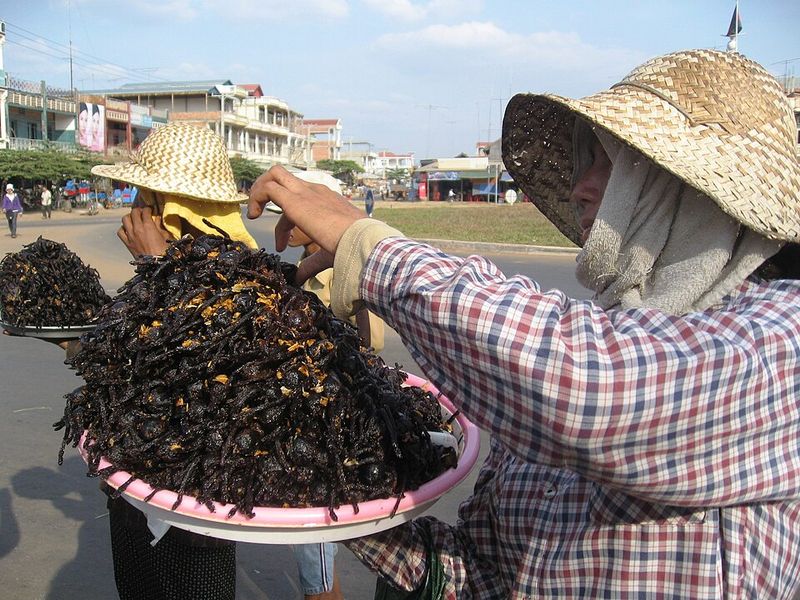
Image Credit: Thomas Schoch, licensed under CC BY-SA 2.5. Via Wikimedia Commons.
Skuon, Cambodia, earned the nickname Spiderville for a very crunchy reason. Fried tarantulas, seasoned with garlic and salt, are a popular market snack that stops most tourists dead in their tracks.
Once eaten out of necessity during food shortages in the 1970s, they are now a celebrated local delicacy.
How do they taste? Vendors describe them as similar to soft-shell crab.
The legs go crispy, the body stays gooey inside. Adventurous?
Absolutely.
5. Fugu (Japan)
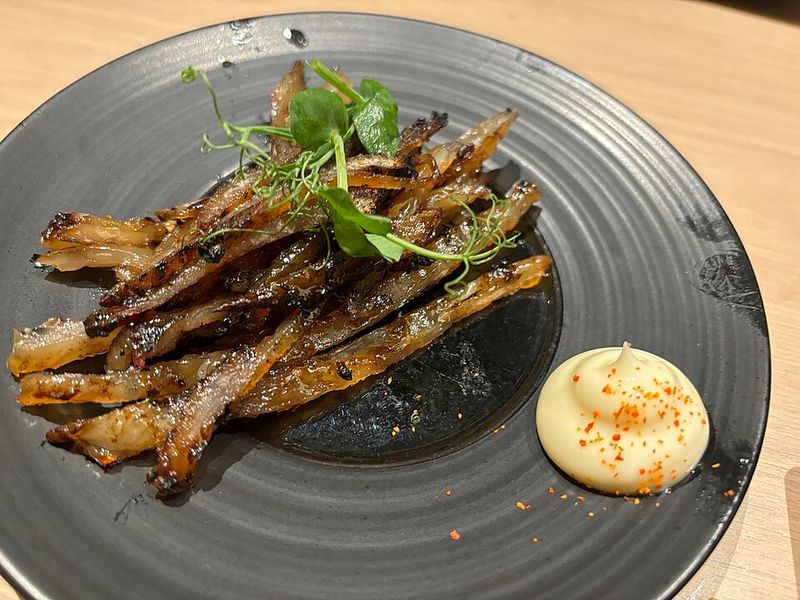
Only in Japan would people line up eagerly to eat something that could, theoretically, end them. Fugu, the famous pufferfish, contains tetrodotoxin, one of nature’s most powerful neurotoxins.
Only specially licensed chefs, after years of rigorous training, are allowed to prepare it legally.
The flavor itself is mild and delicate, almost anticlimactic compared to the drama surrounding it. Still, the thrill of eating something so carefully dangerous makes fugu one of the world’s most talked-about dining experiences.
6. Hákarl (Iceland)
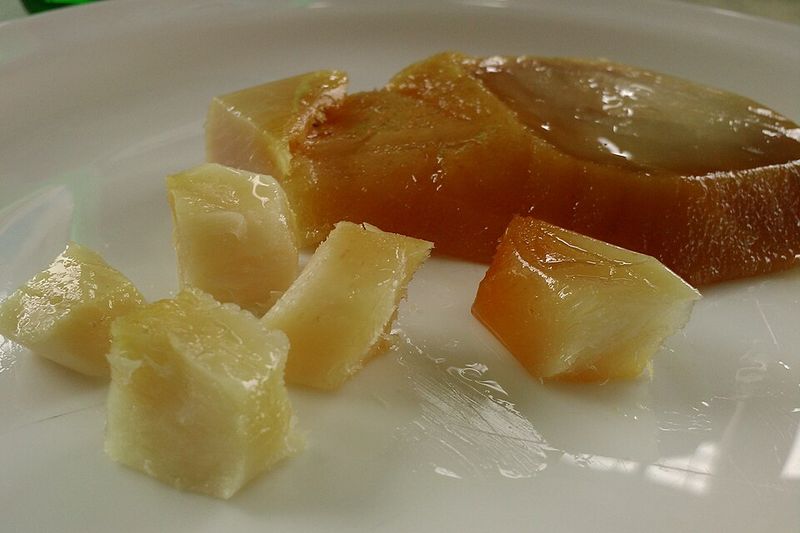
Iceland’s national dish is not for the faint-hearted or the sensitive-nosed. Hákarl is Greenlandic shark meat that has been fermented and hung to dry for up to five months.
Fresh shark is actually toxic to eat, so this lengthy process makes it safe but leaves behind an ammonia-heavy aroma that hits like a wall.
Even celebrity chef Anthony Bourdain once called it one of the worst things he ever tasted. Icelanders, unbothered, keep serving it proudly.
7. Century Egg (China)
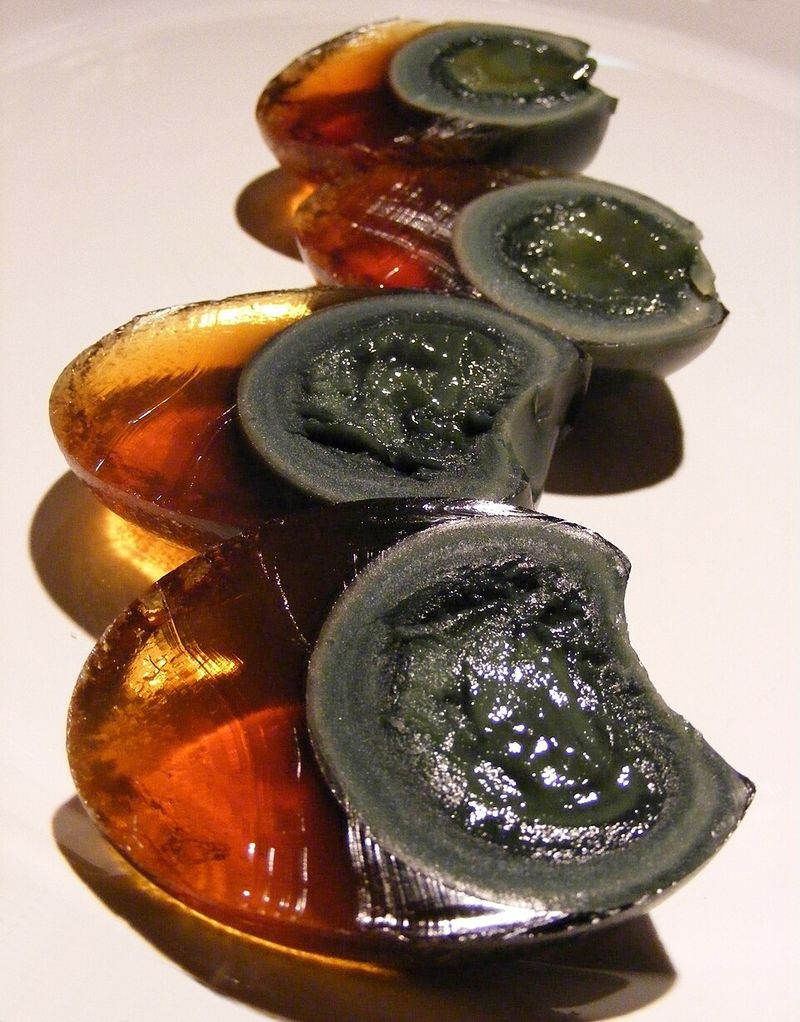
Despite the name, century eggs are not actually a hundred years old. Preserved in a mixture of clay, ash, salt, and quicklime for weeks to months, these duck or chicken eggs transform dramatically.
The white turns a dark, translucent green-black, and the yolk becomes a creamy, grey-green center.
Where most tourists hesitate is the sulfurous smell that greets them first. Fans describe the flavor as rich and complex.
Skeptics describe it as something from another dimension entirely.
8. Witchetty Grub (Australia)
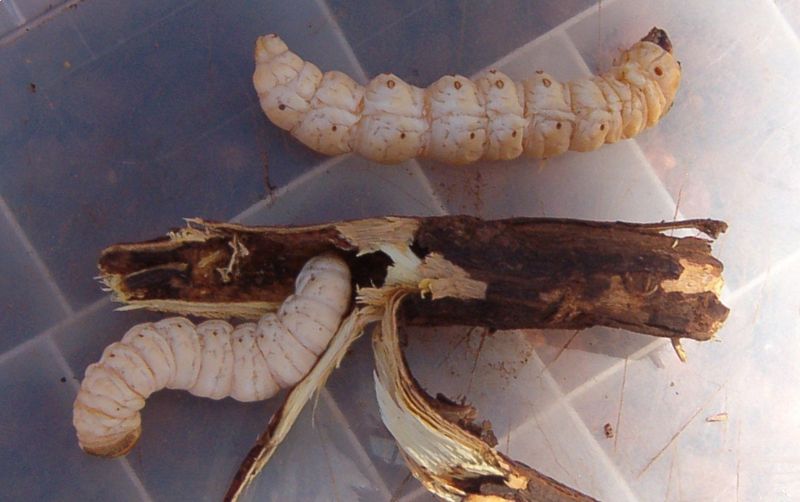
Long before trendy protein bars existed, Indigenous Australians were enjoying witchetty grubs as a powerhouse snack straight from the bush. These large, white wood-eating larvae are harvested from the roots of witchetty bushes and are genuinely packed with protein, fat, and calories.
Eaten raw, they supposedly taste like almonds. Cooked over fire, the skin crisps up while the inside turns creamy.
Most tourists politely decline, but adventurous eaters who say yes rarely regret it.
9. Stinkbugs (Southern Africa and Mexico)
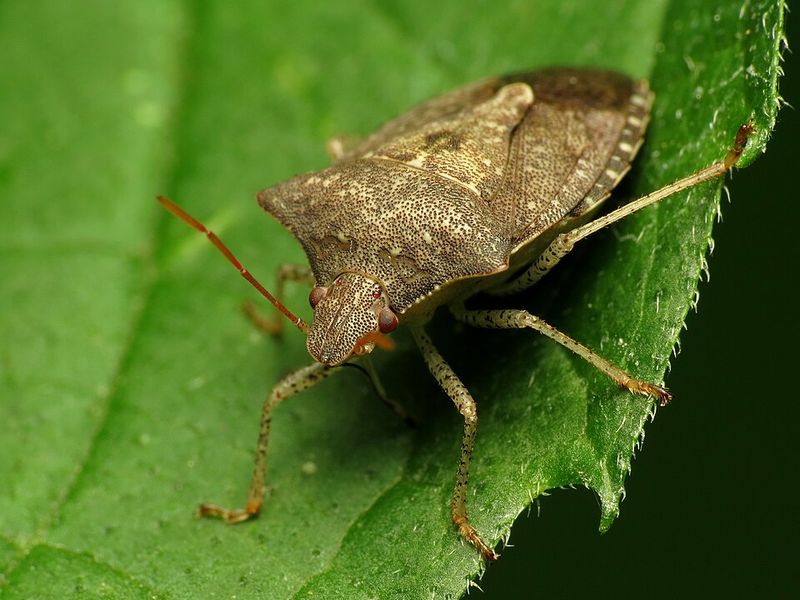
Stinkbugs are not just a household nuisance in some parts of the world. In Southern Africa and Mexico, certain species are harvested, dried, and eaten as crunchy, protein-rich snacks.
Before cooking, they are soaked in water to remove the odor that gives them their charming name.
Roasted or fried, they are described as earthy and slightly cinnamon-flavored. If you can get past the idea, nutritionists actually point out that edible insects are among the most sustainable protein sources on Earth.
10. Escamoles (Mexico)
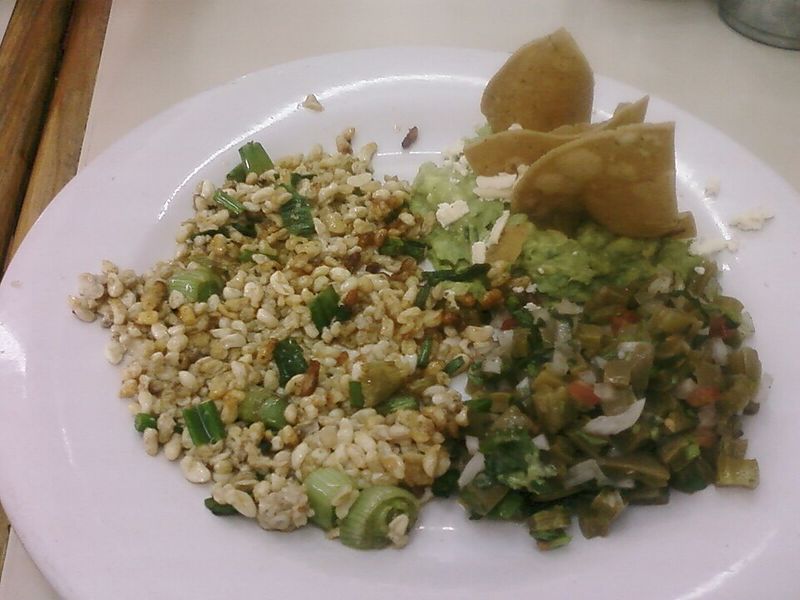
Sometimes called Mexican caviar, escamoles are the larvae and pupae of giant black ants harvested from agave plant roots. This dish has been eaten in Mexico since the time of the Aztecs, making it one of the oldest insect-based foods still enjoyed today.
That is some serious culinary staying power.
Sauteed in butter with herbs, they are described as buttery, nutty, and slightly cottage cheese-like in texture. Fancy restaurants in Mexico City now serve them as an upscale appetizer.
Unexpected, right?
11. Sannakji (South Korea)
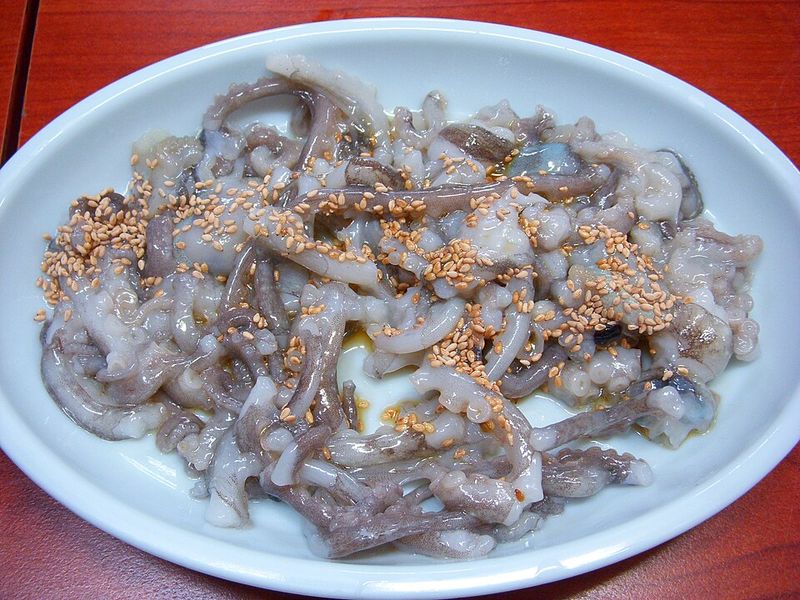
South Korea’s sannakji takes freshness to a whole new level. Small octopuses are cut into pieces and served immediately, meaning the tentacles are still moving on the plate when they arrive at your table.
The suction cups remain active, which means the dish can literally stick to your throat if not chewed carefully.
Restaurants always remind diners to chew thoroughly, and that is not a suggestion. Despite the drama, sannakji fans love its chewy texture and clean oceanic flavor.
12. Pacha (Iraq)
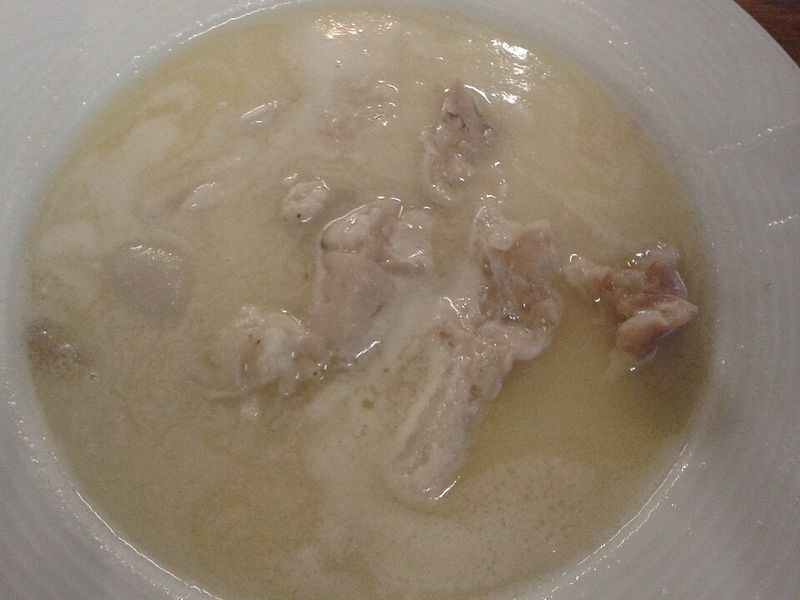
Pacha is a dish that uses every single part of a sheep’s head, including the brain, eyes, and tongue, slow-cooked until tender and deeply flavorful. Popular across Iraq and parts of the Middle East, it is considered hearty comfort food, often eaten for breakfast or special family gatherings.
If nose-to-tail eating sounds intimidating, consider this: pacha has been nourishing communities for centuries. The broth alone is rich enough to make you forget you were ever hesitant in the first place.
13. Durian (Southeast Asia)
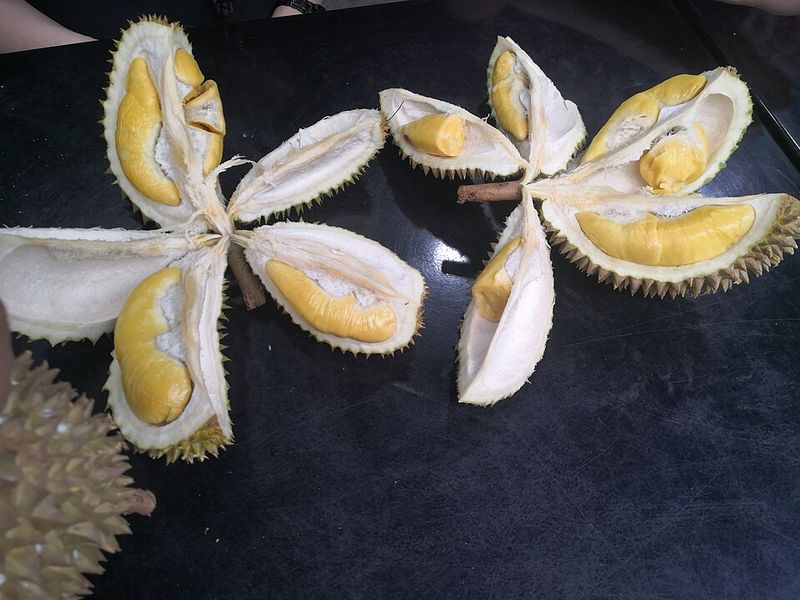
Durian is technically a fruit, but it earns its spot here because it has been banned from hotels, subways, and airports across Southeast Asia purely based on its smell. Described as a mix of gym socks, onions, and custard, the odor is genuinely powerful enough to clear a room.
However, devoted fans call its creamy, custard-like flesh the most heavenly thing they have ever tasted. Where most tourists run, locals line up happily.
Durian is truly the marmite of the fruit world.