Strict Rules K-Pop Singers Are Expected To Follow
In K-pop, the performances might look effortless, but the machinery behind them is anything but.
Long before the music video drops, many idols are already working within a tight set of expectations that shape everything from training to daily routines.
Those “rules” aren’t always written on a public checklist, either. Sometimes they come straight from a company, sometimes they’re unspoken industry norms, and sometimes they’re pressure created by fan culture and nonstop scrutiny.
Even so, the pattern is familiar: stay ready, stay consistent, and stay polished, whether that means rehearsing for hours, keeping social media carefully managed, or maintaining a look that matches a group’s concept.
Privacy can get complicated too, since personal choices are often treated like public property. Taken together, it’s a lot to juggle, which is why these standards are such a big part of the conversation around idols.
Disclaimer: Discussion reflects broad industry reporting and commonly observed entertainment norms, and practices can vary widely by company, country, contract terms, and generation of idols; the content is provided for general informational and entertainment purposes.
1. Dating Bans Keep Romance Under Lock And Key

Falling in love might feel natural, but for rookie K-pop stars, romance often comes with a giant red STOP sign attached.
Management companies frequently enforce dating restrictions during the critical early years of an idol’s career, worried that relationship news could shatter the carefully crafted fantasy fans invest in.
Though not always written into official contracts, these expectations carry real weight.
Get caught dating publicly and you might face consequences ranging from lost promotional opportunities to mandatory reflection periods away from the spotlight.
2. Social Media Posts Need The Green Light First

Think twice before hitting that post button if you’re a K-pop idol! Every post, Instagram story, and TikTok video often needs company approval before going live.
Why such tight control? One wrong word or poorly timed photo can trigger massive backlash faster than you can say viral.
Companies monitor accounts closely to prevent spoilers, controversial opinions, accidental location reveals, or anything that clashes with the group’s carefully designed concept.
Staff callouts are definitely forbidden, and even innocent posts can get flagged if they might cause fan wars or misunderstandings.
3. Dorm Life Comes With Curfews And Visitor Limits

Living in company dorms might sound like an endless sleepover, but it comes with rulebooks thicker than textbooks.
Curfews keep idols from roaming Seoul’s streets late at night, especially during trainee years or when comeback schedules reach fever pitch intensity.
Visitor restrictions mean you can’t just invite friends over whenever the mood strikes. Going out requires permission, planning, and sometimes a chaperone tagging along.
These rules aim to maintain discipline and focus, though they can make dorm life feel less like independence and more like summer camp that never ends.
4. Phone Access Gets Controlled During Training
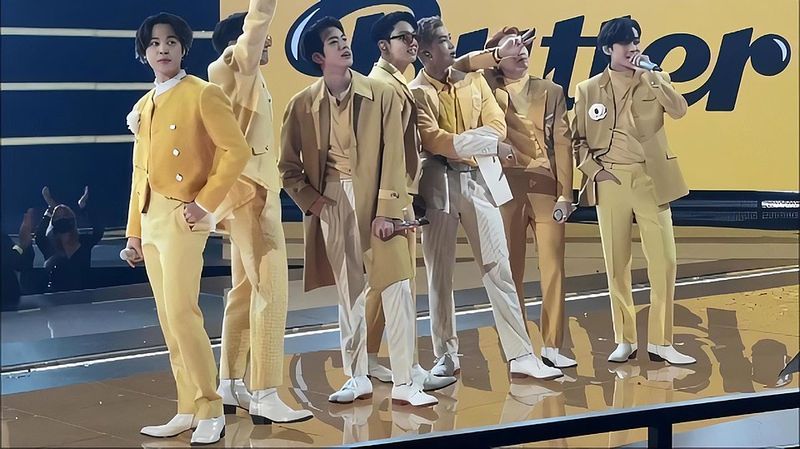
Imagine your phone getting locked away for hours or even days. For many K-pop trainees, limited phone access isn’t imagination but reality.
Companies restrict communication with the outside world to keep trainees focused on their grueling practice schedules without distractions pulling their attention elsewhere.
Contact with outsiders gets monitored, and some companies even enforce rules about trainees of different genders interacting.
Though policies vary wildly between agencies, the underlying message stays consistent: your training comes first, everything else waits.
5. Weight Checks And Appearance Standards Never Stop

Step on the scale, measure your waist, smile for the camera test. For K-pop idols, appearance evaluations become as routine as brushing teeth.
Weight targets and strict dieting pressure dominate the trainee system, with regular checks ensuring everyone meets the industry’s narrow beauty standards.
Stylists measure bodies for costumes, cameras scrutinize every angle, and ideal measurements get discussed like sports statistics. These expectations don’t magically disappear after debut either.
Many idols continue facing pressure to maintain specific looks throughout their careers, leading to concerning discussions about health versus image.
6. Public Behavior Must Stay Picture Perfect Always
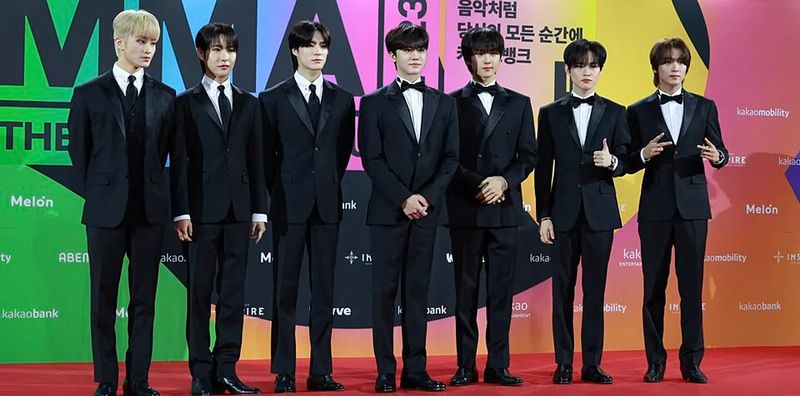
Ever had a bad day and just wanted to scowl at the world? K-pop idols don’t get that luxury.
Whether grabbing coffee or catching flights, they’re expected to maintain polite, composed personas everywhere they go. No public arguments, no rude gestures, no messy fan interactions allowed.
Why such strict standards? Because smartphone cameras lurk everywhere, ready to capture any moment that could explode into scandal.
A single clip of an idol looking annoyed or acting tipsy can trigger career-damaging controversies that take months to overcome.
7. Evaluations And Rehearsals Demand Constant Excellence
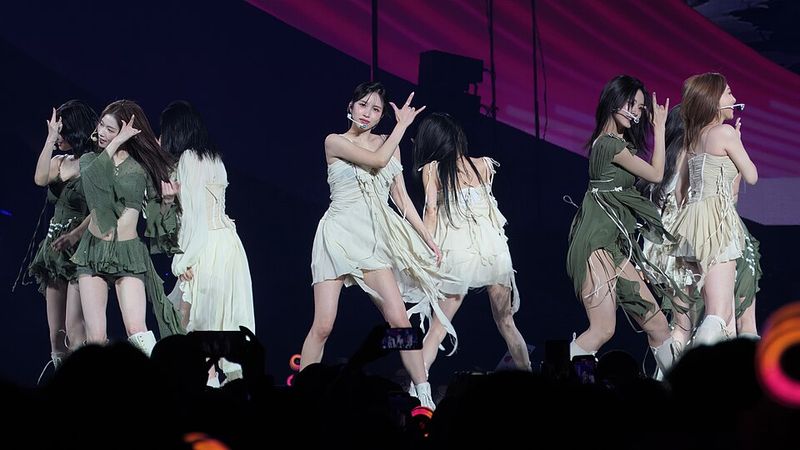
Pop quiz, but make it your entire career!
Trainees face regular evaluations testing everything from dance precision to vocal stability to attitude and attendance. Fail to impress and you might get cut before ever seeing a stage.
Even after debut, the assessments never end.
Choreography must hit every mark perfectly, live vocals need to sound studio-quality, and any slip gets analyzed by both management and eagle-eyed fans.
This constant review system pushes performers toward perfection but also creates immense pressure that can feel overwhelming when you’re already exhausted from back-to-back schedules.
8. Sleep And Free Time Vanish During Promotions
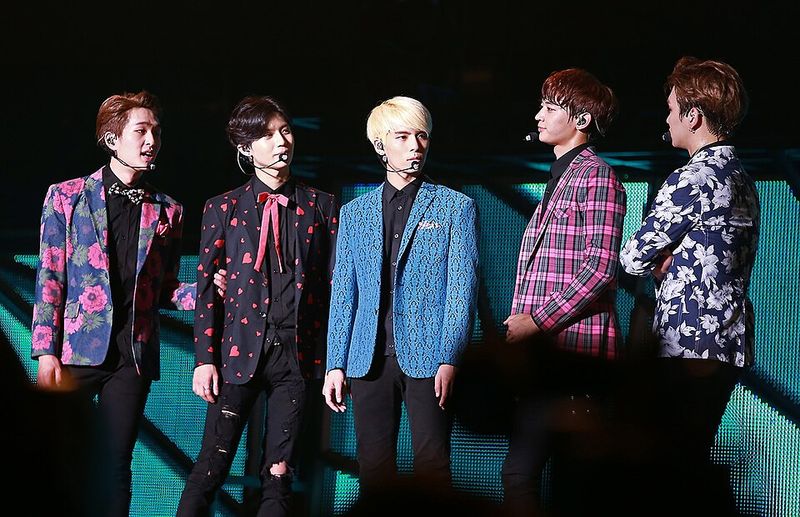
Burning the candle at both ends? Try burning it at seventeen ends simultaneously.
K-pop schedules during promotion cycles make superhero training montages look relaxing.
Long practice sessions bleed into late-night filming, which connects to early morning radio shows, which leads straight into airport departures for overseas events.
Sleep becomes a luxury measured in minutes rather than hours. Free time practically disappears as every moment gets packed with performances, interviews, fan meetings, or travel between cities.
Though the industry has faced criticism for these brutal schedules, the relentless pace continues as companies push to maximize visibility during crucial comeback windows.
9. Leaking Secrets Can End Your Career Fast

Loose lips sink ships, and in K-pop, they can torpedo entire comebacks. Confidentiality rules cover everything from unreleased tracks to choreography changes to brand endorsement deals.
Accidentally post a spoiler or leak concept photos early and you’ll face serious consequences.
Track lists, styling choices, teaser schedules, and even practice room footage stay locked down tighter than Fort Knox.
This secrecy builds anticipation and prevents competitors from copying ideas, but it also means idols must constantly watch what they say, even in casual conversations with friends or family members.
10. Contracts Lock You In With Exclusivity Clauses

Sign on the dotted line, but read the fine print first! K-pop contracts come loaded with exclusivity expectations that control huge chunks of performers’ professional lives.
South Korea’s Fair Trade Commission stepped in years ago, introducing reforms including the famous seven-year maximum contract length to combat exploitative deals.
However, legal limits don’t erase strict management control.
During contract periods, idols typically can’t pursue outside projects without company permission, and leaving early often triggers massive penalty fees.
These agreements shape careers for better or worse, binding performers to agencies through their most crucial developmental years while companies invest heavily in training, production, and promotion hoping for eventual returns.
11. Friendships Get Monitored To Avoid Drama
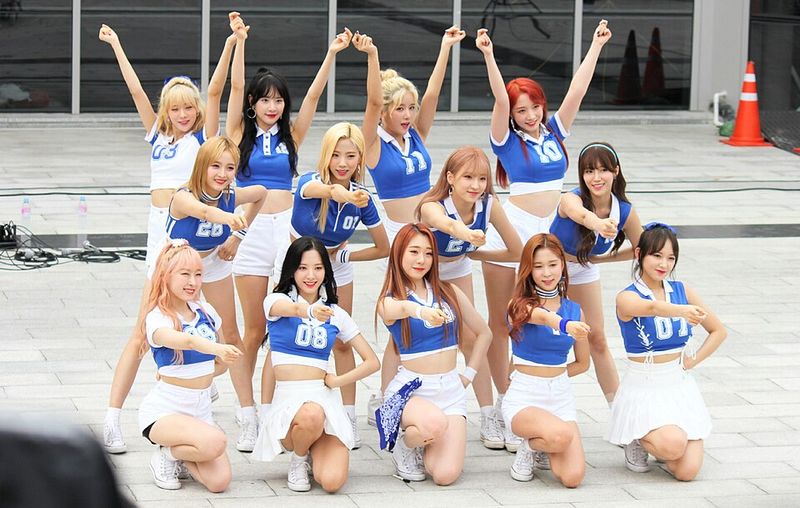
Who you hang out with matters almost as much as what you perform.
Management often encourages idols to carefully control their visible friendships, especially with rumored romantic interests or members from competing groups.
Why? Because fans watch everything, and innocent hangouts can explode into shipping rumors or nasty fan wars.
Tabloids love crafting dramatic narratives from simple coffee dates, turning casual friendships into scandalous storylines.
To avoid these headaches, some idols limit their public social circles or meet friends secretly away from cameras.
12. Conduct Clauses Give Companies Broad Control
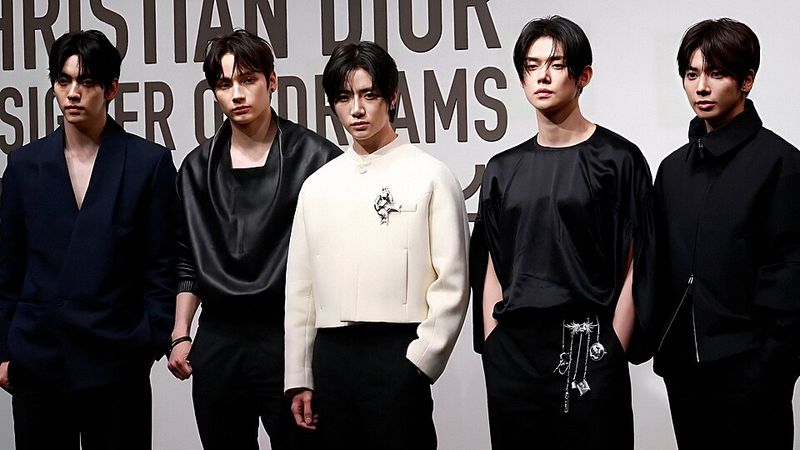
Read the contract and you’ll find clauses vaguer than fortune cookies yet more powerful than you’d imagine.
No scandal conduct expectations give companies massive leverage over idol behavior, even when specific forbidden actions aren’t clearly listed.
Anything that could potentially damage the agency or group brand becomes grounds for consequences.
These broad rules cover everything from legal violations to social media mishaps to personal choices that might trigger public backlash.
Though intentionally non-specific, they create an environment where idols must constantly self-monitor, knowing that management can invoke these clauses whenever they feel brand reputation faces threat.