15 Strict School Rules From The 1970s That Faded Over Time
Hallways ran on rules that did not leave much room for debate. Strict dress codes, firm discipline, and expectations that felt more like orders shaped the school day from start to finish.
Looking back now, a lot of those policies feel surprising, which is exactly why they stand out all these years later.
1. Boys Couldn’t Wear Long Hair

Long hair brushing a collar could land a kid in the principal’s office before the first bell even rang.
Many school districts in the early 1970s enforced written rules limiting how long boys could wear their hair, often measuring it against ears, collars, or eyebrows.
Policies sounded almost comedic on paper, yet enforcement was real, with students sent home until they showed up with a haircut. Hair length turned into something treated like a moral concern rather than a simple style choice.
2. Boys Had To Stay Clean-Shaven

Back then, facial hair on a teenage boy was treated almost like graffiti on school property. Strict no-beard and no-mustache rules appeared in many school grooming codes for male students during that era.
Even a little peach fuzz could mean a trip to the office and a call home to parents.
In some schools, students could be sent to fix the issue before returning to class. Clean-shaven faces were seen as a sign of discipline and respect for the institution.
3. Sideburns Couldn’t Go Below Earlobes

Even sideburns had a strict boundary in the 1970s school rulebook, and that boundary was the earlobe.
Schools that allowed some facial hair still drew the line at sideburns creeping past a certain point. A teacher might actually pull out a ruler to check, which must have felt completely surreal on a Monday morning.
Elvis had made long sideburns cool, which is probably exactly why school officials wanted them gone. Rules like this often felt like a tug-of-war between pop culture and the principal’s office.
4. Girls Often Wore Skirts Or Dresses

Getting dressed for school in the early 1970s often came down to one expectation: a skirt or a dress, no exceptions. Dress codes in many districts treated pants as too casual or inappropriate for female students.
Neatness, femininity, and respect were tied directly to wearing a skirt, turning clothing into a statement about behavior.
Turning up in trousers could mean being sent right back home. Acceptance of pants for girls did not become widespread until later in the decade.
5. Girls Couldn’t Wear Jeans

For plenty of American teenagers in the 1970s, jeans felt like a second uniform, yet many school doors still closed fast on girls wearing denim.
Clean, well-fitted pairs were often dismissed as too rebellious or too sloppy for the classroom. Extra sting came from the fact that boys usually had more room to get away with casual trousers.
Outside school walls, fashion was changing fast, while administrators lagged behind without much interest in catching up. Pushback from girls could lead to detention or a trip home to change before the first bell even rang.
6. Girls Couldn’t Wear Shorts

Shorts were a warm-weather staple outside of school, but once you stepped through those double doors, the rules changed fast.
Some schools in the 1970s banned shorts for girls entirely, regardless of season. Comfort simply was not part of the conversation when the dress code committee sat down to write the rules.
Girls sweating through a June algebra test had very little recourse. The dress code was the dress code, and arguing with it rarely ended well for anyone.
7. Skirt Length Measured Against Knee

Hemlines had a clear boundary in many 1970s school dress codes, with the knee acting as the unofficial finish line.
Teachers and administrators sometimes measured skirts directly against a student’s knee to enforce the rule.
Official policy mixed with awkward moments, creating a situation that felt both serious and oddly absurd. Mini skirts dominated mainstream fashion at the same time, putting girls in a daily bind.
Getting dressed turned into a quiet calculation between personal style and avoiding trouble.
8. Tight Skirts Or Pants Were Banned

Fit mattered every bit as much as length once the 1970s school wardrobe police got involved. Anything judged too tight could be labeled a distraction, with students sent home to change into something looser.
Definitions of “too tight” often rested entirely in the hands of whichever teacher or administrator happened to be on duty that morning. Vagueness like that gave enormous power to whoever was standing near the front door.
Students learned fast that the dress code was partly written and partly invented on the spot.
9. Girls Couldn’t Come To School With Hair Rollers

Foam rollers in your hair at school? Not a chance, at least not in the 1970s.
Some girls would come to school with rollers still in, planning to style their hair later in the day. Administrators in some schools treated rollers as sloppy or unpresentable, and students could be told to remove them before class.
It sounds like a small thing, but the rule reflected a larger obsession with controlling how students presented themselves. Every inch, literally, was up for inspection back then.
10. Boys Had To Tuck Shirts In And Wear Socks

Untucked shirt in a 1970s classroom could stop a lesson cold and turn into a quick public correction.
In many schools, boys were expected to keep shirts tucked in and wear socks as part of a broader emphasis on neat appearance. Gym class, lunch breaks, and even the final minutes of a Friday still fell under the same standard.
Neat appearance was treated as a reflection of discipline, tying clothing directly to behavior. That simple shirt tuck turned into a small, daily standoff between students and the rulebook.
11. Frayed Jeans And Casual Clothes Were Banned

Out on the street, frayed hems and worn-out knees looked like the height of cool, but schools read them in a completely different way. Distressed denim and overly casual clothing were often treated as inappropriate for school, and some districts banned them outright.
One perfectly broken-in pair of bell-bottoms could get you sent home faster than you could say “groovy.”
Between what was trendy and what was allowed, students ran into the same frustration over and over. Pop culture moved fast, while dress codes crawled along at the speed of a school board meeting.
12. Tie-Dye, Slogans, And Unapproved Emblems Were Banned

Tie-dye, slogans, and visible political messages often clashed with dress codes meant to limit clothing seen as disruptive or controversial.
Slogans, political messages, and unapproved logos were seen as disruptive or even subversive by school administrators.
Schools were genuinely worried about outside ideas walking through the front door on someone’s T-shirt. Clothing with a message was treated like a speech that nobody had approved yet.
13. Corporal Punishment Was Common
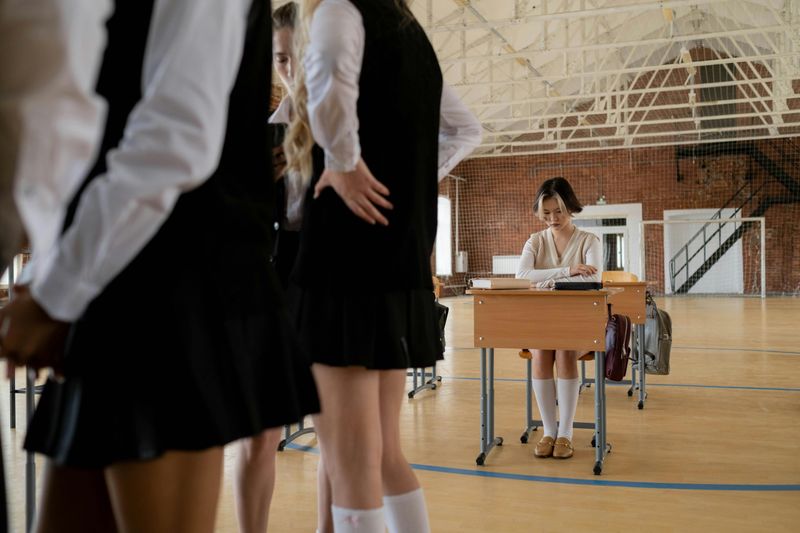
Wooden paddle on a principal’s wall served as a warning rather than decoration. Corporal punishment remained legal and widely used in many American schools during the 1970s, with paddling as the most common method.
Students could face it for breaking rules, talking back, or even arriving late.
Most states have since banned the practice, yet at the time it was treated as a normal part of school discipline. Sound of that office door closing alone could make anyone stand a little straighter.
14. Boys And Girls Were Split Into Different Classes

Walk into a 1970s high school and the course schedule basically told you who you were supposed to become.
Girls were steered toward home economics, where they learned cooking and sewing, while boys were sent to shop class to work with tools and wood. These were not always official rules, but the social pressure and counselor guidance made them feel just as binding.
Few students thought to question the arrangement because it had always been that way. The idea that a girl might want to build a bookshelf or a boy might want to bake bread was genuinely treated as unusual.
15. Schools Allowed Smoking In Designated Areas
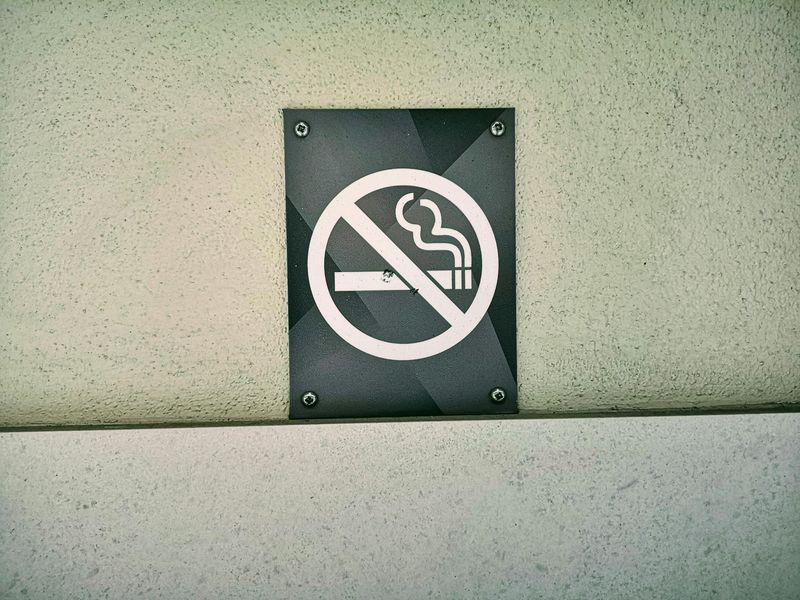
Back in the 1970s, some schools had designated student areas for cigarette use, which feels startling now. Instead of prohibiting cigarettes outright, certain campuses set aside specific spots where students could gather during breaks.
Practical compromise shaped that approach, with administrators trying to keep the habit contained rather than pushed into hallways or bathrooms.
Public attitudes around cigarette use were also less critical than they are now, even though television advertising for cigarettes had already been banned in 1971.
Disclaimer: This article reflects broad historical patterns documented in U.S. school policies and student experiences during the 1970s, but many rules varied by state, district, and school.
References to dress codes, discipline, and classroom expectations are intended to capture commonly reported practices from the era rather than suggest a single nationwide policy in every school. This content is provided for general informational and entertainment purposes.