20 Remarkable Subterranean Attractions That Show A Hidden Side Of Travel
Travel has a way of rewarding people who look up, yet some of the most memorable surprises happen underground.
Staircases dip below street level, the air cools, and suddenly the noise of the day fades into dripping echoes, carved stone, and stories that feel older than the skyline above.
Subterranean attractions can be wildly different in purpose and vibe, yet they share that same little thrill of discovery, like finding a secret level in a video game.
Caves show off nature’s patience, tunnels reveal how cities actually function, and underground rooms hold the kind of history that never needed sunlight to stay powerful.
Comfort levels vary, of course. Claustrophobia can tap a shoulder, and the lighting is rarely flattering for selfies.
Still, the payoff is real, because the hidden side of travel often delivers the best kind of perspective.
1. Mammoth Cave National Park (Kentucky, USA)
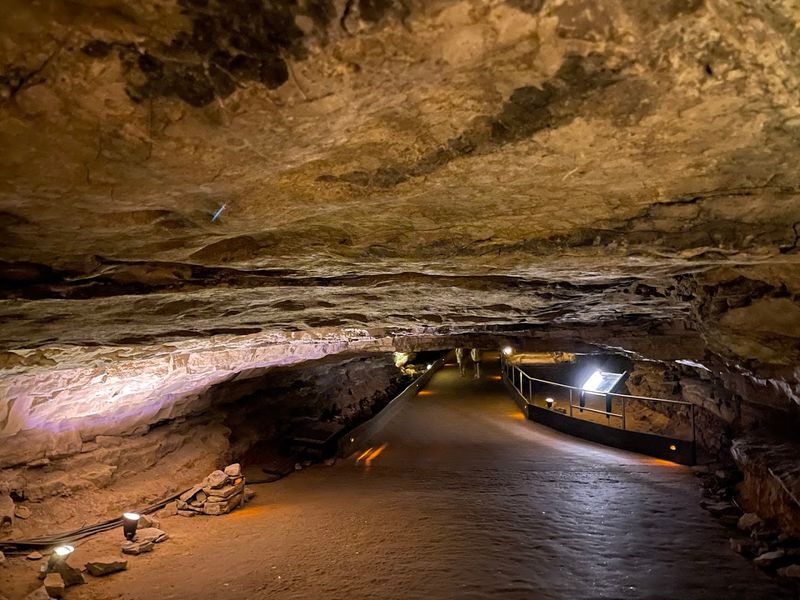
Stretching over 400 miles of mapped passages, Mammoth Cave earns its name honestly.
Rangers lead you through chambers so vast they could swallow entire buildings, while narrow crawlspaces remind you this is nature’s architecture, not ours.
Different tours cater to different adventurers. Families enjoy the easy Frozen Niagara route showcasing flowstone formations, while thrill-seekers tackle the Wild Cave Tour involving belly crawls through tight squeezes.
Book ahead during summer months when tours fill quickly with curious explorers.
2. Carlsbad Caverns National Park (New Mexico, USA)
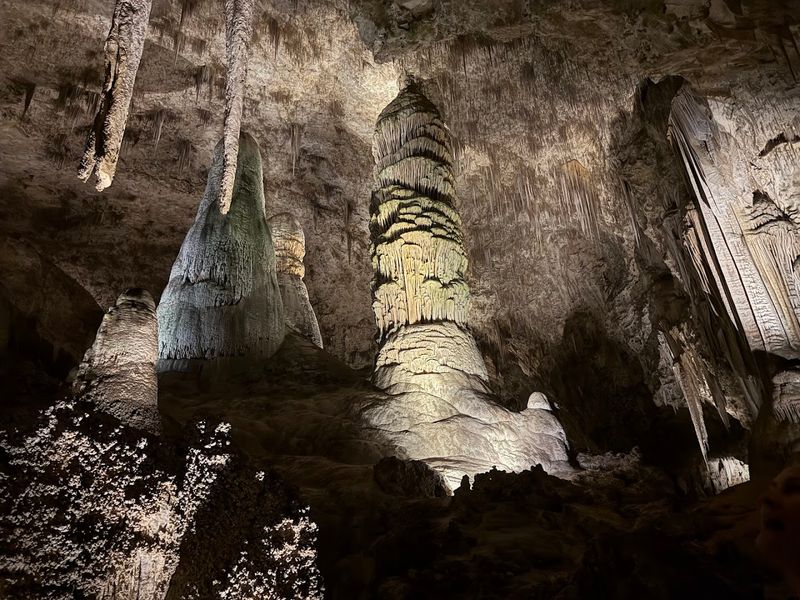
Picture a cathedral made entirely by dripping water over millions of years.
The Big Room at Carlsbad spans 8.2 acres underground, decorated with formations that look like frozen waterfalls and stone curtains.
Evening bat flights add drama when thousands of Mexican free-tailed bats spiral out of the cave entrance at dusk. Time your visit right and you’ll witness this natural spectacle that feels almost choreographed.
3. Forestiere Underground Gardens (Fresno, California, USA)
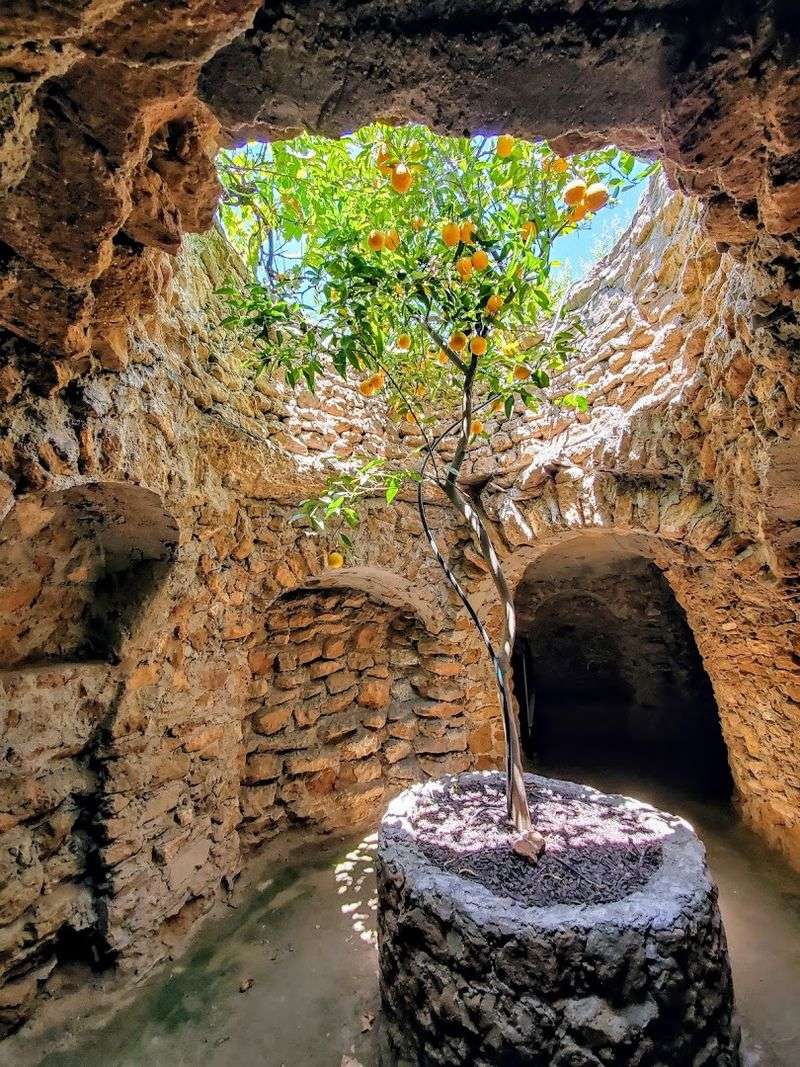
Baldassare Forestiere spent 40 years hand-digging his underground escape from California’s brutal summer heat.
What started as one room became a sprawling network of 10 acres featuring courtyards, bedrooms, and even citrus trees growing beneath carefully positioned skylights.
Walking through feels like discovering a secret neighborhood where sunshine filters down in surprising places.
Grapes still grow on vines planted decades ago, their roots reaching deep into cool soil.
4. Bill Speidel’s Underground Tour (Seattle, Washington, USA)
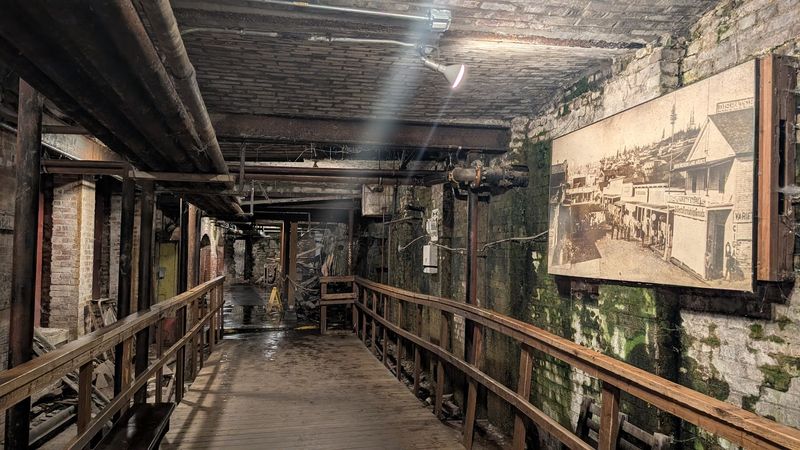
After the Great Seattle Fire of 1889, the city literally raised itself one story higher, leaving the old ground floor buried.
Today you can walk those abandoned sidewalks past storefront windows that once faced street level.
Guides share colorful stories about the seamier side of old Seattle, including tales of underground businesses that thrived in the shadows.
Purple glass prisms in modern sidewalks above let filtered light leak down to where you’re standing.
5. Montréal Underground City (RÉSO) (Montréal, Canada)
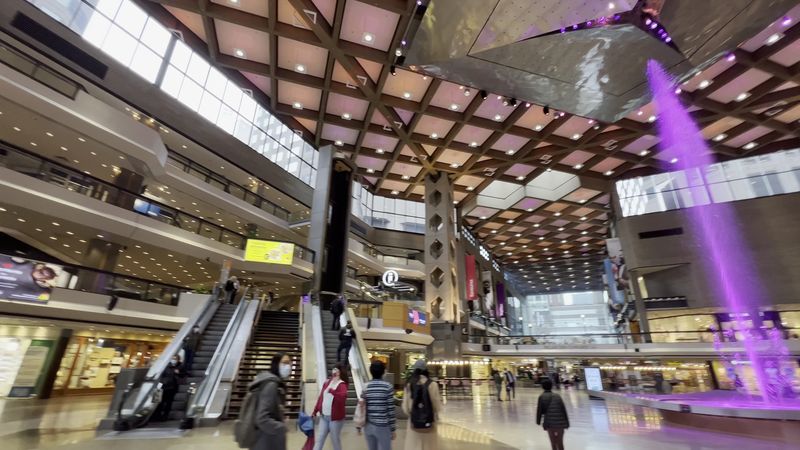
When winter temperatures plunge, Montrealers simply go underground.
This 20-mile network connects metro stations, shopping centers, universities, and office towers, creating an entire parallel city beneath the streets.
You could theoretically spend days down here without surfacing.
Grab breakfast, catch a concert, shop for groceries, and attend a hockey game all without facing Canadian winter winds.
6. The Real Mary King’s Close (Edinburgh, Scotland)
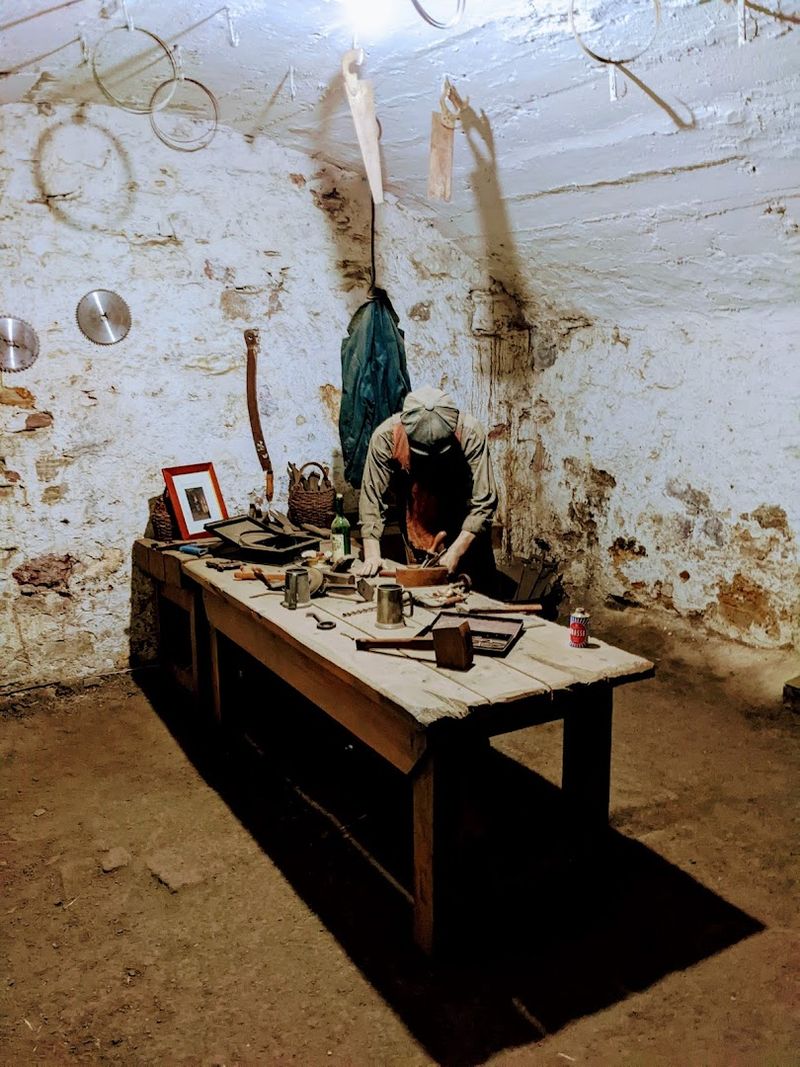
Edinburgh built upward and outward, eventually sealing entire streets beneath newer construction.
Mary King’s Close preserves a slice of 17th-century life, complete with tiny rooms where families once lived stacked atop each other.
Costumed guides share stories of plague outbreaks and daily struggles in these cramped quarters.
Touch the stone walls and you’re literally connecting with centuries of human history layered beneath modern Edinburgh.
7. Paris Catacombs (Paris, France)
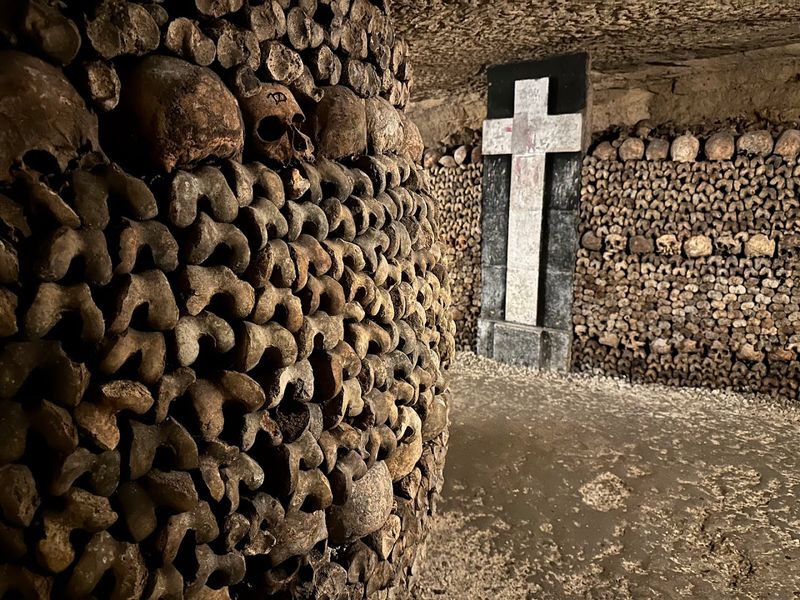
Six million Parisians rest beneath the City of Light in carefully arranged walls of skulls and femurs.
What began as limestone quarries became a solution to overflowing cemeteries in the late 1700s, creating one of the world’s most unusual memorials.
Walking through feels equal parts museum and meditation. Bones form decorative patterns and heart shapes, a strange beauty emerging from mortality itself.
8. Basilica Cistern (Istanbul, Türkiye)
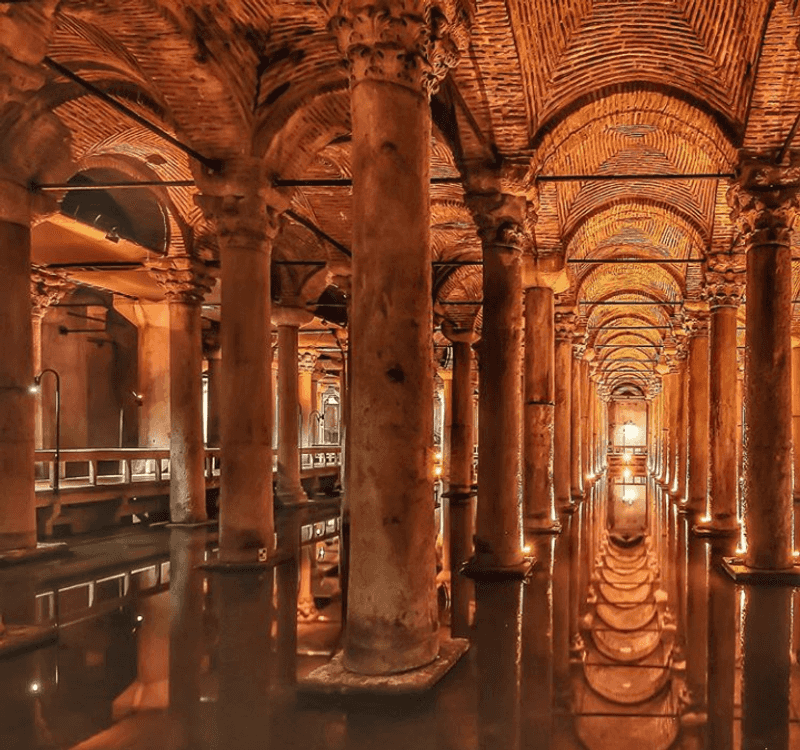
Byzantine engineers built this vast underground water reservoir using 336 marble columns, many recycled from earlier Roman structures.
Today it feels more like a submerged palace than practical infrastructure, especially with classical music echoing off vaulted ceilings.
Two Medusa head sculptures serve as column bases, one sideways and one upside down. Nobody knows if this placement was practical or symbolic, adding mystery to the already atmospheric space.
9. Churchill War Rooms (London, England)
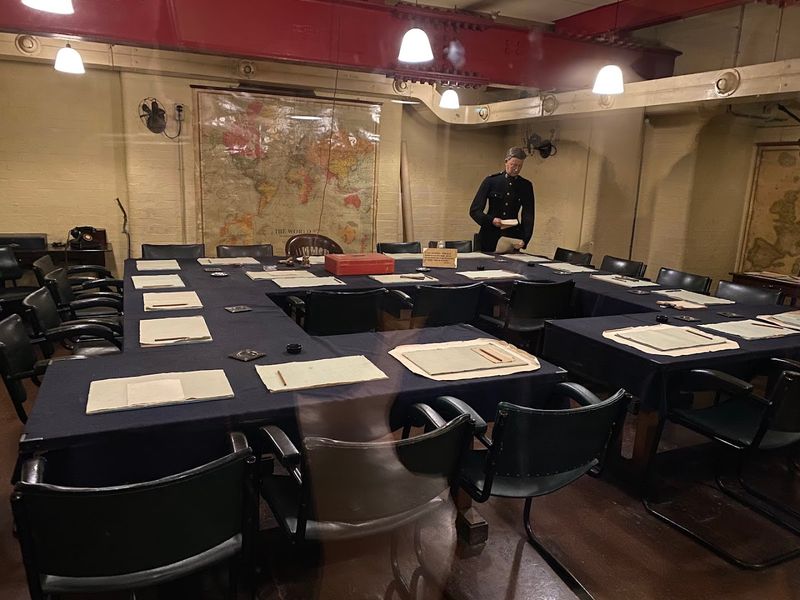
Winston Churchill and his cabinet ran Britain’s World War II operations from these cramped underground rooms.
Everything remains exactly as it was the day the lights switched off in 1945, from colored pins in strategic maps to half-smoked cigars in ashtrays.
The Map Room never closed once during the entire war. Imagine the tension as military leaders tracked movements on these very walls while bombs fell overhead.
Audio guides include Churchill’s actual voice delivering his famous speeches that rallied a nation.
10. Domus Aurea (Rome, Italy)
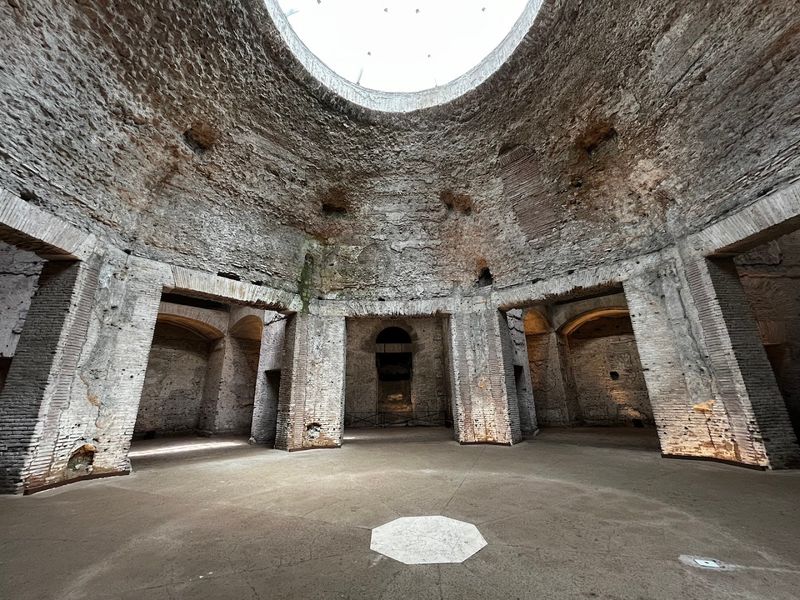
Emperor Nero’s Golden House once sprawled across 300 acres of central Rome with rotating dining rooms and gold-leaf ceilings.
After he passed away, subsequent emperors buried it beneath new construction, accidentally preserving frescoes that Renaissance artists later rediscovered by lowering themselves through holes.
Today’s visitors walk through chambers where sunlight once streamed through oculi.
The frescoes that inspired Raphael still decorate walls, though centuries underground have faded their original brilliance.
11. Napoli Sotterranea (Naples, Italy)
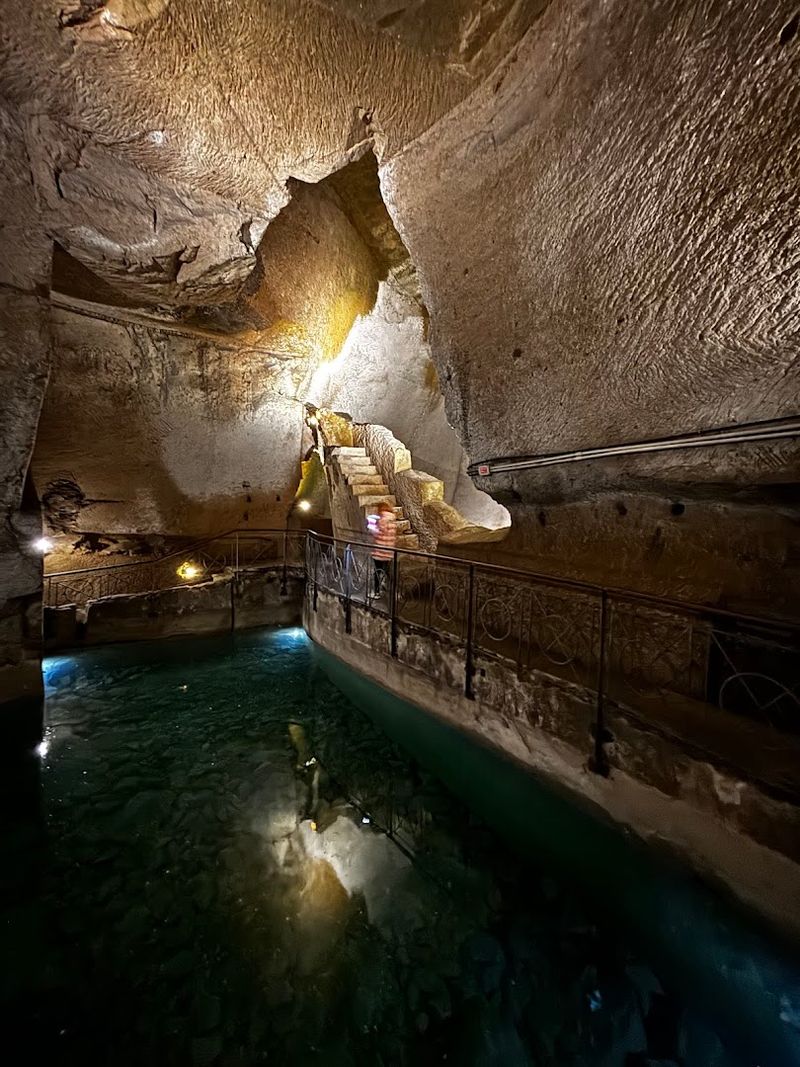
Naples sits atop 2,400 years of excavated history. Greeks dug the first quarries, Romans expanded them into aqueducts, and World War II residents sheltered here.
Guides lead you through narrow passages by candlelight in some sections where modern electricity hasn’t reached.
You’ll squeeze through spaces that feel impossibly tight, then emerge into vast cisterns that once held the city’s water supply.
Claustrophobes should consider carefully since some passages require turning sideways to pass through ancient stone.
12. Wieliczka Salt Mine (Wieliczka, Poland)
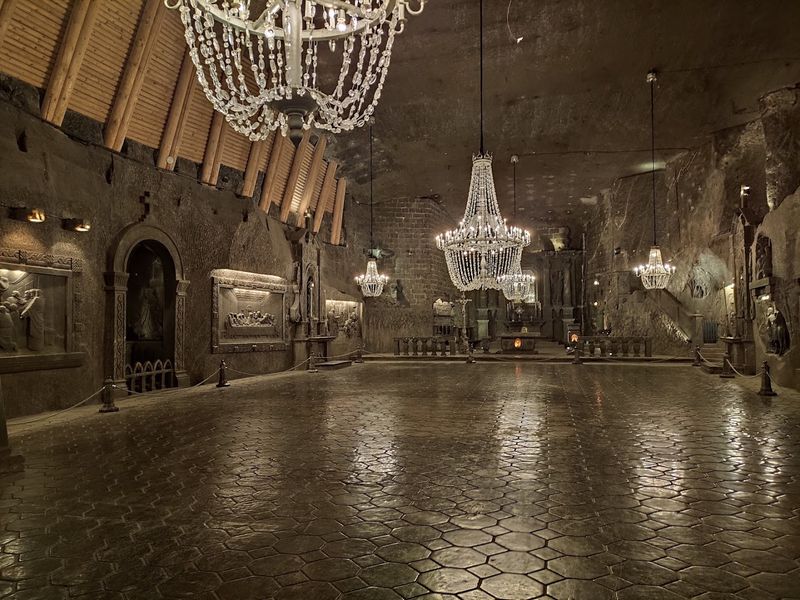
Miners carved everything here from salt, including chandeliers, altars, and entire chapels over seven centuries of continuous operation.
The Chapel of St. Kinga sits 101 meters underground, its walls, floor, and decorations all sculpted from gray rock salt.
Even the Last Supper relief and crystal chandeliers are salt. Lick the walls if you’re skeptical, though thousands before you have had the same idea.
Tours descend via 380 wooden steps, so save energy for exploring the underground chambers rather than the entrance.
13. Salina Turda (Turda, Romania)
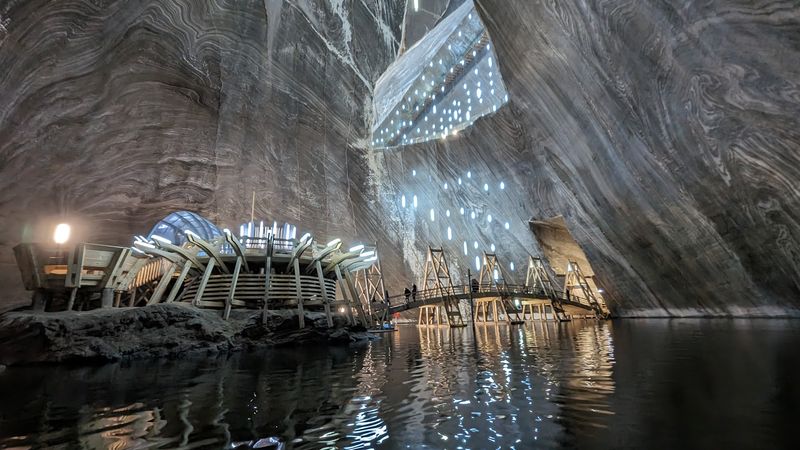
Where else can you ride a Ferris wheel 120 meters underground?
This former salt mine transformed into an amusement park features mini golf, bowling, and an amphitheater, all carved into chambers that once produced table salt.
The constant temperature of 10-12 degrees Celsius makes it a popular escape during Romanian summers.
The air quality here reportedly benefits respiratory conditions, so you’re technically improving your health while having fun underground.
14. Salt Cathedral of Zipaquirá (Zipaquirá, Colombia)
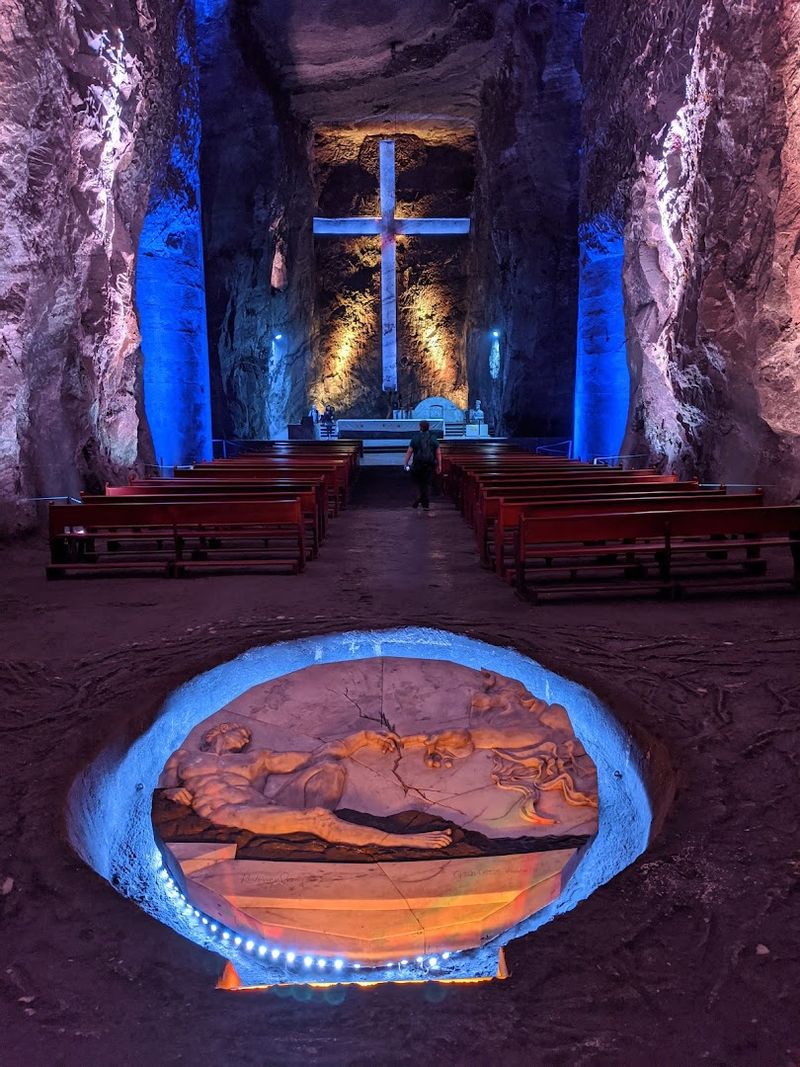
Carved 200 meters down in a working salt mine, this cathedral glows with colored lights that transform salt walls into something otherworldly.
Crosses carved from rock salt tower overhead, while the main nave could accommodate thousands of worshippers.
Miners built the original version in the 1950s, but structural concerns led to this newer cathedral opening in 1995.
Mass is still celebrated here, making it a functioning church despite its unusual location.
15. Waitomo Glowworm Caves (Waitomo, New Zealand)
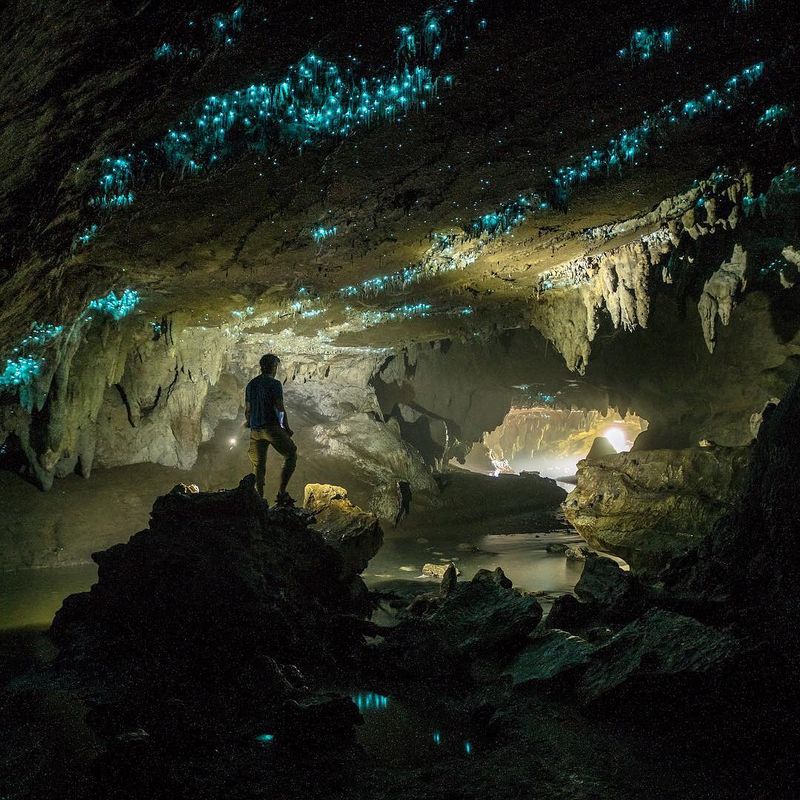
Thousands of tiny glowworms transform this cave ceiling into a living planetarium.
Arachnocampa luminosa larvae glow to attract prey, creating a constellation effect that makes you forget you’re underground. Guides row silently through darkness while you lie back and gaze upward.
No photography allowed during the boat ride since camera flashes disturb the light-sensitive creatures, forcing you to simply experience the moment.
16. Batu Caves (near Kuala Lumpur, Malaysia)
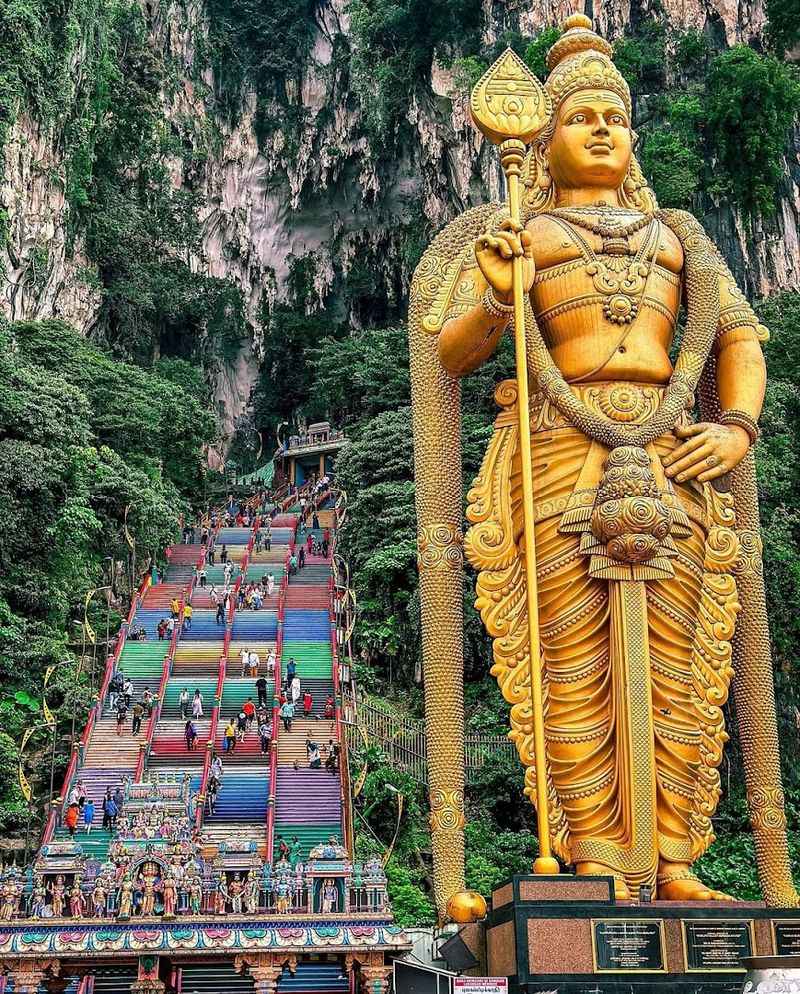
Climb 272 rainbow-colored steps past a towering golden statue of Lord Murugan to reach these limestone caves transformed into Hindu shrines.
Monkeys patrol the stairway, hoping tourists will share snacks despite warning signs.
Inside the main Cathedral Cave, natural light streams through openings in the rock ceiling, illuminating ornate temples built within the cavern.
Visit early morning to avoid both crowds and the tropical heat that makes those stairs feel even longer.
17. Elephanta Caves (Mumbai, India)
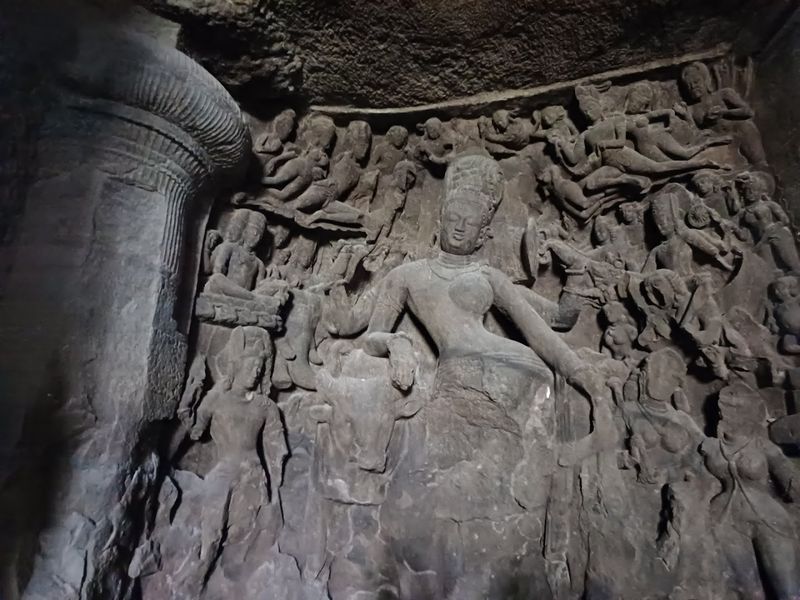
A short ferry ride from chaotic Mumbai delivers you to these 5th-century rock-cut temples carved into Elephanta Island.
The massive three-faced Shiva sculpture dominates the main cave, each face representing different aspects of the Hindu deity.
Portuguese soldiers used these ancient carvings for target practice centuries ago, yet the artistry still astounds.
Panels depicting Shiva’s cosmic dance and marriage to Parvati show incredible detail considering everything was chiseled from solid rock.
18. Caves of Hercules (Tangier, Morocco)
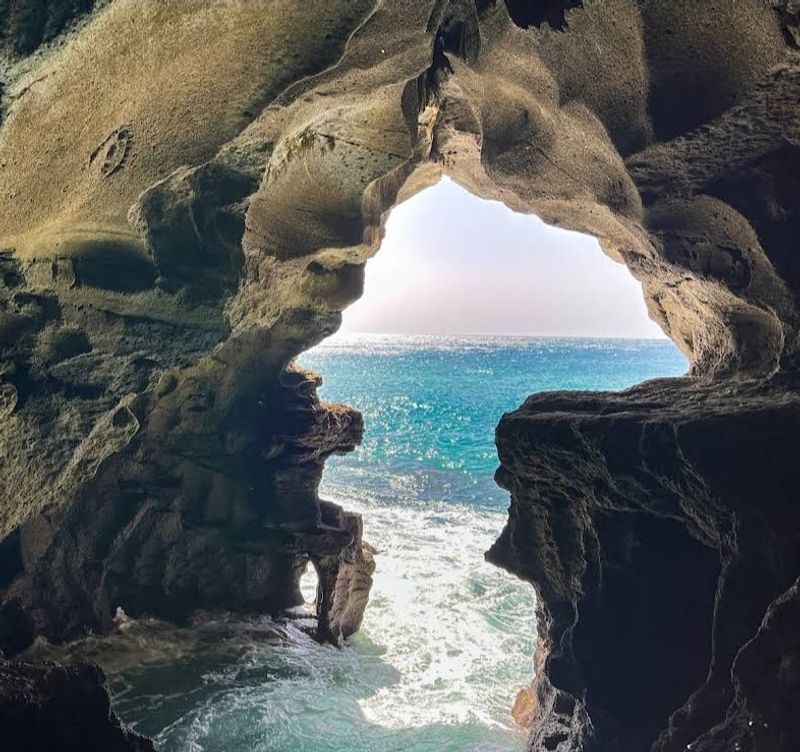
Legend claims Hercules rested here after separating Europe from Africa, though archaeologists trace human use back to Neolithic times.
The cave’s opening naturally formed into the shape of Africa, a coincidence that feels almost mythological itself.
Atlantic waves crash against rocks below while you explore chambers where ancient peoples once quarried millstones.
The mix of mythology, history, and coastal beauty makes this more than just another cave.
19. Actun Tunichil Muknal (ATM Cave) (Belize)
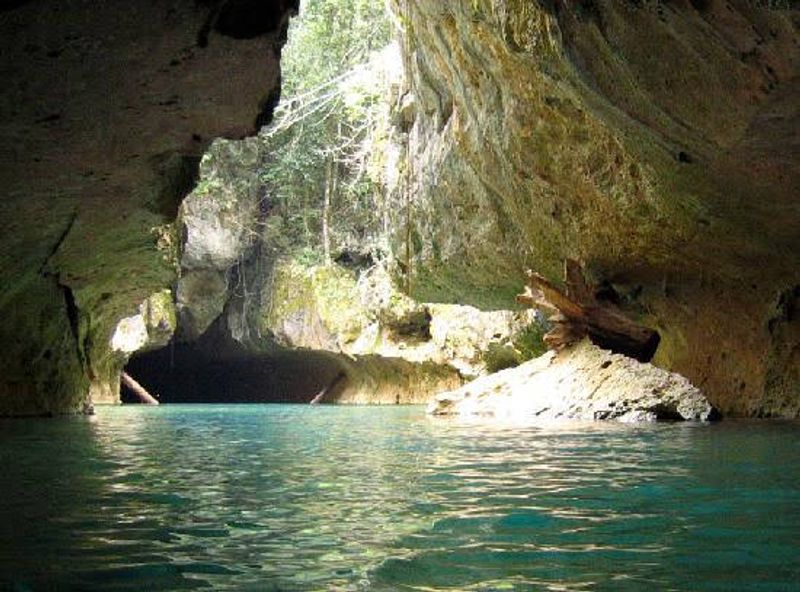
Getting here requires a 45-minute jungle hike and three river crossings before you even enter the cave.
Once inside, you’ll swim through underground rivers and climb over boulders to reach chambers where Mayan priests performed ceremonies over a thousand years ago.
Pottery and other artifacts remain in situ, making this feel more like an archaeological site than a tourist attraction.
No cameras allowed to protect the fragile remains and artifacts from accidental damage.
20. Villa Torlonia Bunker (Rome, Italy)
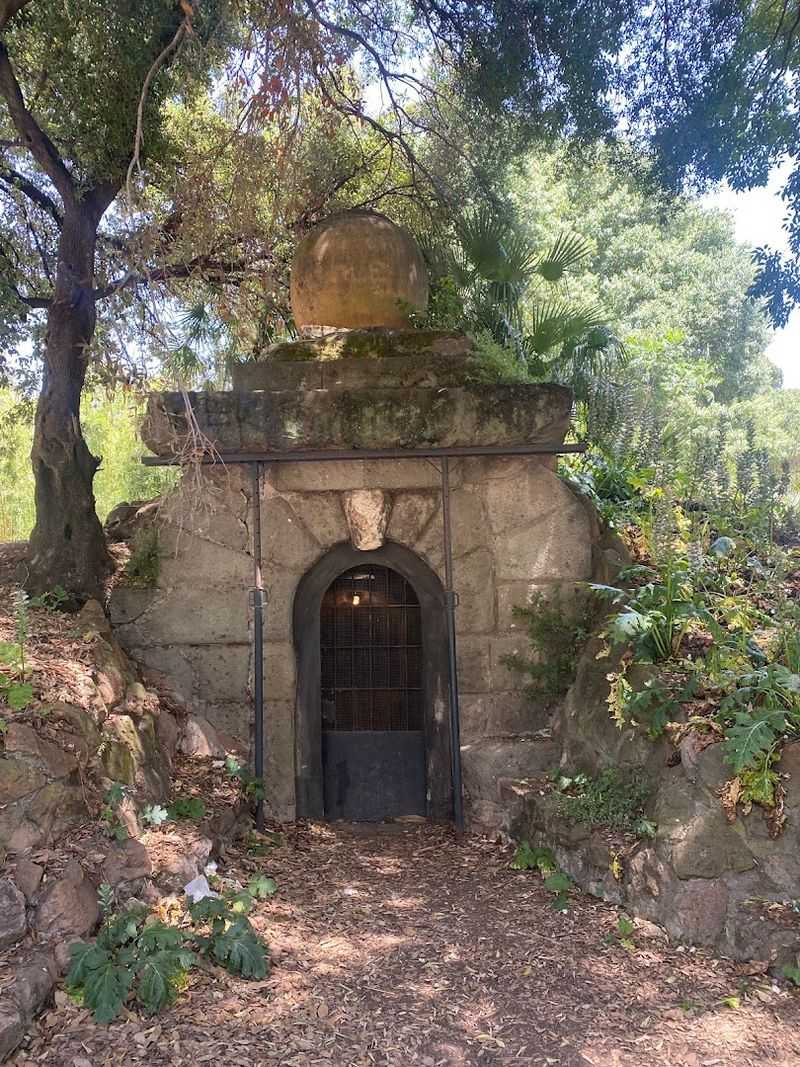
Benito Mussolini’s personal air raid shelter hides beneath the gardens of Villa Torlonia, complete with gas-proof doors and ventilation systems that never quite worked properly.
Walking through these cramped quarters offers an intimate glimpse of paranoia and power during World War II.
Original fixtures and furniture remain, frozen in time like a bunker-sized museum diorama.
Guided tours run on limited schedules, so check availability before visiting this lesser-known Rome attraction that most tourists never discover.