10 Super Bowl Commercials That Sparked The Biggest Backlash
Super Bowl ads get treated like a victory lap for brands, but the biggest stage in advertising is also the quickest way to create a public relations mess.
With well over 100 million people watching at once, a joke that feels “edgy” in a boardroom can read as cruel at home, and a heartfelt message can land as manipulative or wildly out of place. That backlash can hit within minutes, spreading faster than the postgame highlights.
In some cases, brands pulled ads early or issued apologies. In others, the spot became a cautionary tale that still gets cited years later.
Disclaimer: Information reflects widely reported coverage and contemporaneous reactions to specific Super Bowl ads and Super Bowl–intended campaigns. Interpretations of intent can vary, and backlash can reflect both cultural context and the moment an ad aired. The content is provided for general informational and entertainment purposes and is not legal, financial, or professional advice.
1. Nationwide’s “The Boy Who Couldn’t Grow Up” (2015)
Picture this: you’re munching on wings, cheering for your team, when suddenly a kid’s voice says he’ll never grow up because he passed away. Wait, what?
Nationwide decided the Super Bowl was the perfect time to remind everyone about preventable childhood accidents.
The backlash hit faster than a quarterback sack. Viewers called it depressing, manipulative, and completely inappropriate for America’s biggest party.
Though Nationwide claimed they wanted to start a conversation about safety, most people just wanted to change the channel and forget they’d seen it.
2. GoDaddy’s “Journey Home” Puppy Ad (2015)
When a puppy falls off a truck and struggles to get home, you’d expect a heartwarming reunion, right? Wrong!
GoDaddy’s version ended with the owner immediately selling the pup online using their website builder. Animal lovers absolutely lost it.
Before the commercial even aired during the game, the internet exploded with outrage.
Organizations like Animal Rescue slammed the ad for making pet trafficking seem casual and funny.
3. Snickers’ “Kiss” Mechanics Ad (2007)
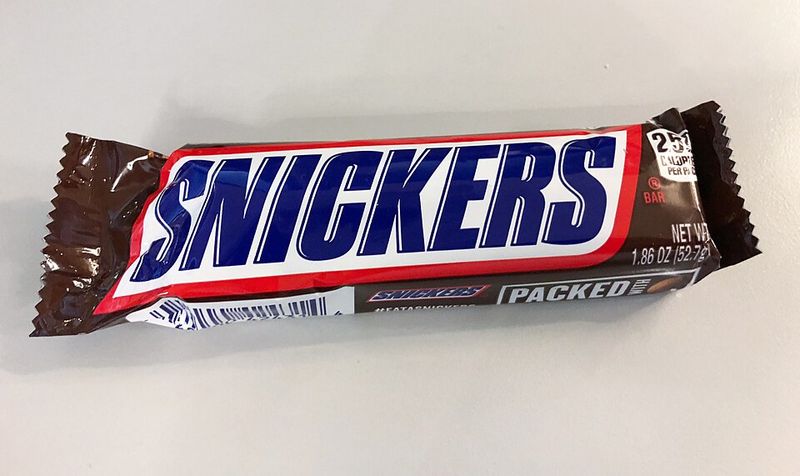
Two mechanics accidentally kiss while sharing a Snickers bar, then freak out and do exaggeratedly “manly” things to prove their masculinity.
Snickers thought this was comedy gold. The LGBTQ+ community thought otherwise.
Critics blasted the commercial for promoting homophobia and making gay panic the punchline.
Though Snickers defended it as harmless humor, they eventually removed the spot, learning that punching down never satisfies anyone’s appetite for laughs.
4. 84 Lumber’s Immigration Wall Ad (2017)
A mother and daughter journey across harsh terrain seeking a better life in America, only to encounter a massive wall blocking their path.
However, they discover a door, symbolizing hope. Sounds inspiring? Half the country disagreed loudly.
The original cut was considered too political for broadcast, forcing 84 Lumber to edit it down and direct viewers online for the full version.
Critics on both sides attacked it – some for being anti-border security, others for trivializing immigration struggles to sell lumber.
5. Audi’s “Daughter” Gender Pay Gap Ad (2017)

Audi’s commercial featured a dad watching his daughter race go-karts while pondering her future in a world with gender pay inequality.
The tagline promised Audi was committed to equal pay. Noble message, terrible execution.
Sharp-eyed critics immediately pointed out that Audi’s own leadership was overwhelmingly male, with zero women on their executive board. The irony was thicker than game-day guacamole!
Social media roasted the brand for preaching equality while practicing the opposite, turning what could’ve been a powerful statement into a masterclass in corporate hypocrisy that nobody was buying.
6. Ram Trucks Using MLK’s Sermon (2018)

Ram Trucks grabbed audio from Martin Luther King Jr.’s famous sermon about service and slapped it over footage of their vehicles doing heroic deeds.
They probably expected applause. Instead, they got dragged across every social media platform imaginable.
Critics accused Ram of exploiting a civil rights icon to sell trucks, twisting his message about serving others into an excuse to buy expensive vehicles.
Even though King’s estate had licensed the audio, viewers felt the commercial missed the entire point of his words and turned a powerful message into a sales pitch nobody asked for.
7. Focus on the Family’s Tim Tebow Ad (2010)
Pam Tebow shared her story about choosing to continue her pregnancy despite health risks, resulting in the birth of football star Tim Tebow.
Sweet family moment? Sure. Appropriate Super Bowl content? That sparked a national debate.
Pro-choice advocates argued the ad injected divisive abortion politics into a football game where people just wanted to relax. Others defended it as simply celebrating a mother’s choice.
CBS faced pressure from both sides before airing it.
8. Budweiser’s “Brewed the Hard Way” (2015)
Budweiser decided to throw shade at craft beer lovers, mocking “pumpkin peach ale” drinkers and bragging about not being a “fussy” beer.
They basically called anyone who enjoys flavorful brews pretentious. Craft beer fans did not appreciate the roast.
Social media exploded with angry responses from brewery owners and beer enthusiasts who felt insulted by the largest beer company in America punching down at smaller competitors.
9. Burger King’s Mary J. Blige Chicken Ad (2012)
Music legend Mary J. Blige sang about crispy chicken wraps in what many viewers immediately recognized as a cringe-worthy racial stereotype.
The ad leaned heavily on outdated tropes connecting Black artists with fried chicken, and people weren’t having it.
Criticism flooded in from all directions, calling the commercial tone-deaf and offensive. Burger King quickly apologized and yanked the spot from rotation.
Even Blige distanced herself from the final product, reportedly unhappy with how it turned out.
10. Groupon’s “Tibet” Ad (2011)

Timothy Hutton appeared on screen discussing the plight of Tibetan culture, making viewers think they were about to see a meaningful message.
Then – plot twist – he pivoted to promoting discount Tibetan food at Chicago restaurants through Groupon. Yikes. The internet collectively facepalmed.
Critics slammed Groupon for trivializing serious human rights issues just to sell coupons for cheap meals. Similar ads mocked other causes too, making the whole campaign opportunistic.