10 Surprising Facts About Howard The Duck’s Strange Hollywood History
Quack, okay, let’s talk about this because things got weird real fast.
Talking duck shows up, Marvel stamp included, and somehow the plan was, “yes, this will absolutely work,” no further questions asked.
Rock music, aliens, and choices that feel like they were made at 2 a.m.… quack… it all waddles into something nobody quite knows how to explain.
Love it, cringe at it, or just blink at it, this story still feels like it flew straight out of the most chaotic nest imaginable.
1. George Lucas Made It Happen
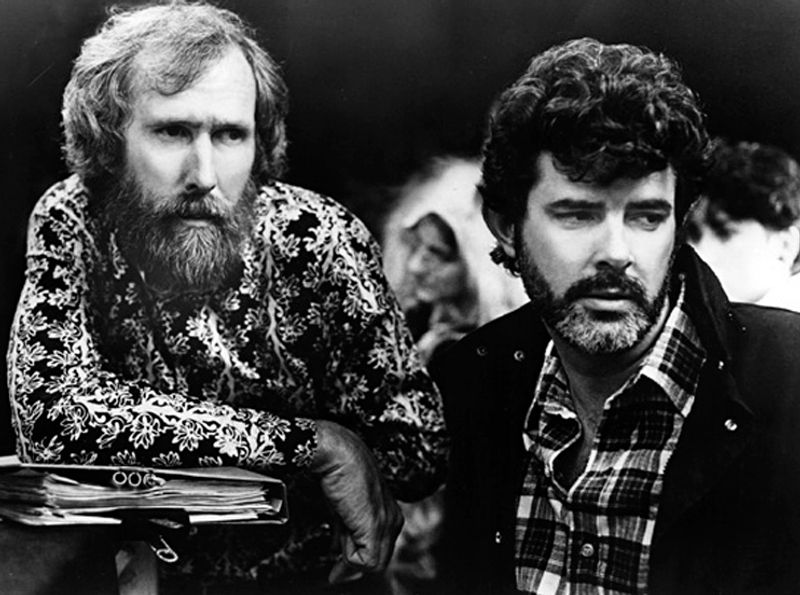
George Lucas did not just lend his name to this project.
Lucasfilm produced the whole film, and Lucas served as executive producer, putting real resources and reputation behind a talking duck from outer space. That is a bold creative bet, even by Hollywood standards.
Lucasfilm’s own production page still frames it as a George Lucas-backed Marvel adaptation. Call it ambition, call it a gamble, but nobody else at that level was greenlighting duck movies in 1986.
2. Steve Gerber’s Comic Got A Makeover
Sharp satire and surreal humor defined Howard the Duck in its original comic form, with Steve Gerber and Val Mayerik leaning hard into social commentary. Film adaptation kept the character but stripped away much of that edge, leaving a noticeably softer version behind.
Production histories show a clear tone shift, softening many of the comic’s stranger and more satirical qualities that made the comic stand out.
Expectation of something bold turned into something far milder, like ordering heat and getting none. Fans of the comic picked up on the difference right away.
3. Animation Was The Original Plan
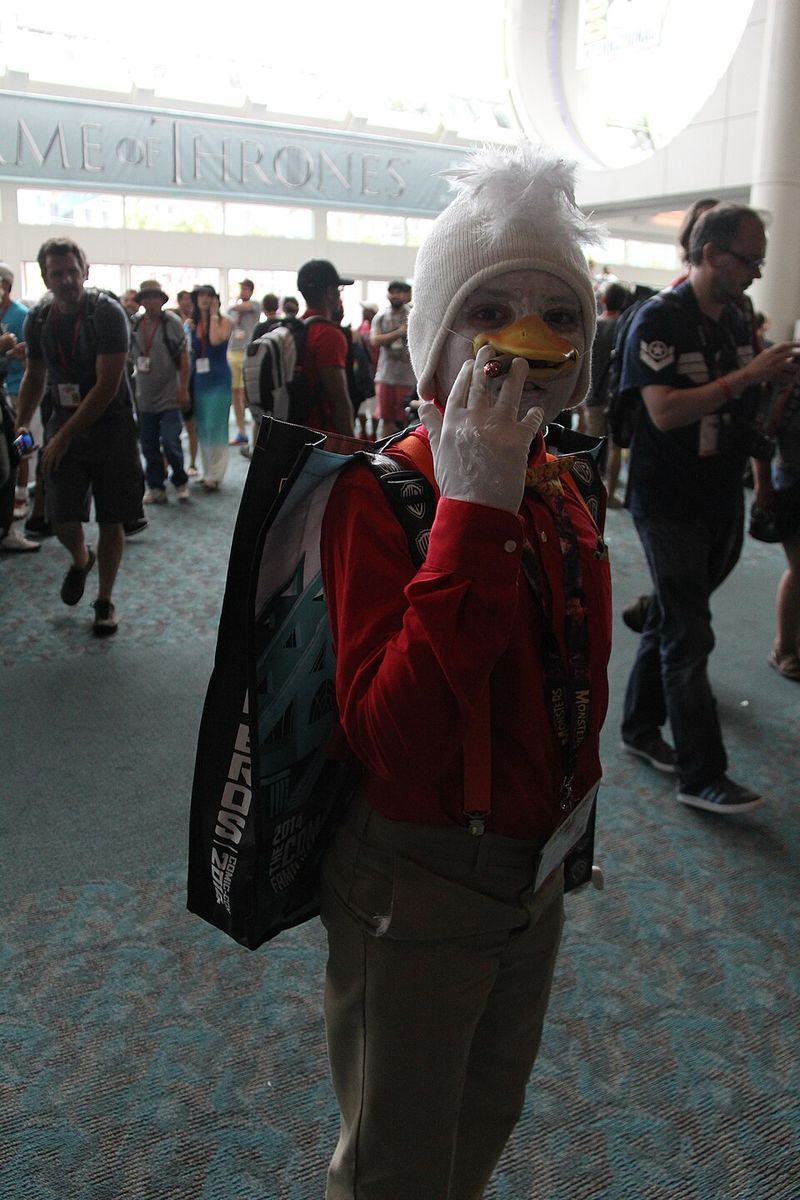
Long before anyone squeezed into a duck suit, Howard the Duck was meant to be an animated film, which honestly suited a feathered cartoon troublemaker far better. At the start, that approach made perfect sense for a character built around attitude, weirdness, and a very specific kind of comic-book chaos.
Then a contractual obligation changed the plan, with Lucas needing to deliver a live-action movie to a distributor, so animation got pushed aside and the cameras rolled on something much stranger and more expensive.
Sometimes one contract is all it takes to send a project down a completely different road.
4. Multiple Performers Played Howard

Voice came from Chip Zien, while Ed Gale supplied Howard’s physical presence on screen, already making the role more complicated than it looked.
Production went even further behind the scenes, using six performers across different suit and puppetry setups to make the character work.
That six-actor total, confirmed in AFI’s film summary, helps explain why Howard can seem slightly different from one scene to the next. Pulling off one permanently irritated duck ended up taking a whole small army.
5. Howard’s Effects Were Difficult To Pull Off

Making Howard look believable on camera quickly became one of the production’s biggest headaches.
First came plans for a fully computerized version, then puppets, and eventually a mix of suit performance and animatronics took over.
Along the way, suits kept losing feathers, proportions looked off, and malfunctions happened often enough to trigger reshoots while the technology kept changing in the middle of production. Trying to pull off a photorealistic anthropomorphic duck in 1986 was practically an invitation for chaos, and the crew got more than enough of it.
6. Phil Tippett Handled The Finale’s Creatures
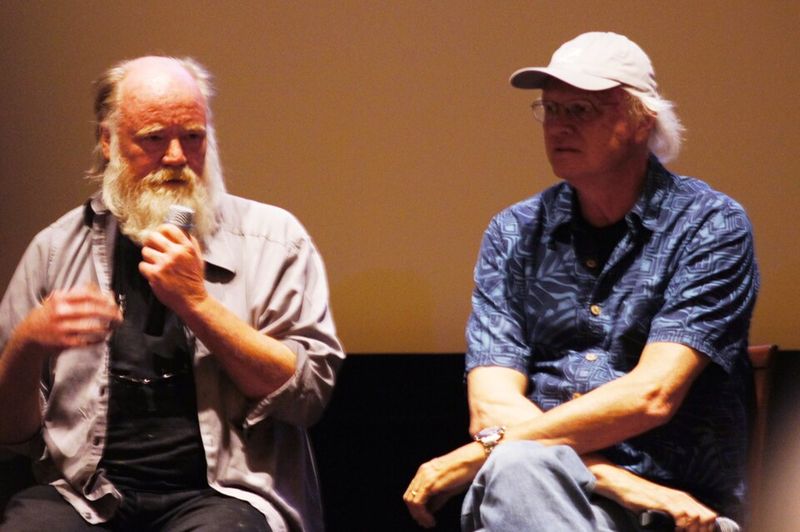
The final stretch features a large alien creature, and the stop-motion effects behind it came from Phil Tippett. That name carries serious weight in Hollywood creature work.
Tippett’s effects resume includes some of the most iconic monster moments in film history, so his involvement gave the finale genuine technical credibility. Even a famously troubled movie sometimes pulls in the best talent on the block.
7. Lea Thompson Was The Heart Of The Film
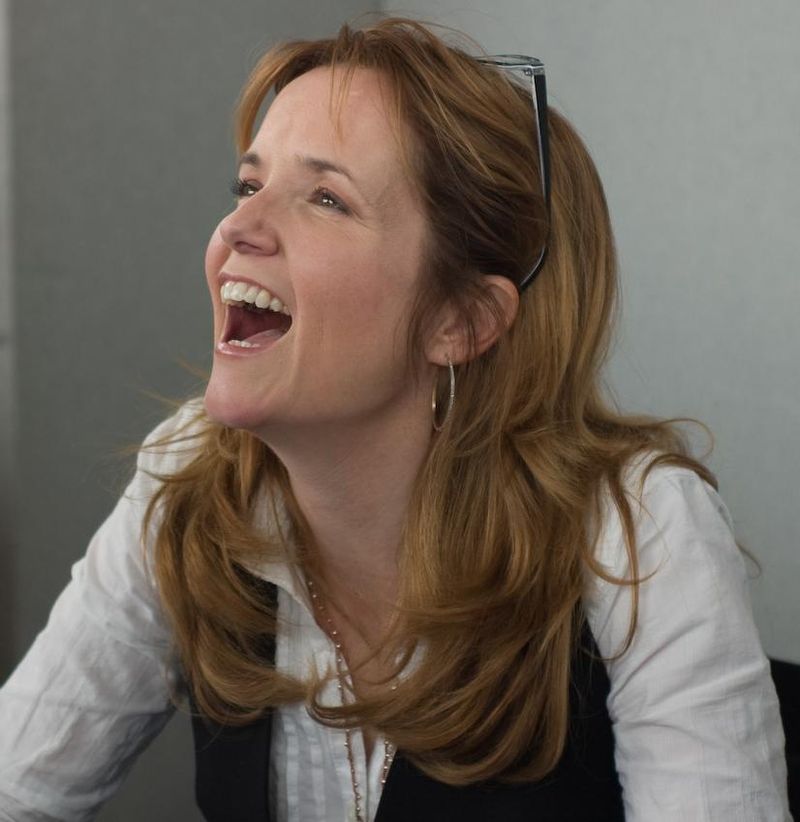
Rock singer Beverly Switzler needed real charisma, and Lea Thompson delivered a performance many fans still remember as the film’s warmest element.
Official listings from AFI and Lucasfilm place her among the principal stars, with chemistry opposite a duck in a rubber suit requiring more skill than most roles ever demand.
Emotional center of the story settled around Beverly, giving the film something grounded while everything else leaned into the weird. Level of commitment on display remains genuinely impressive.
8. Tim Robbins Was There Before Stardom

Long before becoming a household name through The Shawshank Redemption, Tim Robbins showed up as Phil Blumburtt in a story about a duck from another dimension. Career paths do not always begin at the top, and that early role makes the point clearly.
Billing among the main cast of Howard the Duck still catches people off guard when it comes up.
Unexpected chapters tend to show up even in the most respected filmographies.
9. Northern California Provided Key Locations
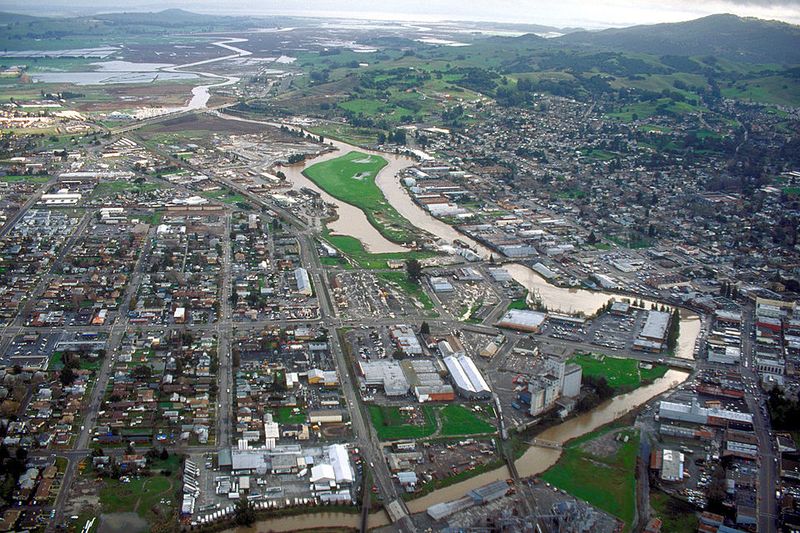
Out in Petaluma, California, the ultralight aircraft sequence found the open, breezy backdrop that gave one of the film’s lighter moments room to breathe.
Production notes back up that location choice directly, which makes the airy look feel even less accidental.
For the dramatic climax, cameras moved to a naval installation in San Francisco, where the industrial scale gave the finale a size and texture no studio backlot could fake. Quietly, Northern California did a huge amount of work in shaping the film’s visual identity.
10. A Notorious Flop That Found Cult Status
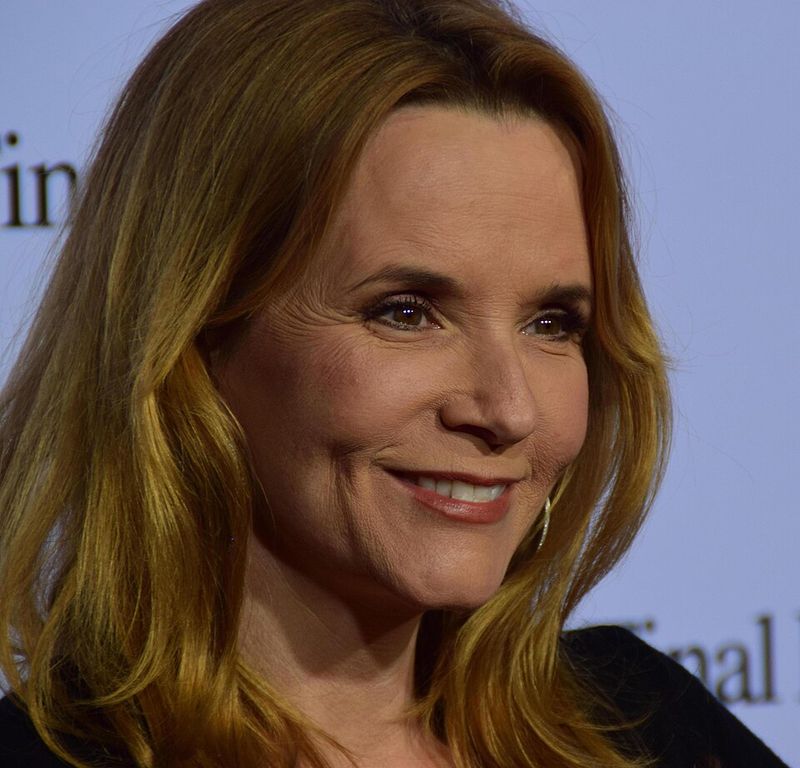
Howard the Duck opened on August 1, 1986, carrying a reported budget between 30 and 37 million dollars and earning roughly 37.9 million worldwide. Against its budget, that box-office result made it a commercial disappointment.
Seven Golden Raspberry Award nominations followed, with four wins cementing its reputation as a celebrated miss. Decades later, reassessments and Marvel cameos warmed audiences back up to the duck.
Note: This article is provided for general informational and entertainment purposes and is based on publicly available production histories, official film pages, and box-office records available at the time of writing.