10 Surprising Facts About Ribeye Steak
Ribeye steak holds a special place on dinner plates and restaurant menus everywhere, loved for its rich flavor and tender bite.
But beyond the sizzle and the first delicious forkful, this cut hides a surprising number of secrets about where it comes from, how it’s prepared, and why it tastes so incredible.
Whether you’re a steak lover or just curious about what makes ribeye stand out, these facts will change the way you see your next meal.
Disclaimer: This article is provided for general informational and culinary purposes and reflects widely shared perspectives on ribeye steak and its preparation methods.
The descriptions and facts presented are not exhaustive and may vary by personal preference and regional practices.
Always consult professional sources for specific culinary techniques and food safety guidelines.
1. Multiple Muscles Make Up One Steak
Ribeye isn’t just a single piece of meat – it’s actually a combination of different muscles working together.
The main section is called the longissimus dorsi, often known as the eye.
Surrounding it are smaller muscles like the spinalis dorsi and sometimes a bit of the complexus.
Each muscle brings its own texture and flavor, creating layers of taste in every bite.
Think of it like a flavor team-up, where every player has a role to make the meal unforgettable.
2. The Ribeye Cap Is A Hidden Treasure
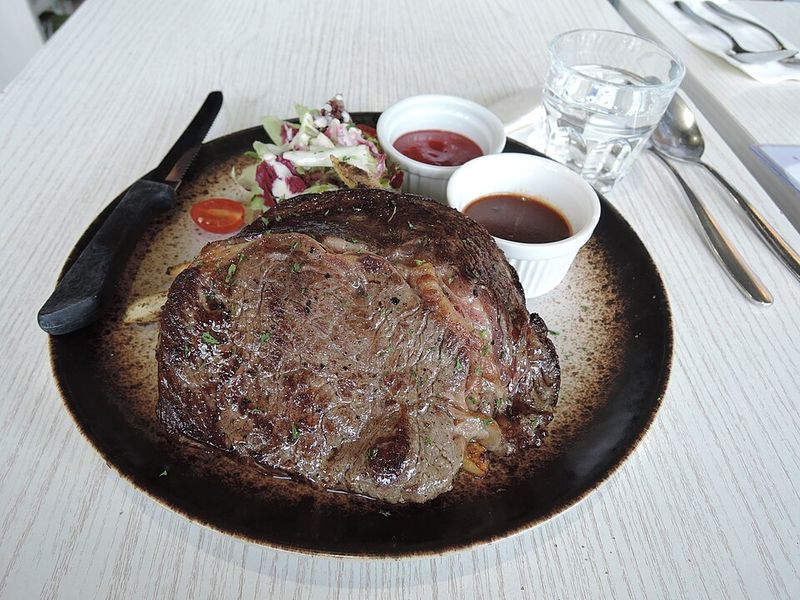
Many steak fans don’t realize the ribeye cap, or spinalis dorsi, can be sold separately as its own premium cut.
In meat industry language, this standalone cut is labeled IMPS 112D.
It’s considered one of the most tender and flavorful parts of the entire cow.
Some butchers and high-end restaurants feature it as a special menu item.
When you find it, you’re getting the best of the best – a rare treat that feels like discovering a secret level in your favorite game.
3. It Comes from A Low-Work Zone
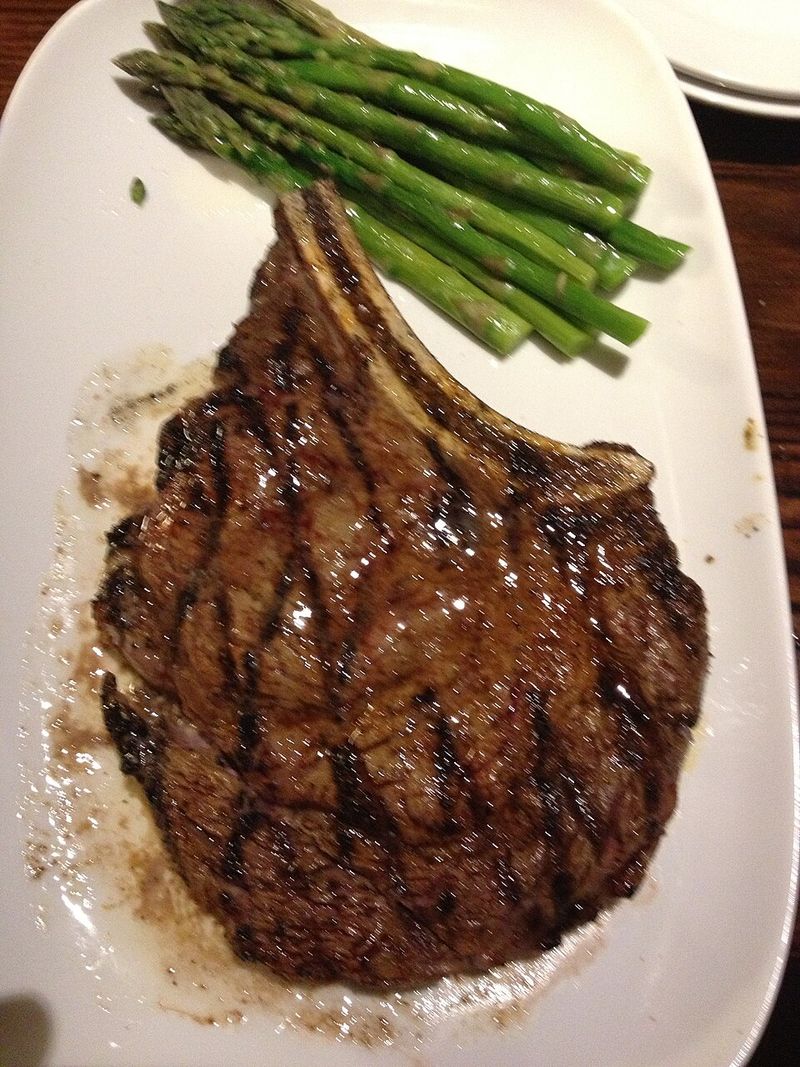
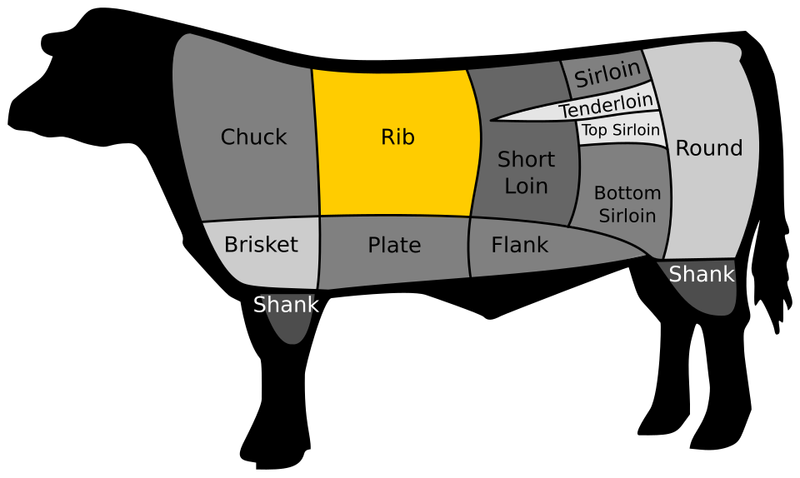
Ribeye originates from the rib primal, located along the upper rib cage of the cow.
Because this area doesn’t do as much heavy lifting as the legs or shoulders, the meat stays naturally tender and develops rich marbling.
Less muscle work means more fat distribution, which translates directly to flavor.
Picture a cow lounging rather than sprinting, that relaxed muscle is what makes ribeye so easy to chew and so satisfying to enjoy on a busy weeknight or special occasion.
4. Cowboy Steaks Are Just Dressed-Up Ribeyes
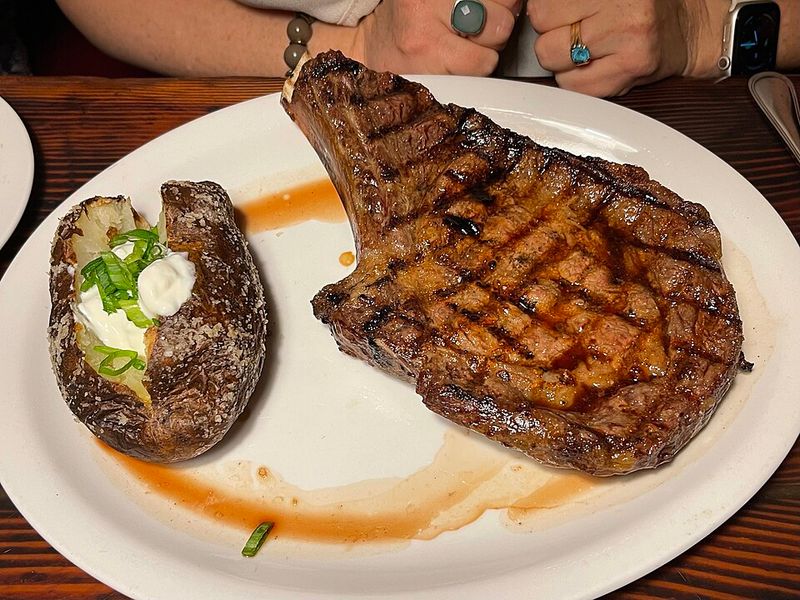
A cowboy steak is essentially a bone-in ribeye with a long, exposed rib bone that’s been cleaned up for presentation.
This technique is called frenching, and it gives the steak a dramatic, rustic look.
The bone can also affect how heat moves through the meat during cooking, adding a subtle difference in texture near the bone.
It’s like wearing a fancy hat to a barbecue – same delicious ribeye underneath, just with extra style points that make it Instagram-ready.
5. Marbling Determines Quality Grades
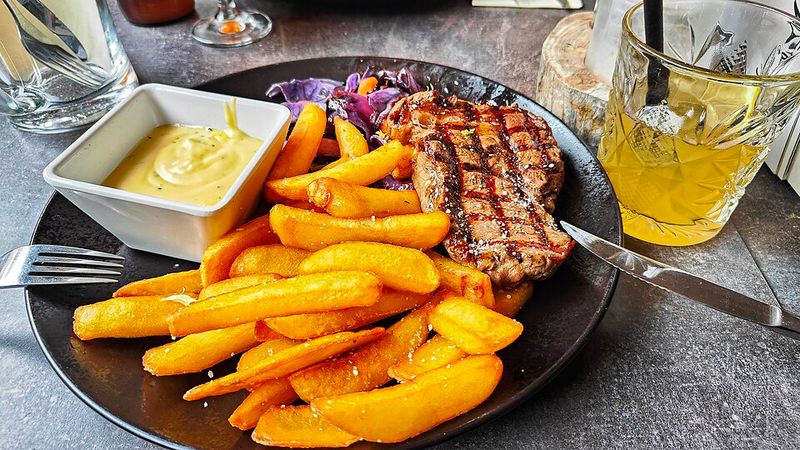
USDA quality grades for beef focus heavily on marbling, which directly impacts tenderness, juiciness, and flavor.
Higher marbling levels mean better eating experiences, which is why Prime ribeyes command top dollar.
Those white streaks of fat aren’t just for looks, they melt during cooking, basting the meat from the inside out.
When you pick a well-marbled ribeye, you’re investing in a steak that practically cooks itself to perfection.
It’s the difference between a good meal and one you remember for weeks.
6. Dry-Aging Is Science, Not Just Tradition
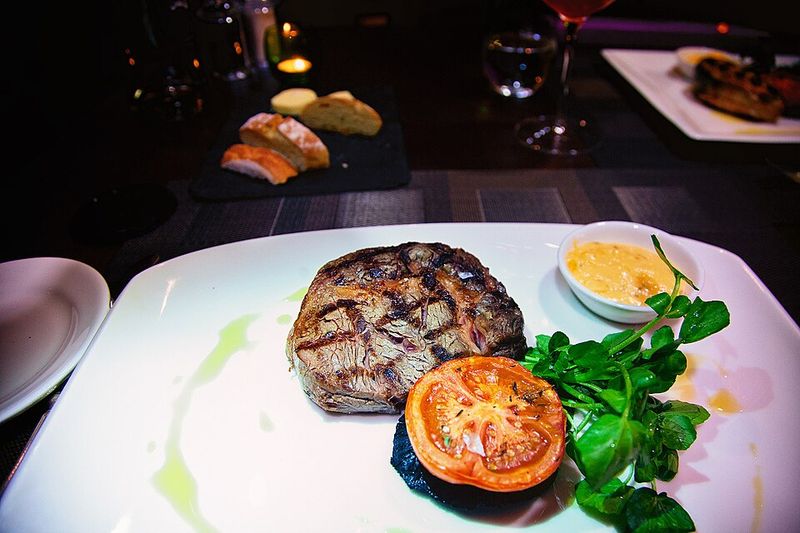
Dry-aging isn’t just an old-school technique – it’s a carefully controlled scientific process.
Time, temperature, humidity, and airflow all work together to change the steak’s texture and intensify its flavor.
Moisture loss concentrates taste, while natural enzymes break down muscle fibers, making the meat even more tender.
It’s like aging cheese or fine wine, where patience and precision create something extraordinary.
When you bite into a dry-aged ribeye, you’re tasting weeks of transformation that turn good beef into something unforgettable.
7. Prime Rib And Ribeye Are Close Relatives
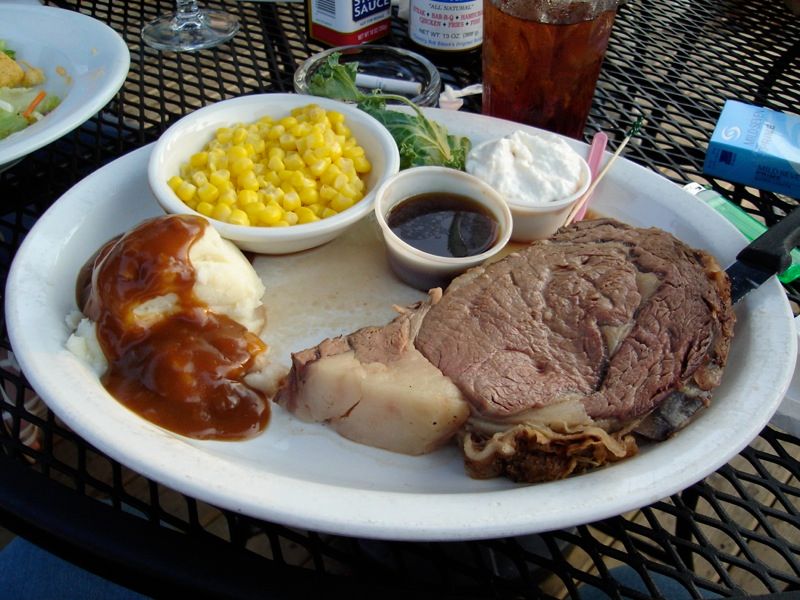
Prime rib and ribeye come from the same neighborhood on the cow – the rib primal.
Prime rib is a large roast that’s cooked whole, often for special occasions and holiday gatherings.
Ribeye steaks are simply individual slices cut from that same section.
Think of prime rib as the family reunion platter, while ribeye is the personal plate everyone takes home.
Both deliver incredible flavor, just in different serving sizes perfect for different moments, whether you’re feeding a crowd or enjoying a quiet dinner.
8. Reverse-Searing Builds A Better Crust
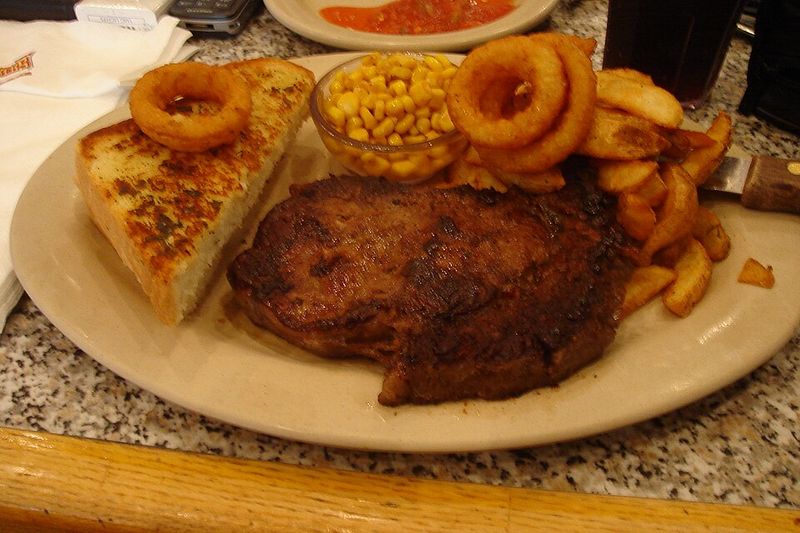
Reverse-searing works especially well on ribeye because it starts with low, slow heat to cook the steak evenly throughout.
This method also dries the surface, which is key to getting a beautifully browned, crispy crust when you finish with a fast, high-heat sear.
Traditional searing can leave you with an overcooked outside and undercooked center.
Reverse-searing flips the script for better results.
It’s like preheating your oven for cookies – small steps make a big difference in the final, mouthwatering outcome you serve to family or friends.
9. Delmonico Steak Has A Flexible Identity
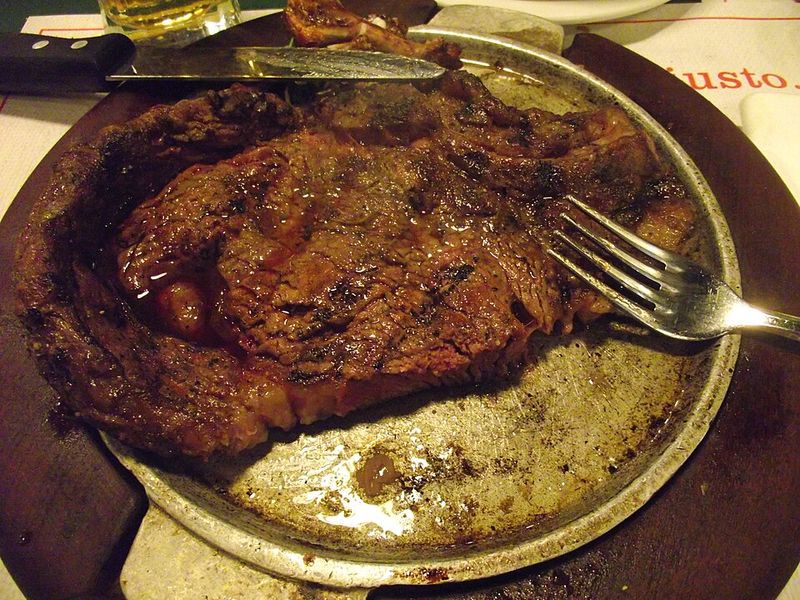
The term Delmonico steak doesn’t refer to one single, fixed cut across all butcher shops and restaurants.
Historically, it’s been used for various cuts, though ribeye is commonly associated with the name today, including at the famous Delmonico’s restaurant.
The name carries more history than precision, which can surprise first-time orderers.
It’s a bit like ordering a hero sandwich in different cities – you might get something slightly different each time, but it’s usually delicious and worth the adventure.
10. Resting Prevents Overcooking
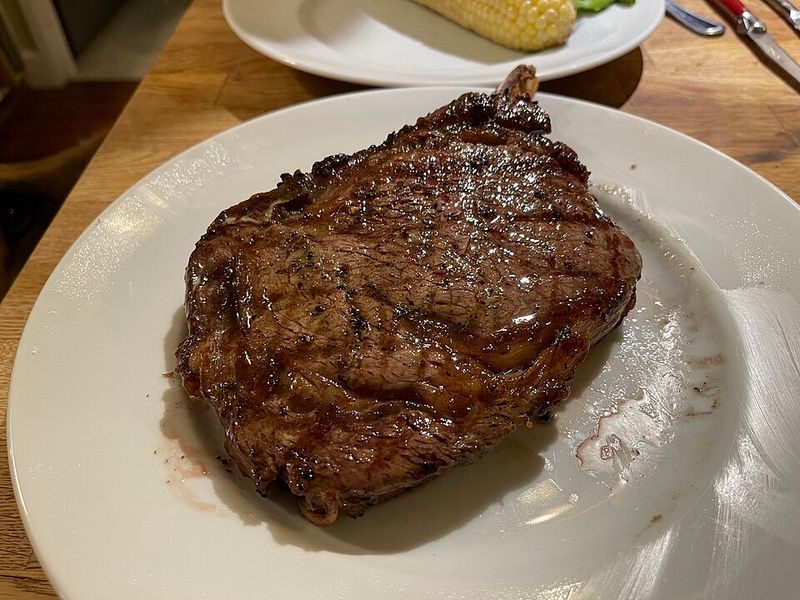
Resting your ribeye after cooking isn’t just about letting juices redistribute, it’s also about managing carryover cooking.
Even after you pull the steak off the heat, internal temperature can keep rising as warmth moves from the outside toward the center.
Timing your pull correctly is essential to hitting your perfect doneness.
Skipping the rest can mean the difference between medium-rare and medium-well.
It’s like letting a cake cool before frosting – patience pays off with a result that’s exactly what you hoped for on a calm evening.